35,000+ smart investors are already getting financial news, market signals, and macro shifts in the economy that could impact their money next with our FREE weekly newsletter. Get ahead of what the crowd finds out too late. Click Here to Subscribe for FREE.
Shrinkflation used to be subtle. A few fewer chips. Slightly thinner slices. Smaller boxes that looked unchanged on the shelf. In 2026, Canadians say that subtlety is gone. Grocery items are shrinking faster than prices can justify. Packages look familiar, but the math no longer works. People are noticing lighter bags, shorter rolls, and portions that barely cover a single meal. The frustration is not about luxury items. It is about everyday staples that families buy. Here are 23 “Shrinkflation” Grocery Items Canadians Say Have Gotten Ridiculous in 2026.
Breakfast Cereal
23 “Shrinkflation” Grocery Items Canadians Say Have Gotten Ridiculous in 2026
- Breakfast Cereal
- Potato Chips
- Loaf Bread
- Yogurt Tubs
- Cheese Blocks
- Chocolate Bars
- Coffee Pods
- Ice Cream Tubs
- Pasta Boxes
- Frozen Pizza
- Peanut Butter Jars
- Butter Blocks
- Granola Bags
- Deli Meat Packs
- Juice Cartons
- Rice Bags
- Frozen Vegetables
- Crackers
- Canned Soup
- Frozen Meals
- Baking Mixes
- Snack Bars
- Baking Chocolate Chips
- 22 Groceries to Grab Now—Before another Price Shock Hits Canada
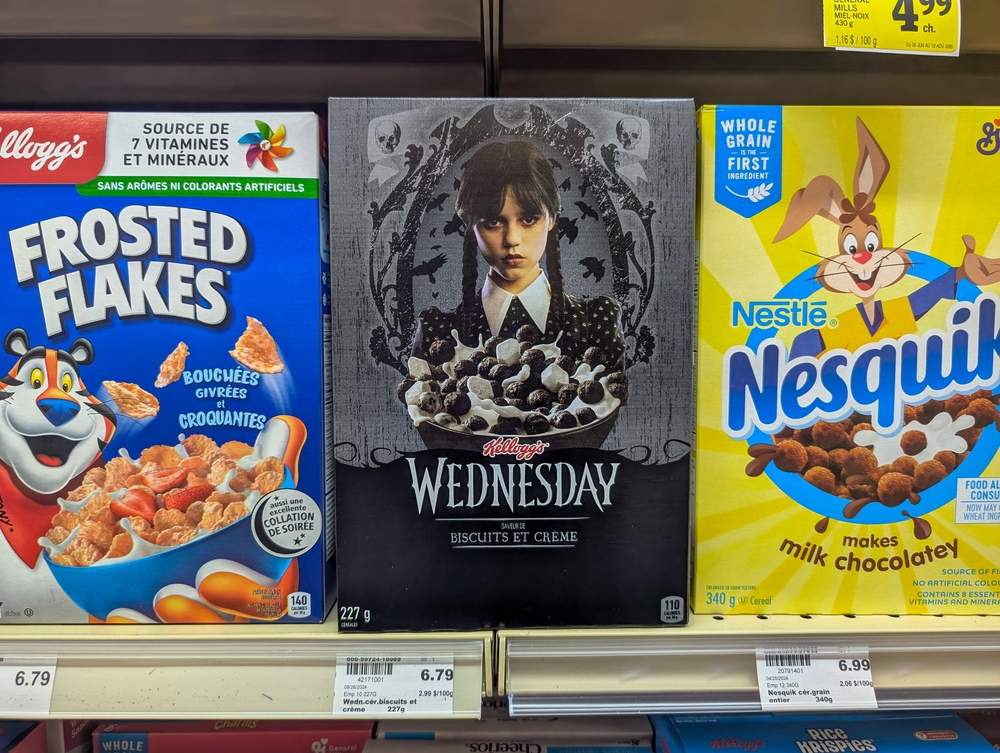
Cereal boxes still take up the same shelf space, but the contents feel hollow. Canadians report bags that look half full after opening. Serving sizes quietly changed, but prices did not move down. Families notice bowls empty faster, especially with kids. The weight reduction often hides behind thicker cardboard and larger branding. Some brands removed entire servings per box without any front label change. People now check Instagram instead of pictures. Multi-pack deals no longer stretch through the week. What once lasted several breakfasts now barely covers a few mornings. Cereal feels like air sold at a premium. Shoppers feel tricked more than surprised.
Potato Chips
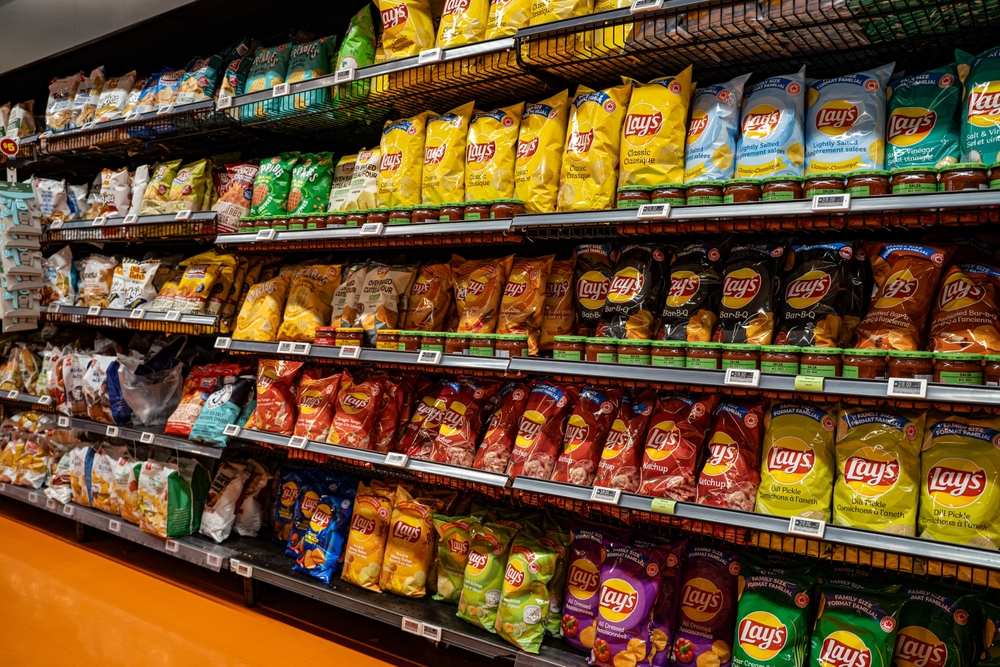
Chip bags remain puffed with air, but the payoff keeps shrinking. Canadians say bags feel lighter every year. Opening one often reveals more space than chips. Party-sized bags barely survive one gathering now. Brands adjust serving counts while keeping bag dimensions familiar. Some flavours seem hit harder than others. People compare older bags at home and notice clear differences. The price per gram keeps climbing quietly. Chips were once a cheap treat. Now they feel rationed. Consumers joke that they buy oxygen with seasoning included. The frustration is not hunger. It is the feeling of paying more for less crunch.
Loaf Bread
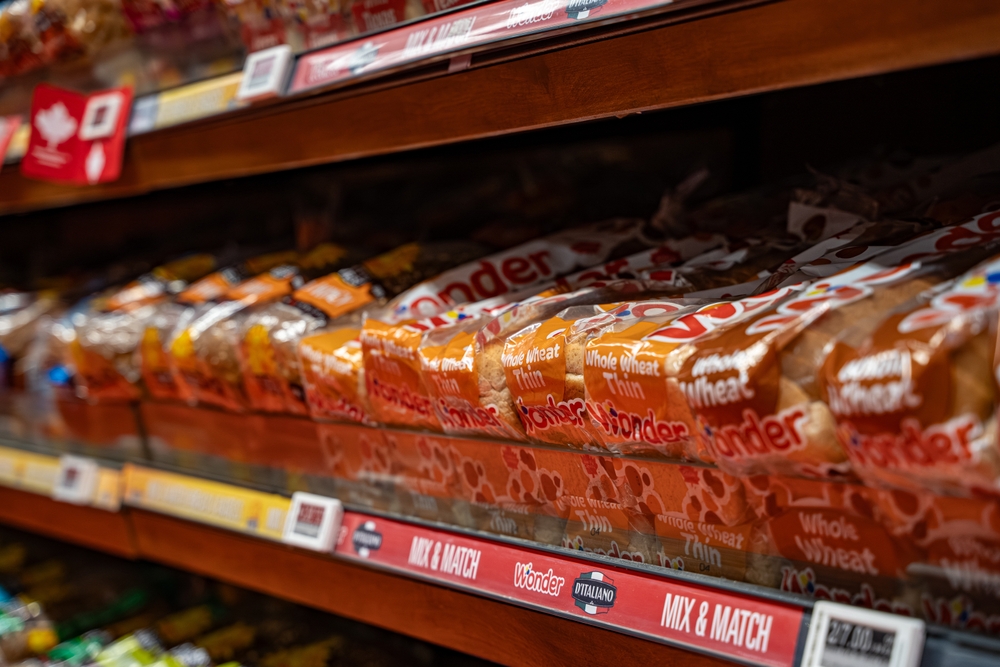
Bread loaves look identical from the outside, but slices feel thinner. Canadians notice fewer slices per bag. Some loaves shrink in length without changing width. Sandwiches feel smaller without explanation. Families report finishing loads days earlier than before. Brands rarely highlight weight changes. Shoppers now compare grams between store brands. Even bakery-style loaves follow the trend. Toast requires two slices where one used to work. The price increases alongside the shrinkage. Bread is a daily staple, not a luxury. That makes the reduction feel personal. People feel forced to buy two loaves instead of one. It quietly adds up weekly.
Yogurt Tubs
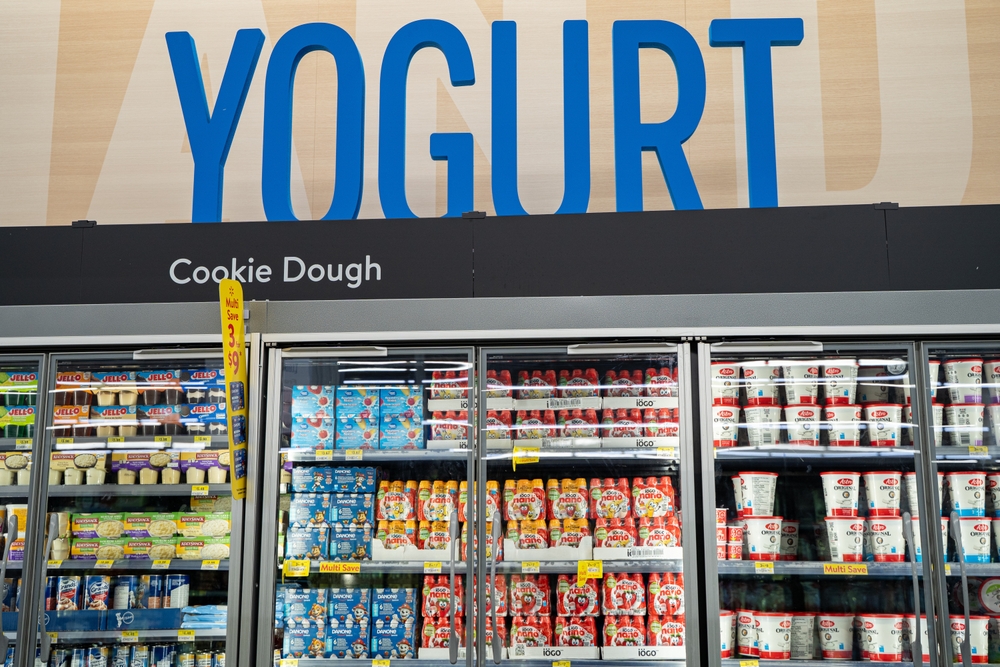
Yogurt containers still look generous, but spoonfuls disappear quickly. Canadians say tubs empty faster than expected. Some brands reduced volume while keeping container height similar. Single-serve cups feel especially affected. Lids appear deeper than the product inside. Families notice fewer breakfasts per tub. Nutrition labels quietly reflect the change. Prices rarely adjust downward. Yogurt once stretched across the week. Now it barely covers a few days. Shoppers feel pushed toward buying multiple tubs. The texture remains familiar, but the quantity does not. For a fridge staple, the shrink feels unnecessary. Consumers resent paying more for less protein and less value.
Cheese Blocks
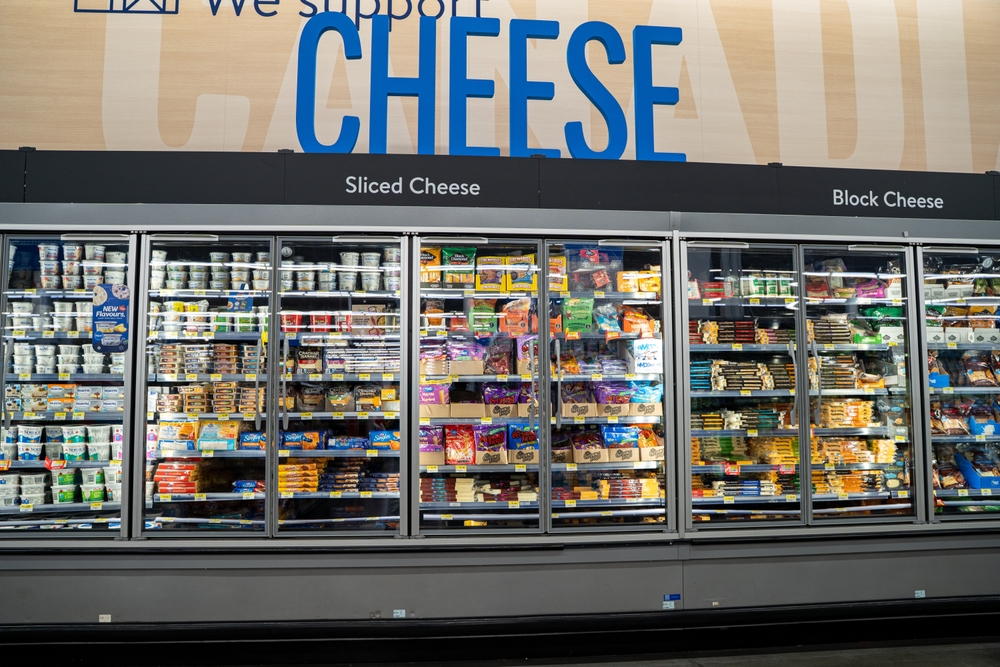
Cheese blocks have lost weight without losing price. Canadians say blocks feel smaller in the hand. Packaging still suggests the old size. Grated yield drops noticeably during meal prep. Recipes that once worked now fall short. Some blocks shave off just enough to matter. Cheese is already expensive. Shrinkflation makes it worse. Families buying weekly notices experience faster depletion. The label change is easy to miss. Stores stack them the same way as before. People compare receipts and weights to confirm suspicions. Cheese boards feel stingier. Consumers feel nickel-and-dimed over a product that once felt dependable. Trust fades with every smaller block.
Chocolate Bars
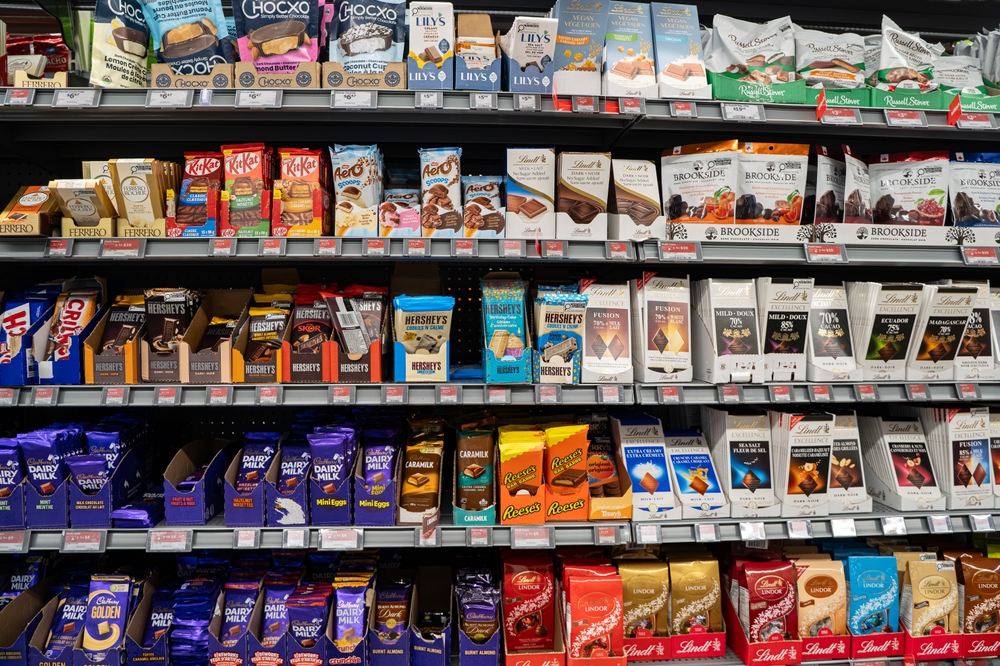
Chocolate bars are a classic shrinkflation example. Canadians say bars feel shorter and thinner. Break lines change, but branding stays familiar. The bite count drops quietly. Prices rise while grams fall. Multipacks contain fewer bars than before. Chocolate used to be a small comfort purchase. Now it feels calculated. People notice hollow bottoms and altered molds. Some bars snap faster due to reduced thickness. Consumers read labels more carefully now. The experience feels downgraded. Chocolate still tastes the same, but satisfaction fades sooner. Buyers feel manipulated rather than rewarded. A treat should feel indulgent, not rationed by design.
Coffee Pods
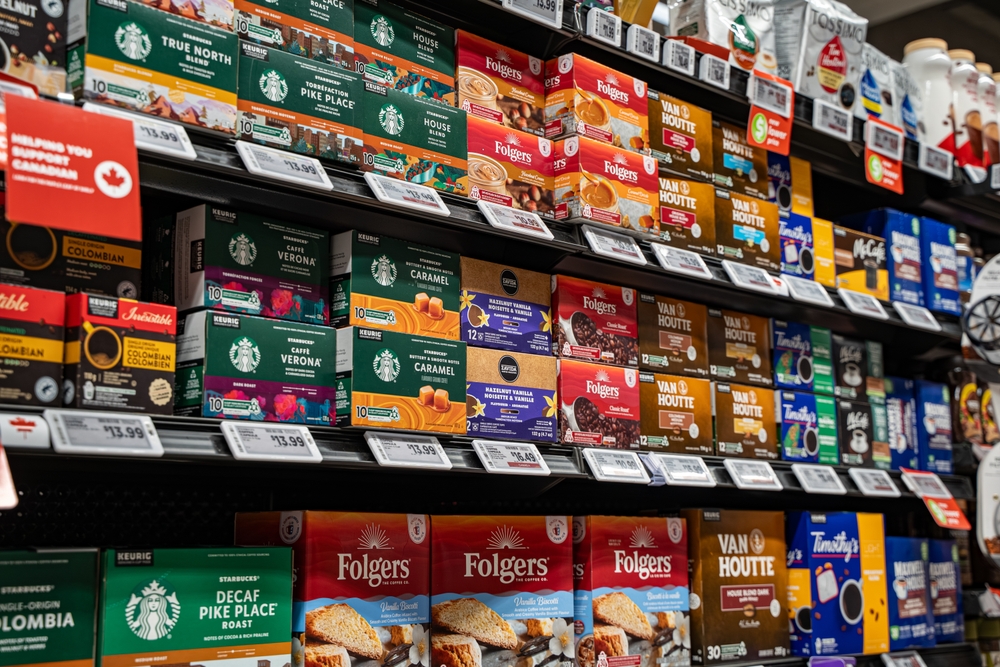
Coffee pods promise convenience, but contents are shrinking. Canadians say the brews taste weaker than before. Pod sizes dropped while machine settings stayed unchanged. The result is diluted coffee. Boxes list the same pod count, but each pod holds less coffee. Prices did not follow the reduction. Morning routines suffer. People use two pods for one cup now. That doubles the cost per serving. Brands quietly adjusted weights on labels. Few consumers noticed at first. Over time, taste revealed the change. Coffee is a daily ritual. When it weakens, frustration builds quickly. Shrinkflation here feels especially personal to caffeine-dependent households.
Ice Cream Tubs
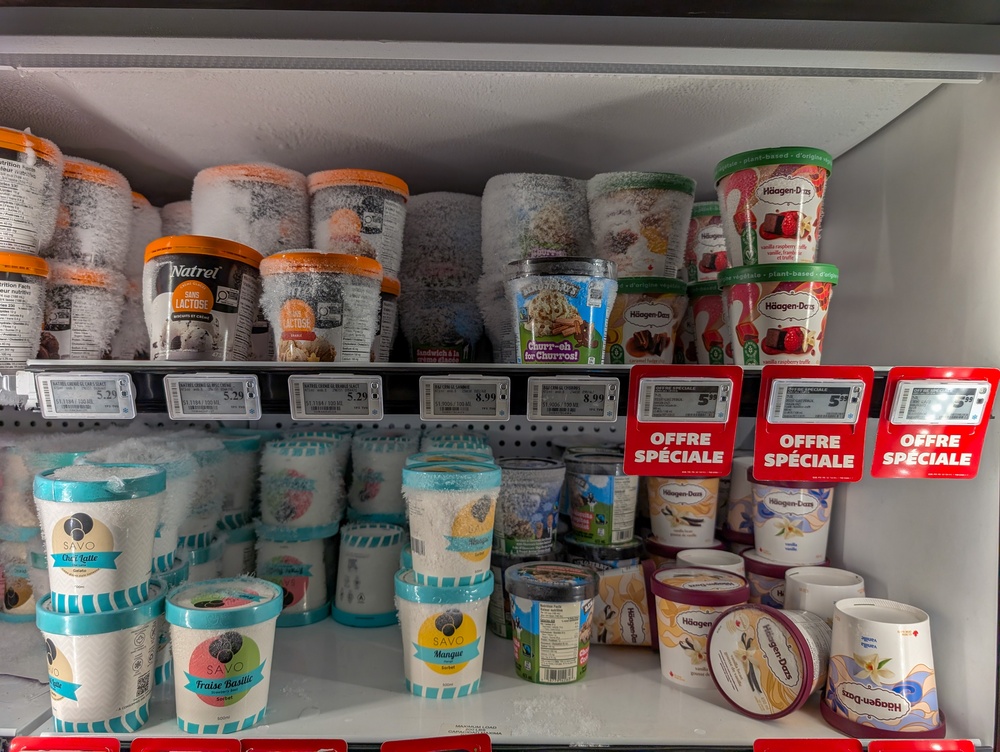
Ice cream containers look tall, but volume tells another story. Canadians notice tubs melting away faster. Many brands reduced volume from older standards. Containers remain wide and deep to mask the change. Serving counts dropped without clear notice. Prices rose alongside the shrinkage. Families run out mid-week instead of the weekend. Some tubs use thicker plastic to appear full. Scoops hit the bottom sooner than expected. Ice cream used to be a shared dessert. Now it feels portioned tightly. Shoppers compare millilitres carefully. The joy fades when the math disappoints. Treats lose their appeal when value disappears quietly.
Pasta Boxes
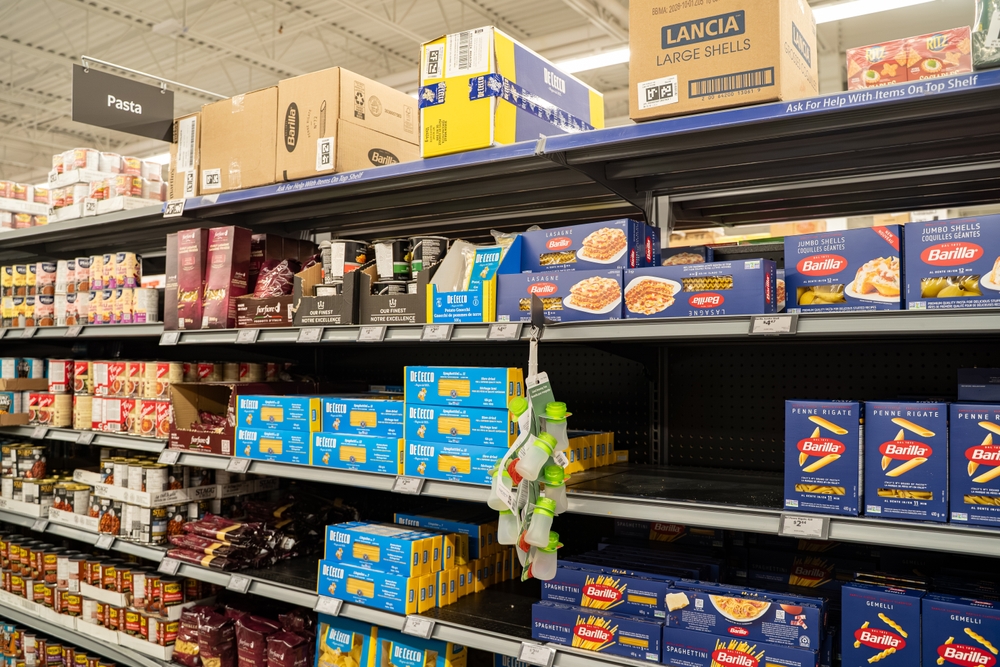
Pasta boxes still look the same on shelves. Canadians say they cook fewer plates per box. Weights drop while box dimensions stay unchanged. Families notice leftover shortages. One box no longer feeds the household. Labels reveal subtle grammatical reductions. Prices remain steady or higher. Pasta was a budget staple. Shrinkflation changes that perception. People now buy extra boxes for one meal. Storage fills faster. Budget planning becomes harder. Recipes require adjustment. Pasta nights feel less flexible. Consumers feel forced into bulk buying. What once felt predictable now feels uncertain. The quiet change disrupts weekly planning more than expected.
Frozen Pizza
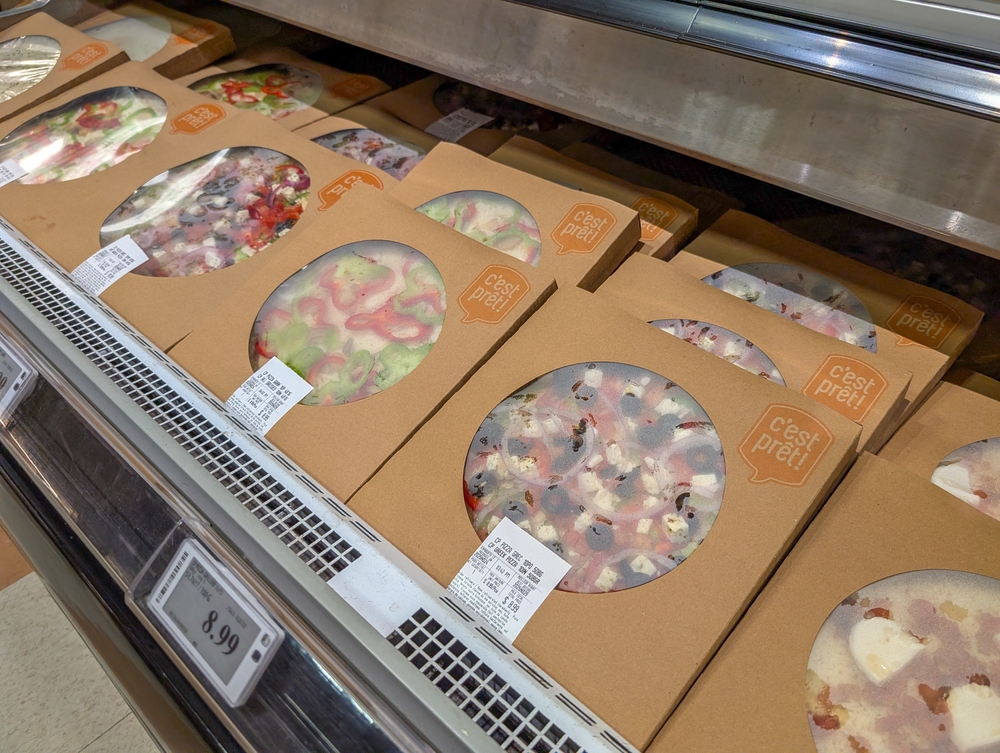
Frozen pizzas shrank in diameter and thickness. Canadians notice smaller slices and thinner crusts. Boxes remain the same size. The pizza no longer fills the tray. Toppings appear lighter than before. Serving sizes quietly changed. Families need two pizzas instead of one. Prices increased despite the shrinkage. Freezer staples lose reliability. The promise of an easy meal weakens. Consumers compare older photos and measurements. The difference feels intentional. Frozen pizza used to stretch easily. Now it barely satisfies. People feel tricked by packaging. Dinner should not require guesswork. Shrinkflation here creates frustration at the worst time of day.
Peanut Butter Jars
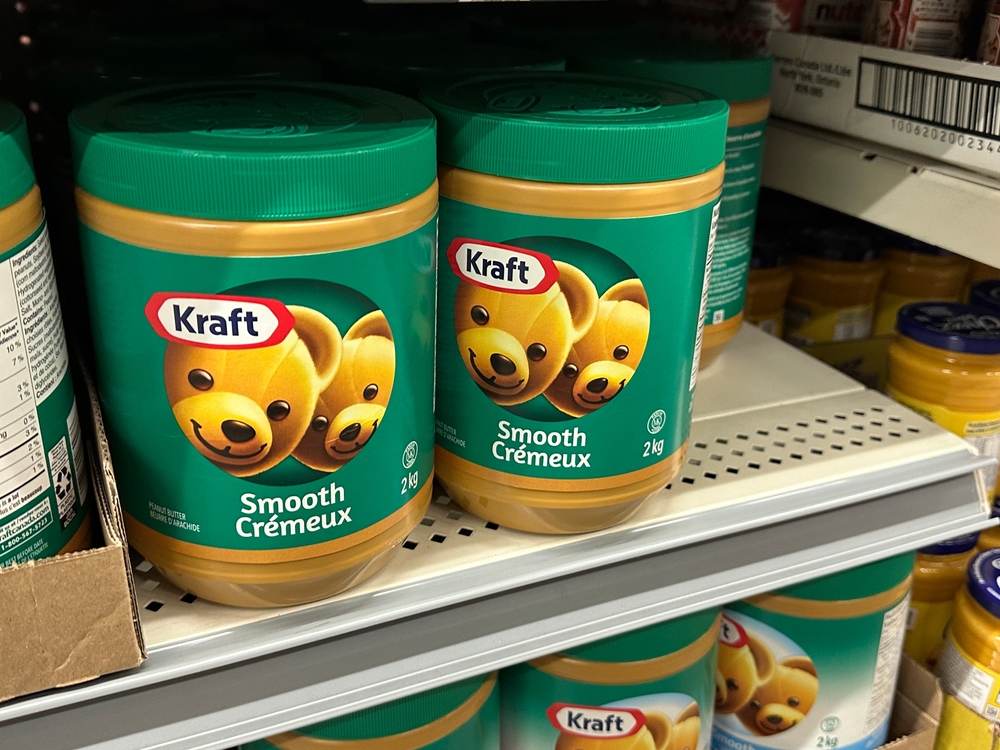
Peanut butter jars look familiar, but the contents tell another story. Canadians report jars empty faster. Some brands reduced the weight while keeping the jar height. The bottom curves inward more aggressively. Labels show smaller grams in fine print. Prices stayed high. Peanut butter once lasted weeks. Now it disappears quickly. Families using it daily feel the impact. Sandwich routines change. Some switch brands to compare. The difference is noticeable. Consumers feel punished for loyalty. This staple feels less dependable. Shrinkflation here hurts because peanut butter is not optional for many households. Value loss feels constant rather than occasional.
Butter Blocks
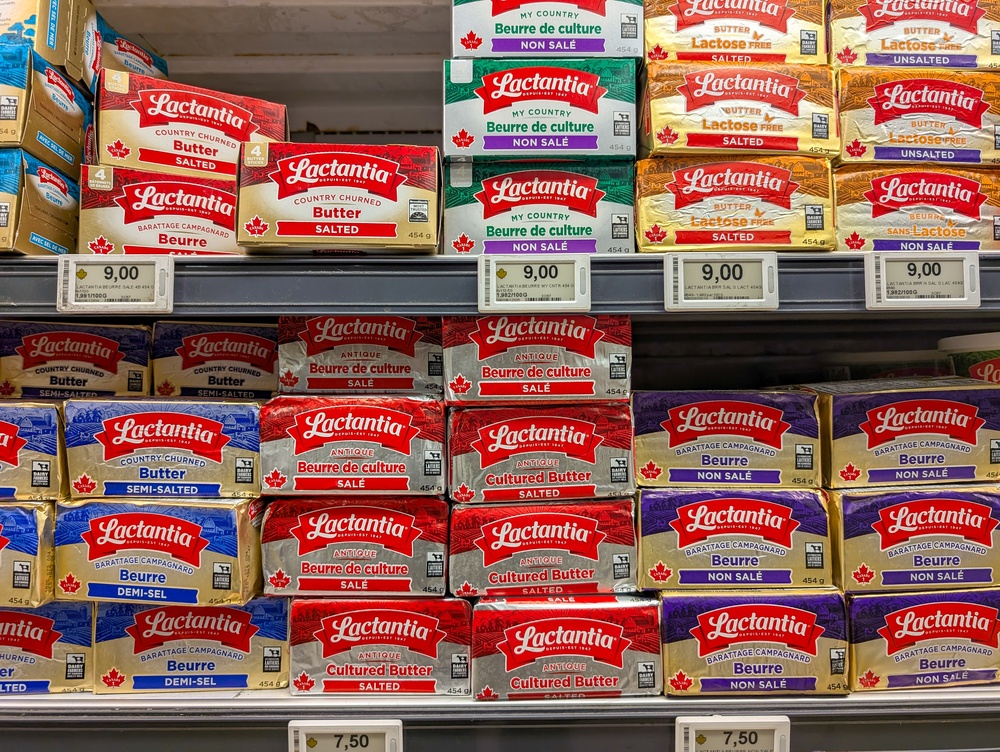
Butter blocks quietly lost grams. Canadians notice sticks feel shorter. Baking recipes no longer align cleanly. Packages still resemble older sizes. Price increases amplify frustration. Butter is already expensive. Shrinkflation pushes it further. Consumers weigh blocks to confirm suspicion. Labels show reduced totals. Stores stack them unchanged. Baking becomes annoying instead of relaxing. Measurement adjustments add hassle. Butter used to feel standard. Now it feels variable. People buy extra blocks to compensate. That raises grocery totals further. Shrinkflation here disrupts trust. Baking relies on precision. Quiet changes undermine confidence and planning.
Granola Bags
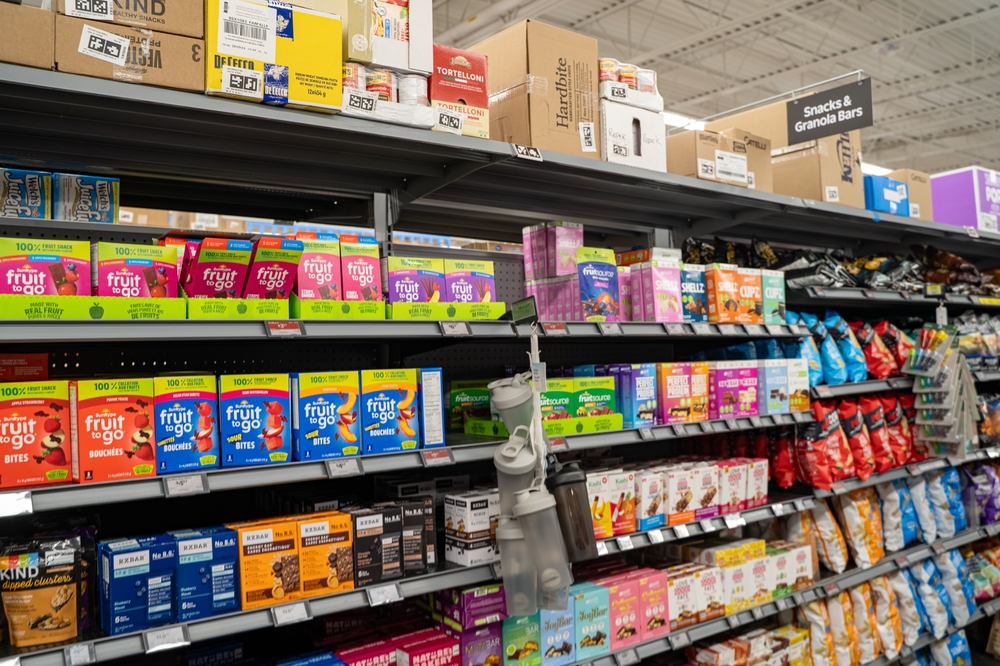
Granola bags appear bulky but feel light. Canadians say servings disappear quickly. Bags contain more air than expected. Weights dropped quietly over time. Prices remain premium. Granola markets itself as filling. Shrinkflation contradicts that promise. Breakfast bowls feel smaller. Families notice faster reorders. Labels show fewer servings per bag. Packaging hides the change well. Consumers compare old receipts and grams. Granola once stretched across mornings. Now it feels like a luxury snack. People resent paying more for fewer clusters. Health-focused products shrinking feels especially frustrating for budget-conscious shoppers.
Deli Meat Packs
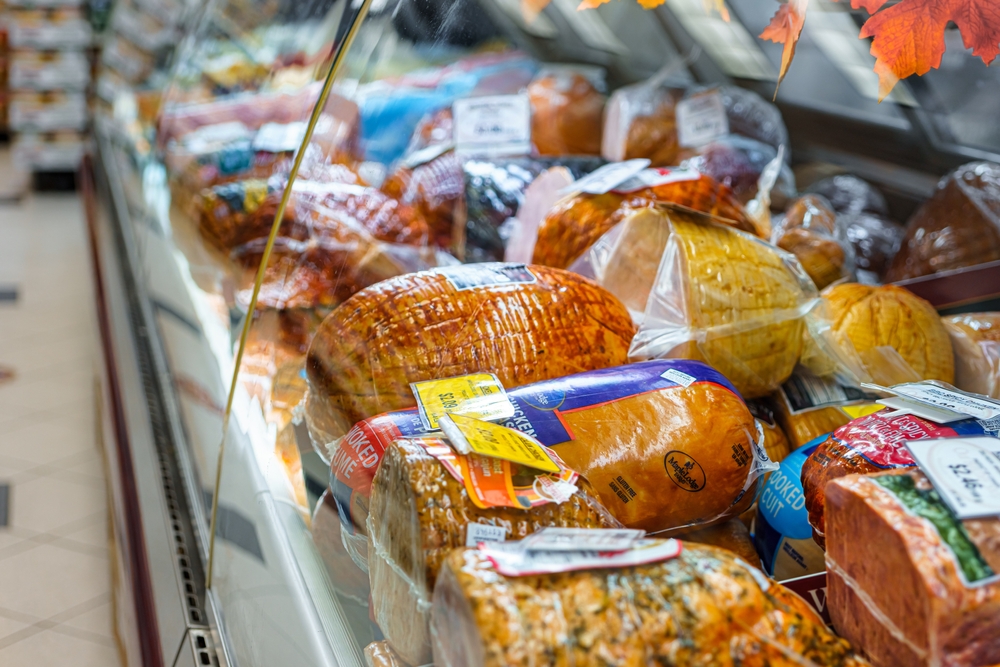
Delimetre packs look identical, but slices are fewer. Canadians notice packs finish quickly. Serving counts dropped quietly. Prices increased per pack. Sandwich making becomes limiting. Some packs include thicker plastic trays. That reduces visible meat. Labels show reduced weight. Many miss the change initially. Repeat purchases reveal the difference. Delicatessen meat was once convenient. Now it feels restrictive. Families buy two packs instead of one. That raises costs fast. Consumers feel misled by familiar packaging. Protein shrinking feels especially noticeable. Shrinkflation here affects lunches directly. The daily impact makes frustration grow quickly.
Juice Cartons
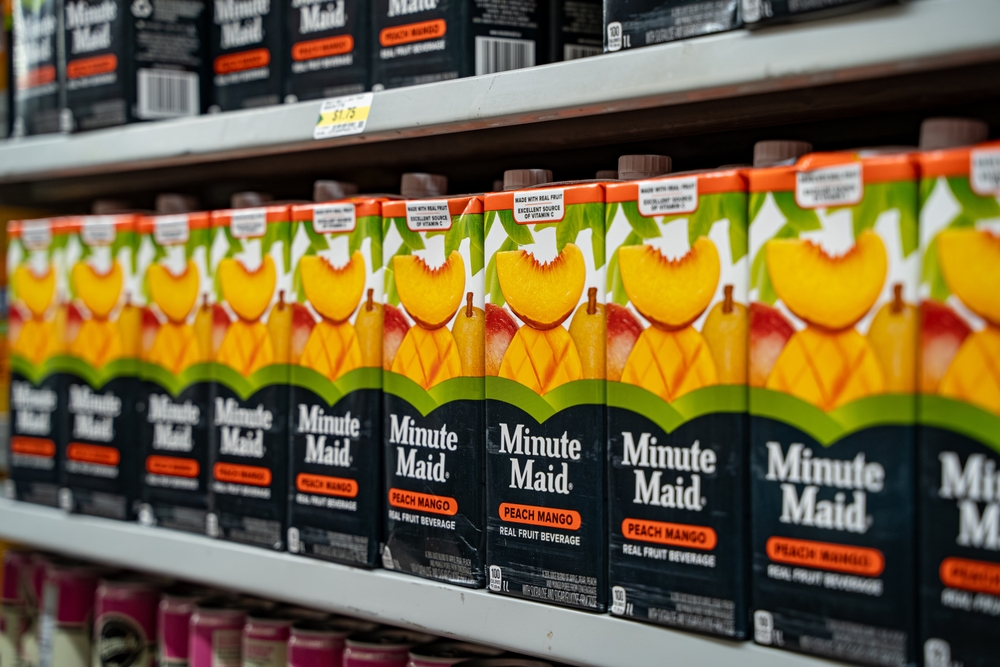
Juice cartons shrank while keeping the same footprint. Canadians notice fewer glasses per carton. Labels show reduced millilitres. Prices stay high. Families with kids feel the loss. Juice runs out sooner than expected. Packaging still fits fridge doors perfectly. That hides the change. Some brands adjusted spouts to compensate visually. Taste remains unchanged. Quantity does not. Juice used to last several days. Now it barely covers mornings. Consumers switch brands to compare. The pattern repeats. Shrinkflation here feels sneaky. Drinks are consumed daily. The faster the empty carton becomes impossible to ignore.
Rice Bags
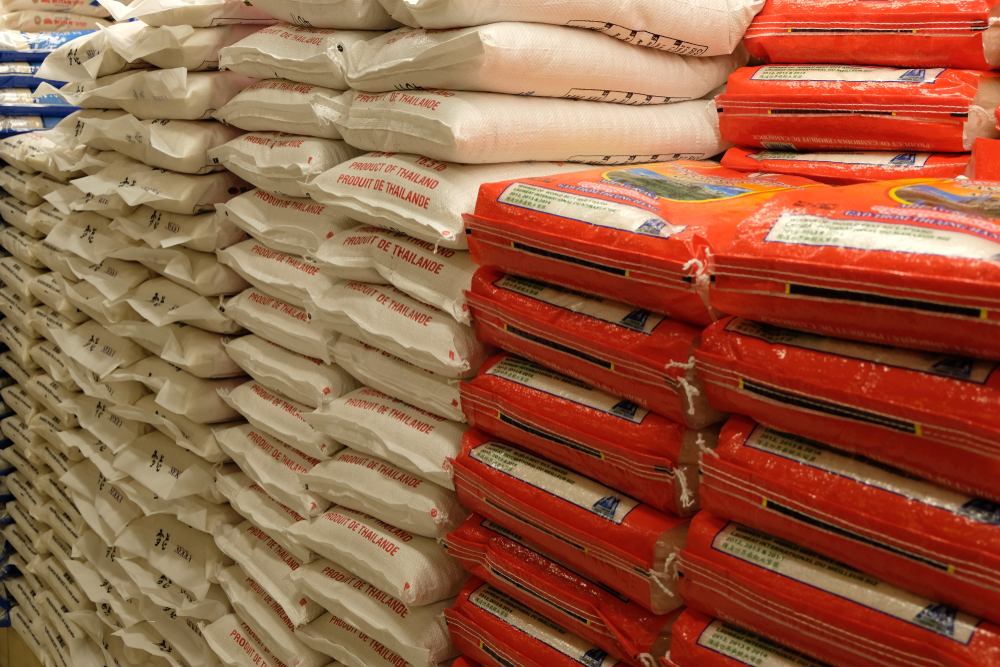
Rice bags appear full but weigh less. Canadians report faster depletion. Cooking yields fewer portions per bag. Labels show subtle reductions. Prices climb steadily. Rice was a dependable budget staple. Shrinkflation undermines that role. Families relying on rice notice sooner. Storage containers are emptied earlier. Recipes need adjustment. Some bags changed dimensions to mask weight loss. Consumers compare kilograms carefully now. Bulk buying becomes necessary. That strains budgets. Rice shrinking feels unnecessary. It is not a premium product. The quiet change damages trust. Staples losing reliability causes more than occasional treats shrinking.
Frozen Vegetables
Frozen vegetable bags look unchanged, but the contents dropped. Canadians say bags cook down quickly. Serving counts reduced quietly. Prices increased regardless. Families stretch vegetables across meals. Shrinkflation makes that harder. Some bags include more ice than before. Labels show reduced grams. Cooking reveals the truth. Portions feel smaller on plates. Nutrition planning becomes annoying. Frozen vegetables once felt safe and predictable. Now they feel unreliable. Consumers buy extra bags. Freezer space fills faster. Shrinkflation here affects health planning. People want convenience, not constant recalculation. Quiet changes undermine trust in everyday essentials.
Crackers
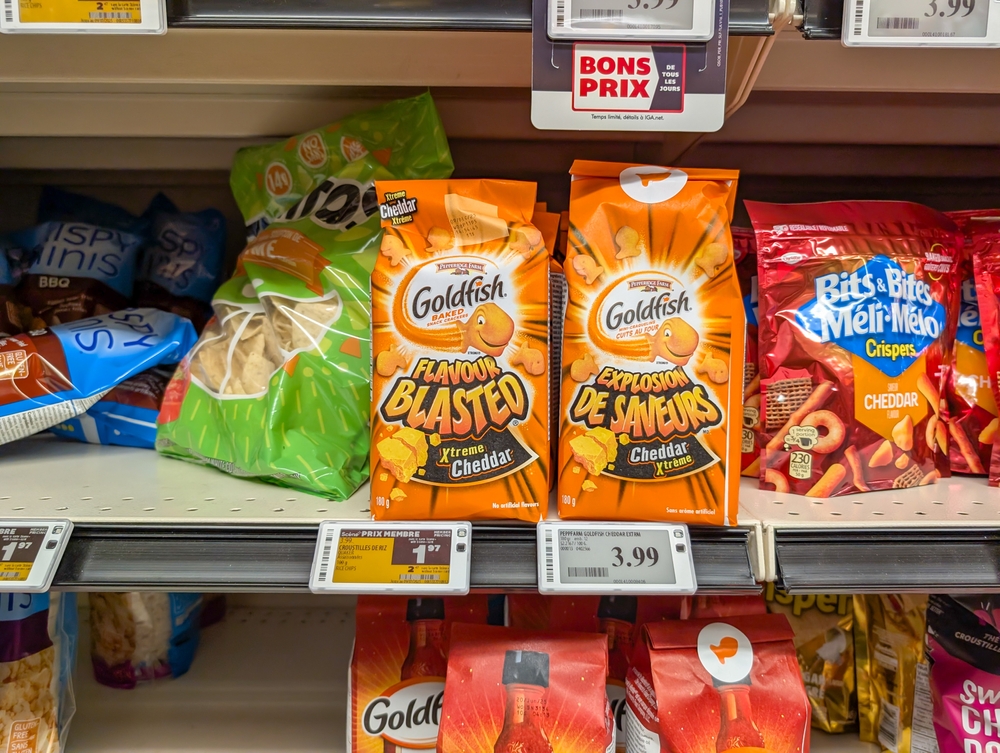
Cracker boxes still look full, but sleeves shrink. Canadians notice fewer rows per box. Serving counts drop quietly. Prices rise alongside. Snack planning suffers. Crackers were easy crowd food. Now boxes feel thin. Packaging hides the reduction well. Consumers open boxes to disappointment. Labels reveal smaller weights. Some crackers feel thinner, too. Bite satisfaction drops. Crackers used to last longer. Now they vanish quickly. Families buy multiple boxes. That inflates costs. Shrinkflation here feels petty. Crackers are not indulgent. Losing value here feels unnecessary and annoying.
Canned Soup
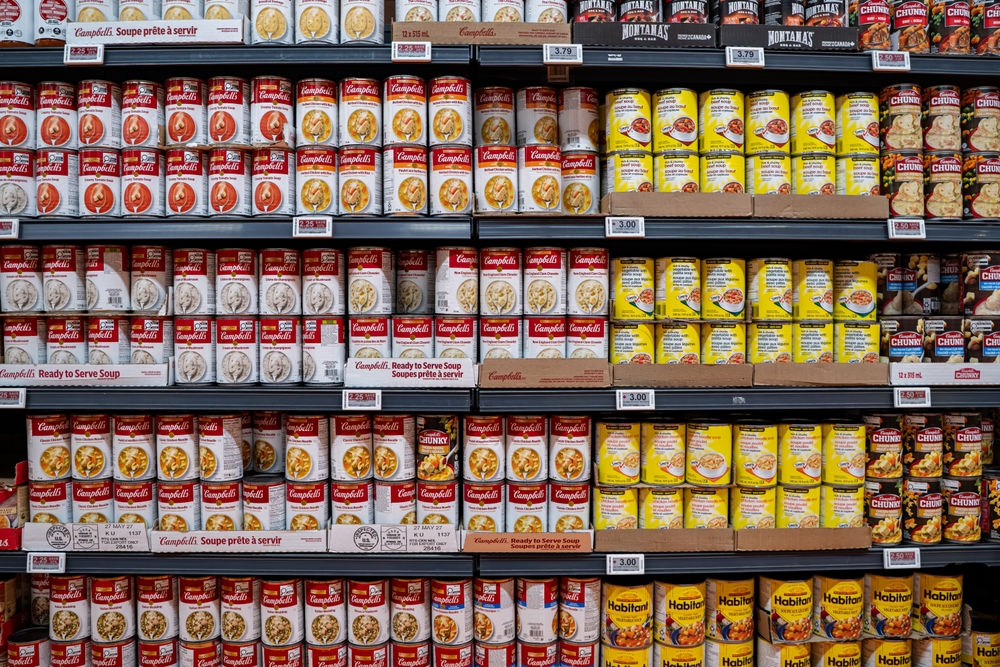
Canned soup sizes dropped quietly. Canadians notice fewer bowls per can. Labels show reduced millilitres. Prices stayed steady or rose. Soup was a reliable, quick meal. Shrinkflation changes that. One can no longer be satisfied. Families open two cans instead. Packaging still looks familiar. Shelves hide the change. Consumers compare older cans at home. The difference is clear. Soup feels less filling. Convenience suffers. People feel forced to supplement meals. Shrinkflation here affects comfort food. That emotional element makes frustration stronger. Quiet reductions feel especially cold in a product meant to comfort.
Frozen Meals
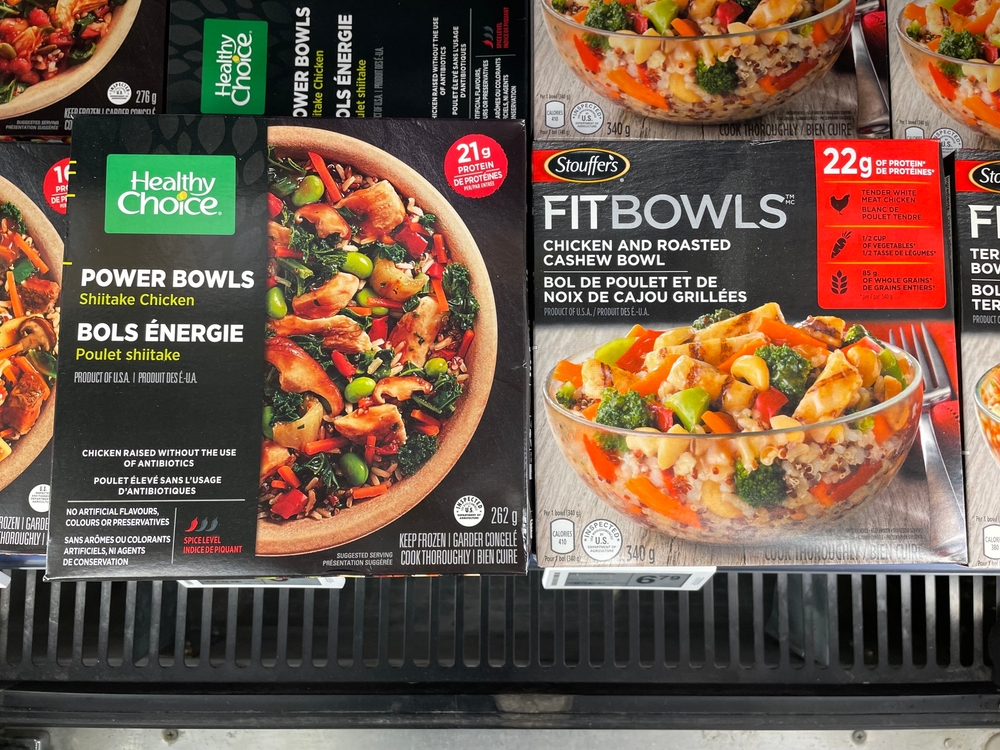
Frozen meals shrank while prices climbed. Canadians say portions feel inadequate. Tray sizes remain unchanged. Food quantity does not. Calories dropped quietly. Serving satisfaction disappears. Frozen meals were once dependable lunches. Now they barely fill plates. Consumers add sides to compensate. That defeats convenience. Labels show subtle weight changes. Many notice only after eating. Repeat disappointment builds resentment. Frozen meals feel overpriced now. Shrinkflation here undermines trust. Convenience products shrinking hurts the most. People pay for ease and predictability. Losing both makes the purchase feel pointless.
Baking Mixes
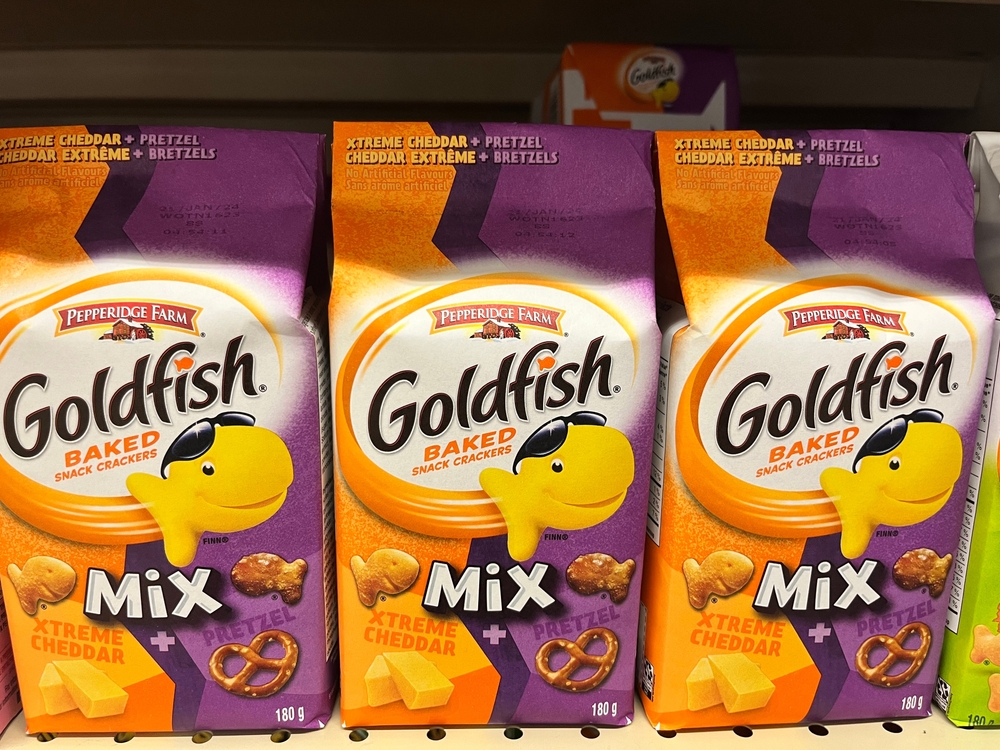
Baking mixes lost weight quietly. Canadians notice fewer batches per box. Box size remains familiar. Instructions still reference older yields. That confuses. Prices increase anyway. Baking becomes frustrating. Consumers double-check labels now. Some mixes include more filler packaging. Results feel smaller. Baking is meant to be relaxing. Shrinkflation disrupts that. Families baking together notice missing servings. Recipes fail expectations. Buying two boxes becomes common. That raises costs quickly. Shrinkflation here feels disrespectful to time and effort. Baking requires trust. Quiet changes break that trust fast.
Snack Bars
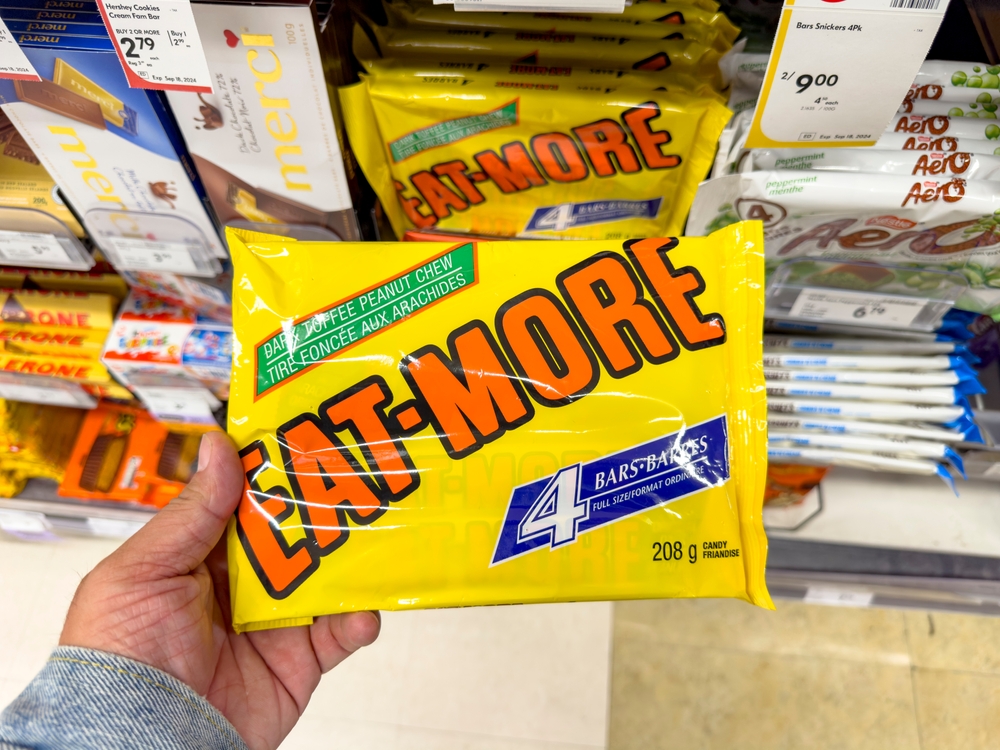
Snack bars shrank in length and weight. Canadians notice fewer bites. Packaging still looks bold. Multipacks contain less total weight. Prices rise anyway. Snack bars were quick fuel. Now they feel insufficient. Consumers eat two instead of one. That doubles the cost. Labels reveal smaller grams. Few noticed initially. Kids complain sooner than adults. Snack planning becomes harder. Boxes empty faster. Shrinkflation here hits daily routines. Snacks are practical, not indulgent. Losing value here feels irritating. Consumers feel pushed to spend more for the same energy.
Baking Chocolate Chips
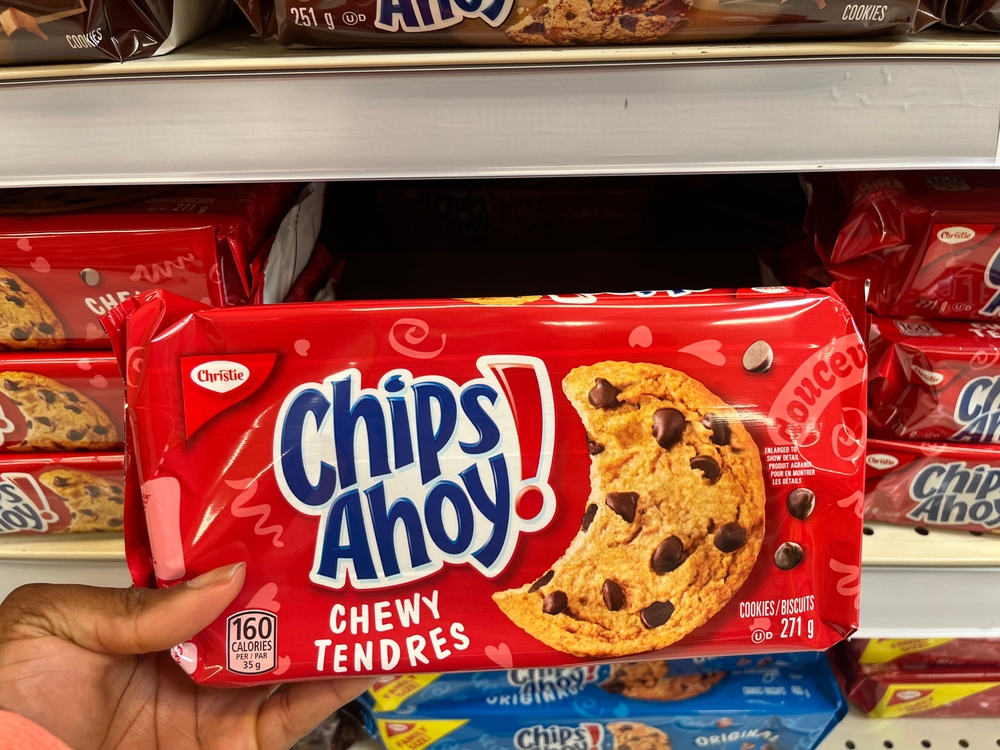
Chocolate chip bags shrank quietly. Canadians notice fewer cookies per bag. Weights dropped while bag size stayed similar. Prices climbed regardless. Baking yields smaller batches. Families run out mid-recipe. Labels show reduced grams. Many miss it initially. Baking frustration follows. Chocolate chips were predictable. Shrinkflation breaks that expectation. Some brands increased the chip size to hide the loss. That changes texture. Consumers compare older bags at home. The difference is clear. Baking should be reliable. Quiet reductions ruin that. Shrinkflation here feels especially sneaky during baking seasons.
22 Groceries to Grab Now—Before another Price Shock Hits Canada

Food prices in Canada have been steadily climbing, and another spike could make your grocery bill feel like a mortgage payment. According to Statistics Canada, food inflation remains about 3.7% higher than last year, with essentials like bread, dairy, and fresh produce leading the surge. Some items are expected to rise even further due to transportation costs, droughts, and import tariffs. Here are 22 groceries to grab now before another price shock hits Canada.
22 Groceries to Grab Now—Before another Price Shock Hits Canada
This Options Discord Chat is The Real Deal
While the internet is scoured with trading chat rooms, many of which even charge upwards of thousands of dollars to join, this smaller options trading discord chatroom is the real deal and actually providing valuable trade setups, education, and community without the noise and spam of the larger more expensive rooms. With a incredibly low-cost monthly fee, Options Trading Club (click here to see their reviews) requires an application to join ensuring that every member is dedicated and serious about taking their trading to the next level. If you are looking for a change in your trading strategies, then click here to apply for a membership.