
35,000+ smart investors are already getting financial news, market signals, and macro shifts in the economy that could impact their money next with our FREE weekly newsletter. Get ahead of what the crowd finds out too late. Click Here to Subscribe for FREE.
Food prices in Canada have been steadily climbing, and another spike could make your grocery bill feel like a mortgage payment. According to Statistics Canada, food inflation remains about 3.7% higher than last year, with essentials like bread, dairy, and fresh produce leading the surge. Some items are expected to rise even further due to transportation costs, droughts, and import tariffs. Here are 22 groceries to grab now before another price shock hits Canada.
Cooking Oil
22 Groceries to Grab Immediately Before The Next Price Shock Hits Canada
- Cooking Oil
- Coffee Beans
- Flour
- Pasta
- Rice
- Canned Tomatoes
- Sugar
- Canned Tuna and Salmon
- Peanut Butter
- Frozen Vegetables
- Cheese
- Butter
- Maple Syrup
- Eggs
- Oats
- Lentils and Beans
- Honey
- Frozen Meat and Poultry
- Instant Noodles
- Baking Powder and Yeast
- Frozen Fruit
- Spices and Seasonings
- 21 Products Canadians Should Stockpile Before Tariffs Hit

Vegetable and canola oil prices have risen by nearly 25% over the past two years, largely due to global shortages and higher transport costs. With ongoing droughts affecting sunflower crops in Europe and disruptions in palm oil exports from Asia, another surge seems inevitable. A 3-litre bottle that costs $9.99 today could reach $12 soon. Since oils have a long shelf life of up to two years if stored properly, buying in bulk now is both practical and budget-wise. Stock up on multipurpose options like canola and olive oil to cushion your kitchen from price volatility.
Coffee Beans

Coffee prices have seen wild swings due to unpredictable weather in Brazil and rising demand from Asia. In Canada, a 340g bag of quality coffee that once sold for $12 now averages $16. Experts predict another bump as supply tightens. Coffee is an easy pantry win, it stores well in airtight containers and doesn’t lose flavour quickly. If you rely on your morning brew, now’s the time to buy whole beans rather than single-serve pods, which carry higher markups. A bulk buy not only saves money but ensures consistent caffeine happiness when the next inflation wave hits.
Flour
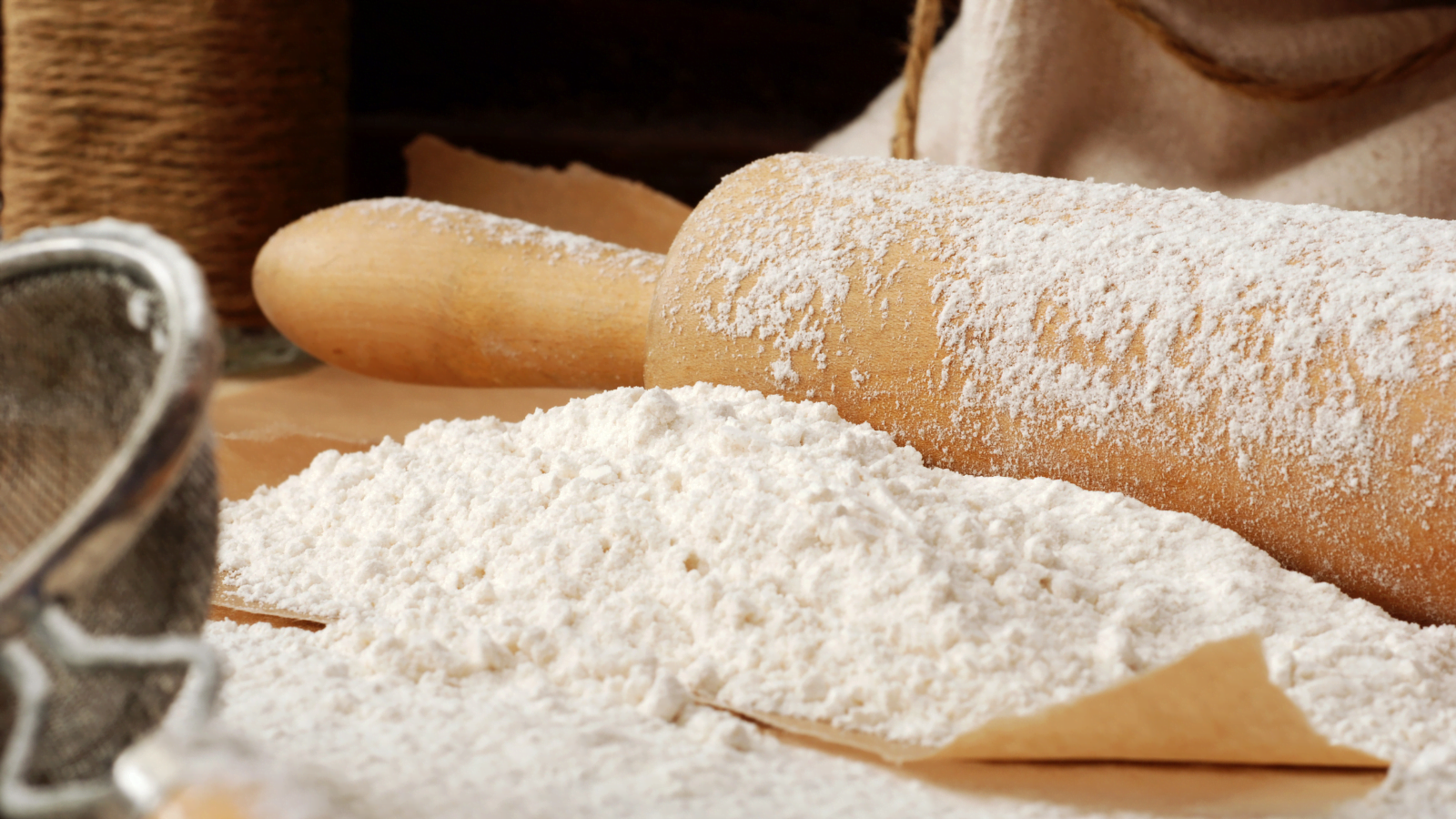
Flour prices are tightly tied to global wheat supplies, and 2025 forecasts aren’t optimistic. Drought conditions in prairie provinces and rising fertilizer costs could push prices up another 8–10%. A 10kg bag that costs $13 today might be closer to $15 soon. Flour is versatile and stores for up to a year in a cool place, making it a smart staple to stock up on. If you bake frequently or cook at home often, buying extra now can help you avoid paying more later for the same bread, pasta, or pastry you enjoy regularly.
Pasta

Global durum wheat shortages have already lifted pasta prices by around 14% year over year. Since pasta keeps for years when sealed, it’s one of the easiest budget foods to stockpile. A 900g box that’s currently $2.99 could easily jump past $4 with upcoming supply chain pressures. Pasta’s affordability and versatility make it a pantry hero, whether for family dinners or quick meals. Buying multipacks or warehouse-store bundles now locks in value and protects you from the next inevitable surge, especially as Italy and Canada both forecast reduced durum yields this season.
Rice

Rice exports from major suppliers like India and Thailand have been restricted in recent months, pushing global prices up nearly 30%. In Canadian grocery stores, a 10kg bag that cost $15 a year ago now averages $19. With global climate concerns threatening yields, experts expect further rises. Rice is shelf-stable for years and provides a solid base for many meals, making it one of the best bulk buys before prices spike again. Brown rice has a shorter life due to oils, but white rice and basmati can last for years if kept dry and sealed.
Canned Tomatoes

Canned tomato prices are climbing as California’s tomato yields drop due to ongoing droughts. Since this region supplies a significant share of North America’s tomato products, ripple effects are felt everywhere. A can of diced tomatoes that once cost $1.50 now sits near $2.25, and the trend is upward. They’re the backbone of pasta sauces, soups, and curries, staples in many Canadian kitchens. The shelf life stretches two years or more, making canned tomatoes an easy inflation-proof buy. A small stockpile ensures flavour and nutrition without paying tomorrow’s premium prices.
Sugar

Sugar prices globally have surged due to poor harvests in Brazil and India, two of the largest producers. In Canada, retail sugar has risen roughly 9% since last year, and analysts project another 6% by spring. Since sugar stores indefinitely if kept dry, it’s an ideal candidate for pre-emptive buying. Whether you bake, sweeten beverages, or preserve fruits, securing a few extra kilograms now can mean avoiding higher costs later. Even if you’re cutting down on sugar, it’s worth having a reliable supply for household needs and occasional recipes.
Canned Tuna and Salmon

Canned seafood remains a protein lifesaver for busy Canadians, but overfishing regulations and higher shipping costs are pushing prices up fast. A 170g can of tuna that cost $1.50 a year ago now averages $2.25. Pacific salmon supplies have also tightened due to warmer waters. These products have long shelf lives, up to five years, making them practical to stock. Buying a case or two before prices rise can help maintain a steady protein source without relying on expensive fresh meat. It’s one of the few shelf-stable proteins worth the extra pantry space.
Peanut Butter

Peanut butter prices have climbed steadily with higher peanut and packaging costs. The average 1kg jar now costs around $7, up from $5 two years ago. As North American yields shrink due to drought, prices could rise again. Peanut butter stores well for over a year and remains an inexpensive, high-protein spread that appeals to both kids and adults. It’s also versatile, good for sandwiches, smoothies, or even baking. Buying in larger jars or multipacks now secures a staple that’s both nutritious and convenient before it costs even more.
Frozen Vegetables

Fresh produce prices fluctuate wildly with weather and transportation costs, making frozen vegetables a budget-smart backup. A 750g bag that cost $3.49 last year now averages $4.19. Since frozen produce retains nutrients and lasts up to a year, it’s an easy hedge against future price hikes or supply shortages. Stocking up on versatile options like peas, corn, and mixed veggies helps maintain variety in meals without overspending. It’s especially smart during winter, when fresh produce prices soar due to import dependence and limited domestic harvests.
Cheese

Dairy costs have risen about 7% this year, and cheese is leading the pack. With rising feed prices and higher transportation expenses, another increase seems imminent. A 400g block that cost $6.99 may hit $8.50 soon. Cheese freezes surprisingly well for up to six months, so stocking up when prices dip or during promotions is worthwhile. It’s a staple in many households and an item that rarely gets cheaper. Buying before the next dairy board price adjustment ensures you’ll enjoy your grilled cheese or pasta bakes without paying premium rates.
Butter

Butter prices have jumped more than 12% over two years and show no signs of dropping. Supply shortages and high milk fat costs are major factors. A 454g block that cost $5.49 now often exceeds $7. Butter can be frozen for up to a year with no quality loss, making it an excellent stock-up item. Many Canadian households use it daily for cooking and baking, and since it rarely goes on deep sale, buying in bulk while it’s relatively stable is a practical move before the next price surge.
Maple Syrup

Canada’s most iconic export is also under pressure. Production in Quebec dropped last season due to unpredictable temperatures, driving prices up by 8%. A 500ml bottle now averages around $12. Maple syrup has a long shelf life and doubles as both a sweetener and flavor enhancer, making it a pantry essential. With export demand increasing globally, domestic supplies could tighten. Buying a couple of extra bottles now ensures you can enjoy pure syrup on pancakes without paying international-influenced premiums later in the year.
Eggs

Egg prices have remained stubbornly high since avian flu outbreaks disrupted supply chains. The average dozen now costs around $4.29 compared to $2.89 two years ago. Feed and fuel costs are adding further strain. Although eggs aren’t ideal for long-term storage, powdered or liquid eggs can last months and are convenient for baking or cooking. Keeping an extra carton or two for near-term use is also wise, especially before another outbreak or cold-weather production drop spikes prices again. Eggs are too essential to leave unplanned.
Oats

Oat crops in western Canada suffered from recent dry conditions, and prices have edged up 10% since last fall. A 1kg bag that sold for $3.99 now costs closer to $4.50. Oats are among the most economical breakfast options and store well for over a year. They’re also versatile for smoothies, baking, and granola bars. Buying in bulk reduces per-unit cost and ensures you’re prepared if grain prices climb again next season. For households that prioritize healthy eating, this is a small but smart inflation-proofing move.
Lentils and Beans

Pulse crops have become pricier with global demand rising for plant-based proteins. A 900g bag of lentils now costs around $4.50 compared to $3.20 last year. These staples store for years and are nutritional powerhouses rich in fiber and iron. Buying dried versions instead of canned saves space and money. They’re ideal for soups, curries, and stews, making them both economical and practical. Given their long shelf life and rising popularity, grabbing a few bags now helps secure affordable protein that won’t spoil or strain your budget later.
Honey

Honey production has declined in parts of Canada due to bee population losses and weather stress. A 500g jar that cost $7 last year now averages $8.50. With limited domestic output and costly imports, another rise is likely. Honey never expires if stored properly, making it a perfect long-term pantry item. It’s also a healthier sweetener alternative, which keeps demand steady. Buying extra jars now means you won’t have to pay higher prices later for a product that’s increasingly scarce yet practically immortal on your shelf.
Frozen Meat and Poultry

Meat prices have risen by about 6% across Canada, with chicken and beef leading the increase. Stocking up during sales and freezing portions is one of the best inflation shields. A kilogram of chicken breast that cost $11 last year now averages $13.50. Freezing preserves quality for months, and vacuum-sealing extends it even longer. Buying now, before the next round of processor price hikes, ensures protein security without overpaying. It’s a practical solution for families who rely on meat-based meals multiple times per week.
Instant Noodles

While still inexpensive, instant noodle prices are creeping upward due to higher shipping and packaging costs. A pack that once cost $0.50 now often sits at $0.89. Given their long shelf life, portability, and convenience, stocking up makes sense for both students and budget-conscious households. They’re useful for quick meals or emergencies when fresh groceries are out of reach. Buying a bulk case now can lock in current pricing before the next wave of transportation inflation hits processed food categories.
Baking Powder and Yeast

Small pantry staples like yeast and baking powder quietly follow grain price trends. With packaging and distribution costs rising, expect another uptick soon. These items store well for 12–18 months if sealed and dry. A 225g can of baking powder now averages $4.50, up from $3.60 a year ago. Stocking extra now supports homemade bread, cakes, and pastries without worrying about shortages. Considering how baking resurges during economic uncertainty, it’s practical to secure these ingredients while they’re still moderately priced.
Frozen Fruit

Frozen fruit, especially berries, faces sharp price increases due to reduced harvests and higher import tariffs. A 600g bag that cost $5.99 now hovers near $7.49. Frozen fruit stores up to a year and works perfectly for smoothies, desserts, and breakfast bowls. Since fresh fruit prices fluctuate significantly with the seasons, frozen options offer a steady value. Buying several bags when promotions hit can help avoid paying summer-level prices during winter months, when supply is tighter and retail markups climb.
Spices and Seasonings

Spices are quietly climbing in price as global logistics and import tariffs take effect. Items like cinnamon, pepper, and turmeric have jumped up to 20% in a year. A 100g jar that costs $4 may soon cost $5 or more. Since they last up to two years if sealed tightly, investing in a full spice refill now saves future costs and keeps your meals flavorful. Prioritize everyday staples such as salt, black pepper, and paprika, which see the fastest increases due to global trade shifts.
21 Products Canadians Should Stockpile Before Tariffs Hit

If trade tensions escalate between Canada and the U.S., everyday essentials can suddenly disappear or skyrocket in price. Products like pantry basics and tech must-haves that depend on are deeply tied to cross-border supply chains and are likely to face various kinds of disruptions
21 Products Canadians Should Stockpile Before Tariffs Hit
This Options Discord Chat is The Real Deal
While the internet is scoured with trading chat rooms, many of which even charge upwards of thousands of dollars to join, this smaller options trading discord chatroom is the real deal and actually providing valuable trade setups, education, and community without the noise and spam of the larger more expensive rooms. With a incredibly low-cost monthly fee, Options Trading Club (click here to see their reviews) requires an application to join ensuring that every member is dedicated and serious about taking their trading to the next level. If you are looking for a change in your trading strategies, then click here to apply for a membership.