
35,000+ smart investors are already getting financial news, market signals, and macro shifts in the economy that could impact their money next with our FREE weekly newsletter. Get ahead of what the crowd finds out too late. Click Here to Subscribe for FREE.
Grocery shopping in Canada used to feel routine. Lately, it feels like a test of attention and patience. Prices jump without warning. Package sizes shrink quietly. Deals look good until the receipt says otherwise. Many shoppers leave the store wondering how a short list turned into a long bill. None of these moments happens by accident. Stores rely on habits, distractions, and assumptions to move product faster. Once you know what to watch for, the tricks lose power. Here are 18 Grocery Store Tricks Canadians Say Feel Like a Scam (And How to Spot Them).
Shrinking Packages With the Same Price
18 Grocery Store Tricks Canadians Say Feel Like a Scam (And How to Spot Them)
- Shrinking Packages With the Same Price
- “Sale” Prices That Match Last Week’s Regular Price
- Multi Buy Deals That Cost More
- End Aisle Displays That Aren’t Discounts
- Loyalty Prices That Replace Fair Pricing
- Oversized Carts That Encourage Extra Spending
- Eye Level Shelf Placement Favors Expensive Brands
- Bulk Items That Cost More Per Unit
- “New Look” Packaging That Hides Price Increases
- Strategic Store Layouts That Force Extra Browsing
- Seasonal Displays That Create False Urgency
- Per-Weight Pricing That Makes Comparison Harder
- Flash Sales with Very Limited Quantity
- Check Out Lane Items That Exploit Fatigue
- “Locally Sourced” Labels with Vague Meaning
- Psychological Price Endings That Feel Smaller
- Music and Lighting That Slow Shopping Pace
- Store Brands Priced Like Premium Products
- 22 Groceries to Grab Now—Before another Price Shock Hits Canada
Products often look unchanged on the shelf, but the weight quietly drops. A box loses grams. A bottle loses milliliters. The price stays the same. Shoppers who buy by habit rarely notice the difference. This tactic works best on pantry staples and snacks. The packaging design stays familiar to avoid drawing attention. The easiest way to spot it is by checking unit prices. Grocery stores are required to list them. Compare grams or milliliters, not box size. If the unit price climbs without a sale tag, the product shrank. That is your signal to switch brands or skip it entirely.
“Sale” Prices That Match Last Week’s Regular Price
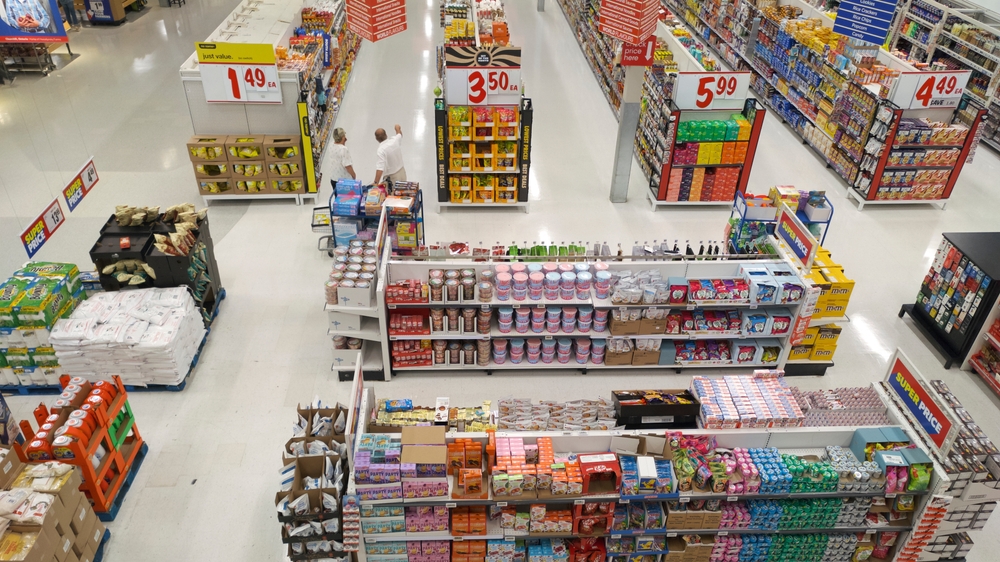
A bright sale tag suggests savings, but many discounts simply reset prices back to normal. Stores raise prices briefly, then label the drop as a deal. Shoppers who do not track prices assume they saved money. This happens often with cereal, coffee, and frozen food. The trick works because memory fades quickly. To catch it, watch regular pricing over time. Flyers and apps help. If a sale price feels familiar, it probably is. Real deals usually stand out clearly. If the savings seem small or vague, pause. You may be paying the same amount you always did, just with better lighting.
Multi Buy Deals That Cost More
“Two for” signs create pressure to buy extra. The math often works against you. Buying two may cost more than purchasing one at the regular price. Stores count on shoppers not doing quick calculations. This tactic appears most often on snacks, drinks, and packaged meals. The shelf label may hide the single item price in smaller text. Always check the unit cost underneath the deal. If one item costs less alone, skip the bundle. Buying extra food you did not plan for also raises waste. A deal that forces quantity is rarely a deal worth taking.
End Aisle Displays That Aren’t Discounts
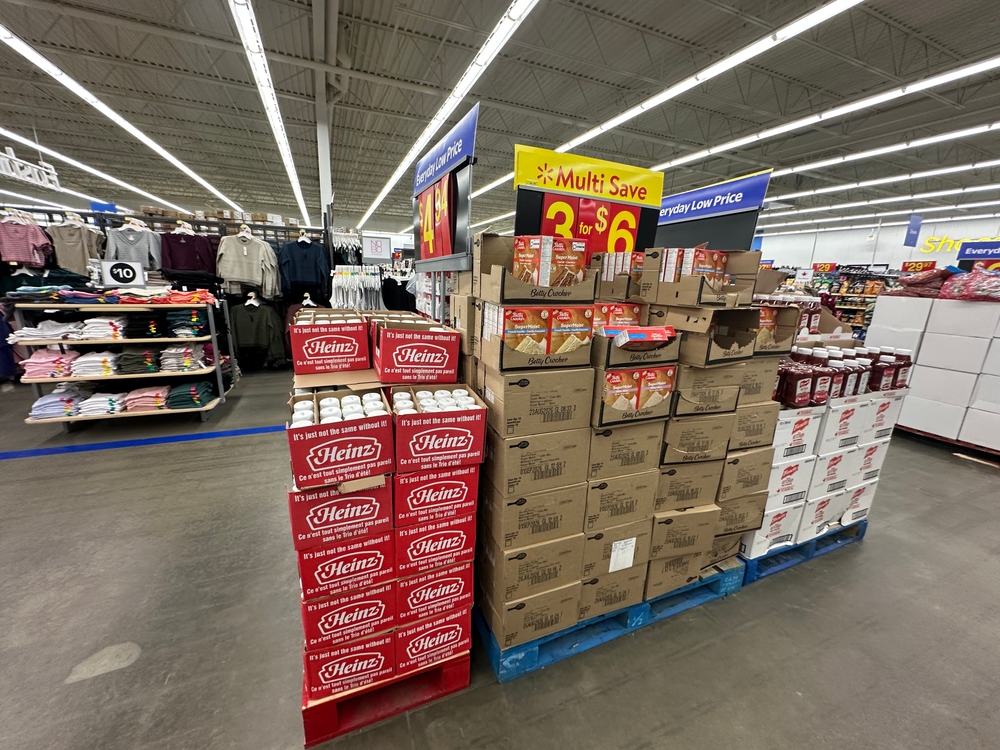
End caps look special. They feel promotional. Many shoppers assume that the items there are discounted. Often, they are not. Stores place high-margin products at aisle ends because traffic is highest. Chips, soda, and branded snacks show up here constantly. The display itself creates urgency. There may be no price drop at all. Compare the same product in its regular aisle location. You may find the same price or even a better one. Treat end caps as advertisements, not savings zones. If the sign does not clearly show a reduced price, assume you are paying full retail.
Loyalty Prices That Replace Fair Pricing
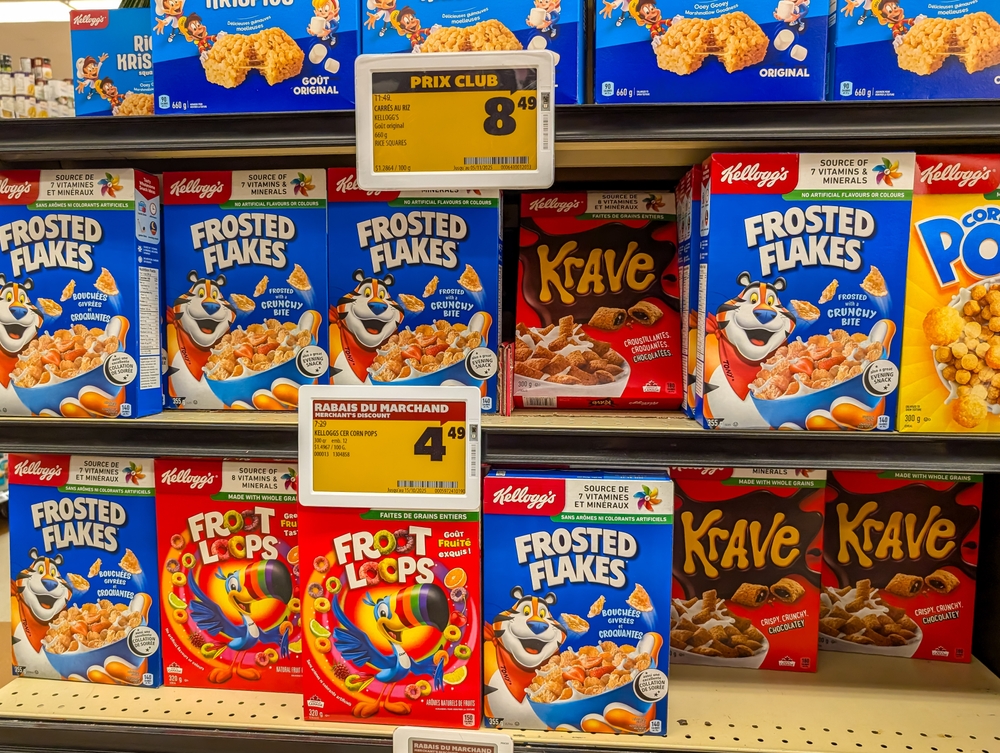
Loyalty programs promise rewards but often gate basic pricing. Non-members pay more for the same item. This shifts normal prices upward while framing loyalty prices as savings. The program feels optional, but it quietly becomes required. Some stores track shopping habits in return. The tradeoff is not always clear. If every fair price requires a card, the system favors the store. Decide if the data exchange feels worth it. If not, compare stores that keep pricing consistent. A deal that requires enrollment is not free. It is a transaction with conditions attached.
Oversized Carts That Encourage Extra Spending
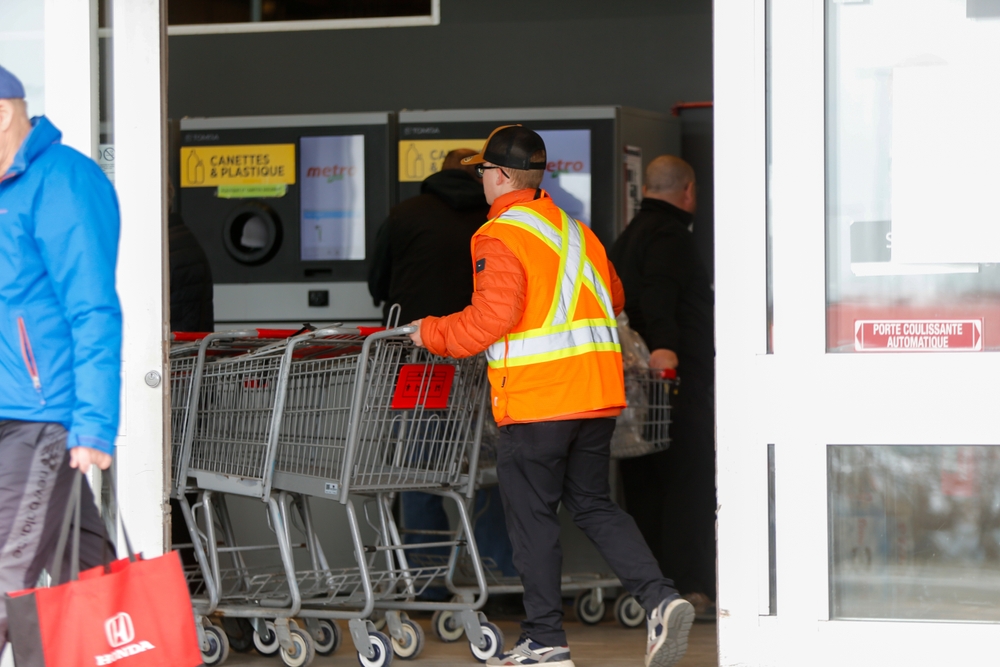
Shopping carts have grown over the years. A half-full cart looks empty. That visual cue pushes shoppers to add more items. Smaller baskets create a stronger sense of completion. This design choice is intentional. It plays on perception, not need. If you enter the store for a short list, grab a basket instead. If baskets are hidden, that is not an accident. Keep your list tight and visible. When the cart looks empty, check your list again. Visual fullness is not the same as actual necessity.
Eye Level Shelf Placement Favors Expensive Brands
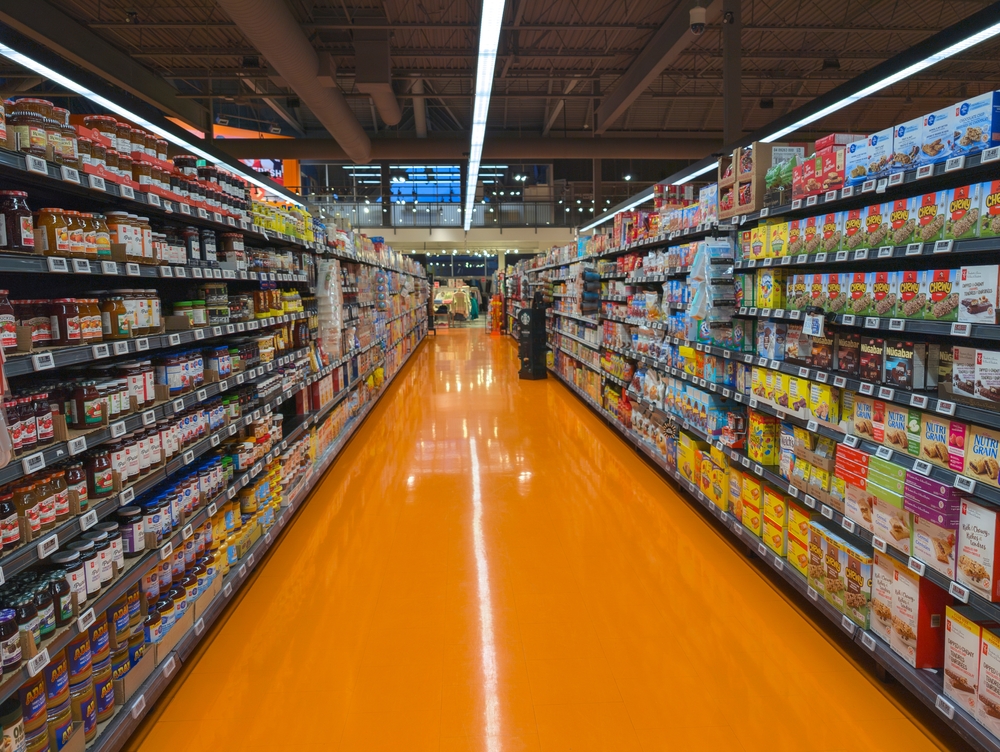
Products placed at eye level sell more. Stores charge brands for that space. Cheaper options usually sit lower or higher. Shoppers quickly grab what is easiest to see. This favors name brands and higher margins. The trick works best when shoppers feel rushed. Take a second to scan the shelves fully. Look up and down. Generic or store brands often sit just out of view. Many are made by the same manufacturers. Price differences add up over time. Eye level is paid placement, not proof of quality.
Bulk Items That Cost More Per Unit
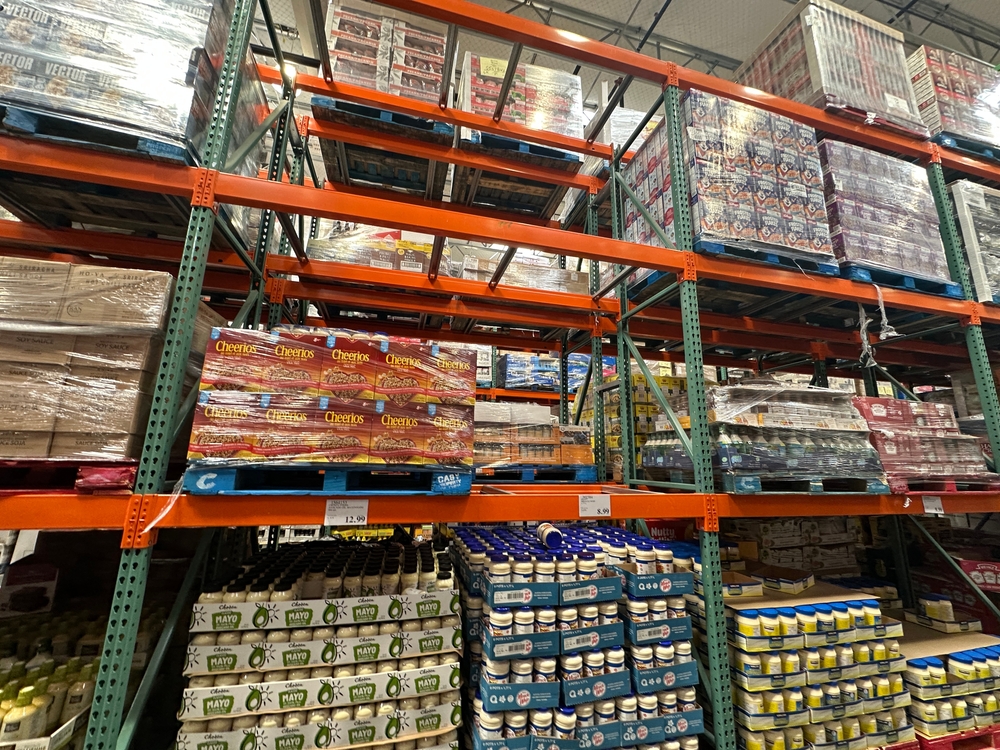
Bulk packaging suggests savings, but it is not guaranteed. Some large containers cost more per unit than smaller ones. Stores rely on the assumption that bigger equals cheaper. This works especially well on paper goods, meat, and frozen items. Always check the unit price label. It tells the real story. Storage space and spoilage also matter. Buying more than you need can increase waste. Bulk only works when the price per unit drops clearly. If it does not, you are paying extra for volume and convenience.
“New Look” Packaging That Hides Price Increases
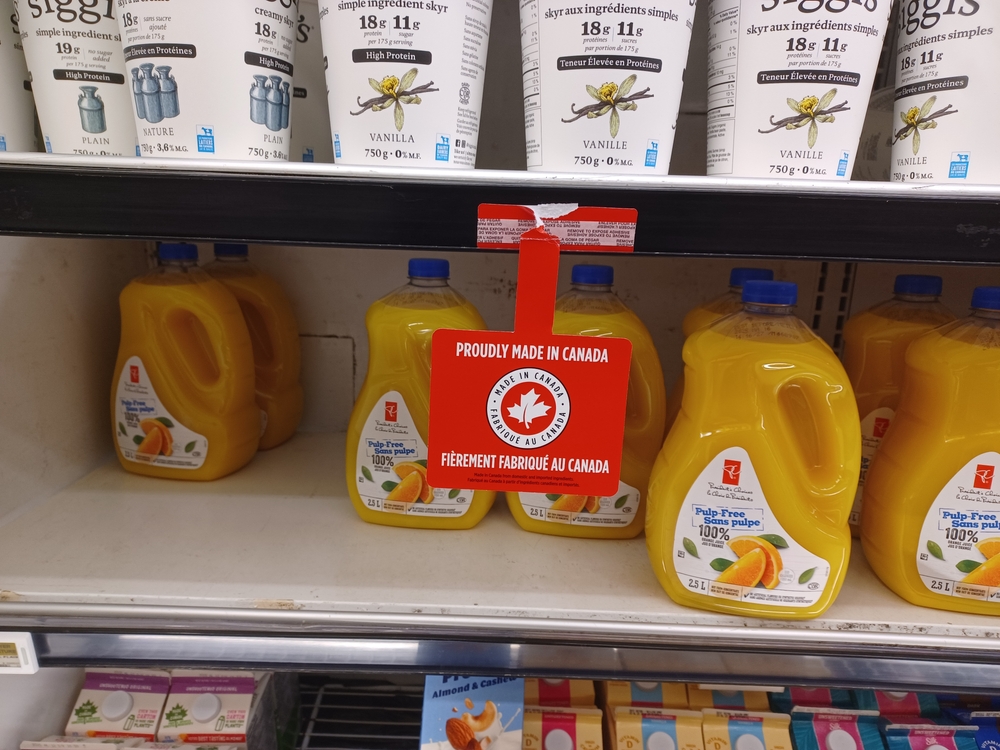
When packaging changes, prices often rise. New colors and fonts distract from cost comparisons. Shoppers struggle to remember the old price once the look shifts. This tactic appears during brand refreshes and seasonal updates. The product inside rarely changes. To spot it, compare unit prices before and after redesigns. If the look changed but the cost jumped, the update served the store more than you. Familiar packaging helps track value. When that anchor disappears, prices drift upward unnoticed.
Strategic Store Layouts That Force Extra Browsing
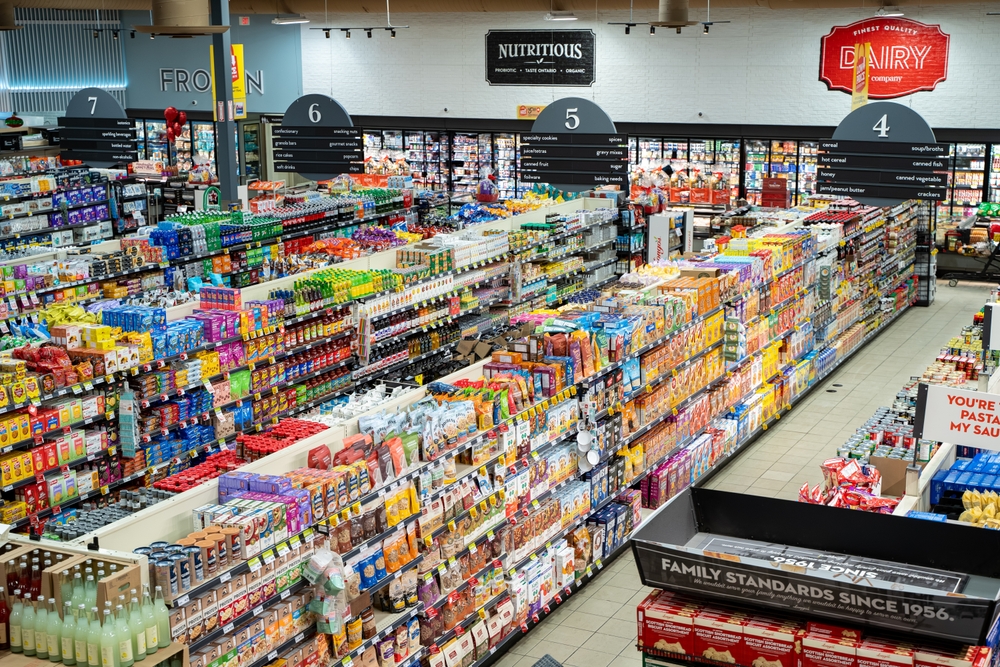
Grocery stores place essentials far from entrances on purpose. Milk, eggs, and bread are usually at the back. Shoppers must walk past dozens of products to reach them. This increases exposure to items they did not plan to buy. The longer the route, the more chances for impulse decisions. Wide aisles and slow turns also stretch shopping time. This layout feels natural, but it is carefully planned. To avoid falling for it, stick closely to your list. Walk with intention. Avoid wandering. Extra browsing rarely saves money. It usually increases the final bill without adding real value.
Seasonal Displays That Create False Urgency
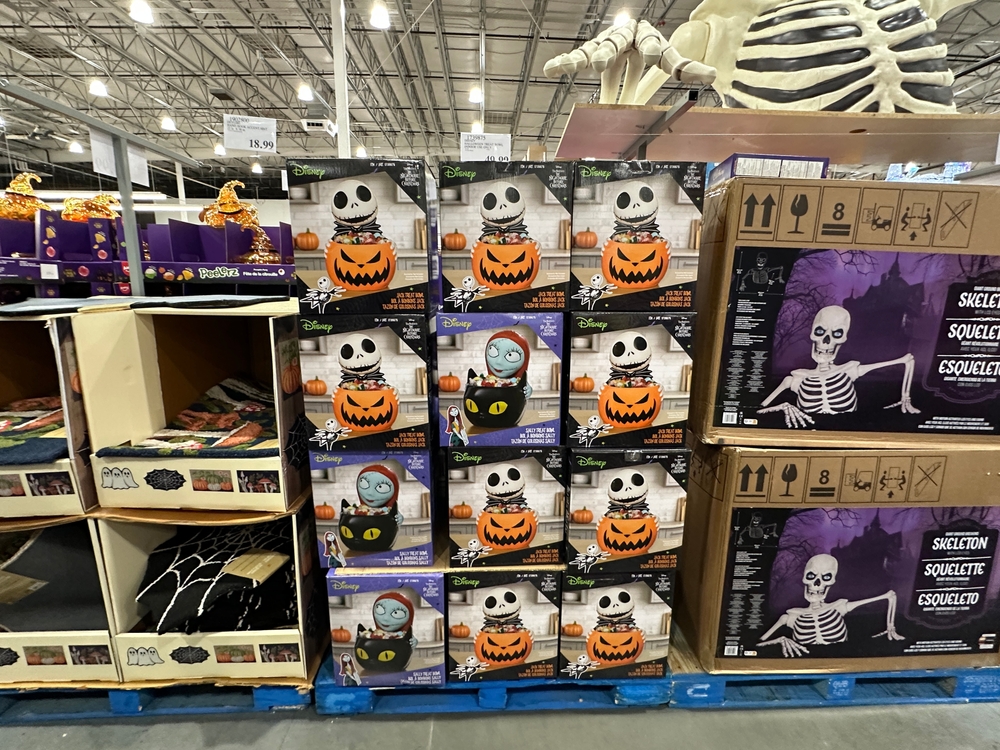
Seasonal displays suggest limited-time offers. Holiday snacks, themed packaging, and special editions appear weeks early. The display implies scarcity, pushing shoppers to buy now. In reality, most items stay stocked for the entire season. Prices often drop later. Stores rely on the fear of missing out to speed decisions. This works best when shoppers feel rushed. If the item is not essential, wait. Check prices closer to the actual holiday. Many seasonal items quietly go on sale. Urgency benefits the store, not your budget. Slowing down is often the cheapest move you can make.
Per-Weight Pricing That Makes Comparison Harder
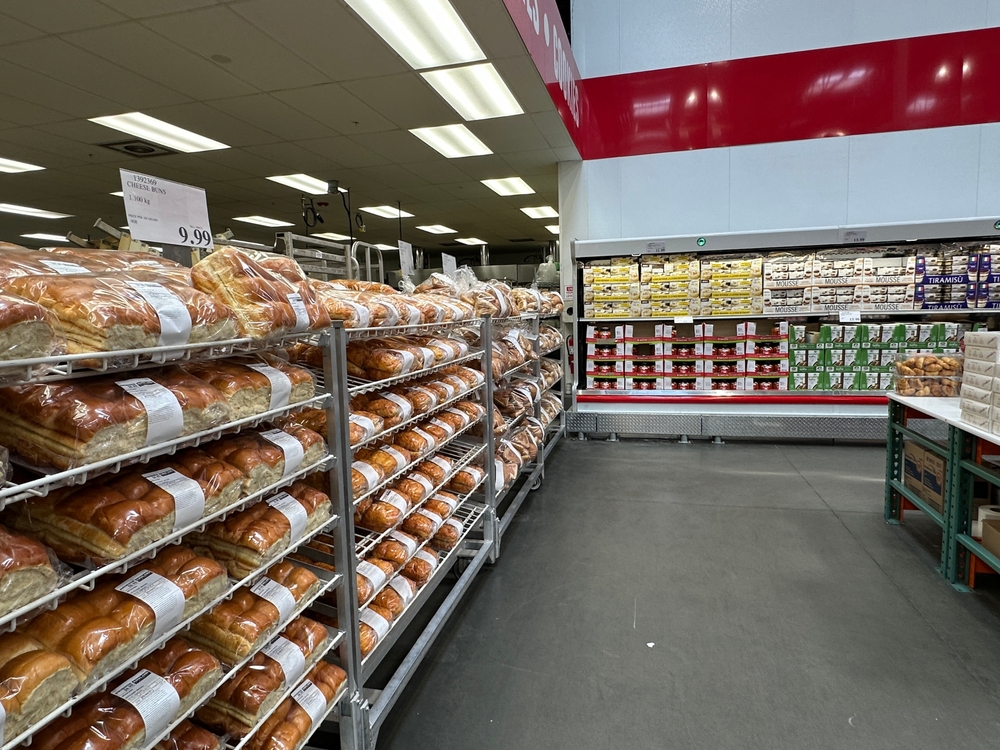
Many grocery items are priced by weight, not per package. Small differences in grams or kilograms change the real cost. Stores sometimes use less familiar weight units to make comparisons harder. Shoppers focus on the sticker price instead of the unit price. This works especially well with meat, cheese, and produce. Always check the per-kilogram or per-100-gram price listed on the shelf tag. Compare similar products directly. If the math feels confusing, pause. Confusion usually favors the more expensive option. Clear comparison helps you avoid paying more for less food.
Flash Sales with Very Limited Quantity
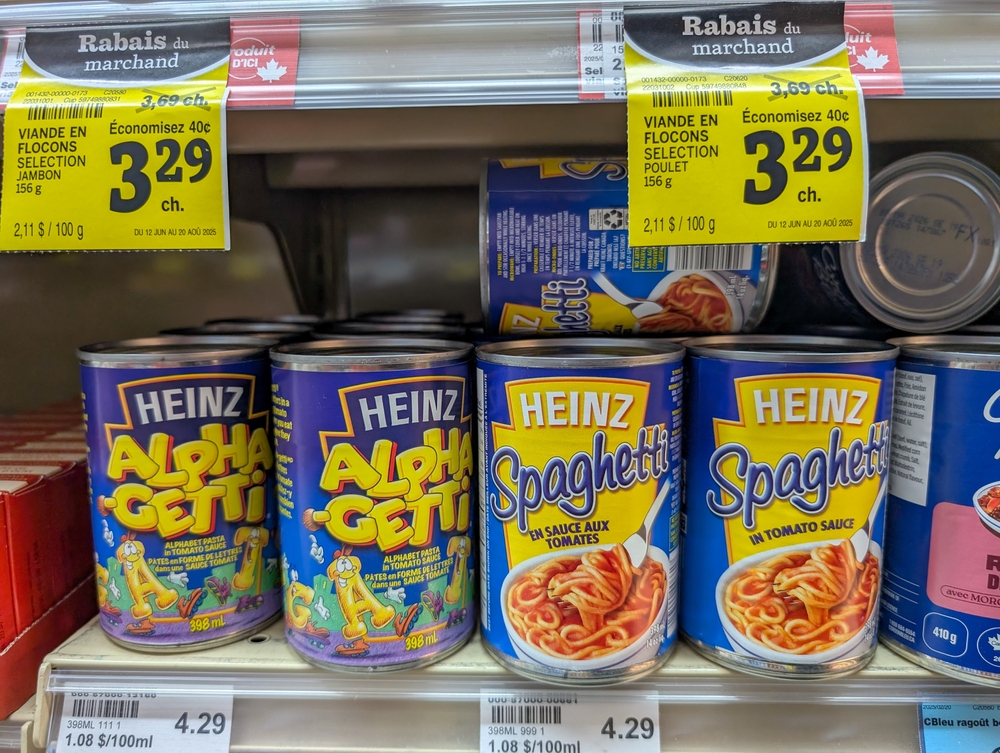
Flash sales promise deep discounts but often apply to very few items. Once those sell out, shoppers are already inside the store. Many continue shopping anyway. Rain checks are not always offered. The real goal is foot traffic, not fairness. Flyers make these deals look generous, but limits are rarely highlighted clearly. If a sale looks unusually good, assume restrictions apply. Ask staff early if stock remains. Do not build your shopping plan around one flash price. If the deal disappears quickly, the store still wins. You spent time and likely bought other items.
Check Out Lane Items That Exploit Fatigue
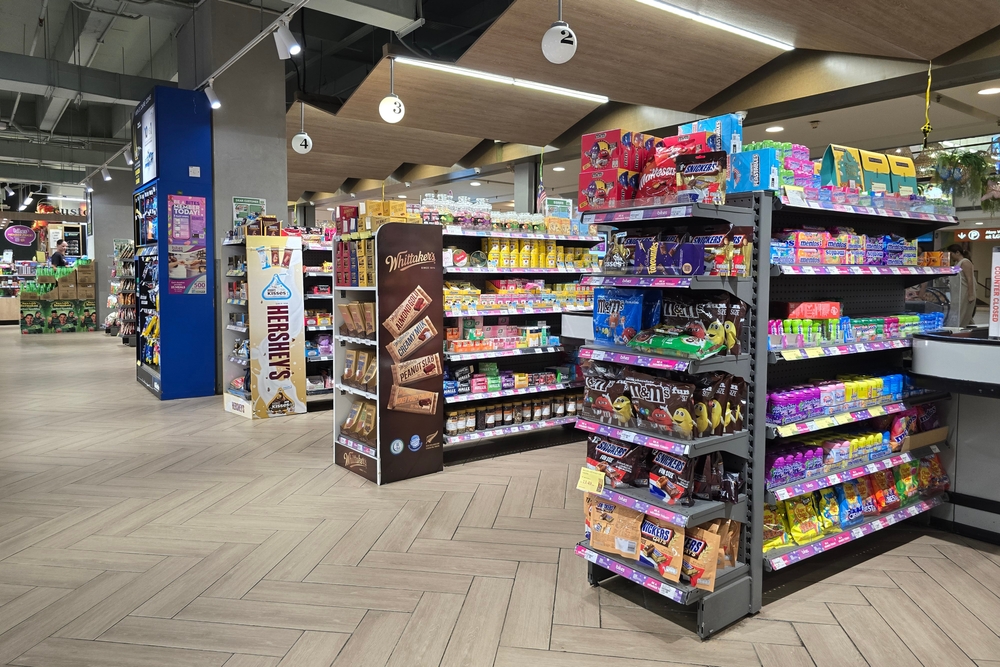
Checkout lanes are designed for impulse buys. Items are small, colorful, and priced low enough to feel harmless. Shoppers are tired by this point. Decision fatigue makes resistance weaker. Candy, drinks, and magazines appear easy to justify. Individually, the cost seems minor. Together, they add up fast. Stores place high-margin items here because the tactic works. To avoid it, keep your focus on the total. Avoid browsing while waiting. If shopping with children, the pressure increases. Saying no at checkout often saves more money than skipping a sale elsewhere.
“Locally Sourced” Labels with Vague Meaning
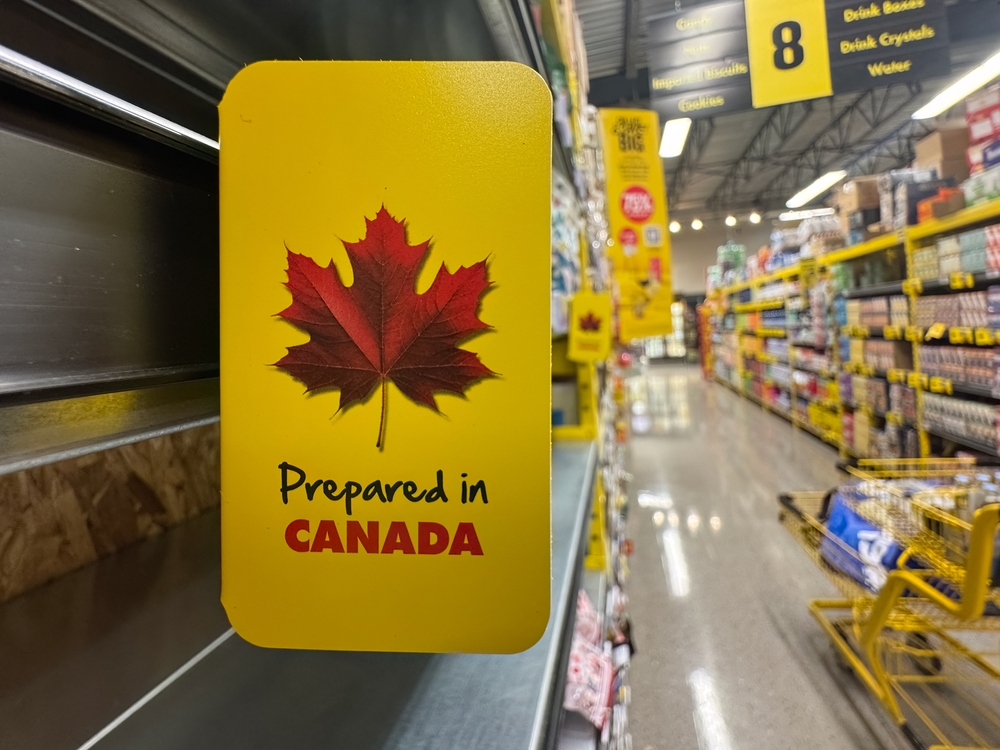
Local labels feel trustworthy, but the definition is often loose. A product may be packaged locally but sourced elsewhere. The wording is usually legal but unclear. Shoppers assume freshness and fairness, then pay more. This tactic works because most people value supporting local producers. To spot it, look for specific details. Province names, farm names, or clear origin statements matter. Vague phrases do not. If the label avoids specifics, treat it as marketing. True local sourcing is usually transparent. Paying extra only makes sense when you know exactly what you are supporting.
Psychological Price Endings That Feel Smaller
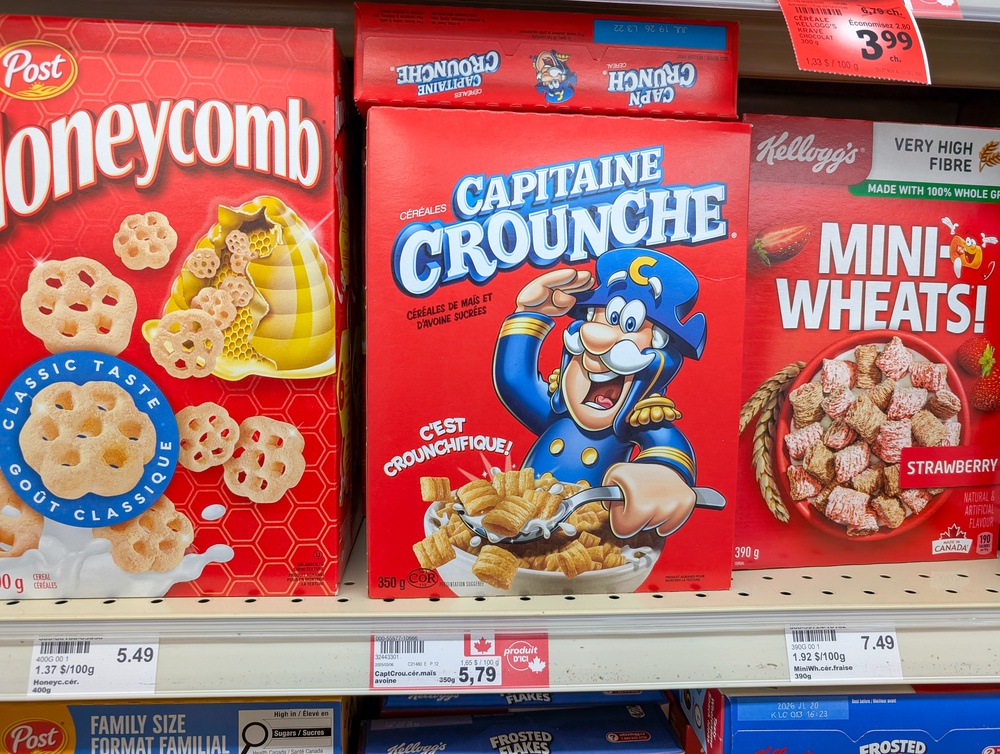
Prices ending in .97 or .99 are designed to feel lower. Shoppers mentally round down without realizing it. Over many items, the difference adds up. This tactic works across all price ranges. It feels familiar, so it rarely raises suspicion. To counter it, focus on full dollar amounts. Compare totals, not endings. A cart full of slightly lower-looking prices can still cost more overall. The cents are not savings. They are perception tools. Treat every price as a whole number when deciding. That small shift keeps your choices more grounded and realistic.
Music and Lighting That Slow Shopping Pace
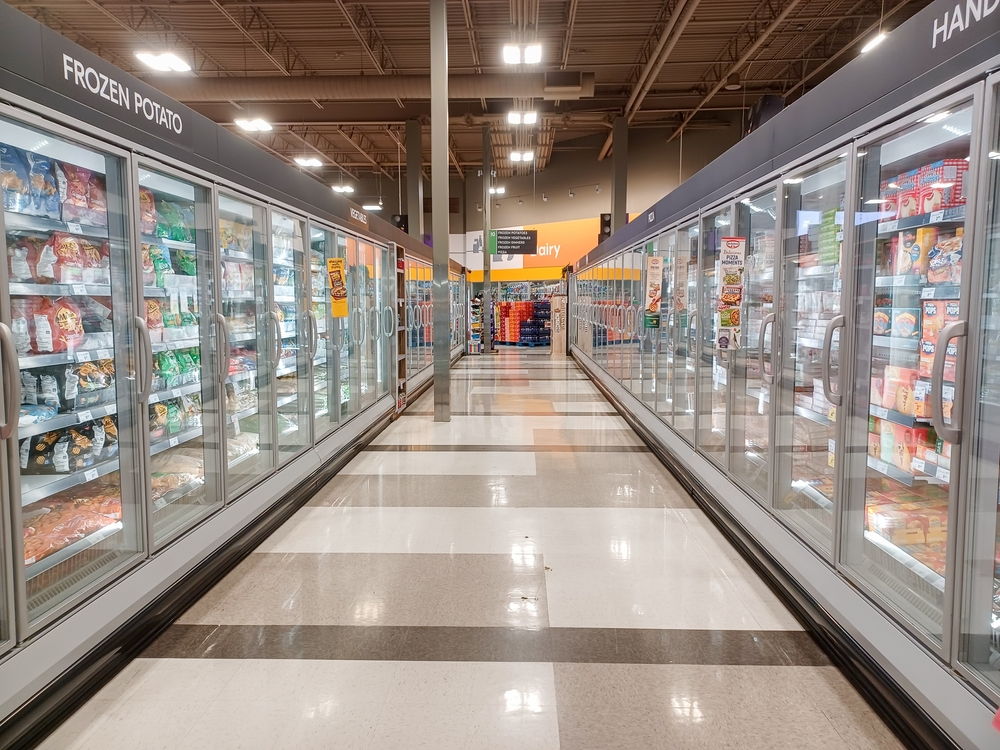
Store music and lighting influence how long shoppers stay. Slower music encourages slower movement. Warm lighting creates comfort. Both increase browsing time. More browsing usually means more spending. Shoppers rarely notice the effect. The environment feels pleasant, not manipulative. If you find yourself lingering without purpose, that is the design working. To avoid it, shop with a plan. Move deliberately. Avoid browsing aisles unrelated to your list. Time spent wandering often leads to unplanned purchases. The calmer the store feels, the more important the focus becomes.
Store Brands Priced Like Premium Products
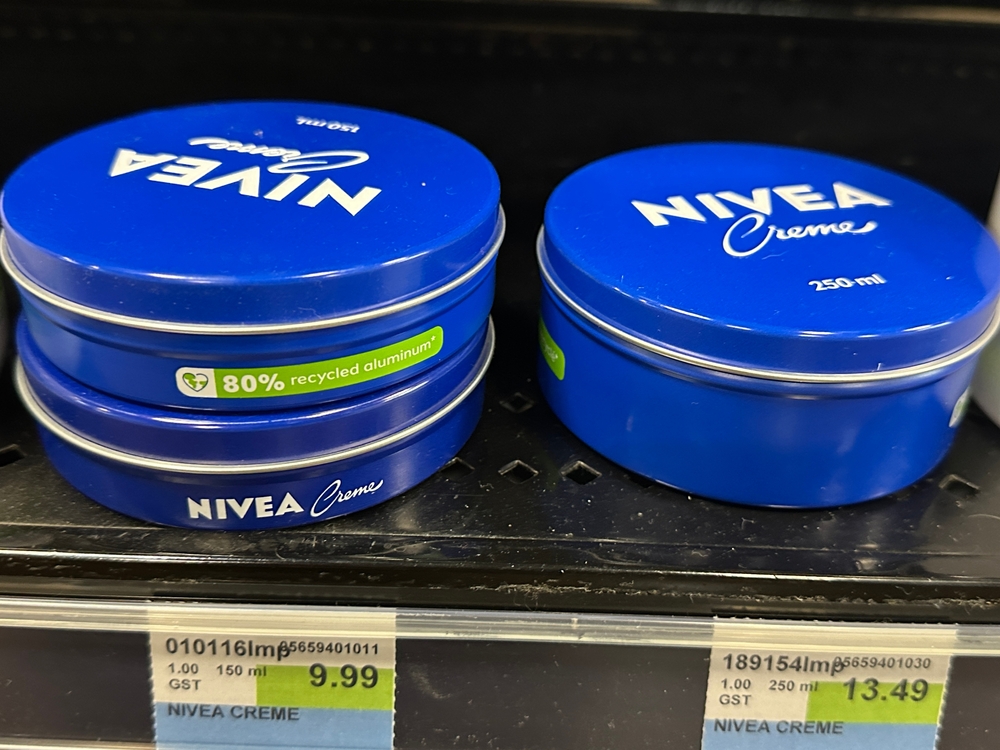
Store brands were once the cheaper choice. Many now cost almost as much as name brands. Packaging often looks modern and upscale. Shoppers assume quality improvements justify the price. Sometimes that is true. Sometimes it is not. The brand label alone no longer signals value. Always compare ingredients, weight, and unit price. Some store brands quietly increase prices while maintaining a reputation for savings. Do not assume loyalty equals value. Numbers matter more than branding. A private label is only a better deal when the math clearly supports it.
22 Groceries to Grab Now—Before another Price Shock Hits Canada
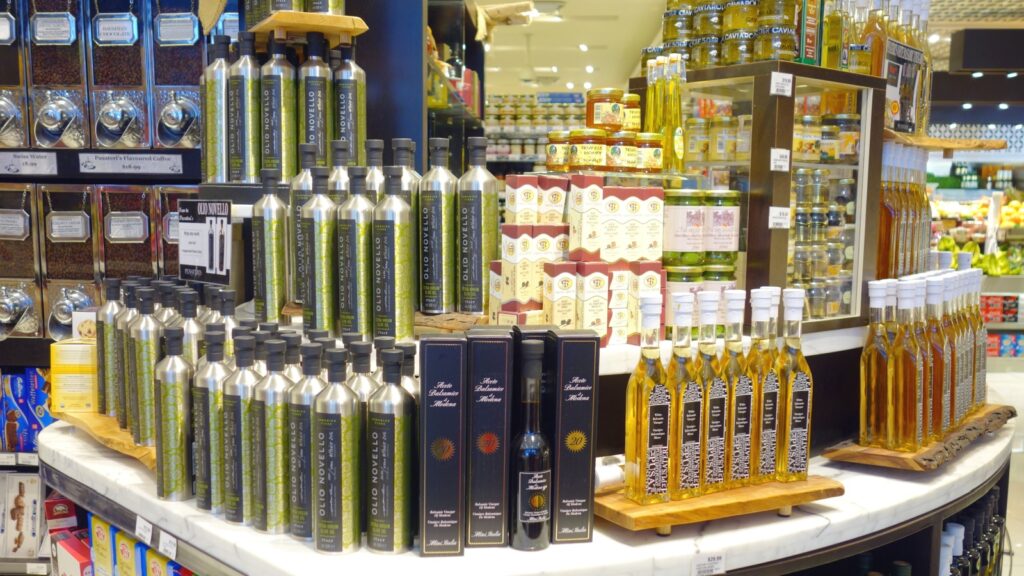
Food prices in Canada have been steadily climbing, and another spike could make your grocery bill feel like a mortgage payment. According to Statistics Canada, food inflation remains about 3.7% higher than last year, with essentials like bread, dairy, and fresh produce leading the surge. Some items are expected to rise even further due to transportation costs, droughts, and import tariffs. Here are 22 groceries to grab now before another price shock hits Canada.
22 Groceries to Grab Now—Before another Price Shock Hits Canada
This Options Discord Chat is The Real Deal
While the internet is scoured with trading chat rooms, many of which even charge upwards of thousands of dollars to join, this smaller options trading discord chatroom is the real deal and actually providing valuable trade setups, education, and community without the noise and spam of the larger more expensive rooms. With a incredibly low-cost monthly fee, Options Trading Club (click here to see their reviews) requires an application to join ensuring that every member is dedicated and serious about taking their trading to the next level. If you are looking for a change in your trading strategies, then click here to apply for a membership.