35,000+ smart investors are already getting financial news, market signals, and macro shifts in the economy that could impact their money next with our FREE weekly newsletter. Get ahead of what the crowd finds out too late. Click Here to Subscribe for FREE.
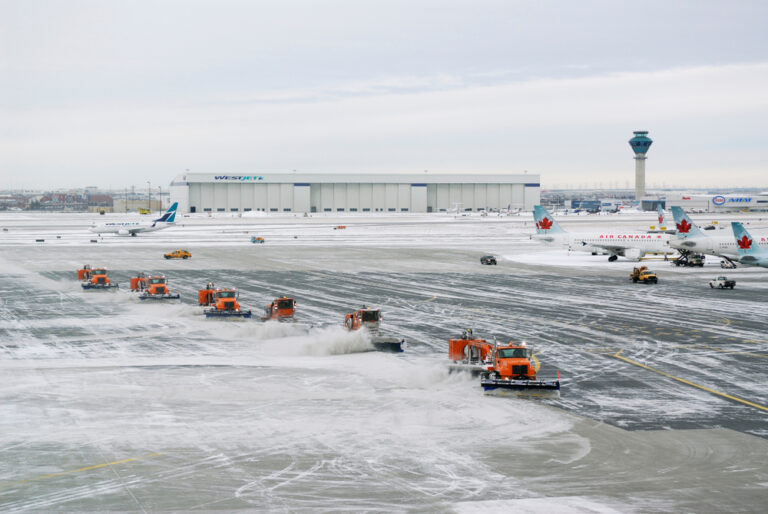
Toronto’s recent snowstorm showed how fast winter weather can derail air travel across Canada. Flights were delayed, gates froze, crews timed out, and luggage piled up. Many travelers were caught off guard, even those flying domestically. Winter flying now requires more planning than it did years ago. Weather systems move faster, airport congestion lasts longer, and rebooking options shrink quickly. These issues affect every airline and every airport, not just major hubs. Preparing before leaving home can reduce stress, costs, and missed connections. What to do when Toronto Has Record Snowstorms: 17 Things Canadians Should Do Before Their Next Flight.
Check Your Flight Status Directly with the Airline
Toronto’s Record Snowstorm: 17 Things Canadians Should Do Before Their Next Flight
- Check Your Flight Status Directly with the Airline
- Build Extra Time into Your Airport Arrival Plan
- Pack Essentials in Your Carry-On Bag
- Sign Up for Airline Alerts Before Travel Day
- Review Rebooking Rules Ahead of Time
- Choose Earlier Flights When Possible
- Monitor Airport Conditions, Not Just Weather Forecasts
- Prepare for Security Delays During Storms
- Keep Travel Documents Easily Accessible
- Plan Ground Transportation with Backup Options
- Track Connecting Flights Closely
- Avoid Tight Connections in Winter Schedules
- Charge Devices Fully Before Leaving Home
- Know Your Passenger Rights in Canada
- Prepare Mentally for Delays and Cancellations
- Watch for Crew-Related Delays
- Keep Flexible Return Plans After Major Storms
- 22 Groceries to Grab Now—Before another Price Shock Hits Canada
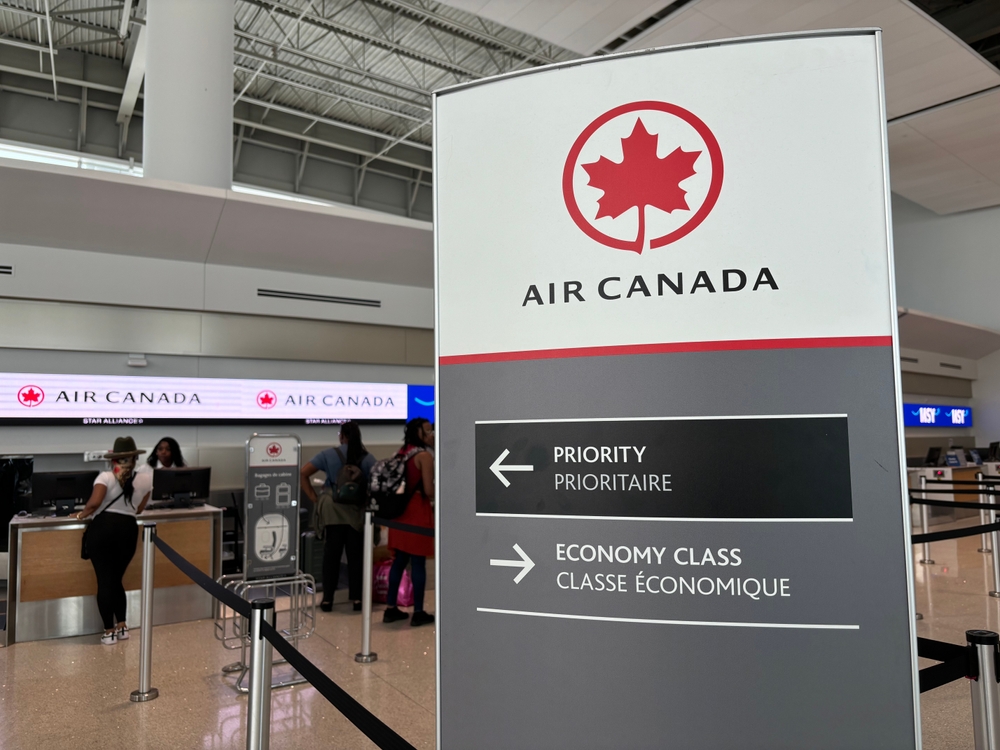
Relying on airport screens or travel apps can delay a reaction. Airlines update their own systems first. Check your flight on the airline website or app before leaving home. Status changes often happen hours before public displays update. Winter weather can trigger rolling delays that shift throughout the day. Early awareness gives you time to adjust plans. You may be able to rebook online before lines form. Some airlines waive change fees during storms. Those waivers appear first in airline alerts. Checking early also helps you avoid unnecessary trips to the airport during extended ground stops.
Build Extra Time into Your Airport Arrival Plan

Winter storms slow every step of the airport process. Roads clog, parking fills, and security lines stretch. Arriving early gives you options if something goes wrong. Aim for extra time beyond airline recommendations. Even domestic flights can face long delays during snow events. Shuttle buses move more slowly on icy routes. Terminal staff may be reduced due to travel issues. Extra time lowers stress and improves rebooking chances. Missing boarding because of weather delays is frustrating. Arriving early cannot prevent a cancellation, but it gives you more control when disruptions start.
Pack Essentials in Your Carry-On Bag

Checked bags may not travel with you during snow disruptions. Pack essentials in your carry-on. Include medication, chargers, documents, and a change of clothes. Weather delays can stretch overnight. Hotels near airports fill quickly. Having the basics with you reduces discomfort. Carry snacks and a refillable water bottle. Airport food options may close early during storms. Winter travel increases the chance of unplanned stays. A prepared carry-on helps you handle delays without relying on airport services that may be overwhelmed or unavailable during peak disruption periods.
Sign Up for Airline Alerts Before Travel Day

Airline alerts provide real-time updates by text or email. Sign up before your travel date. These alerts include delays, gate changes, and cancellation notices. During snowstorms, changes happen fast. Notifications help you act before crowds form. You may receive rebooking options directly through the alert. Some airlines allow one-tap rebooking. Without alerts, you rely on public announcements that come later. Alerts also confirm when boarding resumes after weather holds. Staying informed reduces guesswork and prevents missed updates during chaotic winter travel periods.
Review Rebooking Rules Ahead of Time

Every airline has different rebooking policies. Review them before flying. During snowstorms, airlines may allow free changes within certain windows. Knowing these rules saves time. You can act quickly if your flight is delayed. Some airlines prioritize passengers who rebook online early. Others require phone support. Understanding your options prevents rushed decisions at the airport. Check fare class restrictions as well. Basic fares often have fewer protections. Preparation helps you avoid paying unnecessary fees when weather disrupts schedules across multiple flights.
Choose Earlier Flights When Possible
Earlier flights are less likely to be affected by snow accumulation. Airports clear runways overnight. Delays build as the day progresses. Choosing a morning departure improves your chances. Crews are more likely to be available early. Aircraft are already positioned. Late flights often face cascading delays. Winter storms amplify this effect. Even if your flight is delayed, you may still depart. Later flights risk cancellation when crews time out. When booking winter travel, earlier departures provide a buffer against weather-related disruptions.
Monitor Airport Conditions, Not Just Weather Forecasts
Weather forecasts show snowfall amounts, not airport operations. Monitor airport-specific updates. Airports release advisories about runway closures and staffing issues. These details matter more than snowfall totals. A small storm can cause major delays if winds shift. Check airport social media accounts for updates. Ground operations determine departures during snowstorms. Knowing conditions helps set realistic expectations. You can decide whether to leave early or delay your arrival. Airport-level information gives context beyond general weather reports.
Prepare for Security Delays During Storms
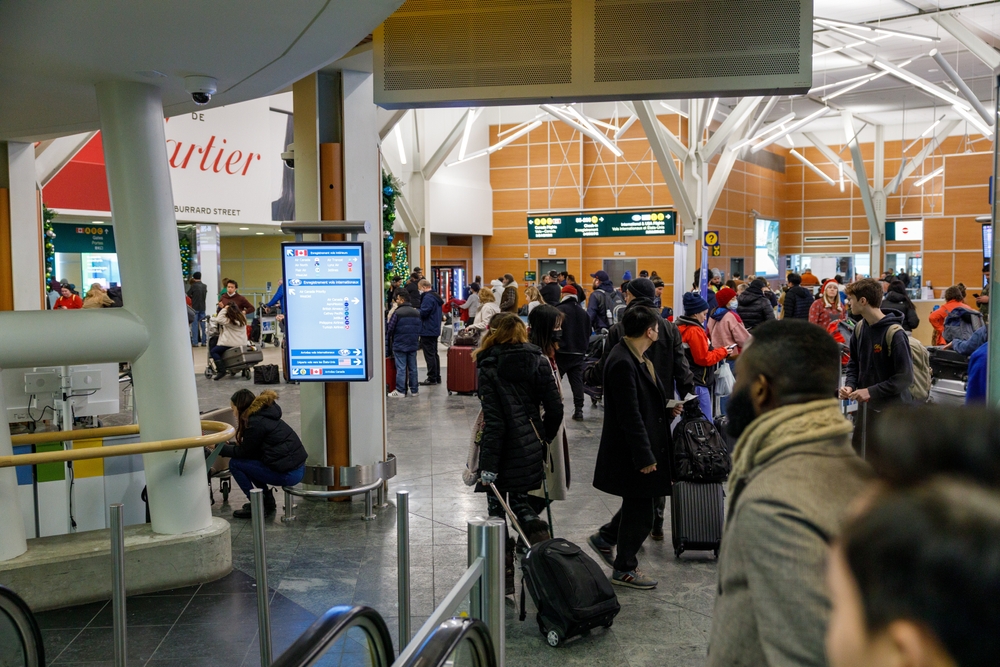
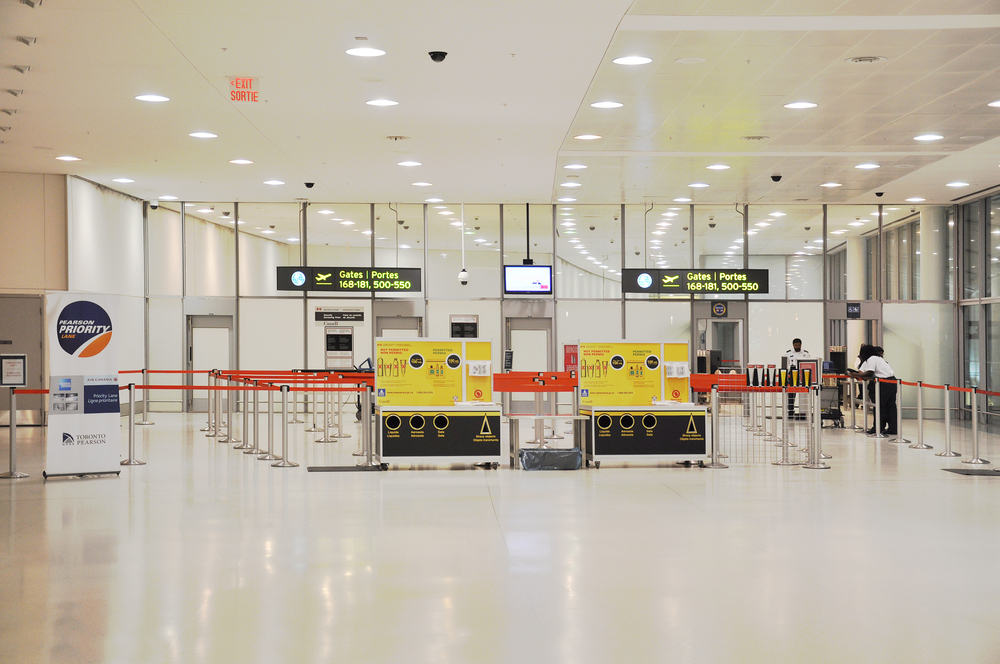
Security screening slows during severe weather. Staff may arrive late or be short-staffed. Equipment may require extra checks due to moisture. Lines can grow quickly. Arriving early helps, but preparation matters too. Wear shoes that are easy to remove. Keep electronics accessible. Follow liquid rules closely. Small delays compound during storms. Being prepared reduces screening time. Faster screening means less time standing in crowded areas during disruptions. Security delays are common during winter events, even when flights appear on time.
Keep Travel Documents Easily Accessible

Cold weather complicates document handling. Gloves, bulky jackets, and bags slow access. Keep boarding passes and identification within reach. Digital passes help, but battery life matters. Bring a backup screenshot or printed copy. Phone batteries drain faster in cold conditions. Delays increase device usage. Having documents ready speeds check-in and boarding. This matters when gates change quickly. Staff move fast during weather disruptions. Being ready prevents missed calls or delayed boarding during rushed airport operations.
Plan Ground Transportation with Backup Options

Snowstorms disrupt taxis, rideshares, and public transit. Plan alternatives before leaving home. Check transit alerts and service reductions. Book parking in advance if driving. Rideshare wait times increase during storms. Prices surge quickly. Having a backup reduces stress. You may need to switch plans quickly. Know which terminals allow pickup during weather events. Some airports restrict curb access. Planning transportation ahead helps avoid missed flights caused by ground delays outside your control.
Track Connecting Flights Closely
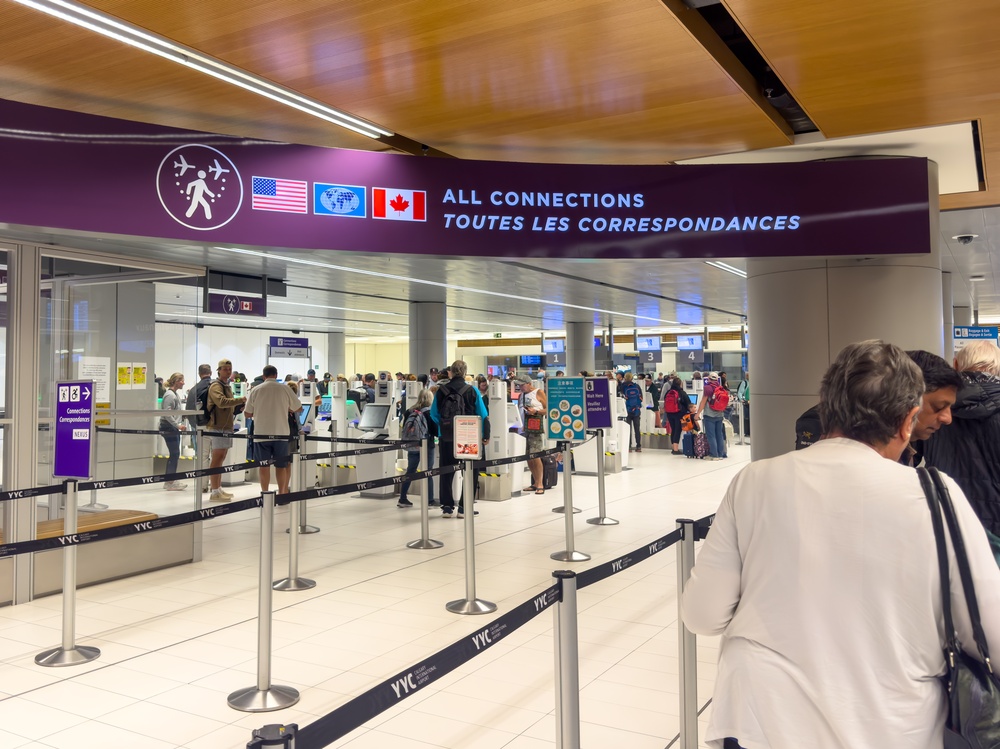
Connecting flights face a higher cancellation risk during storms. Monitor both legs of your journey. A delay on the first flight can cancel the second automatically. Airlines may rebook you without asking. Checking early lets you request better alternatives. Some hubs recover faster than others. Snow at one airport affects many routes. If your connection looks tight, act early. Rebooking sooner improves seat availability. Watching connections closely helps avoid being stranded mid-journey during widespread winter disruptions.
Avoid Tight Connections in Winter Schedules

Winter schedules require wider margins. Tight connections increase risk. Snow slows taxiing and deicing. Gates may change last minute. Even short delays can break connections. When booking winter flights, choose longer layovers. Extra time allows for weather variability. Airports move more slowly during storms. Staff availability changes. Longer connections provide flexibility. Missing a connection during winter often leads to overnight stays. Avoiding tight schedules reduces disruption and improves your chances of completing the journey as planned.
Charge Devices Fully Before Leaving Home

Power outlets become scarce during delays. Charge all devices fully before travel. Bring portable chargers if possible. Phones are essential during disruptions. You need access to boarding passes, alerts, and rebooking tools. Cold temperatures drain batteries faster. Long waits increase usage. Airports may close charging areas during storms. Having power ensures you stay informed. Losing battery access limits your ability to respond quickly when airlines release new options during weather disruptions.
Know Your Passenger Rights in Canada
Canadian passenger rights apply during delays, but the weather has limits. Understand what airlines must provide. Weather-related delays often exempt compensation. However, airlines still owe communication and care in some cases. Knowing your rights sets expectations. It prevents frustration during storms. Check official government guidance before travel. Policies change over time. Understanding the rules helps you ask the right questions calmly. It also helps you document issues properly if follow-up is needed later.
Prepare Mentally for Delays and Cancellations
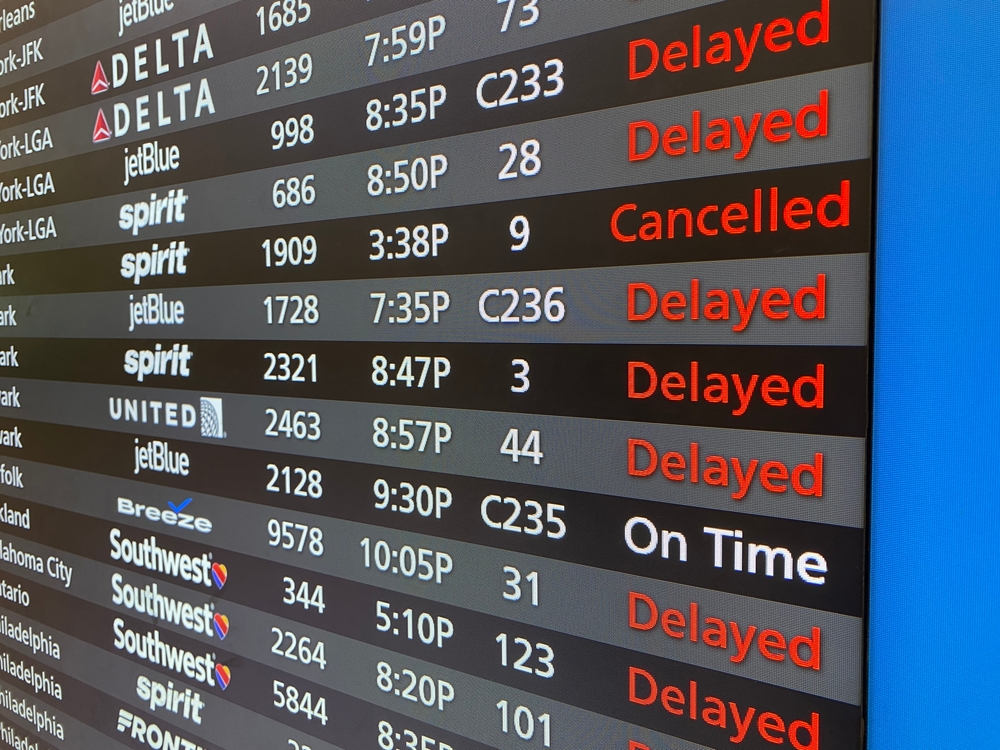
Winter travel requires patience. Snowstorms create unpredictable conditions. Even well-prepared plans can change quickly. Accepting this reduces stress. Build flexibility into your schedule. Avoid booking tight commitments after arrival. Let contacts know delays are possible. Staying calm helps you make better decisions. Crowded terminals amplify tension. Preparation includes mindset. Expect delays and plan responses. This approach makes winter travel more manageable and less exhausting during severe weather events.
Watch for Crew-Related Delays

Crew availability affects flights during storms. Crews may time out or get stuck elsewhere. Aircraft may be ready but lack staff. These delays often happen late in the day. Monitoring updates helps you spot patterns. If multiple flights show crew issues, rebooking early helps. Crew delays can trigger cancellations without much notice. Understanding this factor explains sudden changes. It also helps you anticipate whether waiting or rebooking makes more sense during snow events.
Keep Flexible Return Plans After Major Storms

Return flights face ripple effects after storms. Backlogs take days to clear. Aircraft and crews may be out of position. Keep return plans flexible when possible. Avoid non-refundable commitments right after travel. Monitor return flight trends before leaving. Being flexible reduces stress later. Winter disruptions rarely end when snowfall stops. Planning for extended impacts helps avoid last-minute scrambling during already busy travel periods.
22 Groceries to Grab Now—Before another Price Shock Hits Canada

Food prices in Canada have been steadily climbing, and another spike could make your grocery bill feel like a mortgage payment. According to Statistics Canada, food inflation remains about 3.7% higher than last year, with essentials like bread, dairy, and fresh produce leading the surge. Some items are expected to rise even further due to transportation costs, droughts, and import tariffs. Here are 22 groceries to grab now before another price shock hits Canada.
22 Groceries to Grab Now—Before another Price Shock Hits Canada
This Options Discord Chat is The Real Deal
While the internet is scoured with trading chat rooms, many of which even charge upwards of thousands of dollars to join, this smaller options trading discord chatroom is the real deal and actually providing valuable trade setups, education, and community without the noise and spam of the larger more expensive rooms. With a incredibly low-cost monthly fee, Options Trading Club (click here to see their reviews) requires an application to join ensuring that every member is dedicated and serious about taking their trading to the next level. If you are looking for a change in your trading strategies, then click here to apply for a membership.