
35,000+ smart investors are already getting financial news, market signals, and macro shifts in the economy that could impact their money next with our FREE weekly newsletter. Get ahead of what the crowd finds out too late. Click Here to Subscribe for FREE.
Grocery bills in Canada feel heavier every month, even when shopping habits stay the same. Prices rise quietly, often without clear explanations on receipts. Stores adjust layouts, packaging, and promotions in ways shoppers rarely notice. Small changes add up across weeks and months. Many shoppers blame inflation alone, but store practices play a role, too. These tactics affect how much you buy, what you notice, and what feels like a deal. Here are 19 grocery store secrets making your food bill higher in Canada.
Shelf Prices That Change Without Notice
19 Grocery Store Secrets Making Your Food Bill Higher in Canada
- Shelf Prices That Change Without Notice
- Shrinking Package Sizes Disguised as New Designs
- Multi-Buy Deals That Push Extra Spending
- Loyalty Programs That Reward Spending, Not Saving
- Store Layouts Designed to Slow You Down
- Sales Stickers That Distract from Better Options
- Strategic Product Placement at Eye Level
- Price Matching That Rarely Works Smoothly
- Limited-Time Offers That Create False Urgency
- Complex Unit Pricing That Discourages Comparison
- Private Labels Positioned as Premium Alternatives
- Seasonal Displays That Push Bulk Buying
- Fresh Sections That Encourage Overbuying
- Shrinkflation on Store-Prepared Foods
- Promotions That Require Apps or Accounts
- Price Anchoring Through Premium Items
- Confusing Sales Cycles That Reset Expectations
- Checkout Lanes Designed for Impulse Buys
- Fewer Staff Leading to Faster Decisions
- 22 Groceries to Grab Now—Before another Price Shock Hits Canada
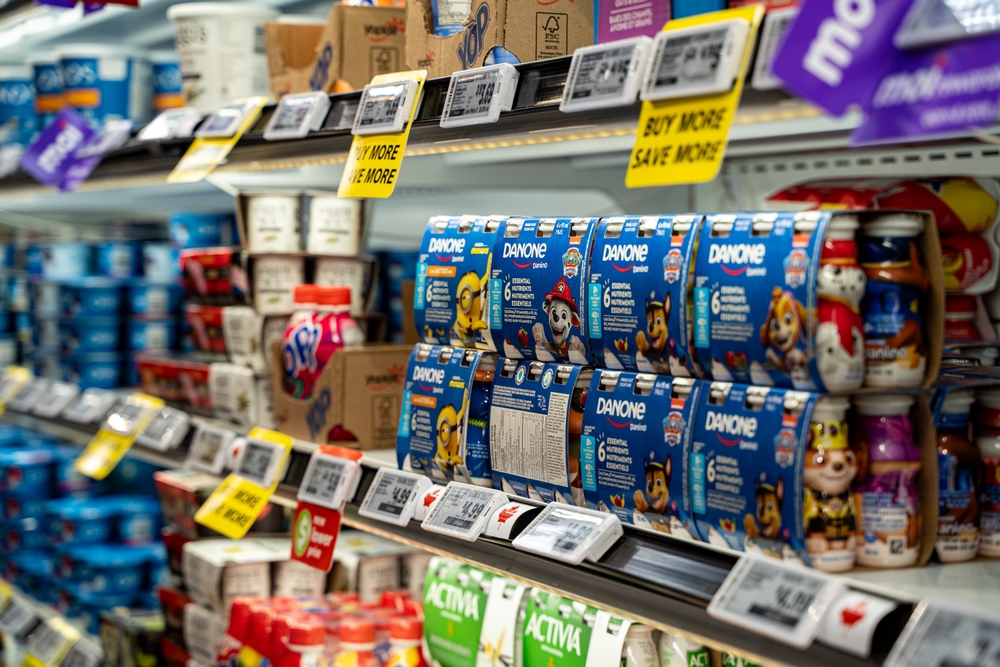
Shelf prices can change faster than shoppers expect. Digital systems allow stores to update prices overnight. Regular shoppers may assume prices stayed the same since last week. That assumption costs money. A small increase in staples like milk or bread adds up quickly. Stores rarely highlight these changes unless legally required. Sale tags draw attention while regular price shifts stay quiet. Shoppers often focus on totals, not item histories. Over time, this creates price fatigue. When everything feels expensive, individuals stop standing out. That silence works in the store’s favor.
Shrinking Package Sizes Disguised as New Designs
Packages change shape more often than labels admit. Boxes grow taller while becoming narrower. Bags look full but hold less product. The price often stays the same. Shoppers compare prices, not weight. Design updates distract from missing grammar. This practice spreads slowly across brands, so comparisons get harder. Products appear unchanged at a glance. Receipts show no warning. Families buying weekly notices are spending faster without obvious reasons. The product feels familiar, but value slips. Over time, you buy more units to replace what vanished quietly.
Multi-Buy Deals That Push Extra Spending
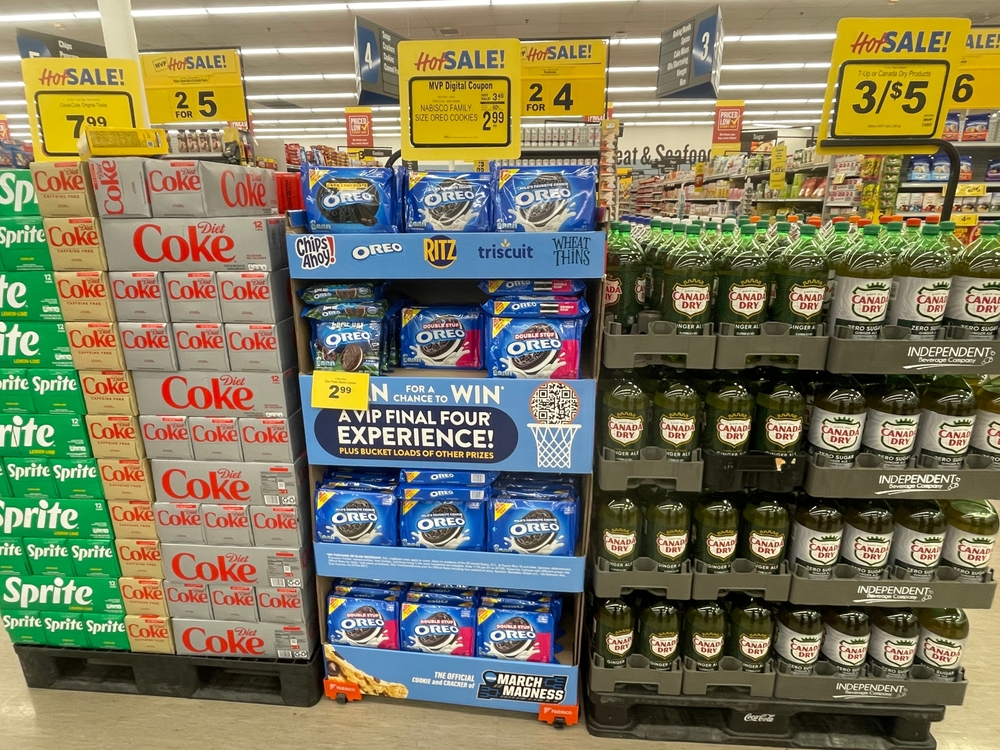
Two-for deals sound helpful, but can inflate spending. Many shoppers only need one item. Buying extras feels wasteful but tempting. The deal suggests savings even when unit prices barely drop. Some offers raise the single-item price first. This makes the bundle look better. Perishable items often spoil before use. That waste hides inside the “deal.” Stores rely on impulse rather than need. Over weeks, baskets grow heavier. Budgets stretch further than planned. The savings promise rarely matches real consumption.
Loyalty Programs That Reward Spending, Not Saving
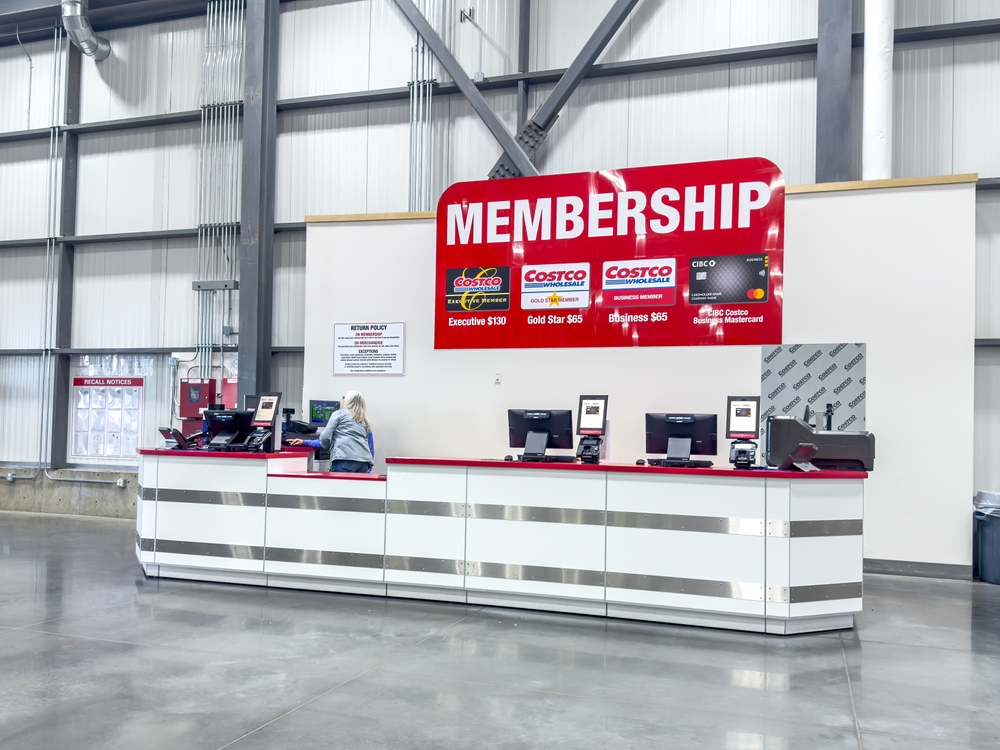
Points programs appear friendly and helpful. They reward frequent shopping, not lower prices. Many rewards require high spending thresholds. Shoppers return to the same store to avoid losing points. This limits price comparison elsewhere. Discounts often arrive as future offers, not immediate savings. That delays value. Some deals require activating offers manually. Missed activations mean missed savings. The system feels like a game. The house still benefits most. Over time, loyalty turns into a habit rather than smart shopping.
Store Layouts Designed to Slow You Down
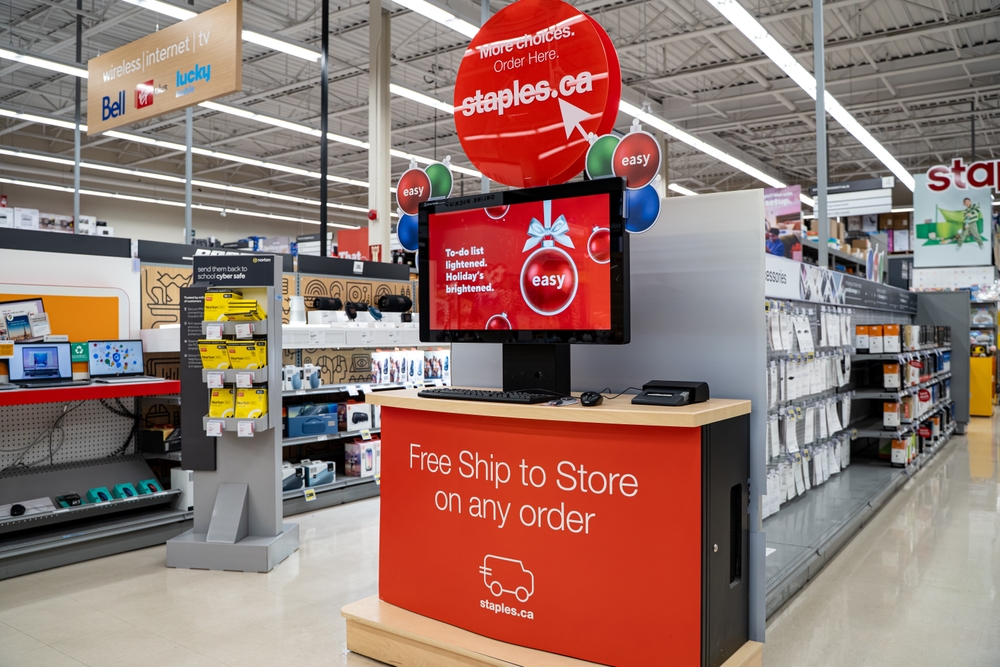
Stores rarely arrange aisles for speed. Essentials sit far apart on purpose. Shoppers pass tempting items between needs. End caps showcase high-margin products. Wide aisles encourage wandering. Narrow sections create bottlenecks near promotions. Music slows walking pace. Lighting highlights displays, not necessities. The longer you stay, the more you buy. This effect feels subtle but consistent. Even focused shoppers add unplanned items. Time inside the store often predicts spending more than the lists do.
Sales Stickers That Distract from Better Options
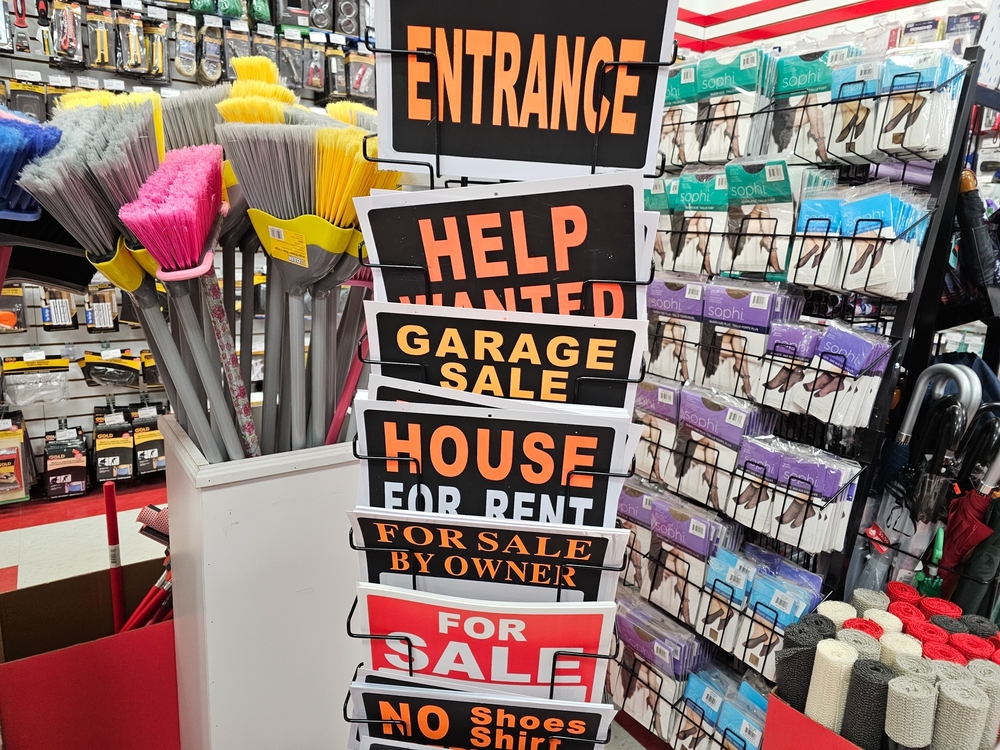
Bright sale signs grab attention quickly. They do not always mark the best value. Cheaper store brands may sit nearby without signage. Shoppers equate sales with savings automatically. Unit pricing gets ignored. Some sales rotate weekly to create urgency. Missing a deal feels like losing money. That pressure speeds decisions. The result is higher baskets, not smarter ones. The sticker becomes the focus. Value hides in plain sight while attention follows color.
Strategic Product Placement at Eye Level
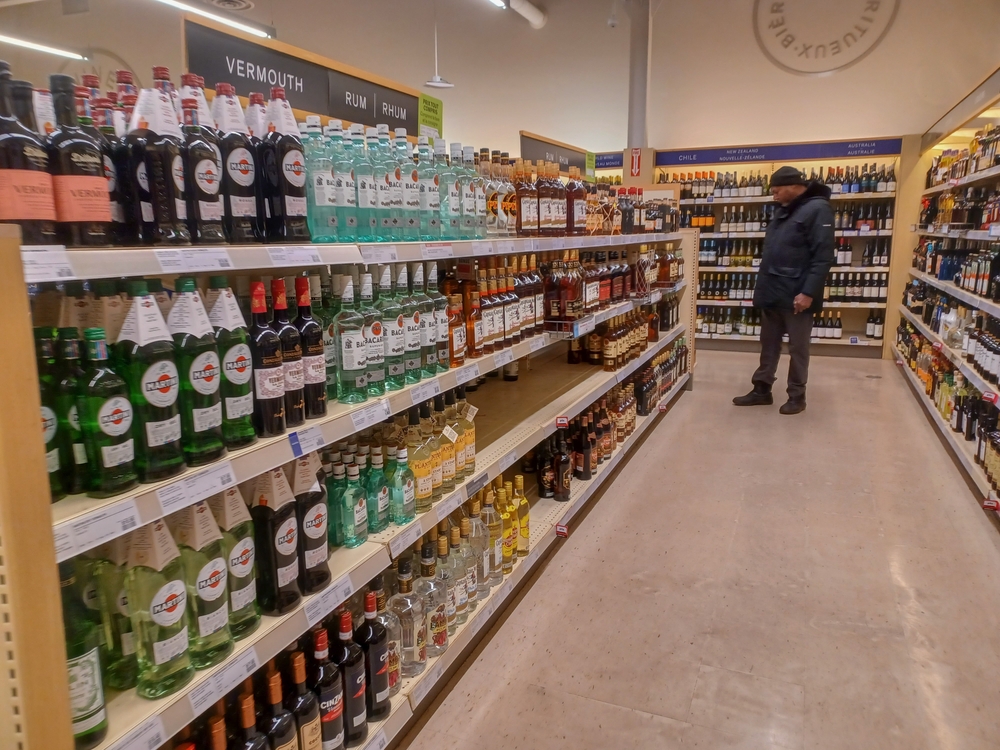
Eye-level shelves sell more by design. Premium brands pay for that space. Cheaper options sit higher or lower. Shoppers scan and grab what they see first. Bending or stretching feels inconvenient. Over time, habits form around visibility. The price difference seems small per item. Across many trips, it grows. Children’s products often sit lower in influence. Placement guides behavior more than preference. The shelf itself becomes a silent salesperson.
Price Matching That Rarely Works Smoothly
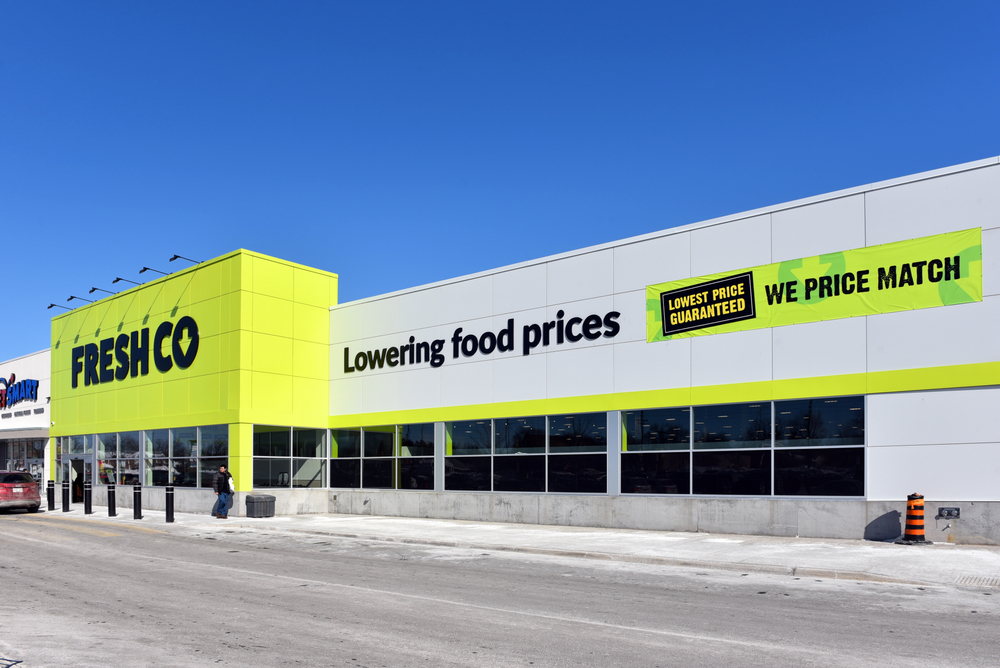
Price matching sounds empowering. In practice, it discourages use. Policies vary by store and region. Proof requirements change often. Some staff lack training or time. Long lines create pressure to skip it. Many shoppers stop trying altogether. Stores benefit when policies exist, but they often feel difficult to implement. The promise calms complaints. The execution limits savings. Shoppers assume fairness without experiencing it. That gap quietly protects margins.
Limited-Time Offers That Create False Urgency
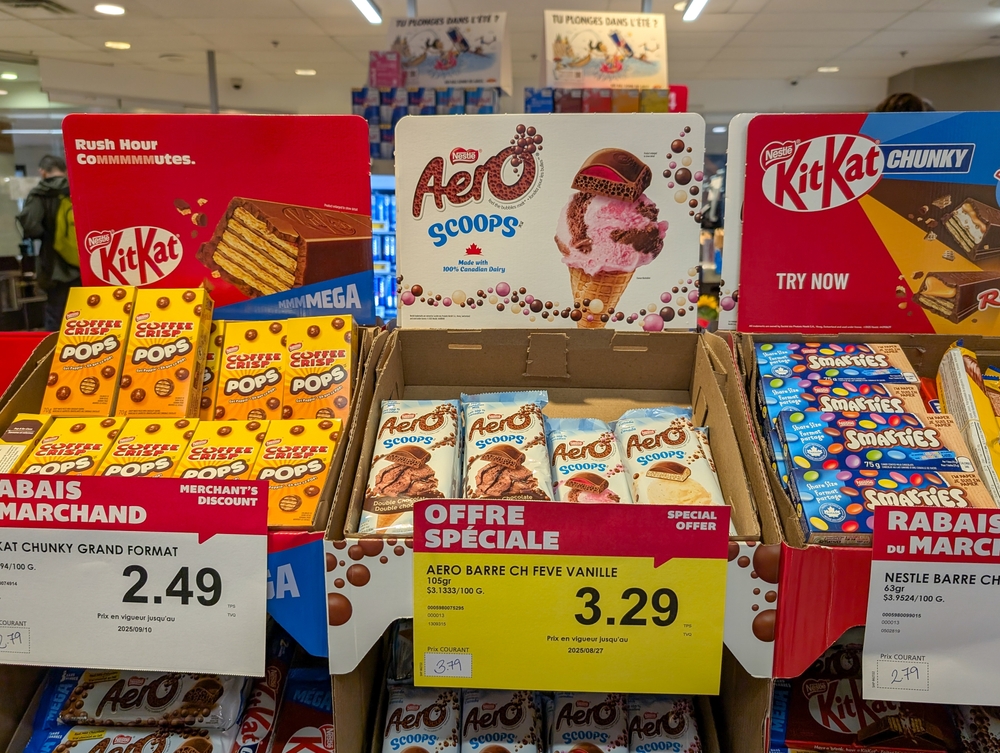
Limited-time offers rely on pressure, not value. Signs suggest prices will jump tomorrow, even when similar deals return often. Shoppers rush decisions instead of checking needs. That urgency reduces comparison shopping. Some promotions apply only to specific sizes or flavours. Fine print hides restrictions many miss. Fear of missing out replaces budgeting. The clock becomes the motivator. Stores benefit from quicker baskets and fewer pauses. Shoppers leave feeling relieved, not satisfied. Over time, this habit normalizes rushed spending. The deal feels temporary. The cost increase feels permanent once repeated across trips.
Complex Unit Pricing That Discourages Comparison
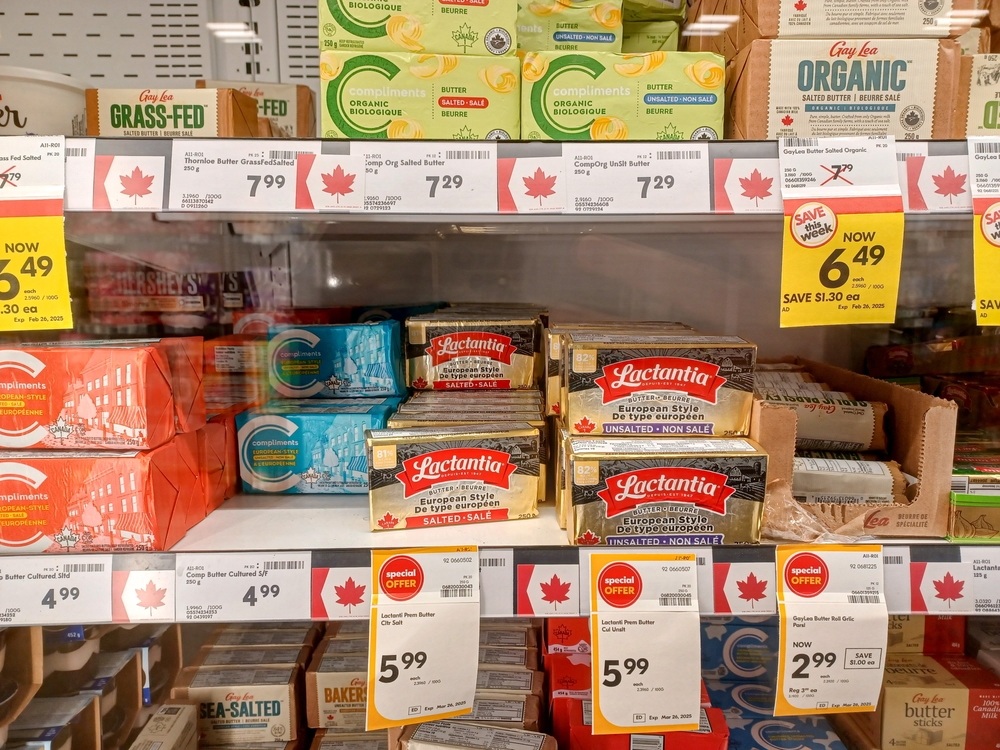
Unit pricing should help shoppers compare value, but presentation often works against that goal. Fonts are small and hard to spot. Units vary between grams, litres, and counts. That inconsistency slows decisions. Many shoppers ignore the numbers entirely. Some stores round prices in ways that favour higher-cost items. Shelf tags crowd information together. Reading them feels tiring. Shoppers default to familiar brands instead. This confusion benefits items with higher margins. The tool exists, but friction reduces its use. Confusion quietly raises spending without obvious warning signs.
Private Labels Positioned as Premium Alternatives
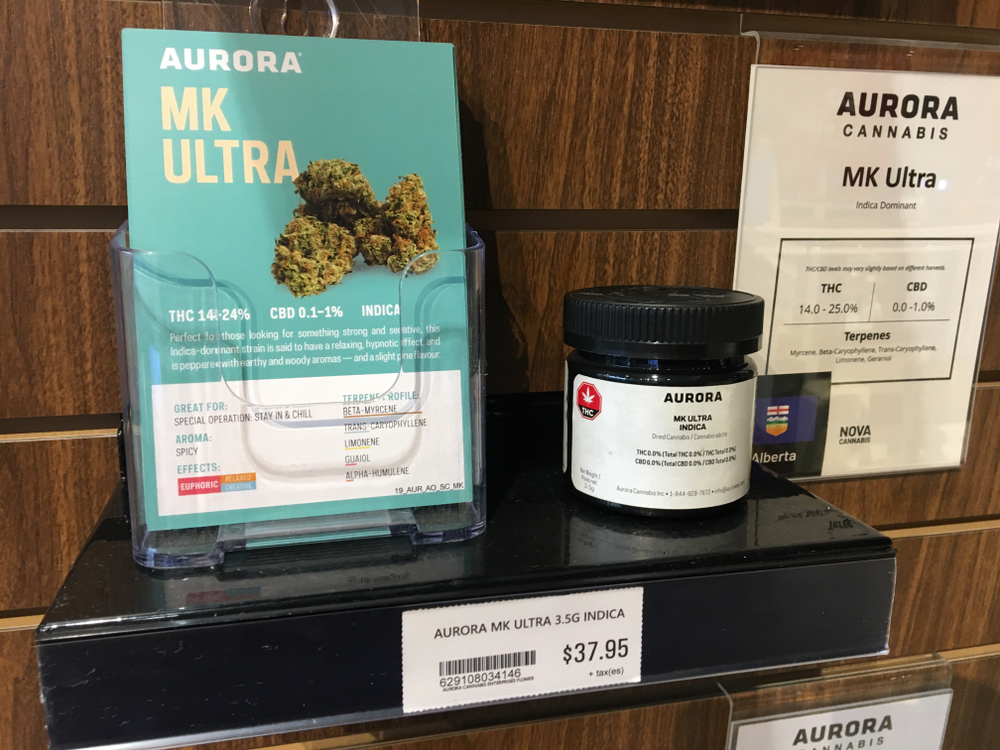
Store brands once signalled savings. Many now aim for upscale appeal. Packaging looks refined and familiar. Prices sit close to national brands. Shoppers assume value without checking competitors. Trust in the store replaces comparison. Some private labels cost more than similar products elsewhere. Marketing focuses on quality stories. Value becomes secondary. This shift changes expectations quietly. Budget shoppers feel comfortable spending more. The difference seems small per item. Over weeks, the added cost grows. The label feels smart. The receipt tells a different story.
Seasonal Displays That Push Bulk Buying
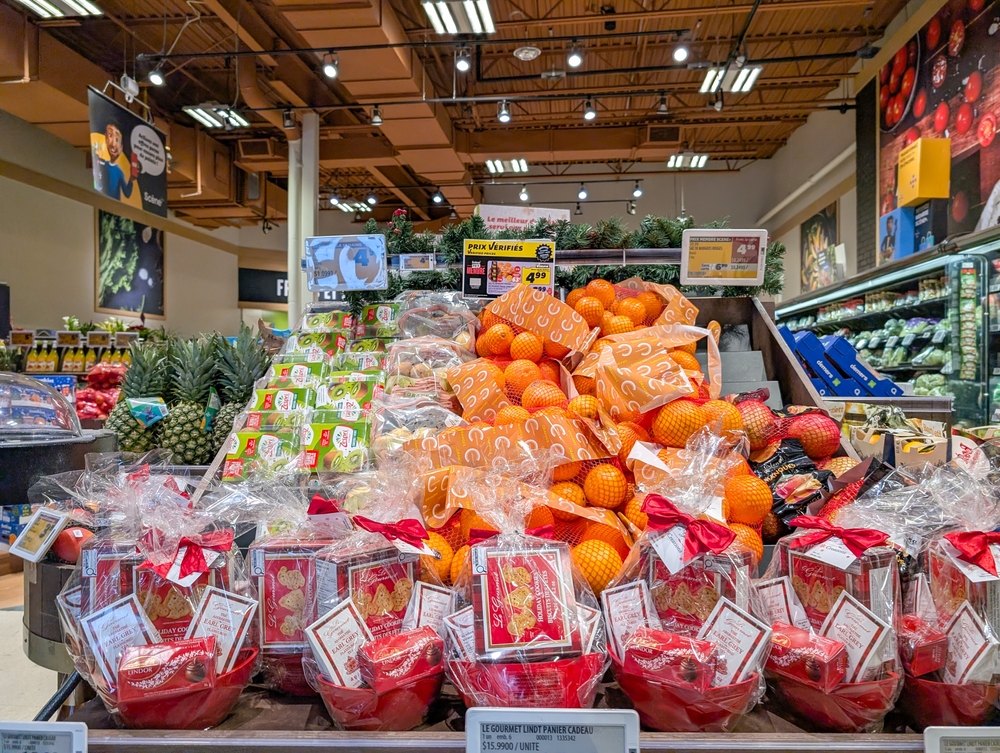
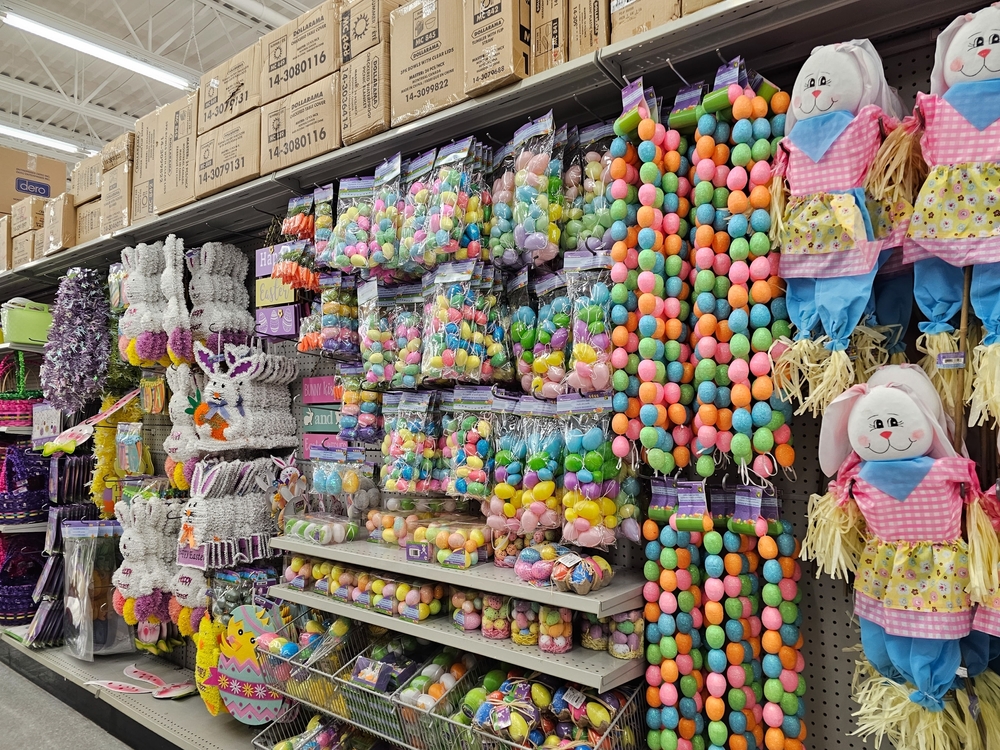
Seasonal displays feel temporary and special. That feeling encourages stocking up. Products appear briefly, creating pressure to buy now. Shoppers imagine future use that rarely matches reality. Storage fills quickly. Some items expire before use. Early-season pricing often starts high. Discounts appear later, after early purchases. The display uses colour and placement to trigger excitement. Logic takes a back seat. Spending increases without planning. The purchase feels justified in the moment. Over time, seasonal habits quietly inflate grocery budgets across the year.
Fresh Sections That Encourage Overbuying
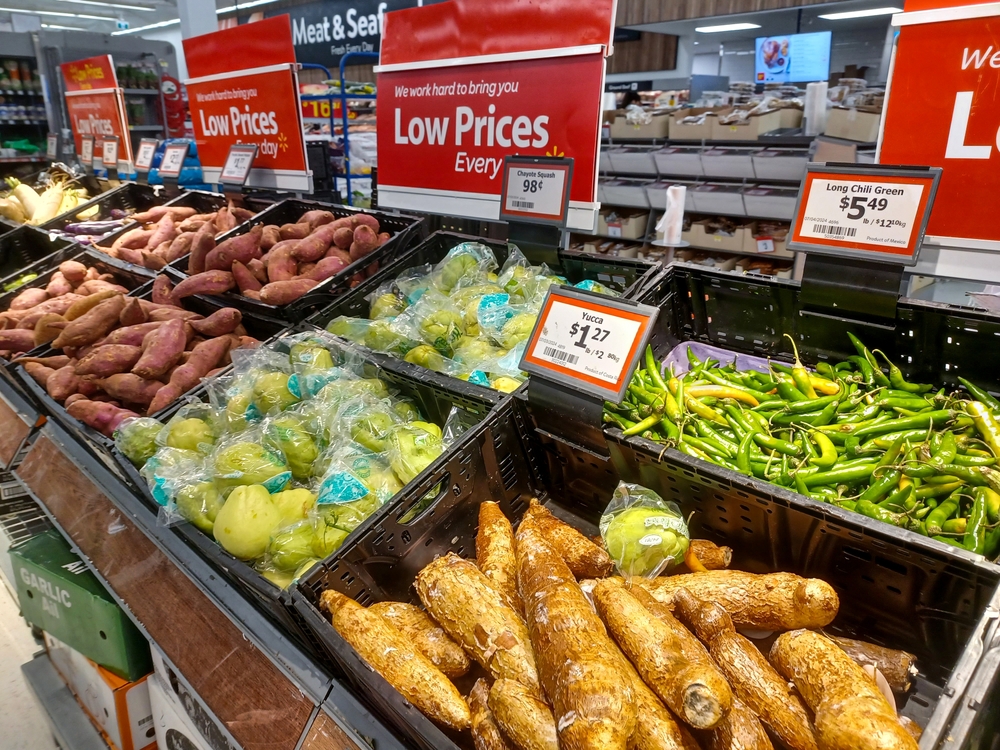
Fresh sections are designed to feel abundant and healthy. Bright lighting makes produce look appealing. Bulk displays suggest savings without limits. Shoppers buy more than planned. Fresh food spoils quickly. Waste hides inside good intentions. Pre-cut items add convenience at higher prices. Packaging hides comparisons. Shoppers feel responsible, not cautious. That feeling lowers spending resistance. Healthy choices seem worth the extra cost. Over time, repeated waste raises grocery bills. The section feels safe and inviting. The financial impact appears later, once food gets thrown away.
Shrinkflation on Store-Prepared Foods
Prepared foods change often without clear notice. Containers stay familiar while portions shrink. Prices rarely move downward. Shoppers rely on memory rather than weight. Labels do not highlight reductions. New recipes rotate frequently, limiting comparison. Convenience replaces scrutiny. Busy shoppers accept smaller meals unknowingly. Cost per serving increases quietly. Over time, prepared food replaces cooking more often. That shift raises spending steadily. The purchase feels reasonable for the moment. The long-term cost hides inside convenience. Portion changes seem minor alone. Repetition makes them expensive across weeks.
Promotions That Require Apps or Accounts
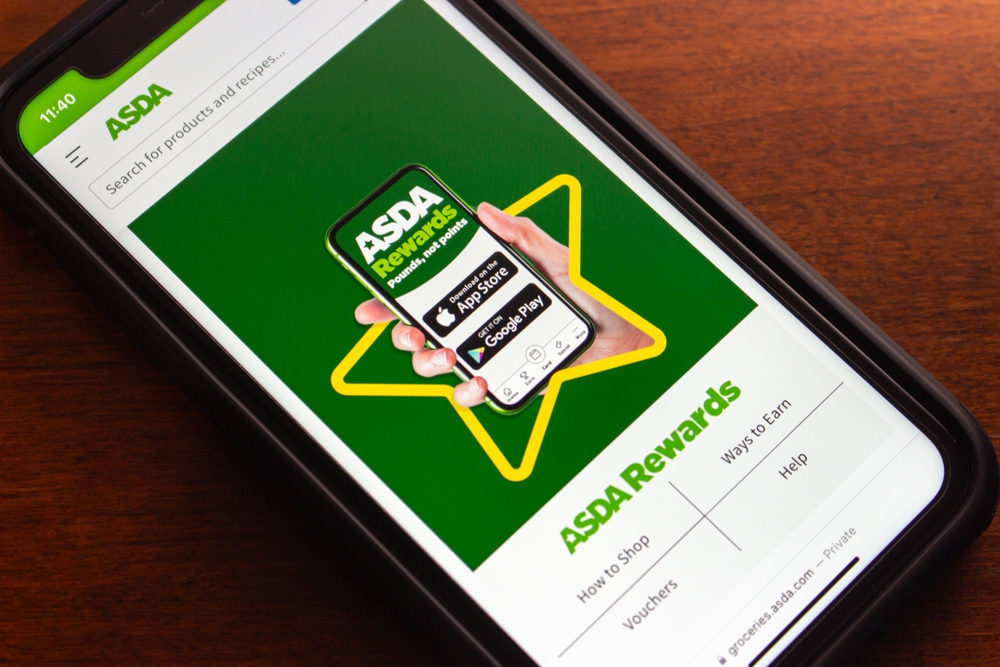
Many discounts now require digital access. Apps track purchases and habits. Some shoppers avoid them due to privacy concerns. Others forget passwords or updates. Missed deals become common. Stores save money when fewer people redeem offers. The discount exists without universal access. Technology creates a barrier. Shoppers without smartphones pay more consistently. Even users miss savings through expired offers. The system feels optional, but cost differences remain real. Over time, opting out raises average spending. Convenience shifts responsibility onto shoppers. Participation becomes another condition for lower prices.
Price Anchoring Through Premium Items
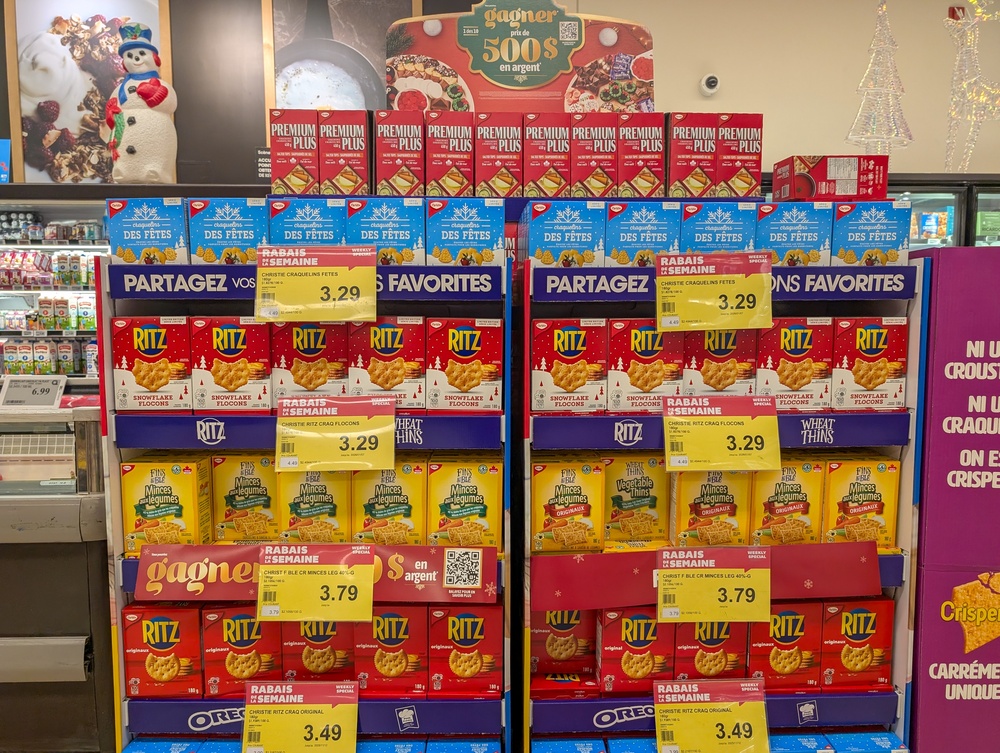
Premium items shape perception before choices happen. High prices set a reference point. Nearby products feel reasonable by comparison. Shoppers rarely question the anchor. They compare within shelves, not across stores. Placement is intentional. Expensive items sit beside mid-range options. The middle feels safe. Actual value fades from view. Spending feels controlled while rising. This tactic works without pressure. Shoppers believe they chose wisely. Over time, anchored decisions raise average basket costs. The anchor disappears from memory. The spending pattern remains.
Confusing Sales Cycles That Reset Expectations
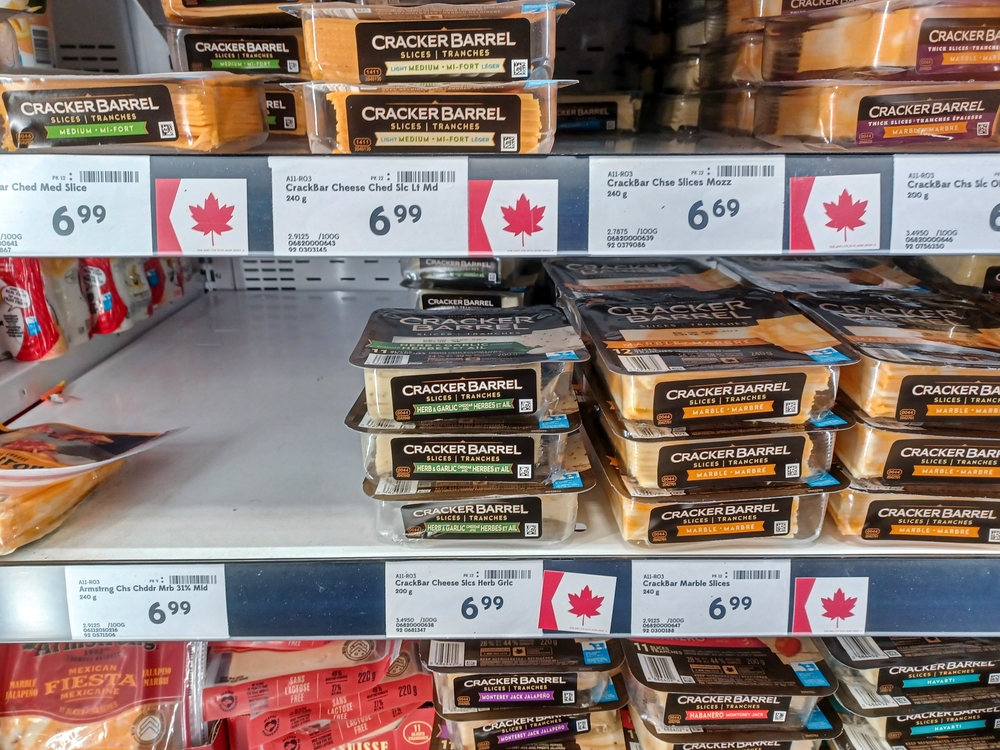
Prices rise, then drop in sales. Shoppers learn to wait. The sale becomes the expected price. Regular pricing loses meaning. Stores repeat this cycle often. Each reset nudges baselines higher. Shoppers feel smart buying on a discount. The comparison feels personal, not historical. Inflation hides behind promotions. Over time, shoppers accept higher normal prices. The cycle feels familiar and harmless. It rarely triggers an alarm. Savings feel real in the moment. Long-term costs increase quietly as sale prices creep upward over months.
Checkout Lanes Designed for Impulse Buys
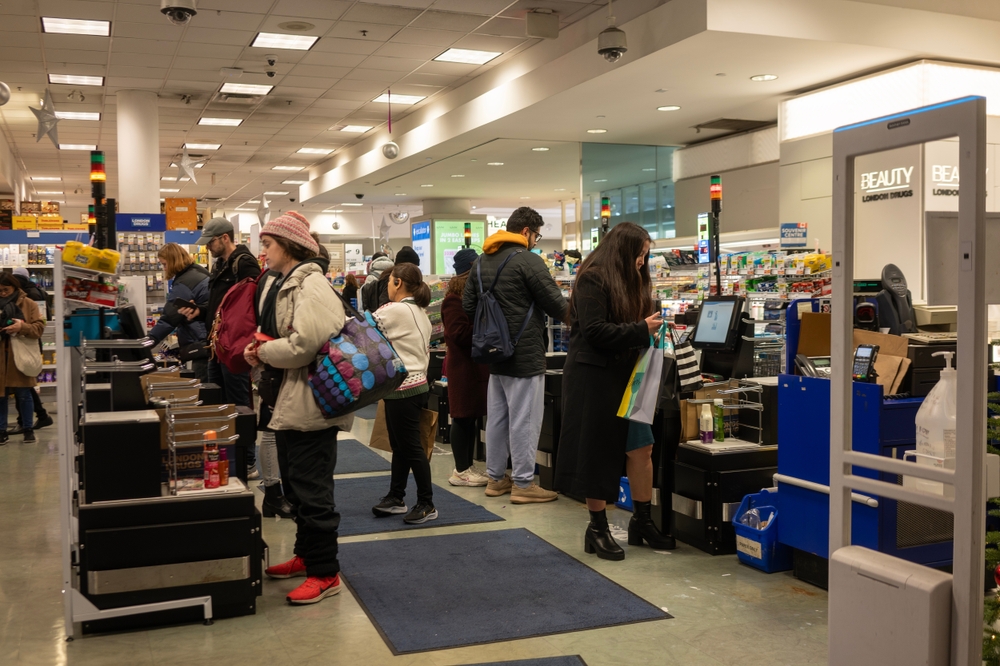
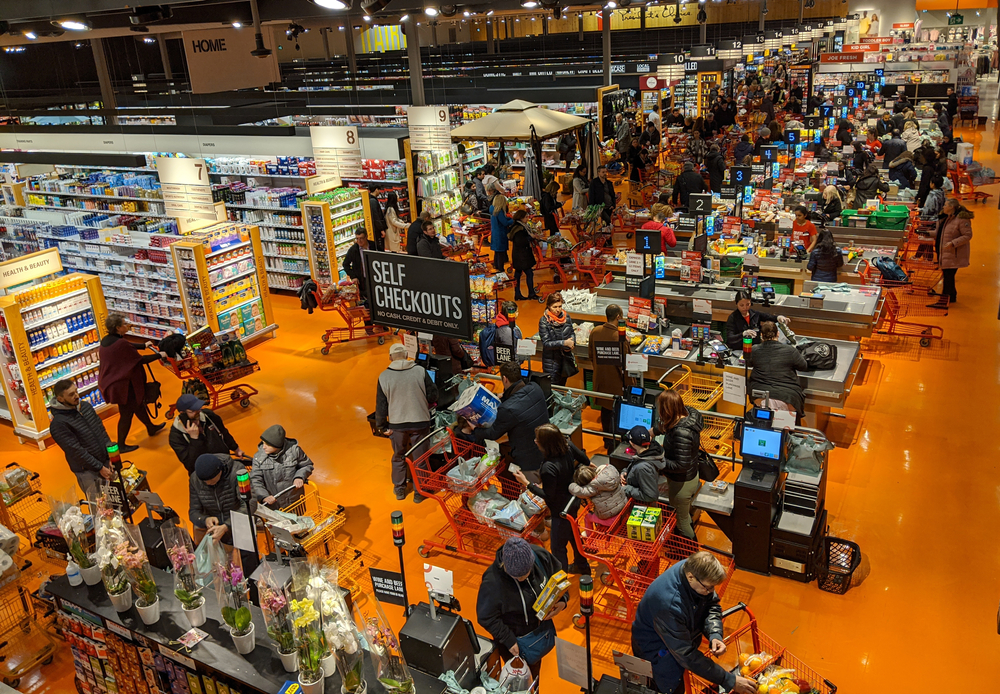
Checkout lanes target tired shoppers. Waiting lowers resistance. Small items feel affordable alone. Snacks, drinks, and magazines add up quickly. Prices seem minor compared to full baskets. Parents face pressure from children. The moment feels unavoidable. These items rarely appear on lists. Repetition turns impulse into habit. Each purchase feels forgettable. Receipts show otherwise. Over time, checkout spending becomes routine. Stores rely on this consistency. The design works through convenience, not force. Fatigue replaces planning. The final steps quietly raise total bills.
Fewer Staff Leading to Faster Decisions
Reduced staffing changes in shopping behaviour. Fewer employees mean fewer questions answered. Shoppers rush instead of clarifying prices. Errors go unnoticed. Out-of-stock items push substitutions. These alternatives often cost more. Long waits discourage price checks. Frustration shortens decisions. Speed replaces evaluation. Shoppers accept higher prices to finish faster. Mistakes slip through checkout. The cost feels accidental, not chosen. Over time, rushed trips raise spending. Efficiency benefits stores. The financial burden shifts quietly to shoppers navigating fewer resources.
22 Groceries to Grab Now—Before another Price Shock Hits Canada
Food prices in Canada have been steadily climbing, and another spike could make your grocery bill feel like a mortgage payment. According to Statistics Canada, food inflation remains about 3.7% higher than last year, with essentials like bread, dairy, and fresh produce leading the surge. Some items are expected to rise even further due to transportation costs, droughts, and import tariffs. Here are 22 groceries to grab now before another price shock hits Canada.
22 Groceries to Grab Now—Before another Price Shock Hits Canada
This Options Discord Chat is The Real Deal
While the internet is scoured with trading chat rooms, many of which even charge upwards of thousands of dollars to join, this smaller options trading discord chatroom is the real deal and actually providing valuable trade setups, education, and community without the noise and spam of the larger more expensive rooms. With a incredibly low-cost monthly fee, Options Trading Club (click here to see their reviews) requires an application to join ensuring that every member is dedicated and serious about taking their trading to the next level. If you are looking for a change in your trading strategies, then click here to apply for a membership.