
35,000+ smart investors are already getting financial news, market signals, and macro shifts in the economy that could impact their money next with our FREE weekly newsletter. Get ahead of what the crowd finds out too late. Click Here to Subscribe for FREE.
Canadians are used to hearing about big price shocks, like housing or groceries. What catches many people off guard are smaller increases that arrive quietly. Monthly bills often rise without much notice, tucked into fine print or phased in over time. These increases do not always feel dramatic on their own. Over a year, they add real pressure to household budgets. Internet plans cost more. Bank fees creep upward. Utility bills grow even when usage stays flat. Many households only notice once payments feel tight. Here are 17 Canadian Household Bills Quietly Jumping in 2026 (Internet, Banking, Utilities).
Home Internet Plans
17 Canadian Household Bills Quietly Jumping in 2026 (Internet, Banking, Utilities)
- Home Internet Plans
- Mobile Phone Plans
- Bank Monthly Account Fees
- Credit Card Annual Fees
- Home Heating Costs
- Electricity Delivery Charges
- Water and Wastewater Fees
- Home Insurance Premiums
- Tenant Insurance Costs
- Property Taxes
- Garbage and Recycling Fees
- Streaming Service Subscriptions
- Cable and TV Packages
- Home Security Monitoring
- Internet-Based Home Services
- Financial Advisory and Management Fees
- Condo Fees
- 22 Groceries to Grab Now—Before another Price Shock Hits Canada
Home internet bills are rising even when advertised speeds stay the same. Many providers increased base plan prices after promotional periods ended. Some households are paying more simply because loyalty discounts expired. Equipment rental fees also increased for modems and routers. Data overage charges remain common in rural and smaller markets. Network maintenance fees appear more often on bills. These charges are rarely explained clearly. Switching providers is harder in areas with limited competition. Families working from home feel these increases quickly. Students streaming lectures notice them too. Internet access is no longer optional, which makes these quite increases harder to avoid.
Mobile Phone Plans
Mobile phone bills continue to inch upward in 2026. Base plan prices rise while promotional credits quietly disappear. Many users are pushed into higher tiers by software updates that use more data. Roaming features are bundled by default, raising monthly costs. Device financing spreads payments longer, increasing total spending. Regulatory fees and recovery charges are now common line items. Families with multiple lines feel this pressure more strongly. Canceling features often requires long calls. Few people review phone bills line by line. Over time, small changes create much higher annual costs.
Bank Monthly Account Fees
Monthly bank account fees have increased across many institutions. Basic accounts now offer fewer free transactions. Extra withdrawals add up quickly for busy households. Paper statements often come with added charges. Some banks raised fees without changing account names. Seniors and students are not always exempt anymore. Digital banking has not lowered costs as expected. Many customers stay with familiar banks despite higher fees. Switching feels time-consuming and risky. These increases rarely make headlines. They still drain hundreds of dollars per year from everyday accounts.
Credit Card Annual Fees
Credit card annual fees are rising even on mid-tier cards. Benefits remain mostly unchanged. Reward earn rates often decrease quietly. Travel perks are harder to use due to blackout rules. Some cards added inactivity penalties. Foreign transaction fees remain high. Many people keep old cards out of habit. Annual fees are posted once per year, so they are easy to forget. Households carrying multiple cards feel this increase more. Canceling cards can affect credit scores. That fear keeps many people paying higher fees.
Home Heating Costs
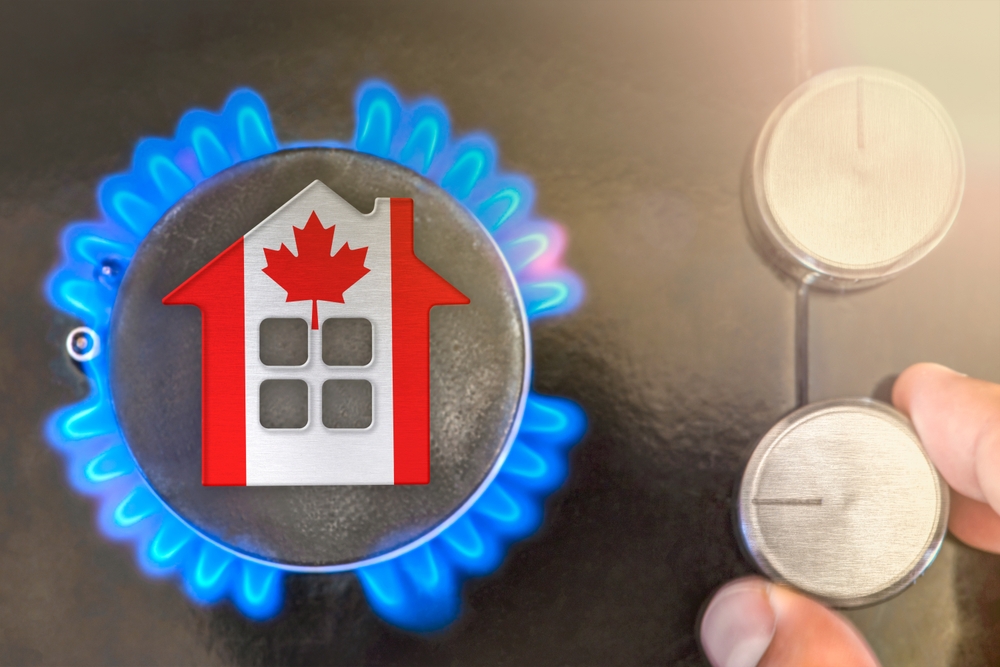
Home heating costs are climbing even for efficient households. Natural gas rates rose in many provinces. Delivery charges increased faster than usage charges. Carbon pricing adjustments affect winter bills directly. Electricity-based heating also costs more during peak demand. Older homes feel these increases more strongly. Renters have little control over system upgrades. Weather patterns are less predictable, affecting consumption. Bills often spike without a clear explanation. Many households pay more despite careful thermostat use. Heating remains a major expense Canadians cannot easily reduce.
Electricity Delivery Charges
Electricity delivery charges are rising faster than energy rates. These fees cover infrastructure and grid maintenance. They apply regardless of how much power you use. Even low consumption households see higher bills. Time of use pricing adds complexity. Peak rates catch many families off guard. Smart meters did not reduce costs for everyone. Urban and rural customers both face increases. Delivery charges are hard to compare between providers. Few people understand them fully. This makes it difficult to question or challenge rising electricity bills.
Water and Wastewater Fees

Water bills are quietly increasing in many municipalities. Infrastructure upgrades drive much of the cost. Wastewater treatment fees rose faster than inflation. Flat service charges apply even with low usage. Meter installation fees appear in some regions. Renters may see increases passed through by landlords. Older buildings face higher maintenance costs. Conservation does not always reduce the bill much. These increases rarely receive public attention. Water feels inexpensive until bills rise steadily. Over time, households pay significantly more for the same service.
Home Insurance Premiums

Home insurance premiums continue to climb in 2026. Extreme weather claims affect national pricing. Even low-risk areas see higher rates. Deductibles increased alongside premiums. Policy coverage limits changed quietly. Some insurers removed optional protections. Claims-free discounts are harder to keep. Replacement costs for materials remain high. Annual renewals often arrive with limited explanation. Many homeowners accept increases automatically. Comparing policies takes time and effort. Insurance costs now take a larger share of household budgets.
Tenant Insurance Costs

Tenant insurance is also becoming more expensive. Premiums rose due to higher claims across cities. Coverage minimums increased in many leases. Add-ons like identity protection raise costs further. Some insurers adjusted rates mid-policy. Renters often have fewer provider choices. Young renters feel this increase sharply. Many only notice at renewal time. Skipping coverage is risky but tempting. Landlords increasingly require proof of insurance. These factors push tenant insurance into a growing monthly expense.
Property Taxes

Property taxes are rising in many Canadian cities. Municipal budgets face higher service costs. Infrastructure repairs drive rate increases. New assessments raise taxable values. Even modest rate changes add up quickly. Homeowners see increases without improving services. Fixed-income households feel the strain most. Property taxes rise regardless of mortgage status. Renters often pay indirectly through higher rents. Appeals processes are complex. Many homeowners simply pay the increase. Over time, property taxes become one of the largest household expenses.
Garbage and Recycling Fees

Garbage and recycling fees are climbing quietly. Municipal waste programs cost more to operate. Some cities reduced free collection limits. Extra bags now cost additional fees. Recycling rules changed, increasing contamination charges. Service frequency adjustments do not always reduce costs. Households with families produce more waste. Apartment buildings pass fees to tenants. These charges rarely appear separately at first. Over time, waste management becomes a noticeable monthly cost. Most residents have no alternative provider.
Streaming Service Subscriptions

Streaming services continue getting more expensive in quiet ways. Monthly prices rise while libraries shrink or rotate faster. Ad-free tiers now cost significantly more than before. Password sharing restrictions force households into multiple plans. Annual subscription discounts are disappearing. Some platforms add service fees during billing cycles. Bundles mask individual increases by grouping services. Many Canadians subscribe to several platforms without tracking total costs. Canceling often leads to signing up elsewhere. Over a year, streaming expenses rival traditional cable bills. What once felt affordable now becomes a steady, unnoticed drain on household budgets.
Cable and TV Packages

Cable and television packages are still creeping upward in 2026. Basic plans include fewer channels than before. Sports, news, and specialty content require paid add-ons. Broadcast and infrastructure fees appear separately on bills. Equipment rentals remain mandatory for many households. Promotional pricing ends faster than expected. Older customers often stay on legacy plans with higher costs. Contract terms discourage switching. Many people check their cable bills rarely. Increases feel small month to month. Over time, cable expenses quietly rival other major household utilities without offering better value.
Home Security Monitoring

Home security monitoring costs are steadily increasing. Monthly service fees rose across most providers. Equipment upgrades often require additional charges. Smart home integrations are no longer included. Longer contracts limit flexibility. Early cancellation penalties remain high. Insurance discounts tied to monitoring systems have shrunk. False alarm fines add unexpected expenses. Rural households often pay higher rates. Many homeowners feel locked into long-term agreements. Security brings peace of mind but growing costs. Over time, monitoring services shift from optional protection to another fixed household expense that quietly grows each year.
Internet-Based Home Services
Internet-based home services now carry ongoing costs. Cloud storage plans increased pricing tiers. Free storage limits dropped across platforms. Smart home apps introduced paid features. Voice assistants require subscriptions for advanced tools. Home automation services added monthly fees. Small charges are spread across multiple apps. Many households rely on these services daily. Canceling disrupts routines and devices. Costs accumulate without notice. What began as included technology now demands regular payments. These digital services quietly increase the cost of maintaining a connected home in modern Canadian households.
Financial Advisory and Management Fees
Financial advisory and management fees are quietly rising. Percentage-based fees increased slightly across many accounts. Flat planning fees are more common. Digital investing platforms introduced premium tiers. Automated tools still charge ongoing management costs. Small fee increases reduce long-term returns. Many Canadians rarely review statements closely. Fees are deducted automatically. Market uncertainty increases reliance on advisors. That demand supports higher pricing. Over the years, these costs significantly affected savings growth. Advisory fees feel invisible but compound over time, making them one of the least noticed yet impactful household expenses.
Condo Fees

Condo fees continue rising across Canada in 2026. Insurance premiums for buildings increased sharply. Reserve fund requirements are higher. Maintenance and repair costs rose with labor prices. Shared utility expenses reflect higher energy rates. Older buildings face major system replacements. Special assessments remain common. Owners have limited control over board decisions. New developments also experience fee increases. Monthly changes feel small. Annual totals tell a different story. Condo fees now compete with rent increases, quietly becoming one of the fastest-growing housing-related costs for many Canadian households.
22 Groceries to Grab Now—Before another Price Shock Hits Canada

Food prices in Canada have been steadily climbing, and another spike could make your grocery bill feel like a mortgage payment. According to Statistics Canada, food inflation remains about 3.7% higher than last year, with essentials like bread, dairy, and fresh produce leading the surge. Some items are expected to rise even further due to transportation costs, droughts, and import tariffs. Here are 22 groceries to grab now before another price shock hits Canada.
22 Groceries to Grab Now—Before another Price Shock Hits Canada
This Options Discord Chat is The Real Deal
While the internet is scoured with trading chat rooms, many of which even charge upwards of thousands of dollars to join, this smaller options trading discord chatroom is the real deal and actually providing valuable trade setups, education, and community without the noise and spam of the larger more expensive rooms. With a incredibly low-cost monthly fee, Options Trading Club (click here to see their reviews) requires an application to join ensuring that every member is dedicated and serious about taking their trading to the next level. If you are looking for a change in your trading strategies, then click here to apply for a membership.