
35,000+ smart investors are already getting financial news, market signals, and macro shifts in the economy that could impact their money next with our FREE weekly newsletter. Get ahead of what the crowd finds out too late. Click Here to Subscribe for FREE.
Telecom complaints in Canada are climbing, and frustration is spreading across cities, suburbs, and rural areas. Customers report billing shocks, dropped calls, weak internet, and support loops that go nowhere. Many issues repeat across providers, contracts, and regions. These complaints do not come from edge cases or rare mistakes. They come from everyday users trying to stream, work, travel, or contact family. As prices rise, patience falls. Here are Telecom Complaints That Are Surging in Canada: 16 Issues Customers Keep Reporting.
Unexpected Price Increases Mid-Contract
Telecom Complaints Are Surging in Canada: 16 Issues Customers Keep Reporting
- Unexpected Price Increases Mid-Contract
- Billing Errors That Take Months to Fix
- Poor Customer Service Response Times
- Confusing Contracts and Fine Print
- Internet Speeds Slower Than Advertised
- Data Throttling Without a Clear Explanation
- Difficulty Cancelling Services
- Charges for Services Never Requested
- Coverage Gaps in Expected Areas
- Equipment Rental Fees That Never End
- Promotional Deals That Do Not Apply Correctly
- Roaming Charges That Surprise Travelers
- Loyalty Discounts That Disappear
- Installation Delays and Missed Appointments
- Limited Help for Seniors and Vulnerable Users
- Lack of Clear Complaint Resolution Paths
- 22 Groceries to Grab Now—Before another Price Shock Hits Canada

Many customers complain about monthly bills rising without clear warnings. Promotional rates expire quietly, then prices jump. Some increases appear during active contracts, confusing users who expected stability. Notices often arrive buried in emails or account portals. Customers feel trapped because cancelling early brings penalties. Others miss the notice entirely until the bill arrives. Support agents often say increases are allowed under the terms. That response frustrates users who believed contracts locked prices. These complaints rise during inflationary periods. Customers want clearer notices and simpler explanations. Surprise charges break trust quickly. Once trust fades, complaints usually follow soon.
Billing Errors That Take Months to Fix

Billing mistakes remain one of the most reported telecom issues. Customers see duplicate charges, incorrect plans, or fees for unused services. Fixing them takes repeated calls and long holds. Each agent gives different answers. Credits promised one month fail to appear the next. Some users pay incorrect bills to avoid service disruption. Others refuse and face warnings. Documentation often disappears between calls. Customers feel forced to track everything themselves. The process feels exhausting and unfair. Many complaints say fixing a simple error becomes a second job. Frustration grows faster than solutions arrive.
Poor Customer Service Response Times

Long wait times continue driving telecom complaints across Canada. Customers report holding for hours or waiting days for callbacks. Online chats disconnect unexpectedly. Emails receive generic replies. When help arrives, agents often rush. Problems feel misunderstood or ignored. Many users contact support multiple times for one issue. Repeating the same story drains patience. Customers expect faster help for essential services. Internet and mobile access affect work, banking, and emergencies. Slow support feels unacceptable. Complaints often mention feeling powerless. When service fails and support delays pile up, frustration quickly turns into formal complaints.
Confusing Contracts and Fine Print

Telecom contracts confuse many customers, even careful readers. Terms include dense language and vague conditions. Important details hide deep in documents. Customers later discover limits they never noticed. Data caps, throttling rules, and fee triggers surprise people. Sales explanations often sound simpler than written terms. When conflicts arise, providers point to the contract. Customers feel misled rather than informed. Complaints often say contracts favor companies heavily. People want plain language and clear summaries. Confusion leads to disputes, not understanding. A contract that feels unfair rarely builds long-term loyalty.
Internet Speeds Slower Than Advertised

Speed complaints appear frequently in telecom reports. Customers sign up expecting fast, reliable internet. Actual speeds vary widely by time and location. Evening slowdowns frustrate households. Streaming buffers and video calls drop. Providers often blame Wi-Fi setups or devices. Customers argue that advertised speeds drove their decision. Rural and suburban users report larger gaps. Testing tools show inconsistent results. Support troubleshooting rarely fixes core issues. Many feel misled by marketing claims. Complaints increase when speed problems persist without resolution. Reliable internet now feels essential, not optional, for daily life.
Data Throttling Without a Clear Explanation
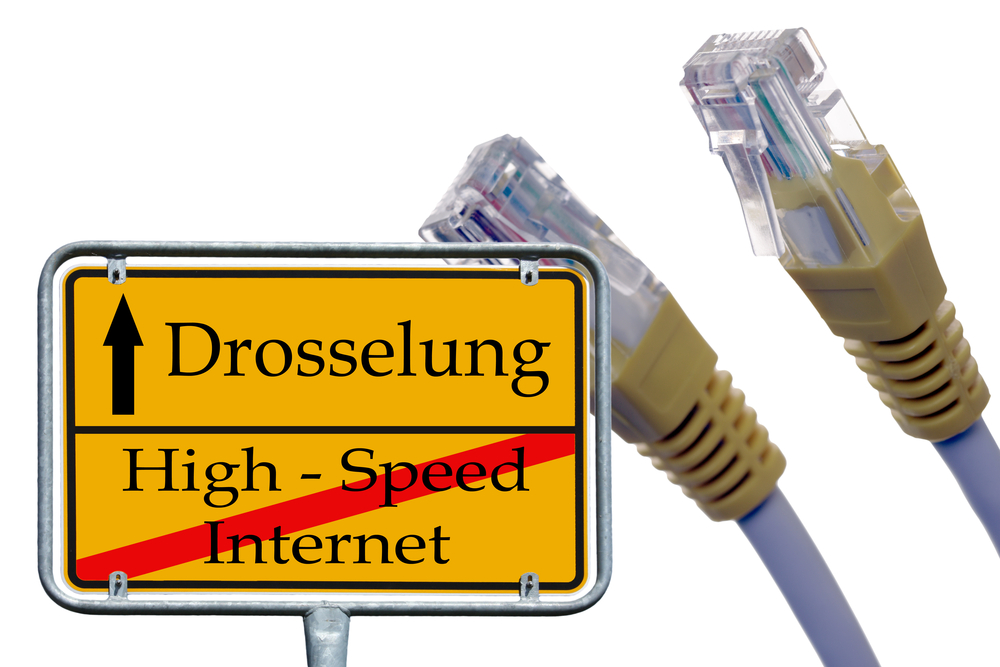
Mobile users often complain about sudden speed reductions. Throttling happens after certain usage levels. Many say they were unaware of limits. Notices appear after speeds drop, not before. Apps load slowly, and maps fail. Support confirms throttling but offers few solutions. Customers argue that plans promised high-speed access. Terms mention fair usage, but details feel unclear. Complaints rise among remote workers and travelers. Reduced speeds disrupt workdays. People want clearer warnings and real-time tracking. Unexpected throttling feels like a broken promise, especially on premium plans.
Difficulty Cancelling Services
Cancelling telecom services frustrates many customers. Online cancellation options often do not exist. Phone cancellations require long waits. Agents try retention offers repeatedly. Some customers feel pressured or guilted. Others report being transferred endlessly. Cancellation confirmations arrive late or never. Bills continue after cancellation attempts. Fixing that takes more calls. Complaints describe the process as exhausting. Customers want simple, confirmed exits. Ending a service should not feel like a negotiation marathon. When leaving becomes difficult, frustration escalates fast. Clear cancellation paths could reduce many complaints immediately.
Charges for Services Never Requested

Unrequested add-ons appear regularly in complaint records. Customers see fees for voicemail upgrades, insurance, or streaming bundles. Many insist they never agreed. Sales calls and in-store interactions create confusion. Verbal consent feels unclear later. Removing add-ons often requires proof. Support agents sometimes imply that customers approved them. That response angers users. Small fees add up over time. Customers feel taken advantage of. Complaints grow when refunds are denied. Transparency during sign-up matters. Charging for unwanted services damages trust quickly and permanently for many people.
Coverage Gaps in Expected Areas

Coverage complaints persist, even in populated regions. Customers lose signal indoors or while commuting. Dead zones appear unexpectedly. Maps show coverage that reality contradicts. Support suggests network upgrades or phone resets. Those rarely fix geography issues. Rural users report worse problems, but cities also struggle. Dropped calls frustrate drivers and remote workers. Emergency concerns heighten anxiety. Complaints increase when coverage gaps remain unresolved. Customers choose providers based on maps. When service fails where promised, disappointment follows. Reliable coverage matters more than flashy plan features.
Equipment Rental Fees That Never End

Many customers complain about equipment charges continuing indefinitely. Modems and receivers stay rented for years. Customers feel they never own the equipment. Buying options exist, but they seem unclear. Returning equipment after cancellation becomes complicated. Lost return labels cause disputes. Fees continue despite proof of return. Fixing errors requires repeated follow-ups. Complaints describe feeling trapped in ongoing charges. Customers want clearer buyout options. Endless rental fees feel unfair over time. Transparency about equipment costs could prevent many billing disputes from escalating.
Promotional Deals That Do Not Apply Correctly
Promotions attract many telecom customers. Complaints arise when discounts fail to appear. Fine print excludes certain accounts quietly. Credits apply for fewer months than expected. Support blames system errors or eligibility rules. Fixes take time, if they happen. Customers feel baited by marketing. Switching providers based on promotions increases disappointment. Complaints spike after initial bills arrive. People expect advertised deals to work automatically. When they do not, trust erodes. Promotions should reduce friction, not create disputes. Clear eligibility rules could lower complaint volumes.
Roaming Charges That Surprise Travelers
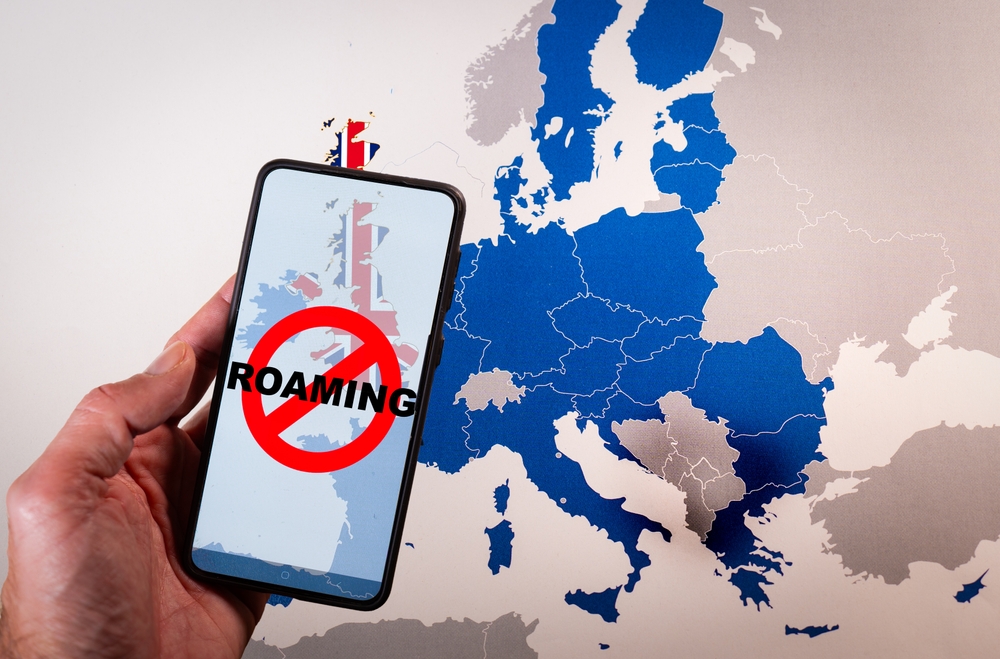
Roaming complaints rise after travel periods. Customers receive large bills unexpectedly. Data usage happens automatically in background apps. Roaming warnings appear too late. Some plans promise daily caps that fail. Support explains international rates afterward. Customers feel blindsided. Even brief border crossings trigger charges. Complaints mention a lack of real-time alerts. Travelers want clear controls. Turning roaming off completely feels safer. Unexpected roaming fees cause shock and anger. Many disputes involve hundreds of dollars. Better warnings and controls could prevent these complaints before they happen.
Loyalty Discounts That Disappear

Long-term customers often expect loyalty rewards. Complaints arise when discounts vanish without notice. Promotional loyalty credits expire quietly. Customers notice only when bills increase. Support says discounts were temporary. Customers argue they were never told. Staying loyal feels unrewarded. New customer deals look better. Complaints mention feeling ignored after years of payments. Loyalty should feel valuable. Losing discounts creates resentment. Transparent timelines could help. Customers want honesty about how long benefits last. Surprise removals feel disrespectful to long-term subscribers.
Installation Delays and Missed Appointments

Installation problems frustrate new customers. Appointments get rescheduled repeatedly. Technicians arrive late or not at all. Customers take time off work unnecessarily. Communication feels poor. Support offers apologies but little compensation. Delays affect work setups and family needs. Complaints increase when installations stretch weeks. Customers feel forgotten after signing contracts. First impressions matter greatly. A rough start shapes long-term opinions. Missed appointments signal disorganization. Reliable scheduling and clear updates could reduce early frustration significantly for new telecom customers.
Limited Help for Seniors and Vulnerable Users

Some complaints highlight accessibility issues. Seniors struggle with automated systems. Language barriers complicate support calls. Hearing or vision limitations worsen experiences. Family members intervene often. Customers say support lacks patience. Instructions move too quickly. Written guides feel confusing. Vulnerable users feel dismissed. Complaints request simpler options and human assistance. Telecom services are essential. Support should adapt to different needs. When users feel excluded, frustration grows. Better accessibility could reduce complaints and build goodwill. Inclusive support helps everyone, not only specific groups.
Lack of Clear Complaint Resolution Paths

Many customers feel stuck after initial support fails. Escalation paths seem unclear. Managers rarely follow up. Case numbers disappear. Customers repeat issues endlessly. Formal complaint processes feel hidden. People do not know where to turn next. This uncertainty fuels anger. Complaints increase when resolution stalls. Customers want timelines and accountability. Knowing the next steps matters. Clear escalation systems could reduce repeated contacts. When people feel heard, they stay calmer. Without direction, frustration turns into official complaints quickly.
22 Groceries to Grab Now—Before another Price Shock Hits Canada

Food prices in Canada have been steadily climbing, and another spike could make your grocery bill feel like a mortgage payment. According to Statistics Canada, food inflation remains about 3.7% higher than last year, with essentials like bread, dairy, and fresh produce leading the surge. Some items are expected to rise even further due to transportation costs, droughts, and import tariffs. Here are 22 groceries to grab now before another price shock hits Canada.
22 Groceries to Grab Now—Before another Price Shock Hits Canada
This Options Discord Chat is The Real Deal
While the internet is scoured with trading chat rooms, many of which even charge upwards of thousands of dollars to join, this smaller options trading discord chatroom is the real deal and actually providing valuable trade setups, education, and community without the noise and spam of the larger more expensive rooms. With a incredibly low-cost monthly fee, Options Trading Club (click here to see their reviews) requires an application to join ensuring that every member is dedicated and serious about taking their trading to the next level. If you are looking for a change in your trading strategies, then click here to apply for a membership.