35,000+ smart investors are already getting financial news, market signals, and macro shifts in the economy that could impact their money next with our FREE weekly newsletter. Get ahead of what the crowd finds out too late. Click Here to Subscribe for FREE.
Canadians have long suspected they pay more for everyday items than Americans, and that instinct is usually right. Prices can jump at the border, even when products look identical. The reasons are rarely simple. Taxes, transportation costs, currency shifts, and market size all play a role. Retail pricing strategies also differ by country. What feels normal in one place can feel overpriced in another. These gaps show up most clearly in items people buy often. Here are 15 Everyday Products Canadians Are Paying Way More for Than Americans (Here’s Why).
Dairy Products
15 Everyday Products Canadians Are Paying Way More for Than Americans (Here’s Why)
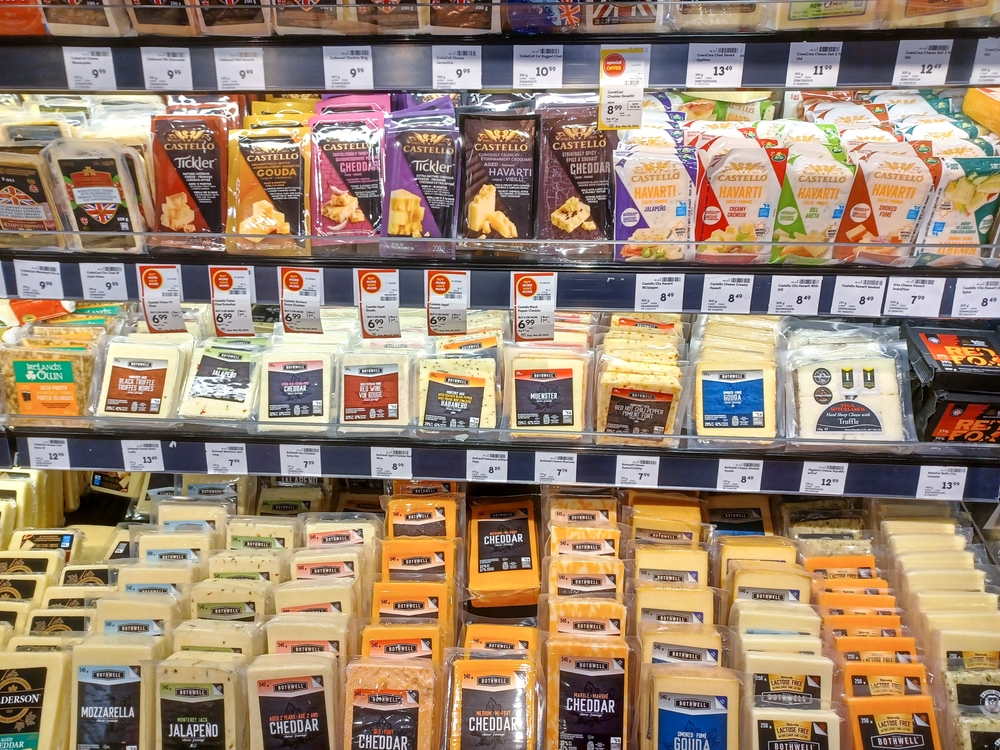
Milk, cheese, and butter cost more in Canada than in the United States. The main reason is supply management. Canada controls dairy production through quotas and pricing rules. This system protects farmers but raises consumer prices. Imports face high tariffs, limiting cheaper foreign competition. American dairy markets operate with fewer restrictions and larger volumes. That lowers per-unit costs. Transportation also adds expense in remote Canadian regions. Grocery chains pass these costs to shoppers. While quality standards remain high, prices reflect policy choices rather than production difficulty. For households buying dairy weekly, the difference becomes noticeable over time.
Prescription Drugs

Many prescription drugs are cheaper in the United States than in Canada. This surprises many Canadians. Price controls exist, but they vary by province and drug category. Newer medications often launch at higher prices. A smaller population size limits bargaining power with manufacturers. Distribution rules also differ across provinces. Americans sometimes benefit from aggressive discount programs and pharmacy competition. Brand-name drugs can carry higher list prices in Canada before insurance adjustments. Over-the-counter medications show similar gaps. Packaging requirements and bilingual labeling raise costs. These factors combine into higher shelf prices.
Gasoline
Gas prices in Canada usually exceed American prices, even near the border. Taxes explain much of the gap. Federal and provincial fuel taxes add up quickly. Carbon pricing also raises per-liter costs. American gas taxes are lower in most states. Refining capacity and regional supply issues affect Canadian pricing. Seasonal fuel blends add cost in the winter months. Transportation distances increase expenses for rural areas. While crude oil prices remain global, final pump prices reflect domestic policy decisions. Drivers feel the difference with every fill-up.
Mobile Phone Plans

Canadian mobile phone plans cost more than American plans. Limited competition plays a major role. A small number of carriers control most of the market. Infrastructure costs are spread across fewer users. Coverage across large, sparsely populated regions adds expense. American carriers serve larger populations with denser urban networks. That lowers average costs. Data caps in Canada remain stricter. Extra fees raise monthly bills. Regulatory differences shape pricing models. Even basic plans often exceed American equivalents. Consumers pay more for similar data and calling features.
Internet Service
Home internet costs more in Canada than in the United States. Providers face high infrastructure costs across long distances. Rural coverage requires expensive upgrades. Competition remains limited in many regions. Americans often have more provider choices. Promotional pricing appears more frequently in US markets. Canadian plans include higher base fees. Equipment rentals add recurring charges. Speed tiers are priced aggressively. Regulatory structures limit price pressure. For households working or streaming at home, these costs become unavoidable monthly expenses.
Groceries
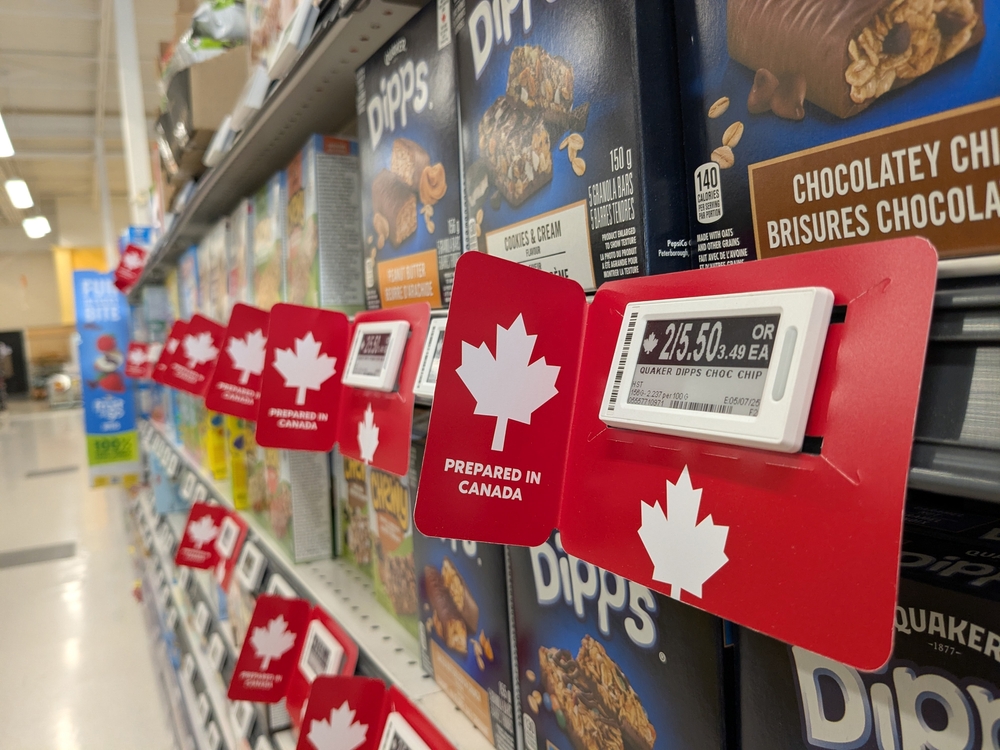
Many grocery items cost more in Canada, even when sourced locally. A smaller market size affects supplier pricing. Import rules raise costs on packaged goods. Transportation expenses increase prices in remote areas. Retail consolidation reduces competitive pressure. American chains benefit from massive purchasing power. Currency shifts also impact imported foods. Labeling requirements raise packaging costs. Seasonal produce shows sharp price swings. While food quality remains strong, everyday staples stretch Canadian grocery budgets more than expected.
Clothing Basics

Basic clothing items often cost more in Canada. T-shirts, jeans, and socks show noticeable gaps. Import duties and tariffs raise retail prices. Shipping costs increase for northern distribution centers. Smaller sales volumes reduce economies of scale. American retailers run deeper discount cycles. Currency fluctuations affect wholesale costs. Canadian stores price conservatively to manage inventory risk. Seasonal clearance arrives later. Shoppers often pay more for identical brands and styles.
Alcohol
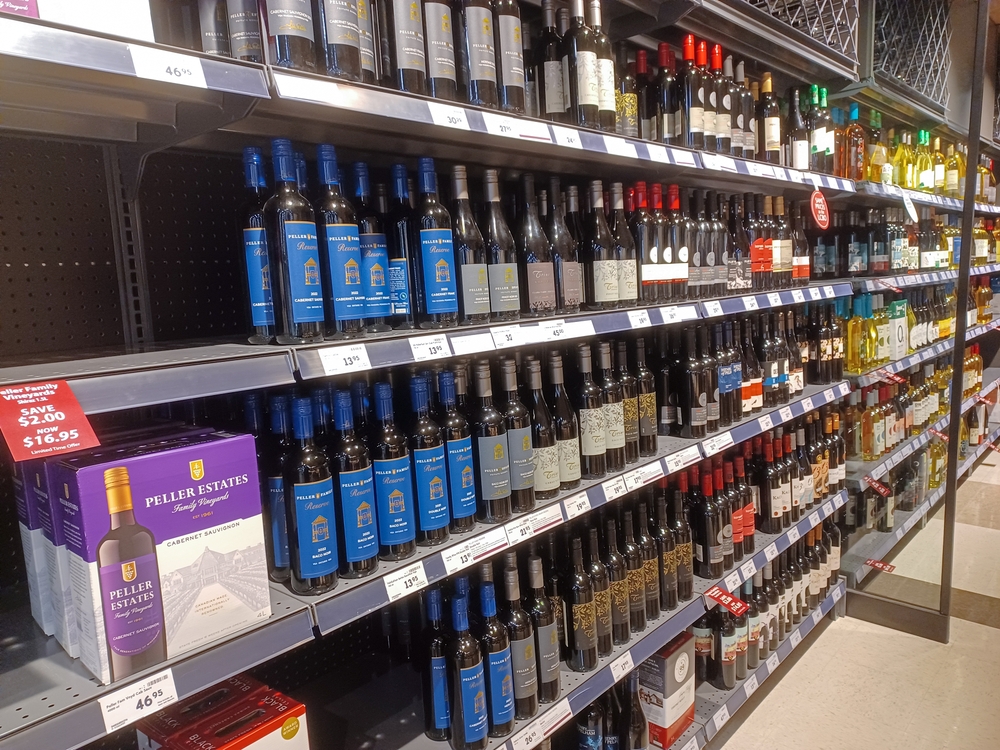
Alcohol prices in Canada are higher than in the United States because of how sales are controlled. Most provinces regulate distribution through government agencies. These agencies apply fixed markups that do not fluctuate with demand. Federal and provincial taxes stack on top of those markups. Import fees add another layer of cost for foreign brands. In the United States, private retailers compete more aggressively on price. Promotions and bulk discounts appear more often. Canadian pricing prioritizes revenue stability and public oversight. Consumers end up paying more per bottle, regardless of brand or origin.
Over-the-Counter Medicine

Over-the-counter medications usually cost more in Canada than in the United States. Packaging rules require bilingual labelling, which raises production expenses. Approval processes differ and can delay cheaper alternatives. Smaller market demand limits bulk purchasing discounts. American pharmacies negotiate aggressively with manufacturers. Store brands are priced lower and promoted more often. Canadian retailers maintain steadier pricing to manage supply. Distribution costs also rise in remote areas. These differences affect common items like pain relievers and cold medicine. Frequent purchases quietly increase household health spending.
Household Cleaning Products
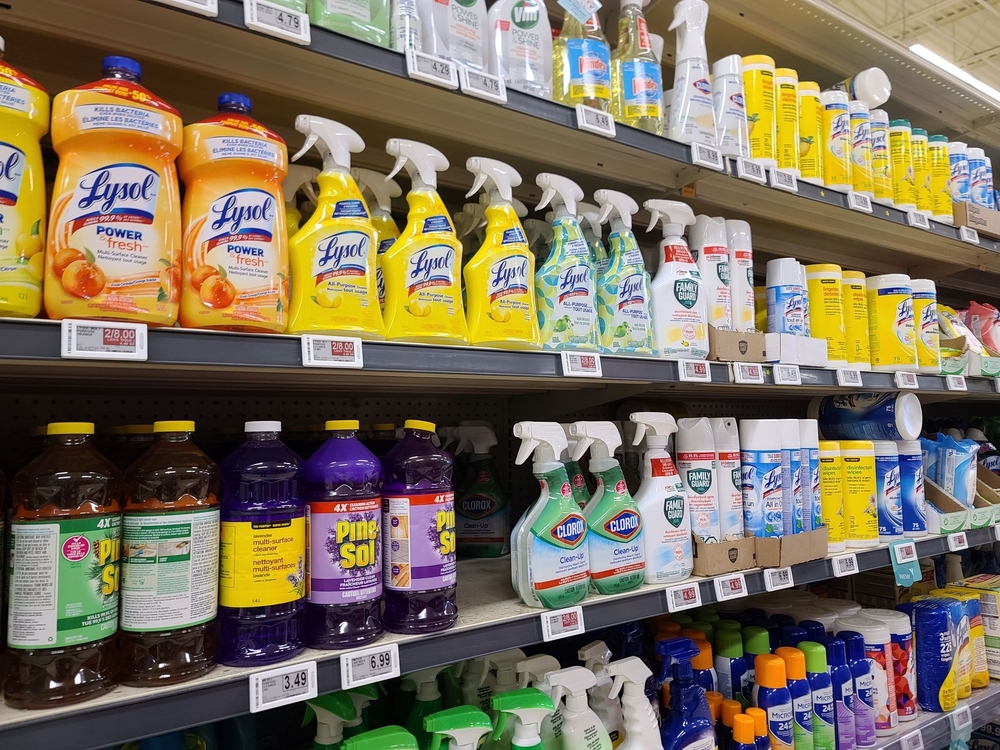
Cleaning products cost more in Canada due to a mix of import costs and retail structure. Many brands are manufactured abroad and face tariffs. Transportation across long distances raises delivery expenses. Canadian retailers often stock smaller package sizes. That increases the cost per use. American stores sell larger formats with lower unit pricing. Promotional cycles are less aggressive in Canada. Compliance rules affect labelling and ingredients. These costs pass directly to shoppers. Items bought weekly, like detergent or paper towels, become noticeably more expensive over time.
Cosmetics and Skincare
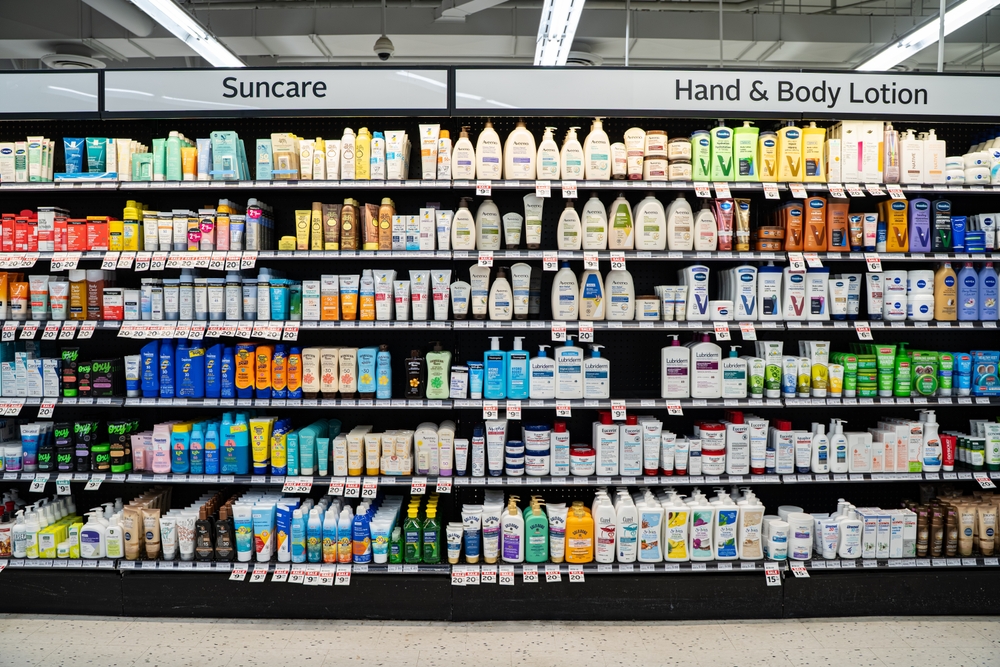
Cosmetics and skincare products are priced higher in Canada than in the United States. Import duties apply to many global brands. Smaller sales volumes limit pricing flexibility. Retailers maintain higher margins to offset slower turnover. Packaging requirements increase manufacturing costs. Currency changes affect wholesale pricing. American brands launch sales more frequently and clear inventory faster. Canadian releases often arrive later with higher base prices. Even mass market beauty items reflect these differences. Regular buyers notice the gap quickly, especially with repeat purchases.
Baby Products
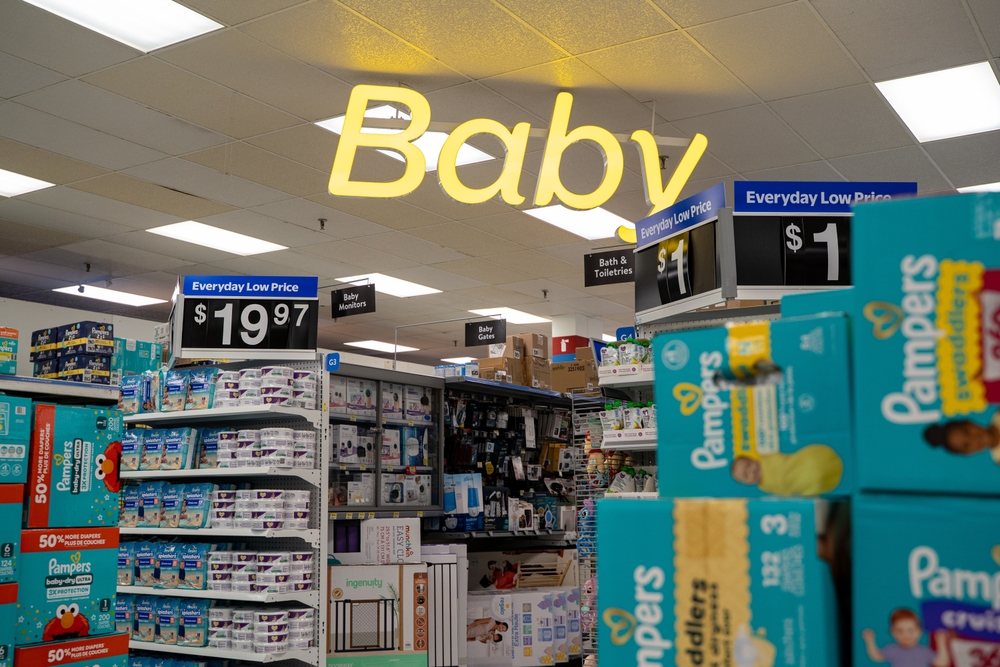
Baby products cost more in Canada due to safety regulations and market size. Strict compliance standards raise manufacturing expenses. Import rules affect formula and specialty items. Smaller customer bases limit bulk pricing advantages. American retailers run frequent promotions on essentials. Canadian parents see fewer discounts. Transportation costs increase prices in rural areas. Supply disruptions also impact Canada more strongly. These factors add pressure to families buying diapers, wipes, and formula regularly. The higher cost becomes a steady financial strain.
Electronics Accessories

Electronics accessories often cost more in Canada than in the United States. Import tariffs apply to many small devices. Retailers price cautiously due to slower sales volume. American chains benefit from high turnover and bulk discounts. Currency shifts affect wholesale pricing. Canadian stock levels are smaller and refresh less often. Warranty and compliance rules add expense. Even basic items like chargers and cables show consistent price gaps. Shoppers pay more despite minimal differences in quality or function.
Pet Food
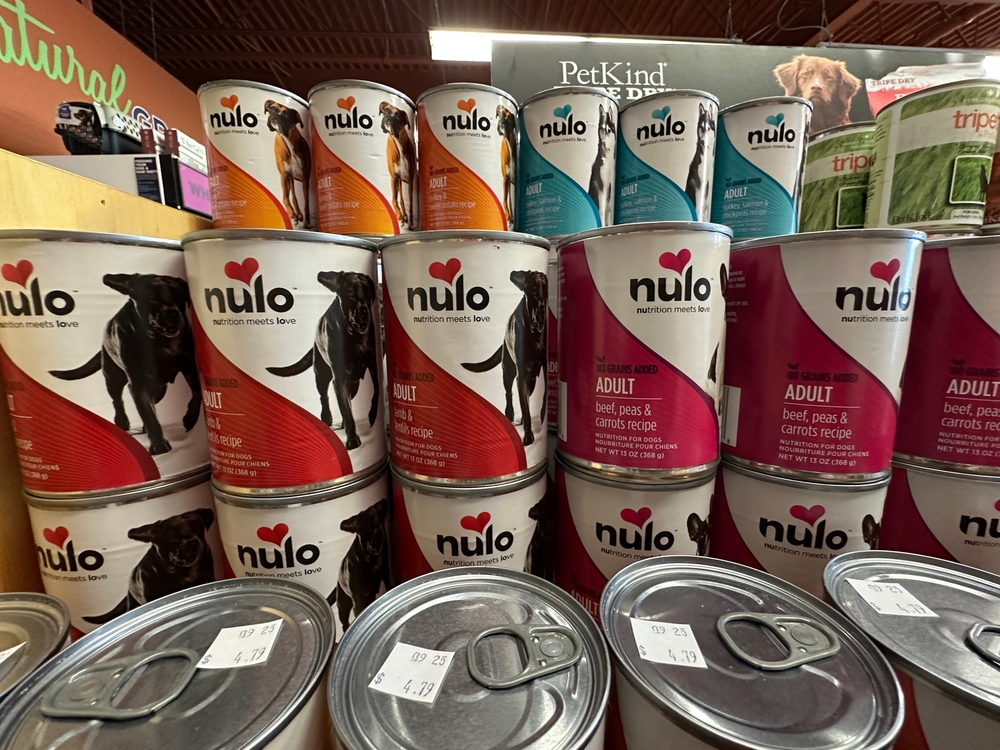
Pet food prices are higher in Canada because of import limits and transportation costs. Many premium brands are produced outside the country. Shipping across long distances adds expense. Smaller markets reduce supplier discounts. American retailers offer broader selections and frequent sales. Canadian stores maintain steadier pricing. Packaging regulations increase compliance costs. Currency changes also affect wholesale prices. For pet owners, recurring purchases magnify the difference. Feeding costs quietly rise without obvious changes in product quality.
Books

Books often cost more in Canada than in the United States due to distribution and publishing structures. Import pricing affects international titles. Smaller print runs raise per-unit costs. Canadian retailers protect domestic publishers through pricing rules. American stores benefit from massive volume and frequent discounts. Currency shifts influence retail pricing. Shipping costs add pressure. Sales events appear less often in Canada. Readers end up paying more for identical editions, even when content and format are unchanged.
22 Groceries to Grab Now—Before another Price Shock Hits Canada

Food prices in Canada have been steadily climbing, and another spike could make your grocery bill feel like a mortgage payment. According to Statistics Canada, food inflation remains about 3.7% higher than last year, with essentials like bread, dairy, and fresh produce leading the surge. Some items are expected to rise even further due to transportation costs, droughts, and import tariffs. Here are 22 groceries to grab now before another price shock hits Canada.
22 Groceries to Grab Now—Before another Price Shock Hits Canada
This Options Discord Chat is The Real Deal
While the internet is scoured with trading chat rooms, many of which even charge upwards of thousands of dollars to join, this smaller options trading discord chatroom is the real deal and actually providing valuable trade setups, education, and community without the noise and spam of the larger more expensive rooms. With a incredibly low-cost monthly fee, Options Trading Club (click here to see their reviews) requires an application to join ensuring that every member is dedicated and serious about taking their trading to the next level. If you are looking for a change in your trading strategies, then click here to apply for a membership.