35,000+ smart investors are already getting financial news, market signals, and macro shifts in the economy that could impact their money next with our FREE weekly newsletter. Get ahead of what the crowd finds out too late. Click Here to Subscribe for FREE.
Grocery shopping in Canada has become less about routine and more about strategy. With food prices still pressing into household budgets in 2026, many families are changing habits that once felt harmless: grabbing familiar brands, buying fresh produce without a plan, or assuming bulk purchases always save money. Canada’s 2026 food-price outlook points to another year of higher costs, while affordability concerns continue shaping how people shop, cook, and stretch meals. These 14 grocery habits Canadians are ditching show how everyday decisions are shifting as households try to protect their budgets without giving up quality, nutrition, or a sense of normalcy.
Buying Only Name Brands
14 Grocery Habits Canadians Are Ditching to Survive 2026 Prices
- Buying Only Name Brands
- Shopping Without a List
- Assuming Fresh Produce Is Always the Best Deal
- Treating Meat as the Centre of Every Meal
- Ignoring Unit Prices
- Buying Bulk Without a Plan
- Letting Food Waste Slide
- Skipping the Flyer Check
- Buying Convenience Foods by Default
- Treating Takeout and Groceries as Separate Budgets
- Buying Snacks Without Boundaries
- Overlooking Discount Grocers and Alternative Stores
- Forgetting About the Freezer
- Shopping Hungry or Rushed
- Ignoring Loyalty Programs and Price Guarantees
- 19 Things Canadians Don’t Realize the CRA Can See About Their Online Income

Brand loyalty is losing ground in Canadian grocery aisles. A box of cereal, pasta sauce, or frozen vegetables can feel familiar because of its packaging, but 2026 prices are making many shoppers look past the label. Store brands and private-label products have become less of a compromise and more of a practical default, especially for pantry staples where the taste difference is small. A family comparing canned tomatoes or flour may find the lower-priced store option works just as well in chili, soup, or baking.
This shift is also emotional. For years, some shoppers treated national brands as the safer choice, especially when feeding children or hosting relatives. But when grocery bills keep climbing, the savings on repeated purchases matter more than old assumptions. Even a dollar or two saved on ten weekly staples becomes meaningful over a month. Canadians are not necessarily abandoning quality; they are redefining it around value, consistency, and whether the product actually earns its higher price.
Shopping Without a List
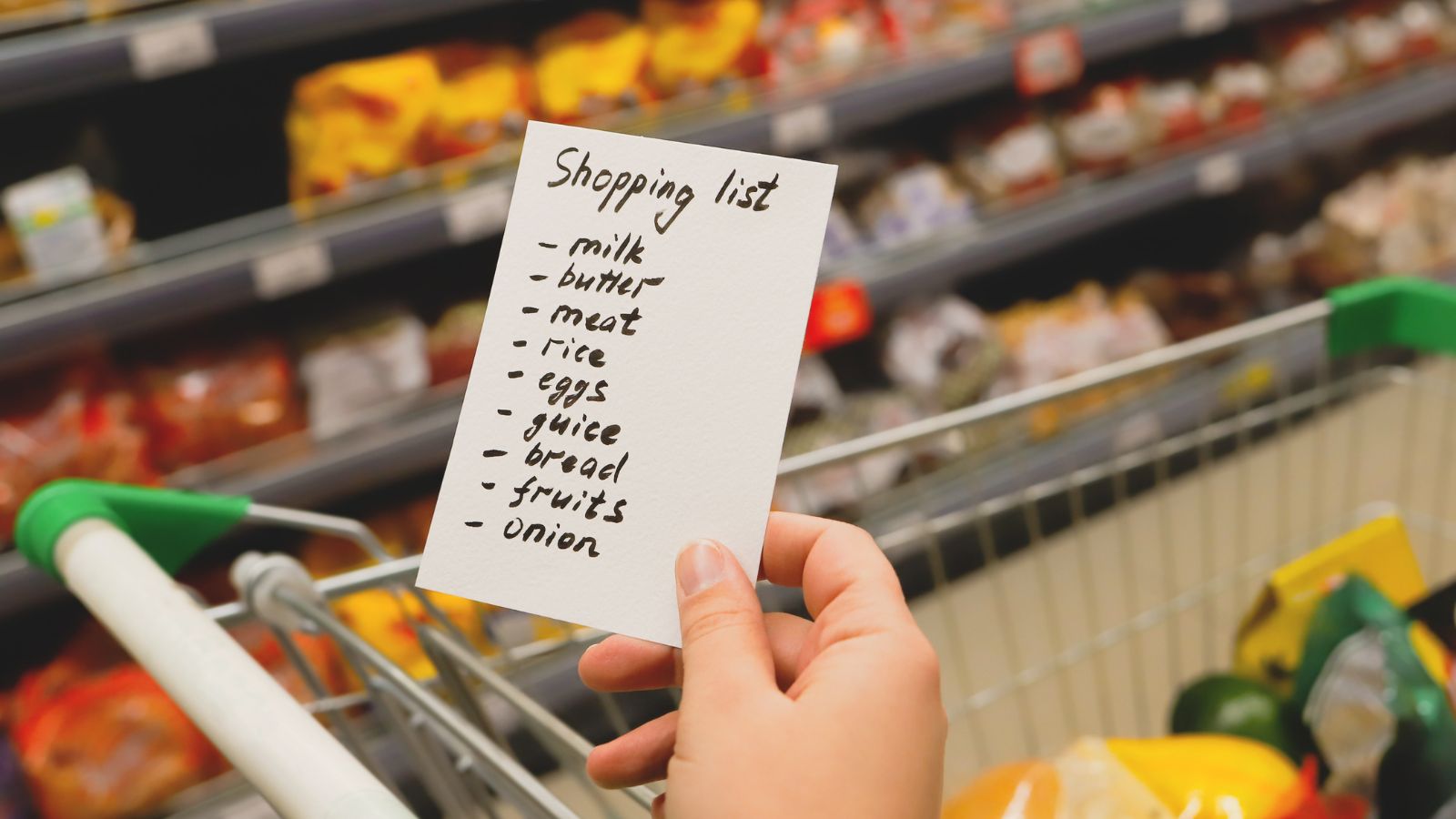
The casual grocery run is becoming too expensive to leave unmanaged. Walking into a store without a list often means buying duplicates, forgetting essentials, or adding impulse items that look harmless in the moment. In a high-price environment, that kind of loose shopping can turn one quick stop into a budget leak. Many households are now checking cupboards, freezers, and flyers before leaving home, treating the list as a small defence against waste and overspending.
The habit is especially important because food inflation affects different categories unevenly. A shopper may notice beef, bakery products, or produce moving faster than expected, while other items stay relatively stable. A list helps prioritize what is actually needed, rather than what displays and promotions make tempting. It also reduces the “just in case” purchases that often expire before they are used. The most disciplined grocery trips now start in the kitchen, not at the store entrance.
Assuming Fresh Produce Is Always the Best Deal

Fresh fruits and vegetables still matter, but Canadians are rethinking the idea that fresh is automatically the smartest buy. Out-of-season berries, salad kits, and delicate greens can be expensive and spoil quickly if plans change. Frozen vegetables, canned beans, frozen fruit, and shelf-stable produce alternatives are gaining more attention because they last longer and reduce the pressure to cook immediately. A bag of frozen spinach can stretch into eggs, pasta, soup, or curry without wilting in the fridge.
This does not mean shoppers are giving up fresh food. Instead, they are becoming more selective. Apples, carrots, cabbage, potatoes, and seasonal produce often make more sense than fragile items with short windows of usefulness. Families are also learning to pair fresh ingredients with longer-lasting backups. That flexibility helps avoid the familiar disappointment of throwing away slimy lettuce or soft cucumbers. In 2026, produce buying is less about appearance and more about usable meals.
Treating Meat as the Centre of Every Meal
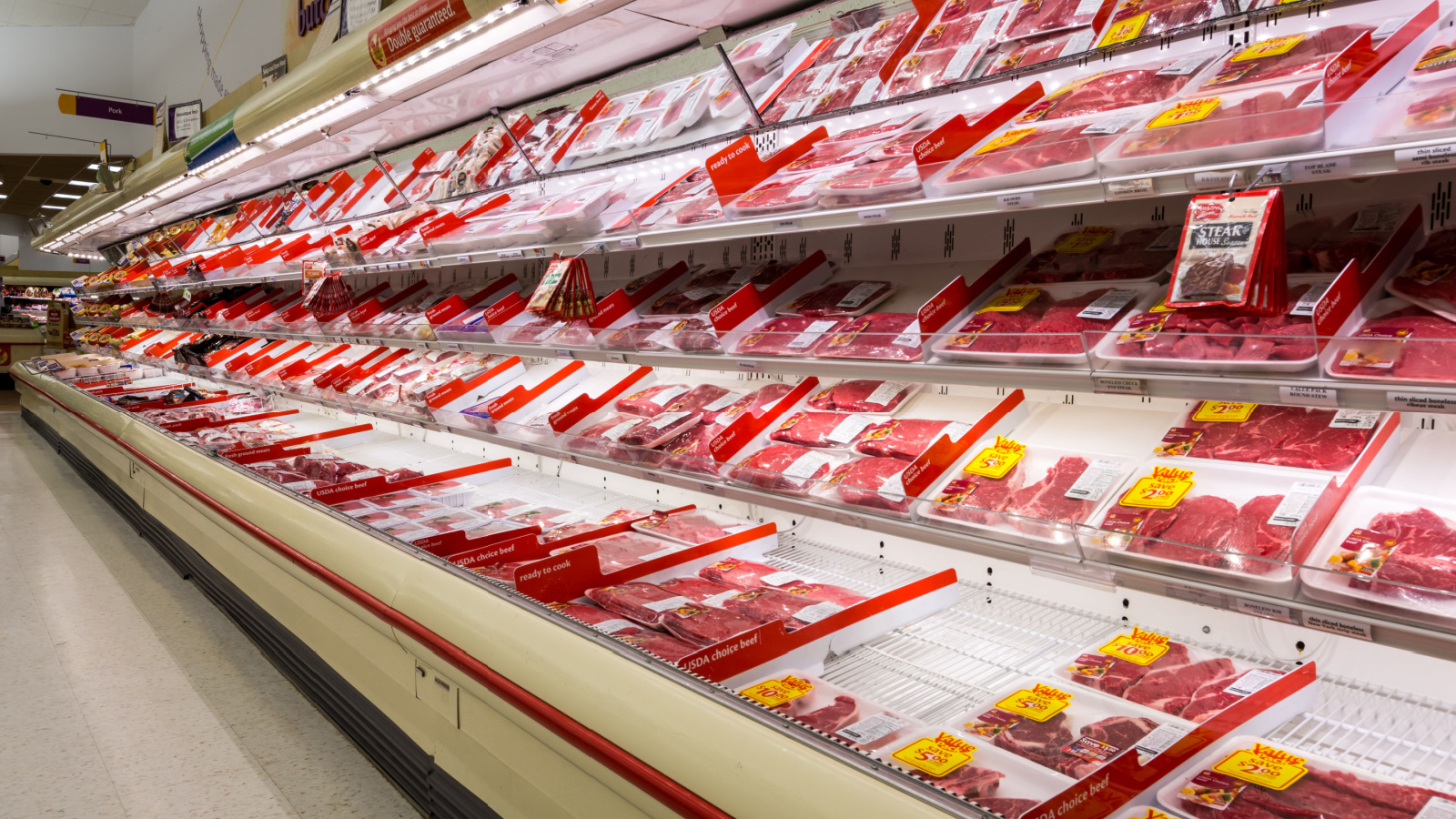
Meat remains a staple for many Canadian households, but it is no longer the automatic centrepiece of every dinner. When meat prices rise faster than expected, families start stretching portions or replacing some meals with eggs, beans, lentils, tofu, chickpeas, or pasta-based dishes. A pound of ground beef may become chili with beans instead of burgers, or chicken may be reserved for two meals rather than one large serving. The change is often gradual, not dramatic.
Health Canada’s own budget guidance points to beans, lentils, and legumes as inexpensive protein options, which helps make the shift feel less like deprivation. Many households are not becoming fully vegetarian; they are becoming more flexible. Meatless Mondays, blended meat-and-lentil sauces, and bean-heavy soups offer a practical middle ground. The goal is not to erase favourite meals, but to make protein spending go further. In a year of higher grocery pressure, flexibility is becoming a kitchen skill.
Ignoring Unit Prices
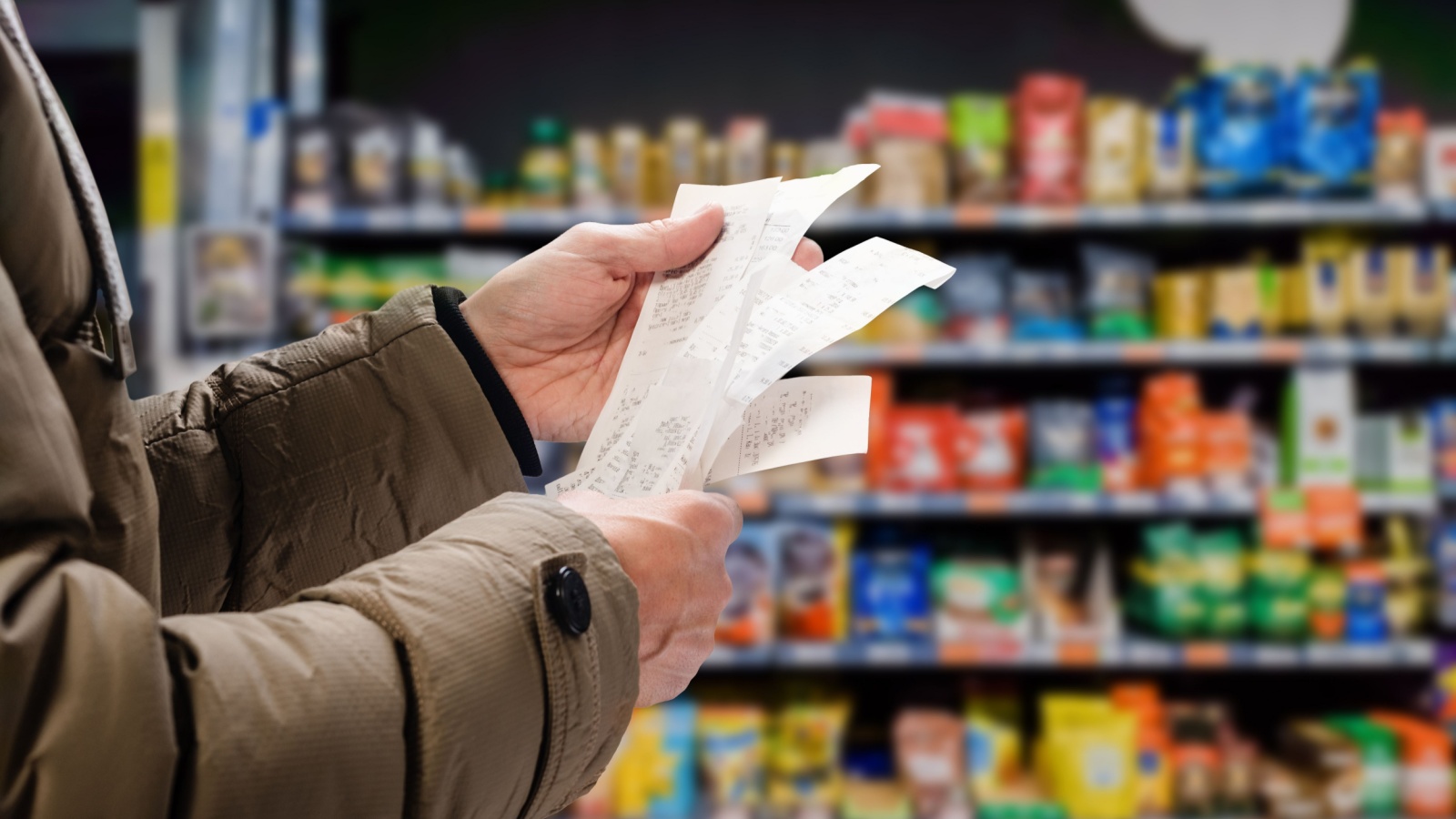
Canadians are ditching the habit of looking only at the shelf price. A product that appears cheaper may cost more per 100 grams, per litre, or per serving than a larger or differently packaged version. Unit pricing has become one of the quietest tools for stretching a grocery budget, especially on cereal, yogurt, cheese, detergent, rice, pasta, and snacks. It can also expose “shrinkflation,” where a package looks familiar but contains less than before.
This habit changes how shoppers read the aisle. A sale tag is no longer enough; the real question is whether the price per unit beats the regular alternative. A smaller package may still be the smarter choice when cash is tight or storage is limited, but at least the decision becomes clearer. Unit-price checking can feel tedious at first, yet it quickly becomes automatic. In 2026, the math on the shelf is part of the shopping experience.
Buying Bulk Without a Plan

Bulk buying once felt like the obvious answer to rising grocery costs, but many Canadians are becoming more cautious. A giant bag of rice, a club pack of chicken, or a large container of yogurt only saves money if the household can store it properly and use it before quality drops. Otherwise, the savings disappear into freezer burn, spoilage, or boredom. Bulk purchases can also tie up cash that may be needed for fresher essentials later in the week.
The smarter habit is selective bulk buying. Dry goods, frozen foods, canned staples, and frequently used household items may still be worth it, while perishable bulk items need a plan. Some families split warehouse purchases with relatives or neighbours. Others portion meat before freezing, label containers, or build meals around what is already on hand. The old habit was “bigger means cheaper.” The new habit is “bigger only works when it fits real life.”
Letting Food Waste Slide

Food waste has become too costly to ignore. When grocery prices were lower, throwing out leftovers or expired produce felt frustrating but manageable. In 2026, wasted food feels like throwing away part of the weekly budget. Canadians are paying closer attention to what gets tossed: half-used herbs, forgotten leftovers, stale bread, uneaten fruit, or duplicate condiments. Small amounts add up quickly, especially in households already cutting elsewhere.
More families are building “use-it-first” shelves in the fridge, freezing leftovers before they become unappealing, and turning scraps into practical meals. Soft vegetables become soup. Overripe bananas become muffins. Leftover rice becomes fried rice. This style of cooking is not new, but price pressure has made it feel relevant again. The change also reduces guilt. Instead of buying more food to solve dinner, households are first asking what can be saved from becoming waste.
Skipping the Flyer Check
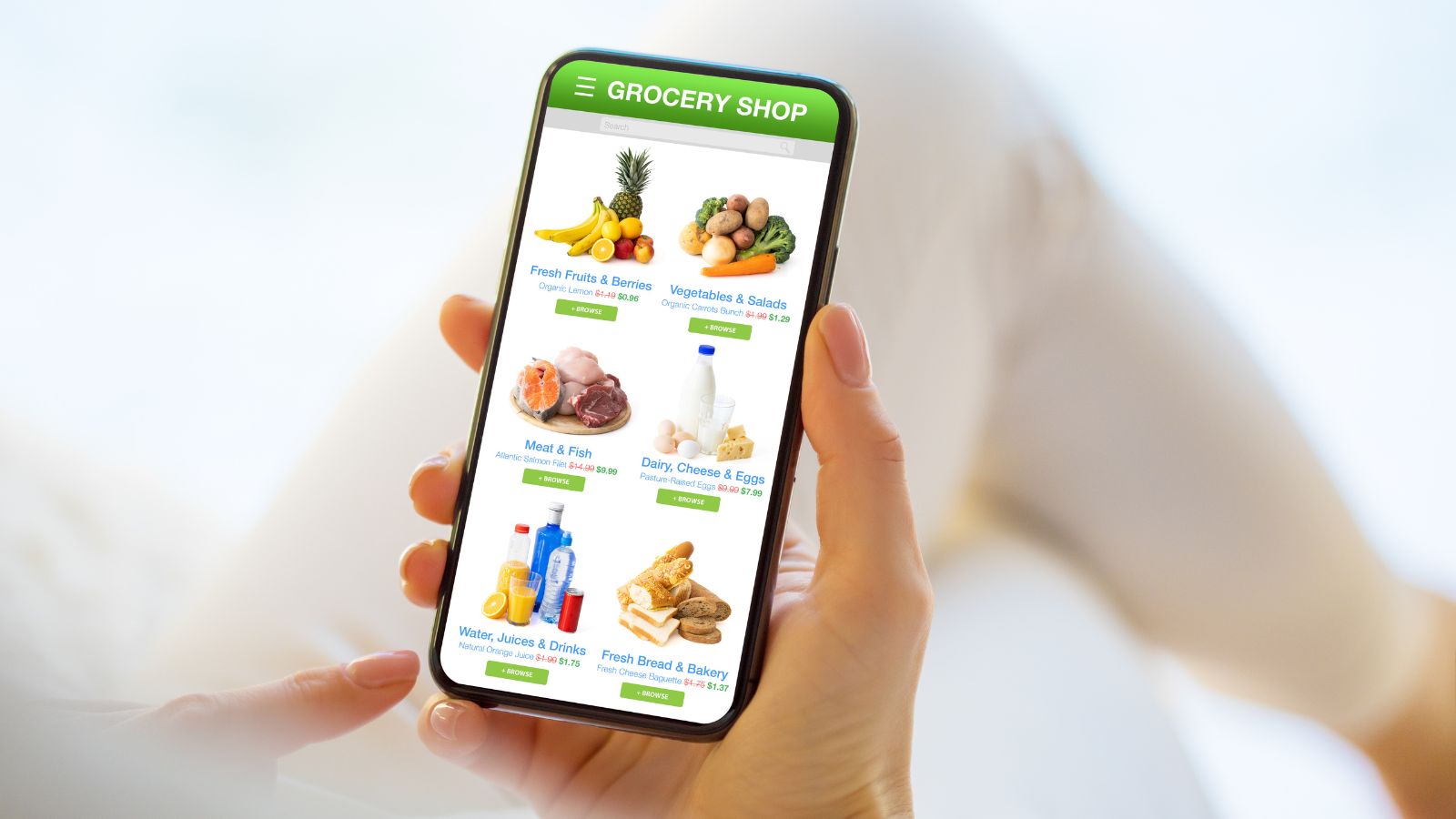
Flyers and grocery apps are making a comeback as price pressure changes shopping behaviour. Many Canadians once treated flyer-checking as old-fashioned or too time-consuming. Now, weekly promotions can decide whether a family buys chicken, pork, canned tuna, pasta, or frozen vegetables. Checking flyers before meal planning helps households build dinners around what is actually affordable, rather than planning meals first and being surprised at checkout.
This habit is especially useful because promotions vary widely across banners. A shopper may not visit three stores every week, but knowing where the strongest deals are helps with bigger purchases. Some families use price-matching where available, while others rotate stores depending on the week. The flyer has become less about chasing every bargain and more about avoiding expensive defaults. In a tighter grocery year, planning around discounts is not penny-pinching; it is basic household management.
Buying Convenience Foods by Default
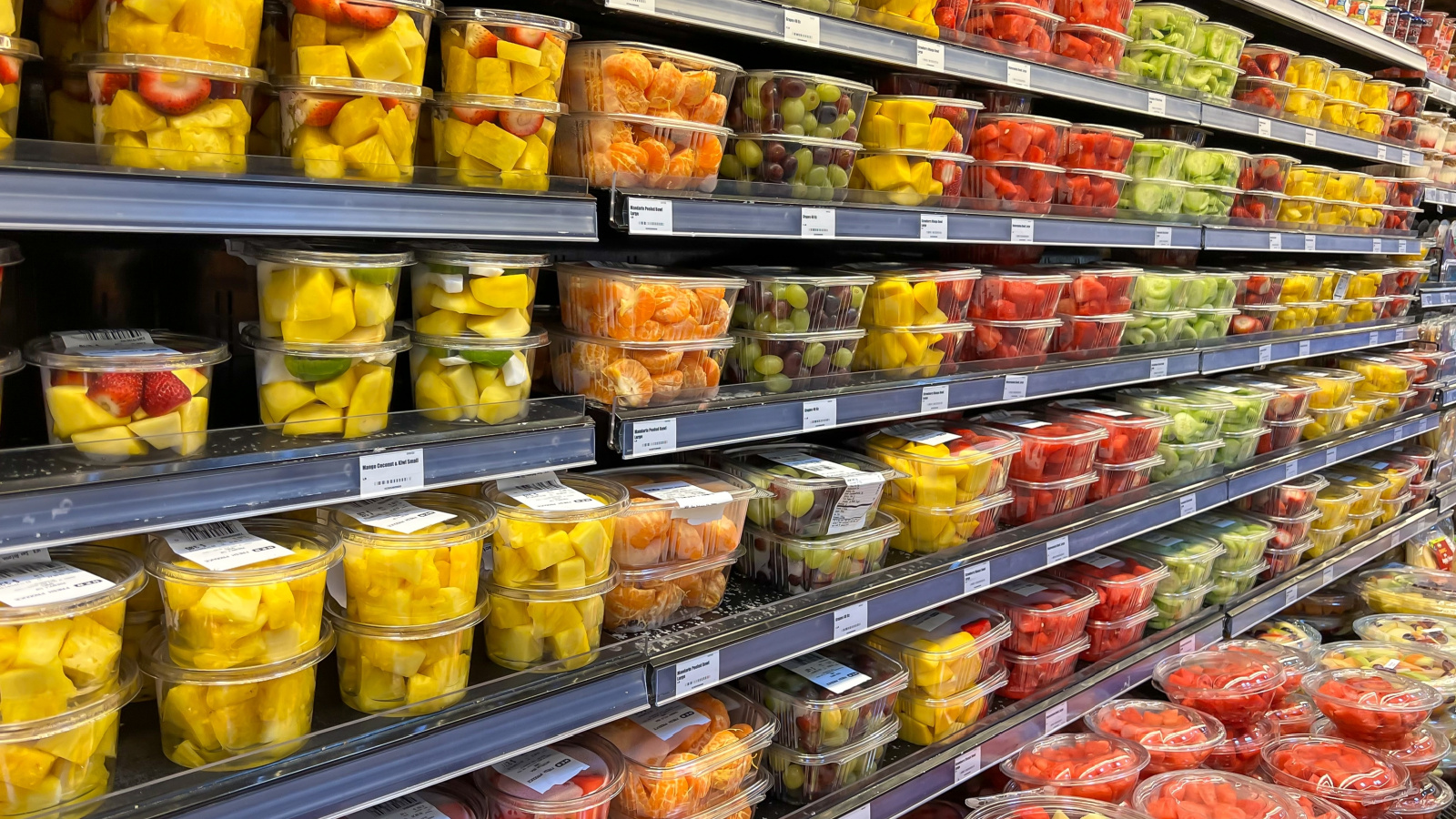
Pre-cut fruit, shredded cheese, marinated meats, salad kits, single-serve snacks, and ready-to-heat meals save time, but Canadians are becoming more selective about paying the convenience premium. These products can still be useful during busy weeks, yet buying them by default can quietly inflate a grocery bill. A block of cheese, a bag of carrots, or a whole melon often costs less than its prepared version, even after accounting for a few minutes of work at home.
The shift is not about making every meal from scratch. Many households still need convenience because of work schedules, caregiving, commuting, or fatigue. The difference is that convenience is being reserved for the moments when it truly prevents takeout or food waste. A prepared rotisserie chicken may still be a smart buy if it becomes several meals. But automatic convenience spending is fading. Canadians are asking whether the time saved is worth the price paid.
Treating Takeout and Groceries as Separate Budgets

Many households used to think of takeout as entertainment and groceries as necessity. In 2026, that separation is harder to maintain. Restaurant meals, delivery fees, service charges, tips, and higher menu prices can drain the same money needed for groceries. Canadians are increasingly looking at total food spending rather than just the supermarket receipt. A week with several takeout meals may explain why the grocery budget feels impossible even when the cart looks modest.
This change is leading to more “takeout replacement” meals at home. Frozen dumplings, naan pizzas, taco kits, stir-fry ingredients, or breakfast-for-dinner can satisfy the same craving at a lower cost. Some families still plan one paid meal out, but they make it intentional rather than reactive. The goal is not to remove pleasure from food. It is to stop exhaustion from becoming the most expensive ingredient in the household budget.
Buying Snacks Without Boundaries

Snacks are getting more scrutiny because they disappear quickly and can be expensive per serving. Chips, granola bars, cookies, crackers, juice boxes, and individually wrapped treats often look manageable one item at a time, but they can dominate a receipt. Families with children may feel this most sharply during school weeks, when lunchbox convenience meets high prices. The habit being ditched is not snacking itself, but buying snacks without limits or a plan.
Canadians are responding by portioning larger packages, baking simple items, choosing popcorn or fruit more often, and reserving premium snacks for sales. Some households set a weekly snack budget so the category does not expand quietly. Others involve children in choosing one treat rather than several. These small boundaries can reduce conflict and waste. When food costs are high, snacks need the same discipline as meat, produce, and pantry staples.
Overlooking Discount Grocers and Alternative Stores

Many Canadians are less attached to one favourite supermarket. Discount banners, warehouse clubs, ethnic grocers, dollar stores for select pantry items, and local produce markets are becoming part of the food-shopping map. Traditional full-service stores still have advantages, but value-focused shoppers are comparing more often. The growth of discount grocery investment in Canada reflects a larger reality: households are willing to change stores when price gaps become too large to ignore.
This does not mean every alternative store is cheaper for everything. A dollar store may be useful for snacks or household basics but not fresh food. A warehouse club may save money on staples but encourage overspending. An independent grocer may offer better produce prices in one neighbourhood and higher prices in another. The new habit is price awareness across formats. Canadians are building routes around value instead of convenience alone.
Forgetting About the Freezer

The freezer is becoming a budget tool, not just a place where forgotten food goes to die. Canadians are using it to lock in sale prices, preserve leftovers, and reduce midweek emergency spending. Bread, meat, berries, chopped vegetables, soups, sauces, and cooked grains can all stretch further when frozen properly. A family that freezes half a bulk purchase immediately is less likely to waste it or feel forced to eat the same thing all week.
The key is organization. A freezer packed without labels can become another source of waste. More households are dating containers, freezing flat bags of soup or sauce, and keeping a simple inventory on the fridge door. This turns sale shopping into future meals rather than clutter. In 2026, the freezer rewards planning. It gives households a cushion when prices spike, schedules fall apart, or payday feels too far away.
Shopping Hungry or Rushed
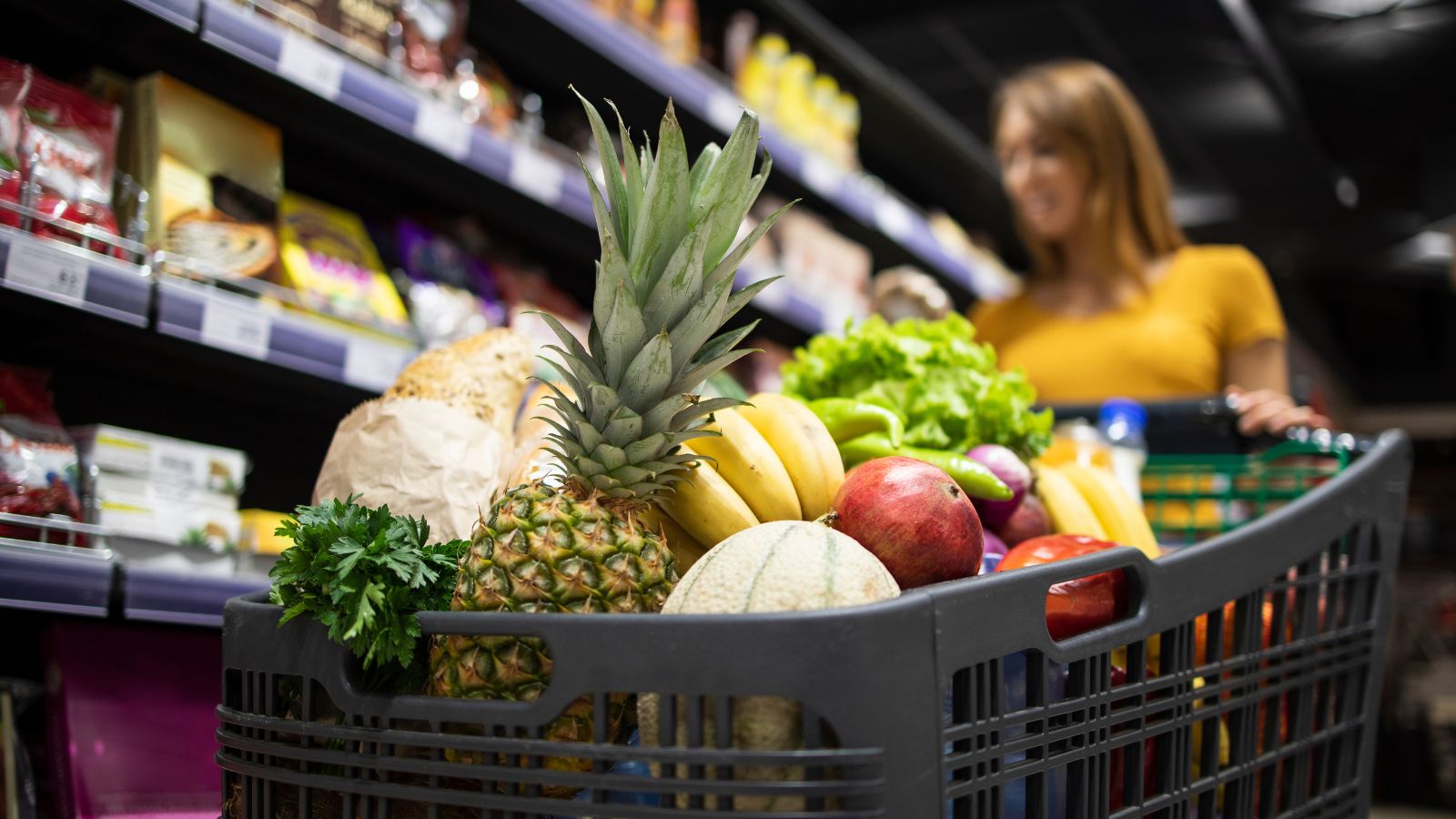
The old advice not to shop hungry feels more relevant when prices are high. A rushed or hungry shopper is more likely to grab prepared meals, snacks, sweets, and duplicate items. Grocery stores are designed to encourage quick decisions, and stress makes those decisions easier to regret. With food costs already elevated, Canadians are ditching the habit of treating grocery shopping as an afterthought squeezed between errands.
A calmer trip often means a cheaper cart. Eating before shopping, setting a rough budget, grouping the list by aisle, and choosing quieter times can reduce impulse spending. Online carts can also help some households see the total before checkout, though fees and substitutions still matter. The broader point is simple: grocery shopping has become a financial task as much as a household chore. In 2026, attention saves money.
Ignoring Loyalty Programs and Price Guarantees

Loyalty programs used to feel optional, but Canadians are paying closer attention to points, personalized offers, and price guarantees. Used carefully, these tools can reduce the cost of staples or help time larger purchases. A household that loads offers before buying milk, eggs, coffee, diapers, or frozen food may save more than one that simply scans at checkout. The difference is planning, not blind loyalty.
Still, shoppers are becoming more cautious about the trap of buying unnecessary items just to earn points. A reward only helps if it applies to food the household already needs. Some Canadians are also comparing whether a loyalty discount at one store beats the regular price somewhere else. The habit being ditched is passive participation. In a high-price year, loyalty programs are useful only when the shopper remains loyal to the budget first.
19 Things Canadians Don’t Realize the CRA Can See About Their Online Income

Earning money online feels simple and informal for many Canadians. Freelancing, selling products, and digital services often start as side projects. The problem appears at tax time. Many people underestimate how much information the CRA can access. Online platforms, banks, and payment processors create detailed records automatically. These records do not disappear once money hits an account. Small gaps in reporting add up quickly.
Here are 19 things Canadians don’t realize the CRA can see about their online income.
This Options Discord Chat is The Real Deal
While the internet is scoured with trading chat rooms, many of which even charge upwards of thousands of dollars to join, this smaller options trading discord chatroom is the real deal and actually providing valuable trade setups, education, and community without the noise and spam of the larger more expensive rooms. With a incredibly low-cost monthly fee, Options Trading Club (click here to see their reviews) requires an application to join ensuring that every member is dedicated and serious about taking their trading to the next level. If you are looking for a change in your trading strategies, then click here to apply for a membership.