35,000+ smart investors are already getting financial news, market signals, and macro shifts in the economy that could impact their money next with our FREE weekly newsletter. Get ahead of what the crowd finds out too late. Click Here to Subscribe for FREE.
Across Canada, affordability has become a moving target. Bigger cities still dominate job markets and cultural headlines, but smaller communities are quietly offering something many households are struggling to find: a manageable mix of home prices, everyday services, local employment, and breathing room.
These 18 Canadian towns and smaller cities still feel relatively affordable compared with the country’s most expensive markets — for now. Some are already seeing demand rise as buyers look beyond Toronto, Vancouver, Calgary, and Halifax. Others remain under the radar because they are farther from major airports, colder in winter, or tied to regional industries. In each case, the attraction is not just cheaper housing, but the possibility of a life that still leaves room in the monthly budget.
Edmundston, New Brunswick
18 Canadian Towns Where Life Still Feels Affordable — For Now
- Edmundston, New Brunswick
- Miramichi, New Brunswick
- Bathurst, New Brunswick
- Trois-Rivières, Quebec
- Shawinigan, Quebec
- Sorel-Tracy, Quebec
- Thetford Mines, Quebec
- Rimouski, Quebec
- Saint-Georges, Quebec
- Saguenay, Quebec
- Thunder Bay, Ontario
- Sault Ste. Marie, Ontario
- Timmins, Ontario
- Brandon, Manitoba
- Moose Jaw, Saskatchewan
- Prince Albert, Saskatchewan
- Medicine Hat, Alberta
- Grande Prairie, Alberta
- Corner Brook, Newfoundland and Labrador
- 19 Things Canadians Don’t Realize the CRA Can See About Their Online Income

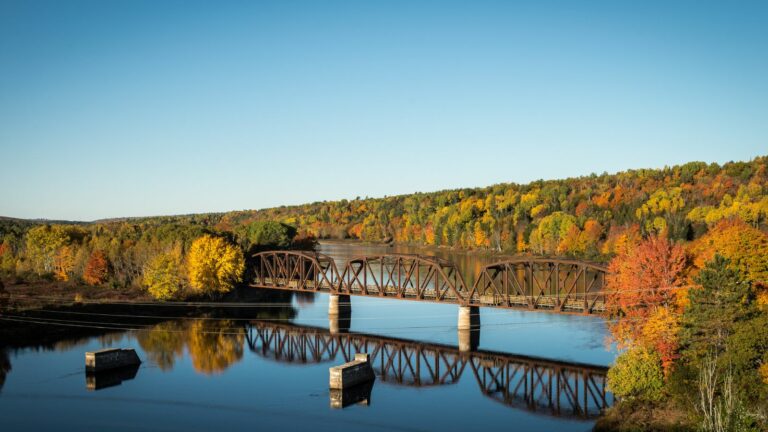
Edmundston sits in northwestern New Brunswick, close to the Quebec and Maine borders, and it has long benefited from a practical, cross-border rhythm. Housing remains far less intense than in Moncton or Fredericton, and the city’s smaller scale keeps commuting, parking, and daily errands relatively simple. For households priced out of southern New Brunswick, that combination can feel refreshing.
The trade-off is distance. Edmundston is not a quick hop from the province’s bigger job centres, and many careers depend on health care, education, public services, forestry, retail, and regional logistics. Still, for buyers who can work locally or remotely, the area offers a rare Canadian mix: established neighbourhoods, river-valley scenery, bilingual services, and a cost structure that has not yet been fully reshaped by big-city migration.
Miramichi, New Brunswick

Miramichi offers one of New Brunswick’s clearest examples of affordability tied to place rather than trendiness. The city is spread along the Miramichi River, with communities that feel more like connected towns than a dense urban centre. Detached homes, older family properties, and modest lots remain part of the local housing story, which helps explain why the city continues to attract value-conscious buyers.
Affordability here is not just about the sticker price. The slower pace, access to fishing, trails, and waterfront areas, and the presence of schools and essential services make daily life feel grounded. However, demand in New Brunswick has risen sharply since the pandemic, so Miramichi’s affordability should not be taken for granted. A household that waits too long may find that today’s quiet bargain has become tomorrow’s competitive regional market.
Bathurst, New Brunswick

Bathurst has the kind of affordability that comes with being a true regional hub rather than a bedroom community. Located on Chaleur Bay, it offers hospitals, schools, retail services, and access to nearby outdoor recreation without the price pressure seen in larger Atlantic Canadian markets. The city’s older housing stock can still provide entry points for buyers who are willing to budget for repairs and upgrades.
The local economy has had its challenges, and that is part of why prices have stayed lower than in faster-growing centres. Yet Bathurst’s appeal is easy to understand: coastal scenery, a compact city layout, and a cost base that still leaves room for ordinary families. Housing demand reports have also pointed to pressure from seniors, students, workers, and rental households, meaning affordability may narrow if supply does not keep up.
Trois-Rivières, Quebec

Trois-Rivières has become one of Quebec’s most talked-about affordability alternatives because it sits between Montreal and Quebec City without carrying either market’s full cost. The city has a university, a historic core, a riverfront setting, and enough services to feel complete rather than remote. Even as prices have risen, ownership can still look more achievable than in the province’s largest urban areas.
That popularity is the warning sign. Demand from buyers seeking lower prices has helped push the market upward, and recent data shows strong price growth in the Trois-Rivières region. Still, compared with Montreal-area costs, the city can offer more space for the money. For households that want culture, education, health services, and a manageable pace, Trois-Rivières remains affordable — but it is no longer a secret.
Shawinigan, Quebec
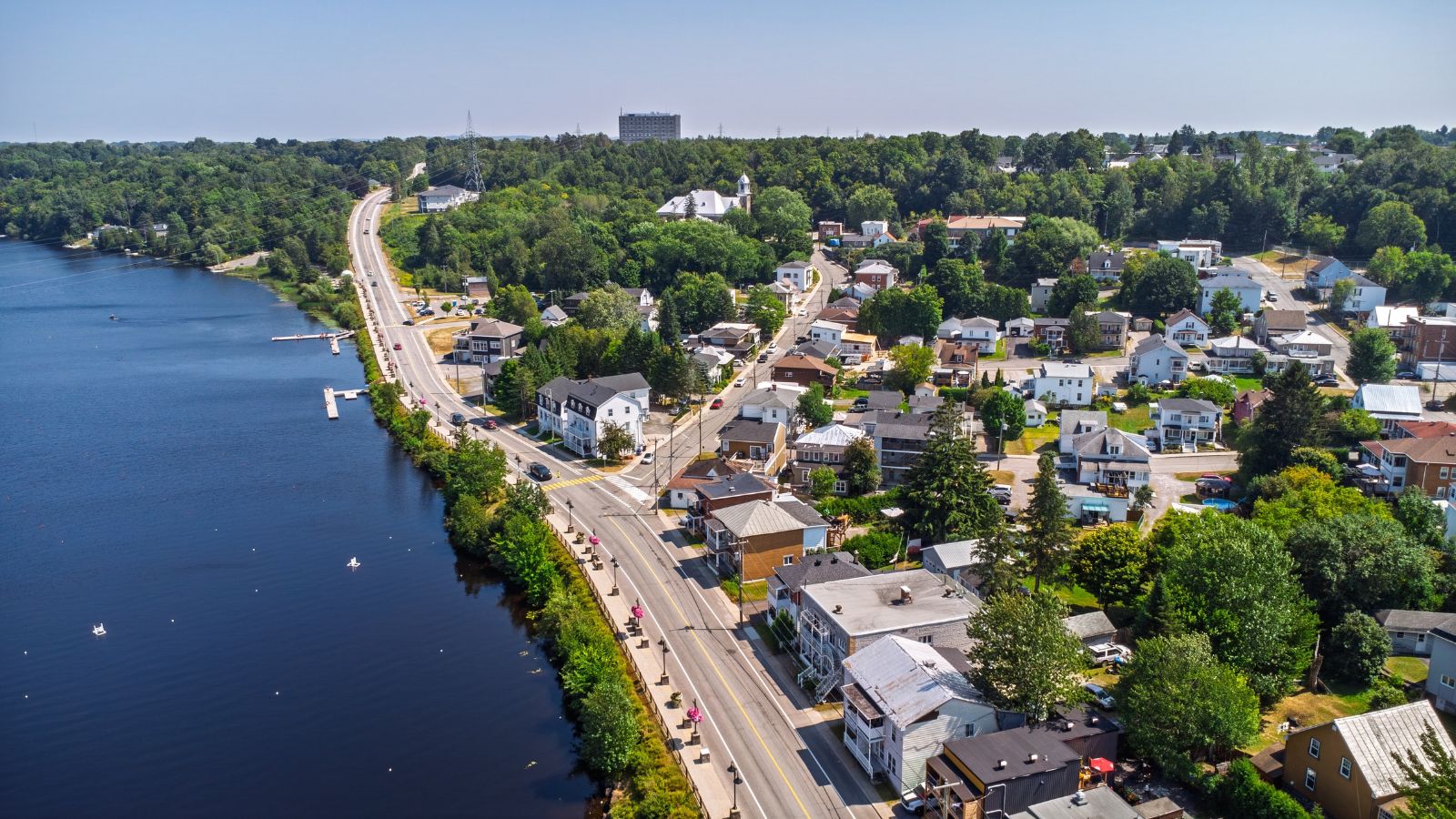
Shawinigan has quietly benefited from the same forces lifting interest in the Mauricie region. Once known mainly for industry and hydroelectric history, it has been reshaping itself around outdoor access, tourism, small business, and lower-cost living. Its location near La Mauricie National Park gives it a quality-of-life advantage that many higher-priced communities try to manufacture but cannot easily replicate.
Housing still tends to be more approachable than in Montreal or Quebec City, especially for buyers open to older homes. The key is realism: lower purchase prices may come with renovation needs, heating costs, or limited resale options in certain neighbourhoods. Even so, Shawinigan offers a compelling balance for those who want a real community, not just a cheaper address. Its affordability feels especially valuable because the surrounding region is gaining attention.
Sorel-Tracy, Quebec
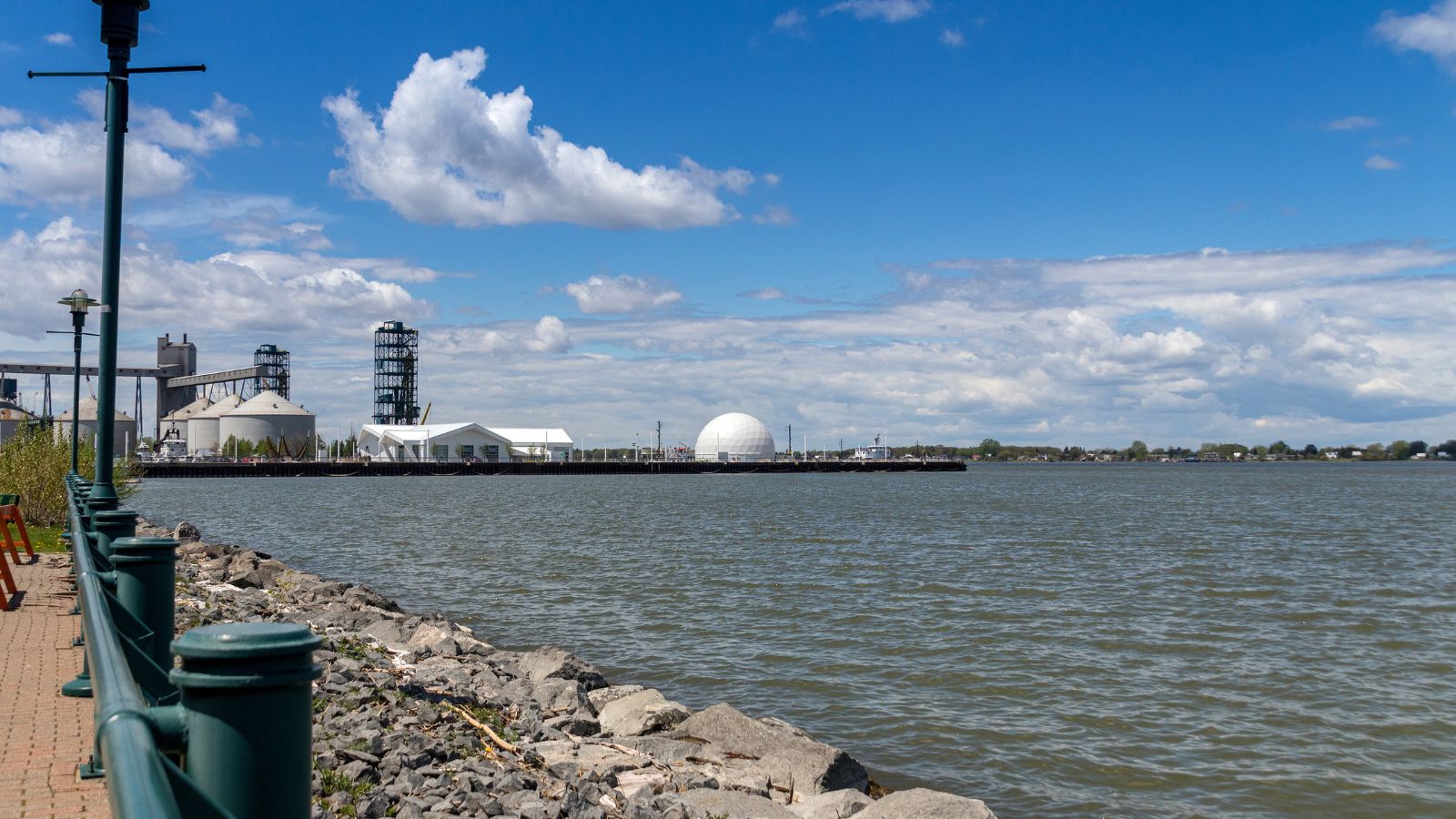
Sorel-Tracy sits where the Richelieu River meets the St. Lawrence, giving it a waterfront identity without the luxury pricing often attached to river towns. Its industrial base, port activity, and working-class history have kept the local housing market more grounded than many communities closer to Montreal’s core. For buyers who want access to the Montérégie region without peak suburban prices, that matters.
The town’s affordability is strongest for people who value practicality over polish. Older houses, modest neighbourhoods, and a quieter commercial scene may not suit everyone, but they help keep costs in check. Sorel-Tracy also has enough services for everyday life, from schools to local retail and health access. As more households look beyond expensive commuter corridors, however, its relative affordability could become more fragile.
Thetford Mines, Quebec

Thetford Mines is often overlooked, partly because it sits away from Quebec’s most familiar relocation corridors. That distance is exactly why affordability has lasted longer here. Housing costs and broader living expenses have remained lower than in many Canadian communities, and the city offers a practical base for people who do not need daily access to Montreal, Quebec City, or Sherbrooke.
The local story is not one of glamour, but it is deeply Canadian: older neighbourhoods, regional employers, schools, services, and nearby lakes and hills. Thetford Mines also has a distinctive industrial past, which gives the city character but can affect how outsiders perceive it. For buyers focused on livability rather than status, that can create opportunity. The “for now” matters, though, because even affordable Quebec markets have been seeing price pressure.
Rimouski, Quebec

Rimouski combines affordability with something harder to price: a strong sense of place. Set on the south shore of the St. Lawrence, it has a university, marine research activity, health services, and a regional economy that makes it feel more substantial than its size suggests. That mix allows the city to attract students, professionals, retirees, and families without fully resembling a big-city market.
Housing remains more affordable than in Montreal, and recent market commentary has highlighted Rimouski’s lower single-family prices relative to larger Quebec centres. The challenge is supply. Attractive coastal communities with institutions and services can move quickly from hidden value to crowded demand. For now, Rimouski still offers a rare balance: waterfront character, local employment anchors, and a cost profile that many larger Canadian cities can no longer match.
Saint-Georges, Quebec
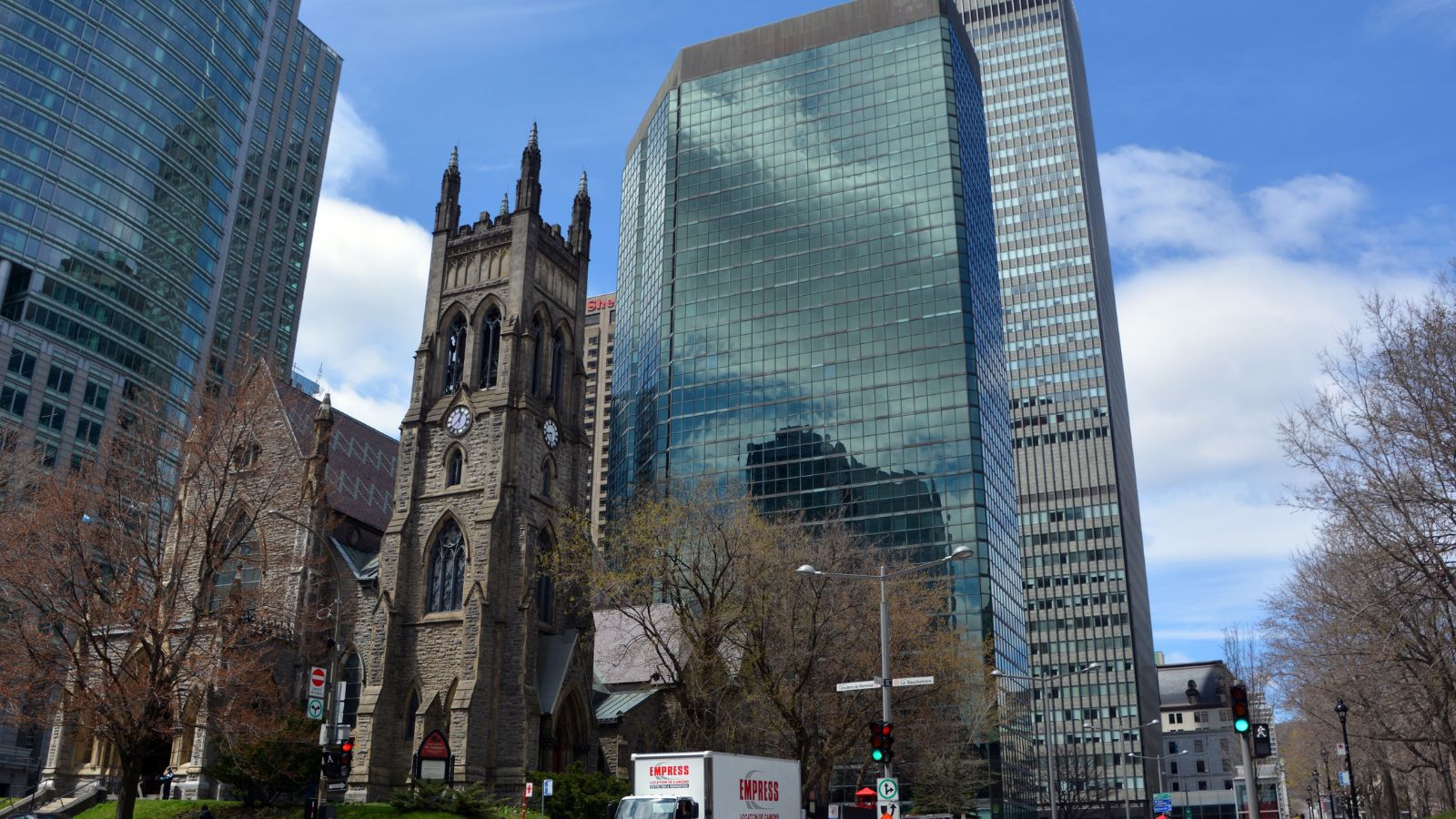
Saint-Georges, in the Beauce region, has a reputation for entrepreneurship and manufacturing strength. That economic base helps explain why the town feels more resilient than some lower-cost communities that rely heavily on one sector. Housing has historically been more approachable than in Quebec’s largest markets, while local employers and services give residents reasons to stay rather than simply commute elsewhere.
Affordability here comes with a practical, small-city lifestyle. The town is not trying to imitate Montreal or Quebec City; it offers schools, sports facilities, local businesses, and access to countryside living. That can be ideal for families who want stability more than nightlife. As Quebec’s provincial housing market keeps rising, places like Saint-Georges may draw more attention from buyers seeking value, especially if remote and hybrid work remain common.
Saguenay, Quebec
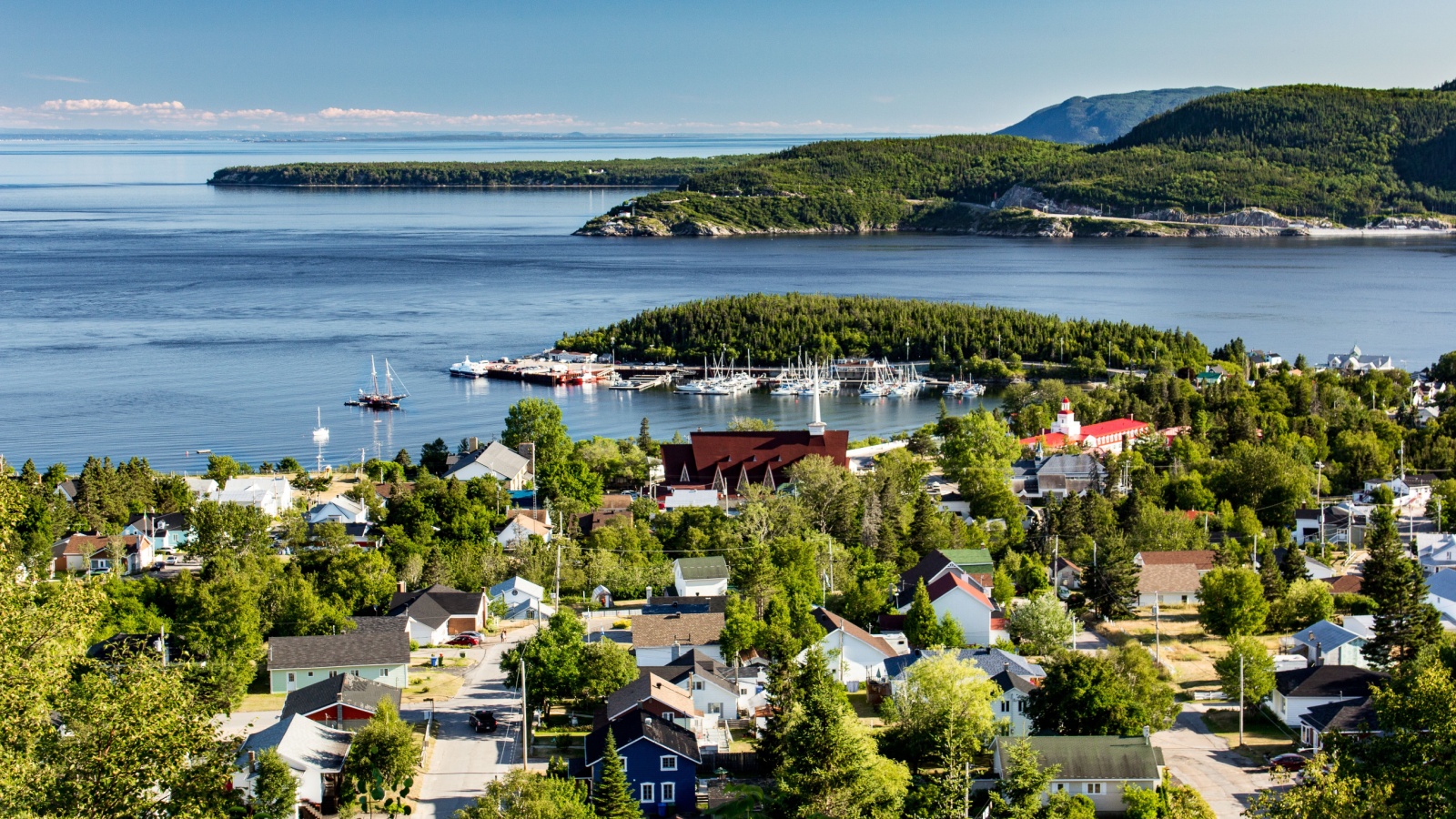
Saguenay offers one of the strongest lifestyle cases on this list. The city has a dramatic natural setting, access to the Saguenay Fjord, a regional university presence, health services, and a housing market that has often looked more attainable than southern Quebec’s major centres. For people willing to live farther from Montreal, the value proposition can be powerful.
The local economy has roots in aluminum, forestry, public services, education, and tourism, which gives Saguenay more depth than a typical small town. Winter is serious, and distance is a real factor, but those realities help preserve affordability. A family that wants a detached home, outdoor recreation, and a slower pace may find Saguenay unusually balanced. The risk is that scenic, service-rich places rarely stay overlooked forever.
Thunder Bay, Ontario

Thunder Bay remains one of Ontario’s best-known affordability alternatives, though prices have been rising quickly. The city’s median and average housing figures still sit far below southern Ontario’s largest markets, which explains why it attracts buyers who want urban services without Greater Toronto Area prices. It has a university, a college, a regional hospital, and major transportation links on Lake Superior.
The affordability story, however, is becoming more complicated. Recent real estate data shows strong price gains, proof that lower-cost markets can heat up fast once buyers start paying attention. Thunder Bay still offers more space, shorter commutes, and access to outdoor life that would cost far more elsewhere. But the window may be narrowing, especially for first-time buyers trying to compete for single-detached homes.
Sault Ste. Marie, Ontario
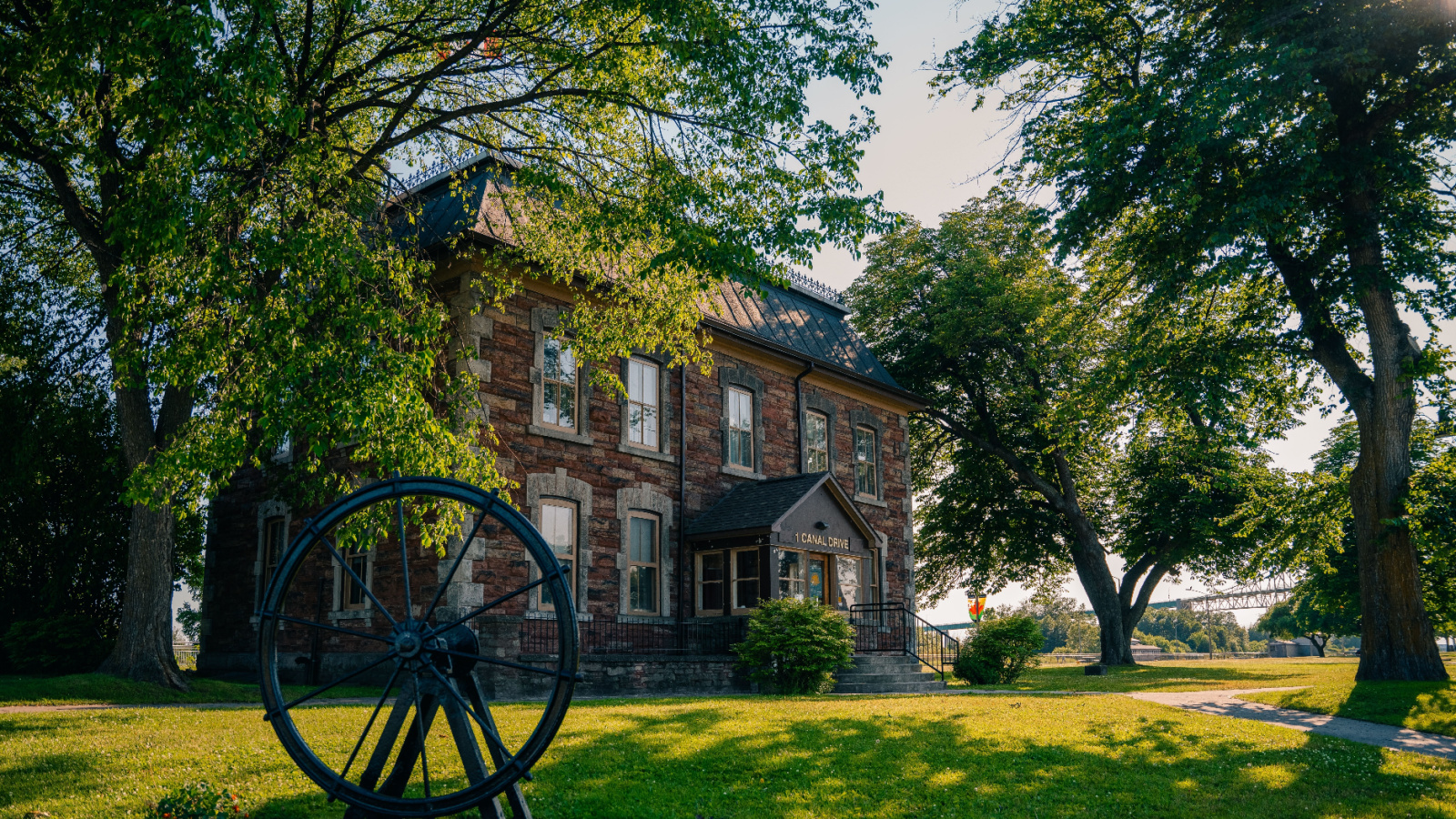
Sault Ste. Marie offers a rare Ontario housing story: prices that remain comparatively modest while the city still provides regional services, post-secondary education, health care, cross-border access, and a scenic location between Lake Superior and Lake Huron. For households priced out of southern Ontario, the difference in monthly carrying costs can be dramatic.
The city’s affordability is helped by distance from the province’s overheated corridors and by a market that has not experienced the same speculative pressure as the GTA. Recent CREA data shows benchmark and average prices well below Ontario’s provincial average. Still, buyers should pay attention to older housing stock, heating costs, and neighbourhood differences. Sault Ste. Marie can feel affordable, but smart budgeting still matters.
Timmins, Ontario
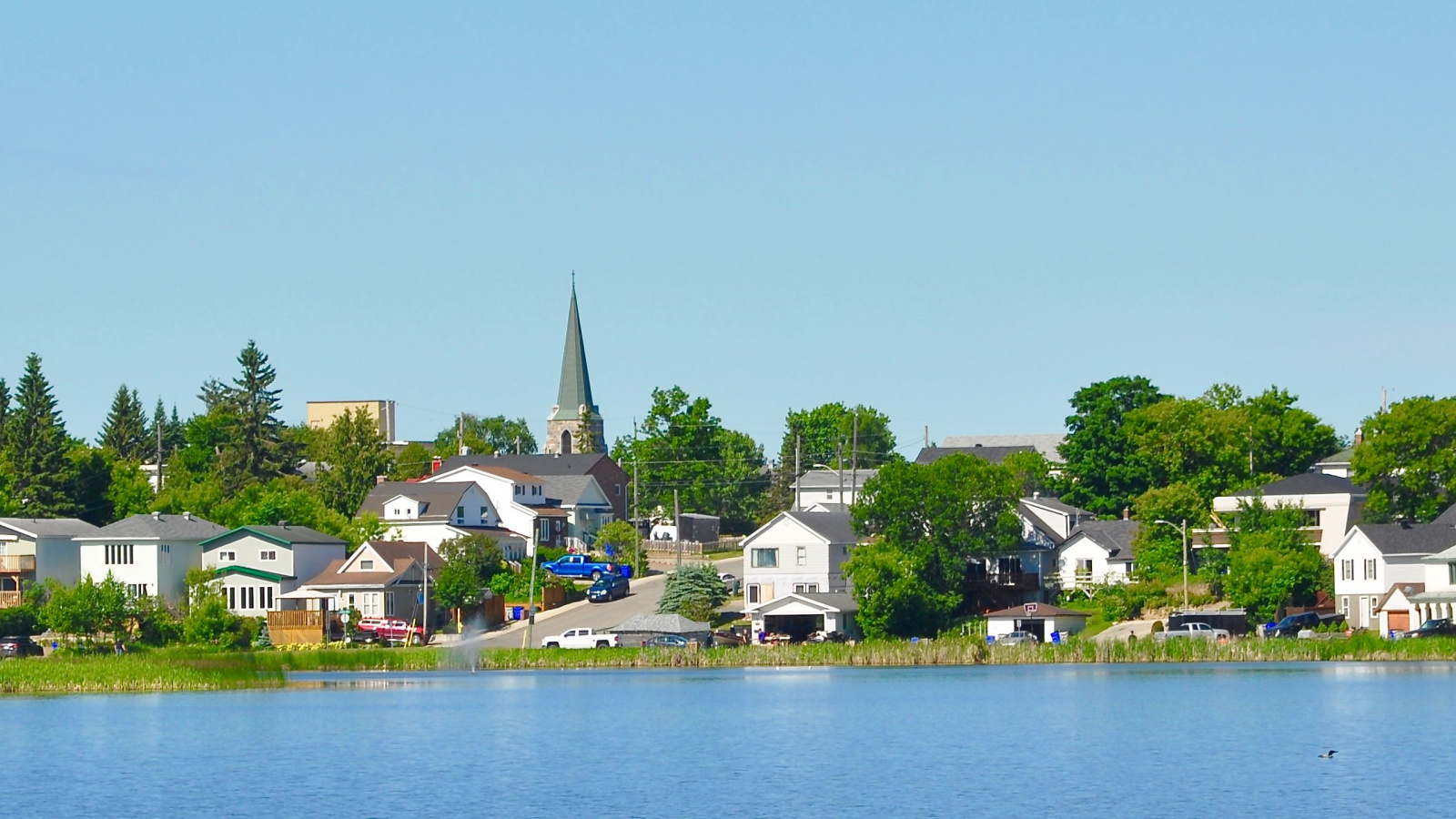
Timmins is not inexpensive because it is unknown; it is inexpensive because it is far north, resource-oriented, and built around a very different economy than southern Ontario. Mining, forestry, health care, education, and regional services support the city, while housing prices remain much lower than in many parts of the province. For workers tied to northern industries, that can translate into a more manageable life.
The city’s affordability comes with trade-offs: long winters, travel distance, and a housing stock that varies widely by age and condition. Yet Timmins has a strong regional role and a clear identity, which matters when comparing it with smaller towns that lack employment anchors. Recent data shows prices rising, but still low by Ontario standards. For now, Timmins remains one of the province’s more realistic ownership markets.
Brandon, Manitoba

Brandon is Manitoba’s second-largest city, but it still feels affordable compared with most major Canadian centres. Its economy is supported by agriculture, food processing, education, health care, retail, and regional services. That makes it more than a cheap place to live; it is a functioning small city with employment anchors and amenities that can support families over the long term.
Housing needs reports have shown rising rents and home values, so Brandon is not immune to affordability pressure. Still, compared with bigger prairie and Ontario markets, the city can offer manageable home prices, short commutes, and practical neighbourhoods. Brandon’s appeal is strongest for households that want city basics without big-city friction. Its affordability may last longer than trendier markets because it is steady rather than fashionable.
Moose Jaw, Saskatchewan

Moose Jaw has long been one of Saskatchewan’s most recognizable smaller cities, known for its historic downtown, military connection, tunnels, and prairie character. Housing has remained relatively affordable, and recent benchmark prices still sit well below the national average. For buyers who want Saskatchewan value without choosing Regina or Saskatoon, Moose Jaw can feel like a practical middle ground.
The city’s lower costs do not mean the market is standing still. Recent reports show rising prices and tight inventory, which suggests affordability is already drawing attention. Still, Moose Jaw offers everyday services, schools, local attractions, and enough community identity to avoid feeling like a compromise. It is the kind of place where a modest budget can still translate into a real home rather than a tiny foothold.
Prince Albert, Saskatchewan
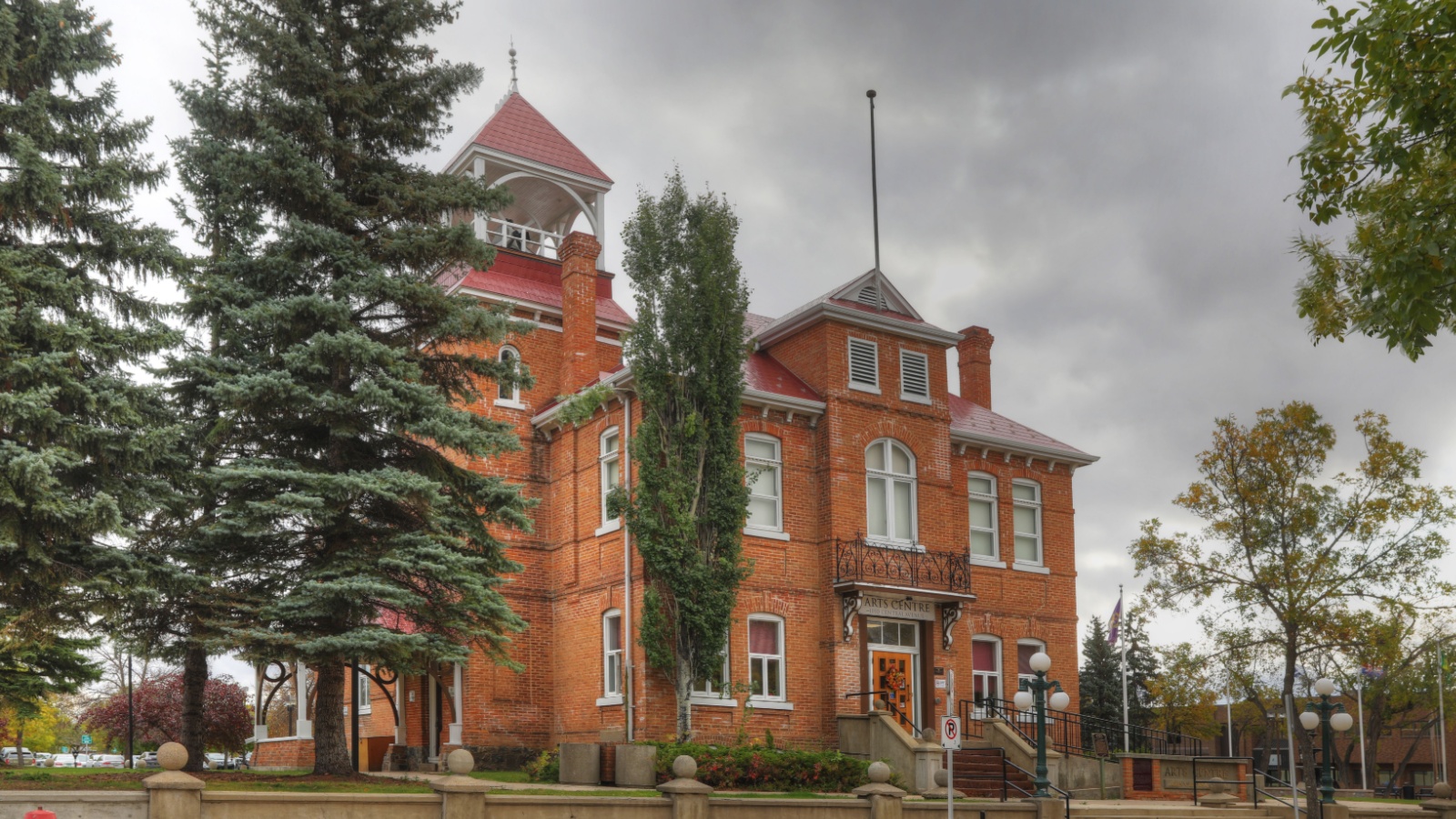
Prince Albert remains one of the more affordable urban markets in Saskatchewan, with benchmark prices that continue to look modest beside national figures. It serves as a northern gateway and regional service centre, with health care, education, retail, government, and access to nearby lakes and forested recreation areas. That gives it more economic purpose than a simple low-cost housing market.
Affordability here comes with complexity. Local reports have warned that tight housing supply could affect growth, and social challenges are part of the broader picture. Still, for buyers willing to understand the neighbourhoods carefully, Prince Albert can offer entry prices that are difficult to find elsewhere. Its future affordability will depend heavily on whether new housing supply can keep pace with demand.
Medicine Hat, Alberta

Medicine Hat stands out in Alberta because it offers city services, a sunny climate, and housing prices that remain below Calgary’s and Edmonton’s more competitive areas. It has long marketed itself around livability, and its relatively low utility and housing costs have helped keep that reputation alive. For households leaving larger Alberta markets, the price gap can be meaningful.
Recent market data shows Medicine Hat prices rising, but still below provincial hot spots. The city has a strong local identity, a historic downtown, parks, trails, and a location near the South Saskatchewan River. It is not simply a cheaper suburb of somewhere else; it functions on its own terms. The risk is that affordability itself becomes the magnet, bringing more demand from buyers who want Alberta without Calgary prices.
Grande Prairie, Alberta

Grande Prairie’s affordability is tied to its role as a northern Alberta economic hub. Energy, forestry, agriculture, retail, health care, and logistics all shape the city’s housing demand. Prices remain lower than in Calgary, and recent data has shown average homes in the high-$300,000 to low-$400,000 range depending on the source and month. That is still a meaningful discount in today’s Alberta market.
The city is not for everyone. It is distant, economically cyclical, and shaped by resource-sector swings. But for households with work in the region, Grande Prairie can offer incomes and housing options that make ownership feel possible. Its appeal may grow as Alberta’s larger cities become more expensive. For now, it remains a practical affordability play with real employment roots.
Corner Brook, Newfoundland and Labrador

Corner Brook offers a different kind of affordability: smaller scale, Atlantic scenery, and a housing market that is often less punishing than Canada’s largest cities. Located on Newfoundland’s west coast, it has a university campus, a hospital, port activity, and access to outdoor recreation that includes skiing, hiking, and coastal drives. The setting gives everyday life a strong sense of place.
The affordability picture is not perfect. Groceries, heating, transportation, and travel can be costly in Newfoundland and Labrador, and local incomes may not match those in bigger provinces. Still, home prices and rents can feel more approachable than in high-demand mainland markets. For households that value community, landscape, and slower living, Corner Brook remains one of the country’s more intriguing affordable options — at least for now.
19 Things Canadians Don’t Realize the CRA Can See About Their Online Income

Earning money online feels simple and informal for many Canadians. Freelancing, selling products, and digital services often start as side projects. The problem appears at tax time. Many people underestimate how much information the CRA can access. Online platforms, banks, and payment processors create detailed records automatically. These records do not disappear once money hits an account. Small gaps in reporting add up quickly.
Here are 19 things Canadians don’t realize the CRA can see about their online income.
This Options Discord Chat is The Real Deal
While the internet is scoured with trading chat rooms, many of which even charge upwards of thousands of dollars to join, this smaller options trading discord chatroom is the real deal and actually providing valuable trade setups, education, and community without the noise and spam of the larger more expensive rooms. With a incredibly low-cost monthly fee, Options Trading Club (click here to see their reviews) requires an application to join ensuring that every member is dedicated and serious about taking their trading to the next level. If you are looking for a change in your trading strategies, then click here to apply for a membership.