
35,000+ smart investors are already getting financial news, market signals, and macro shifts in the economy that could impact their money next with our FREE weekly newsletter. Get ahead of what the crowd finds out too late. Click Here to Subscribe for FREE.
Earning money online feels simple and informal for many Canadians. Freelancing, selling products, and digital services often start as side projects. The problem appears at tax time. Many people underestimate how much information the CRA can access. Online platforms, banks, and payment processors create detailed records automatically. These records do not disappear once money hits an account. Small gaps in reporting add up quickly. Here are 19 things Canadians don’t realize the CRA can see about their online income.
Income Earned Through Freelance Platforms
19 Things Canadians Don’t Realize the CRA Can See About Their Online Income
- Income Earned Through Freelance Platforms
- Payments Received via E-Transfer and Digital Wallets
- Earnings From Online Marketplaces and Resale Apps
- Gig Income From Ride Sharing and Delivery Apps
- Tips and Bonuses Paid Through Platforms
- Advertising Revenue From Blogs and Websites
- Affiliate Marketing Commissions
- Income From Online Courses and Digital Products
- Subscription and Membership Revenue
- Payments Processed Through Third-Party Payment Gateways
- Foreign Platform Earnings Paid in Canadian Dollars
- Cross-Border Income Reported by International Platforms
- Repeated Small Transactions That Add Up
- GST/HST Collected Through Online Sales
- Crypto Payments Linked to Online Services
- Inconsistent Reporting Compared to Platform Data
- Online Income Linked to Business Accounts
- Personal Accounts Used for Business Transactions
- Platform Records Shared Through CRA Data Matching
- 22 Groceries to Grab Now—Before another Price Shock Hits Canada

Income earned through freelance platforms is visible to the CRA more than many Canadians expect. Platforms that connect freelancers with clients often maintain detailed payment records. These records include amounts paid, dates, and payer details. Many platforms issue income summaries or slips annually. Even when no tax slip is issued, the income remains taxable. Payments received regularly signal business activity. The CRA can compare reported income with platform data through audits or reviews. Treating freelance income as informal increases risk. Proper reporting and record keeping help avoid reassessments, penalties, and unnecessary follow-up from the CRA.
Payments Received via E-Transfer and Digital Wallets

Payments received via e-transfer and digital wallets can be tracked through financial records. Canadian banks monitor transaction patterns, not just labels. Frequent deposits, similar amounts, or multiple senders suggest income activity. Marking transfers as personal does not change their tax status. Digital wallets also keep detailed histories of incoming funds. During audits, the CRA may request bank statements. Unexplained deposits raise questions. Even small amounts count as income when earned online. Consistent reporting prevents problems. Assuming e-transfers stay private often leads to reassessments when transaction patterns do not match reported income.
Earnings From Online Marketplaces and Resale Apps

Earnings from online marketplaces and resale apps are often more visible than sellers assume. Platforms track sales volume, payment history, and seller activity. Regular selling suggests business income, not casual sales. Even second-hand items can become taxable when sold frequently. Some platforms report seller earnings directly to tax authorities. Payment processors also retain transaction data. The CRA may review activity during audits. Costs of goods sold need proper tracking. Ignoring marketplace income creates mismatches. Reporting sales accurately reduces scrutiny and avoids penalties tied to unreported online earnings.
Gig Income From Ride Sharing and Delivery Apps

Gig income from ride-sharing and delivery apps is closely tracked. These platforms record trips, payouts, bonuses, and tips. Annual summaries often get issued to drivers and couriers. The CRA expects this income to be reported in full. Expenses must be reasonable and documented. Vehicle usage logs matter. Even part-time driving counts as taxable income. Platforms may share information during compliance reviews. Underreporting gig income often triggers reassessments. Treating gig work as casual income increases risk. Accurate reporting and records help keep filings consistent with platform data.
Tips and Bonuses Paid Through Platforms

Tips and bonuses paid through platforms are taxable income in Canada. Many Canadians assume tips get overlooked. Digital platforms track tips automatically. Bonuses for completing targets also appear in earnings summaries. These amounts increase total income figures. The CRA expects full reporting, including tips. Leaving them out creates discrepancies during data matching. Even small amounts matter when added up over time. Platforms rarely separate tips for tax purposes. Including tips avoids questions later. Ignoring them can result in adjustments, interest, and penalties after reviews.
Advertising Revenue From Blogs and Websites
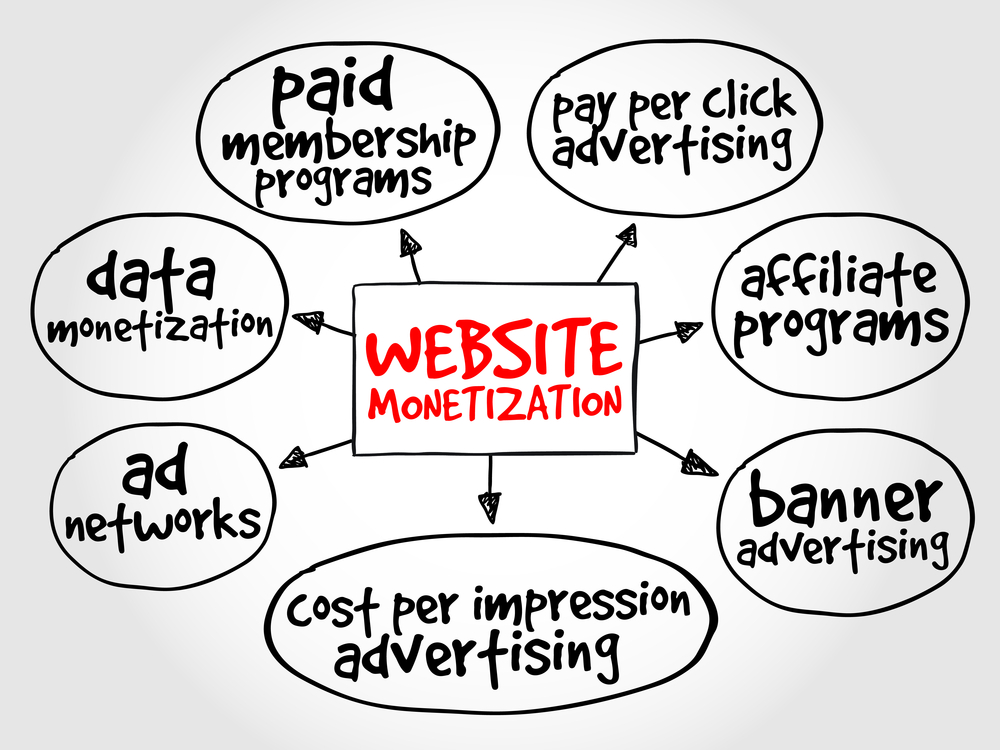
Advertising revenue from blogs and websites leaves clear digital records. Ad networks track impressions, clicks, and payouts. Payments often come monthly or quarterly. The CRA treats this income as business or self-employed income. Even hobby blogs become taxable once income starts. Platforms keep detailed payment histories. Foreign ad networks may also report earnings. Currency conversion does not remove tax obligations. Expenses must relate directly to earning income. Failing to report ad revenue raises red flags. Consistent reporting aligns filings with platform records and reduces audit risk.
Affiliate Marketing Commissions

Affiliate marketing commissions are traceable through network dashboards and payment processors. Each commission links to clicks, sales, and payouts. Many networks provide annual earnings summaries. The CRA expects these commissions to be reported as income. Even irregular payouts count. Payments routed through PayPal or similar services still leave records. Ignoring affiliate income creates gaps during reviews. Expenses related to promotion need documentation. Affiliate earnings often grow quietly over time. Reporting them properly avoids reassessments and supports accurate tax filings tied to online business activity.
Income From Online Courses and Digital Products

Income from online courses and digital products creates clear transaction trails. Platforms record sales, refunds, and payouts. Payment processors retain detailed histories. The CRA treats this income as business income. Even passive sales count. GST or HST may apply depending on revenue and customer location. Ignoring this income leads to compliance issues. Digital products scale quickly, increasing visibility. Platform data can be requested during audits. Proper reporting supports consistency. Treating digital sales seriously helps avoid penalties and future tax complications related to online income streams.
Subscription and Membership Revenue

Subscription and membership revenue create predictable income patterns that the CRA can review. Monthly or annual charges show consistency rather than one-time sales. Platforms track subscriber counts, payments, refunds, and churn. This data reflects ongoing business activity. Even small subscription fees add up over time. Many Canadians underestimate how visible recurring revenue becomes. The CRA expects full reporting of these earnings. Skipping them creates gaps between bank deposits and reported income. Expenses tied to subscriptions require records. Treating memberships casually increases audit risk. Regular reporting keeps filings aligned with the platform and payment records.
Payments Processed Through Third-Party Payment Gateways

Payments processed through third-party payment gateways leave detailed digital trails. Services like online processors record sender details, amounts, and dates. These records remain accessible for years. The CRA may request them during reviews. Even if funds move quickly to bank accounts, the trail remains. Labels or notes do not change tax treatment. Regular gateway use signals business income. Small transactions still matter when they are frequent. Ignoring these payments leads to mismatches. Reporting gateway income accurately reduces follow-up questions. Payment processors often provide summaries that support proper tax reporting.
Foreign Platform Earnings Paid in Canadian Dollars

Foreign platform earnings paid in Canadian dollars remain fully taxable. Currency conversion does not change reporting obligations. Many international platforms automatically convert payouts. This creates a clear Canadian dollar record. The CRA expects worldwide income reporting. Foreign origin does not reduce visibility. Payment processors and banks retain conversion data. Missing these amounts raises flags. Foreign tax credits may apply, but reporting is still required. Assuming foreign platforms escape notice causes issues. Accurate disclosure avoids penalties. Consistent reporting keeps foreign earnings aligned with Canadian tax requirements.
Cross-Border Income Reported by International Platforms

Cross-border income reported by international platforms is increasingly visible. Many platforms operate across countries and share data. Information exchange agreements improve transparency. The CRA can receive income details from foreign sources. This includes freelancing, content creation, and digital services. Canadians often assume overseas platforms stay separate. That assumption no longer holds. Income comparisons reveal discrepancies quickly. Missing cross-border earnings lead to reassessments. Even part-time income counts. Proper reporting protects credibility. Cross-border income now requires the same care as domestic online earnings.
Repeated Small Transactions That Add Up

Repeated small transactions attract attention when patterns emerge. Individually, amounts seem minor. Collectively, they signal consistent income. The CRA looks at frequency, not just size. Bank deposits, platform payouts, and wallet transfers show trends. Many Canadians underestimate cumulative totals. Small amounts across months become significant annually. Ignoring them creates gaps in reporting. Data matching highlights patterns easily. Reporting totals matters more than individual size. Consistency reveals activity. Treating small payments casually often leads to follow-up questions and adjustments during CRA reviews.
GST/HST Collected Through Online Sales

GST or HST collected through online sales is closely monitored. Platforms often track tax collected separately. The CRA expects remittance when registration thresholds apply. Collecting tax without remitting creates serious issues. Even unregistered sellers face scrutiny once thresholds are crossed. Online sales data makes comparisons easy. Missing remittances trigger penalties and interest. Tax collected is not income. It belongs to the government. Proper tracking and filing matter. Ignoring GST or HST obligations increases audit risk and creates larger liabilities than income tax alone.
Crypto Payments Linked to Online Services

Crypto payments linked to online services are not invisible. The CRA treats crypto as taxable property. When crypto is received for services, income must be reported at fair market value. Wallet records, exchanges, and conversions create trails. Platforms may link wallets to accounts. Assuming anonymity leads to risk. Even holding crypto creates reporting considerations. Using crypto does not bypass tax rules. Reporting value at receipt matters. Ignoring crypto payments creates gaps. Proper disclosure avoids reassessments and penalties tied to misunderstood digital payment methods.
Inconsistent Reporting Compared to Platform Data

Inconsistent reporting compared to platform data raises immediate red flags. The CRA compares reported income with third-party records. Differences trigger reviews automatically. Even timing differences may require explanation. Platforms report gross amounts, not net profits. Underreporting creates clear mismatches. Many Canadians forget that refunds or fees do not change gross reporting. Consistency matters more than estimates. Correcting errors later adds stress. Aligning returns with platform summaries reduces risk. Accurate reconciliation prevents follow-up letters. Inconsistencies often lead to reassessments, interest, and closer future scrutiny.
Online Income Linked to Business Accounts
Online income linked to business accounts is easier for the CRA to review. Business accounts show structured activity. Regular deposits, invoices, and transfers appear organized. This signals commercial intent. The CRA expects full reporting and proper deductions. Business accounts also connect to GST or HST obligations. Missing income stands out more clearly. Audits become more detailed with business records. Proper separation helps clarity. Using business accounts responsibly supports credibility. Underreporting through business channels increases risk. Transparency protects long-term compliance and reduces audit complications.
Personal Accounts Used for Business Transactions

Personal accounts used for business transactions create confusion. Mixing deposits blurs income sources. The CRA may treat unexplained deposits as income. Personal transfers complicate explanations. Frequent business deposits into personal accounts raise questions. Expense tracking becomes harder. Deductions may get denied without clarity. This setup increases audit time and stress. Many Canadians start this way unintentionally. Clear separation helps compliance. Using personal accounts for business does not hide income. It often increases scrutiny due to a lack of structure and inconsistent reporting patterns.

Platform records shared through CRA data matching drive many reviews. The CRA uses automated matching systems. Platforms, banks, and processors provide data. Reported income gets compared annually. Differences trigger notices. Canadians often underestimate this process. Matching looks at totals and patterns. Even old records matter. Compliance improves when data aligns. Fixing issues early reduces penalties. Data matching continues to expand. Assuming platforms stay private leads to surprises. Reporting accurately remains the best protection against automated flags and follow-up assessments.
22 Groceries to Grab Now—Before another Price Shock Hits Canada

Food prices in Canada have been steadily climbing, and another spike could make your grocery bill feel like a mortgage payment. According to Statistics Canada, food inflation remains about 3.7% higher than last year, with essentials like bread, dairy, and fresh produce leading the surge. Some items are expected to rise even further due to transportation costs, droughts, and import tariffs. Here are 22 groceries to grab now before another price shock hits Canada.
22 Groceries to Grab Now—Before another Price Shock Hits Canada
This Options Discord Chat is The Real Deal
While the internet is scoured with trading chat rooms, many of which even charge upwards of thousands of dollars to join, this smaller options trading discord chatroom is the real deal and actually providing valuable trade setups, education, and community without the noise and spam of the larger more expensive rooms. With a incredibly low-cost monthly fee, Options Trading Club (click here to see their reviews) requires an application to join ensuring that every member is dedicated and serious about taking their trading to the next level. If you are looking for a change in your trading strategies, then click here to apply for a membership.