
35,000+ smart investors are already getting financial news, market signals, and macro shifts in the economy that could impact their money next with our FREE weekly newsletter. Get ahead of what the crowd finds out too late. Click Here to Subscribe for FREE.
Car insurance in Canada is full of quite a few discounts that never appear on your bill unless you ask. Insurers rarely volunteer them. Many assume drivers already know or will request them. Others only apply after a policy review. The result is simple. Canadians overpay for years without realizing it. These missed discounts affect new drivers, longtime policyholders, families, and retirees. Here are 16 car insurance discounts Canadians miss because they never ask.
Low-Mileage Discount
16 Car Insurance Discounts Canadians Miss Because They Never Ask
- Low-Mileage Discount
- Winter Tire Discount
- Multi-Vehicle Household Discount
- Multi-Policy Bundling Discount
- Usage-Based Insurance Discount
- Alumni or Professional Association Discount
- Employer or Union Discount
- Mature Driver Discount
- New Vehicle Safety Feature Discount
- Anti-Theft Device Discount
- Long-Term Customer Loyalty Discount
- Claims-Free Discount
- Defensive Driving Course Discount
- Seasonal Vehicle Discount
- Payment Method Discount
- Policy Review Adjustment Discount
- 22 Groceries to Grab Now—Before another Price Shock Hits Canada
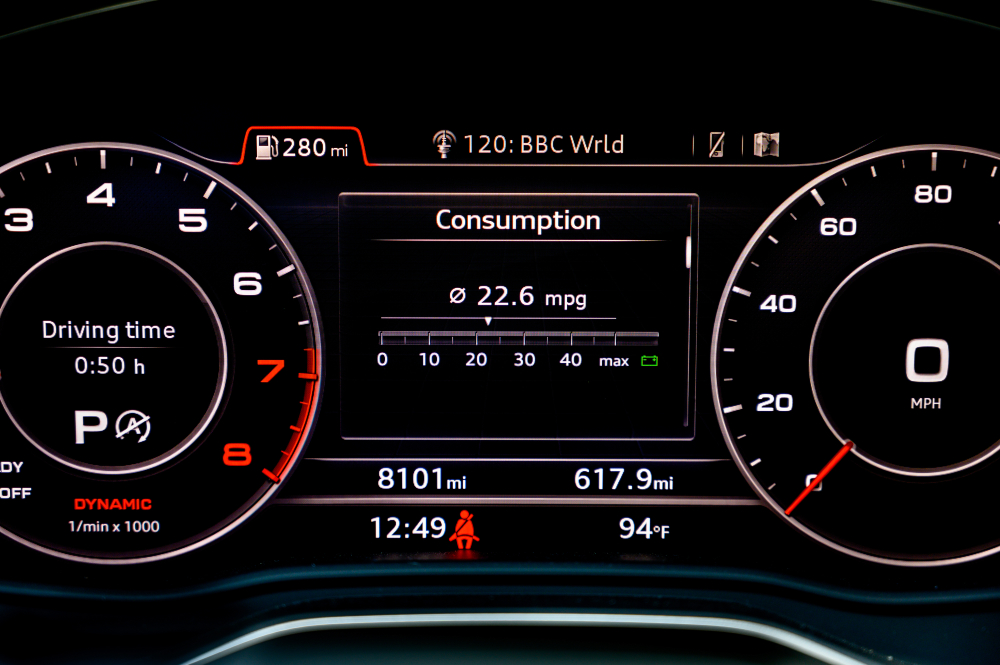
Many insurers reward drivers who use their cars less than average. This discount often applies below yearly distance thresholds. People working from home are now more likely to qualify. Retirees also qualify frequently. Some insurers verify mileage during renewals. Others require a signed declaration. The discount can range from small savings to noticeable reductions. It is rarely applied automatically. Insurers assume normal commuting patterns unless told otherwise. Even occasional drivers may qualify. Ride sharing and carpooling do not always disqualify you. Ask how mileage brackets work. Update your estimate yearly. This discount stacks with others and costs nothing to request.
Winter Tire Discount
Winter tires reduce the risk of accidents in cold conditions. Insurers know this and price policies accordingly. The problem is that proof requirements vary. Some require installation receipts. Others accept a verbal declaration. Many drivers assume the discount is automatic. It usually is not. The savings differ by province and insurer. Quebec drivers often see larger reductions. Other provinces still offer modest savings. Tires must meet winter rating standards. All four tires must qualify. Seasonal installation alone does not trigger the discount. You must confirm it was applied. Ask for every renewal. Tire changes without notice often remove the discount quietly.
Multi-Vehicle Household Discount

Households with multiple insured vehicles often qualify for reduced rates. This applies even if drivers are unrelated. Roommates and adult children can count. Insurers care about shared addresses, not family ties. Many people insure vehicles separately out of habit. This costs more over time. Bundling vehicles simplifies billing and claims. It also lowers administrative risk for insurers. The discount size grows with more vehicles. Some insurers apply it automatically. Others require consolidation requests. Moving vehicles under one policy may reset renewal dates. Always compare before switching. Ask if motorcycles or recreational vehicles qualify, too.
Multi-Policy Bundling Discount

Car insurance becomes cheaper when bundled with other policies. Home, condo, or tenant insurance usually qualifies. Life insurance sometimes counts. The discount varies by insurer and province. Many people buy policies years apart. They forget to link them later. Insurers rarely retroactively apply bundle pricing. This leads to missed savings. Even basic tenant insurance can unlock the discount. Some bundles also reduce deductibles. Claims handling becomes simpler. One insurer manages everything. Ask if all policies are properly linked. Confirm the discount appears on each renewal statement. Bundling does not lock you permanently. You can still shop later.
Usage-Based Insurance Discount

Usage-based programs track driving behavior through apps or devices. They measure braking, speed, and driving times. Many offer enrollment discounts immediately. Safe driving over time increases savings. Some insurers cap the discount. Others allow continued growth. Many Canadians avoid these programs due to privacy fears. Others assume penalties apply. Most programs do not raise rates. They only offer discounts. Terms vary by provider. Night driving sometimes affects scores. Short trips often score better. Ask about trial periods. Some programs allow exit without penalty. Usage-based discounts suit cautious drivers with predictable routines.
Alumni or Professional Association Discount

Many insurers partner with universities and professional groups. Alumni associations frequently qualify. Engineers, accountants, nurses, and teachers often qualify as well. Membership proof is usually simple. A digital card often works. People forget these partnerships exist. Insurers do not advertise them widely. Discounts may apply to multiple policy types. Savings vary by organization size. Some associations negotiate better group rates. The discount can follow you across provinces. Ask your insurer for a complete list of partners. Also, check your association website. Membership fees may pay for themselves quickly through insurance savings.
Employer or Union Discount

Large employers and unions often negotiate group insurance pricing. This applies even if your job does not involve driving. Office staff frequently qualify. Public sector workers often qualify. The discount depends on employer size and risk profile. Many workers never ask. Insurers rarely check employment status during renewals. Proof usually requires a pay stub or a work email address. Some discounts extend to spouses. Retirees may still qualify. Contract workers sometimes qualify, too. Ask if your employer participates. Also, ask former employers. Group discounts can stack with other reductions without affecting coverage limits.
Mature Driver Discount

Drivers over a certain age often qualify for reduced premiums. This reflects lower claim frequency. Some insurers set the threshold at 50. Others start at 55 or 60. The discount may increase gradually. Many seniors assume rates only rise with age. That is not always true. Insurers also reward completed refresher courses. Online programs often qualify. Proof may be required once. After that, the discount remains. Ask when the age threshold applies. Confirm it activates automatically. Some policies require manual review. Missing this discount can cost seniors hundreds of dollars annually over a long retirement.
New Vehicle Safety Feature Discount

Modern vehicles include safety features insurers value. Examples include automatic braking and lane assist. Blind spot monitoring also qualifies. Many drivers assume newer cars cost more to insure. Safety technology can offset that. Insurers do not always update vehicle profiles immediately. Especially with mid-year model changes. If your car includes optional safety packages, tell your insurer. Provide the exact trim level. Some discounts require feature verification. Others rely on VIN decoding. Ask for a safety review after purchasing a vehicle. This discount may grow as technology improves.
Anti-Theft Device Discount
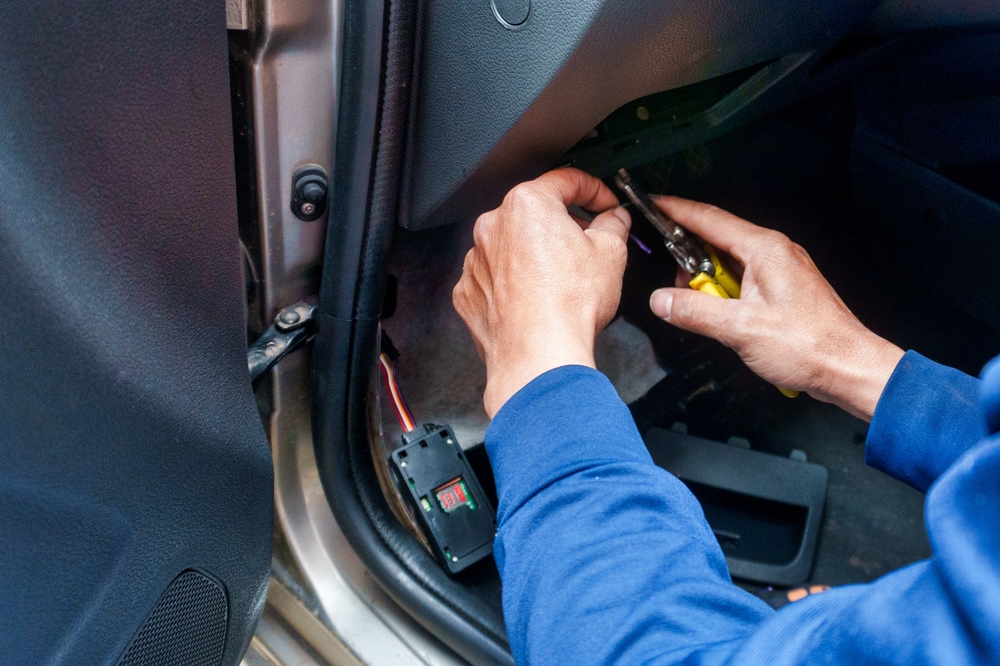
Vehicle theft rates significantly affect insurance pricing. Approved anti-theft devices reduce risk. This includes immobilizers, alarms, and tracking systems. Factory systems often qualify. Aftermarket devices may qualify, too. Insurers require proof of installation. Many drivers forget to update policies after adding devices. Some vehicles qualify automatically based on their model history. Others require manual confirmation. Tracking subscriptions sometimes unlocks extra discounts. Ask which devices qualify. Also, ask whether proof of renewal is required. Anti-theft discounts can be substantial in high-theft regions. They also help avoid policy surcharges.
Long-Term Customer Loyalty Discount

Staying with one insurer can reduce rates over time. Loyalty discounts reward consistent claim history. Many people assume switching always saves money. That is not always true. Long-term customers sometimes receive renewal credits. These are rarely advertised. Insurers expect loyalty without reminders. If rates increase, ask for a loyalty review. Mention years without claims. Some insurers have unlisted retention discounts. These apply only when requested. Ask how long loyalty benefits take to activate. Compare before switching. Leaving may reset accumulated discounts. Loyalty savings often stack quietly with other reductions.
Claims-Free Discount

Drivers without claims qualify for lower premiums. This discount often grows yearly. Some insurers separate it from safe driving discounts. Minor claims can pause growth. Many drivers do not understand how it works. They assume no claims equals automatic savings. Sometimes records need correction. Past not-at-fault claims may still appear. Ask for a claims history review. Confirm fault status accuracy. Also, ask how forgiveness programs interact. Some policies protect claims-free status. Others do not. Knowing this helps decide when to claim. This discount matters most over the long term of a driving career.
Defensive Driving Course Discount

Completing approved courses can reduce premiums. New drivers qualify most often. Experienced drivers may also qualify. Courses can be online or in-person. Approval lists vary by insurer. Some insurers only accept specific providers. Proof is required once. The discount duration varies. The last three years. Others last longer. Many Canadians take courses for licensing reasons. They forget to notify insurers afterward. Ask before enrolling. Confirm eligibility and duration. Defensive driving discounts complement age-based savings. They also improve driving habits beyond insurance benefits.
Seasonal Vehicle Discount

Vehicles not driven year-round may qualify for reduced coverage. This applies to convertibles and collector cars. Some daily vehicles also qualify during storage periods. Insurers call this suspension or limited use coverage. Many drivers park their vehicles without notifying their insurers. This means full premiums continue. Seasonal adjustments reduce liability and collision costs. Proof of storage may be required. Some insurers restrict driving months. Ask about timelines and conditions. Confirm reactivation procedures. Seasonal discounts are common but overlooked. They require planning and communication. Done correctly, they reduce costs without coverage gaps.
Payment Method Discount

How you pay affects your premium. Annual payments often cost less than monthly plans. Automatic withdrawals may qualify for small discounts. Credit card payments sometimes cost more. Administrative fees add up monthly. Many drivers prioritize convenience without comparing costs. Insurers rarely explain pricing structures clearly. Ask for a payment breakdown. Compare yearly totals across methods. Some insurers waive installment fees on request. Others reduce fees after a long tenure. Payment discounts seem small monthly. Over the years, they matter. This is one of the easiest savings to request, with no paperwork required.
Policy Review Adjustment Discount
Life changes affect insurance risk. Moving, job changes, and marital status matter. Many Canadians never update policies. Insurers continue to price based on outdated assumptions. This leads to higher premiums. A policy review can reveal mismatches. Address changes alone can trigger savings. Reduced commuting distances matter. Household driver changes matter too. Reviews take minutes but are rarely offered. Insurers wait for customer contact. Ask for a full review annually. Treat it like a financial checkup. Small adjustments often unlock multiple discounts. This is the most overlooked opportunity for savings.
22 Groceries to Grab Now—Before another Price Shock Hits Canada

Food prices in Canada have been steadily climbing, and another spike could make your grocery bill feel like a mortgage payment. According to Statistics Canada, food inflation remains about 3.7% higher than last year, with essentials like bread, dairy, and fresh produce leading the surge. Some items are expected to rise even further due to transportation costs, droughts, and import tariffs. Here are 22 groceries to grab now before another price shock hits Canada.
22 Groceries to Grab Now—Before another Price Shock Hits Canada
This Options Discord Chat is The Real Deal
While the internet is scoured with trading chat rooms, many of which even charge upwards of thousands of dollars to join, this smaller options trading discord chatroom is the real deal and actually providing valuable trade setups, education, and community without the noise and spam of the larger more expensive rooms. With a incredibly low-cost monthly fee, Options Trading Club (click here to see their reviews) requires an application to join ensuring that every member is dedicated and serious about taking their trading to the next level. If you are looking for a change in your trading strategies, then click here to apply for a membership.