35,000+ smart investors are already getting financial news, market signals, and macro shifts in the economy that could impact their money next with our FREE weekly newsletter. Get ahead of what the crowd finds out too late. Click Here to Subscribe for FREE.
Energy bills do not have to double for household routines to suddenly feel expensive. In Canada, home energy is already a major line item, with average annual home energy costs around $2,200, and the pressure is not limited to heating bills alone. Transportation, hot water, appliances, and electricity timing all shape what households actually pay over a year.
If energy costs climb sharply again, the habits that once felt harmless could start looking wasteful in a hurry. These 17 habits stand out because they are common, expensive when repeated, and often easier to change than people assume. Some are tied to how Canadians heat and drive. Others come from routines in the laundry room, kitchen, and garage that quietly add up month after month.
1. Refusing to Turn the Thermostat Down
17 Habits Canadians May Need to Break If Energy Costs Spiral Higher
- 1. Refusing to Turn the Thermostat Down
- 2. Heating the Entire Home Like Every Room Is Occupied
- 3. Ignoring Drafts, Leaks, and Easy Air-Sealing Fixes
- 4. Reaching for Space Heaters as the Easy Answer
- 5. Treating Hot Water Like an Unlimited Utility
- 6. Choosing Long Showers and Baths Without Thinking About the Cost
- 7. Doing Small Laundry Loads in Warm or Hot Water
- 8. Using the Dryer for Everything and Letting It Run Too Long
- 9. Cooking Small Meals With a Full-Size Oven by Default
- 10. Preheating Everything and Ignoring Efficient Cooking Modes
- 11. Keeping a Second Fridge or Oversized Freezer Out of Habit
- 12. Letting Standby Power Quietly Build in Every Room
- 13. Waiting Too Long to Switch Old Bulbs to LEDs
- 14. Driving Alone for Trips That Have Obvious Alternatives
- 15. Idling and Breaking Simple Errands Into Multiple Short Drives
- 16. Ignoring Time-of-Use and Peak-Pricing Opportunities
- 17. Putting Off Efficiency Upgrades Because the Current Bill Feels “Fine”
- 19 Things Canadians Don’t Realize the CRA Can See About Their Online Income
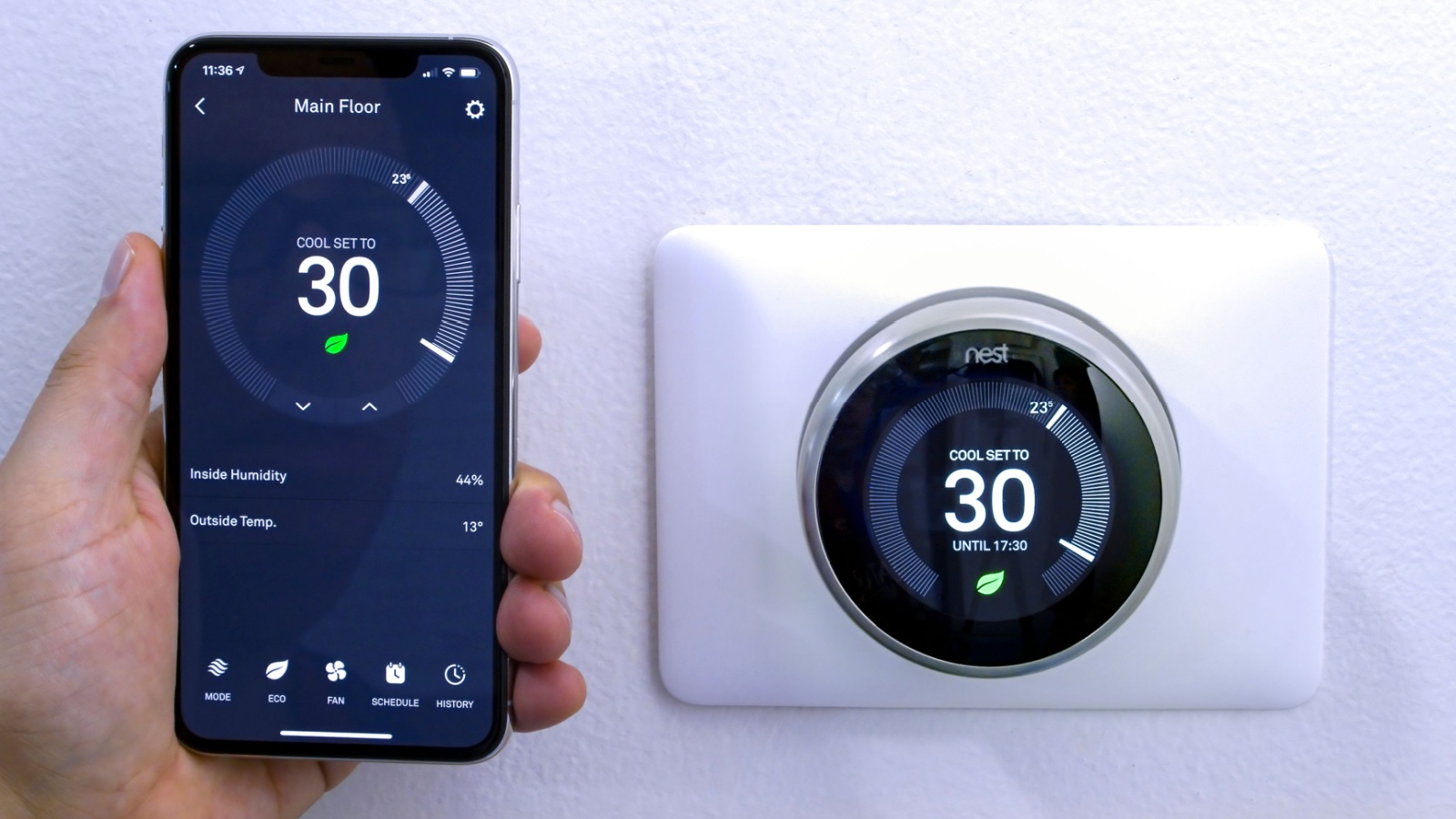
One of the costliest habits in a Canadian home is treating the thermostat as untouchable. In many households, the set point stays the same all day and all night, even when everyone is asleep or out. That approach feels simple, but it can be expensive in a country where heating dominates household energy use. In provinces with electric heating, utilities have long pointed out that even modest reductions matter. A one-degree adjustment may not feel dramatic, yet over a winter it can meaningfully reduce consumption.
The bigger issue is psychological. Many households still think any setback will make the furnace or baseboards “work harder later,” wiping out savings. That is not how properly functioning systems generally behave. Temporary setbacks still reduce the amount of time heat runs. Smart thermostats make this easier by automating the schedule, which matters because consistency is usually where savings are won or lost. In a higher-cost energy environment, constant comfort becomes a luxury setting, not a default one.
2. Heating the Entire Home Like Every Room Is Occupied
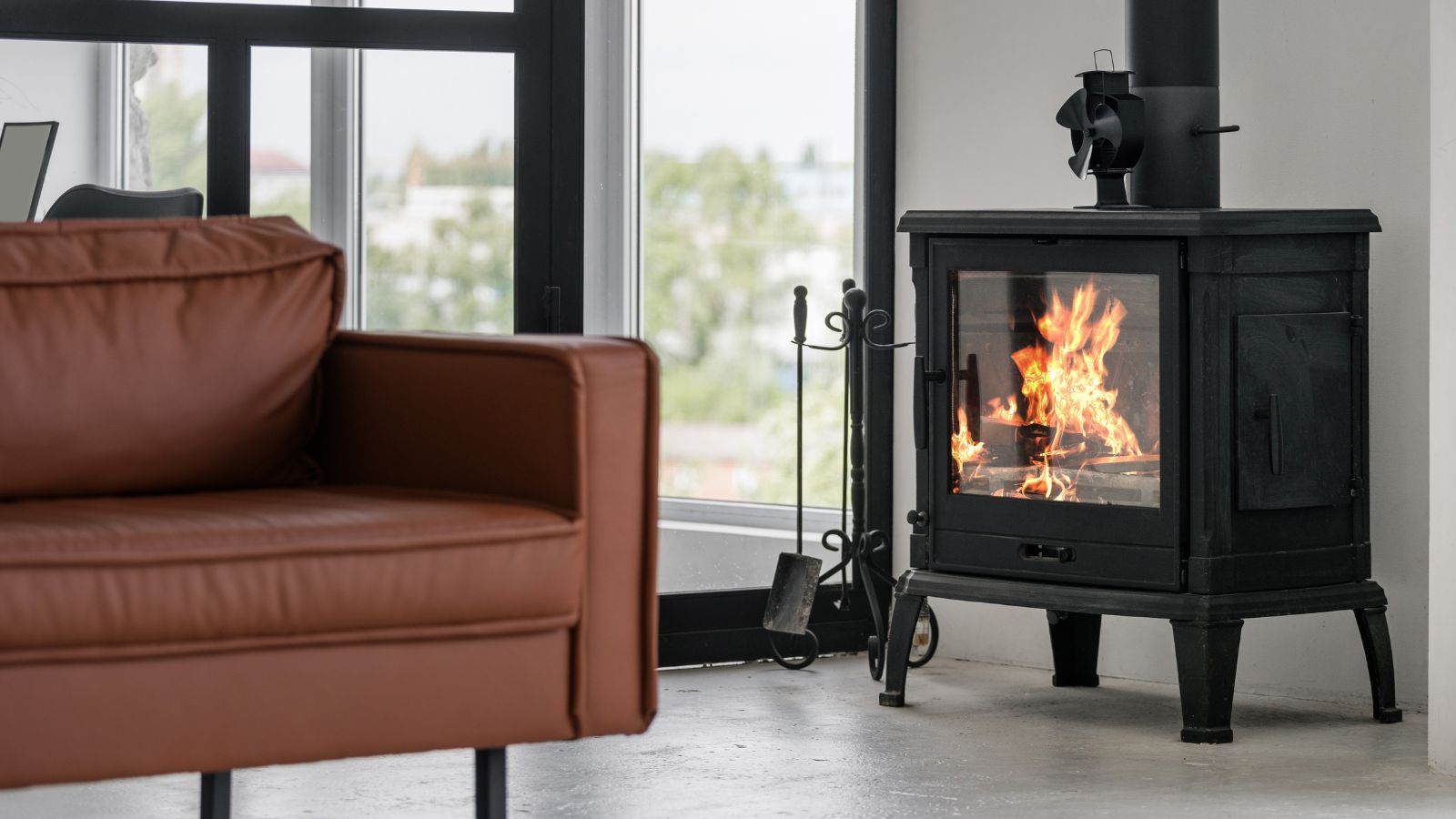
Canadians often pay to heat guest rooms, storage-heavy basements, spare offices, and corners of the home that barely get used. That habit is understandable when rates feel manageable, but it becomes much harder to justify when energy prices rise. Many homes still operate as if every square foot needs living-room comfort from morning to night. In practice, that means money is being spent to warm closed doors, unused beds, and storage boxes.
This habit is especially costly in larger detached homes, where “just leaving everything on” feels easier than zoning or adjusting room-by-room. Yet utilities regularly recommend lowering the temperature in unused rooms and closing doors, precisely because the alternative is wasteful. The same logic applies to finished basements and bonus rooms that only see occasional use. When energy costs surge, the households that adapt fastest are usually the ones that stop heating for the floor plan they own and start heating for the life they actually live.
3. Ignoring Drafts, Leaks, and Easy Air-Sealing Fixes

A surprising number of homes bleed heat through small gaps that owners have learned to live with. Drafty windows, worn weatherstripping, leaky doors, attic penetrations, and unsealed utility openings rarely create a crisis, but they can create a steady stream of unnecessary spending. That is what makes this habit so expensive: it feels minor while operating every single day. In older homes especially, air leakage can represent a meaningful share of heat loss, and the bill keeps running whether anyone notices the draft or not.
There is also a tendency to treat air sealing as a “real renovation” problem, when many of the first fixes are basic maintenance. Caulking, weatherstripping, window film, and targeted sealing are not glamorous, but they often deliver comfort and savings faster than people expect. In cold climates, even a home that looks solid from the street can behave like it has a window cracked open all winter. If energy costs spike, ignoring air leaks stops being a quirk of an older Canadian house and starts becoming a direct financial choice.
4. Reaching for Space Heaters as the Easy Answer
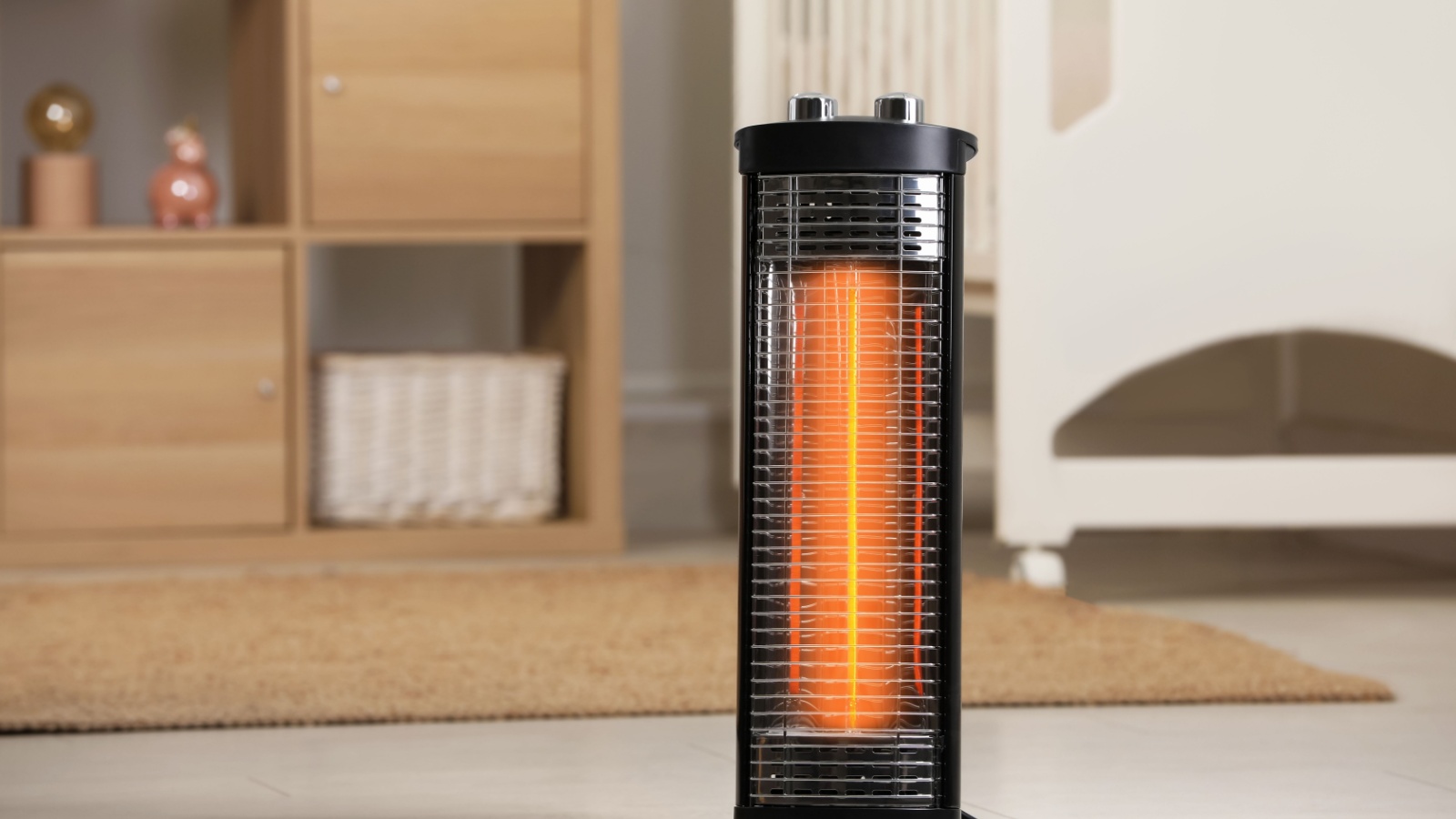
Portable space heaters are one of the most common energy coping tools in Canada, especially in drafty bedrooms, basement offices, or homes where one area never seems warm enough. The problem is that they often become a permanent workaround instead of a short-term fix. A heater under the desk or beside the couch feels small and manageable, so households underestimate how often it runs and how much electricity it consumes over time.
That habit gets even more expensive when the heater is being used to patch over a deeper issue, such as poor insulation, air leaks, or a badly managed central system. Utilities have warned that a portable space heater can use as much electricity as a baseboard heater while heating far less effectively. In other words, it can become a high-cost comfort crutch. When energy is cheap, that may be tolerated. When prices rise sharply, using plug-in heat as a daily habit can look less like convenience and more like paying premium rates for a mediocre solution.
5. Treating Hot Water Like an Unlimited Utility
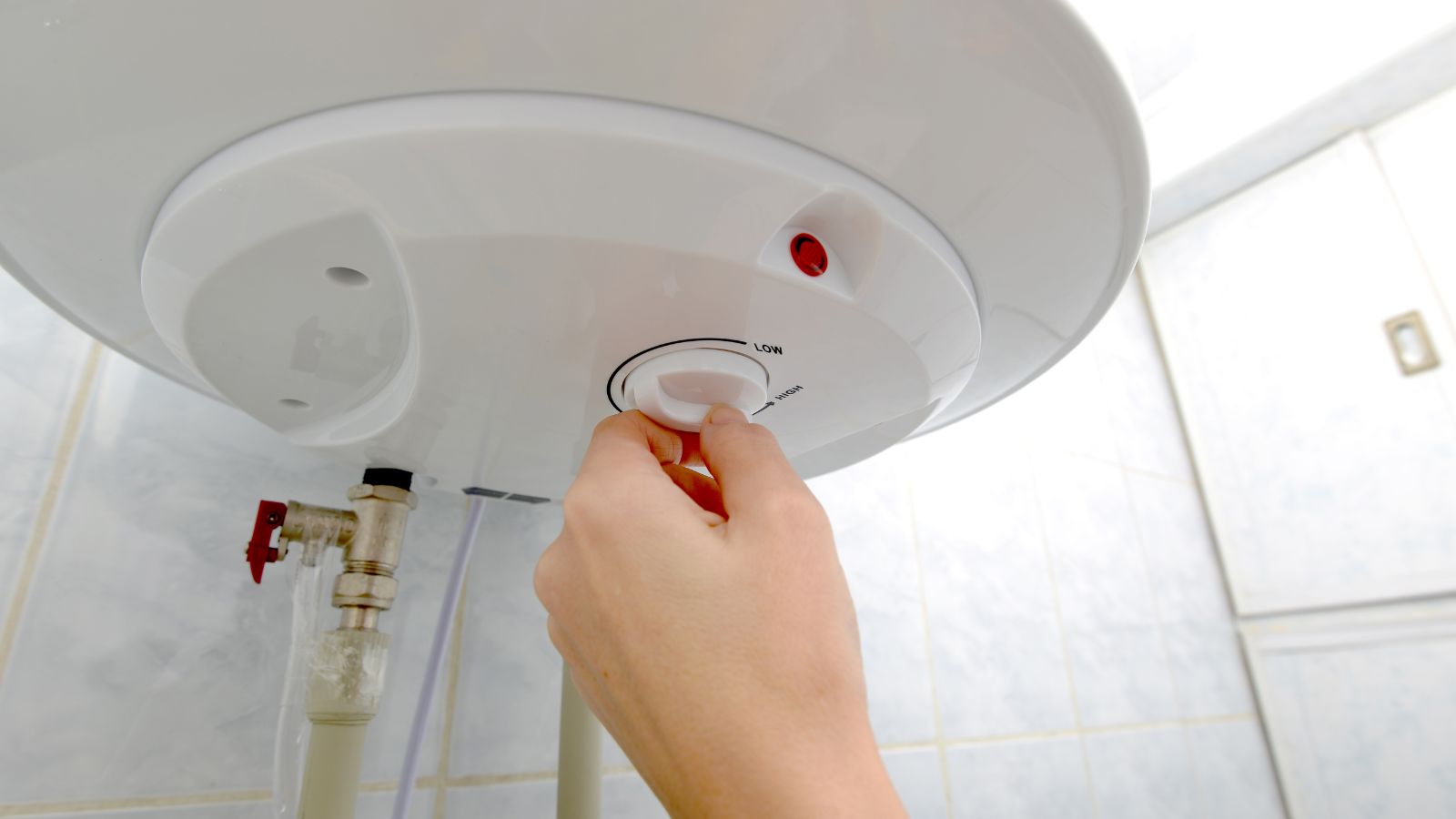
Many households still think of hot water as a comfort service rather than a major energy expense. That mindset is costly because domestic water heating is one of the biggest energy users in a Canadian home, sitting right behind space heating in many cases. The moment hot water is treated as endless, small wasteful actions multiply: letting taps run too long, rinsing unnecessarily with hot water, leaving high tank temperatures unexamined, and ignoring fixture efficiency.
The financial impact is easy to miss because it is spread across dozens of tiny moments. A few extra minutes here, a hotter setting there, and the bill rises without a single dramatic change in lifestyle. This is also why water-saving hardware matters more than many people assume. If a household is using hot water generously in bathrooms, kitchens, and laundry, the water bill and energy bill are both being pushed upward. In a higher-cost environment, hot water stops being background utility and starts behaving like a premium product that needs to be managed deliberately.
6. Choosing Long Showers and Baths Without Thinking About the Cost

Shower and bath habits are where home energy use becomes personal. People tend to defend them because they feel tied to comfort, stress relief, and routine. But long showers and frequent baths can be a quiet budget leak, especially in electrically heated homes or homes with heavy water-heating loads. The issue is not one shower. It is the repeated assumption that a few extra minutes never matter. Over weeks and months, they do.
Utilities have published a blunt comparison that makes the point clearly: a half-filled bathtub can use roughly 120 litres of hot water, which is more than a typical seven-minute shower. Low-flow showerheads can also reduce hot water use significantly without making the experience miserable. That changes the math for households that still equate “full pressure” with normal living. In a period of rising energy costs, comfort routines come under review fast. Long, thoughtless hot-water use is often one of the first habits that starts to feel overpriced.
7. Doing Small Laundry Loads in Warm or Hot Water
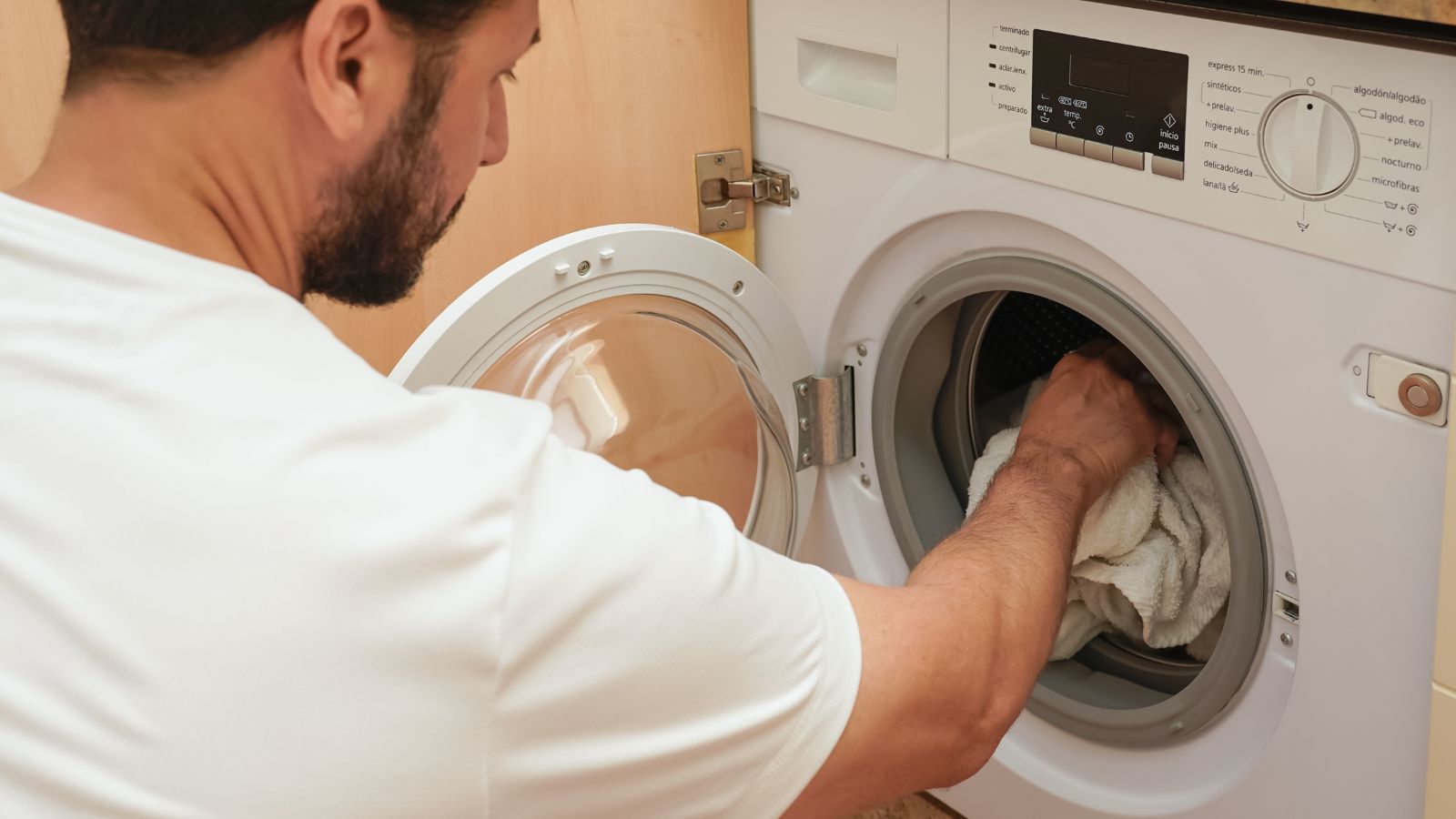
Laundry is where convenience often beats logic. Many households run loads that are only half full because someone needs a specific outfit, towels are piling up, or the machine is nearby and easy to use. Add warm or hot water to that habit and the cost rises again, because a meaningful part of laundry energy use is tied to heating water. That makes frequent small loads one of the least efficient ways to wash clothes.
Cold-water detergents and improved machine performance have made the old assumption that warm water cleans better much less convincing for routine laundry. Utilities and energy programs have repeatedly pointed out that cold-water washing can clean ordinary loads just as effectively, while full loads make washers operate more efficiently. The point is not that every load must be crammed or every stain handled the same way. It is that “small and warm” has become a default habit in many homes long after the technology stopped requiring it. In a high-cost energy climate, that default becomes harder to defend.
8. Using the Dryer for Everything and Letting It Run Too Long

Dryers remain one of the easiest places for habit to override judgment. Many households automatically toss every load into the dryer, regardless of fabric type, weather, indoor humidity, or whether part of the load could have air-dried quickly. The cost is not just the appliance itself. It is the habit of assuming fully machine-dried laundry is the only acceptable outcome. Once that becomes routine, loads run more often and sometimes longer than needed.
Modern dryers are better than older ones, especially models with moisture sensors that reduce overdrying. But better equipment does not eliminate wasteful behaviour. Running a dryer for every load, or selecting overly aggressive settings out of habit, still pushes consumption higher than necessary. This is especially true when the machine is used during expensive peak periods or for loads that were never very wet to begin with. In a future of higher energy costs, laundry rooms will matter more than many Canadians expect. The expensive habit is not owning a dryer. It is treating it like the only finishing step clothes can ever have.
9. Cooking Small Meals With a Full-Size Oven by Default
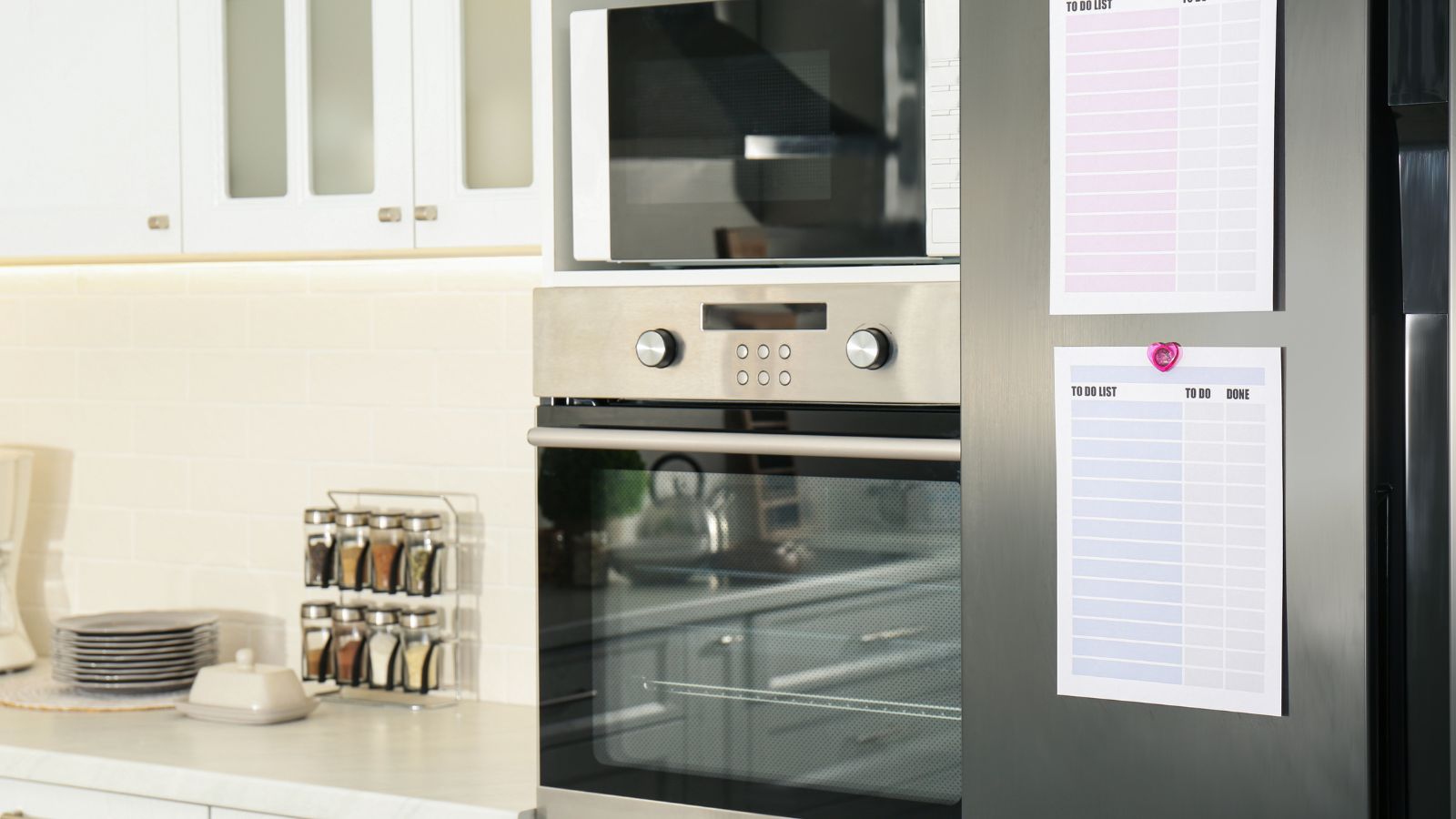
The modern kitchen has become more efficient, but household habits have not always kept pace. Many people still default to the full-size oven or multiple stove elements for meals that could be handled more cheaply with a microwave, toaster oven, kettle, pressure cooker, or air fryer. That routine feels normal because the oven is central and familiar. Yet for small meals, reheating, and simple weeknight cooking, it is often the least efficient option in the room.
This matters more when energy gets expensive because cooking habits are frequent and repetitive. A household may only notice the cost of heating the oven once in a while, but doing it again and again for minor tasks can add up. Utilities have been clear that smaller appliances generally use much less electricity than a conventional oven, and microwaves can use far less electricity for reheating. In practical terms, that means the expensive part is often not the recipe. It is the cooking tool selected out of habit. In a tougher energy market, convenience starts favouring the smaller appliance, not the bigger one.
10. Preheating Everything and Ignoring Efficient Cooking Modes
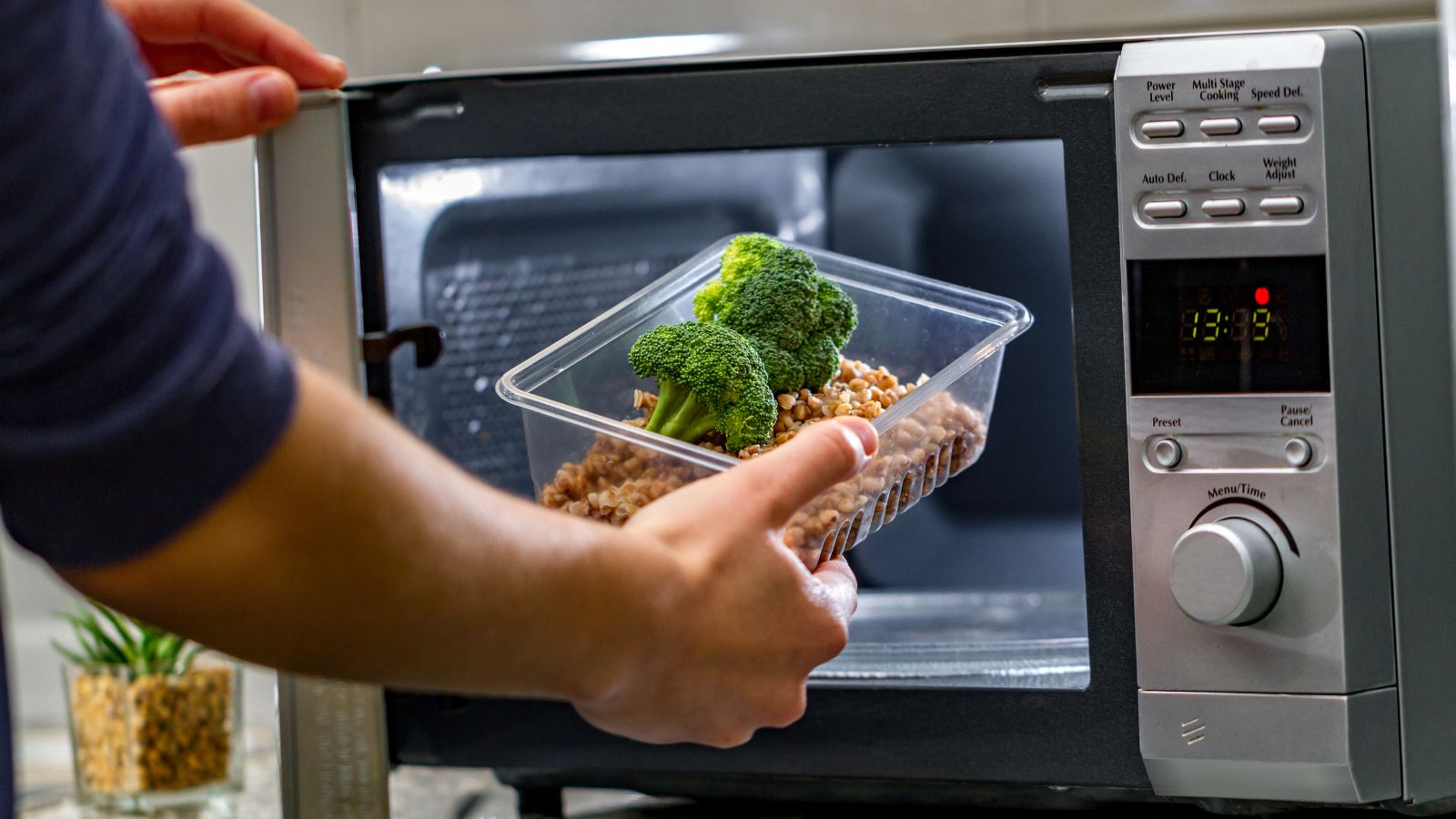
Another expensive kitchen habit is treating preheating as mandatory for every meal. For baking, it often matters. For many other cooking tasks, it does not. Yet households frequently preheat the oven automatically because that is how they were taught to cook, not because the food actually requires it. That creates a layer of energy use that feels invisible because it happens before cooking even begins.
The same goes for ignoring convection settings or other efficiency features already built into modern appliances. Convection cooking can reduce cooking time because the heated air moves around the food more effectively, but many households leave the feature untouched and keep cooking as if every oven were the same as one from years ago. This is a classic example of a modern appliance being used with yesterday’s habits. When energy costs are low, that rarely gets attention. When energy costs rise, preheating by reflex and ignoring more efficient modes turns into a steady tax on everyday meals.
11. Keeping a Second Fridge or Oversized Freezer Out of Habit

The extra fridge in the garage or basement is one of the most familiar Canadian convenience habits. It is often justified by bulk buying, entertaining, or “just having the space.” Sometimes it is useful. Sometimes it mostly stores drinks, old condiments, and a freezer drawer full of forgotten food. The problem is that refrigeration is not occasional. It is a 24/7 expense. A lightly used second unit still runs all day, every day, even when the family barely thinks about it.
Size and design matter too. Larger refrigerators generally consume more energy, and freezer configuration affects efficiency. That means households can end up paying more simply because they kept an older spare unit or bought more cold storage than they realistically needed. In a period of rising electricity prices, “nice to have” cold storage becomes an easy place to trim waste. The question shifts from whether a second fridge is convenient to whether the contents inside it actually justify the ongoing cost of keeping another box cold around the clock.
12. Letting Standby Power Quietly Build in Every Room
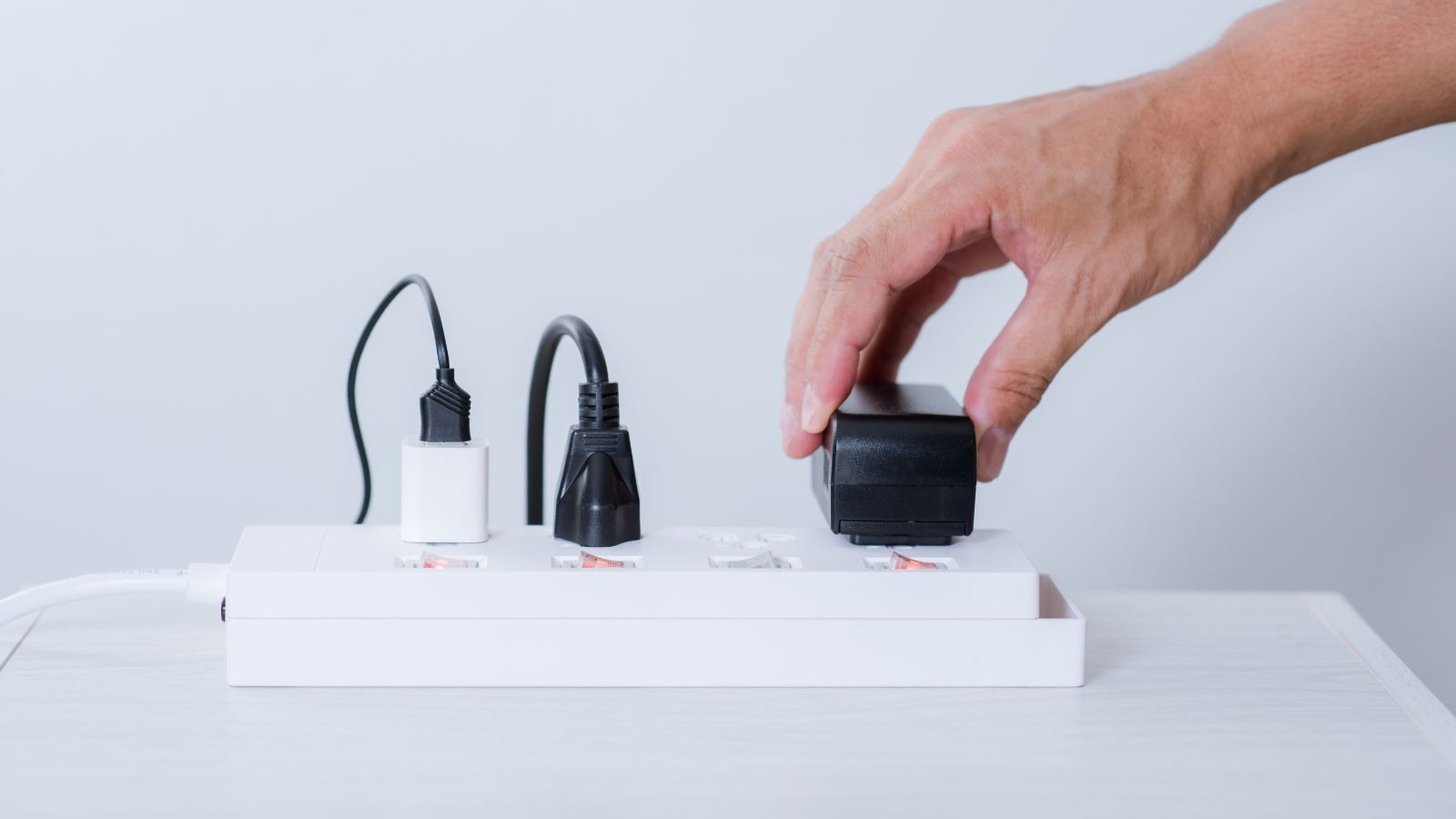
Standby power is one of the least dramatic habits on this list, which is exactly why it survives. No one notices the cost of a glowing cable box, sleeping game console, dormant printer, always-ready soundbar, or charger left plugged in by itself. Each device seems trivial. The problem is scale. Modern homes can accumulate dozens of tiny always-on draws that never feel urgent enough to fix, even though together they meaningfully raise electricity use.
This habit tends to grow in households with multiple TVs, smart speakers, monitors, streaming boxes, and child-focused devices scattered across bedrooms and rec rooms. Some utilities have noted that certain electronics can use more electricity on standby than people expect, especially when they are “off” only in a casual sense. That is why power bars, auto-shutoff devices, and basic unplugging habits matter. In a lower-cost environment, phantom loads are an annoyance. In a higher-cost one, they become a reminder that convenience often comes with a subscription fee hidden inside the electricity bill.
13. Waiting Too Long to Switch Old Bulbs to LEDs
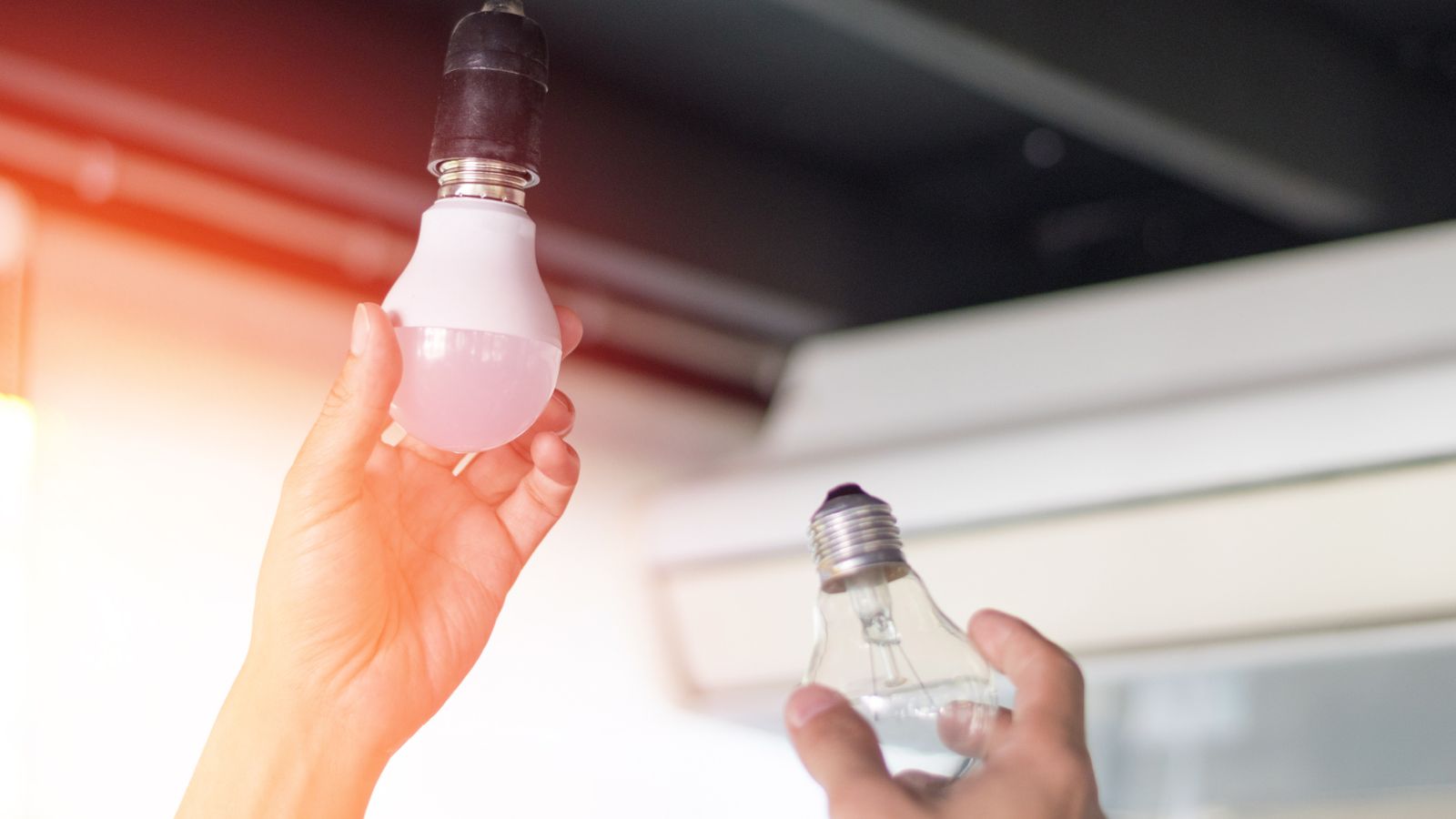
Lighting no longer dominates household energy use the way it once did, but hanging onto outdated bulbs is still a bad habit when energy prices rise. The strongest case for LEDs is not abstract environmental virtue. It is straightforward economics. Modern LED bulbs deliver major efficiency improvements and far longer lifespans than incandescent lighting, which means households save both electricity and replacement costs over time.
The reason this habit persists is familiar: the old bulb still works, so replacing it feels unnecessary. Yet in homes where lights are used heavily in kitchens, hallways, exterior fixtures, and family spaces, that logic can get expensive. LEDs also run cooler, which is an added benefit in warmer months or enclosed fixtures. When energy bills feel tolerable, old bulbs can linger for years. When costs climb, delayed upgrades suddenly look like a string of small bad decisions that were allowed to compound. Lighting may not be the biggest line on the bill, but it is one of the easiest places to stop wasting money fast.
14. Driving Alone for Trips That Have Obvious Alternatives

Energy costs are not just a home issue. They also live in the driveway. Canadian commuting data still show an overwhelming reliance on private vehicles, and most car commuters drive alone. That means many households are structurally exposed to fuel price spikes, even before discretionary driving is counted. In places where transit is weak, this is partly a reality of the built environment. But not every solo trip is unavoidable, and not every errand needs a separate engine start.
The habit worth questioning is automatic car use for every routine movement: one person, one car, one destination. That can include school drop-offs that could be combined, local errands that could be batched, or short neighbourhood trips that could be walked in decent weather. In high-cost periods, households often realize they were not spending on fuel only for “important” driving. They were spending on habit, fragmentation, and convenience. For many Canadians, the biggest transportation savings do not come from buying a different vehicle first. They come from asking whether every solo trip really needed to happen the way it did.
15. Idling and Breaking Simple Errands Into Multiple Short Drives

Two transportation habits become especially expensive when fuel prices rise: letting the engine idle and making several short trips instead of one planned route. Both feel minor because neither involves a long highway drive. But fuel waste is not reserved for big mileage days. It often happens in school pickup lines, driveway warmups, coffee stops, and neighbourhood errands stitched together inefficiently across the week.
Natural Resources Canada has long warned that idling burns fuel for no useful distance gained, and that short trips are harder on fuel economy because the engine and systems may never reach their most efficient operating state. That is why trip combining matters. A single planned loop can outperform three scattered outings even if the destinations are the same. The “warm up the car for a while” habit also deserves scrutiny, especially with modern vehicles. In a period of elevated fuel costs, inefficient driving patterns stop looking like harmless Canadian routines and start looking like repeated micro-purchases that deliver almost nothing in return.
16. Ignoring Time-of-Use and Peak-Pricing Opportunities
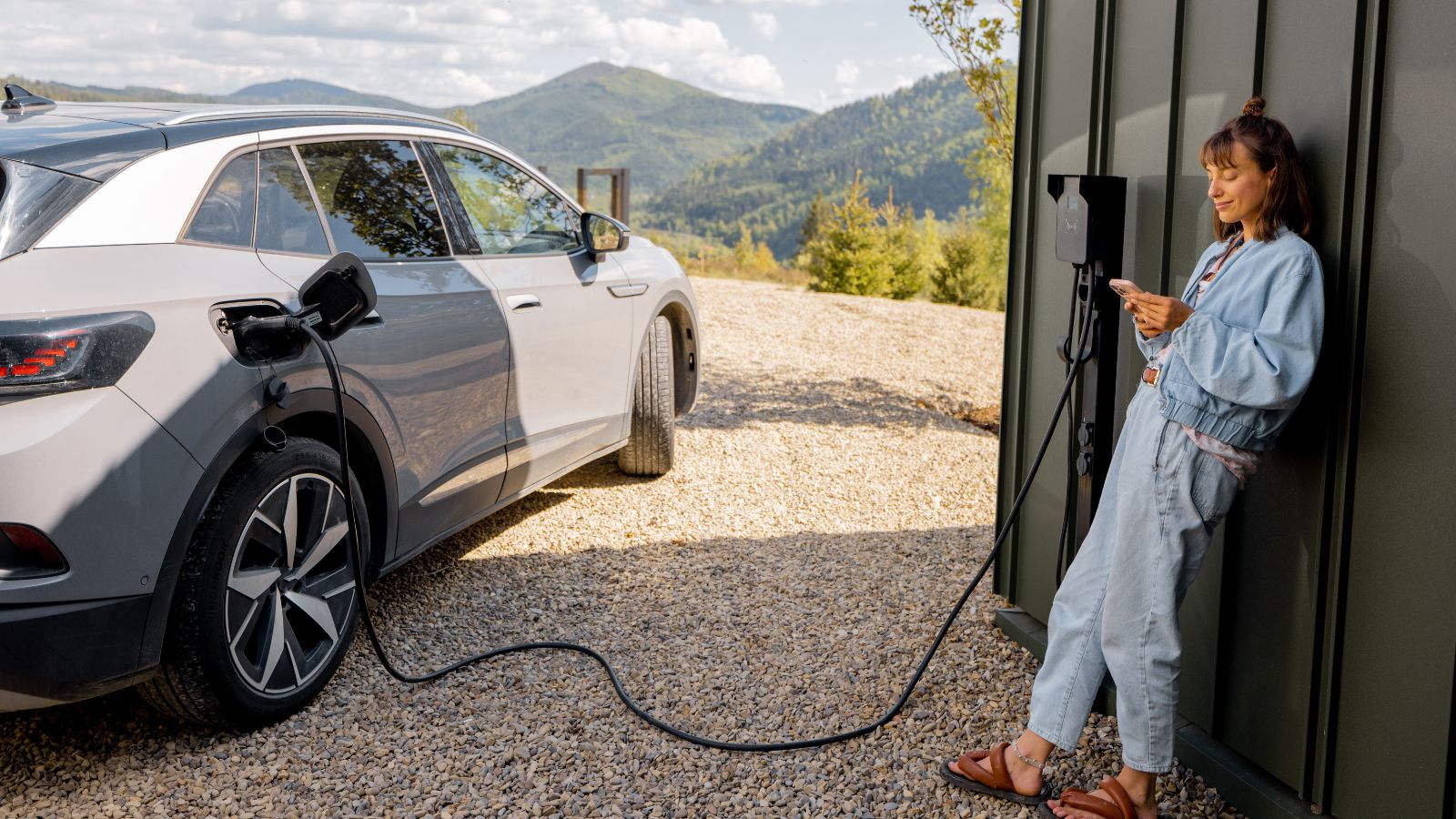
Electricity is not always priced the same way throughout the day, and more Canadians are being nudged toward plans that reward shifting demand. That is a major behavioural issue because many homes still run the dishwasher, dryer, water heating, or EV charging whenever convenient, without checking whether the timing itself is expensive. In provinces and utilities with variable pricing, the habit is not just using electricity. It is using it at the worst possible moment.
Ontario offers a clear example: ultra-low overnight prices can be far below weekday on-peak rates. Québec has also expanded dynamic pricing tools that reward households for reducing use during winter peak events. That matters because future grid pressure is likely to increase as heating and transportation electrify further. Households do not need to become energy traders. They just need to recognize that timing is now part of the bill. A dryer load at the wrong hour, an EV charge started too early, or a dishwasher cycle launched during the evening peak can turn routine electricity use into premium-priced electricity use.
17. Putting Off Efficiency Upgrades Because the Current Bill Feels “Fine”
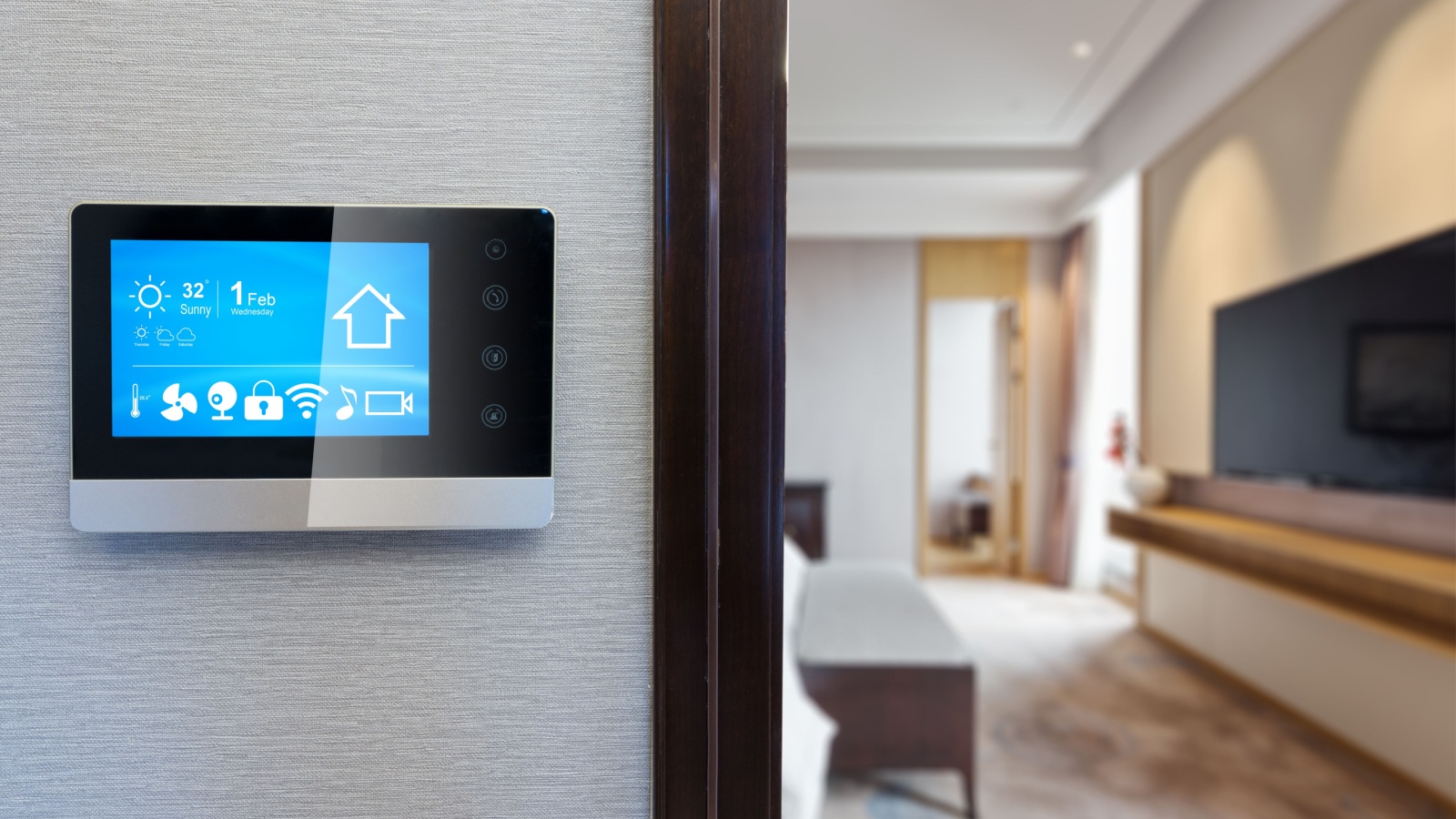
The most expensive habit may be delay itself. Many Canadians postpone insulation work, window improvements, thermostat upgrades, heat-pump decisions, or equipment replacements because the current system still functions. That is understandable. Efficiency work rarely feels urgent when the lights are on and the house is warm enough. But once energy costs rise, the families who delayed useful upgrades often find themselves locked into higher ongoing costs with fewer quick fixes available.
The timing matters because rebate and retrofit programs can change the economics significantly. Canada now has affordability-focused retrofit support in some streams, and heat-pump incentives remain part of the conversation for eligible households. Even when a full renovation is unrealistic, smaller improvements can still reduce exposure to future price swings. The old habit is waiting until a breakdown forces a rushed decision. The smarter approach is using stable periods to improve the home before the next cost shock arrives. In a higher-price world, procrastination is not neutral. It is a habit that compounds.
19 Things Canadians Don’t Realize the CRA Can See About Their Online Income

Earning money online feels simple and informal for many Canadians. Freelancing, selling products, and digital services often start as side projects. The problem appears at tax time. Many people underestimate how much information the CRA can access. Online platforms, banks, and payment processors create detailed records automatically. These records do not disappear once money hits an account. Small gaps in reporting add up quickly.
Here are 19 things Canadians don’t realize the CRA can see about their online income.
This Options Discord Chat is The Real Deal
While the internet is scoured with trading chat rooms, many of which even charge upwards of thousands of dollars to join, this smaller options trading discord chatroom is the real deal and actually providing valuable trade setups, education, and community without the noise and spam of the larger more expensive rooms. With a incredibly low-cost monthly fee, Options Trading Club (click here to see their reviews) requires an application to join ensuring that every member is dedicated and serious about taking their trading to the next level. If you are looking for a change in your trading strategies, then click here to apply for a membership.