35,000+ smart investors are already getting financial news, market signals, and macro shifts in the economy that could impact their money next with our FREE weekly newsletter. Get ahead of what the crowd finds out too late. Click Here to Subscribe for FREE.
As Canada moves toward peak road-trip season, the math around driving is starting to look less forgiving. On April 13, 2026, CAA’s national average gasoline price sat at 174.7 cents per litre, up sharply from 155.7 cents a month earlier, while the Canadian Energy Regulator notes that summer gasoline demand typically runs 10% to 20% above winter levels. Add in the annual switch to summer-blend fuel, which generally happens by mid-April, and many households start looking for quiet places to trim spending before costs climb further.
That does not always mean cancelling travel or parking the car entirely. Often, it means cutting back on the habits and purchases that make every kilometre more expensive than it needs to be. These 20 smart adjustments focus on the kinds of costs Canadians can actually control, from fuel choices and driving style to food stops, route planning, and convenience spending that tends to pile up when the weather gets nicer.
1. Premium Gasoline When the Vehicle Does Not Need It
20 Smart Things Canadians May Cut Back on Before Summer Driving Gets More Expensive
- 1. Premium Gasoline When the Vehicle Does Not Need It
- 2. Hard Acceleration and Last-Second Braking
- 3. Cruising Faster Than Necessary on the Highway
- 4. Long Warm-Ups and Casual Idling
- 5. Separate Short Errands That Could Be Bundled Together
- 6. Solo Commutes When a Shared Option Could Work
- 7. Using the Biggest Vehicle for Every Single Drive
- 8. Leaving Roof Racks and Cargo Boxes On Full-Time
- 9. Carrying Around a “Junk Trunk”
- 10. Ignoring Tire Pressure
- 11. Delaying Small Mechanical Fixes
- 12. Overusing Air Conditioning on Short Drives
- 13. Highway Driving With the Windows Down All the Time
- 14. Poor Route Planning and Traffic-Heavy Timing
- 15. Impulse Long-Weekend Road Trips
- 16. Daily Drive-Thru Coffees and Quick Snacks
- 17. Restaurant-Heavy Road Days
- 18. One-Item Pickup Runs
- 19. Filling Up Without Checking Prices First
- 20. Driving Without a Weekly Kilometre Budget
- 19 Things Canadians Don’t Realize the CRA Can See About Their Online Income
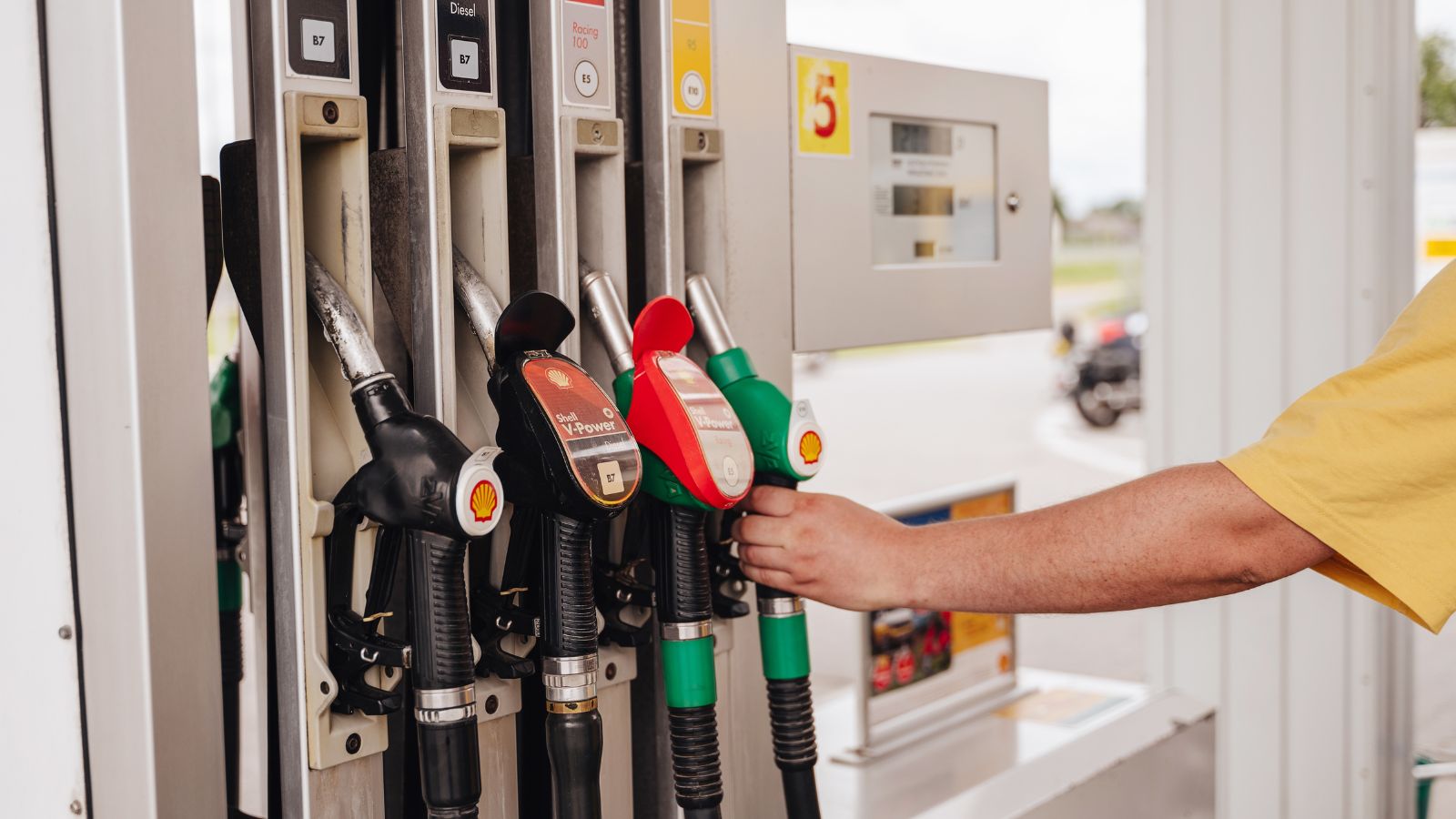
One of the easiest places to save is the pump itself. Many drivers still reach for premium because it sounds better, cleaner, or somehow safer for the engine. In reality, higher-octane fuel only delivers a clear benefit when a vehicle specifically requires it, or in some cases strongly recommends it. For a regular commuter crossover or family sedan built for regular fuel, paying more per litre can become a habit with almost no real payoff in everyday driving.
That makes premium fuel a classic “invisible” budget leak. A household might not notice the extra few dollars on one fill-up, but the pattern adds up across a spring and summer of errands, cottage drives, and weekend trips. A far smarter move is simply following the owner’s manual. For many Canadians, that means treating premium like a specialty purchase rather than a default one. When gas prices rise, this is often the first cutback that feels painless because performance rarely changes in a meaningful way.
2. Hard Acceleration and Last-Second Braking
Summer driving often feels freer, but it can also become more rushed. A green light turns into a launch, a lane opening becomes an invitation to jump ahead, and every stop sign seems to demand a fast restart. The problem is that aggressive driving is one of the fastest ways to turn fuel into waste. It also tends to create a draining style of commuting where the driver is working harder without actually arriving much sooner.
A calmer driving style pays twice. It reduces fuel use, and it lowers wear on brakes and tires at the same time. That is why drivers facing higher pump prices often cut back on “pointless urgency” before they cut back on important trips. A parent racing from school pickup to soccer practice may feel productive by driving more sharply, yet the savings often come from leaving a few minutes earlier and driving more smoothly. When every litre matters, smoother starts and gentler stops become a budget strategy, not just a safety lecture.
3. Cruising Faster Than Necessary on the Highway
There is a big difference between keeping up with traffic and treating the highway like a time trial. Once speeds rise, fuel economy usually falls fast. That makes speeding one of the most expensive summer habits because it feels efficient while quietly making every road trip cost more. On a longer Ontario drive, even a modest increase in average speed can mean noticeably more fuel burned over the day.
This is where many households start rethinking what “worth it” really means. Saving a few minutes on a cottage run may not be worth the extra money at the pump, especially when traffic, construction, or a single slowdown can wipe out the time gained anyway. A steadier pace also tends to make the vehicle feel quieter and less fatiguing on longer drives. For drivers trying to protect the family budget without giving up the season, cutting back on unnecessary speed is one of the least painful sacrifices because the trip still happens, just with fewer expensive bursts of ego.
4. Long Warm-Ups and Casual Idling
Many Canadians still leave the vehicle running longer than they need to, especially during quick stops, school pickups, or while waiting outside a store. In warmer weather, idling can become even more casual because it feels harmless. The engine is on, the A/C is running, and the stop does not seem long enough to matter. But those little stretches of idling add up, particularly across a week of short errands and commuter routines.
Cutting back here is not about making driving inconvenient. It is about treating idle time as fuel burn, because that is exactly what it is. The driver who leaves the vehicle running while grabbing a coffee, waiting for curbside pickup, or sitting outside a practice field is paying for motion without getting any. Modern vehicles do not need the kind of warm-up many people still imagine. For families trying to keep summer driving affordable, shutting the engine off during longer waits is one of the simplest habit changes available, and one of the easiest to repeat once it becomes automatic.
5. Separate Short Errands That Could Be Bundled Together

A trip to the pharmacy, then a run for groceries, then another drive for a hardware item can make a normal week feel oddly expensive. Short drives are deceptive because each one feels minor, yet three or four separate loops can consume much more fuel than a single organized outing. That is especially true when the vehicle never gets into a consistent rhythm and keeps restarting, stopping, and circling for parking.
Bundling errands is one of the smartest cutbacks because it does not require giving anything up. It simply asks for better sequencing. Many households find that one planned Saturday loop replaces four scattered weekday drives without much inconvenience. The practical version of this is familiar: groceries after soccer, pharmacy after work, bank stop on the way home. When transportation spending is already rising, cutting back on fragmented trips can have a bigger effect than people expect. It is not glamorous, but it is the kind of simple planning that keeps a summer budget from leaking at the edges.

Private vehicles still dominate commuting in Canada, and for good reason: they are often the simplest option. But that does not mean every drive has to stay single-occupancy forever. Even one or two shared commutes a week can soften the impact of higher gas prices, especially for couples with similar schedules, co-workers coming from the same direction, or households near reliable transit connections.
This is not really about becoming a full-time transit convert. It is about cutting back selectively where the math works. A driver who keeps full control of the commute three days a week may be perfectly happy to carpool the other two, particularly when summer fuel prices are elevated. In larger metro areas, mixing driving with transit or active commuting can also help dodge parking costs and congestion. The smart shift is not ideological. It is practical. If Canadians are already paying more to move around, then empty seats begin to look less like freedom and more like unused capacity.
7. Using the Biggest Vehicle for Every Single Drive

When fuel is cheap, households are less likely to think twice about which vehicle gets used. When costs rise, that default starts to look expensive. A larger SUV, pickup, or minivan may be the right tool for a family trip, a cottage haul, or sports gear, but it is not always the smartest choice for a solo grocery run or a quick coffee stop. Weight matters, and heavier vehicles generally need more energy to move.
This is why some families quietly become more strategic in spring and summer. The larger vehicle stays available for the jobs that actually require it, while the smaller car handles the everyday kilometres. In a two-car household, that one decision can meaningfully reduce fuel use without changing anyone’s lifestyle in a dramatic way. Even in a one-vehicle home, the same principle still helps at the buying stage: before summer driving gets pricier, many Canadians start asking whether every trip really needs the largest, thirstiest option in the driveway.
8. Leaving Roof Racks and Cargo Boxes On Full-Time
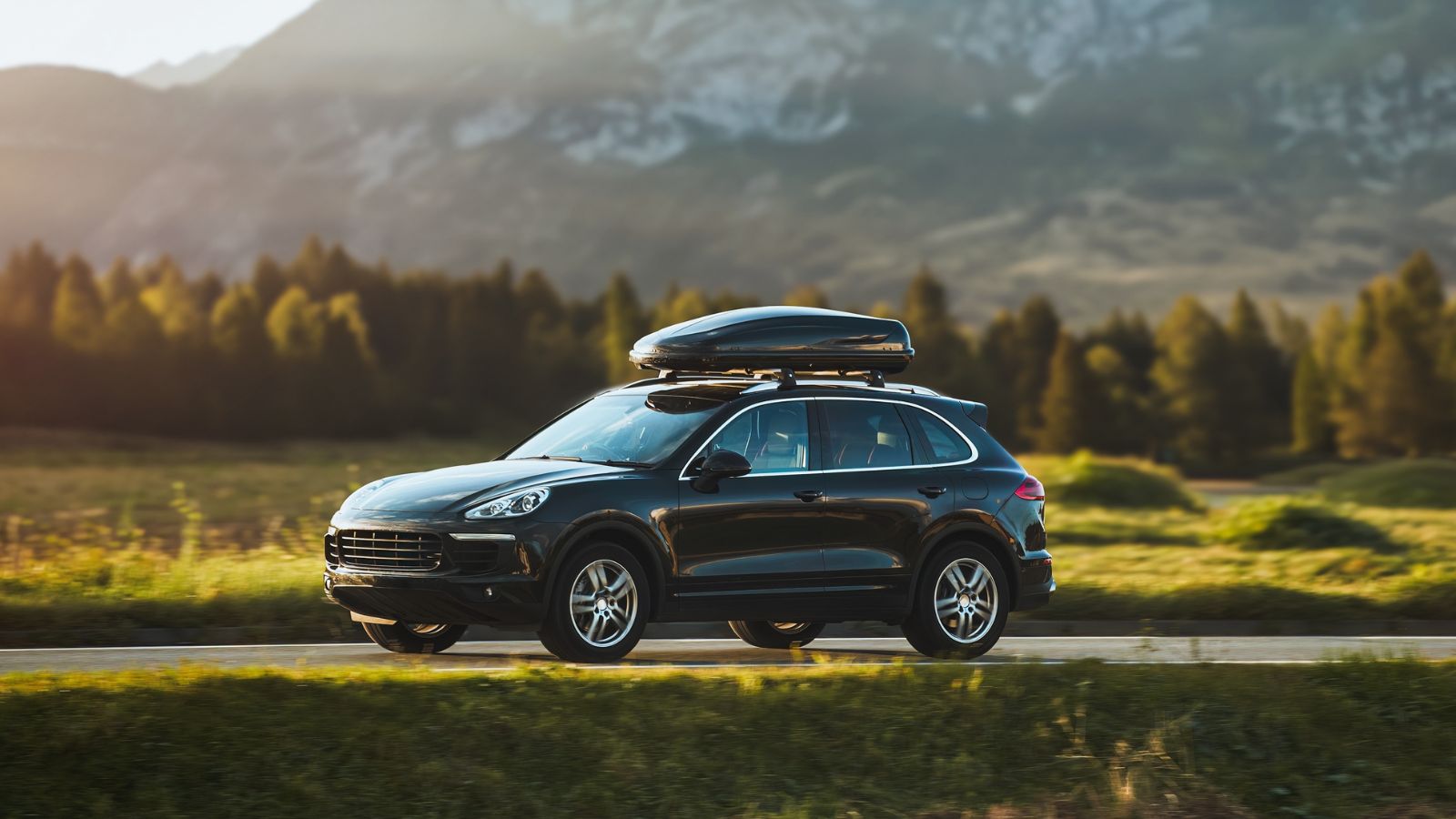
Roof racks, bike trays, and cargo boxes are useful, but they are also easy to forget about once installed. That creates a common summer habit: driving around for weeks with an empty rack or box cutting through the air like a permanent tax on fuel economy. Because the vehicle still feels normal, the added drag often goes unnoticed until fuel bills start to sting.
The savings here are surprisingly straightforward. If the rack is not needed for the workweek, take it off. If the cargo box is only for one cottage weekend, remove it after the trip instead of carrying it around town until August. This is one of those cutbacks that feels almost too simple to matter, yet it targets a real source of wasted efficiency. It also fits the season well. Summer is when Canadians are most likely to load bikes, kayaks, or luggage on the roof, and that is exactly when higher demand and higher fuel costs can make the penalty feel bigger.
9. Carrying Around a “Junk Trunk”
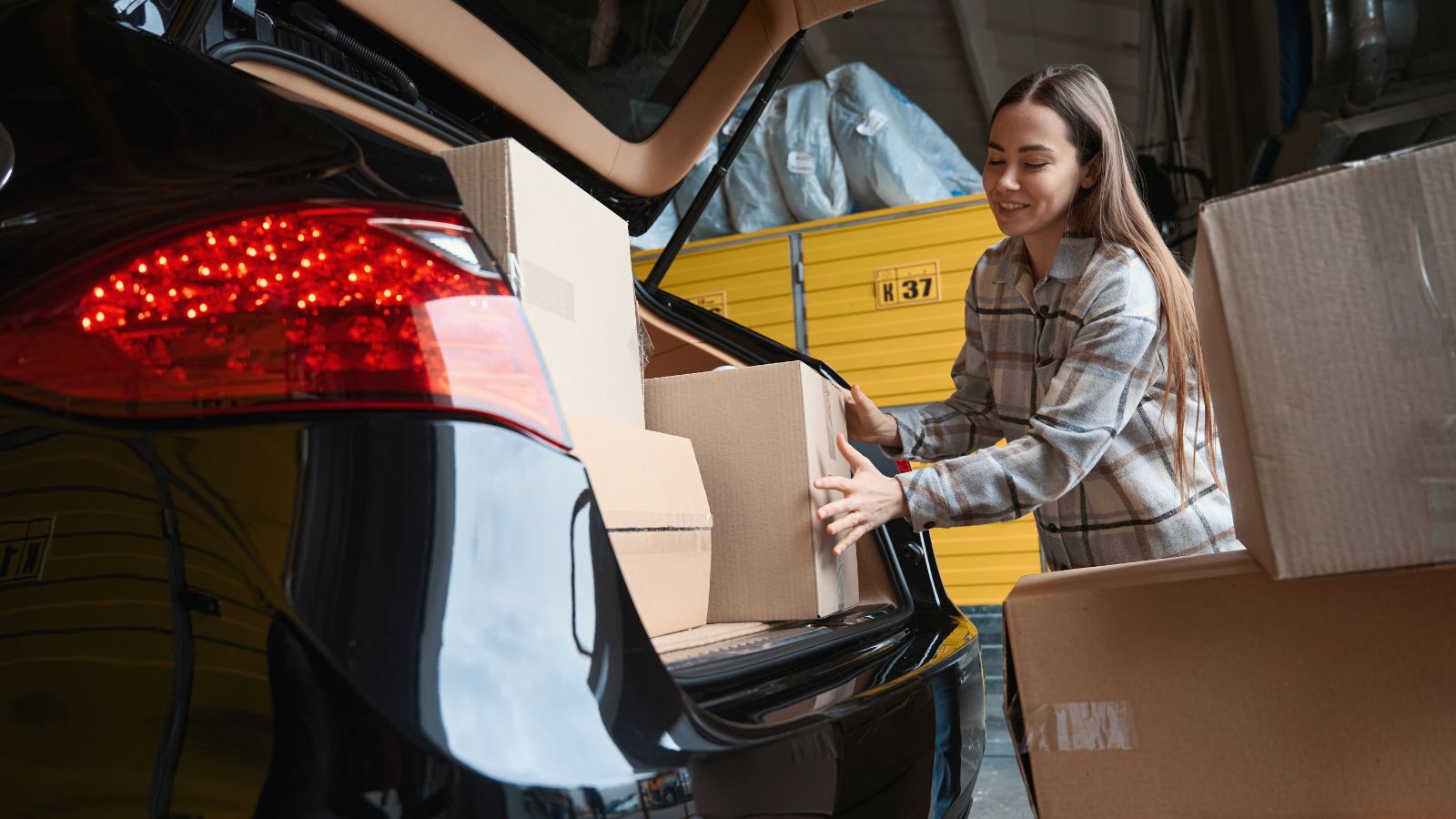
Many vehicles become rolling storage lockers by June. There might be winter gear that was never removed, golf shoes that have not been used in weeks, a stroller nobody needs for this trip, or tool bags that only made sense months ago. Each item feels small on its own, but together they add unnecessary weight to every drive, including the boring daily kilometres that make up most fuel use.
Cutting back on that clutter is a quiet money saver because it asks for one cleanup rather than constant discipline. A 20-minute reset in the driveway can eliminate a season’s worth of dead weight. The effect is often stronger in smaller vehicles, where extra pounds represent a larger share of the car’s total load. It also changes how the car feels: less crowded, less chaotic, and easier to pack intentionally for the next outing. When the goal is to keep summer driving costs from creeping upward, carrying less is one of the few strategies that works before the key even turns.
10. Ignoring Tire Pressure
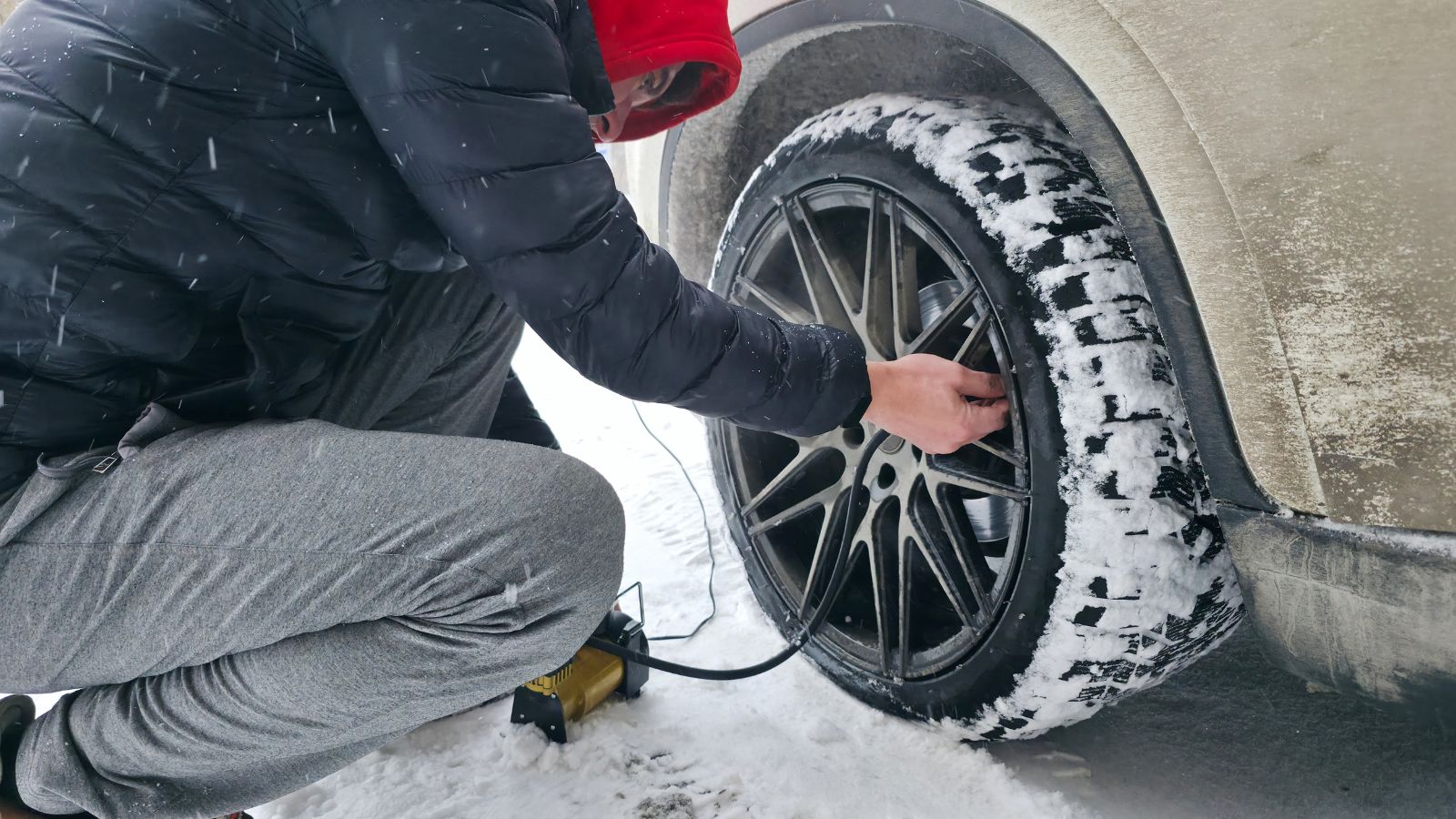
Tire pressure is the kind of detail drivers know matters but often postpone. That delay gets expensive. Underinflated tires increase rolling resistance, which means the engine has to work harder to keep the vehicle moving. They also wear out faster, so the cost is not limited to fuel. In a season when people drive more often and take longer trips, neglecting tire pressure is a small oversight with outsized consequences.
This is one of the smartest cutbacks because it really means cutting back on neglect. A quick monthly check can protect both fuel economy and tire life. It is also a good example of how summer budgets get shaped by maintenance, not just by gas station receipts. A family planning several highway weekends may save more by checking pressure than by obsessing over one cheap fill-up. When higher fuel prices meet hot pavement and heavier vacation loads, properly inflated tires stop being a minor maintenance task and start looking like part of the travel budget itself.
11. Delaying Small Mechanical Fixes
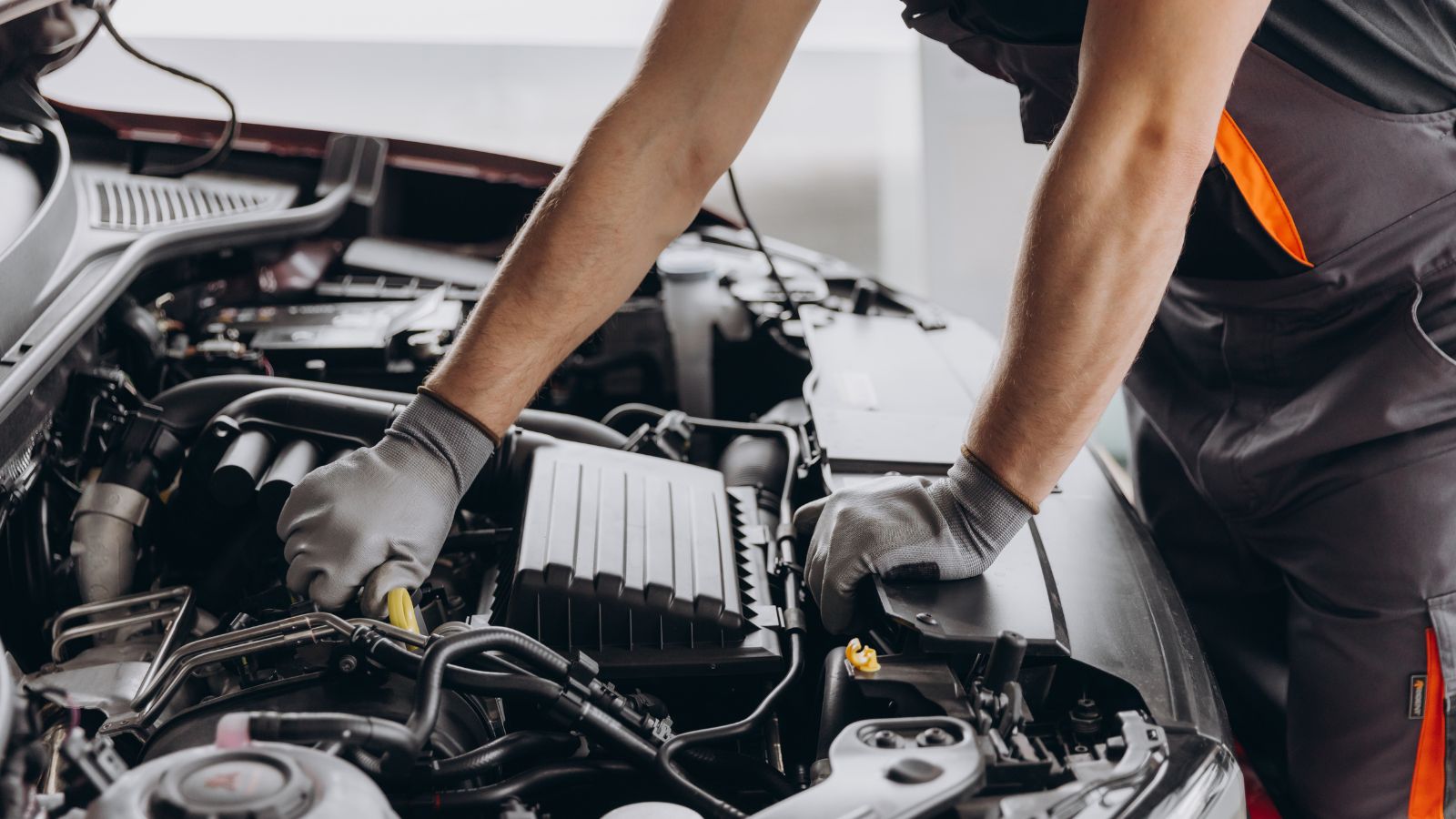
A check-engine light, dragging brake, rough idle, or overdue service appointment often gets pushed aside when the car still seems usable. The danger is that “usable” is not the same thing as efficient. Mechanical issues can quietly raise fuel consumption long before they force a repair. That makes delayed maintenance one of the more expensive forms of procrastination, especially during high-mileage months.
The smartest households tend to cut back on deferred problems before they cut back on meaningful summer plans. Fixing a nagging issue can be less painful than paying for inefficient driving all season and then facing a larger repair later. There is also a psychological benefit: a vehicle that runs properly is easier to trust on longer drives, which reduces the temptation to overcompensate with constant top-ups, anxious idling, or extra route padding. When driving costs are under pressure, a well-maintained car is not just safer and more reliable. It is often cheaper to live with, kilometre by kilometre.
12. Overusing Air Conditioning on Short Drives
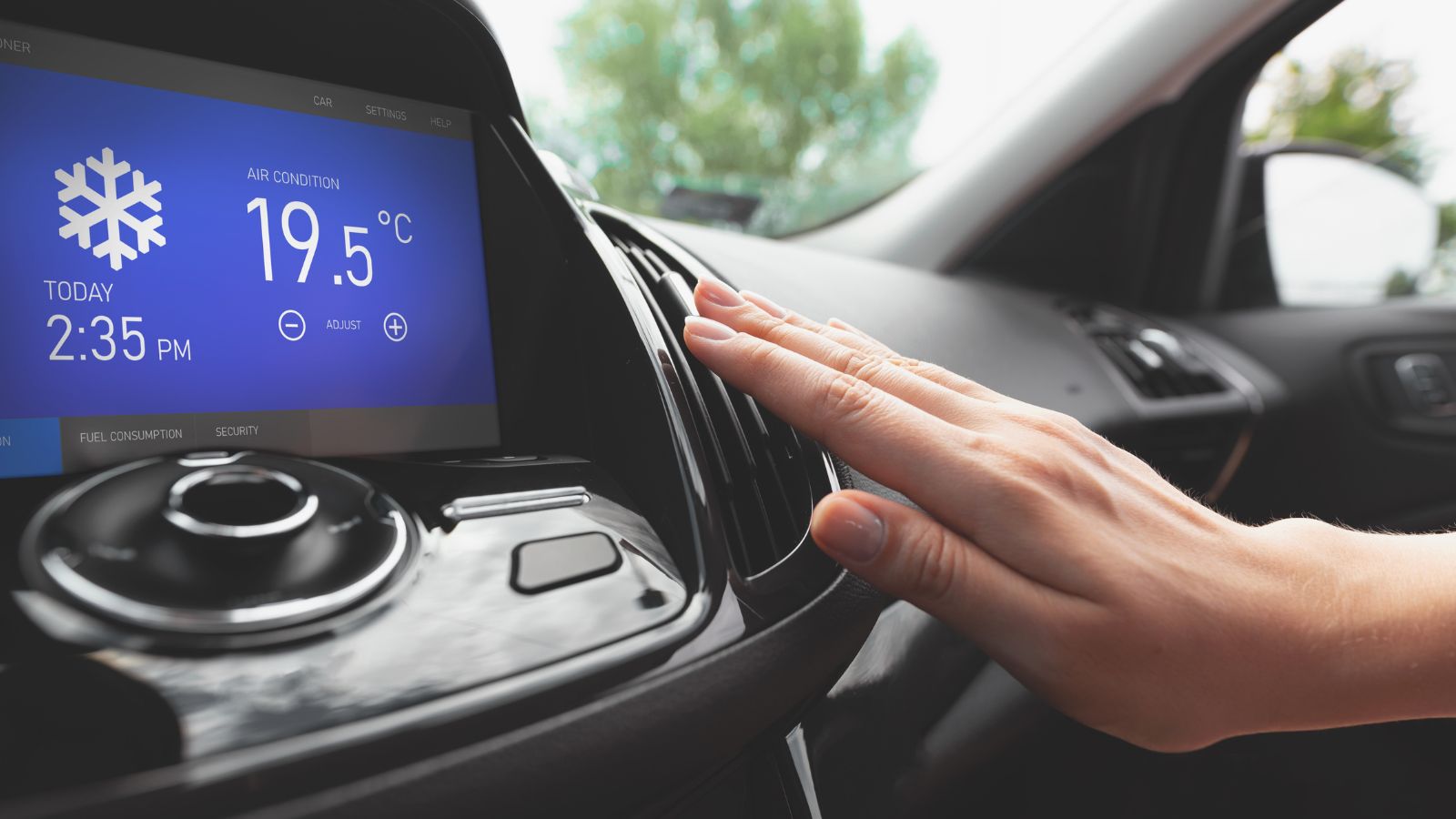
Nobody wants to suffer through a sweltering car in July, and there is no reason to turn cooling into a test of character. But there is a difference between using air conditioning sensibly and running it harder than needed on every short trip. On quick drives, especially in stop-and-go traffic, the fuel penalty from heavy A/C use can be more noticeable than many drivers realize.
That is why some Canadians cut back on A/C excess rather than A/C itself. Parking in the shade, cracking the windows briefly, or using recirculation after the cabin cools can make a real difference without making the ride miserable. The same goes for avoiding a habit many people fall into: sitting parked with the A/C blasting before they even leave. Smart summer driving is usually about moderation, not deprivation. A cooler cabin still matters, particularly for kids, older passengers, and pets, but the most economical approach is usually getting moving first and then cooling the vehicle efficiently.
13. Highway Driving With the Windows Down All the Time

Rolling the windows down feels like the spirit of summer, and at city speeds it can be a sensible alternative to running the A/C constantly. On the highway, though, that habit becomes more costly. Open windows increase aerodynamic drag, and the faster the vehicle goes, the more that drag starts working against fuel economy. The carefree feeling is real, but so is the extra resistance.
This does not mean Canadians need to seal themselves into an air-conditioned box all season. It just means matching the habit to the speed. Around town, open windows can make sense. On longer highway runs, especially in a loaded family vehicle, switching to a more efficient cooling approach is often the better trade. Small choices like this are where disciplined drivers quietly pull back ahead of summer. They are not necessarily driving less. They are just spending less on the unnecessary friction, literal and financial, that comes from using the wrong comfort strategy for the wrong kind of trip.
14. Poor Route Planning and Traffic-Heavy Timing
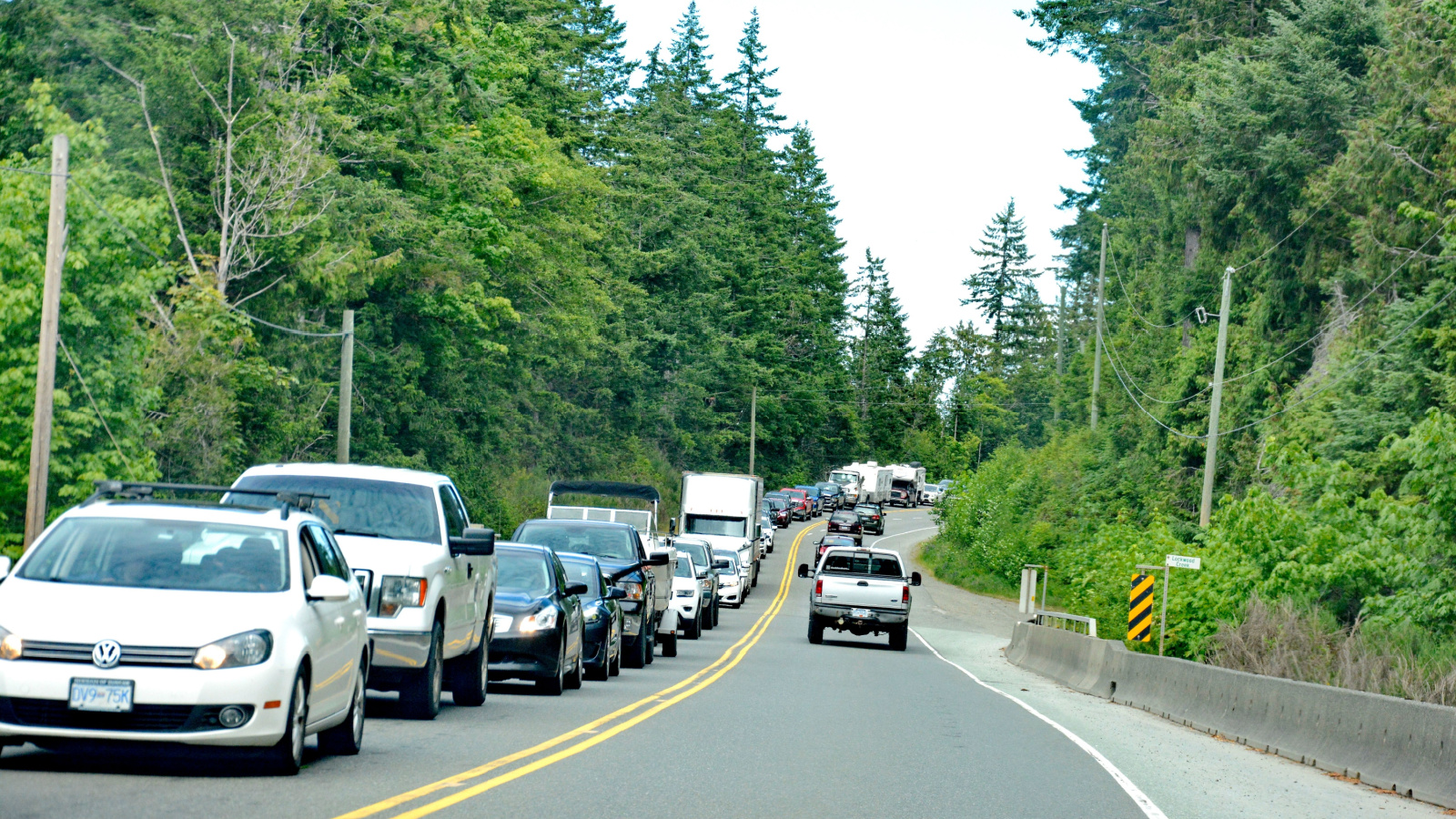
One of the costliest summer habits has nothing to do with how a vehicle is driven and everything to do with when and where it is driven. A bad route can mean extra kilometres, more stops, more idling, and more time crawling through congestion. Many people still leave with only a vague idea of the trip and then let construction, rush hour, or event traffic dictate the final cost.
A smarter approach is not obsessive micromanagement. It is basic route discipline. Check traffic before leaving, group stops logically, and avoid the times when the route is predictably awful. In major Canadian metro areas, where commute times are already elevated, that kind of planning can save both fuel and patience. The difference between a smooth run and a congested one is not always dramatic on a single day, but across a whole summer it adds up. Drivers who plan even a little better often discover that the cheapest kilometres are the ones spent moving steadily instead of inching forward with the engine on and the destination still not getting any closer.
15. Impulse Long-Weekend Road Trips

There is nothing wrong with a spontaneous escape, but impulse road trips get pricier when they land right in the middle of peak demand. Summer driving season brings more vehicles onto the road, fuller gas stations, busier restaurants, and tighter accommodation pricing in popular destinations. The trip that felt casual on Thursday afternoon can look very different by Saturday morning once the fuel, food, and extra stops are tallied up.
That is why some Canadians cut back not on travel itself, but on unplanned travel. A day trip may become a nearby beach instead of a four-hour drive. A cottage weekend may get booked with a clearer food plan and fewer separate vehicles. A family that still wants the escape may simply leave earlier or choose one meaningful trip instead of several half-planned ones. The goal is not to make summer feel smaller. It is to avoid paying peak-season prices for trips that were never thought through properly in the first place.
16. Daily Drive-Thru Coffees and Quick Snacks
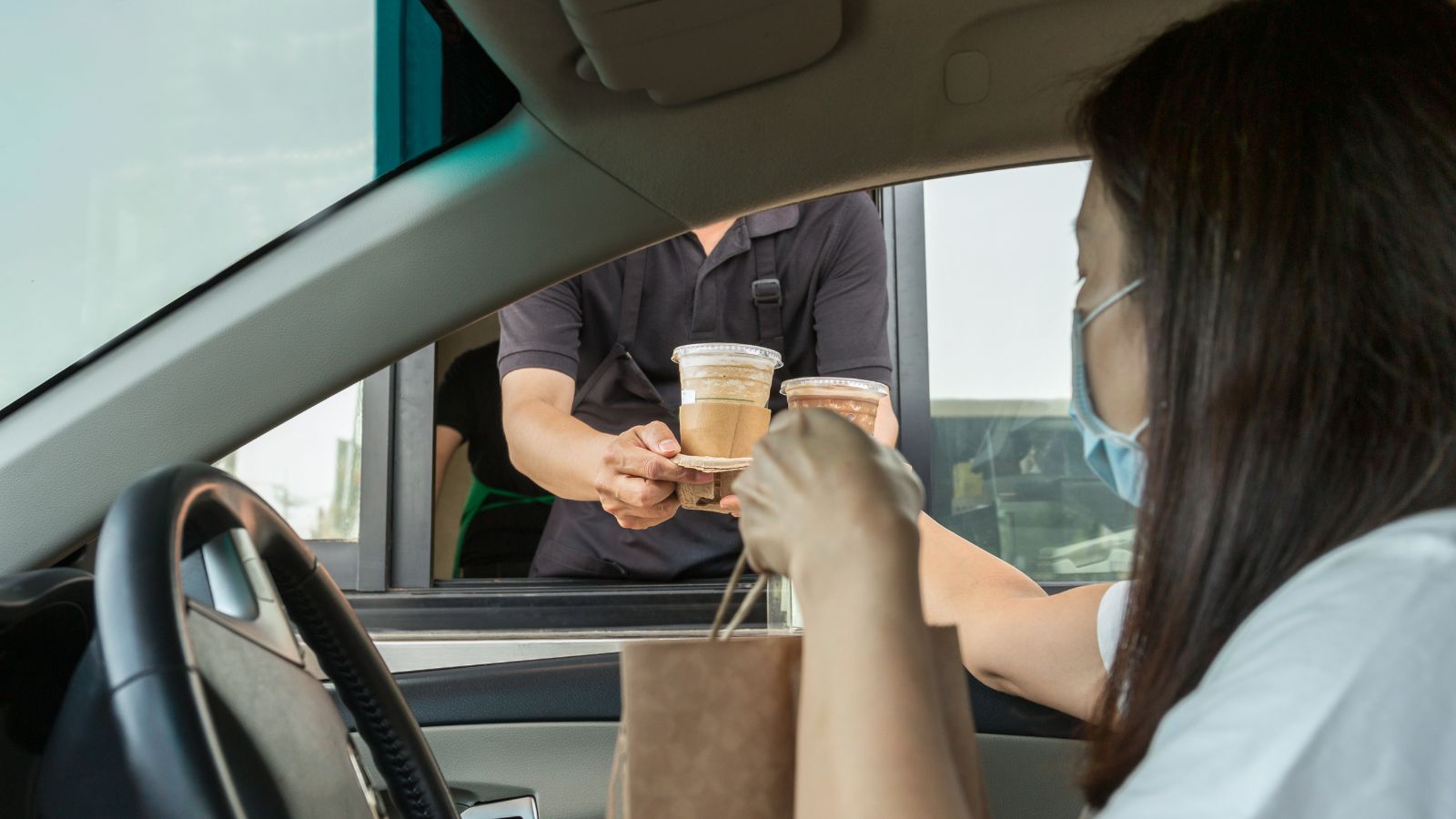
When gas prices rise, people usually look first at major purchases. But small roadside spending often deserves more scrutiny. A coffee here, a breakfast sandwich there, then a cold drink on the way home can turn a driving day into a chain of convenience purchases. These are easy to justify because each one feels minor, yet they travel with the car and multiply with frequency.
This is especially relevant because restaurant and foodservice spending has remained a meaningful part of household budgets in Canada. That means drive-thru culture is not just a time saver; it is also a recurring expense wrapped around the act of driving. Cutting back does not have to mean cutting out every treat. It can be as simple as keeping cold drinks in the car, bringing coffee from home for the weekday commute, or deciding that only longer road days get a snack stop. When transportation and food are both under pressure, the habits that combine them deserve a second look.
17. Restaurant-Heavy Road Days

Summer has a way of turning every outing into a meal occasion. A morning drive becomes brunch, the afternoon stop becomes ice cream, and the ride home turns into takeout because everyone is tired. That can make road days feel memorable, but it can also make them expensive in a hurry. Gas is only part of the cost of driving; roadside eating often becomes the hidden second bill.
Many households are now more intentional about this than they were a few years ago. Packing a cooler, keeping granola bars and fruit in the car, or planning one restaurant stop instead of three can shrink the total cost of a day trip without making it feel stripped down. It also gives families more control over timing, which matters when long lines and crowded patios become part of the summer experience. The smart cutback here is not joy. It is the reflexive assumption that every drive should come with restaurant spending attached to it.
18. One-Item Pickup Runs

A forgotten charger, a single bag of milk, one birthday card, one hardware fitting, one pharmacy item. These are the kinds of tiny needs that trigger full driving trips without much thought. The item may cost very little, but the round trip can carry fuel, time, and often a few extra purchases made along the way. That is how a cheap errand turns into a more expensive outing than it ever should have been.
This is where discipline beats intensity. The smartest cutback is not refusing the trip forever; it is delaying it until it can be folded into something else. One-item pickup runs are convenient, but they are rarely efficient. They also have a habit of multiplying once the weather gets nice and people are more willing to jump in the car casually. In a year when transportation spending has already risen meaningfully, treating the car like an instant solution for every small need becomes harder to justify. A short list and a slightly longer wait can often save more than people expect.
19. Filling Up Without Checking Prices First

Some drivers still buy fuel the same way they bought it years ago: when the tank looks low, they stop at the nearest station and hope for the best. That approach becomes riskier when prices are moving quickly. CAA’s fuel tools now show daily local, provincial, and national price comparisons, and those differences matter. Prices can vary by location, market conditions, and competition, with smaller communities often carrying different margins than larger urban areas.
That does not mean chasing pennies across town. The smart move is simply becoming less blind. Check the trend, know the cheaper stations along regular routes, and avoid costly fills on highways or in low-competition areas when an alternative is only minutes away. This is one of the easiest modern habits to improve because the information is already available. In a volatile fuel environment, paying the first price seen is less a sign of convenience than a decision to ignore a tool that could help reduce one of the most unavoidable expenses in summer driving.
20. Driving Without a Weekly Kilometre Budget

The final cutback is less tangible, but it may be the most powerful: cutting back on unmeasured driving. Many households track groceries, subscriptions, and dining out, yet they rarely set any cap on kilometres. The result is predictable. A few extra drives here, a second car trip there, a casual evening outing on top of a full day’s errands, and the month ends with higher fuel costs that feel mysterious.
A weekly kilometre mindset changes that. It does not have to be formal or restrictive. It can simply mean asking whether the household is using the car deliberately or just by reflex. Once driving becomes a line item instead of a background activity, smarter choices tend to follow naturally. Some trips get combined, some get shared, and some stop feeling necessary. With transportation spending already rising and fuel prices still volatile, this kind of self-imposed awareness may be the smartest cutback of all. It does not eliminate summer freedom. It just gives it a budget.
19 Things Canadians Don’t Realize the CRA Can See About Their Online Income

Earning money online feels simple and informal for many Canadians. Freelancing, selling products, and digital services often start as side projects. The problem appears at tax time. Many people underestimate how much information the CRA can access. Online platforms, banks, and payment processors create detailed records automatically. These records do not disappear once money hits an account. Small gaps in reporting add up quickly.
Here are 19 things Canadians don’t realize the CRA can see about their online income.
This Options Discord Chat is The Real Deal
While the internet is scoured with trading chat rooms, many of which even charge upwards of thousands of dollars to join, this smaller options trading discord chatroom is the real deal and actually providing valuable trade setups, education, and community without the noise and spam of the larger more expensive rooms. With a incredibly low-cost monthly fee, Options Trading Club (click here to see their reviews) requires an application to join ensuring that every member is dedicated and serious about taking their trading to the next level. If you are looking for a change in your trading strategies, then click here to apply for a membership.