
35,000+ smart investors are already getting financial news, market signals, and macro shifts in the economy that could impact their money next with our FREE weekly newsletter. Get ahead of what the crowd finds out too late. Click Here to Subscribe for FREE.
Spring has a way of making spending feel harmless. A few patio meals, a couple of home purchases, a subscription that never got cancelled, a tax task pushed to next week, and suddenly money starts slipping away in ways that do not feel dramatic enough to trigger alarm. That is part of what makes these habits expensive: they rarely look reckless in the moment.
This season, 17 common patterns stand out. Some are tied to convenience, some to procrastination, and some to the false comfort of thinking small leaks do not matter. Together, though, they can quietly wear down cash flow, savings momentum, and financial confidence at a time when many Canadians are already balancing higher food costs, ongoing debt pressure, and a long list of spring expenses.
1. Budgeting in the head instead of somewhere visible
17 Money Habits Quietly Draining Canadians This Spring
- 1. Budgeting in the head instead of somewhere visible
- 2. Letting subscriptions and pre-authorized debits run on autopilot
- 3. Defaulting to takeout and delivery when spring gets busy
- 4. Shopping for groceries without a plan
- 5. Paying only the minimum on credit cards
- 6. Using buy now, pay later as a budgeting tool
- 7. Treating tax season like paperwork instead of money season
- 8. Leaving too much cash in chequing and not saving actively
- 9. Paying bank fees simply because the account is old
- 10. Overpaying for phone and internet because the plan was never revisited
- 11. Renewing insurance without comparison-shopping
- 12. Wasting fuel through idling, poor tire pressure, and careless driving habits
- 13. Delaying spring vehicle maintenance after winter wear
- 14. Paying full price for home-efficiency fixes without checking rebates first
- 15. Letting drafts, thermostat habits, and phantom power add up
- 16. Failing to review statements for fraud, duplicate charges, or unauthorized debits
- 17. Borrowing for regular expenses instead of building a small buffer
- 19 Things Canadians Don’t Realize the CRA Can See About Their Online Income

One of the costliest spring habits is assuming a mental budget is good enough. It often feels efficient at first, especially for people who roughly know what their bills are and think they have spending under control. Then seasonal expenses arrive all at once: sports registration, car care, gardening supplies, weekend outings, travel deposits, or property-related costs. Without a written plan or a tracking app, those expenses do not compete with one another in real time. They simply stack.
That matters because budgeting is not just an organizational habit; it is strongly linked to better outcomes. Canadian research has found that people who budget consistently tend to report greater savings, stronger confidence with debt, and less financial stress. Even budgeting only some of the time appears to help. The quiet drain comes from believing money is being managed when it is really just being observed. Spring spending is especially good at exposing that gap.

Recurring charges are designed to become invisible. That is why they work so well for businesses and so badly for distracted households. Streaming platforms, cloud storage, fitness apps, premium delivery memberships, software tools, news subscriptions, donation plans, and insurance add-ons can all keep pulling money long after their value has faded. Spring is often when these charges pile up, because people are busier, outdoors more, and less likely to review statements carefully.
Pre-authorized debits can also be more complicated than many people realize. Some are fixed, but others can be variable, with amounts or timing that shift based on usage or billing. Cancelling them is not always as simple as hitting a button, and ending the debit does not automatically end the contract behind it. A forgotten $14.99 charge may not feel like a problem, but over eight months it becomes almost $120. Quiet drains rarely start big; they start unattended.
3. Defaulting to takeout and delivery when spring gets busy

Warmer weather tends to make people feel more social, more mobile, and more willing to treat themselves. That often translates into more food ordered away from home, whether it is a quick lunch, a coffee run, an app delivery dinner, or a weekend patio stop that grows into a larger bill. The money leak is not just the meal itself. It is the full convenience bundle: delivery fees, service fees, tips, add-ons, and the higher price of food purchased outside the home.
This habit matters because restaurant and food-service spending remains enormous in Canada, and delivery is now baked into ordinary household behaviour. That would be less concerning if grocery costs were falling sharply, but many families are still navigating elevated food prices overall. The result is a spring pattern many households know well: paying premium prices for speed, then wondering why the month feels tighter than expected. Convenience is not always a splurge, but using it by default is often expensive.
4. Shopping for groceries without a plan

A grocery trip without a list used to be a minor inefficiency. In 2026, it can be a real money habit. When prices stay elevated, wandering the aisles on instinct tends to favour impulse items, duplicate purchases, and brand loyalty that no longer makes financial sense. Spring adds another layer because households are often juggling school breaks, weekend gatherings, barbecues, and seasonal produce temptations, all of which make “just picking up a few things” more expensive than it sounds.
The Canadians who seem to manage this category best are often doing the least glamorous things: checking flyers, switching stores, buying store brands, using loyalty points, and planning a route before they leave home. That is not extreme behaviour anymore; it is mainstream value shopping. With grocery prices still far above where they were a few years ago, the habit that drains money is not buying food. It is buying it casually, as though the price environment has already returned to normal.
5. Paying only the minimum on credit cards

Minimum payments create the illusion of responsibility while preserving the core problem. The bill gets paid, the account stays current, and the immediate pressure eases. But the balance barely moves, and interest keeps doing its work in the background. For households already dealing with expensive groceries, housing costs, or family expenses, this habit can become a slow financial anchor that drags through the entire year.
That danger is amplified by the broader debt picture in Canada. Household debt remains high relative to disposable income, and credit card purchase rates are still steep compared with other borrowing options. A balance carried for “just a few months” can easily turn into a year-long expense once new spending lands on top of old spending. Spring makes this especially easy because it is packed with irregular costs. Paying the minimum does not just preserve debt; it can quietly normalize it.
6. Using buy now, pay later as a budgeting tool

Buy now, pay later feels lighter than traditional debt because it slices a purchase into smaller pieces. That is exactly why it can be so slippery. A spring wardrobe refresh, a patio set, a new phone, concert tickets, or travel extras can all look manageable when framed as four smaller payments instead of one full cost. The problem is that affordability and payment size are not the same thing.
Canadian consumer research has shown that many people who use these services say they do so to help with budgeting or because they could not afford the entire purchase upfront. In FCAC’s pilot study, some users ended up juggling multiple scheduled payments at once, and others reported making unfavourable trade-offs even when they paid on time. That does not make these products inherently reckless, but it does make them easy to misuse. A tool meant to smooth spending can become a habit that masks overspending.
7. Treating tax season like paperwork instead of money season
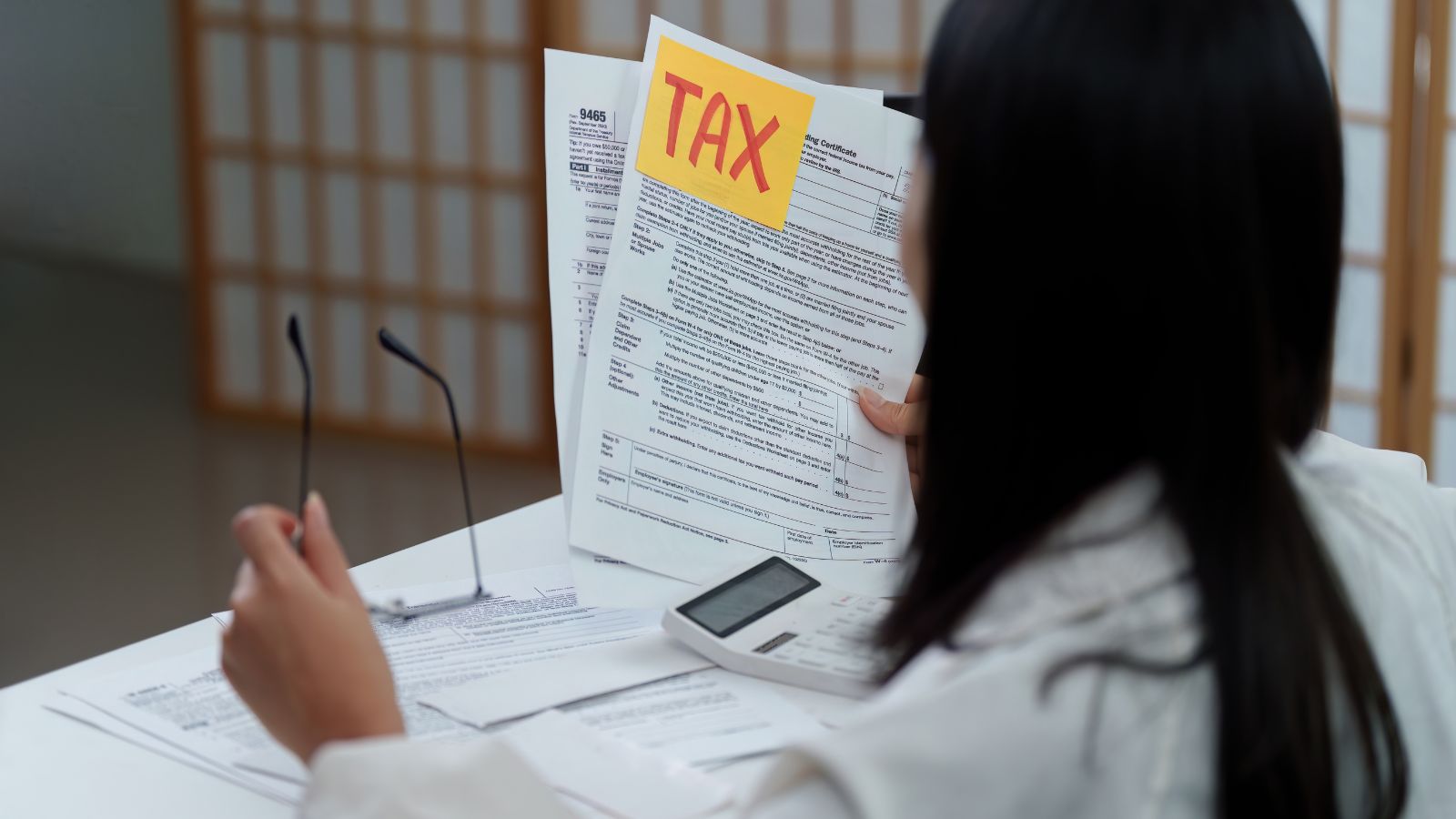
For many Canadians, spring tax filing is treated as a chore to finish late rather than a financial event to use well. That mindset can be costly. Filing on time is not only about avoiding penalties and interest on taxes owed. It is also the gateway to credits, benefits, and income-tested support that many households depend on. People who put it off often delay money they are actually entitled to receive.
This is one of the clearest examples of money leaking through inaction. Federal and provincial benefits are tied to tax returns, and in Ontario that includes the Ontario Trillium Benefit payment cycle. Missing paperwork, rushing at the deadline, or assuming there is no point filing because income was low can all cost real money. Spring is when many households focus on cutting spending, but one of the smartest moves is sometimes simply making sure every available credit gets unlocked on schedule.
8. Leaving too much cash in chequing and not saving actively
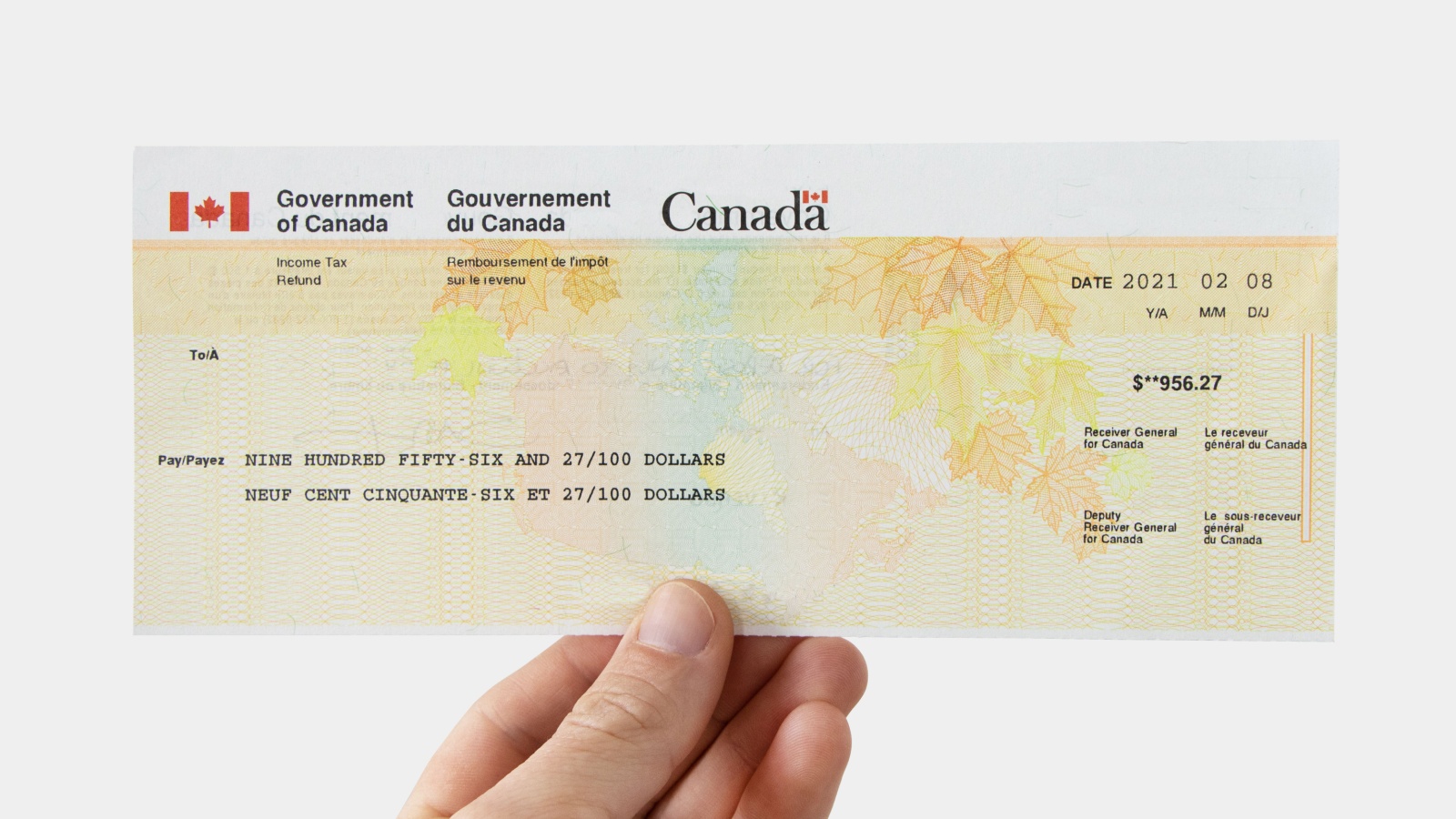
Many people think of saving as something that happens after life calms down. In practice, it usually happens only when it is given a place to go. Money that stays in a regular chequing account often gets absorbed by convenience spending, unexpected purchases, or the false confidence that comes from seeing a larger balance than is actually available. The leak is not dramatic; it is gradual erosion.
Canadian research on financial well-being has found that active saving has one of the strongest relationships with better financial outcomes, even when income is held constant. At the same time, savings rates across Canadian accounts still vary widely, which means idle cash can miss out on meaningful interest. On a modest balance, the difference between a weak rate and a competitive rate may not sound life-changing, but across a year it can pay a utility bill, offset fees, or build a buffer. In spring, money sitting still often gets spent.
9. Paying bank fees simply because the account is old

Bank fees have a habit of surviving longer than the reason for having them. An account opened years ago for convenience, status, branch access, or bundled perks may no longer fit how someone actually banks. Yet many Canadians keep paying monthly charges out of habit, especially if the amount feels small enough to ignore. Over a year, though, even modest fees become noticeable.
This is one of the quieter leaks because cheaper options do exist. Canada’s low-cost and no-cost account framework means many people have access to more affordable everyday banking than they assume, and some of those accounts include a meaningful number of monthly transactions without requiring a minimum balance. When a household is trying to squeeze savings out of groceries, fuel, and telecom, paying unnecessary bank fees starts to look strangely outdated. It is money leaving for infrastructure that may not even be used anymore.
10. Overpaying for phone and internet because the plan was never revisited

Telecom bills are classic “set it and forget it” expenses. Once a plan is working, many people leave it alone for years, even as providers launch new promotions, change data allotments, or quietly make older plans look less competitive. The result is a common spring leak: paying legacy pricing in a market where prices have actually shifted.
That matters because Canadian telecom pricing has shown signs of improvement in recent years, especially in certain wireless categories. Yet a surprising number of consumers still do not change plans for affordability reasons, which suggests many households are not fully capturing those declines. The easiest money leaks are often the ones tied to bills that feel unavoidable. Phone and internet are unavoidable. Overpaying for them is not. A stale plan can quietly cost far more over twelve months than a lot of one-time purchases people worry about more.
11. Renewing insurance without comparison-shopping

Insurance is one of those bills people resent but often avoid touching. The paperwork feels annoying, the jargon is dense, and renewal creates a sense that the decision has already been made. That is exactly why it becomes a quiet drain. If premiums rise year after year and nobody compares alternatives, the household simply absorbs the increase as if it were inevitable.
In reality, pricing can vary sharply by region, provider, bundling options, and profile. Canadian data from Ontario shows just how large the burden can become over time, especially once home and auto policies are combined. Many households report premium hikes, and shopping around is one of the few levers they still control. Spring is a particularly useful time to revisit this category because it often overlaps with vehicle changes, home projects, or address updates. Insurance works best as protection, not as a bill people stop questioning.
12. Wasting fuel through idling, poor tire pressure, and careless driving habits
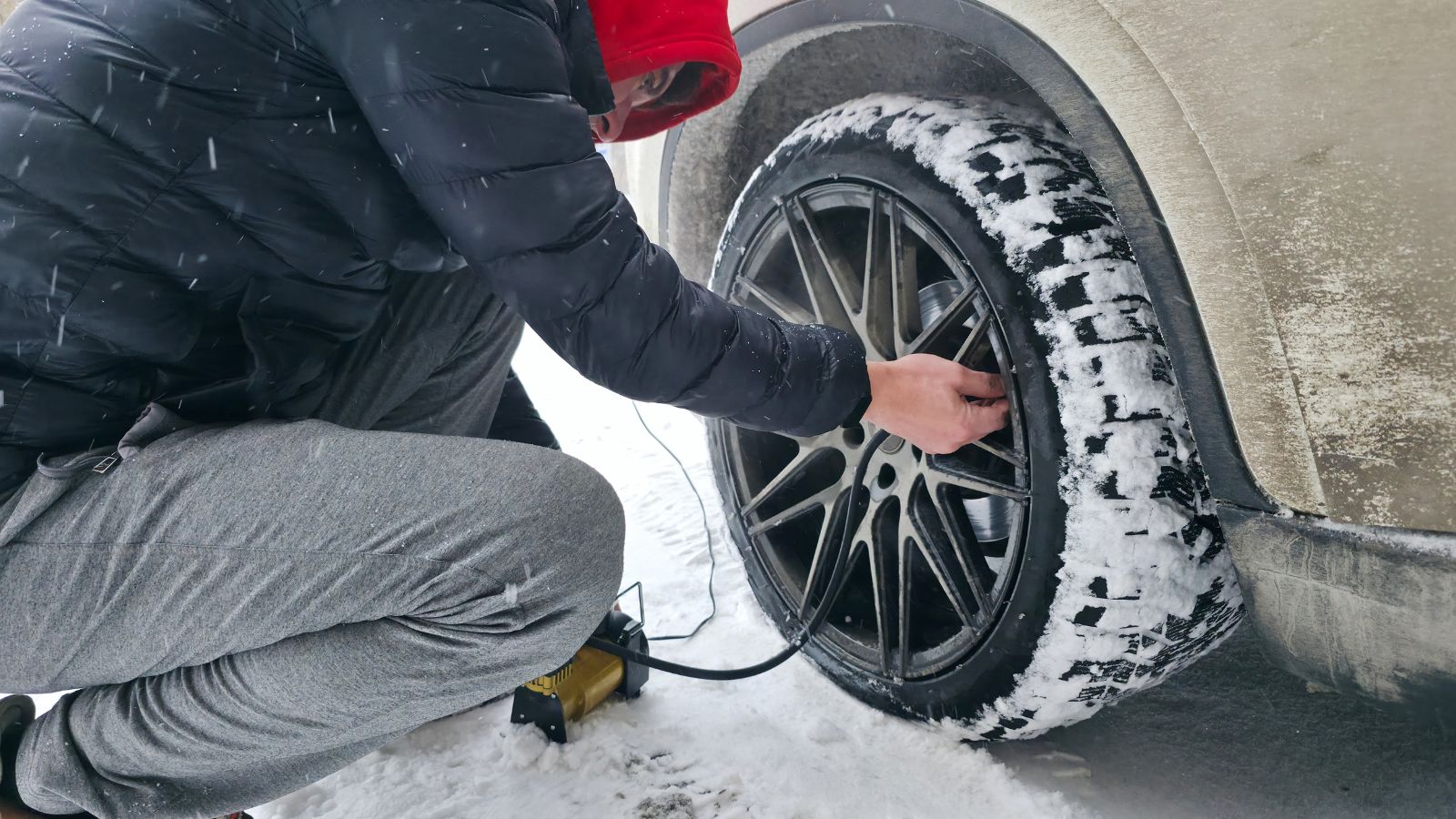
Fuel drains rarely come from one dramatic mistake. More often, they come from a dozen little habits that feel harmless: idling in the driveway, putting off tire checks, accelerating harder than necessary, or carrying on as if small efficiency losses do not matter. This is especially expensive in spring, when people start driving more for errands, sports, family visits, and weekend trips.
Transport Canada has long warned that underinflated tires increase rolling resistance, shorten tire life, and raise fuel use. Natural Resources Canada has also noted that idling longer than a few seconds uses more fuel than restarting in many everyday situations. Those are the kinds of facts that sound minor until they are repeated across weeks. A vehicle does not need to be badly neglected to become more expensive. It just needs a driver who assumes efficiency takes care of itself.
13. Delaying spring vehicle maintenance after winter wear

Winter leaves behind more than dirty floor mats. It can stress brakes, suspension components, tires, batteries, and fluids, yet many drivers treat spring maintenance like something that can wait until a problem becomes obvious. That delay is often what turns a manageable service visit into a larger repair bill later on.
Seasonal transitions are useful because they force a checkpoint. The tire change alone is an ideal time to inspect brakes, tread, alignment, and anything that feels different after months of cold weather driving. CAA has pointed drivers to brake feel as one simple warning sign worth taking seriously. The quiet drain here is not only repair cost; it is also the way neglected maintenance can worsen efficiency, shorten component life, and increase the chance of an inconvenient breakdown. Spring maintenance is not glamorous, but it is cheaper than reactive maintenance.
14. Paying full price for home-efficiency fixes without checking rebates first

Spring is renovation season, which means many households start replacing windows, sealing drafts, upgrading insulation, or looking at heating and cooling equipment. The leak comes when those jobs are treated as pure out-of-pocket costs instead of projects that may qualify for incentives. Too many people either do not know the programs exist or assume the paperwork is not worth it.
That can be costly because rebates and support programs can materially change the math. Nationally, NRCan has reported measurable savings from retrofits, and provincial offerings can make specific upgrades more accessible. In Ontario, for example, the current Home Renovation Savings program includes support for insulation, air sealing, and heat pumps. Not every household will pursue a major retrofit, but even modest efficiency work becomes more attractive when part of the cost is recoverable. Paying full price by default is its own kind of spring overspend.
15. Letting drafts, thermostat habits, and phantom power add up

Some money drains do not announce themselves with a purchase. They show up as a utility bill that feels vaguely high month after month. Drafty older homes, poor thermostat routines, chargers left plugged in, entertainment systems sitting on standby, and unnecessary power use in empty rooms can all nibble away at cash flow without ever becoming a discussion.
This category matters because home energy losses are not trivial. Natural Resources Canada has noted that air leakage can account for a large share of heat loss in older homes, while standby power can make up a meaningful piece of a household’s electricity bill. Even small thermostat adjustments can change energy use over time. None of this means a home has to become a perfection project. It means that “small” household habits are often not small at all when they happen every day. Quiet drains thrive in categories nobody audits closely.

Canadians often think of fraud as a catastrophic event, but many money losses begin as something much smaller: a charge nobody recognizes, a duplicated transaction, an old debit still firing, or an unauthorized payment that slips by because statements are skimmed rather than reviewed. The danger is partly financial and partly behavioural. Once people stop checking, the system relies on luck.
That is a risky habit at a time when fraud losses in Canada remain extremely high. It also interacts with the rise of recurring digital payments, which can make suspicious activity harder to spot quickly. Statement reviews are boring, but they are one of the simplest forms of financial defence. A ten-minute monthly check can uncover a subscription that should have been cancelled, an error that needs disputing, or a debit that no longer matches the agreement. Quiet drains love unexamined statements because they can keep running in peace.
17. Borrowing for regular expenses instead of building a small buffer

The last habit is often the most important because it turns everyday life into a debt event. When groceries, gas, school costs, or seasonal extras regularly spill onto credit, the issue is no longer a one-off shortfall. It is a cash-flow pattern. Spring can expose that pattern fast, because it brings enough variable expenses to stress any budget that has no cushion.
FCAC research has found that Canadians who avoid borrowing for daily expenses tend to have higher financial well-being than those who borrow regularly, regardless of income. That finding is powerful because it shifts the conversation away from blame and toward structure. The answer is not always a huge emergency fund right away. Sometimes it is a first $250, then $500, then one month of breathing room. The quiet drain is not just the interest paid. It is the way repeated borrowing steals future income before it arrives.
19 Things Canadians Don’t Realize the CRA Can See About Their Online Income

Earning money online feels simple and informal for many Canadians. Freelancing, selling products, and digital services often start as side projects. The problem appears at tax time. Many people underestimate how much information the CRA can access. Online platforms, banks, and payment processors create detailed records automatically. These records do not disappear once money hits an account. Small gaps in reporting add up quickly.
Here are 19 things Canadians don’t realize the CRA can see about their online income.
This Options Discord Chat is The Real Deal
While the internet is scoured with trading chat rooms, many of which even charge upwards of thousands of dollars to join, this smaller options trading discord chatroom is the real deal and actually providing valuable trade setups, education, and community without the noise and spam of the larger more expensive rooms. With a incredibly low-cost monthly fee, Options Trading Club (click here to see their reviews) requires an application to join ensuring that every member is dedicated and serious about taking their trading to the next level. If you are looking for a change in your trading strategies, then click here to apply for a membership.