
35,000+ smart investors are already getting financial news, market signals, and macro shifts in the economy that could impact their money next with our FREE weekly newsletter. Get ahead of what the crowd finds out too late. Click Here to Subscribe for FREE.
Many Canadians assume home insurance serves as a safety net for unexpected disasters. That belief often leads to frustration during claims. Policies are full of limits, exclusions, and conditions that people rarely read. Coverage depends on cause, timing, maintenance, and optional add-ons. Two homes with similar damage may receive very different outcomes. What feels obvious to homeowners may not align with insurers’ definitions. This confusion becomes expensive during floods, fires, or repairs. Here are 22 home insurance claims Canadians think are covered (but often aren’t).
Sewer backup without added coverage
22 Home Insurance Claims Canadians Think Are Covered (But Often Aren’t)
- Sewer backup without added coverage
- Overland flooding from heavy rain
- Gradual water damage from slow leaks
- Mold caused by humidity or poor ventilation
- Damage from frozen pipes in vacant homes
- Roof leaks from aging or wear
- Foundation cracks from soil movement
- Damage caused by pests or rodents
- Broken appliances from normal failure
- Theft from unlocked or unsecured homes
- Water damage from faulty home renovations
- Damage to sheds and detached structures
- Landscaping damage from storms
- Power outage-related food spoilage
- Identity theft linked to home documents
- Earthquake damage without added coverage
- Damage from high groundwater pressure
- Damage caused by unreported prior issues
- Damage from rental use without disclosure
- High-value items without scheduled coverage
- Fire damage caused by improper wiring
- Collapse from long-term structural neglect
- 22 Groceries to Grab Now—Before another Price Shock Hits Canada
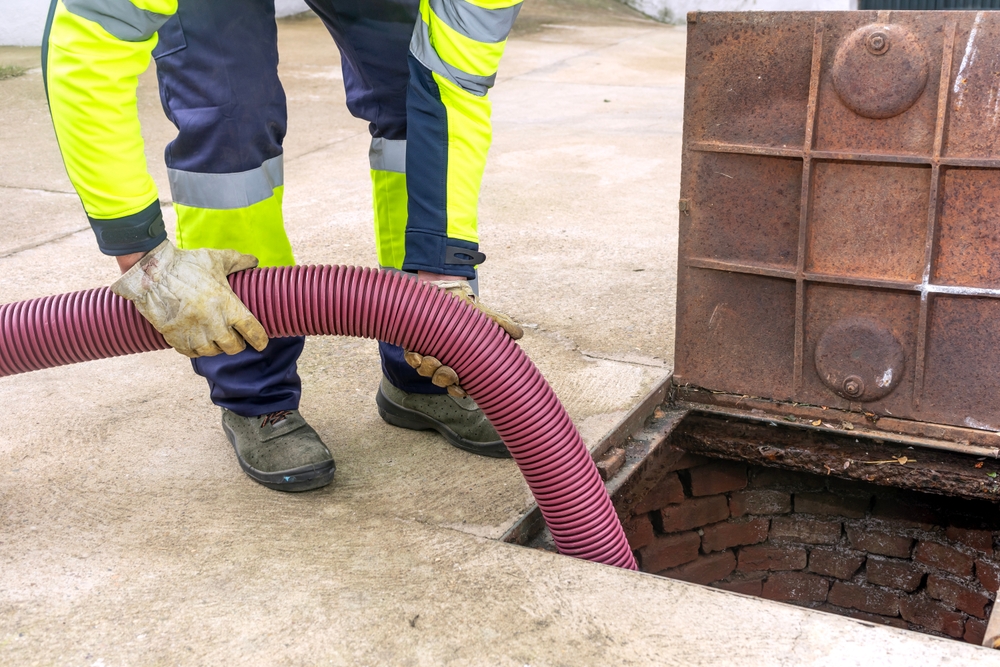
Many homeowners believe sewer backup is automatically included. It usually is not. Standard policies often exclude damage from sewer or drain overflow. This applies even when backups happen suddenly. Basement flooding from city sewer systems often requires optional coverage. Without it, repairs come out of pocket. Damage to flooring, drywall, furniture, and appliances may be denied. Older homes face a higher risk due to aging pipes. Heavy rainfall can overwhelm municipal systems. Claims are often rejected because water entered from below ground. Homeowners only learn this after filing. Always check policy wording for sewer backup endorsements.
Overland flooding from heavy rain
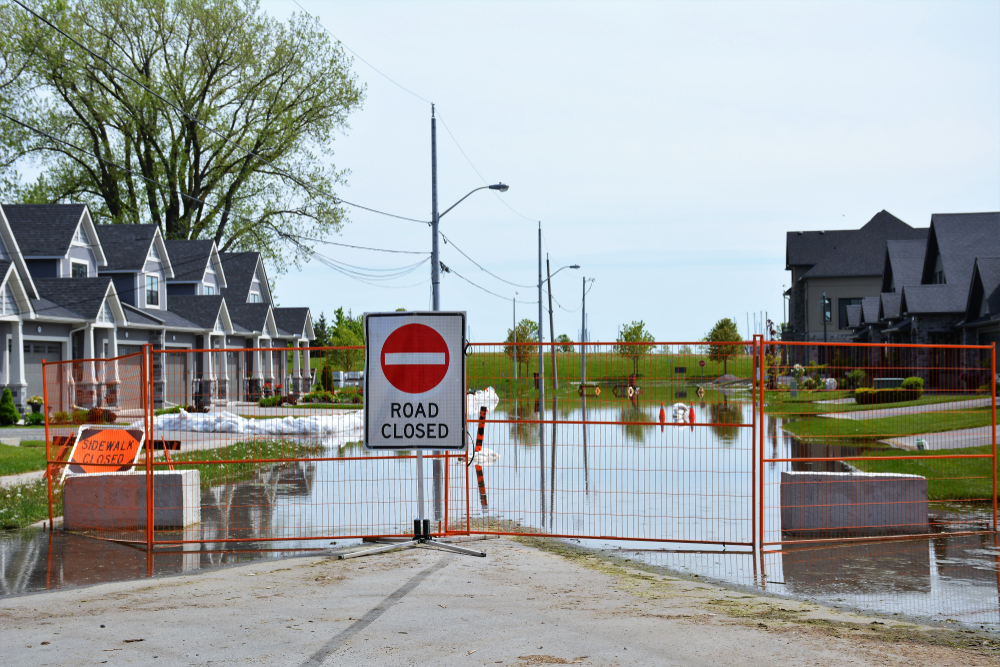
Flooding from rivers, lakes, or surface water surprises many homeowners. Standard home insurance rarely covers overland flood damage. Water entering through doors, windows, or foundation cracks is often excluded. Climate-related storms increase this risk yearly. Optional flood coverage must be purchased separately. Some regions face higher premiums or limited availability. Claims are denied when water travels across land before entering the home. Even a few inches can cause serious damage. Cleanup and rebuilding costs add up fast. Many homeowners confuse sewer backup coverage with flood protection. They are not the same.
Gradual water damage from slow leaks
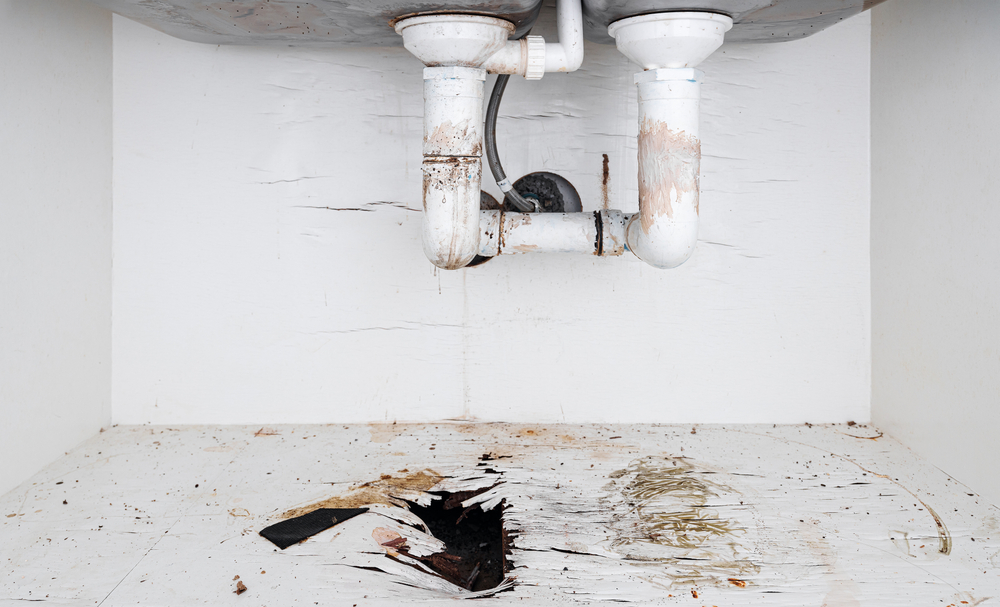
Insurance usually covers sudden water damage. Slow leaks are treated differently. Damage from dripping pipes over months is commonly excluded. Insurers consider this a maintenance issue. Mold, rot, and warped materials often follow unnoticed leaks. Claims fail when damage shows long-term patterns. Stains, corrosion, and decay signal gradual problems. Homeowners are expected to inspect plumbing regularly. Even hidden leaks can be denied coverage. Repairing walls and floors becomes costly. Claims adjusters often look for signs of ongoing moisture. The timeline matters more than the final damage.
Mold caused by humidity or poor ventilation
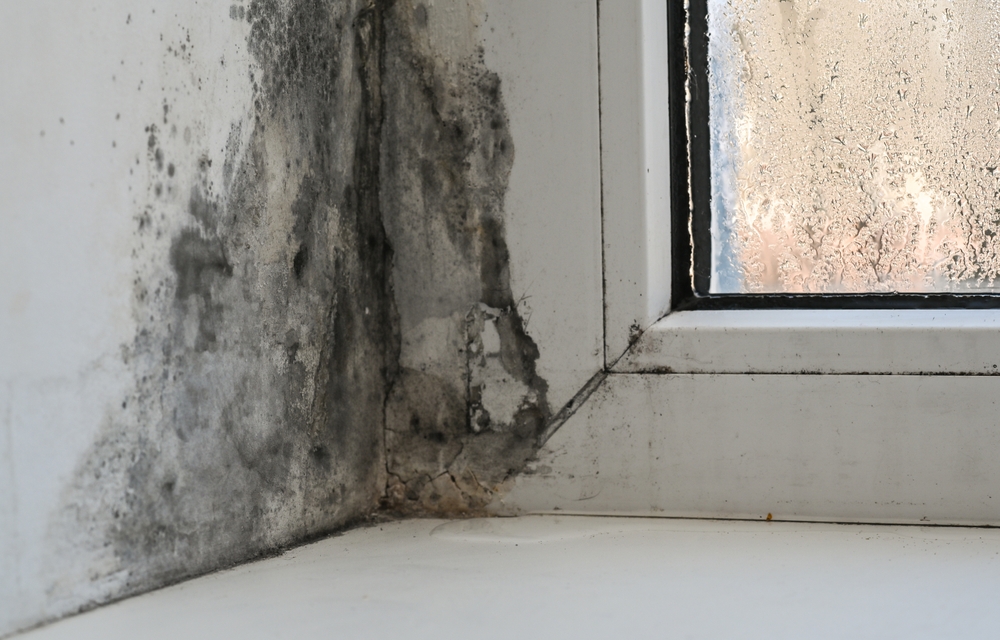
Mold scares homeowners during claims. Most policies limit mold coverage sharply. Mold from humidity, condensation, or poor airflow is usually excluded. Bathrooms, basements, and laundry rooms are common trouble spots. Insurers view mold as preventable through proper upkeep. Even when water damage is covered, mold cleanup may not be. Coverage caps are often low. Extensive remediation costs fall on homeowners. Claims may cover the leak but not mold removal. Regular ventilation and dehumidifiers matter. Ignoring early mold signs weakens future claims. Mold exclusions are often buried deep in policies.
Damage from frozen pipes in vacant homes
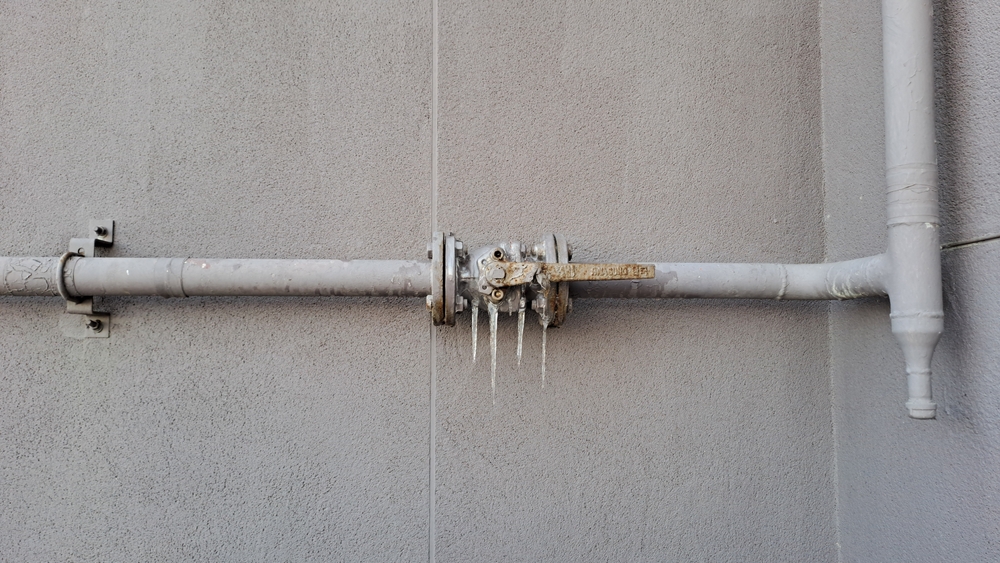
Frozen pipes are a common winter problem. Coverage often depends on occupancy. Vacant homes face stricter rules. Insurers may require regular checks during cold months. Heat must be maintained, or water shut off. Failure to meet conditions can void coverage. Even short absences can count as a vacancy. Burst pipes cause severe water damage quickly. Claims are denied if conditions were not followed. Snowbirds and landlords face a higher risk. Policy language varies by insurer. Always confirm vacancy rules before leaving for extended periods.
Roof leaks from aging or wear
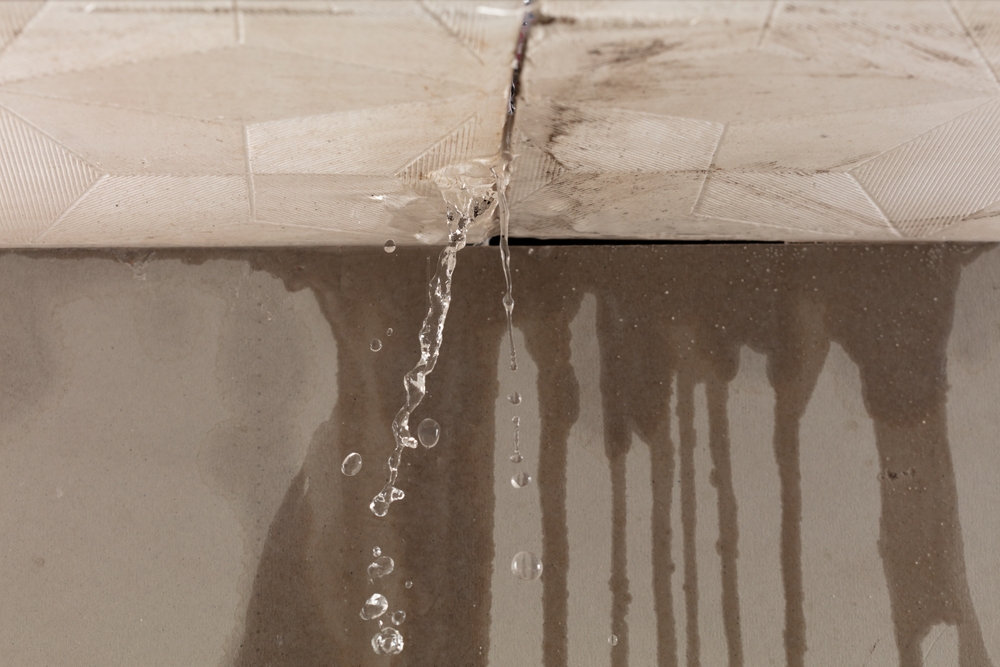
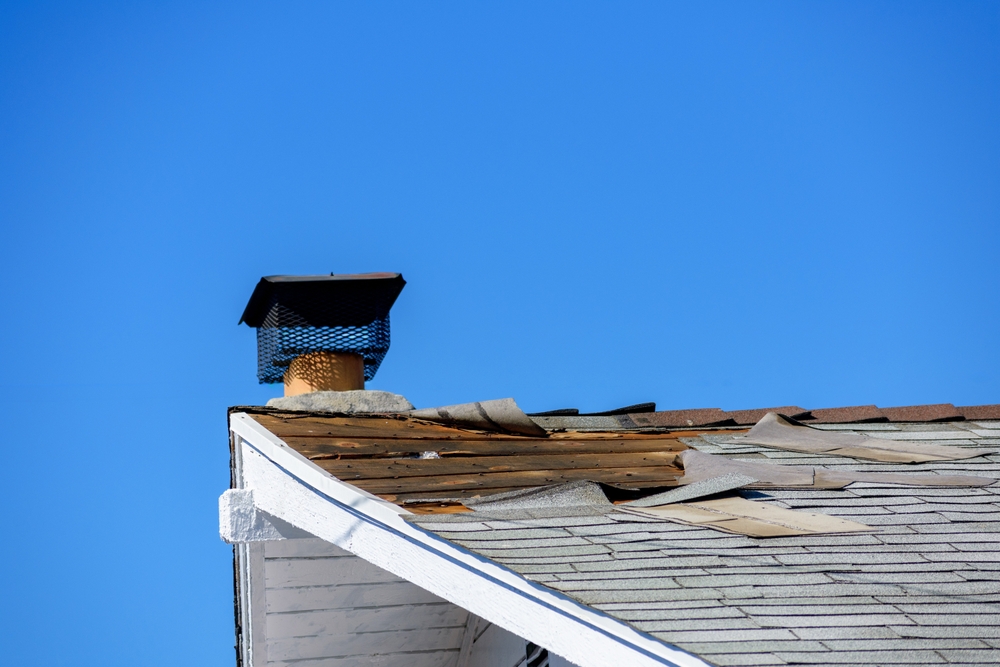
Many homeowners expect roof leaks to be covered. Age matters more than damage type. Insurance does not cover wear and tear. Old shingles and flashing failures are excluded causes. Leaks from neglected roofs trigger claim denials. Storm damage may be covered if clearly documented. Insurers inspect the roof condition carefully. Poor maintenance weakens claims. Interior damage may also be denied. Homeowners must replace aging roofs themselves. Regular inspections help prevent surprises. Waiting too long increases financial exposure. Roof age limits appear in many policies.
Foundation cracks from soil movement
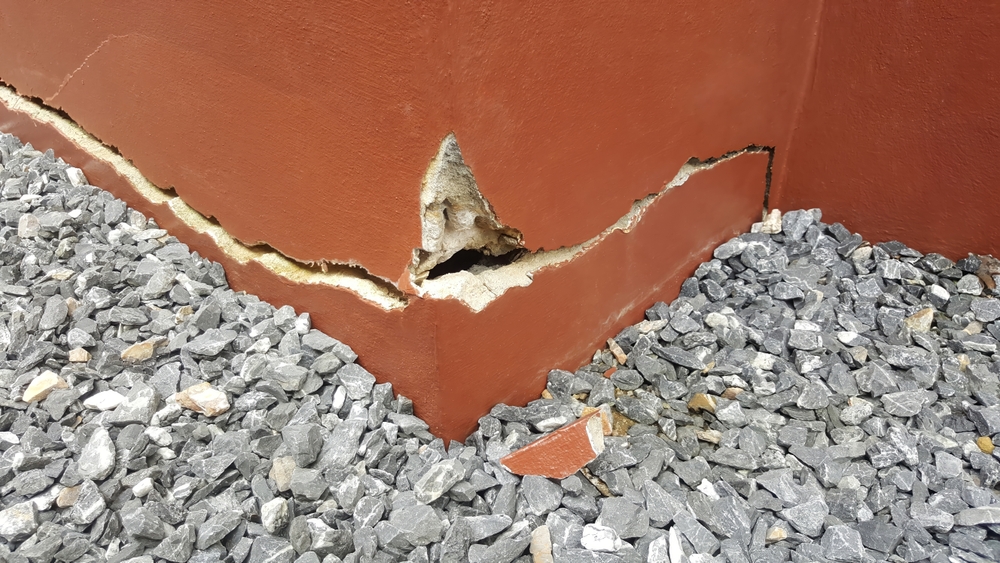
Foundation cracks worry homeowners. Insurance coverage is limited. Cracks from soil settlement or expansion are usually excluded. Heavy clay soil worsens movement issues. Freeze-thaw cycles increase risk. Insurers classify this as structural maintenance. Repairs can cost tens of thousands. Claims often fail due to gradual causes. Sudden events like vehicle impact differ. Homeowners must manage drainage and grading. Poor soil conditions raise long-term risks. Coverage exclusions are common nationwide. Foundation protection requires prevention, not claims.
Damage caused by pests or rodents
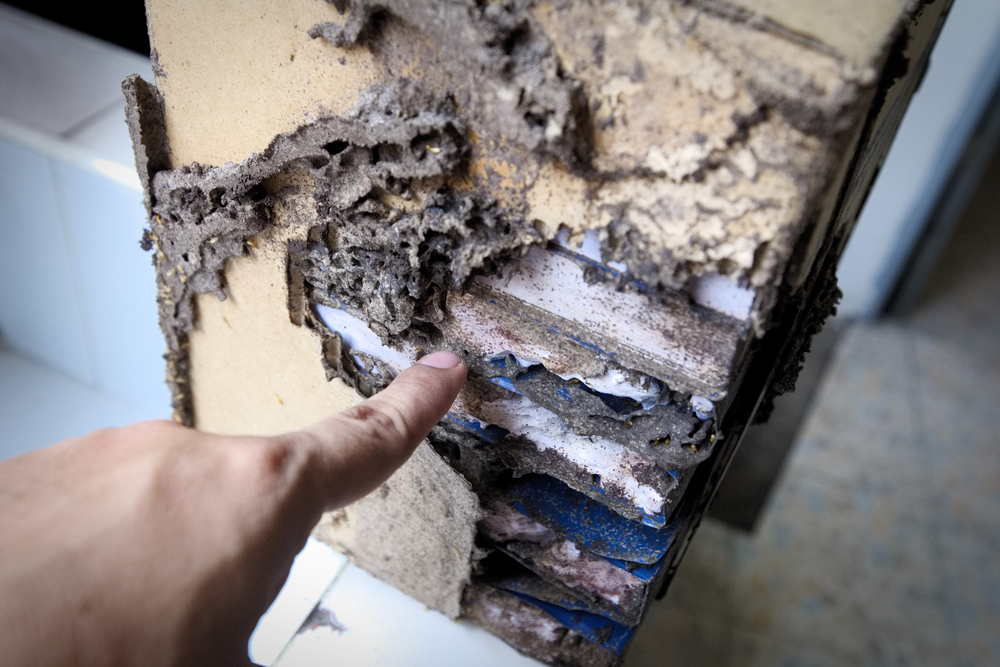
Rodents cause serious damage quietly. Chewed wiring and insulation are common. Insurance rarely covers pest damage. Insurers view infestations as preventable. Mice, rats, squirrels, and insects are excluded. Fire risk from chewed wires increases danger. Claims are denied regardless of severity. Homeowners must manage pest control proactively. Even sudden discoveries usually fail coverage tests. Cleanup and repairs fall on the owner. Regular inspections help catch early signs. Pest damage exclusions appear across most policies.
Broken appliances from normal failure
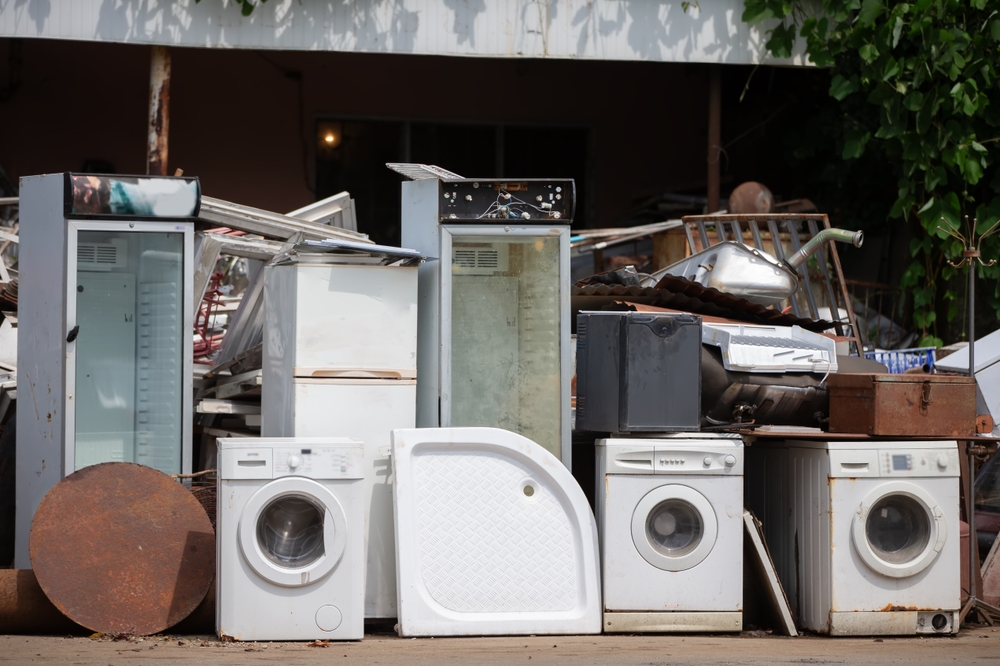
When appliances fail, coverage confusion follows. Insurance does not cover mechanical breakdown. Normal wear causes many failures. Washing machines, furnaces, and dishwashers fall under this rule. Resulting water damage may be covered separately. The appliance itself is not. Extended warranties handle mechanical issues. Claims fail when homeowners expect replacement coverage. Age and maintenance records matter. Insurers separate cause from consequence. Damage caused by appliance failure may qualify. Replacing the appliance remains the homeowner’s responsibility. Understanding this distinction avoids claim frustration.
Theft from unlocked or unsecured homes

Theft claims depend on security. Unlocked doors or open windows weaken claims. Insurers may deny theft without forced entry. Carelessness can void coverage. Vacation homes face higher scrutiny. Some policies reduce payouts for negligence. High-value items require proof of security measures. Police reports alone may not help. Insurers assess reasonable protection steps. Leaving garages open creates risk. Theft exclusions protect insurers from preventable losses. Always secure entry points. Review security requirements in your policy carefully.
Water damage from faulty home renovations
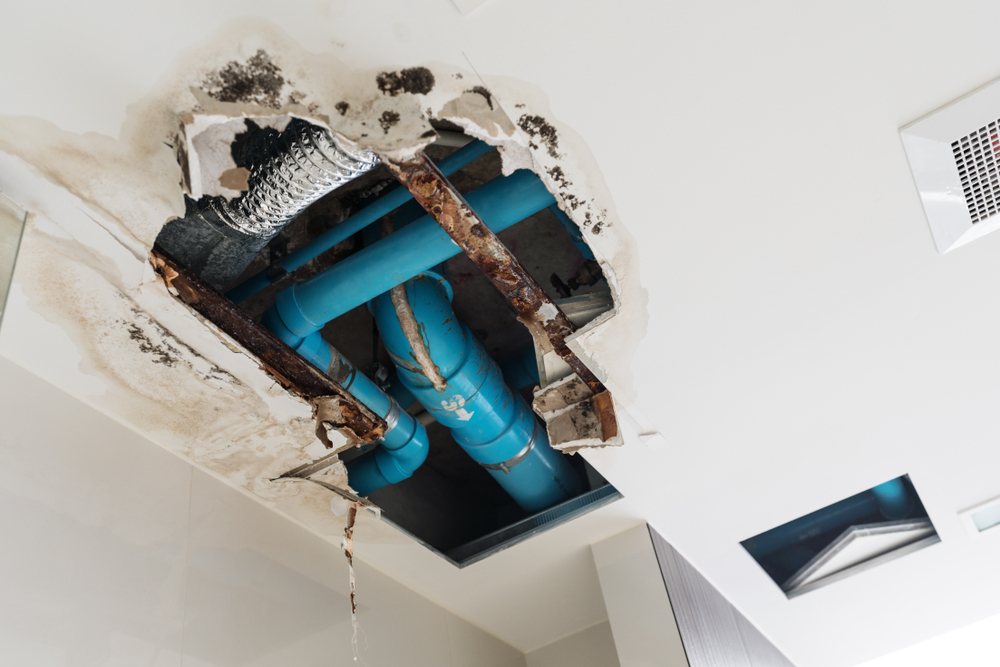
Renovation mistakes cause costly damage. Insurance coverage depends on workmanship quality. Faulty installations are usually excluded. Poor plumbing or waterproofing leads to denied claims. Homeowners must use licensed professionals. DIY errors raise red flags. Insurers classify bad workmanship as preventable. Damage may appear sudden but trace back to poor work. Claims adjusters investigate renovation history. Receipts and permits matter. Hidden flaws often surface months later. Renovation coverage limits often surprise homeowners when damage occurs.
Damage to sheds and detached structures
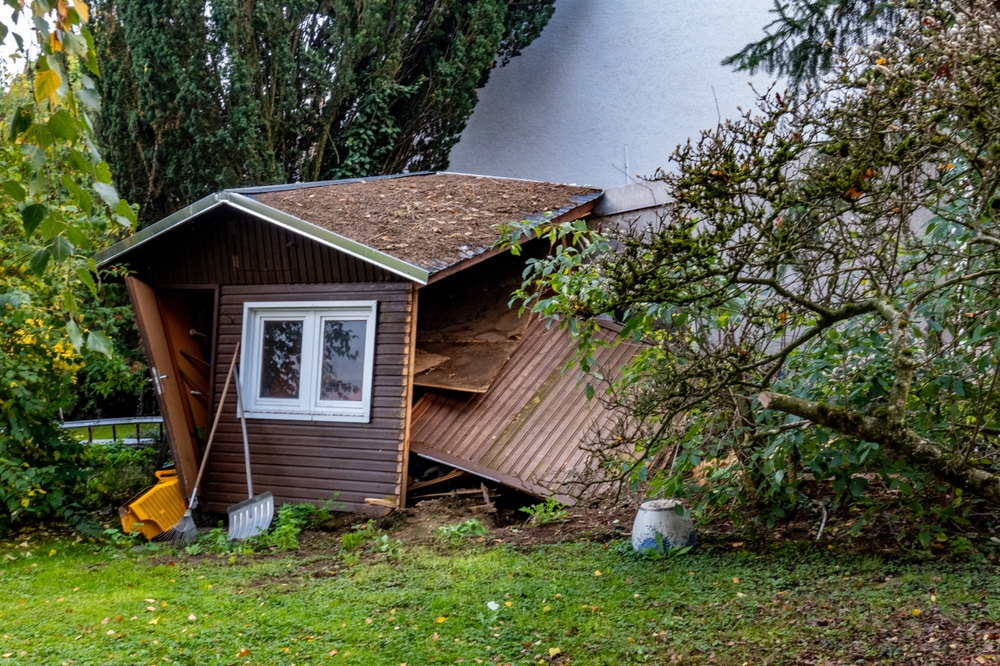
Detached structures have lower coverage limits. Many homeowners assume full replacement value applies. Sheds, garages, and fences often have capped coverage. High value contents inside may not be covered. Damage from storms may exceed limits. Separate endorsements may be required. Claims surprise homeowners during rebuilds. Older structures depreciate faster. Insurers calculate based on policy percentages. Theft from detached buildings may face exclusions. Always check coverage limits for other structures. Underinsurance is common and expensive.
Landscaping damage from storms
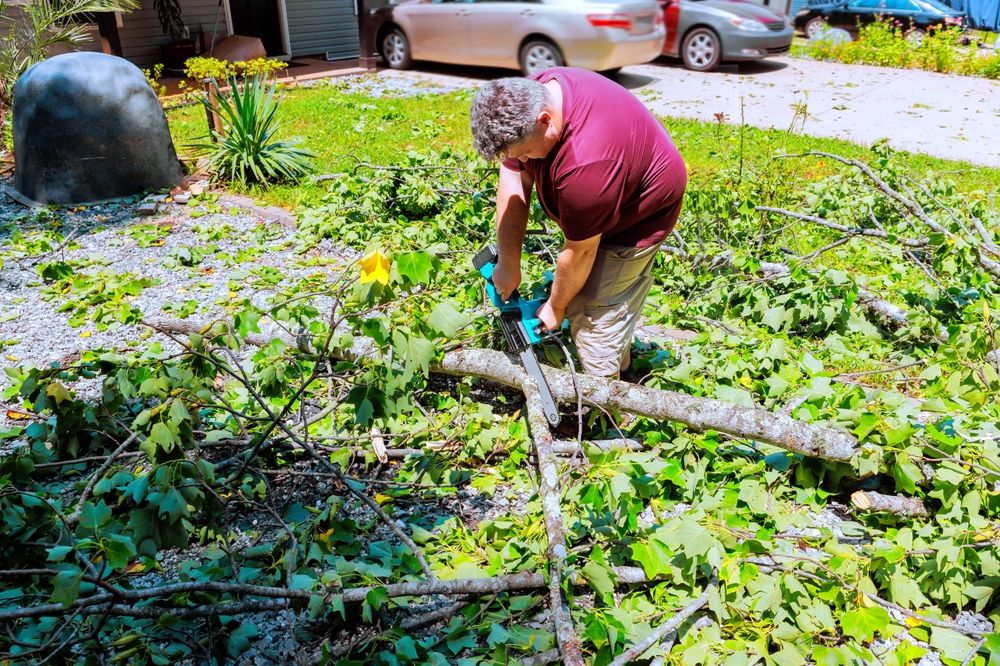
Trees, lawns, and gardens matter emotionally. Insurance coverage is limited. Landscaping often has strict dollar caps. Damage from wind or hail may not qualify. Fallen trees removal may be partially covered. Replacement of plants usually is not. Mature trees carry high replacement costs. Insurers treat landscaping as cosmetic. Homeowners expect full restoration and feel shocked. Claims payouts rarely match actual loss. Seasonal damage increases frustration. Coverage varies widely by insurer. Landscaping protection is often misunderstood.
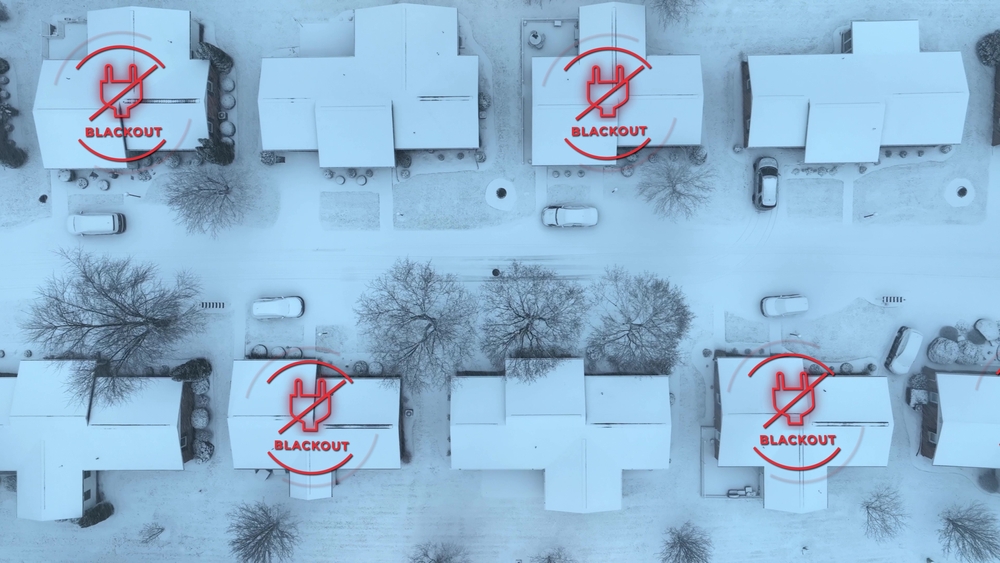
Food spoilage feels unfair after outages. Coverage limits are usually low. Many policies cap reimbursement at small amounts. Extended outages may still fall within limits. Proof of loss is required. Receipts are rarely available. Claims adjusters question timing and cause. Backup power solutions reduce risk. Some policies exclude utility-caused outages. Storm-related outages may differ. High-end fridges do not change limits. Food spoilage coverage exists, but disappoints many homeowners.
Identity theft linked to home documents

Identity theft worries are rising. Home insurance offers limited protection. Coverage focuses on document replacement costs. Financial losses often fall outside coverage. Fraud recovery takes time and effort. Policies rarely cover emotional or income impacts. Digital theft complicates claims further. Cyber endorsements may help. Homeowners assume broad protection exists. It usually does not. Recovery services vary by insurer. Identity theft coverage differs widely. Always read specific coverage descriptions before assuming protection.
Earthquake damage without added coverage
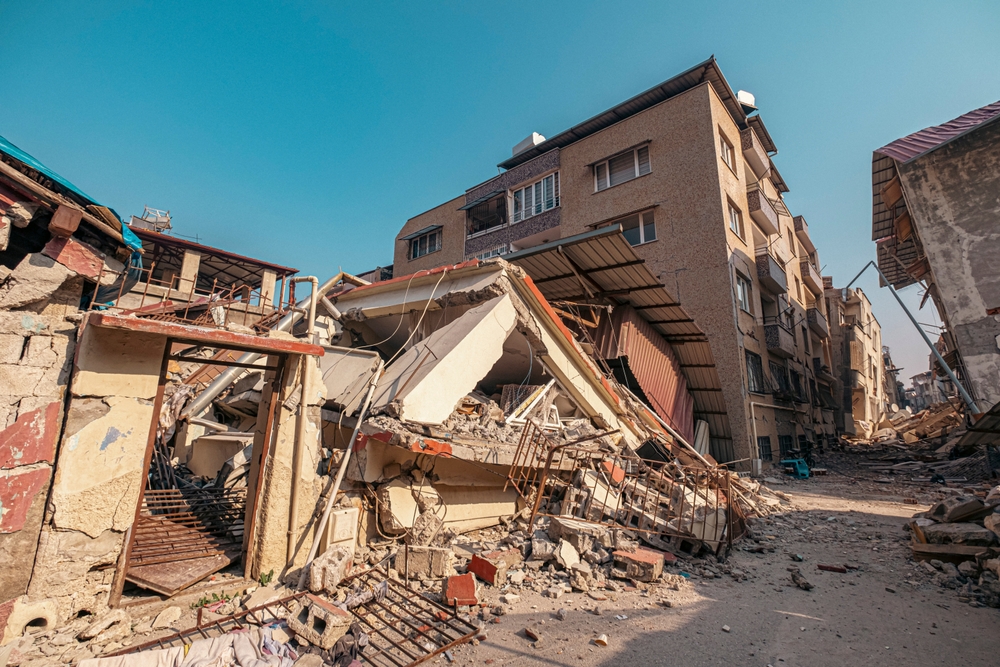
Earthquakes are excluded by default. Canada still faces seismic risk. British Columbia and Quebec face higher exposure. Standard policies exclude quake damage entirely. Optional coverage is available at extra cost. Deductibles are often very high. Homeowners discover exclusions after events. Structural damage can be severe. Mortgage lenders may require coverage in some regions. Claims without endorsements fail automatically. Earthquake protection requires planning. Waiting until after the tremors is too late.
Damage from high groundwater pressure
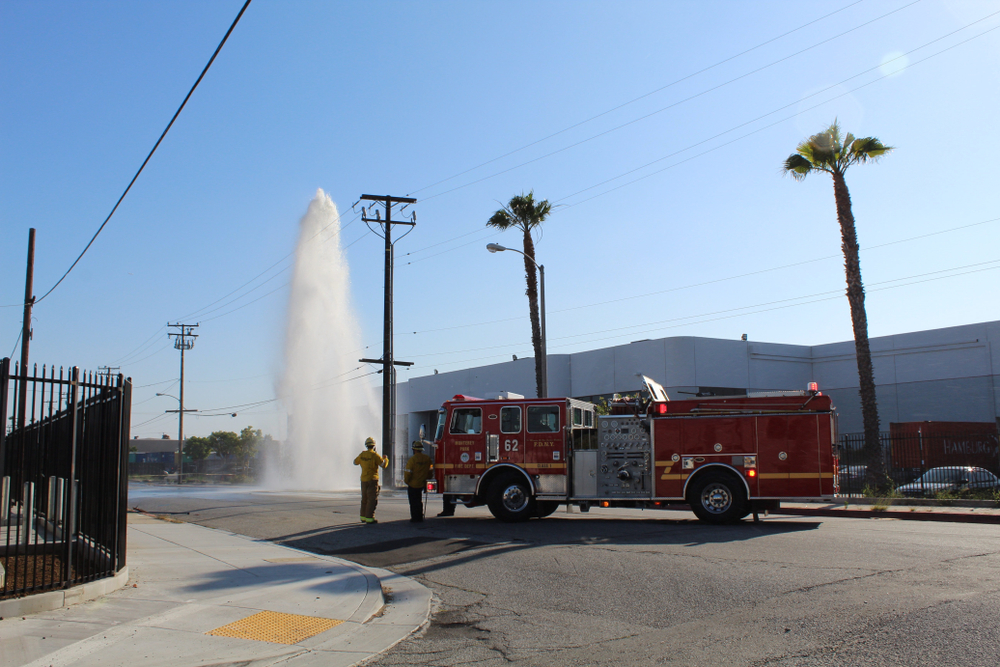
Water entering from the foundation walls causes disputes. Hydrostatic pressure damage is often excluded. Water seeping through cracks is considered groundwater. Insurers separate this from plumbing leaks. Basements are vulnerable. Claims fail when water originates below grade. Sump pump coverage may help. Failure of pumps complicates claims. Backup systems reduce risk. Proper grading and drainage matter. Homeowners confuse water damage types. Understanding source definitions prevents surprises when claims are denied.
Damage caused by unreported prior issues
Pre-existing damage affects claims. Insurers review property history carefully. Known issues must be disclosed. Unreported leaks or cracks weaken coverage. Claims may be partially denied. Insurers argue that the damage predated the policy. Home inspections matter during purchases. Documentation protects homeowners. Photos and reports help establish timelines. Failure to disclose the risks of policy cancellation. Claims investigations often uncover prior problems. Transparency protects future claims. Surprises hurt most when disclosure was incomplete.
Damage from rental use without disclosure
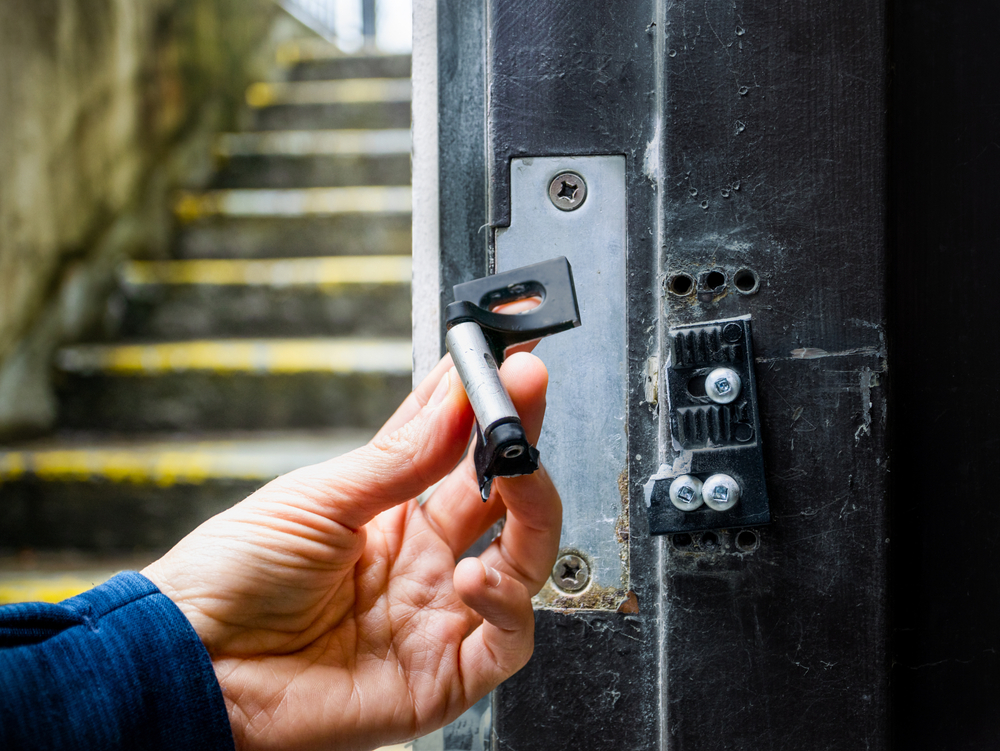
Renting out homes changes coverage. Insurers require disclosure. Undisclosed rentals void claims. Short-term rentals face a higher risk. Damage by tenants may be excluded. Liability exposure increases significantly. Homeowners assume standard coverage applies. It often does not. Rental endorsements adjust protection. Claims fail after tenant incidents. Airbnb use requires specific policies. Income generation changes risk classification. Always inform insurers before renting. Silence creates expensive consequences.
High-value items without scheduled coverage

Jewelry, art, and collectibles need extra coverage. Standard limits are low. Claims exceed caps easily. Appraisals are often required. Without scheduling, payouts disappoint. Theft or damage claims fall short. Homeowners assume full value coverage exists. Receipts and photos help, but may not override limits. Scheduled items receive broader protection. Travel losses may be excluded otherwise. High-value watches and rings are subject to strict caps. Scheduling protects against serious financial loss.
Fire damage caused by improper wiring
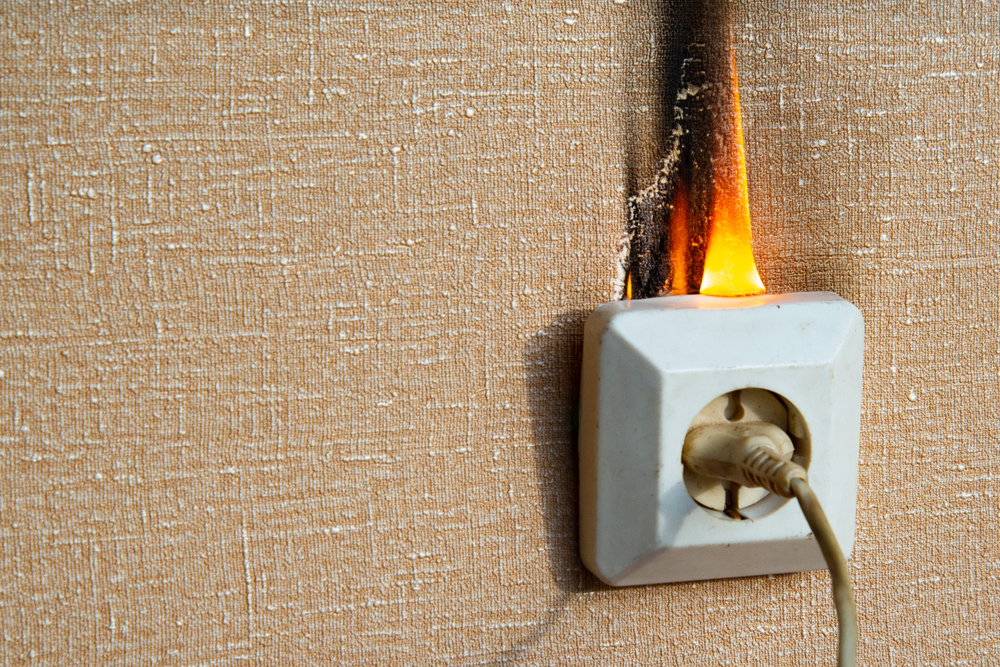
Fire damage feels automatically covered. Cause matters greatly. Improper wiring may void coverage. DIY electrical work raises risks. Insurers investigate fire origins closely. Code violations affect claims. Unpermitted renovations trigger exclusions. Even a partial fault can reduce payouts. Electrical inspections protect homeowners. Old wiring increases scrutiny. Fires linked to negligence face denial. Professional upgrades matter for coverage. Fire coverage depends on compliance, not just damage severity.
Collapse from long-term structural neglect
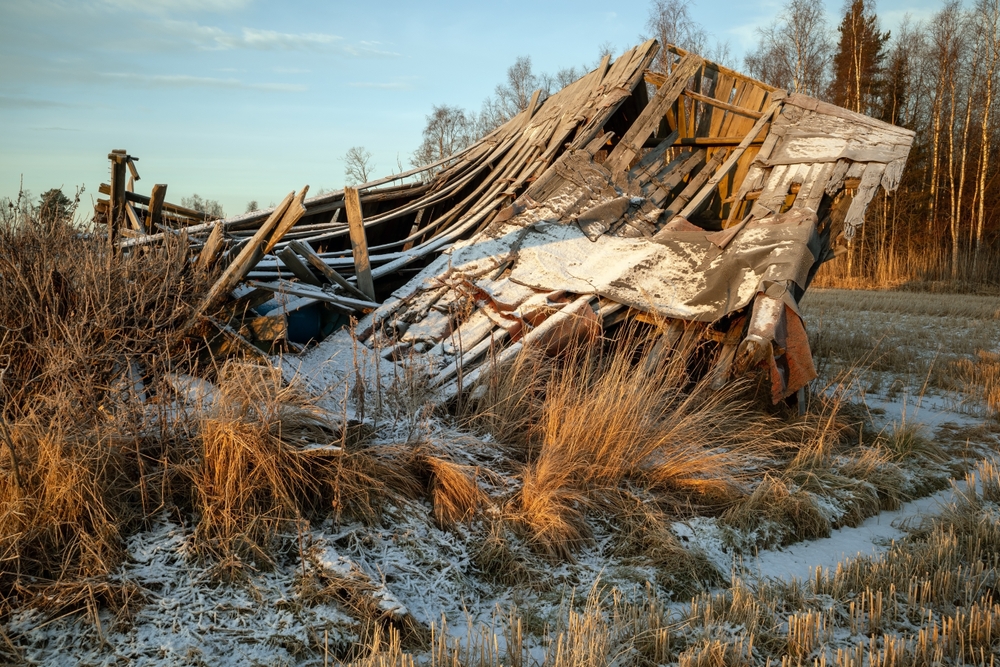
Structural collapse alarms homeowners. Insurance covers sudden collapse only. Gradual weakening is excluded. Rot, corrosion, and decay signal neglect. Claims fail when the collapse was predictable. Maintenance expectations apply. Inspecting beams and supports matters. Snow load damage may differ if it occurs suddenly. Long-term water exposure weakens structures. Claims hinge on cause timing. Insurers assess maintenance history carefully. Structural coverage requires proof of sudden failure.
22 Groceries to Grab Now—Before another Price Shock Hits Canada

Food prices in Canada have been steadily climbing, and another spike could make your grocery bill feel like a mortgage payment. According to Statistics Canada, food inflation remains about 3.7% higher than last year, with essentials like bread, dairy, and fresh produce leading the surge. Some items are expected to rise even further due to transportation costs, droughts, and import tariffs. Here are 22 groceries to grab now before another price shock hits Canada.
22 Groceries to Grab Now—Before another Price Shock Hits Canada
This Options Discord Chat is The Real Deal
While the internet is scoured with trading chat rooms, many of which even charge upwards of thousands of dollars to join, this smaller options trading discord chatroom is the real deal and actually providing valuable trade setups, education, and community without the noise and spam of the larger more expensive rooms. With a incredibly low-cost monthly fee, Options Trading Club (click here to see their reviews) requires an application to join ensuring that every member is dedicated and serious about taking their trading to the next level. If you are looking for a change in your trading strategies, then click here to apply for a membership.