
35,000+ smart investors are already getting financial news, market signals, and macro shifts in the economy that could impact their money next with our FREE weekly newsletter. Get ahead of what the crowd finds out too late. Click Here to Subscribe for FREE.
Grocery bills across Canada keep climbing, even when shopping habits stay the same. Produce prices rise with weather issues, fuel costs, and long transport routes. Many shoppers assume fresh food is always the better deal, but that belief quietly drains wallets. Frozen options often cost less, last longer, and reduce food waste at home. They also lock in nutrition at peak freshness, not after days in transit. Buying frozen does not mean sacrificing taste or quality when choices are smart. Here are 13 groceries Canadians should buy frozen instead of fresh (Save Big Money).
Berries
13 Groceries Canadians Should Buy Frozen Instead of Fresh (Save Big Money)

Fresh berries are one of the most overpriced items in Canadian grocery stores. Prices spike outside short summer seasons and spoil quickly at home. Frozen berries are picked at peak ripeness and flash frozen fast. That process locks in flavor and nutrients without preservatives. A frozen bag often costs less than half the fresh version. You also avoid throwing out moldy berries days later. Frozen berries work well in smoothies, oatmeal, baking, and sauces. Texture changes matter little in these uses. Keeping a bag in the freezer avoids impulse purchases of expensive fresh cartons.
Spinach

Fresh spinach looks affordable until half the bag wilts within days. Moisture and air exposure cause rapid spoilage in refrigerators. Frozen spinach lasts months and costs much less per serving. It is already washed and chopped, saving prep time. Frozen spinach works well in soups, curries, eggs, and pasta dishes. Once cooked, texture differences disappear completely. Nutrients remain stable because freezing happens shortly after harvest. Fresh spinach often loses quality during transport and storage. Buying frozen food prevents repeat purchases and reduces waste. It also helps with portion control for cooking.
Broccoli
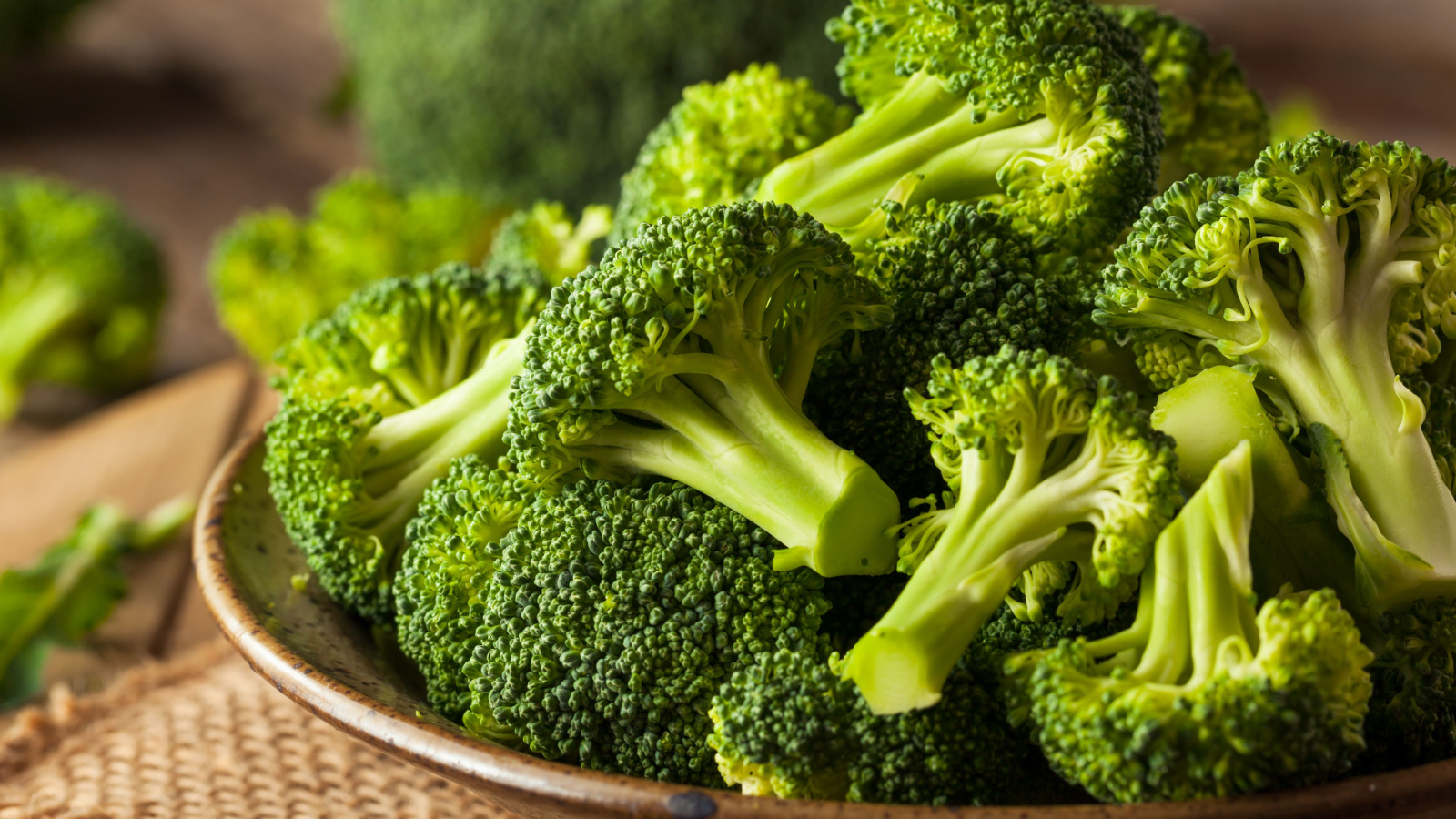
Broccoli crowns sold fresh can hide yellowing florets and woody stems. Prices fluctuate sharply depending on supply and season. Frozen broccoli offers consistent size, quality, and cost year-round. It is cut and frozen shortly after harvest. That timing helps preserve vitamins better than aging fresh heads. Frozen broccoli roasts, steams, and stir-fries well. It also blends smoothly into soups. Bags allow easy portioning without trimming waste. You only use what you need. For families, frozen broccoli stretches meals further and keeps budgets steady.
Peas

Fresh peas are rarely fresh by the time they reach stores. They lose sweetness quickly after harvest. Frozen peas are processed within hours, keeping natural sugars intact. They cook quickly and stay tender when handled properly. Frozen peas cost far less than fresh shelling peas. They also require no prep work at home. Peas work in rice dishes, soups, curries, and salads. A small handful adds color and nutrition easily. Keeping frozen peas on hand prevents last-minute expensive produce trips. They are one of the most reliable frozen staples.
Corn
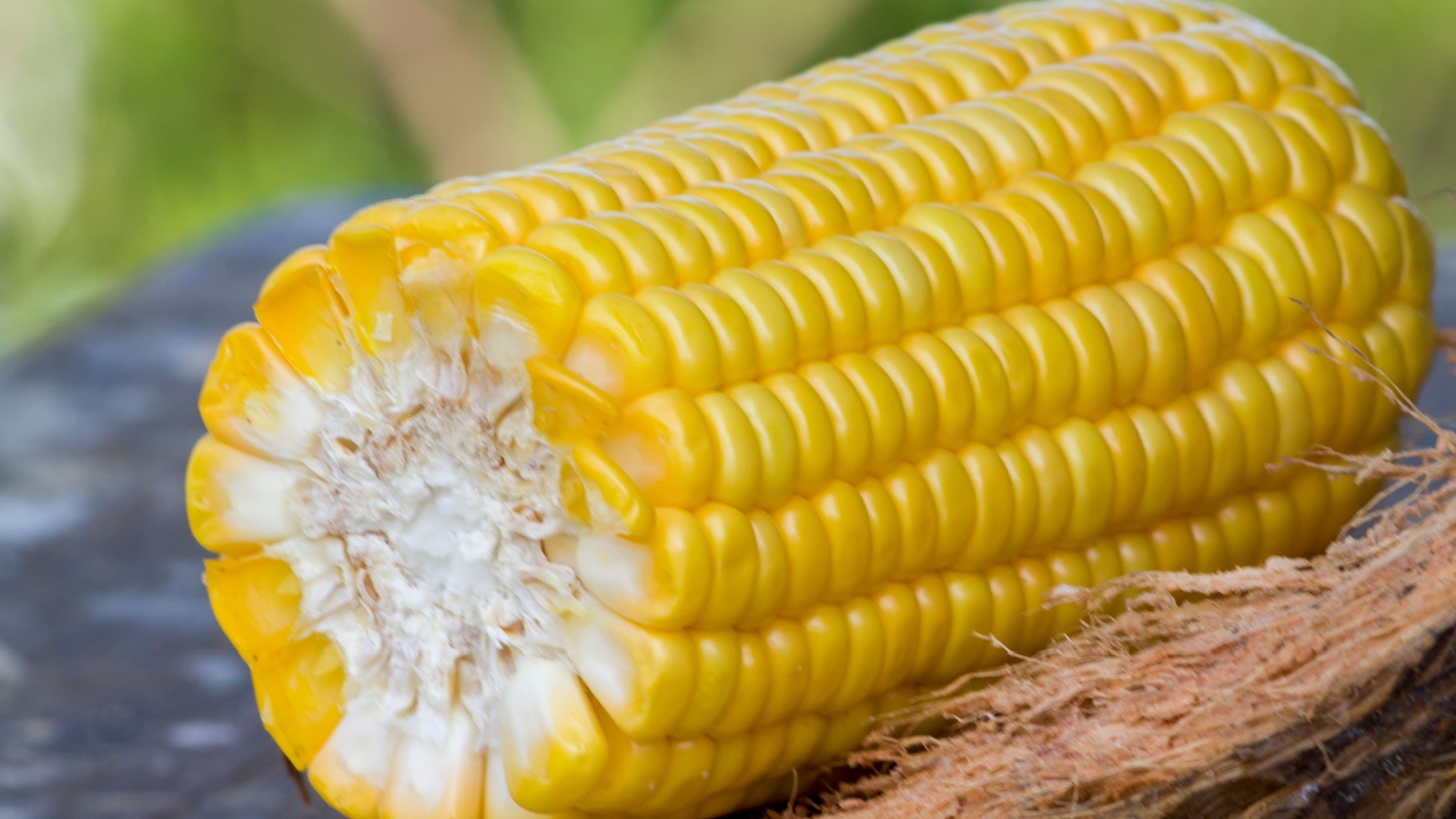
Fresh corn prices rise sharply outside late summer in Canada. Quality drops during long transport times. Frozen corn kernels are cut at peak ripeness and frozen immediately. They keep their sweetness and crunch when cooked properly. Frozen corn works well in soups, stir-fries, tacos, and salads. It also roasts nicely in the oven. Bags cost less per serving than fresh cobs most months. You avoid husks, silk, and food waste. Frozen corn makes meal planning easier without sacrificing flavor. It is a smart freezer staple for year-round cooking.
Mangoes
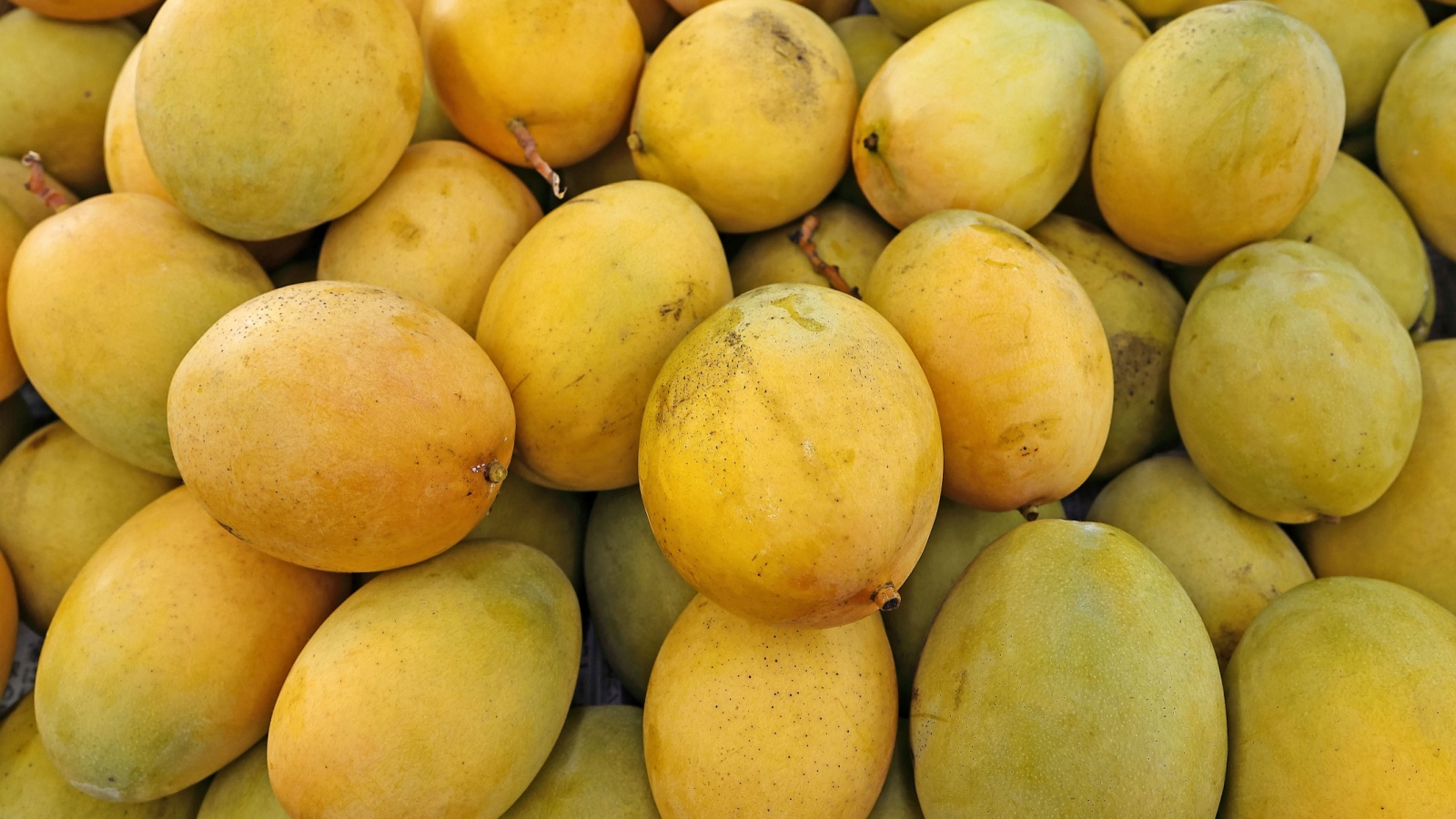
Fresh mangoes can be expensive, inconsistent, and difficult to ripen evenly. Many spoil before reaching peak sweetness. Frozen mango chunks offer reliable flavor and texture. They are picked ripe and processed quickly. Frozen mango works well in smoothies, desserts, and sauces. Cost per portion is usually much lower than that of fresh fruit. You also avoid peeling and cutting mess. Frozen mango reduces disappointment from stringy or bland fresh fruit. Keeping it frozen helps manage cravings without waste. It is especially useful outside peak import seasons.
Fish Fillets
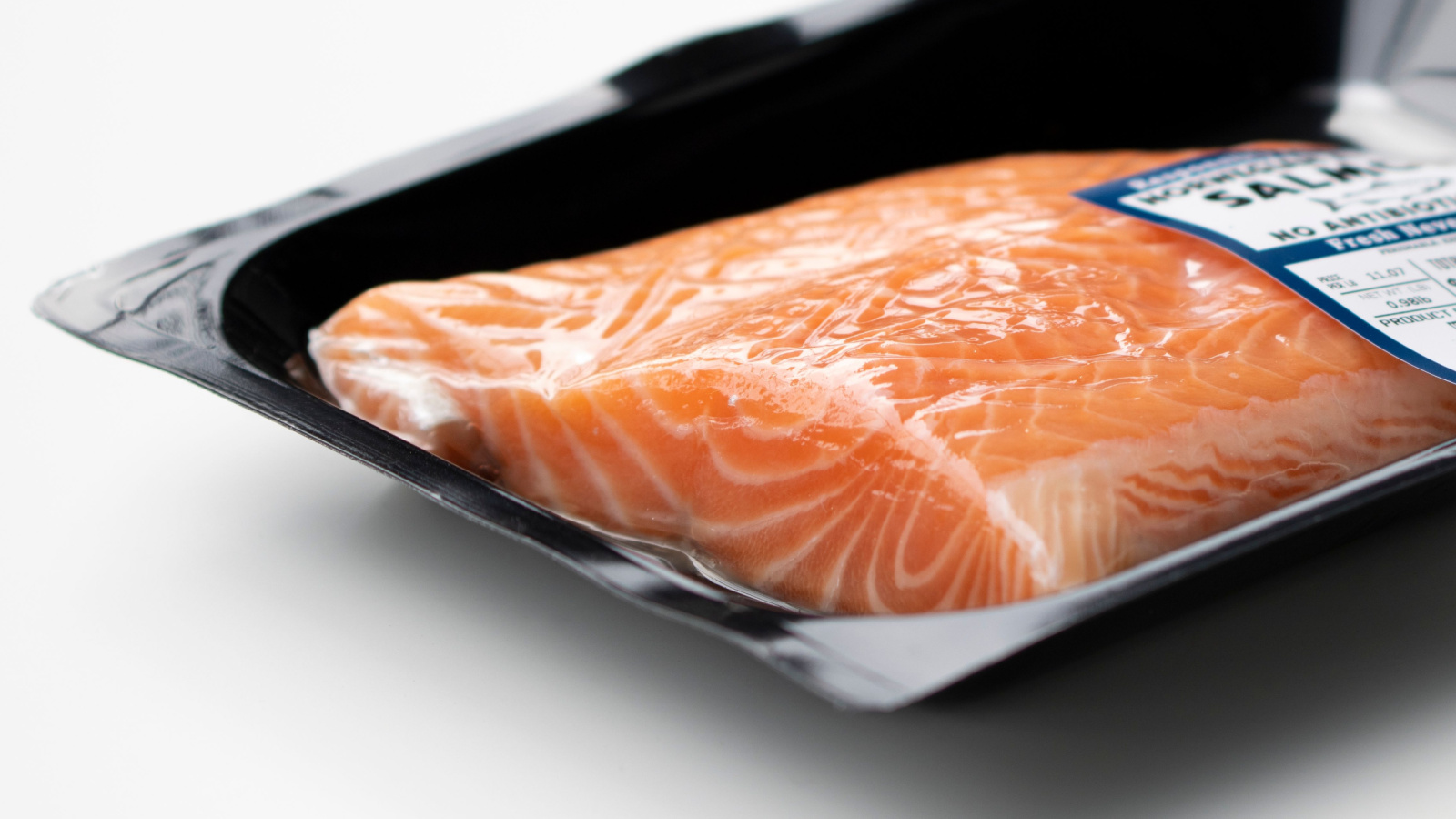
Fresh fish in Canada often travels long distances before sale. Prices reflect transport, spoilage risk, and limited shelf life. Frozen fish fillets are usually frozen at sea shortly after catch. That process preserves quality better than delayed refrigeration. Frozen fillets often cost less per kilogram. They also allow better portion control at home. You can thaw only what you need. Frozen fish works well for baking, grilling, and curries. Many households waste fresh fish due to short freshness windows. Frozen options reduce pressure and cost.
Shrimp
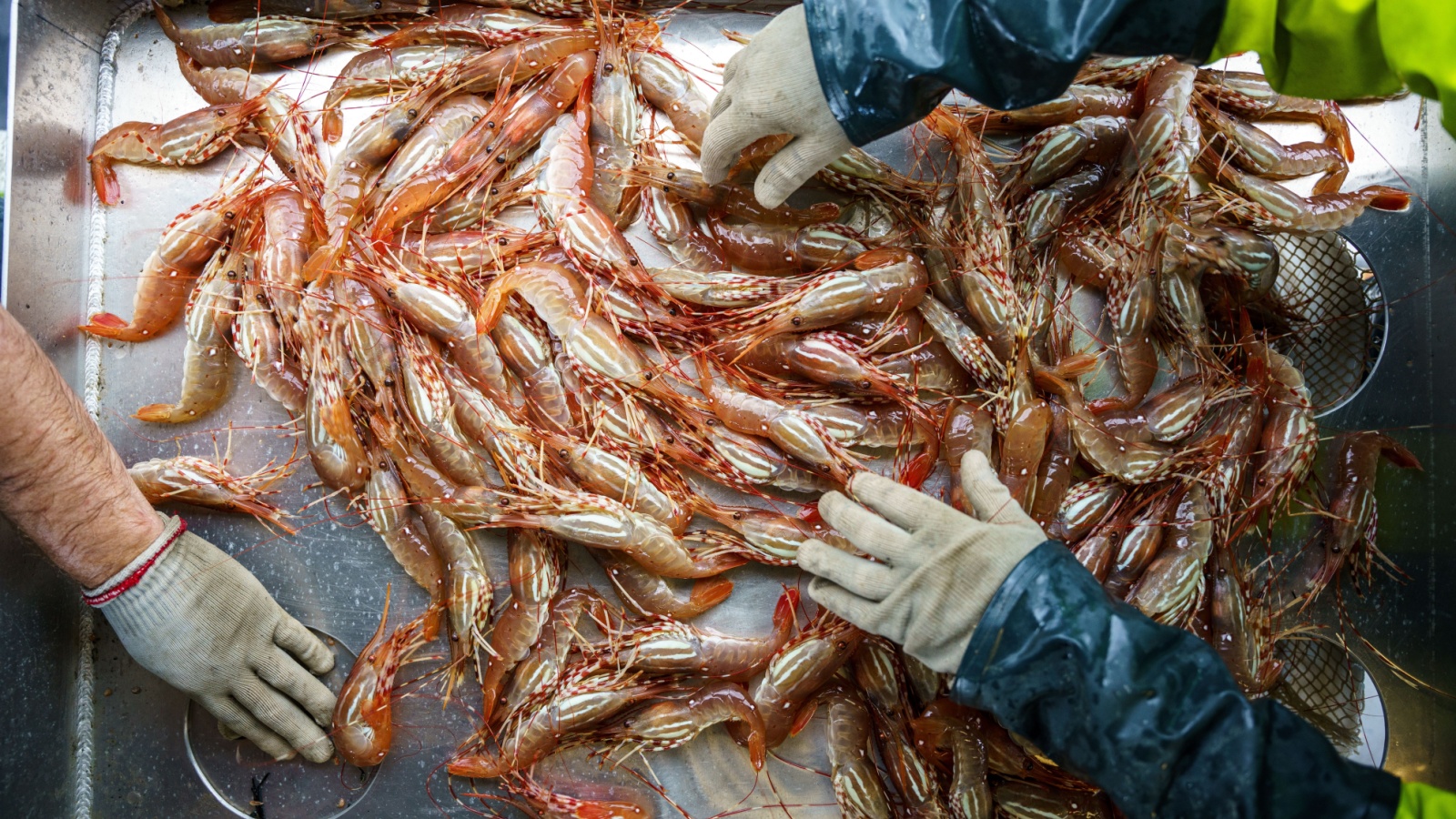
Fresh shrimp sold at counters is often previously frozen anyway. Buying it frozen avoids paying extra for thawed presentation. Frozen shrimp come cleaned and portioned in many sizes. They last months and thaw quickly under cold water. Cost savings add up fast, especially for larger bags. Frozen shrimp perform well in stir-fries, pasta, and rice dishes. Texture stays firm when cooked correctly. You also avoid strong odors from aging fresh shrimp. Keeping frozen shrimp on hand supports quick meals without premium prices.
Mixed Vegetables
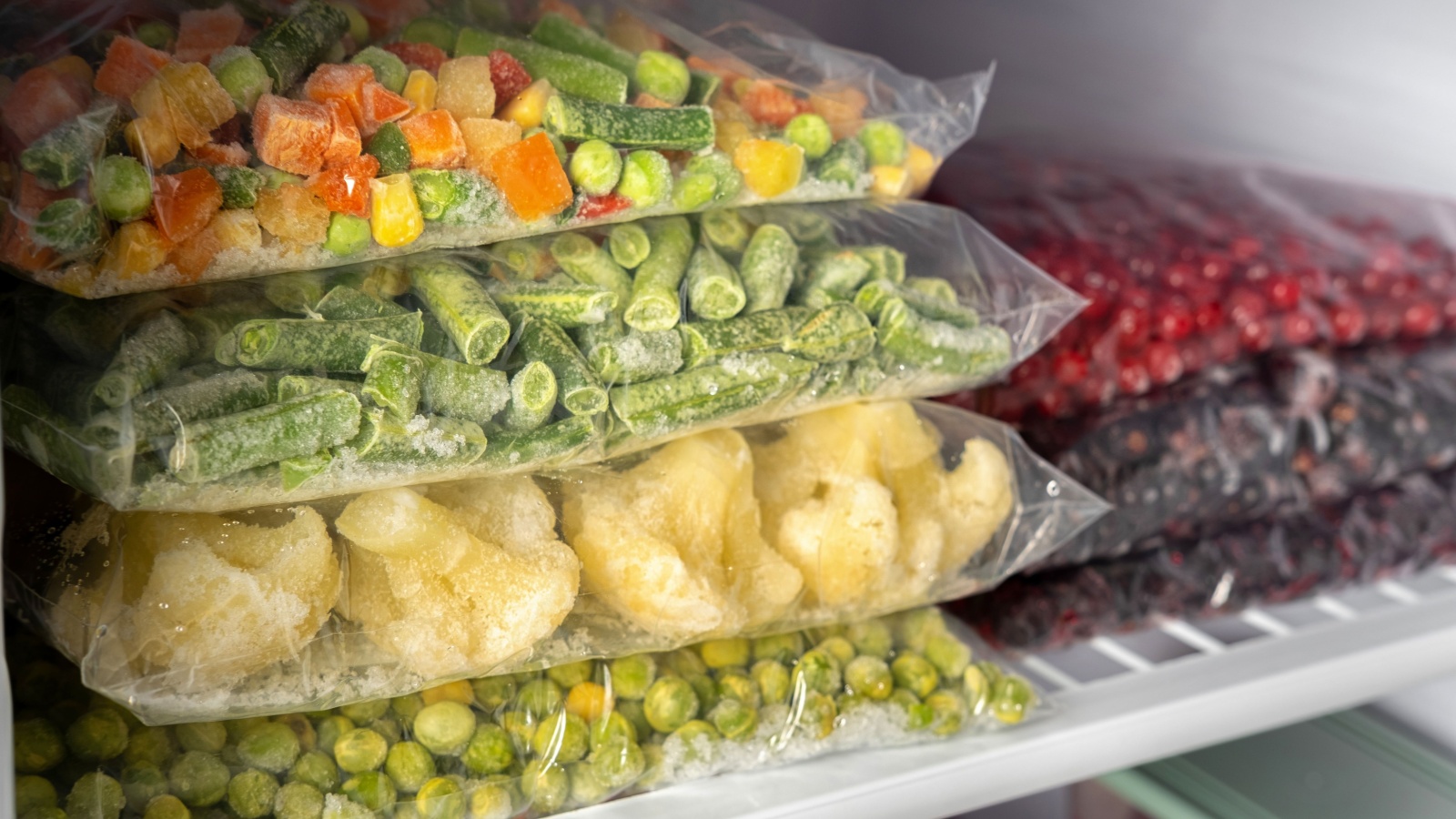
Fresh mixed vegetables require multiple purchases and careful storage. Items spoil at different rates, creating waste. Frozen mixed vegetables combine common staples at a lower cost. They are already washed, chopped, and portioned. Frozen blends work well for soups, fried rice, casseroles, and stews. Nutritional value remains high due to quick freezing. Frozen mixes reduce prep time on busy days. They also help stretch proteins by adding volume to meals. Buying one frozen bag often replaces several fresh purchases. That saves money and fridge space.
Green Beans
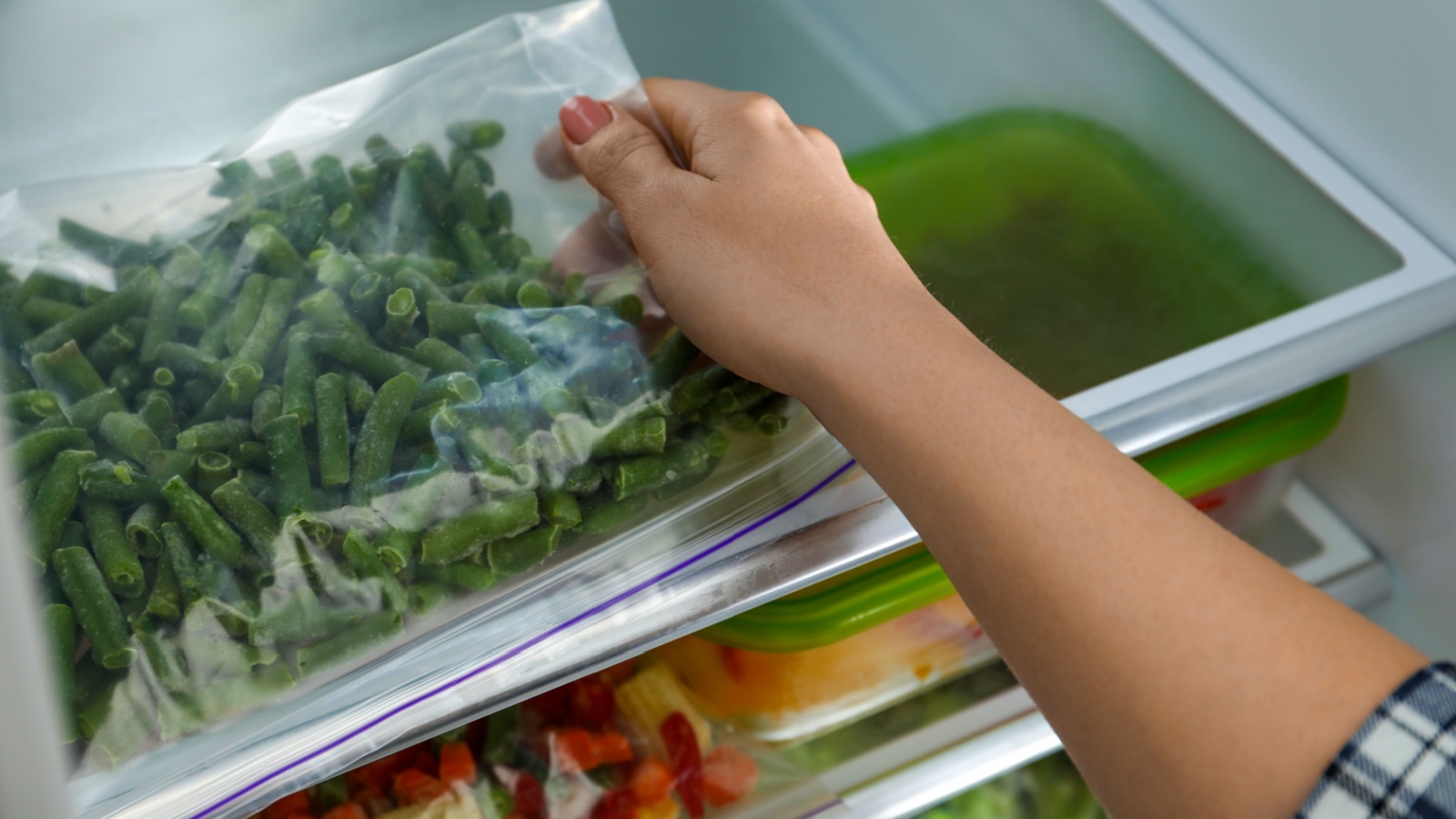
Fresh green beans lose crispness quickly after harvest. Prices fluctuate widely depending on season and imports. Frozen green beans offer consistent texture and flavor year-round. They cook evenly and retain color when handled properly. Frozen green beans work well in stir-fries, casseroles, and side dishes. Cost per serving is usually lower than that of fresh. You also avoid trimming ends at home. Frozen options reduce spoilage and repeat buying. For families, this stability matters. Keeping them frozen makes weekly meal planning easier and cheaper.
Blueberries

Fresh blueberries command high prices outside the summer months. Spoilage happens fast, especially once containers are opened. Frozen blueberries are harvested at peak ripeness and frozen immediately. They retain antioxidants and natural sweetness well. Frozen blueberries suit baking, oatmeal, yogurt, and sauces. Cost savings are noticeable over time. You avoid throwing away soft or moldy berries. Texture differences are minor when cooked or blended. Frozen blueberries also help control portions. They are one of the most cost-effective frozen fruits available in Canada.
Bell Peppers
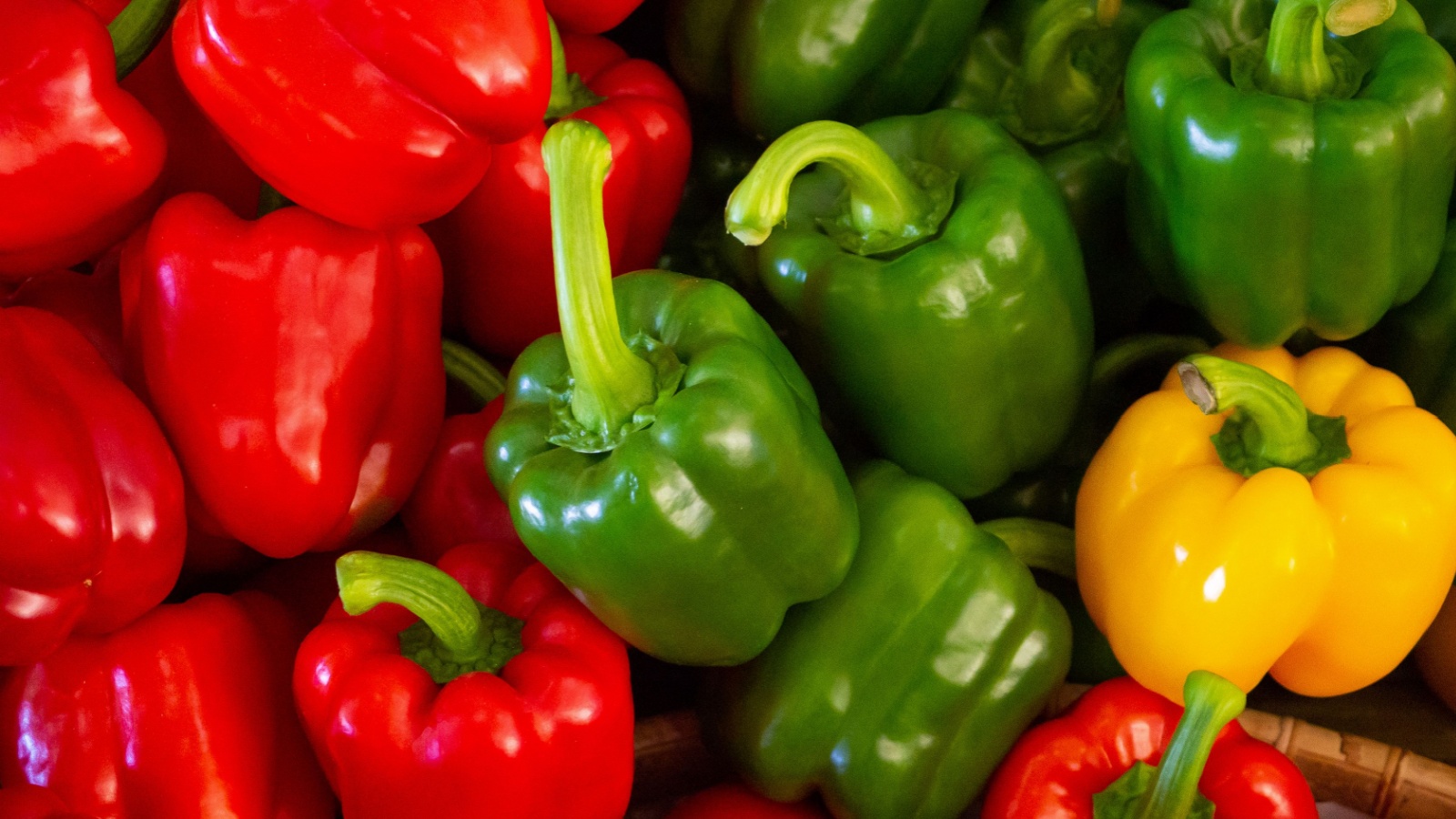
Fresh bell peppers are expensive and often sold individually at high prices. They also wrinkle quickly in refrigerators. Frozen bell peppers come sliced and ready to use. They are perfect for cooking applications like fajitas and sauces. Frozen peppers cost much less per serving. They eliminate chopping time and waste. Color variety remains consistent in frozen blends. While texture softens, flavor holds well when cooked. Keeping frozen peppers avoids last-minute produce purchases. This swap saves money without affecting most meals.
Avocado Chunks
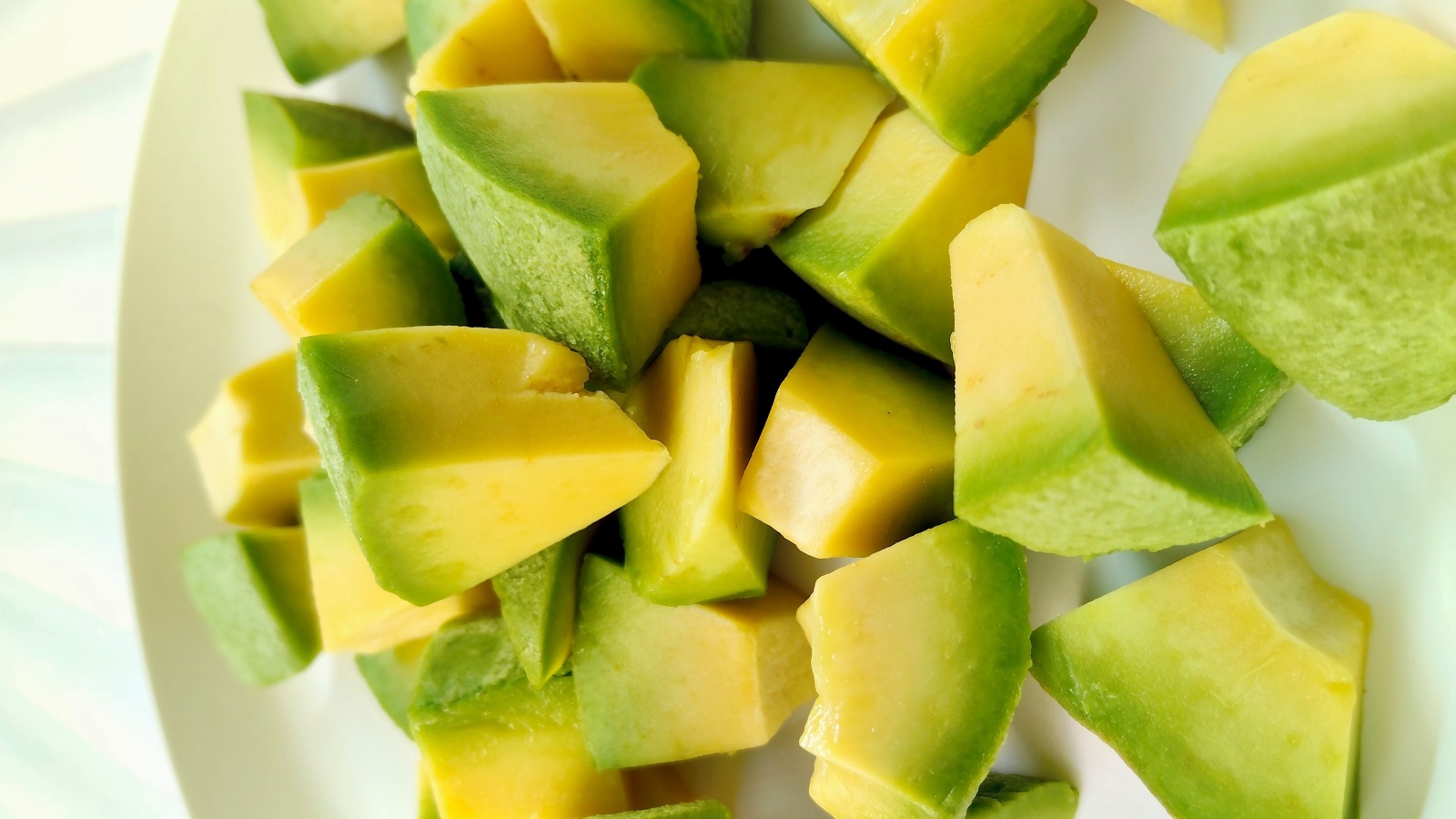
Fresh avocados fluctuate wildly in price and ripeness. Many go bad before use. Frozen avocado chunks remove ripening guesswork completely. They are cut and frozen at peak quality. Frozen avocado works best in smoothies, spreads, and sauces. Cost per usable portion is often lower than that of fresh fruit. You avoid paying for spoiled avocados. Frozen chunks thaw quickly and blend smoothly. They also reduce impulse buying during price spikes. For many households, frozen avocado offers better value and less frustration.
22 Groceries to Grab Now—Before another Price Shock Hits Canada
Food prices in Canada have been steadily climbing, and another spike could make your grocery bill feel like a mortgage payment. According to Statistics Canada, food inflation remains about 3.7% higher than last year, with essentials like bread, dairy, and fresh produce leading the surge. Some items are expected to rise even further due to transportation costs, droughts, and import tariffs. Here are 22 groceries to grab now before another price shock hits Canada.
22 Groceries to Grab Now—Before another Price Shock Hits Canada
This Options Discord Chat is The Real Deal
While the internet is scoured with trading chat rooms, many of which even charge upwards of thousands of dollars to join, this smaller options trading discord chatroom is the real deal and actually providing valuable trade setups, education, and community without the noise and spam of the larger more expensive rooms. With a incredibly low-cost monthly fee, Options Trading Club (click here to see their reviews) requires an application to join ensuring that every member is dedicated and serious about taking their trading to the next level. If you are looking for a change in your trading strategies, then click here to apply for a membership.