
35,000+ smart investors are already getting financial news, market signals, and macro shifts in the economy that could impact their money next with our FREE weekly newsletter. Get ahead of what the crowd finds out too late. Click Here to Subscribe for FREE.
Canada’s housing crisis is no longer just about high prices in major cities. It is quietly rewriting how millennials choose where to live, work, and plan their futures. Many are delaying milestones, rethinking geography, or settling in places they never expected. The ripple effects stretch beyond rent listings into commuting habits, family planning, and career choices. These shifts are not dramatic headline moments. They happen gradually, lease by lease, year by year. Here are 22 ways Canada’s housing crisis is reshaping where millennials can afford to live.
Smaller cities are no longer stepping stones
22 Ways Canada’s Housing Crisis Is Reshaping Where Millennials Can Afford to Live
- Smaller cities are no longer stepping stones
- Suburbs are no longer just for families
- Rural towns are becoming serious options
- Living alone feels like a luxury
- Couples delay moving in together
- Homeownership timelines keep stretching
- Career choices become location-driven
- Multi-generational living feels normalized
- Housing quality becomes negotiable
- Long commutes feel unavoidable
- Rent increases dictate mobility
- Friends scatter across regions
- Urban cores skew wealthier
- Renting feels like a long-term identity
- Financial caution replaces optimism
- Smaller living spaces become standard
- Location outweighs lifestyle preferences
- Delayed family planning becomes common
- Emotional attachment to housing weakens
- Regional inequality becomes more visible
- Expectations of adulthood get rewritten
- Affordability defines freedom
- 22 Groceries to Grab Now—Before another Price Shock Hits Canada
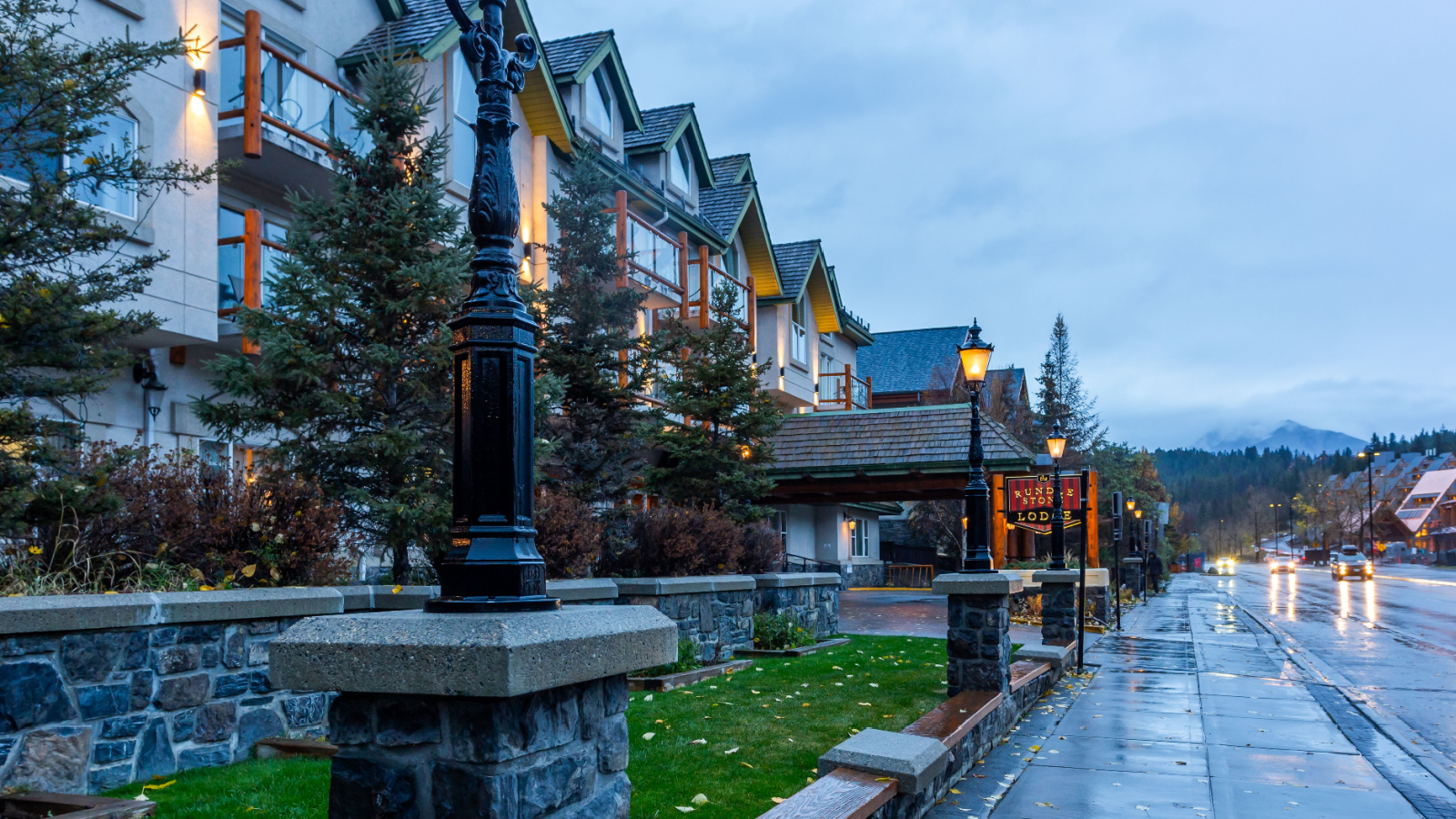
For decades, smaller cities were seen as temporary stops before moving somewhere bigger. That perception is fading. Rising prices in major metros have made mid-sized cities permanent homes for many millennials. These areas now attract people who once planned to leave. The cost difference still matters, even as prices rise locally. What changes is the mindset. People commit earlier. They buy furniture meant to last. They look for long-term jobs. This permanence reshapes local demand, services, and housing supply. It also changes how people define success and stability in adulthood.
Suburbs are no longer just for families

Suburbs used to signal a later stage of life. Today, millennials move there earlier than planned. Detached homes remain costly, but older townhouses and rentals feel more attainable. Commutes grow longer, but space feels worth the trade. Social lives adapt. Friendships become more scheduled. Remote work makes suburban living workable in ways it never was before. This shift is not about preference alone. It is driven by price ceilings in urban cores. Suburbs become compromises that slowly turn into roots.
Rural towns are becoming serious options

Rural living once felt unrealistic for many young adults. Housing costs changed that. Some millennials now choose rural towns for affordability, even without family ties. Internet access matters more than nightlife. Daily routines slow down. Travel becomes less spontaneous. Still, the chance to own or rent affordably feels grounding. These moves reshape rural economies and housing demand. They also test infrastructure not built for population growth. What was once fringe is becoming normalized through necessity.
Living alone feels like a luxury

Solo living was once a milestone. Now it feels rare. Many millennials share homes longer than planned, even with solid incomes. Roommates are not just for early careers anymore. Privacy becomes a trade instead of a given. Some people choose smaller spaces to live alone. Others accept shared kitchens to save money. This shift affects mental health, relationships, and daily routines. It also changes what people expect from adulthood. Independence looks different when rent absorbs so much income.
Couples delay moving in together

Moving in together used to save money. In many cities, it barely does. Higher rents mean couples sometimes live apart longer, even while committed. Two smaller risks can feel safer than one large shared risk. This affects timelines for engagement, pets, and long-term planning. Emotional readiness does not always match financial readiness. Housing costs quietly shape relationship decisions without being openly discussed. Love adapts to lease agreements more than people admit.
Homeownership timelines keep stretching

Buying a home once felt possible within a decade of working. For many millennials, that window keeps moving. Saving feels slow when rent rises yearly. Down payments grow faster than incomes. Some stop planning altogether. Others rely on family help or inheritance expectations. This changes emotional relationships with housing. Renting becomes permanent rather than transitional. Ownership shifts from goal to distant possibility. That mental shift affects spending, risk tolerance, and long-term confidence.
Career choices become location-driven

Housing costs now shape job decisions more directly. Millennials consider where they can afford to live before accepting roles. Some turn down promotions tied to expensive cities. Others prioritize remote-friendly employers. Career growth becomes tied to geography in unexpected ways. Ambition does not disappear. It adapts to rental realities. The idea of moving anywhere for work feels outdated for many. Stability now competes with opportunity in sharper ways.
Multi-generational living feels normalized
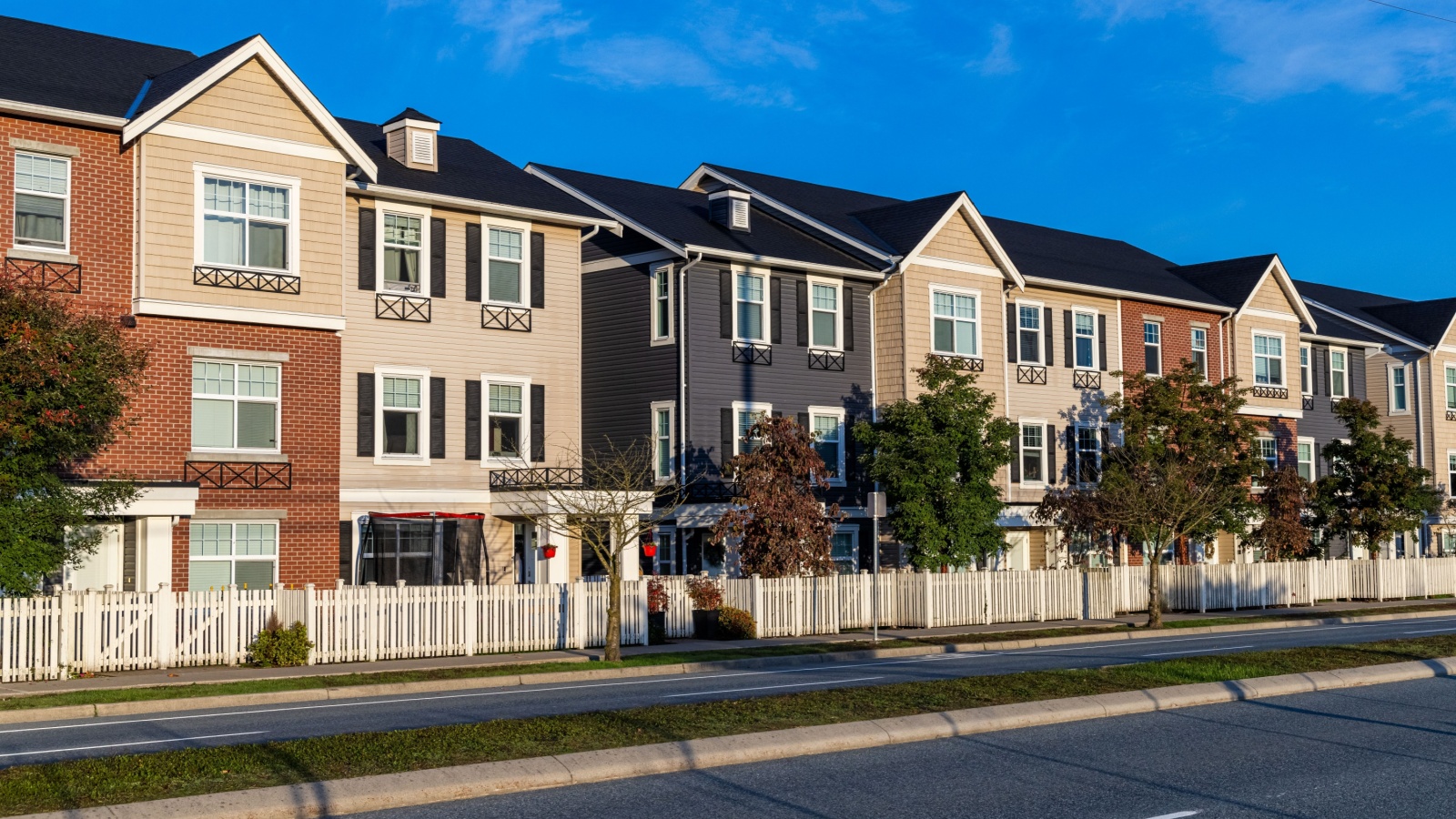
Living with parents longer no longer carries the same stigma. Housing costs made it common. Some millennials move back home after years away. Others never leave. This supports saving but limits independence. Family dynamics shift. Privacy changes. Long-term plans slow down. Still, it offers financial breathing room that many cannot find elsewhere. What once felt temporary now stretches into years. Social norms adjust quietly around this reality.
Housing quality becomes negotiable

Affordability often comes at the cost of quality. Millennials accept older buildings, poor insulation, or limited space to stay within budget. Repairs feel optional. Amenities disappear. Location outweighs comfort. This shapes daily life more than expected. Heating bills rise. Noise becomes routine. The definition of acceptable housing shifts downward. Over time, expectations recalibrate. People settle not because they want to, but because options feel limited.

Living farther away often means longer commutes. Many accept this trade without enthusiasm. Time becomes the hidden cost of affordability. Hours spent traveling replace leisure and rest. Hybrid work helps but does not eliminate the burden. Commutes shape daily schedules and energy levels. Over time, they influence social lives and health. The map of affordability stretches outward, pulling people farther from where they work.
Rent increases dictate mobility

Millennials move less by choice and more by rent hikes. Stability depends on landlord decisions. Sudden increases force relocation even without the desire to move. Planning becomes short-term. People hesitate to personalize spaces. Emotional attachment weakens. Housing feels temporary even after years in one place. This uncertainty shapes how people think about community and belonging. Home becomes a flexible concept rather than a fixed place.
Friends scatter across regions

Housing affordability pushes millennials to live wherever rent feels manageable, not where their social circles exist. Friends who once lived minutes apart now live in different cities or provinces. Casual hangouts disappear. Relationships rely on planning and screens. This distance changes emotional support systems. Celebrations get skipped. Help feels farther away. Over time, people build smaller local networks while maintaining distant friendships. Housing choices quietly redraw social maps. Belonging becomes fragmented. Community becomes harder to sustain when affordability determines geography instead of preference or shared history.
Urban cores skew wealthier

As housing prices rise, urban cores increasingly cater to higher-income residents. Millennials earning average wages find themselves pushed outward. This shift changes who cities serve. Restaurants, shops, and services adapt to wealthier customers. Cultural variety narrows without intention. Younger residents without financial support are becoming rarer downtown. The energy of city life changes subtly. Diversity fades in ways that are not immediately visible. Housing costs reshape cities not through policy alone, but through who can afford to stay.
Renting feels like a long-term identity

Renting was once seen as temporary. For many millennials, it now defines adulthood. Long-term renting affects how people save, plan, and think about stability. Furniture choices change. Moving feels inevitable. Tenant rights matter more than future mortgages. People adapt emotionally, even if frustration remains. Renting stops feeling like a step toward something else. It becomes the structure around which life is built. This shift quietly alters expectations about security and progress.
Financial caution replaces optimism

High housing costs encourage careful spending habits. Millennials save defensively instead of confidently. Large purchases feel risky. Emergency funds matter more than long-term goals. Even stable earners feel exposed to sudden rent increases. This caution shapes daily decisions and future planning. Optimism gives way to restraint. Housing instability affects how people view risk, opportunity, and comfort. Over time, financial confidence erodes quietly, influenced less by income and more by housing uncertainty.
Smaller living spaces become standard

Affordability often means accepting less space. Millennials adapt to smaller apartments and tighter layouts. Storage becomes intentional. Possessions get edited. Hosting requires planning. Privacy becomes limited. Daily routines adjust around compact living. What once felt temporary becomes normal. Space stops being a marker of success. Comfort gets redefined around affordability. This shift shapes habits, relationships, and mental space. Smaller homes become part of everyday adulthood rather than a compromise.
Location outweighs lifestyle preferences

Housing costs force millennials to prioritize price over preference. Ideal neighborhoods fall out of reach. People choose areas based on affordability rather than amenities or atmosphere. Lifestyle dreams adjust slowly. Preferences shift to fit reality. Over time, people learn to want what they can afford. Housing quietly reshapes taste, routines, and identity. Location becomes a financial decision first. Enjoyment becomes secondary. This change happens gradually, often without conscious acceptance.
Delayed family planning becomes common

Housing stability plays a major role in decisions about children. Many millennials delay starting families due to space and cost concerns. Apartments feel too small. Houses feel unreachable. Timelines stretch without clear endpoints. Emotional readiness competes with financial reality. Housing becomes a silent gatekeeper to parenthood. This delay affects demographics and personal fulfilment. Decisions once guided by age now depend on rent and square footage.
Emotional attachment to housing weakens

When housing feels unstable, emotional investment fades. Millennials hesitate to fully settle. Decorating feels temporary. Long-term attachment feels risky. Moves feel inevitable rather than optional. Home becomes functional instead of comforting. This emotional distance protects against disappointment. Over time, housing feels less personal. Stability becomes psychological as much as physical. The idea of home shifts from sanctuary to shelter shaped by affordability.
Regional inequality becomes more visible

Housing prices highlight uneven regional realities across Canada. Some areas feel permanently out of reach. Others feel undervalued but overcrowded. Millennials become acutely aware of these contrasts. Migration patterns reflect this awareness. People move toward affordability rather than opportunity alone. Regional identities shift as populations change. Housing costs quietly redraw national patterns. Inequality becomes visible through rent listings rather than headlines.
Expectations of adulthood get rewritten

Traditional milestones no longer align with reality. Renting longer, living with parents, or moving frequently feels normal. Millennials redefine adulthood around adaptability rather than ownership. Success looks different. Stability becomes flexible. Housing costs force this cultural shift. Expectations adjust quietly without celebration. Adulthood becomes less linear and more negotiated. Housing realities shape identity as much as age or career.
Affordability defines freedom

Freedom increasingly means housing stability. Millennials measure options by rent, not possibility. Where they live shapes everything else. Choices narrow before expanding. Affordability determines flexibility, safety, and planning. Housing becomes the foundation of decision-making. Dreams adapt to budgets. Freedom feels conditional. Housing is no longer background noise. It is the loudest factor in deciding where life can realistically happen.
22 Groceries to Grab Now—Before another Price Shock Hits Canada

Food prices in Canada have been steadily climbing, and another spike could make your grocery bill feel like a mortgage payment. According to Statistics Canada, food inflation remains about 3.7% higher than last year, with essentials like bread, dairy, and fresh produce leading the surge. Some items are expected to rise even further due to transportation costs, droughts, and import tariffs. Here are 22 groceries to grab now before another price shock hits Canada.
22 Groceries to Grab Now—Before another Price Shock Hits Canada
This Options Discord Chat is The Real Deal
While the internet is scoured with trading chat rooms, many of which even charge upwards of thousands of dollars to join, this smaller options trading discord chatroom is the real deal and actually providing valuable trade setups, education, and community without the noise and spam of the larger more expensive rooms. With a incredibly low-cost monthly fee, Options Trading Club (click here to see their reviews) requires an application to join ensuring that every member is dedicated and serious about taking their trading to the next level. If you are looking for a change in your trading strategies, then click here to apply for a membership.