
35,000+ smart investors are already getting financial news, market signals, and macro shifts in the economy that could impact their money next with our FREE weekly newsletter. Get ahead of what the crowd finds out too late. Click Here to Subscribe for FREE.
Every winter, Canadian drivers hear the same advice repeated online, at work, and in parking lots. Some of it helps. Some of it sounds official but is wrong. Over time, opinions turn into “rules,” even when the law says otherwise. Many drivers spend money, space, and effort on gear they believe is required. In reality, several winter driving “essentials” are optional, situational, or simply outdated. Knowing the difference matters for safety and budgets. Here are 12 Winter Driving “Essentials” Canadians Think Are Mandatory (But aren’t).
Winter Tires Are Legally Required Everywhere
12 Winter Driving “Essentials” Canadians Think Are Mandatory (But Aren’t)
- Winter Tires Are Legally Required Everywhere
- Studded Tires Are Always Illegal
- Snow Chains Must Be Carried in Winter
- Four Wheel Drive Replaces Winter Tires
- Engine Block Heaters Are Required
- Emergency Kits Must Follow a Fixed Checklist
- Winter Washer Fluid Is Mandatory
- Idling Is Required to Warm Up the Car
- Winter Weight in the Trunk Is Necessary
- Headlights Must Stay on All Winter
- Tire Chains or Cables Are Required in Snowstorms
- Winter Driving Courses Are Mandatory
- 22 Groceries to Grab Now—Before another Price Shock Hits Canada

Many drivers believe winter tires are mandatory across Canada. That is not true. Rules vary by province and territory. Quebec requires winter tires during specific months. Most other regions do not. Outside Quebec, winter tires are strongly recommended but not legally required. All-season tires meet legal standards in most provinces. Police cannot ticket you simply for lacking winter tires. Insurance discounts often confuse people into thinking tires are mandatory. Discounts reward safer choices, not legal compliance. Winter tires improve traction and braking in cold weather. Still, choosing them remains a personal decision in many regions, not a universal legal obligation for drivers.
Studded Tires Are Always Illegal
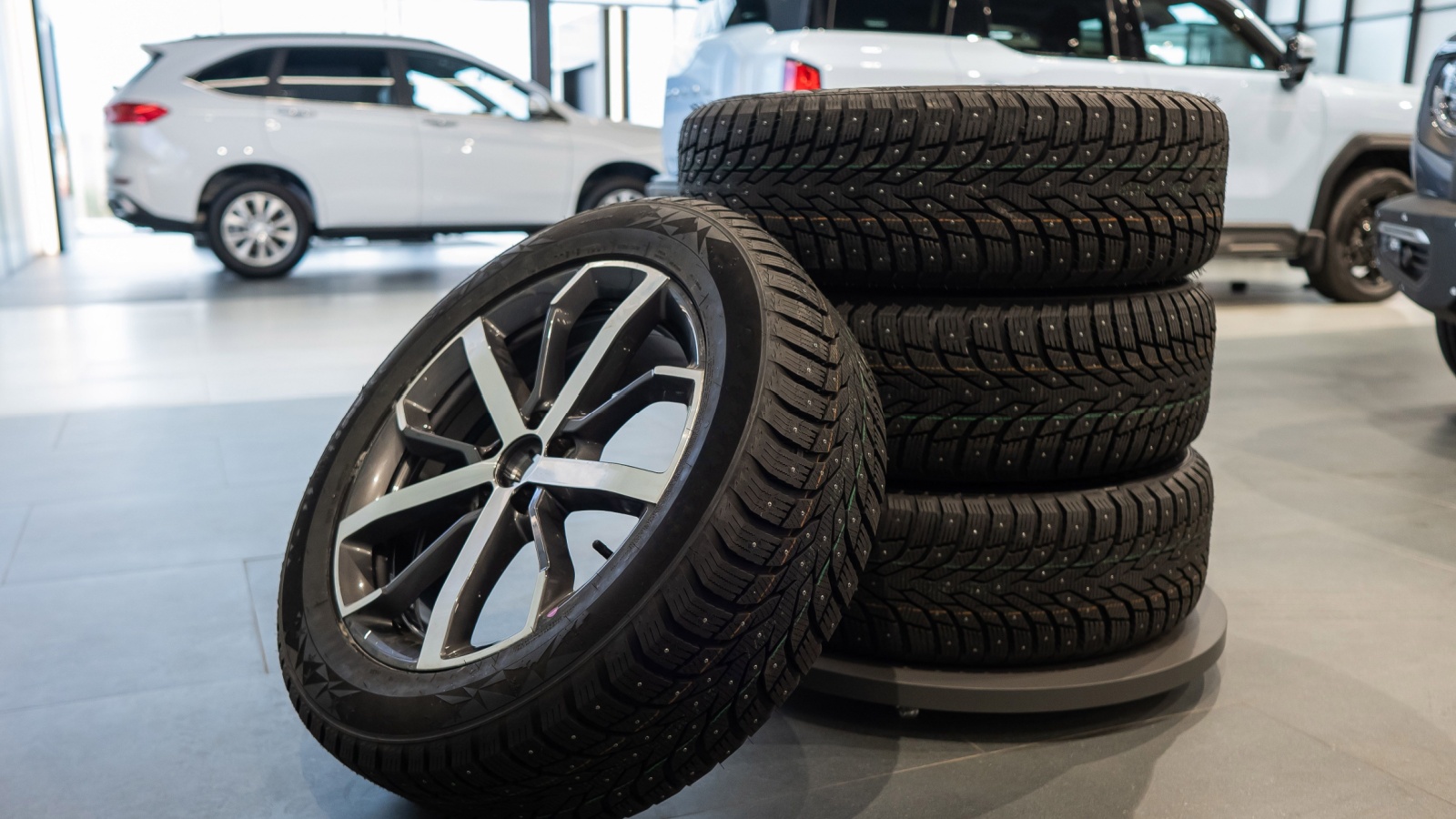
Studded tires carry a reputation for being banned everywhere. That belief is outdated. Some provinces allow studded tires during certain months. Others restrict their use due to road wear. British Columbia permits studs in winter. Alberta allows them year-round. Ontario restricts them, except in Northern regions. Many drivers assume studs equal fines. That is not always correct. Local rules matter more than national assumptions. Studded tires can improve grip on ice. They also create noise and pavement damage. Their legality depends on location and timing, not a blanket national rule for Canadian drivers.
Snow Chains Must Be Carried in Winter
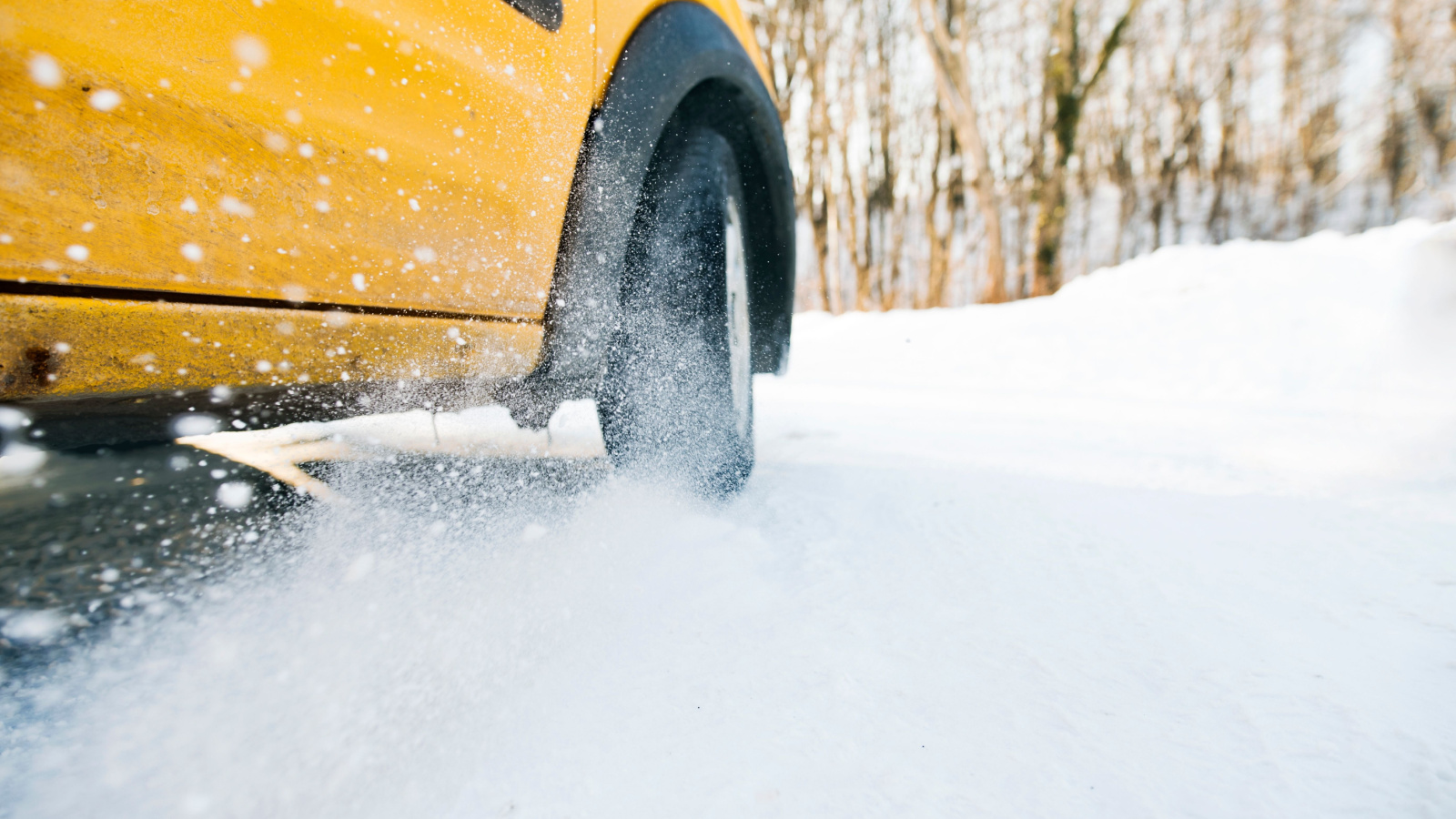
Snow chains feel official and intimidating. Many drivers think they are required to have winter equipment. In Canada, they are rarely mandatory for personal vehicles. Snow chains are common in mountain regions outside Canada. Most Canadian provinces do not require them. Some commercial vehicles face different rules. Private drivers usually do not. Certain highways may recommend chains during extreme conditions. Recommendations are not laws. Carrying chains can help in specific rural or mountain routes. For most urban drivers, they add weight and hassle. Snow chains remain optional equipment in most places, not a legal requirement for everyday winter driving.
Four Wheel Drive Replaces Winter Tires

Four Wheel Drive sounds like a winter shortcut. Many drivers believe it replaces winter tires. That belief causes confusion. Four Wheel Drive helps with acceleration, not stopping. Braking relies on tire grip, not drivetrain layout. All Wheel Drive vehicles still slide on ice. Canadian laws do not grant exceptions for vehicle type. A truck without winter tires follows the same rules as a small car. Four wheel drive improves control in deep snow. It does not make winter tires legally unnecessary. Winter performance depends more on rubber compound than power distribution during braking situations on icy roads.
Engine Block Heaters Are Required

Block heaters feel like winter survival gear. Many people assume they are mandatory. They are not required by law. Block heaters help engines start in extreme cold. They reduce wear and fuel use during cold starts. Most provinces do not require them. Newer vehicles often start fine without one. Drivers in milder winter regions rarely need block heaters. In northern areas, they are common but still optional. Some parking lots offer outlets, which adds to confusion. Availability does not equal obligation. A block heater remains a helpful tool, not a legal winter driving requirement.
Emergency Kits Must Follow a Fixed Checklist

Emergency kits often come with official-looking lists. Many drivers think a specific checklist is legally required. Canada does not mandate a standard winter emergency kit. Police do not inspect kits during traffic stops. Safety organizations recommend items like blankets, food, and flashlights. Recommendations vary by region and climate. Drivers choose what fits their needs. Commercial kits sometimes imply legal necessity in packaging. That implication sells products, not law. Having supplies is smart in winter. The contents are personal choices. There is no universal Canadian rule requiring a specific emergency kit for winter driving.
Winter Washer Fluid Is Mandatory
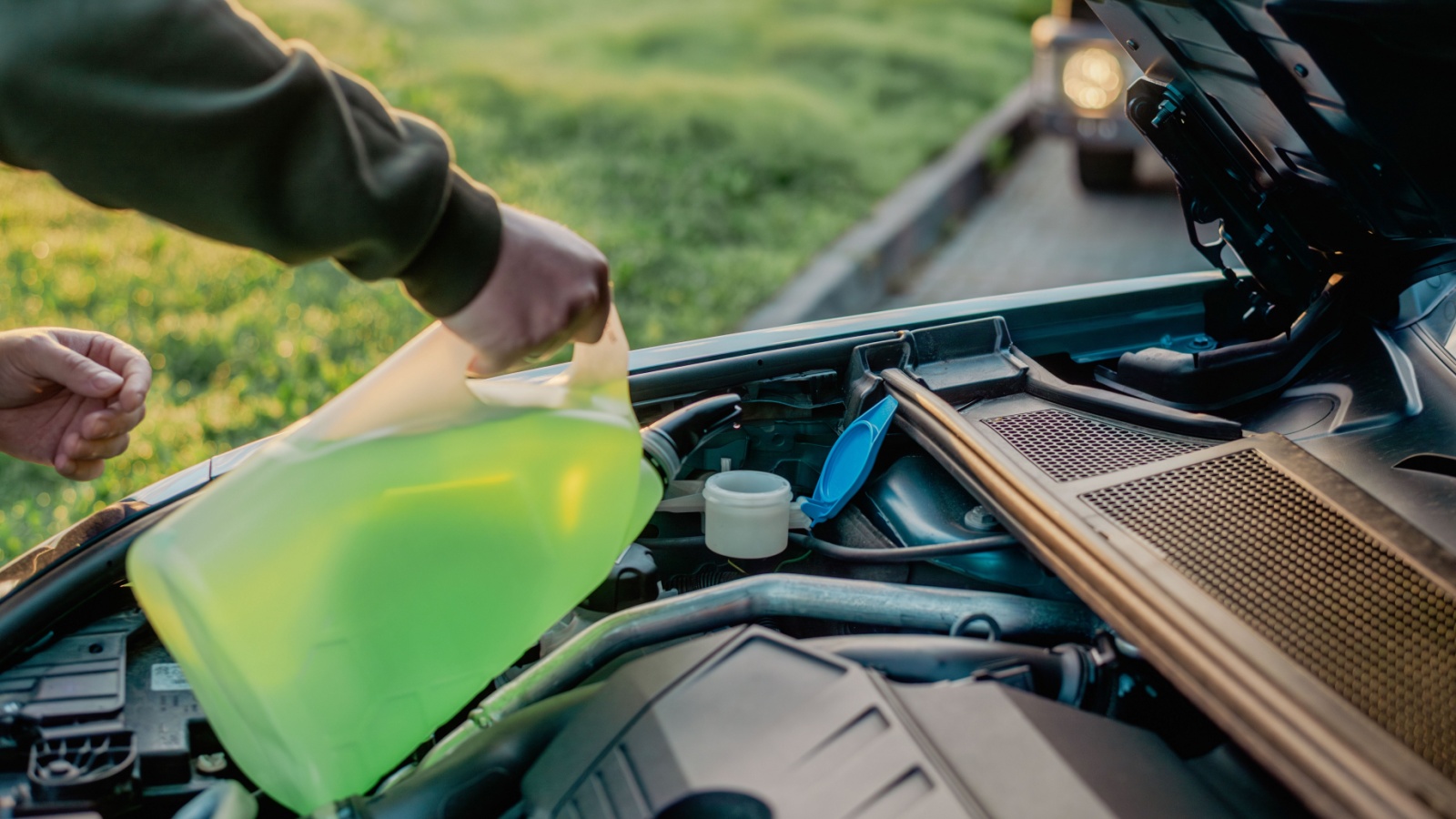
Winter washer fluid is widely sold in cold months. Many drivers think it is required. It is not legally mandated. Regular washer fluid freezes more easily. Winter blends improve visibility during snow and slush. Police cannot fine drivers for using summer fluid. Poor visibility can still result in unsafe driving charges. That difference matters. The law focuses on clear windows, not fluid labels. Using winter fluid is practical in freezing temperatures. It prevents clogged lines and frozen reservoirs. However, it remains a safety recommendation, not a specific legal winter driving requirement across Canada.
Idling Is Required to Warm Up the Car

Many Canadians believe cars must idle before driving in winter. That advice lingers from older engines. Modern vehicles warm faster when driven gently. Extended idling is not required. In some cities, it is restricted. Anti-idling bylaws limit idle time, even in winter. Letting a car idle too long wastes fuel. It increases emissions and engine deposits. A brief start period is usually enough. Driving slowly helps engines reach operating temperature faster. Warming up remains a habit, not a legal necessity. In some places, excessive idling can actually result in fines.
Winter Weight in the Trunk Is Necessary

Some drivers add sandbags or salt to their trunks. They believe extra weight is mandatory. This practice comes from the Rear-Wheel-Drive history. Modern vehicles balance weight differently. Extra weight can help with traction in some cases. It can also reduce braking efficiency. There is no law requiring added trunk weight. Manufacturers do not recommend it for most vehicles. Incorrect placement can affect handling. Front Wheel Drive cars gain little benefit. Drivers choose this method based on experience, not regulation. Adding weight remains optional and situational, not a required winter driving practice in Canada.
Headlights Must Stay on All Winter
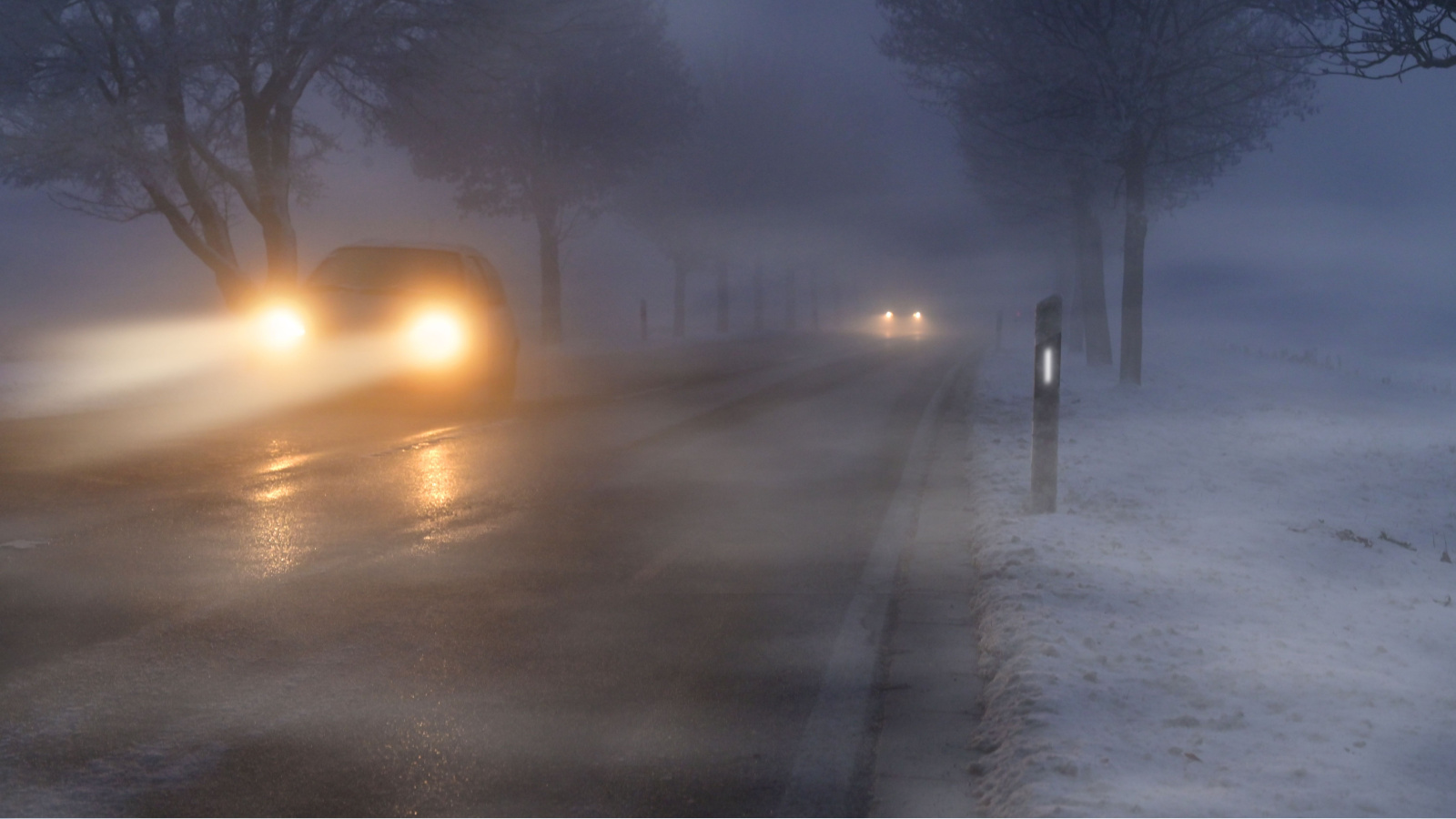
Many drivers believe headlights must stay on all winter days. Daytime running lights already meet federal standards. Full headlights are required in low visibility conditions. Snowfall, dusk, and darkness trigger that rule. Clear daylight does not require headlights. Some provinces encourage lights during poor weather. Encouragement is not an obligation. Automatic lights blur the difference for many drivers. Police focus on visibility, not seasons. If the weather reduces visibility, lights must be used. If conditions are clear, daytime running lights suffice. Winter itself does not create a separate legal headlight requirement for Canadian drivers.
Tire Chains or Cables Are Required in Snowstorms
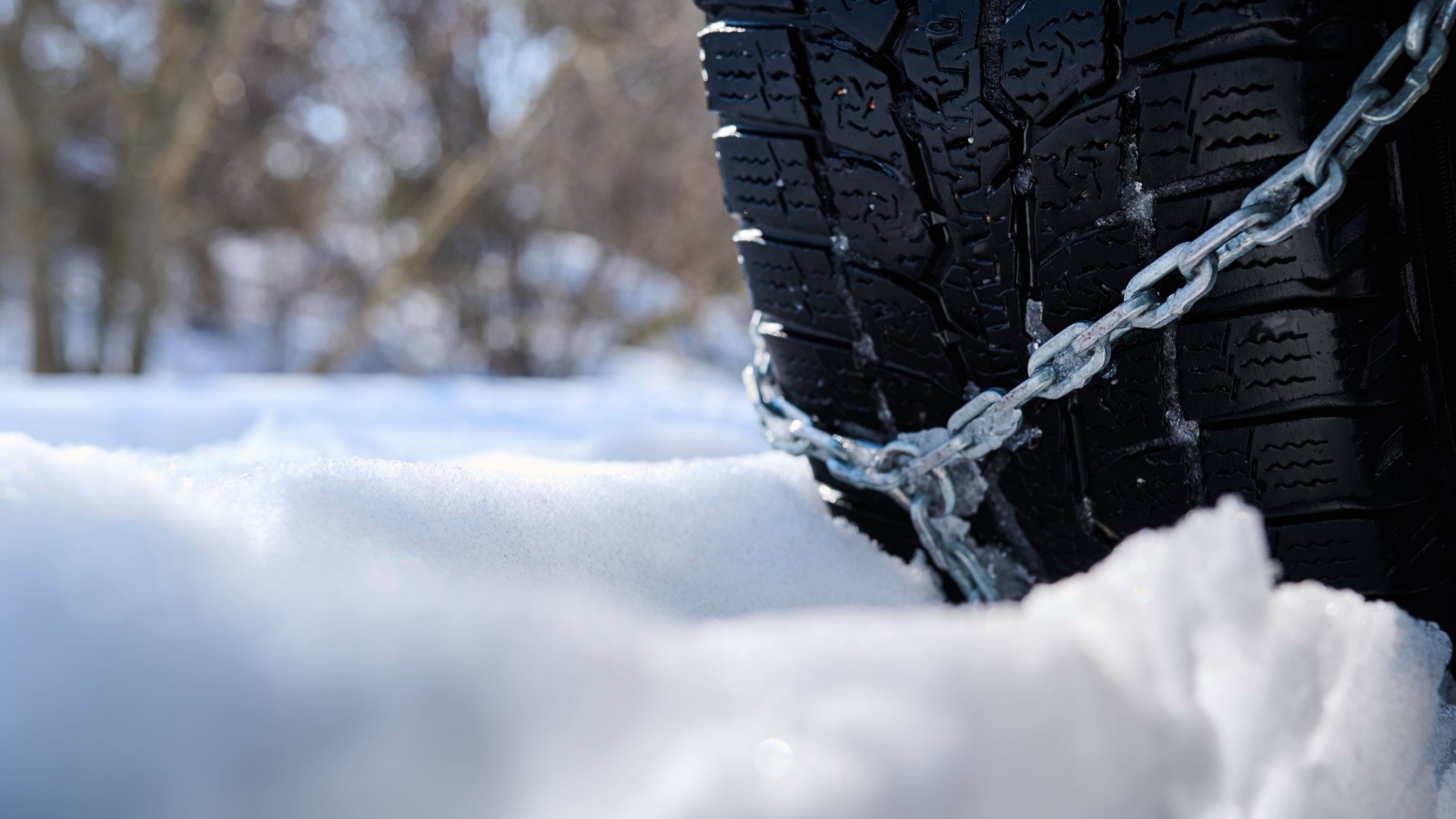
Heavy snowfall triggers panic buying. Tire chains often sell out quickly. Many drivers think storms create new legal rules. Laws do not change with weather intensity. Emergency declarations may restrict travel. They rarely mandate tire chains for personal vehicles. Commercial transport follows different rules. Private drivers are expected to drive safely or stay off the roads. Using chains during storms is optional. Some mountain highways recommend them. Recommendations are advisory. Police can stop unsafe drivers, regardless of equipment. The presence or absence of chains does not determine legality during most Canadian winter storms.
Winter Driving Courses Are Mandatory

Winter driving courses sound official and serious. Many assume they are required. They are not mandatory for licensed drivers. Some insurance companies offer discounts for completion. Discounts do not equal legal obligations. Courses help drivers understand skids, braking, and control. They improve confidence and reaction time. Provinces do not require refresher courses for winter conditions. Licensing tests already cover basic winter concepts. Taking a course is a personal choice. It is often beneficial, especially for new drivers. Still, it remains an optional education, not a compulsory winter requirement under Canadian driving laws.
22 Groceries to Grab Now—Before another Price Shock Hits Canada

Food prices in Canada have been steadily climbing, and another spike could make your grocery bill feel like a mortgage payment. According to Statistics Canada, food inflation remains about 3.7% higher than last year, with essentials like bread, dairy, and fresh produce leading the surge. Some items are expected to rise even further due to transportation costs, droughts, and import tariffs. Here are 22 groceries to grab now before another price shock hits Canada.
22 Groceries to Grab Now—Before another Price Shock Hits Canada
This Options Discord Chat is The Real Deal
While the internet is scoured with trading chat rooms, many of which even charge upwards of thousands of dollars to join, this smaller options trading discord chatroom is the real deal and actually providing valuable trade setups, education, and community without the noise and spam of the larger more expensive rooms. With a incredibly low-cost monthly fee, Options Trading Club (click here to see their reviews) requires an application to join ensuring that every member is dedicated and serious about taking their trading to the next level. If you are looking for a change in your trading strategies, then click here to apply for a membership.