
35,000+ smart investors are already getting financial news, market signals, and macro shifts in the economy that could impact their money next with our FREE weekly newsletter. Get ahead of what the crowd finds out too late. Click Here to Subscribe for FREE.
Artificial intelligence is no longer a distant concept or a Silicon Valley experiment. It already decides loans, routes deliveries, sorts resumes, and answers customer questions. In Canada, many jobs now sit in a grey zone between human work and automated systems. Some roles are quietly shrinking. Others are being reshaped without warning. A few remain stubbornly human, at least for now. Here are 18 Canadian jobs most likely to be replaced by AI — and 10 that are safer.
Data Entry Clerks
18 Canadian Jobs Most Likely to Be Replaced by AI — and 10 That Are Safer
- Data Entry Clerks
- Bookkeeping Clerks
- Call Centre Agents
- Telemarketers
- Travel Agents
- Insurance Underwriters
- Bank Tellers
- Payroll Administrators
- Market Research Analysts
- Proofreaders
- Receptionists
- Retail Cashiers
- Loan Officers
- Paralegals
- Claims Processors
- Scheduling Coordinators
- Transcriptionists
- Basic Graphic Designers
- 22 Groceries to Grab Now—Before another Price Shock Hits Canada

Data entry relies on repetition, accuracy, and speed. These traits suit machines better than people. AI tools already read invoices, scan forms, and extract information faster than humans. Canadian businesses use automation to cut costs and reduce errors. Fewer companies hire full-time data entry staff now. Instead, software handles the work around the clock. Human oversight still exists, but at lower staffing levels. Entry-level roles feel the pressure first. Once systems are trained, they improve without extra pay. This job will not vanish overnight, but a steady decline feels likely.
Bookkeeping Clerks

Bookkeeping once meant stacks of receipts and manual calculations. Today, software handles most daily tasks. AI systems categorize expenses, flag errors, and reconcile accounts automatically. Small Canadian businesses rely on these tools to save money. Fewer bookkeepers manage larger workloads now. Human judgment still matters for audits and tax planning. Routine record keeping continues to shrink. Entry-level bookkeeping roles feel the biggest squeeze. The work becomes more supervisory over time. As automation improves, fewer people handle the same volume of financial data.
Call Centre Agents

Call centers face heavy automation pressure across Canada. AI chatbots answer common questions without breaks. Voice systems now handle bookings, billing, and troubleshooting. Many customers never reach a human agent. Companies prefer automated systems due to lower costs. Agents increasingly deal with rare or emotional cases. This reduces hiring needs overall. Entry-level call center roles shrink first. Some jobs remain for complex situations. The total number of positions keeps declining as systems improve and customer patience for automation grows.
Telemarketers

Telemarketing depends on scripted conversations and high call volume. AI handles both with ease. Automated systems personalize pitches using customer data. They place thousands of calls without fatigue. Canadian regulations limit aggressive tactics, yet automation persists. Many firms replace human callers with voice bots. Human telemarketers now handle exceptions or compliance checks. The role feels unstable and temporary. As spam filters improve, companies rely more on targeted AI outreach. Traditional telemarketing roles continue to disappear quietly.
Travel Agents

Travel planning once required expert knowledge and personal service. Today, AI compares prices instantly. Booking platforms suggest itineraries based on preferences. Canadians increasingly book trips without human help. Travel agents now focus on luxury or complex travel. Routine bookings rarely justify human involvement. Airlines and hotels promote direct digital bookings. This reduces commissions for agents. Entry-level roles shrink fastest. The profession shifts toward niche planning and crisis support. Mass market travel agents face long-term decline.
Insurance Underwriters

Underwriting relies on pattern recognition and risk scoring. AI excels at both. Algorithms analyze claims history, credit data, and behavior trends. Canadian insurers use automation to approve standard policies. Humans review only unusual cases. This reduces staffing needs across firms. Junior underwriters feel pressure first. Senior roles shift toward oversight and regulation. The job remains, but in smaller numbers. Speed and consistency favor machines over people in routine risk assessment tasks.
Bank Tellers

Bank branches look different than a decade ago. Self-service machines handle deposits and withdrawals. AI systems detect fraud and verify identities. Many Canadians bank through apps now. Branch foot traffic continues to fall. Tellers handle complex requests instead of daily transactions. Fewer tellers serve more customers. Some branches close entirely. This job does not vanish suddenly. It slowly contracts as digital banking becomes the default choice for most Canadians.
Payroll Administrators

Payroll processing follows fixed rules and deadlines. AI systems manage calculations and deductions easily. Canadian companies use software to automate payroll tasks. Errors decrease while speed improves. Human staff now supervise instead of processing each entry. Smaller teams manage larger payrolls. Entry-level payroll roles decline steadily. Complex cases still need review. The role shifts toward compliance and oversight. Routine payroll work becomes almost entirely automated over time.
Market Research Analysts

Market research increasingly relies on real-time data. AI analyzes surveys, social media, and sales patterns instantly. Manual analysis feels slow by comparison. Canadian firms use dashboards instead of large analyst teams. Human insight still matters for interpretation. Data collection and sorting roles disappear first. Junior analysts face the most pressure. The job evolves toward strategy rather than data crunching. Fewer people produce insights from larger datasets using automated tools.
Proofreaders

AI grammar tools improve every year. They catch spelling, tone, and clarity issues quickly. Many publishers use them as a first filter. Human proofreaders now review final drafts only. Entry-level proofreading gigs shrink. Freelance rates drop due to competition from software. Creative editing still needs people. Basic error checking does not. This role becomes more specialized over time. Routine proofreading work steadily fades from the job market.
Receptionists

Reception work involves scheduling, answering questions, and directing visitors. AI handles these tasks efficiently. Chatbots manage appointments and basic inquiries. Digital kiosks replace front desks in many offices. Canadian businesses favor automation to cut staffing costs. Human receptionists remain in high-traffic or sensitive settings. Smaller offices eliminate the role entirely. The job declines gradually rather than disappearing. Its future depends on personal interaction needs within each workplace.
Retail Cashiers
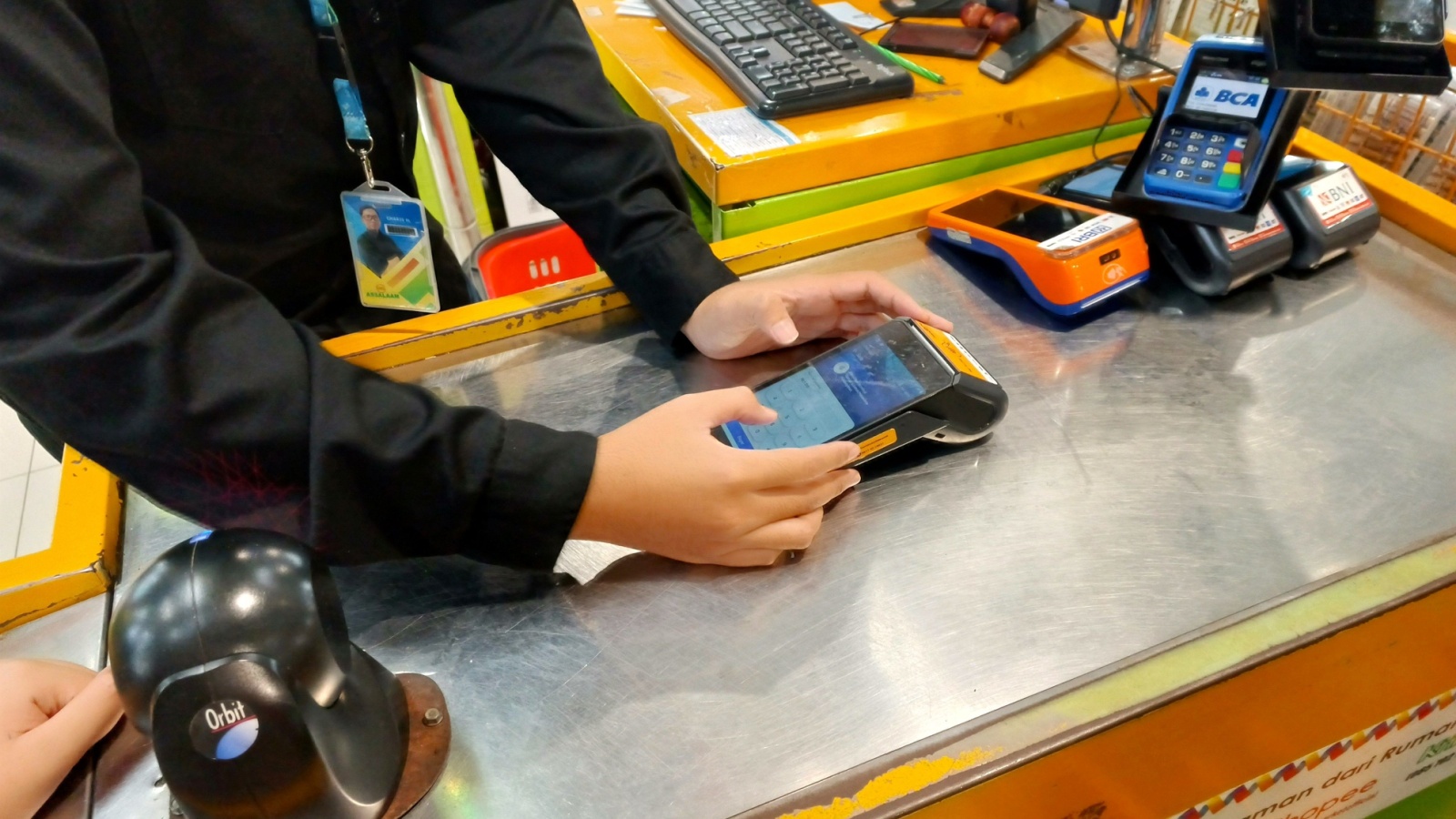
Self-checkout systems spread quickly across Canadian retail stores. AI tracks purchases, flags errors, and reduces theft. Fewer cashiers manage more lanes than before. Many stores hire fewer entry-level workers as automation grows. Human staff now handle issues instead of scanning items. Some locations remove traditional checkouts entirely. Cashier roles still exist, but shrink each year. Workers shift into customer assistance roles when available. For many young workers, this job no longer offers long-term stability.
Loan Officers

Loan approvals depend on credit data and risk scoring models. AI reviews applications faster than humans can. Canadian banks automate most standard lending decisions. Human officers step in for unusual financial profiles. Entry-level loan roles face declining demand. Fewer officers handle larger application volumes. Advisory work replaces approval work over time. Customers receive faster decisions but fewer personal interactions. This role evolves but contracts steadily as automation improves across financial institutions.
Paralegals

Legal research involves scanning documents and past rulings. AI performs these tasks rapidly and accurately. Canadian law firms use automation to reduce research hours. Paralegals now handle fewer routine duties. Entry-level roles feel pressure first. Senior staff oversee AI generated summaries. The profession adapts rather than disappears. Fewer paralegals support larger legal teams. Human judgment still matters, but automation reduces the number of workers needed for similar workloads.
Claims Processors

Insurance claims follow structured rules and documentation steps. AI systems review claims quickly and consistently. Many Canadian insurers automate basic claim approvals. Humans handle disputes or unusual cases. Processing teams shrink as technology improves. Faster resolutions benefit customers but reduce staffing needs. Entry-level processor roles decline steadily. The remaining staff focus on oversight and customer communication. The job continues in smaller numbers as automation becomes standard across insurance companies.
Scheduling Coordinators

Scheduling relies on availability, rules, and time constraints. AI tools manage calendars efficiently. Canadian businesses automate shift planning and bookings. Human coordinators handle exceptions only. Smaller teams oversee larger schedules. Entry-level scheduling roles decline first. Automation reduces errors and saves time. The job shifts toward supervision rather than planning. As software improves, fewer people manage the same operational complexity across industries.
Transcriptionists

Speech recognition software improves accuracy every year. AI converts audio into text within minutes. Canadian courts, media, and businesses adopt these tools widely. Human transcriptionists now edit instead of transcribing. Full-time roles decline steadily. Freelance work becomes less predictable. Automation handles most raw transcription tasks. Human review remains necessary for accuracy. This job transitions into quality control rather than manual typing work.
Basic Graphic Designers

AI-powered design tools generate layouts and visuals quickly. Small Canadian businesses rely on templates instead of designers. Entry-level design roles face growing pressure. Automation handles routine production tasks. Human designers focus on concept and branding work. The number of basic design jobs declines. Designers must specialize to remain competitive. Creativity still matters, but production work increasingly shifts to automated platforms across industries.
22 Groceries to Grab Now—Before another Price Shock Hits Canada

Food prices in Canada have been steadily climbing, and another spike could make your grocery bill feel like a mortgage payment. According to Statistics Canada, food inflation remains about 3.7% higher than last year, with essentials like bread, dairy, and fresh produce leading the surge. Some items are expected to rise even further due to transportation costs, droughts, and import tariffs. Here are 22 groceries to grab now before another price shock hits Canada.
22 Groceries to Grab Now—Before another Price Shock Hits Canada
This Options Discord Chat is The Real Deal
While the internet is scoured with trading chat rooms, many of which even charge upwards of thousands of dollars to join, this smaller options trading discord chatroom is the real deal and actually providing valuable trade setups, education, and community without the noise and spam of the larger more expensive rooms. With a incredibly low-cost monthly fee, Options Trading Club (click here to see their reviews) requires an application to join ensuring that every member is dedicated and serious about taking their trading to the next level. If you are looking for a change in your trading strategies, then click here to apply for a membership.