
35,000+ smart investors are already getting financial news, market signals, and macro shifts in the economy that could impact their money next with our FREE weekly newsletter. Get ahead of what the crowd finds out too late. Click Here to Subscribe for FREE.
Population shifts across Canada are becoming harder to ignore. Rising housing costs, strained services, climate pressure, and job changes are quietly reshaping where people choose to live. Some cities are seeing steady exits as affordability and daily stress pile up. Others are pulling people in with cheaper homes, remote work options, or a slower pace. These moves are rarely dramatic. Here are 20 places in Canada people are fleeing.
Toronto, Ontario
20 Places in Canada People Are Fleeing
- Toronto, Ontario
- Vancouver, British Columbia
- Brampton, Ontario
- Mississauga, Ontario
- Burnaby, British Columbia
- Richmond, British Columbia
- Surrey, British Columbia
- Markham, Ontario
- Markham, Ontario
- Vaughan, Ontario
- Oakville, Ontario
- Ajax, Ontario
- Whitby, Ontario
- Milton, Ontario
- Laval, Quebec
- Montreal, Quebec
- Gatineau, Quebec
- Calgary, Alberta
- Edmonton, Alberta
- Winnipeg, Manitoba
- Regina, Saskatchewan
- 22 Groceries to Grab Now—Before another Price Shock Hits Canada

Toronto still offers jobs, culture, and transit access, but everyday life keeps getting harder. Housing costs dominate monthly budgets. Rent increases outpace salary growth for many workers. Home ownership feels unrealistic for most young families. Commute times grow longer as people move farther away. Childcare remains expensive and limited. Transit crowding adds daily stress. Property taxes and fees keep rising. Many residents feel they earn well but live frugally. Some move to nearby cities first. Others leave Ontario entirely.
Vancouver, British Columbia

Vancouver’s lifestyle appeal remains strong, yet affordability drives steady exits. Rent consumes a large share of income. Buying a home feels out of reach for most households. Traffic congestion wastes time daily. Service workers struggle to live near jobs. Insurance and utility costs continue climbing. Wildfire smoke affects the summer more often. Families look inland for space. Younger workers leave for other provinces. Many departures happen reluctantly. Vancouver still attracts newcomers, but holding onto residents grows harder each year.
Brampton, Ontario

Brampton grew quickly, sometimes faster than services could expand. Traffic congestion affects daily routines. Housing prices rose sharply in a short period. Rental competition remains intense. Healthcare access feels stretched. Schools face capacity limits. Commutes into Toronto remain long and unpredictable. Infrastructure upgrades feel delayed. Property taxes add pressure. Some residents move within Peel Region. Others leave the Greater Toronto Area entirely. Brampton continues to attract newcomers, but long-term stability feels uncertain for many households.
Mississauga, Ontario

Mississauga offers jobs and transit links, yet living costs continue to rise. Condo prices dominate new housing. Detached homes remain expensive. Traffic density frustrates drivers daily. Transit improvements lag population growth. Families feel squeezed between city prices and suburban expectations. Property taxes add to household strain. Some residents move west toward cheaper cities. Retirees downsize elsewhere. Mississauga remains functional, but affordability weakens long-term loyalty among middle-income households.
Burnaby, British Columbia

Burnaby shares Vancouver’s proximity and its pressures. Condo towers replace older neighborhoods. Housing costs rise near transit lines. Parking shortages affect daily life. Construction noise feels constant. Some families feel crowded out by density plans. Schools face enrollment pressure. Green space feels limited in certain areas. Renters worry about long-term stability. Many residents move deeper into the Fraser Valley. Burnaby remains connected, yet affordability continues driving departures.
Richmond, British Columbia

Richmond faces high housing costs and growing environmental concerns. Flood risk worries homeowners. Insurance costs rise. Limited land keeps prices elevated. Airport traffic affects nearby neighborhoods. Congestion worsens during travel seasons. Younger families struggle to buy homes. Seniors look for quieter regions. Infrastructure expansion feels constrained. Richmond stays desirable, but long-term living feels uncertain for many residents considering climate and cost pressures.
Surrey, British Columbia

Surrey continues growing, but uneven development causes strain. Housing prices increased quickly. Transit expansion struggles to keep pace. Traffic congestion affects work-life balance. Some neighborhoods lack nearby services. School crowding worries families. Safety perceptions vary by area. Many residents seek smaller cities with similar prices. Surrey still attracts newcomers, yet keeping them long-term proves harder. Growth alone does not guarantee stability.
Markham, Ontario

Markham offers strong schools and jobs, but rising costs push residents out. Detached homes feel priced beyond reach. Property taxes add pressure. Traffic congestion increases near business districts. Commutes lengthen for many workers. Some feel the city favors corporate growth over livability. Younger families move north. Seniors downsize elsewhere. Markham remains prosperous, yet accessibility declines for middle-income households.
Markham, Ontario
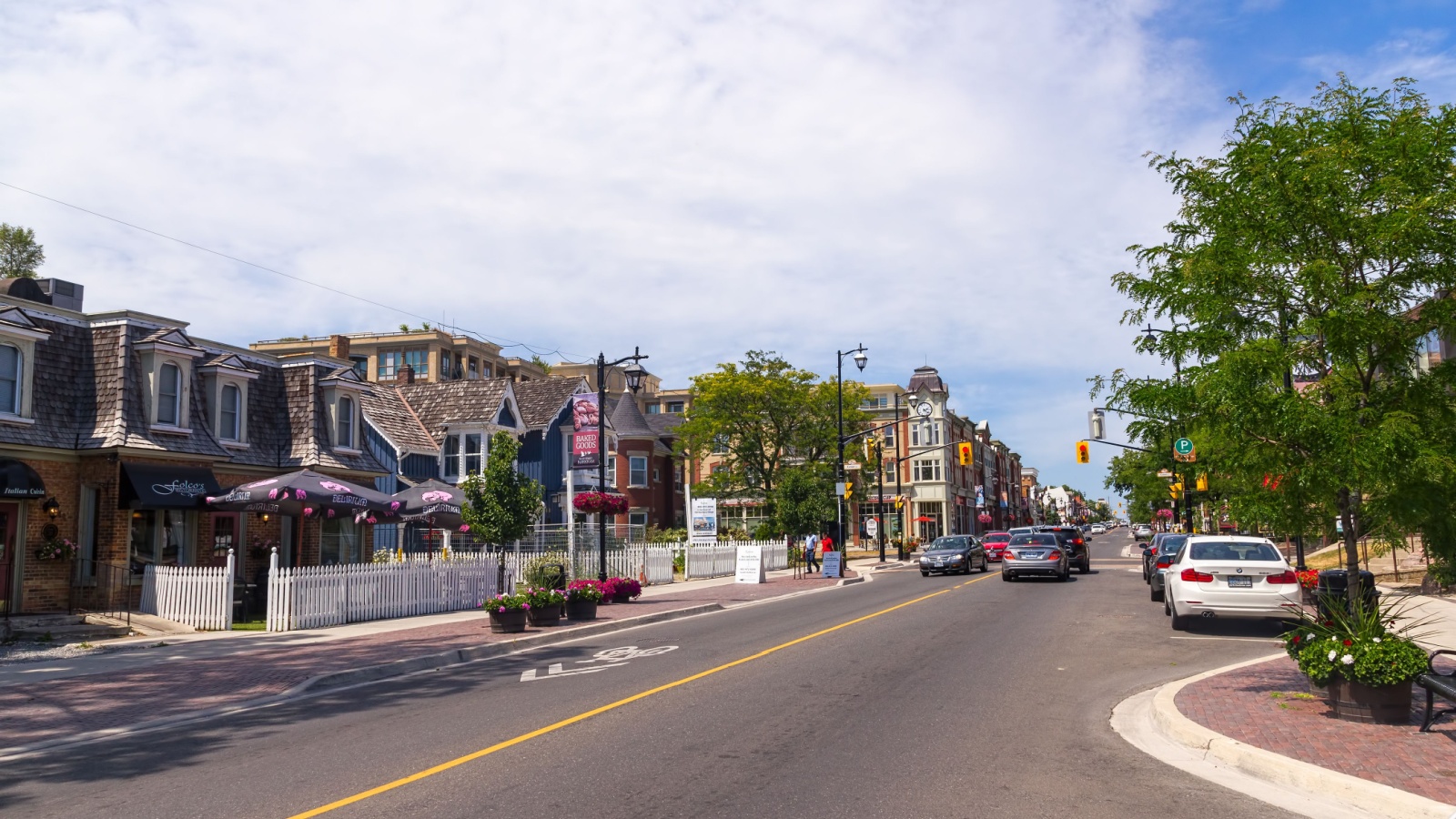
Markham remains a major employment hub, but rising costs push residents to reconsider staying. Detached homes feel priced beyond most professional incomes. Condos offer limited space for families. Traffic congestion worsens around business parks and transit corridors. Commutes take longer each year. Property taxes add pressure for long-time homeowners. Some residents feel daily life revolves around work rather than community. Younger families move north for space. Seniors downsize elsewhere. Markham still signals success, yet affordability limits who can realistically build a long-term life there.
Vaughan, Ontario

Vaughan grew quickly as housing and industry expanded together. Prices climbed faster than wages for many residents. Rental supply remains tight for families. Highway traffic dominates daily movement. Transit access feels uneven outside core areas. Property taxes concern fixed-income households. Some neighborhoods feel more transient than rooted. Community spaces struggle to keep pace with density. Families relocate to smaller Ontario cities. Others move farther from Toronto entirely. Vaughan stays connected and active, but cost pressure continues reshaping who chooses to remain long-term.
Oakville, Ontario

Oakville offers stability, schools, and shoreline access, yet its costs narrow who can stay. Home prices exceed many dual-income salaries. Rental options remain limited. Property taxes remain high relative to services. Younger residents often leave after their education. Families move when housing upgrades feel impossible. Commutes to Toronto take time. Daily expenses add up quickly. Oakville feels orderly and quiet, but also exclusive. Over time, that exclusivity reduces diversity and pushes middle-income households toward more flexible communities elsewhere.
Ajax, Ontario

Ajax once attracted buyers priced out of Toronto, but that gap closed. Housing demand raised prices quickly. Traffic congestion worsened along Highway 401. Transit options remain limited for many commuters. Infrastructure upgrades lag population growth. Some residents feel daily routines have become less predictable. Families look farther east for affordability. Others move provinces altogether. Ajax still offers lake access and schools, yet its earlier value proposition faded. That shift influences relocation decisions for residents weighing cost against commute and lifestyle balance.
Whitby, Ontario

Whitby shares many challenges with nearby suburbs. Home prices climbed faster than local wages. Commute times into Toronto remain long. Transit expansion lags growth. Property taxes increase household strain. Some residents feel services struggle to keep pace. Younger families search east for space. Retirees downsize elsewhere. Whitby still offers a community feel and waterfront access. Yet affordability advantages narrowed. That change quietly pushes residents toward smaller cities where housing and daily costs feel more manageable and predictable.
Milton, Ontario

Milton expanded rapidly as a housing alternative west of Toronto. Infrastructure struggled to keep pace. Traffic congestion increased noticeably. School capacity became a concern. Housing prices rose faster than expected. Commute times lengthened as the population grew. Some residents feel that daily life has become harder to manage. Families relocate once home equity allows flexibility. Milton continues growing, yet early movers now reassess its value. What once felt affordable and convenient now feels crowded and expensive compared to newer alternatives farther away.
Laval, Quebec

Laval benefited from proximity to Montreal, but rising costs change its appeal. Housing prices increased steadily. Traffic congestion frustrates commuters daily. Transit expansion feels slow. Property taxes worry homeowners. Healthcare access remains inconsistent. Some residents seek quieter Quebec cities. Others move for remote work flexibility. Laval still offers space compared to Montreal, yet the cost advantages shrink. As expenses rise without equal service improvements, residents reassess whether staying close to the island remains worth the trade-offs long term.
Montreal, Quebec

Montreal remains culturally active, but pressures quietly increase. Rent rises strain household budgets. Language rules affect job flexibility for some workers. Healthcare access worries families. Construction disrupts neighborhoods frequently. Taxes feel heavier as costs grow. Some residents relocate for remote work freedom. Others leave for cities with simpler systems. Montreal still draws newcomers, yet long-term residents feel squeezed. Over time, practical concerns outweigh cultural pull for those seeking stability and predictable living expenses elsewhere.
Gatineau, Quebec

Gatineau attracted Ottawa workers seeking lower costs, but prices climbed quickly. Bridge traffic worsened commutes. Housing demand raised rents and purchase prices. Healthcare access feels limited. Property taxes increased. Some residents move deeper into Quebec for affordability. Others return to Ontario towns. Gatineau remains close to federal jobs, yet cost pressure reduces its appeal. As daily expenses rise and commutes grow harder, residents reassess whether proximity to Ottawa still offsets the growing strain on time and household budgets.
Calgary, Alberta

Calgary once stood out for affordability, but that gap narrowed fast. Housing demand surged. Rent increased sharply. Infrastructure adapted slowly. Job stability concerns linger in some sectors. Winters affect lifestyle choices. Commute times grow as the city spreads. Some residents test smaller Alberta towns. Others leave the province. Calgary still attracts newcomers, yet departures rise alongside costs. The city remains dynamic, but shifting economics change how long people choose to stay once initial opportunities stabilize.
Edmonton, Alberta

Edmonton offers lower housing costs, yet challenges persist. Job growth feels uneven. Cold winters influence long-term plans. Infrastructure upgrades lag expectations. Some neighborhoods struggle with service access. Families move for climate or career reasons. Remote work enables relocation. Edmonton provides value, but lifestyle trade-offs matter. As more Canadians compare cities nationally, some choose regions with milder weather or stronger job diversity, even if housing costs increase slightly.
Winnipeg, Manitoba

Winnipeg remains affordable, but limited job growth concerns residents. Cold winters affect daily life. Infrastructure maintenance feels slow. Younger professionals seek broader opportunities. Families relocate for career flexibility. Healthcare access remains uneven. Winnipeg retains strong community ties, yet struggles to keep working-age residents. Over time, affordability alone does not outweigh concerns about employment mobility and long-term prospects. That imbalance quietly pushes residents toward cities offering more diverse career paths.
Regina, Saskatchewan

Regina faces challenges common to smaller prairie cities. Job diversity feels limited. Cold winters influence lifestyle decisions. Younger residents seek larger urban centers. Infrastructure upgrades progress slowly. Housing remains affordable, but opportunity feels narrow. Some residents move for education. Others leave for career growth. Regina maintains community stability, yet retaining younger populations proves difficult. Over time, affordability without opportunity drives outward movement as residents prioritize long-term prospects over short-term cost savings.
22 Groceries to Grab Now—Before another Price Shock Hits Canada

Food prices in Canada have been steadily climbing, and another spike could make your grocery bill feel like a mortgage payment. According to Statistics Canada, food inflation remains about 3.7% higher than last year, with essentials like bread, dairy, and fresh produce leading the surge. Some items are expected to rise even further due to transportation costs, droughts, and import tariffs. Here are 22 groceries to grab now before another price shock hits Canada.
22 Groceries to Grab Now—Before another Price Shock Hits Canada
This Options Discord Chat is The Real Deal
While the internet is scoured with trading chat rooms, many of which even charge upwards of thousands of dollars to join, this smaller options trading discord chatroom is the real deal and actually providing valuable trade setups, education, and community without the noise and spam of the larger more expensive rooms. With a incredibly low-cost monthly fee, Options Trading Club (click here to see their reviews) requires an application to join ensuring that every member is dedicated and serious about taking their trading to the next level. If you are looking for a change in your trading strategies, then click here to apply for a membership.