
35,000+ smart investors are already getting financial news, market signals, and macro shifts in the economy that could impact their money next with our FREE weekly newsletter. Get ahead of what the crowd finds out too late. Click Here to Subscribe for FREE.
Canada’s new electric vehicle tariffs are already reshaping the auto market in quiet ways. Headlines focus on trade disputes and factory announcements. The deeper story sits with buyers, workers, and suppliers across the country. Some groups gain breathing room while others face sudden pressure. Prices shift in unexpected places. Job security changes unevenly by region. Here are 17 surprising winners and losers from Canada’s electric vehicle tariffs.
Winner: Ontario Battery Plants
17 Surprising Winners and Losers from Canada’s Electric Vehicle Tariffs
- Winner: Ontario Battery Plants
- Loser: Budget EV Buyers
- Winner: Canadian Auto Workers
- Loser: Imported EV Dealerships
- Winner: Domestic Parts Suppliers
- Loser: EV Car-Sharing Fleets
- Winner: North American EV Assemblers
- Loser: Charging Startups Tied to Imports
- Winner: Used EV Sellers
- Loser: Urban Delivery Fleets
- Winner: Provincial Manufacturing Incentives
- Loser: EV Subscription Services
- Winner: Canadian Engineering Firms
- Loser: Import-Focused Leasing Companies
- Winner: Canadian Logistics Providers
- Loser: Consumers Waiting for Price Drops
- Winner: Canadian EV Policy Planners
- 22 Groceries to Grab Now—Before another Price Shock Hits Canada
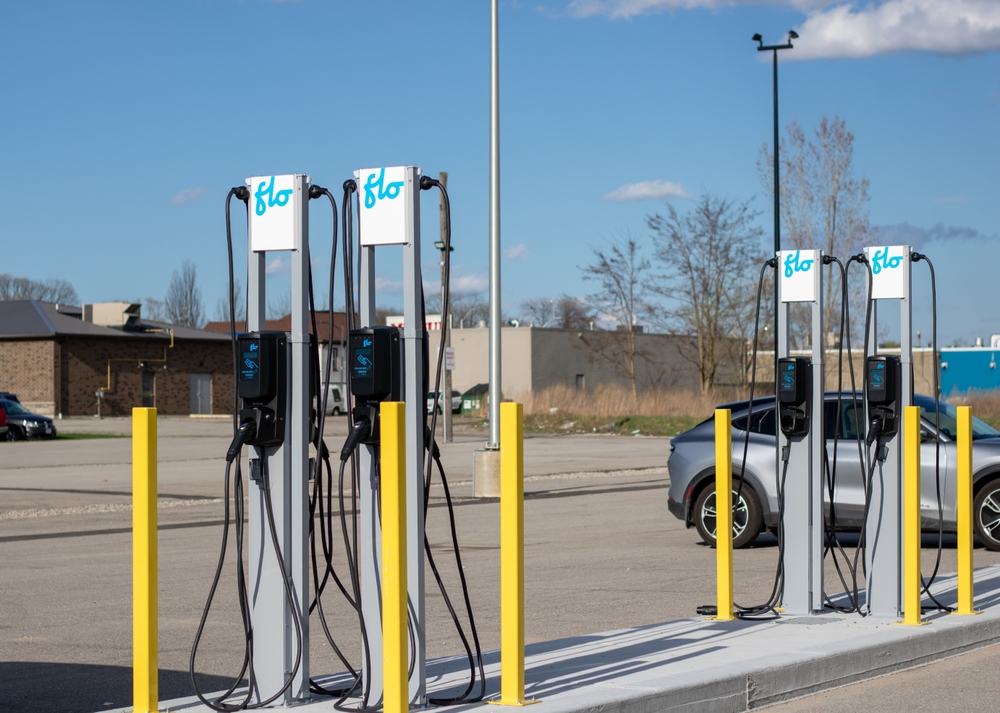
Ontario battery plants gain a stronger footing under the tariffs. Imported electric vehicles face higher costs, which boosts domestic assembly demand. Battery suppliers benefit from closer factory ties. Production schedules become more predictable. Investment risk appears lower to lenders. Skilled trades see steadier hiring. Long planning cycles finally make sense. Regional supply chains tighten. Fewer overseas disruptions matter. Shipping costs stop driving decisions. Smaller component makers gain leverage. Municipal tax bases stabilize. Training programs see renewed interest. Growth stays measured rather than explosive. Margins improve slightly instead of collapsing. For Ontario’s battery corridor, the tariffs buy time rather than instant dominance.
Loser: Budget EV Buyers

Budget EV buyers feel the impact first. Lower-priced imports become harder to find. Sticker prices climb quietly. Entry-level options shrink. Used electric vehicles follow the trend upward. Incentives fail to bridge the gap. Monthly payments stretch household budgets. Buyers delay upgrades longer. Some revert to gas models. Rural drivers feel this most. Urban buyers still face waiting lists. Dealer discounts fade quickly. Financing terms tighten. Insurance costs rise alongside values. Trade-in values fluctuate unpredictably. For cost-focused buyers, the transition slows rather than accelerates under the tariffs.
Winner: Canadian Auto Workers

Canadian auto workers gain short-term security. Domestic production becomes more valuable. Assembly lines receive priority. Shift cancellations drop. Contract negotiations strengthen slightly. Training programs expand cautiously. Skilled labor stays local. Temporary layoffs ease. Regional economies benefit indirectly. Supplier jobs stabilize nearby. Career paths feel less fragile. Retention improves modestly. Wage growth remains restrained. Productivity expectations increase. Automation continues but more slowly. Unions gain leverage without guarantees. For workers, the tariffs offer breathing room, not permanent protection.
Loser: Imported EV Dealerships
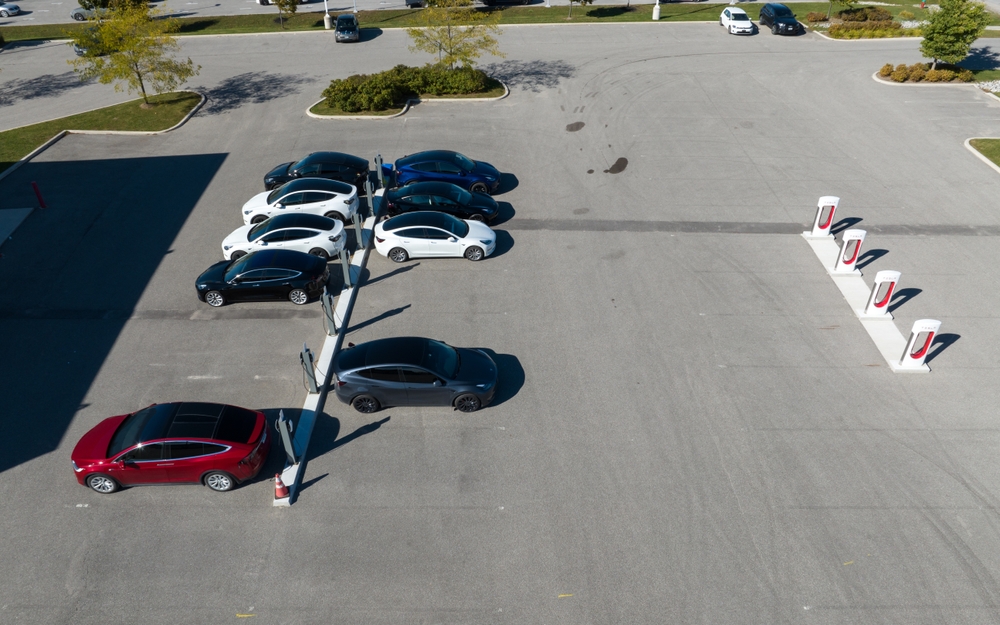
Dealerships focused on imported EVs face shrinking margins. Higher wholesale costs hit fast. Inventory turnover slows. Floor financing becomes riskier. Discounts vanish. Consumer hesitation grows. Marketing budgets rise to compensate. Sales staff turnover increases. Service departments struggle with lower volume. Leasing programs lose appeal. Brand loyalty weakens. Showroom traffic drops. Some dealers pivot to hybrids. Others reduce locations. Expansion plans pause. For import-heavy dealers, the tariffs force painful recalibration.
Winner: Domestic Parts Suppliers

Canadian parts suppliers see steadier demand. Local sourcing becomes attractive. Cross-border logistics simplify. Smaller firms win contracts previously out of reach. Production planning improves. Inventory buffers shrink. Price volatility eases. Long-term agreements return. Quality control tightens. Certification investment pays off. Skilled machining jobs stay active. Regional clusters grow denser. Technology upgrades feel justified. Output grows slowly but reliably. Risk spreads across customers. For domestic suppliers, stability matters more than rapid growth.
Loser: EV Car-Sharing Fleets

EV car-sharing fleets face rising acquisition costs. Fleet refresh cycles stretch. Expansion slows in smaller cities. Maintenance budgets rise as vehicles age. Replacement planning becomes complex. Insurance premiums increase. Membership fees inch upward. Utilization rates suffer. Public perception shifts quietly. Some fleets add gas vehicles back. Emissions targets drift. Municipal partnerships weaken. Grant funding fails to keep pace. Riders feel reduced availability. For shared mobility providers, tariffs complicate already thin margins.
Winner: North American EV Assemblers

North American assemblers benefit from relative pricing power. Imported competitors lose advantage. Production schedules fill faster. Capacity planning improves. Supplier coordination tightens. Transportation costs matter less. Regional sourcing strengthens. Currency swings hurt less. Strategic investments look safer. Workforce planning stabilizes. New models launch with confidence. Marketing focuses on availability. Dealer networks stay loyal. Regulatory alignment helps planning. Profits stay modest but predictable. Assemblers gain control rather than dominance.
Loser: Charging Startups Tied to Imports

Charging startups linked to imported EV growth feel pressure. Slower adoption hits projections. Network utilization lags forecasts. Investor timelines stretch. Expansion pauses in new regions. Hardware compatibility issues grow. Partnerships weaken. Revenue models shift again. Maintenance costs stay fixed. Consumer uncertainty spreads. Marketing costs rise. Municipal approvals are slow. Cash flow tightens. Some firms consolidate quietly. For these startups, tariffs introduce friction into already uncertain growth paths.
Winner: Used EV Sellers

Used EV sellers gain unexpected leverage. New car prices rise. Demand shifts downward. Trade-ins hold value longer. Inventory moves faster. Pricing power improves. Financing approvals increase. Buyers compromise on range. Older models regain relevance. Dealers adjust sourcing strategies. Auctions become competitive. Leasing returns gain appeal. Warranty add-ons sell better. Risk remains manageable. For used sellers, tariffs create a short window of advantage.
Loser: Urban Delivery Fleets

Urban delivery fleets face cost pressure. Electric van imports become expensive. Fleet conversion slows. Operating savings get delayed. Contract bids grow cautious. Maintenance costs stay high. Replacement cycles extend. Fuel budgets rise again. Emissions targets slip. Public commitments weaken. Pricing pressure passes to customers. Margins tighten quickly. Planning uncertainty grows. Some fleets mix technologies. For delivery operators, tariffs complicate electrification timelines.
Winner: Provincial Manufacturing Incentives

Provincial manufacturing incentive programs gain new relevance under the tariffs. Governments can justify subsidies with clearer domestic outcomes. Funding appears more targeted. Political resistance softens slightly. Job creation metrics improve on paper. Infrastructure spending aligns with factory needs. Training grants expand for skilled roles. Long approval cycles feel acceptable again. Private investors respond cautiously. Regional competition intensifies. Oversight becomes stricter. Public expectations remain high. Programs shift toward retention instead of attraction. For provinces, tariffs strengthen the case for steady, conditional industrial support.
Loser: EV Subscription Services
EV subscription services face pressure from rising vehicle acquisition costs. Monthly pricing models lose flexibility. Customer churn increases. Fleet refresh cycles stretch longer. Demand becomes harder to predict. Financing partners grow cautious. Marketing spend rises without matching returns. Vehicle variety shrinks. Urban saturation worsens margins. Trial usage drops. Contracts shorten. Customer trust weakens slightly. Some services pause new signups. Others pivot to hybrids. For subscription operators, tariffs remove the margin buffer these models depend on.
Winner: Canadian Engineering Firms

Canadian engineering firms tied to EV manufacturing see steadier demand. Plant upgrades increase. Process redesign work expands. Compliance requirements grow. Automation planning accelerates carefully. Long-term contracts return. Local expertise gains value. Cross-border consulting declines. Talent demand stays strong. Research partnerships increase slowly. Billing remains conservative. Risk profiles improve. Capital planning becomes easier. Firms focus on execution rather than sales. For engineering teams, tariffs support predictable workloads rather than rapid expansion.
Loser: Import-Focused Leasing Companies

Leasing companies dependent on imported EVs face pricing instability. Residual values shift unpredictably. Lease rates climb. Consumer appetite cools. Corporate clients hesitate. Risk models require constant revision. Insurance costs rise. Capital allocation tightens. Growth forecasts reset lower. Some firms pause EV leasing temporarily. Others shorten contract terms. Inventory planning becomes complex. Profit margins narrow quickly. For leasing providers, tariffs disrupt finely balanced pricing structures built on volume.
Winner: Canadian Logistics Providers

Canadian logistics providers gain modest advantages from localized production. Domestic transport demand rises. Cross-border paperwork decreases. Route planning simplifies. Warehouse utilization improves. Volume forecasts stabilize. Labor scheduling becomes predictable. Fuel planning improves. Contract renewals favor regional firms. Equipment investment feels safer. Growth stays incremental. Competition remains tight. Efficiency gains matter more than scale. For logistics companies, tariffs reduce volatility instead of driving sudden expansion.
Loser: Consumers Waiting for Price Drops

Consumers waiting for EV price drops feel stalled. Expected discounts fail to appear. Incentives do not offset tariffs fully. Waiting strategies backfire. Model availability narrows. Financing offers weaken. Trade-in timing becomes uncertain. Household planning shifts again. Confidence in forecasts declines. Many delay purchases further. Some return to gas vehicles. Others choose used models reluctantly. For cautious buyers, tariffs prolong uncertainty instead of creating clarity.
Winner: Canadian EV Policy Planners
Canadian EV policy planners gain flexibility under the tariffs. Domestic alignment improves. Long-term roadmaps feel realistic. Trade negotiations gain leverage. Local data improves decision-making. Infrastructure planning syncs better with manufacturing. Industry feedback becomes clearer. Adjustments happen gradually. Public debate cools slightly. Accountability improves. Policy pacing slows without stalling goals. For planners, tariffs create room to manage transition speed while maintaining direction.
22 Groceries to Grab Now—Before another Price Shock Hits Canada

Food prices in Canada have been steadily climbing, and another spike could make your grocery bill feel like a mortgage payment. According to Statistics Canada, food inflation remains about 3.7% higher than last year, with essentials like bread, dairy, and fresh produce leading the surge. Some items are expected to rise even further due to transportation costs, droughts, and import tariffs. Here are 22 groceries to grab now before another price shock hits Canada.
22 Groceries to Grab Now—Before another Price Shock Hits Canada
This Options Discord Chat is The Real Deal
While the internet is scoured with trading chat rooms, many of which even charge upwards of thousands of dollars to join, this smaller options trading discord chatroom is the real deal and actually providing valuable trade setups, education, and community without the noise and spam of the larger more expensive rooms. With a incredibly low-cost monthly fee, Options Trading Club (click here to see their reviews) requires an application to join ensuring that every member is dedicated and serious about taking their trading to the next level. If you are looking for a change in your trading strategies, then click here to apply for a membership.