35,000+ smart investors are already getting financial news, market signals, and macro shifts in the economy that could impact their money next with our FREE weekly newsletter. Get ahead of what the crowd finds out too late. Click Here to Subscribe for FREE.
Interest rates shape how Canadians choose where to live, rent, and invest. When borrowing becomes cheaper, attention shifts fast toward neighbourhoods that once felt just out of reach. Buyers return. Builders move quicker. Renters stay longer. Areas with transit access, walkable streets, and room for new housing tend to feel the change first. These places often sit outside traditional cores but benefit from strong job links and growing amenities. Here are 21 Canadian neighbourhoods poised to boom if interest rates keep dropping.
Scarborough Village, Toronto
21 Canadian Neighbourhoods Poised to Boom If Interest Rates Keep Dropping
- Scarborough Village, Toronto
- Weston, Toronto
- Mount Dennis, Toronto
- Hamilton East End, Hamilton
- Crown Point, Hamilton
- Stoney Creek Central, Hamilton
- Vanier, Ottawa
- Barrhaven East, Ottawa
- Saint Michel, Montreal
- Hochelaga Maisonneuve East, Montréal
- Saint Laurent West, Montreal
- Surrey City Centre North, Surrey
- Guildford East, Surrey
- Burnaby Edmonds, Burnaby
- New Westminster Uptown, New Westminster
- Brentwood South, Burnaby
- Bridgeland East, Calgary
- Ogden, Calgary
- Charleswood, Winnipeg
- South Osborne, Winnipeg
- Dartmouth North, Halifax
- 22 Groceries to Grab Now—Before another Price Shock Hits Canada

Scarborough Village sits close to Lake Ontario and major transit corridors. Lower rates could revive interest from first-time buyers priced out elsewhere. The area already has GO Transit access and steady condo development. Detached homes remain cheaper than much of Toronto. That gap draws attention when monthly payments shrink. Local retail has expanded, with more cafés and services opening. The waterfront trail adds lifestyle appeal without downtown pricing. Investors also watch rental demand from students and healthcare workers nearby. As financing eases, renovation activity may rise. Scarborough Village has space to absorb growth without sudden disruption.
Weston, Toronto
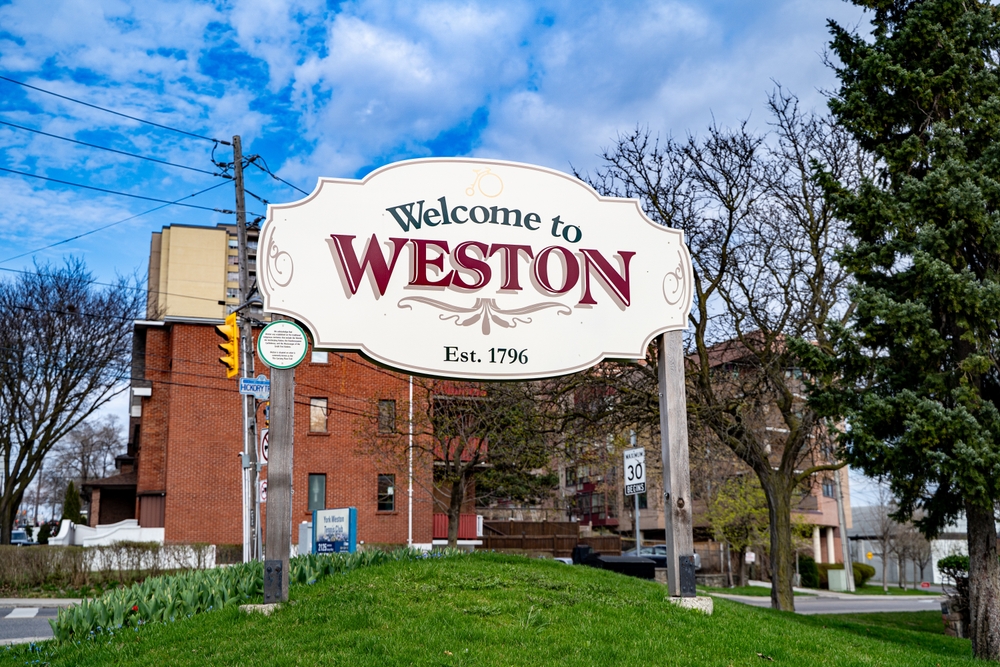
Weston benefits from rail access that shortens commutes to downtown Toronto. Interest rate drops improve affordability for buyers seeking older homes with renovation potential. The area has seen public investment in streets and parks. New midrise projects are filling empty lots. Weston’s mix of renters and owners creates stable demand. When borrowing costs fall, buyers who delayed purchases often return here first. The Humber River trail system supports long-term appeal. Local businesses rely on consistent foot traffic. With lower rates, developers may advance stalled plans. Weston feels positioned for gradual, steady growth.
Mount Dennis, Toronto
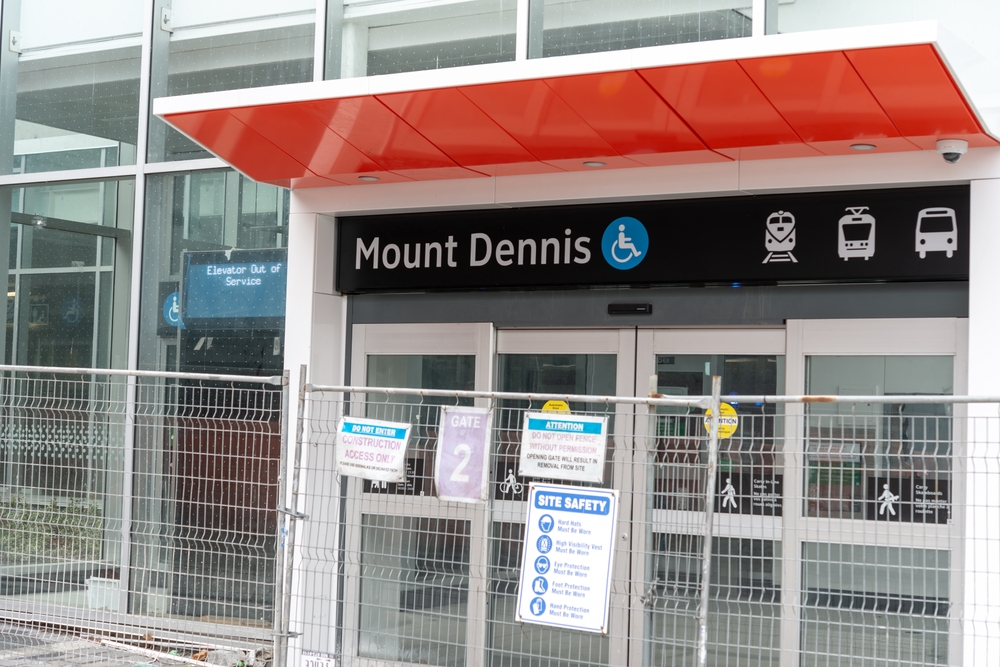
Mount Dennis connects quickly to downtown through transit lines and future expansion projects. Falling rates could unlock demand from commuters seeking shorter travel times. Housing stock includes detached homes and newer townhouses. Prices remain below city averages. This gap matters when mortgage payments drop. Public transit upgrades have already changed how buyers view the area. Rental demand stays strong due to employment hubs nearby. Community services have expanded slowly but steadily. As financing becomes easier, infill development may increase. Mount Dennis attracts buyers focused on function rather than prestige. That group often moves early when conditions improve.
Hamilton East End, Hamilton

Hamilton’s east end offers proximity to industry, transit, and downtown amenities. Lower rates make older housing stock more accessible. Renovation buyers often target this area first. The neighborhood benefits from city investment and cultural spillover. New cafés and small businesses signal shifting demand. Commuters to Toronto still see value here. Reduced borrowing costs improve the feasibility of multi-unit conversions. Rental demand stays high due to industrial jobs. As financing eases, buyers may act faster than sellers expect. Hamilton East End tends to move in cycles. Rate drops could start the next one.
Crown Point, Hamilton

Crown Point sits near transit corridors and employment centers. Interest rate declines help buyers handle renovation costs alongside mortgages. The area already attracts younger households and trades workers. Local retail growth has followed population changes. Housing prices remain lower than in West Hamilton. That difference matters more when rates fall. Investors often watch Crown Point for duplex opportunities. Improved financing supports those plans. Community events and walkability add lifestyle value. With borrowing becoming cheaper, competition may increase gradually. Crown Point usually responds early to market shifts before prices fully adjust.
Stoney Creek Central, Hamilton
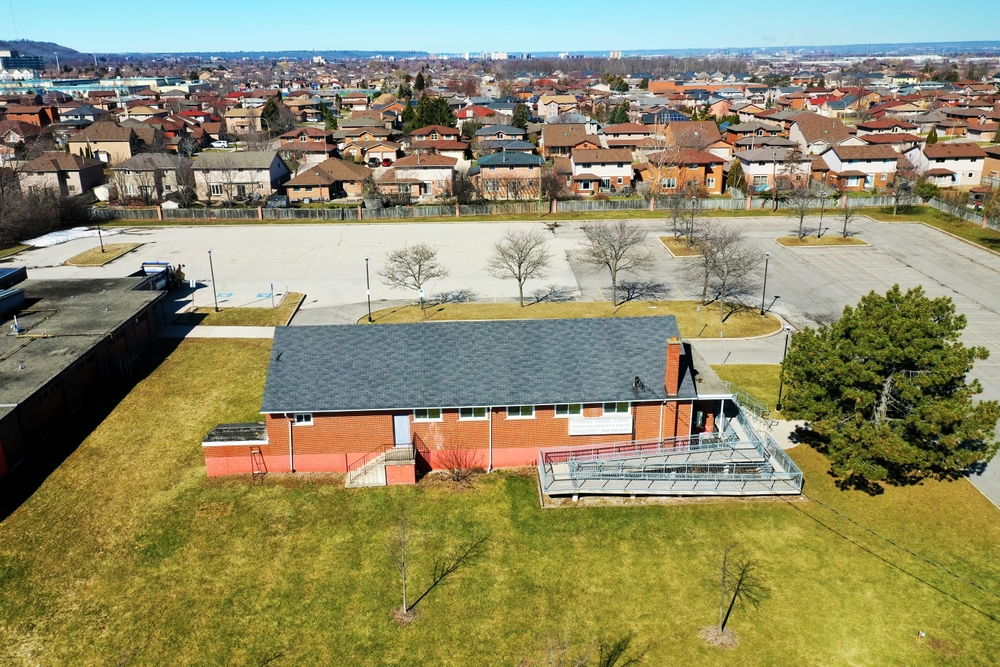
Stoney Creek Central blends suburban layouts with access to highways. Lower rates increase appeal for families upgrading from condos. The area offers larger homes at moderate prices. Schools and parks support long-term demand. As financing becomes easier, move-up buyers often reenter markets like this. Retail strips benefit from population stability. New construction has slowed recently, which tightens supply. That matters when demand returns. Lower borrowing costs may also support small-scale infill. Stoney Creek Central often benefits from overflow demand when core markets heat up.
Vanier, Ottawa

Vanier sits close to downtown Ottawa but remains more affordable than many nearby areas. Falling rates could attract civil servants and young professionals. Transit access supports commuting flexibility. The neighborhood has seen gradual cultural and retail growth. Housing stock includes duplexes and smaller homes. Lower rates help buyers manage renovation budgets. Rental demand remains steady due to nearby employment nodes. Investors watch Vanier closely during rate shifts. Public investment has improved streets and services. As borrowing becomes cheaper, demand may rise faster than new supply.
Barrhaven East, Ottawa

Barrhaven East benefits from expanding transit plans and family-oriented housing. Lower rates improve affordability for buyers moving from condos. Schools and shopping centers support daily needs. Commute times remain reasonable with planned upgrades. As financing eases, builders may restart paused projects. Demand often rises quickly in suburban Ottawa markets. Barrhaven East still offers price gaps compared to older neighbourhoods. That difference draws attention during rate cuts. Rental demand also grows as families delay purchases. The area absorbs growth without sudden volatility.
Saint Michel, Montreal

Saint Michel offers proximity to downtown Montreal with lower housing costs. Falling rates make duplex purchases more manageable. The area benefits from strong transit access. Rental demand remains high due to student and worker populations. Retail corridors have improved steadily. As borrowing becomes cheaper, buyers may move faster. Renovation projects become easier to finance. Saint Michel often responds quickly to broader market shifts. The neighborhood still has room for gradual densification. Rate drops may accelerate planned developments. Long-term demand appears stable rather than speculative.
Hochelaga Maisonneuve East, Montréal

Hochelaga Maisonneuve East blends residential streets with industrial employment nearby. Lower rates help buyers afford duplexes and triplexes. The area already attracts artists and trades workers. Transit access supports commuting across the city. Retail growth has followed population changes. Financing relief improves renovation timelines. Rental demand remains strong due to affordability. Investors track this neighborhood during rate cycles. As borrowing costs fall, transaction volumes often rise first. Hochelaga Maisonneuve East tends to grow steadily rather than sharply.
Saint Laurent West, Montreal

Saint Laurent West benefits from employment zones and highway access. Falling rates attract buyers seeking larger homes. Prices remain lower than downtown core areas. That difference matters when mortgages become cheaper. Transit and commercial hubs support daily convenience. Rental demand stays consistent due to industrial jobs. Developers monitor land availability for mixed-use projects. Rate reductions improve the feasibility of these plans. Saint Laurent West absorbs growth gradually. Buyers often prioritize space and access over nightlife. This area fits that demand profile well.
Surrey City Centre North, Surrey

Surrey City Centre North sits near transit hubs and growing office space. Lower rates support condo buyers entering the market. Population growth drives retail expansion. Housing density supports long-term demand. As financing eases, pre-construction interest may recover. Rental demand remains strong from students and workers. Infrastructure investment has already reshaped the area. Buyers often respond quickly to improved affordability. Surrey City Centre North benefits from scale. Rate cuts can amplify existing momentum rather than create it.
Guildford East, Surrey
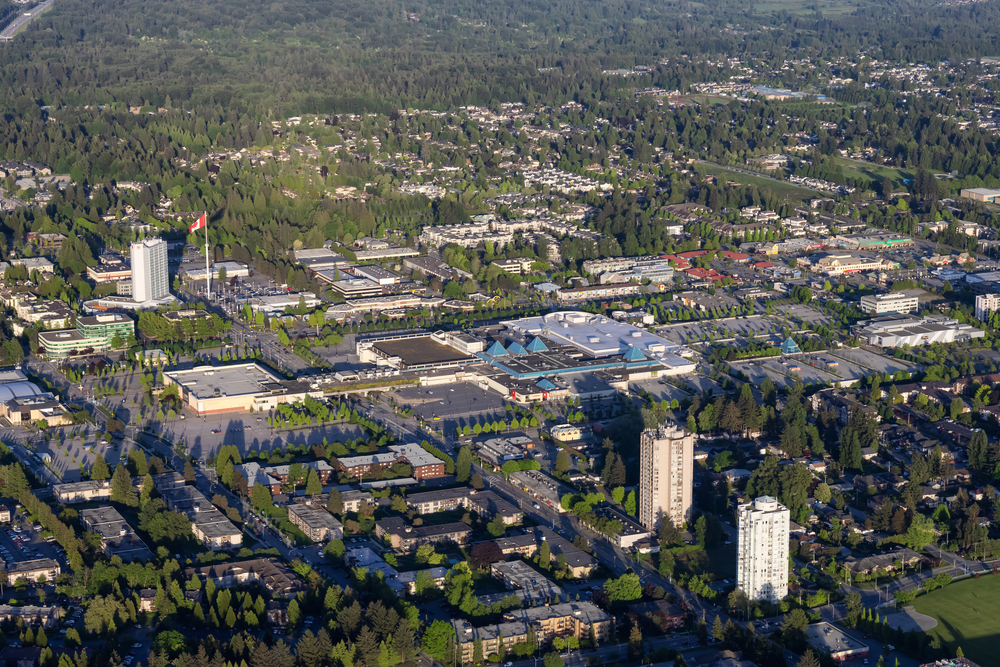
Guildford East attracts families seeking space without leaving Surrey’s core amenities. Lower interest rates improve affordability for detached homes and townhouses. The area benefits from proximity to major shopping centres and transit routes. Schools and parks support long-term residential stability. Housing prices remain lower than newer developments nearby. That difference matters when mortgage payments fall. Rental demand stays consistent due to family-sized units. New construction remains limited, which tightens supply. As borrowing becomes cheaper, buyers may act faster. Guildford East often responds quietly before broader market shifts become visible.
Burnaby Edmonds, Burnaby

Burnaby Edmonds sits between major transit lines and employment hubs. Falling interest rates help condo and townhouse buyers manage monthly costs. The area has seen steady redevelopment rather than sudden change. Retail and services continue expanding at the street level. Housing remains more affordable than nearby Metrotown. That price gap draws attention when borrowing becomes cheaper. Rental demand stays strong due to transit access. Developers benefit from improved financing conditions. Edmonds usually experiences rising transaction volume before prices move. The neighbourhood supports gradual growth without dramatic swings.
New Westminster Uptown, New Westminster

Uptown New Westminster combines older housing stock with walkable commercial streets. Lower rates help buyers absorb renovation and financing costs together. Transit access connects residents to regional employment centres. The area remains more affordable than riverfront developments nearby. Rental demand stays steady due to the central location. New supply is limited, which supports gradual price movement. When borrowing costs fall, buyers often return quickly. Small-scale investors monitor Uptown closely during rate shifts. Activity usually increases before values adjust. Uptown tends to grow steadily rather than sharply.
Brentwood South, Burnaby

Brentwood South benefits from transit-oriented development and employment access. Falling rates improve affordability for condos and downsizing buyers. The neighbourhood continues adding residential density. Retail and services support daily convenience. Demand remains strong due to the location. Lower borrowing costs improve project viability for developers. Rental demand stays high from professionals and students. Buyers often respond quickly to improved financing conditions here. Inventory moves faster before prices rise. Brentwood South has infrastructure to absorb growth. Rate cuts usually accelerate momentum already in place.
Bridgeland East, Calgary

Bridgeland East offers close access to downtown Calgary with residential calm. Lower rates attract young professionals priced out of nearby cores. Transit links support commuting flexibility. Housing includes condos and townhouses suited for first buyers. Retail growth follows a rising population. Rental demand remains stable due to the location. As financing becomes cheaper, buyers regain confidence. Development interest continues without overbuilding. Bridgeland East often sees increased activity early in rate cycles. Price changes usually follow later. The area supports steady, manageable growth.
Ogden, Calgary

Ogden provides access to industrial employment and transit corridors. Falling rates help buyers afford detached homes at lower price points. The area attracts practical buyers focused on space and value. Renovation activity increases when financing improves. Rental demand stays strong due to nearby jobs. Public investment has upgraded parks and infrastructure. Supply remains relatively fixed. That balance supports gradual price movement. Ogden often responds early to affordability changes. Buyer activity tends to rise before broader market attention arrives.
Charleswood, Winnipeg

Charleswood offers suburban housing near green spaces and river trails. Lower interest rates help families upgrade homes. The area has limited new development, which restricts supply. Schools and parks support long-term demand. Commute routes remain reliable. Rental demand stays moderate but stable. Financing relief encourages cautious buyers to return. Sales volume often increases quietly. Price growth tends to follow later. Charleswood usually avoids volatility. Rate drops may restore steady market activity rather than rapid change.
South Osborne, Winnipeg

South Osborne benefits from a central location and strong transit access. Falling rates improve affordability for condo buyers and renters transitioning to ownership. Retail streets support walkable living. Housing stock includes mid-rise buildings and smaller complexes. Rental demand remains consistent due to the location. Lower borrowing costs improve buyer confidence. Developers monitor absorption closely. Supply remains measured. South Osborne often responds early to affordability shifts. Activity tends to rise before prices adjust. The area supports stable, gradual growth without sudden spikes.
Dartmouth North, Halifax

Dartmouth North offers access to Halifax employment centres at lower housing costs. Falling interest rates help first-time buyers enter the market. Transit connections support commuting flexibility. Public investment has improved services and streets. Rental demand stays strong due to affordability. Renovation activity often increases when financing becomes easier. New development remains moderate. Supply constraints support steady demand. Buyer interest tends to rise before prices shift. Dartmouth North responds gradually to rate changes rather than sudden surges.
22 Groceries to Grab Now—Before another Price Shock Hits Canada

Food prices in Canada have been steadily climbing, and another spike could make your grocery bill feel like a mortgage payment. According to Statistics Canada, food inflation remains about 3.7% higher than last year, with essentials like bread, dairy, and fresh produce leading the surge. Some items are expected to rise even further due to transportation costs, droughts, and import tariffs. Here are 22 groceries to grab now before another price shock hits Canada.
22 Groceries to Grab Now—Before another Price Shock Hits Canada
This Options Discord Chat is The Real Deal
While the internet is scoured with trading chat rooms, many of which even charge upwards of thousands of dollars to join, this smaller options trading discord chatroom is the real deal and actually providing valuable trade setups, education, and community without the noise and spam of the larger more expensive rooms. With a incredibly low-cost monthly fee, Options Trading Club (click here to see their reviews) requires an application to join ensuring that every member is dedicated and serious about taking their trading to the next level. If you are looking for a change in your trading strategies, then click here to apply for a membership.