35,000+ smart investors are already getting financial news, market signals, and macro shifts in the economy that could impact their money next with our FREE weekly newsletter. Get ahead of what the crowd finds out too late. Click Here to Subscribe for FREE.
Store closures in Canada rarely arrive with press releases anymore. Many happen quietly. A sign disappears. Hours shrink. Locations vanish from websites. Shoppers notice only when routines break. A familiar stop is suddenly gone. These closures cut across clothing, groceries, electronics, and services. Some brands retreat from smaller cities. Others pull back from malls entirely. Online shifts play a role, but rent, labor, and tighter spending matter too. Here are 24 ‘Quiet’ store closures Canadians are noticing across the country.
Hudson’s Bay Smaller Mall Locations
24 ‘Quiet’ Store Closures Canadians Are Noticing Across the Country
- Hudson’s Bay Smaller Mall Locations
- Bed Bath and Beyond Canada
- Nordstrom Rack Canada
- Target Canada Aftermath Locations
- Sears Home Appliance Stores
- Chapters Smaller Format Stores
- Lowe’s Canada Conversions and Closures
- Best Buy Express Mobile Stores
- Staples Smaller Urban Stores
- The Body Shop Mall Locations
- Payless ShoeSource Canada
- Moores Clearance-Only Locations
- HMV Canada Aftermath Stores
- Toys “R” Us Smaller Market Stores
- Mark’s Work Wearhouse Mall Stores
- Express Canada Locations
- American Apparel Canadian Stores
- Sony Store Canada Locations
- Le Château Mall Stores
- Roots Outlet-Style Locations
- Shoppers Drug Mart 24-Hour Locations
- EB Games Store Reductions
- Second Cup Café Closures
- Local Mall Shoe Repair and Key Shops
- 22 Groceries to Grab Now—Before another Price Shock Hits Canada
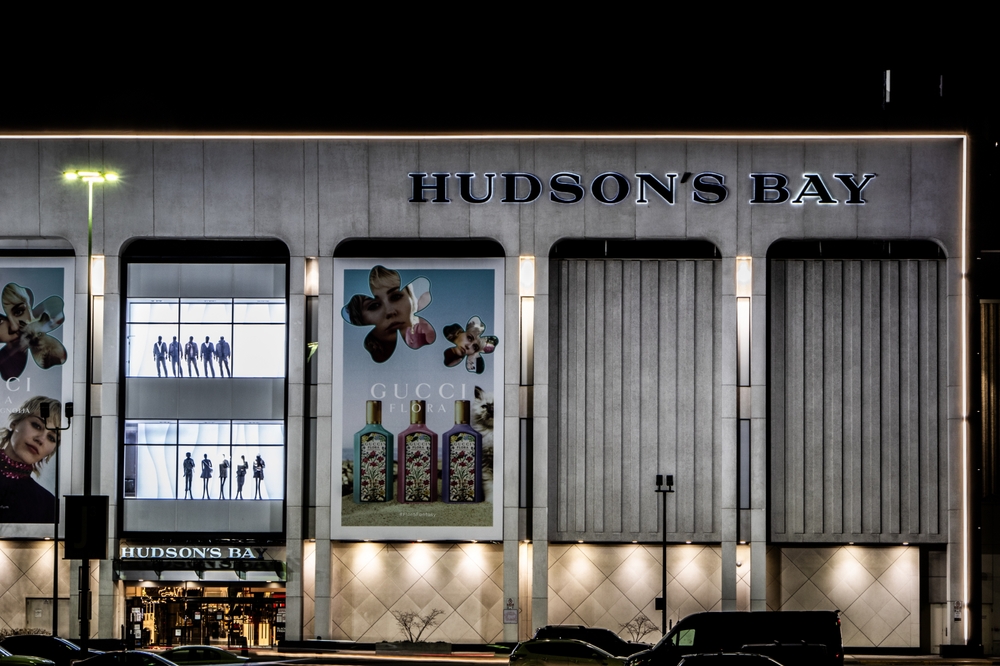
Hudson’s Bay has not exited Canada, but many smaller mall stores have quietly closed. These were often reduced-format locations. They carried fewer brands and shorter operating hours. Closures appeared first in mid-sized cities. Shoppers noticed clearance sales without announcements. Some malls removed signage months later. The company has focused on flagship stores and online sales. Rising mall rents made weaker locations harder to justify. Foot traffic also shifted away from enclosed malls. For many Canadians, these stores anchored shopping trips. Their absence leaves noticeable gaps. Malls now feel emptier without replacement tenants stepping in quickly.
Bed Bath and Beyond Canada
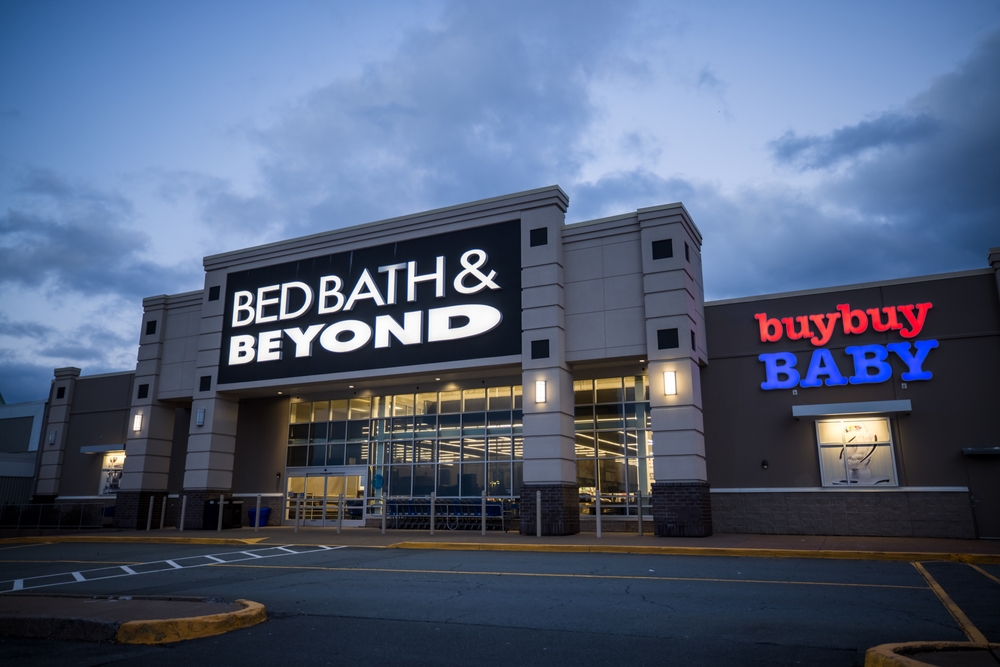
Bed Bath and Beyond’s Canadian exit happened fast, but many stores closed quietly beforehand. Locations reduced inventory long before formal notices appeared. Shoppers reported bare shelves and limited staff. Some stores stopped accepting returns weeks early. The chain struggled with supply issues and online competition. Rising logistics costs hurt bulky home goods. Canadian operations could not recover after pandemic disruptions. While the final closure made headlines, the lead-up felt gradual. Many customers only realized the store was gone when searching for basics. Vacant big-box spaces remain visible reminders across retail corridors.
Nordstrom Rack Canada
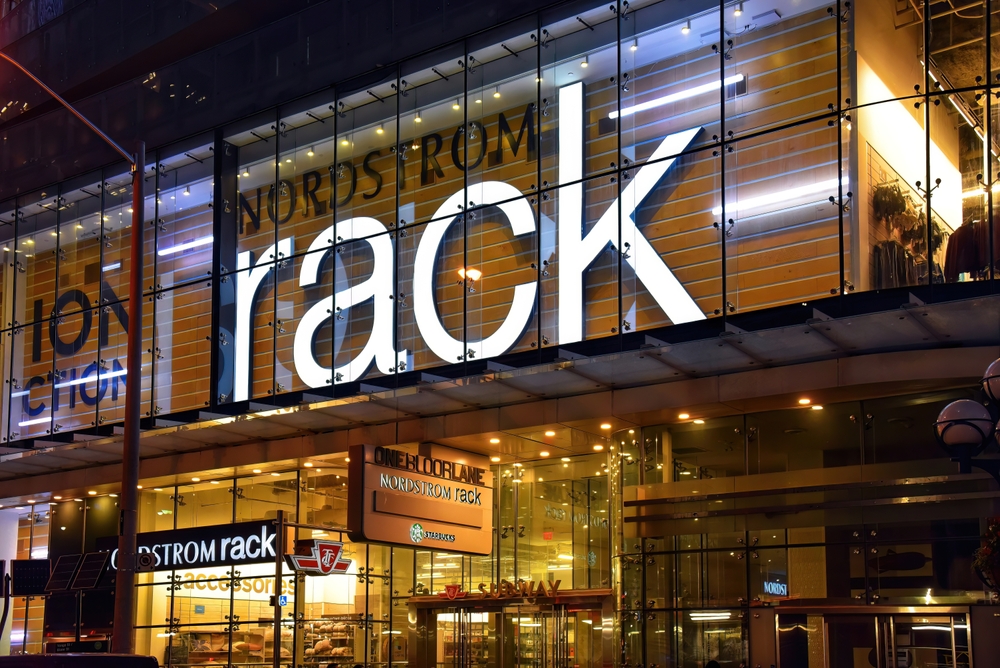
Nordstrom Rack’s Canadian experiment ended with little warning for shoppers. Some locations closed before customers understood the scale. Reduced hours came first. Selection narrowed quickly. Online listings quietly disappeared. The off-price model faced strong local competition. Winners and Marshalls already dominate value fashion. Cross-border inventory flow also proved difficult. Nordstrom focused on exiting Canada entirely. For bargain shoppers, Rack felt like a safer option than full-price stores. Its disappearance reduced choice in outlet-style shopping. Many former locations still sit empty. Replacement tenants have been slow to appear.
Target Canada Aftermath Locations
Target Canada closed years ago, but lingering closures still affect shopping areas. Some former locations reopened slowly. Others never recovered. Canadians still notice empty shells in power centers. These spaces were built specifically for Target’s layout. Retrofitting proved expensive. Smaller retailers could not absorb the footprint. Even today, communities report vacant former Target sites. These quiet reminders shape shopping patterns. Shoppers travel farther for alternatives. Municipal planners continue seeking tenants. The original closure reshaped retail geography. Its impact feels ongoing. Many Canadians still reference Target when discussing retail gaps in their area.
Sears Home Appliance Stores
Sears Canada closed long ago, but appliance spin-offs lingered quietly. Sears Home Appliance locations attempted survival under licensing models. Many closed without publicity. Customers arrived at locked doors. Warranties are confused afterward. Competition from Home Depot and Costco intensified. Appliance margins tightened. Smaller showrooms struggled to draw traffic. These closures mattered in suburban areas. Seniors relied on familiar service counters. Without Sears, trust shifted slowly. Some malls lost another anchor tenant. The change felt subtle but lasting. Shoppers now navigate fragmented appliance retail options across multiple chains.
Chapters Smaller Format Stores
Indigo dominates book retail, but smaller Chapters locations have closed quietly. These were often community mall stores. They carried limited selections. Online ordering reduced foot traffic. Larger Indigo stores absorbed demand. Rent increases also played a role. Closures were rarely announced widely. Staff informed regulars near the end. Readers noticed during routine visits. Some communities lost their only bookstore. Replacement tenants were unrelated retailers. The cultural loss felt personal. While books remain available online, browsing disappeared locally. Canadians increasingly associate bookstores with destination trips rather than neighborhood errands.
Lowe’s Canada Conversions and Closures
Lowe’s entered Canada with ambition but faced uneven performance. Some locations closed quietly. Others converted into RONA stores. Signage changes appeared overnight. Customers noticed loyalty programs stopped working. Inventory shifted without explanation. Home renovation spending slowed. Competition from Home Depot remained strong. Supply costs increased. In smaller markets, Lowe’s struggled for market share. Conversions confused shoppers. Some preferred Lowe’s layout. Others missed pricing strategies. While RONA remains Canadian-focused, the quiet disappearance of Lowe’s branding marked another retail retreat. The changes happened without fanfare, but were widely noticed.
Best Buy Express Mobile Stores
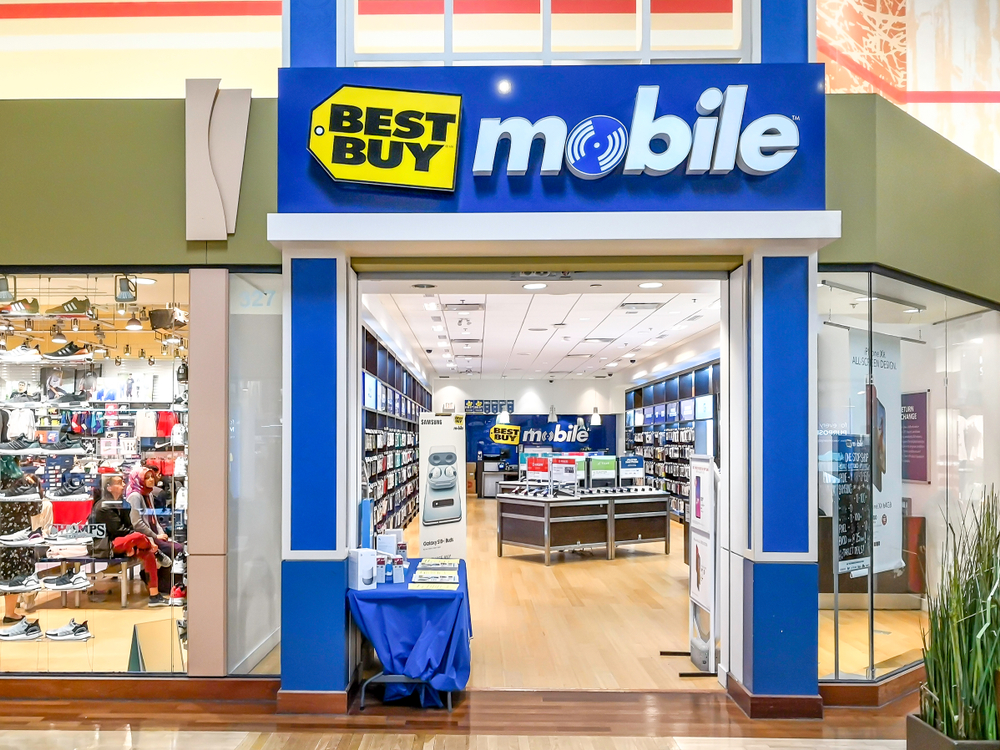
Best Buy Express stores replaced many former Future Shop locations. Some have since closed quietly. These smaller stores focused on mobile sales. Declining phone upgrade cycles hurt traffic. Carrier stores competed directly. Shoppers noticed reduced staffing first. Repair services stopped in some locations. Eventually doors closed. Best Buy shifted toward larger experience-based stores. Online sales handled simple purchases. The closures mattered in downtown cores. These stores once offered quick tech support. Their absence pushes customers to malls or online chat support. The change feels subtle but inconvenient.
Staples Smaller Urban Stores
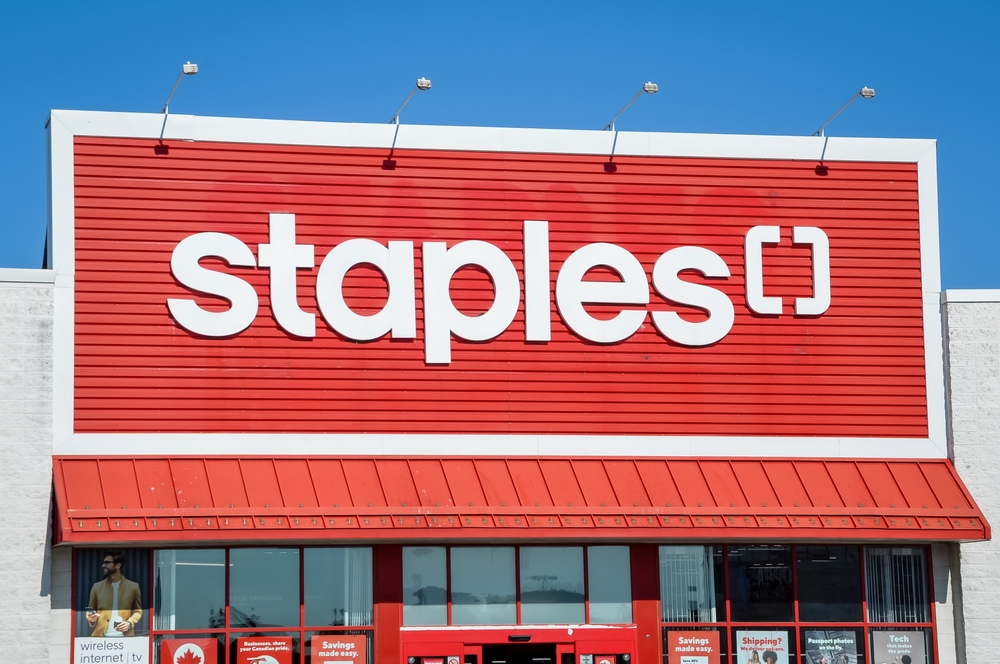
Staples remains present, but smaller urban stores have closed quietly. These locations served students and home offices. Remote work reduced printing needs. Digital documents replaced paper supplies. Rent pressures in city centres increased. Some stores reduced hours before closing. Customers noticed shrinking aisles. Clearance signs appeared suddenly. Staples refocused on larger suburban formats and online orders. For downtown workers, the loss removed convenience. Printing errands now require planning. The closures reflect shifting work habits. Canadians recognize the pattern when office districts feel less retail-focused than before.
The Body Shop Mall Locations
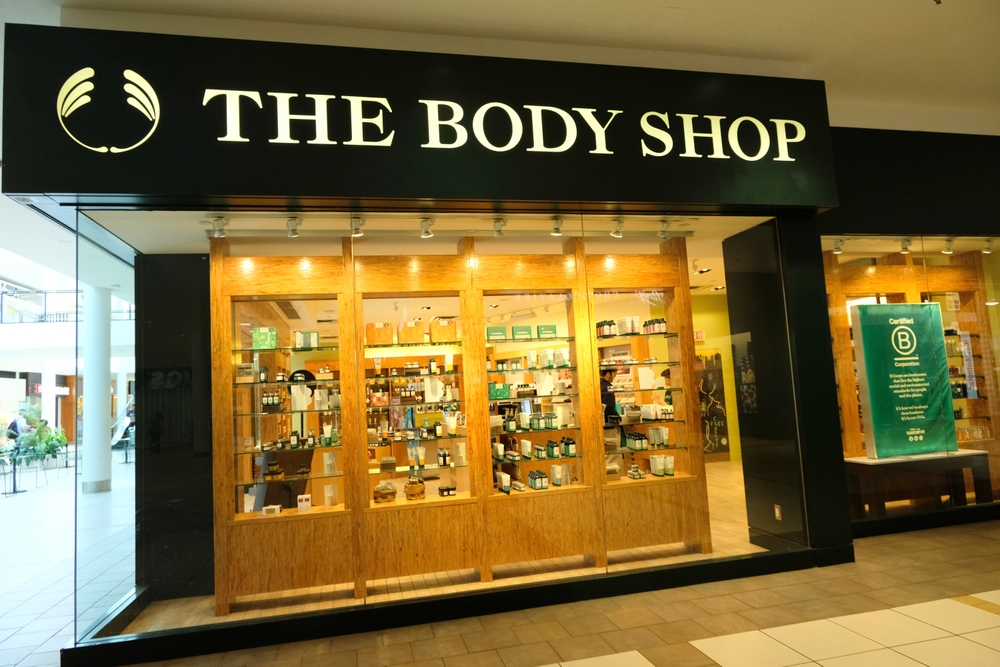
The Body Shop has closed many mall locations quietly. Online sales replaced in-store browsing. Foot traffic declined in enclosed malls. Rising rent hurt specialty beauty stores. Some locations shut without announcements. Clearance sales tipped off regular customers. The brand still exists online. Shoppers miss testing products in person. Ethical branding once drew loyal foot traffic. That loyalty shifted digitally. Malls lost another experiential retailer. These closures blend into wider mall shrinkage. Canadians notice empty storefronts where familiar scents once lingered near entrances.
Payless ShoeSource Canada
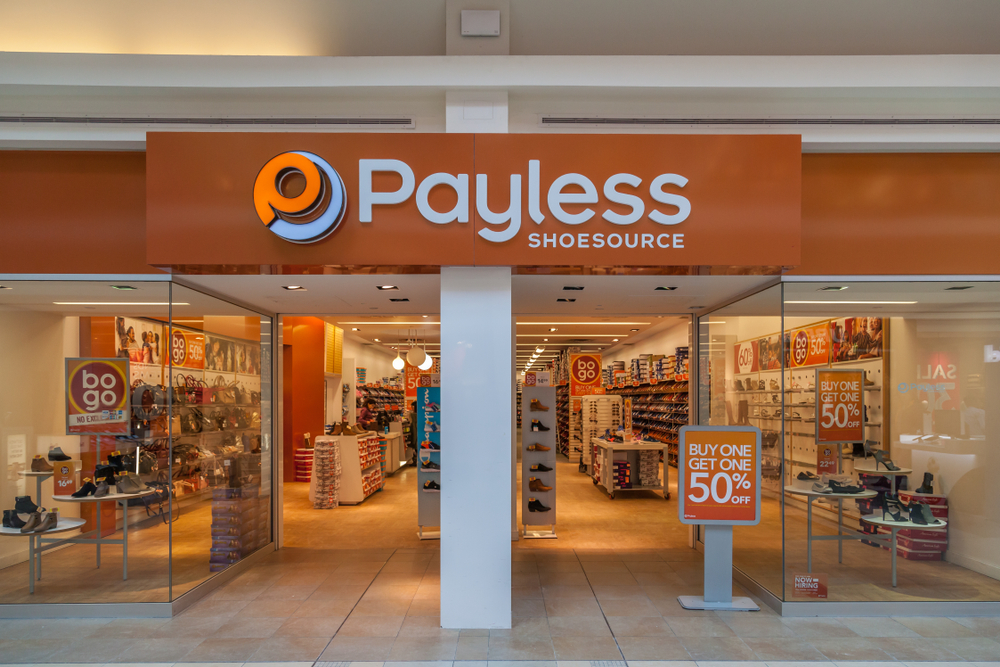
Payless exited Canada with minimal warning in many regions. Some stores closed before public notice. Inventory vanished quickly. Parents noticed during back-to-school shopping. Affordable footwear options were narrowed. Online alternatives filled some gaps. Shipping delays frustrated buyers. Payless struggled with margins and imports. Physical stores could not compete with online pricing. Mall landlords lost another valuable tenant. For budget-focused families, the closure mattered. Canadians still mention Payless when discussing rising footwear costs. Its absence feels practical rather than nostalgic.
Moores Clearance-Only Locations
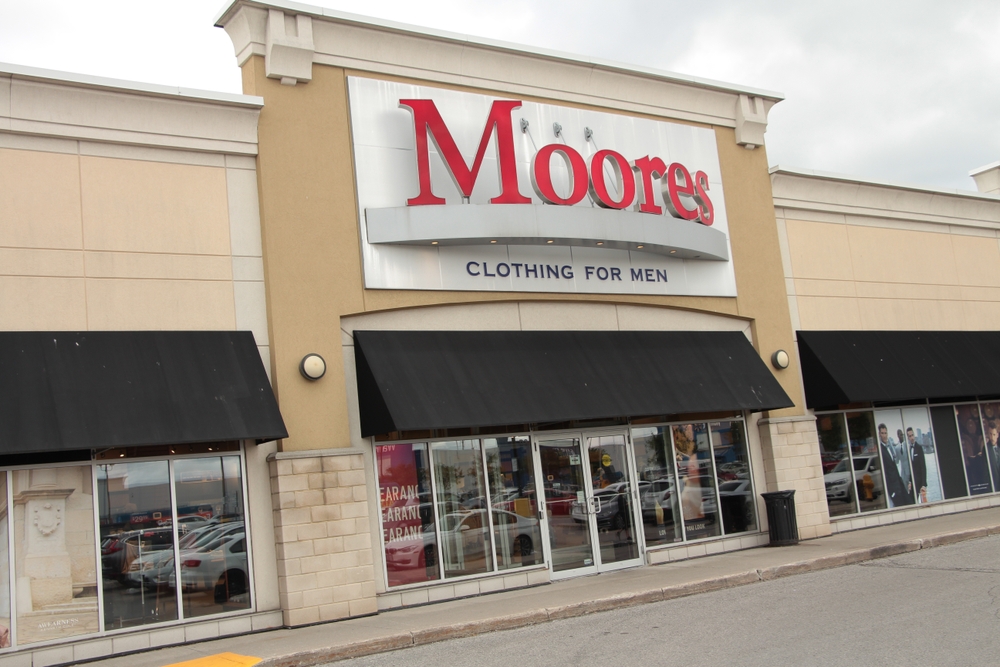
Moores remains active, but clearance-focused locations closed quietly. These stores handled excess inventory. Reduced demand for formal wear hurt sales. Remote work reduced suit purchases. Weddings shifted styles. Clearance outlets became unnecessary. Closures occurred without major announcements. Customers discovered locked doors. Some inventory moved online. Shoppers now travel farther for fittings. Alteration services became less accessible. The closures highlight changing dress codes. Canadians notice fewer places to buy affordable suits quickly. Formalwear retail has become more centralized and less visible.
HMV Canada Aftermath Stores
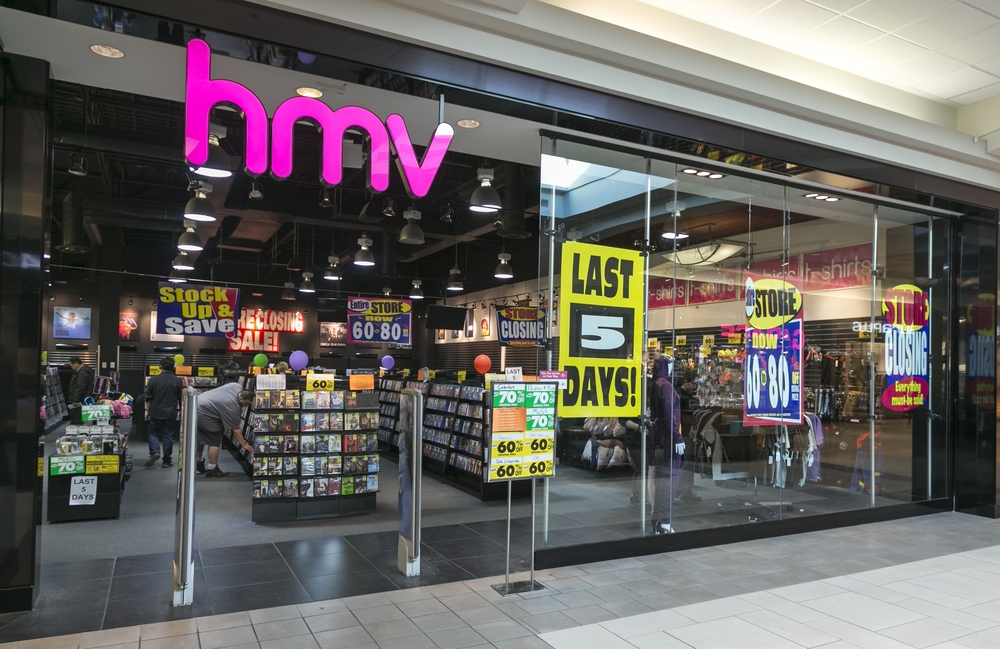
HMV closed years ago, but some licensed stores lingered quietly. These locations focused on collectibles and vinyl. Several shut without notice. Foot traffic varied widely. Online fan retailers competed strongly. Rent costs outweighed niche sales. Customers arrived expecting music browsing. Instead, spaces were empty. These closures marked the end of casual physical media shopping. Vinyl still sells, but through specialty shops. HMV’s slow disappearance felt like fading background noise. Canadians noticed when malls lost another entertainment anchor that once attracted younger shoppers.
Toys “R” Us Smaller Market Stores
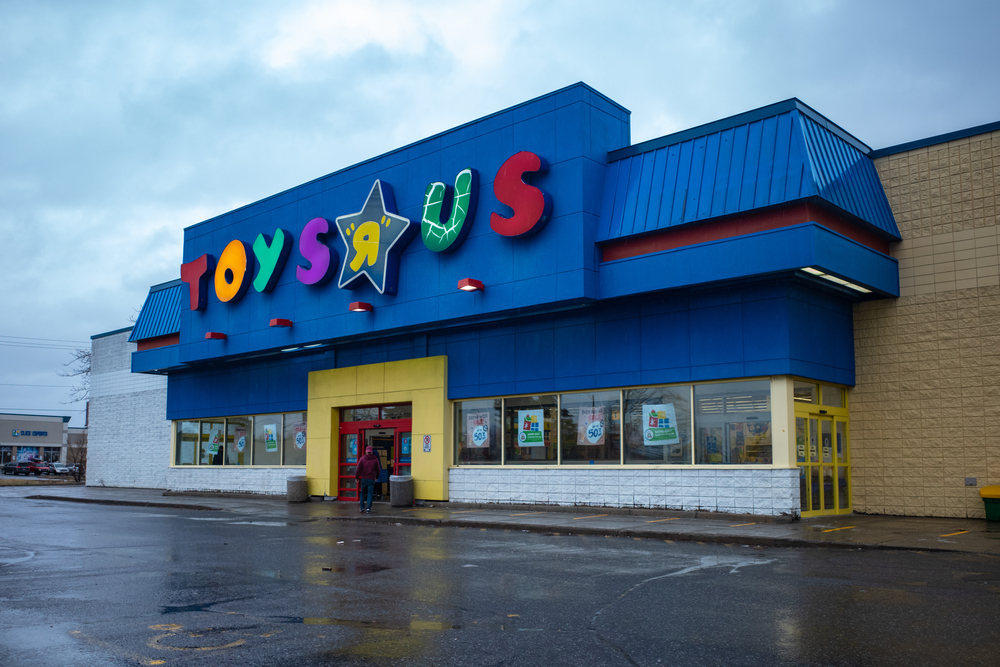
Toys “R” Us survived in Canada, but smaller market stores closed quietly. These locations served regional shopping hubs. Online toy shopping increased. Big-box competition intensified. Seasonal sales became unpredictable. Some stores reduced square footage before closing. Parents noticed clearance aisles growing. Staff confirmed closures near the end. Remaining stores focus on larger markets. Families now drive farther or order online. The closures affect holiday routines. Canadians still associate the brand with childhood shopping trips. Its reduced footprint feels noticeable during peak seasons.
Mark’s Work Wearhouse Mall Stores
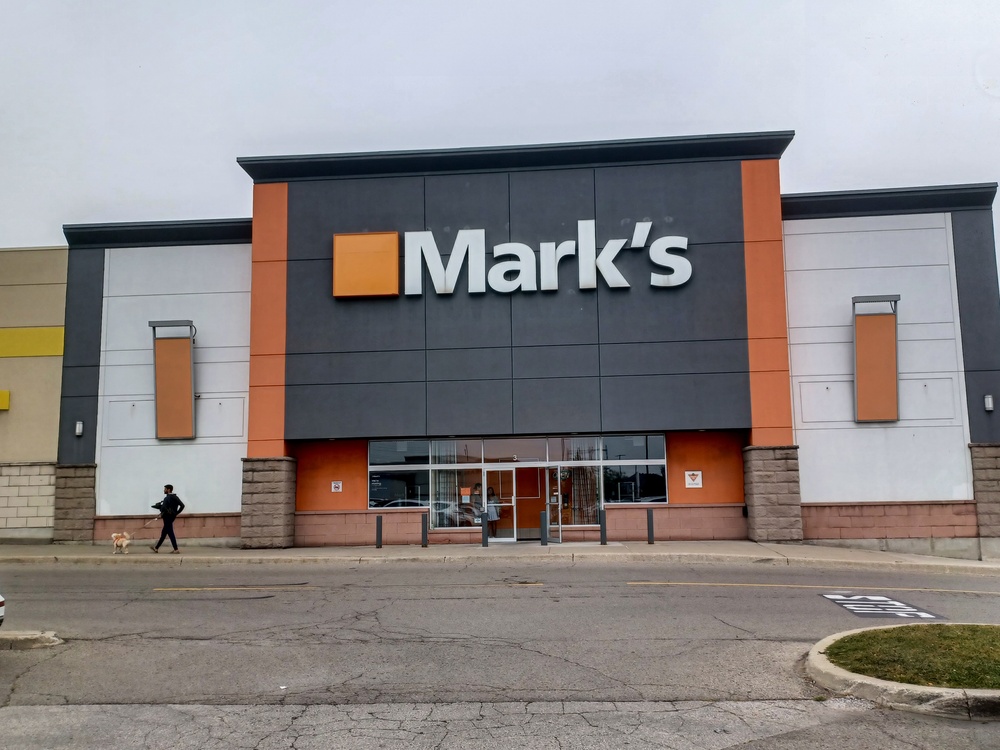
Mark’s has shifted toward stand-alone locations. Mall stores closed quietly. Foot traffic declines reduced sales. Workwear purchasing moved online. Industrial buyers consolidated suppliers. Smaller mall formats lacked inventory depth. Closures happened without press coverage. Customers noticed when favorite mall entrances felt empty. Remaining stores sit in power centres. This shift reflects changing shopping habits. Canadians still need workwear. They just buy it differently. The disappearance from malls contributes to retail hollowing. These changes accumulate slowly but visibly.
Express Canada Locations
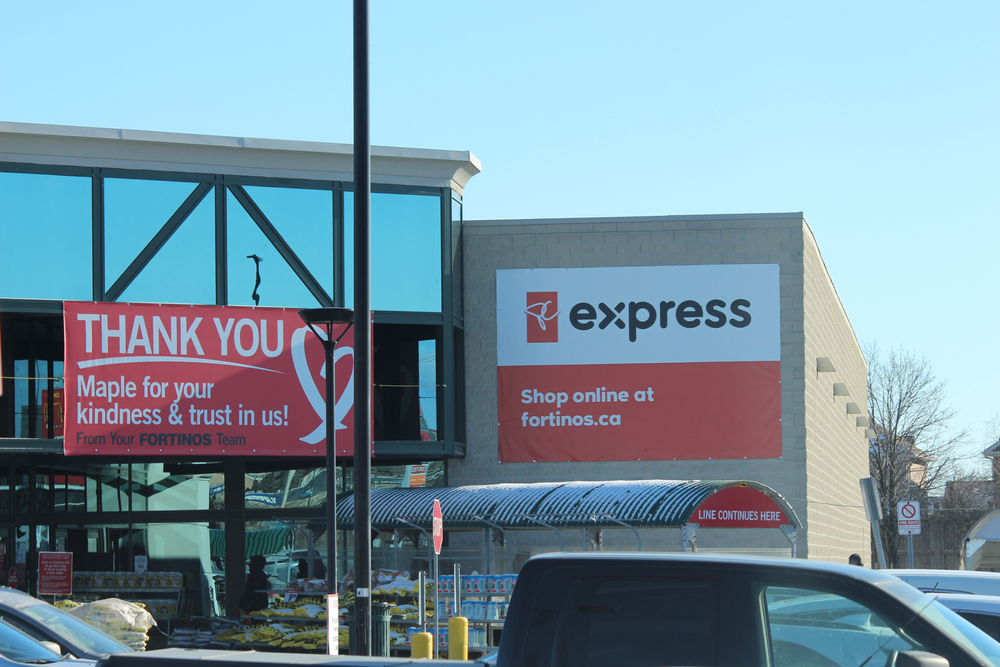
Express expanded into Canada, then pulled back quietly. Several locations closed before official announcements. Fashion trends shifted quickly. Inventory mismatches hurt sales. Online competitors moved faster. Rising labor costs added pressure. Shoppers noticed constant promotions. Clearance signs lingered. Eventually doors closed. Express later exited Canada entirely. The quiet closures foreshadowed the full withdrawal. Canadians lost another mid-priced fashion option. Mall fashion mixes narrowed. Shoppers now choose between discount and premium options more often than before.
American Apparel Canadian Stores
American Apparel once had a strong urban presence. Canadian stores closed gradually and quietly. Financial struggles drove decisions. Locations’ reduced hours first. Inventory gaps appeared. Staff turnover increased. Customers sensed instability. Closures followed without ceremony. The brand later reappeared online under new ownership. Physical retail never returned. Canadians remember the stores vividly. Their disappearance changed street-level retail in downtown areas. Empty storefronts replaced once-busy corners. The closures highlighted fashion volatility and the risks of rapid expansion.
Sony Store Canada Locations
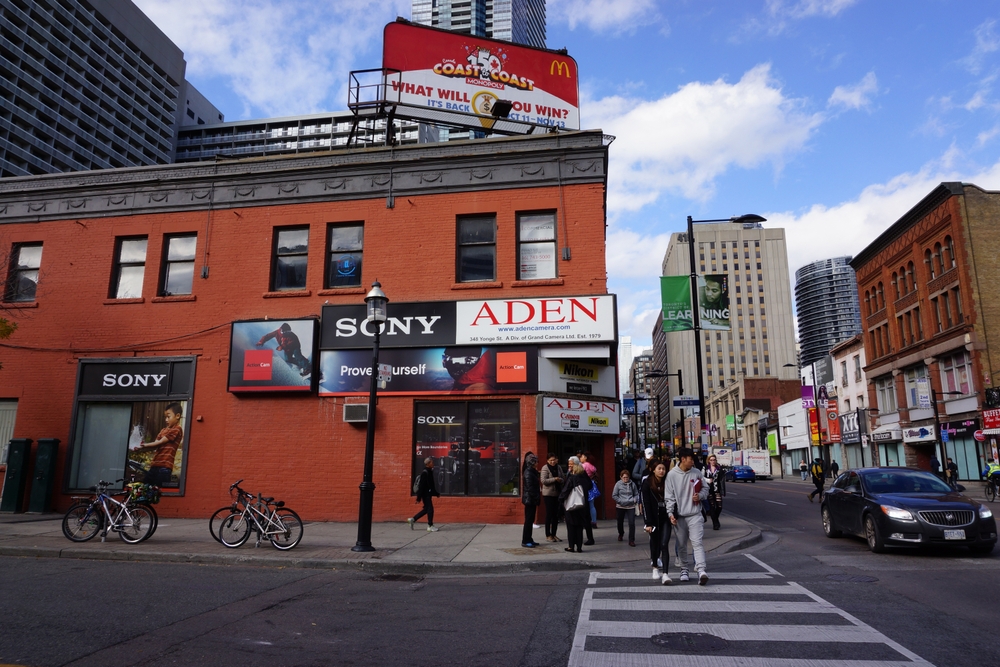
Sony once operated branded retail stores across Canada. Many closed quietly over time. Electronics shifted to multi-brand retailers. Maintaining single-brand stores became costly. Online product launches replaced in-store demos. Customers noticed fewer hands-on options. Service desks disappeared. Closures rarely made headlines. Remaining support moved online or through partners. For tech enthusiasts, the loss reduced experiential shopping. Canadians now rely on Best Buy or online reviews. Sony’s quiet retreat reflects broader electronics retail consolidation.
Le Château Mall Stores
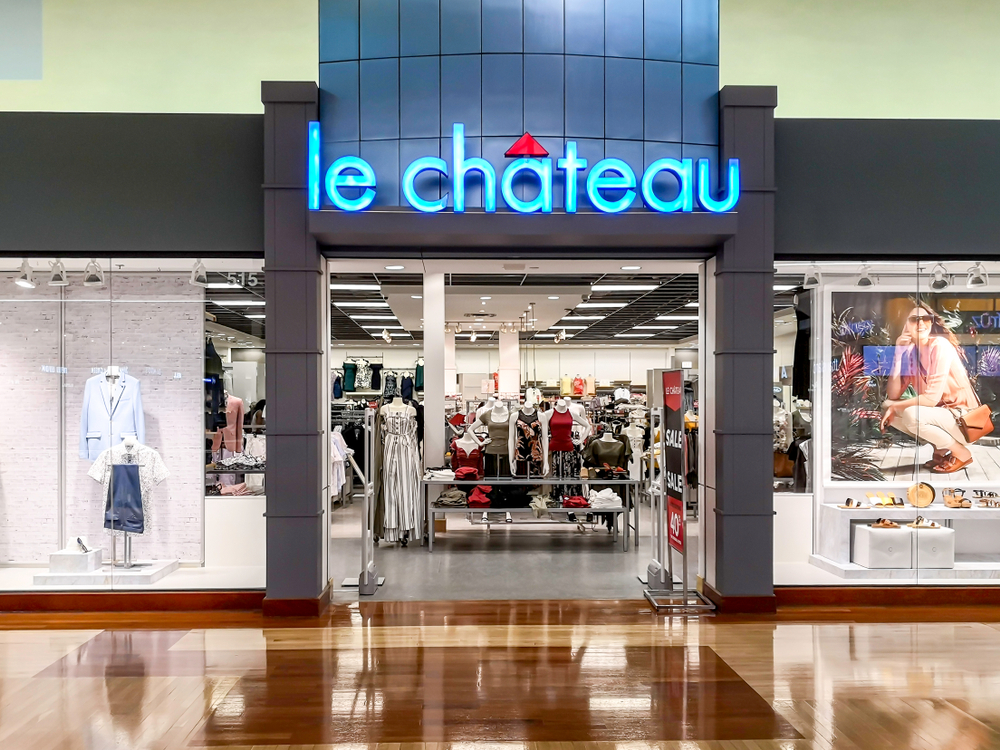
Le Château entered creditor protection and closed most stores. Some closures happened quietly beforehand. Inventory thinned gradually. Promotions intensified. Staff hinted at uncertainty. Mall locations closed with little notice. The remaining online presence could not sustain operations. The brand later restructured. Physical stores largely vanished. Canadians noticed during a formal event. Affordable occasion wear became harder to find. Malls lost another fashion anchor. The closures felt sudden to shoppers, despite long financial struggles behind the scenes.
Roots Outlet-Style Locations
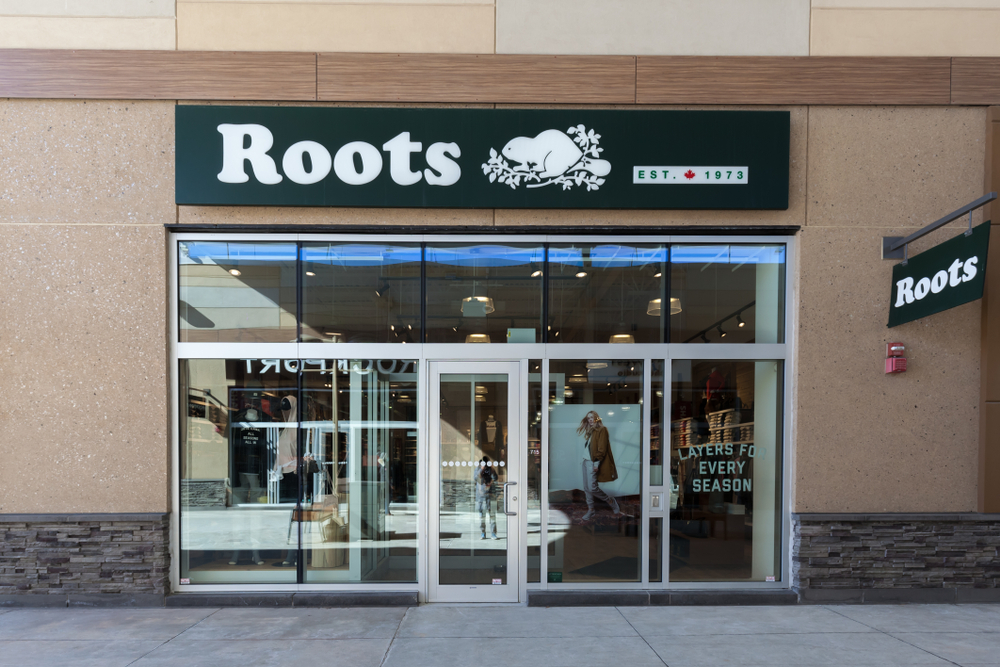
Roots remains strong, but some outlet-style stores closed quietly. These locations handled surplus inventory. Online sales reduced the need. Rent pressures affected outlet malls. Customers noticed reduced hours. Clearance racks expanded. Closures followed without announcements. Remaining stores focus on full-price experiences. The brand protects image consistency. Canadians still shop at Roots, but outlet hunting changed. Bargain seekers travel farther. The quiet closures show strategic tightening rather than decline. Still, shoppers noticed familiar locations disappearing from outlet directories.
Shoppers Drug Mart 24-Hour Locations
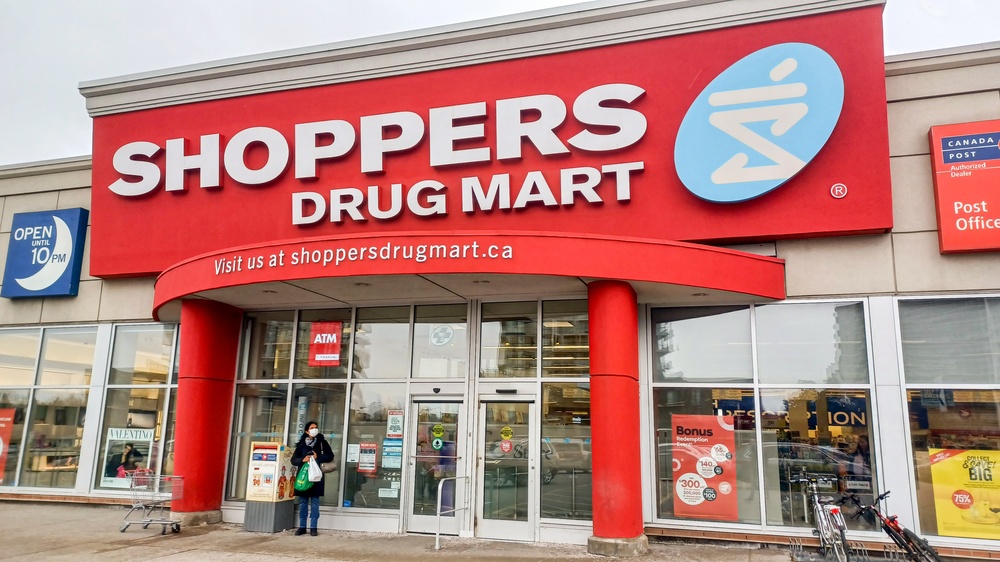
Shoppers Drug Mart remains widespread, but many 24-hour stores quietly ended overnight service. Signage changed without press releases. Late-night shoppers noticed locked doors. Staffing shortages played a role. Security costs increased. Reduced overnight demand followed pandemic shifts. Pharmacies adjusted their hours permanently. For shift workers, the change mattered. Emergency purchases became harder. While stores still operate, accessibility changed. Canadians noticed because routines broke. The closures were partial but meaningful. Convenience declined quietly across many neighborhoods.
EB Games Store Reductions
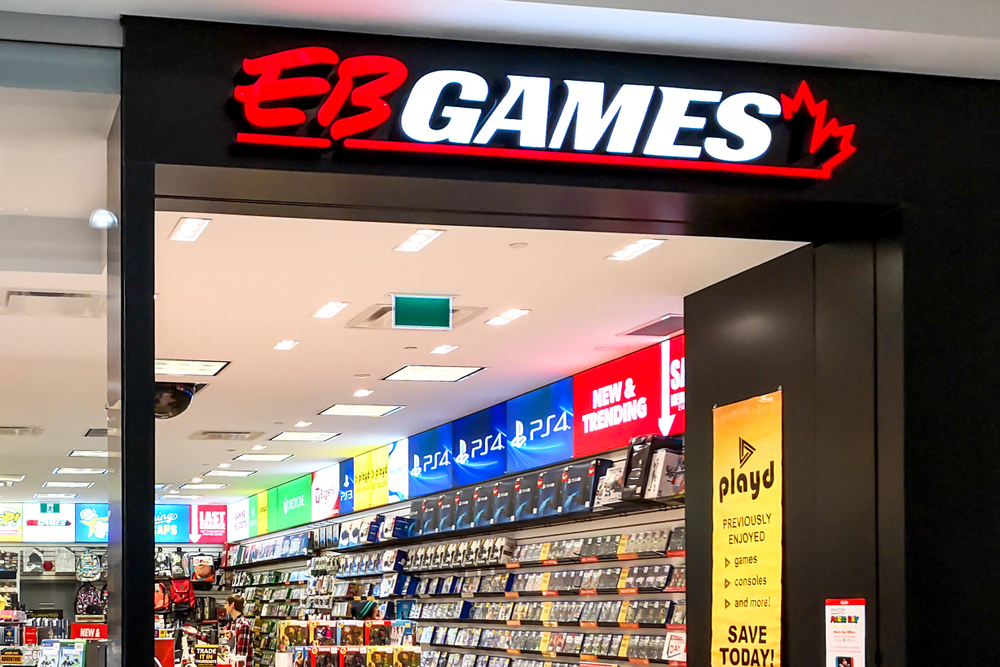
EB Games transitioned to GameStop branding. Some stores closed quietly during the process. Physical game sales declined. Digital downloads dominated. Smaller mall locations struggled. Customers noticed fewer midnight launches. Inventory shifted toward merchandise. Closures happened without announcements. The remaining stores are consolidated regions. Gamers now rely more on online purchases. The social aspect faded. Canadians noticed fewer gathering points for gaming culture. The quiet reduction reflects broader changes in entertainment consumption.
Second Cup Café Closures
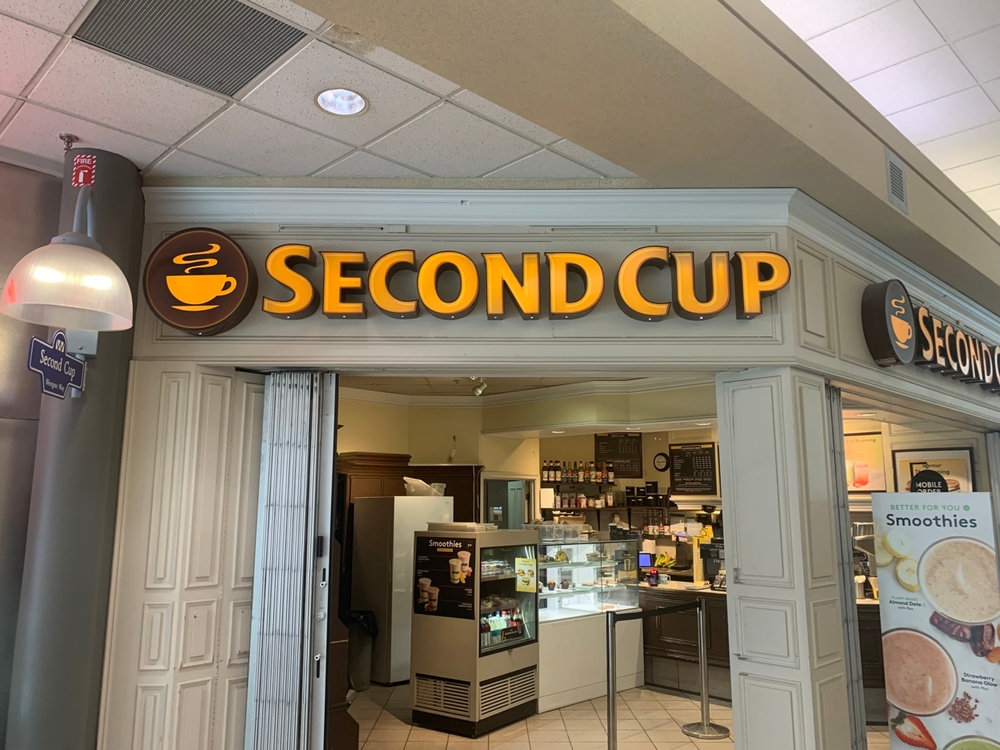
Second Cup once rivalled Starbucks across Canada. Many locations closed quietly. Foot traffic declined. Competition intensified. Franchise costs increased. Some stores shut suddenly. Customers arrived at darkened interiors. Remaining locations operate selectively. Canadians are noticed especially in malls and hospitals. Coffee routines changed. Smaller independent cafés filled some gaps. The brand remains, but with reduced visibility. The quiet closures feel personal to regulars who relied on familiar meeting spots.
Local Mall Shoe Repair and Key Shops
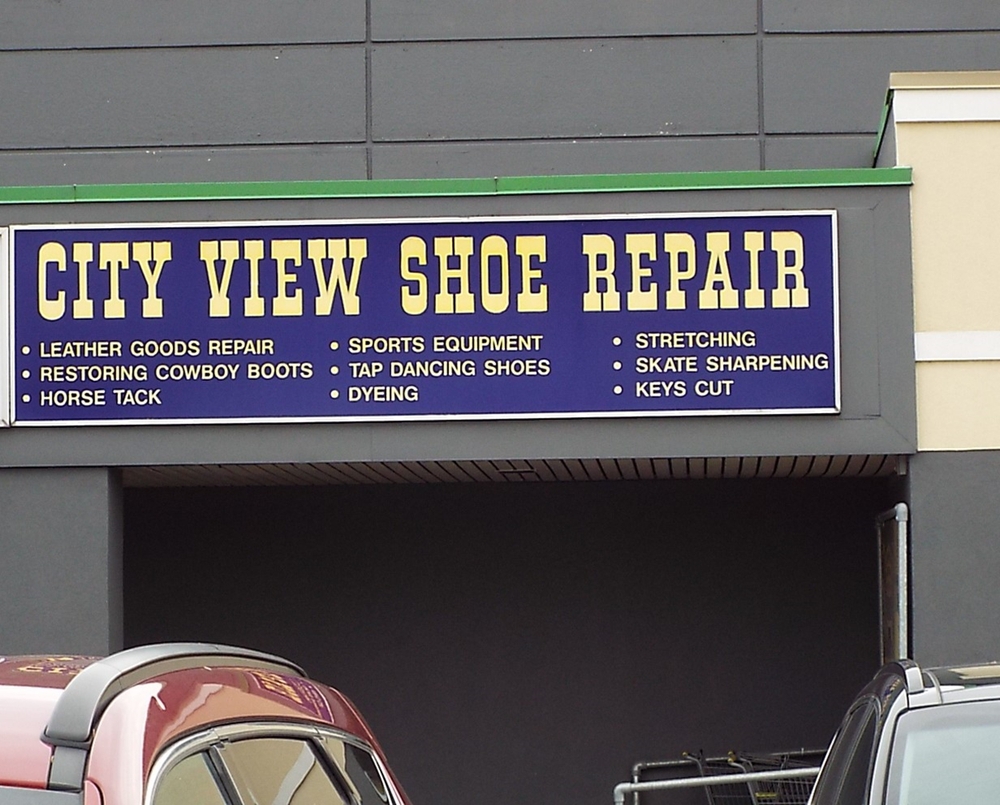
Not all closures involve chains. Mall shoe repair and key shops have disappeared quietly nationwide. These small services relied on foot traffic. Mall declines hurt viability. Retiring owners closed shops without replacements. Customers noticed only when services were needed. Keys now require hardware stores. Shoe repairs are harder to find. These closures change everyday convenience. Canadians feel the loss during routine errands. The disappearance reflects a subtle erosion of service in retail spaces.
22 Groceries to Grab Now—Before another Price Shock Hits Canada
Food prices in Canada have been steadily climbing, and another spike could make your grocery bill feel like a mortgage payment. According to Statistics Canada, food inflation remains about 3.7% higher than last year, with essentials like bread, dairy, and fresh produce leading the surge. Some items are expected to rise even further due to transportation costs, droughts, and import tariffs. Here are 22 groceries to grab now before another price shock hits Canada.
22 Groceries to Grab Now—Before another Price Shock Hits Canada
This Options Discord Chat is The Real Deal
While the internet is scoured with trading chat rooms, many of which even charge upwards of thousands of dollars to join, this smaller options trading discord chatroom is the real deal and actually providing valuable trade setups, education, and community without the noise and spam of the larger more expensive rooms. With a incredibly low-cost monthly fee, Options Trading Club (click here to see their reviews) requires an application to join ensuring that every member is dedicated and serious about taking their trading to the next level. If you are looking for a change in your trading strategies, then click here to apply for a membership.