35,000+ smart investors are already getting financial news, market signals, and macro shifts in the economy that could impact their money next with our FREE weekly newsletter. Get ahead of what the crowd finds out too late. Click Here to Subscribe for FREE.
35,000+ smart investors are already getting financial news, market signals, and macro shifts in the economy that could impact their money next with our FREE weekly newsletter. Get ahead of what the crowd finds out too late. Click Here to Subscribe for FREE.
Canadian retail has been under pressure for years, but 2026 could push several familiar names closer to the edge. Rising rent, cautious spending, online competition, and thinner margins are reshaping how people shop. Stores built for mall traffic now face fewer visits and higher operating costs. Brands that once relied on loyalty are struggling to stay relevant. Shoppers care because closures affect jobs, pricing, and access to essentials. When a retailer falters, communities often feel it first. Here are 15 Canadian retailers that could be in trouble in 2026 (and why shoppers care).
Canadian Tire
15 Canadian Retailers That Could Be in Trouble in 2026 (And Why Shoppers Care)
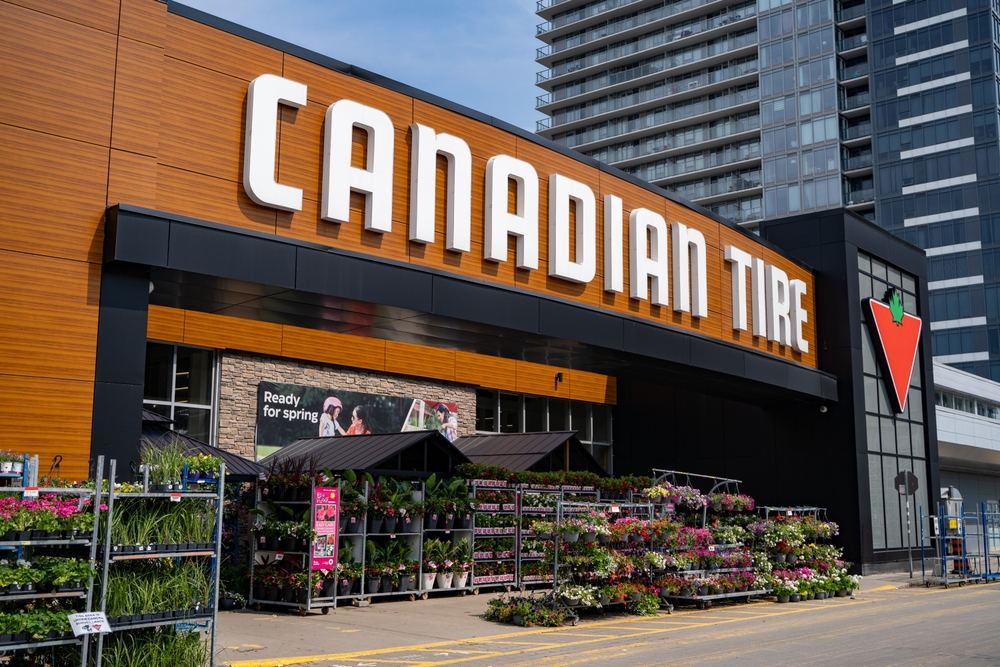
Canadian Tire remains strong, but cracks matter at scale. Big box formats depend on steady foot traffic. Online competitors now undercut prices on tools and household items. Inventory complexity increases carrying costs. Seasonal products risk overstock when the weather shifts. Auto service margins face pressure from rising labor costs. Younger shoppers expect faster delivery than stores can offer. Loyalty points matter less during tight budgets. Store closures would affect smaller towns first. Shoppers care because Canadian Tire fills gaps where specialty stores disappeared. Losing locations means fewer local options for essentials and automotive service.
The Brick
Furniture retail faces slow purchase cycles during economic uncertainty. The Brick depends on financing offers to drive sales. Higher interest rates make financing less attractive. Large showroom footprints raise fixed costs. Delivery and warehousing costs continue rising. Online furniture brands offer simpler buying experiences. Returns remain difficult in furniture retail. Shoppers delay big purchases longer than before. Store consolidation could follow weaker quarters. Communities care because furniture stores employ local delivery teams and warehouse staff. Fewer physical locations mean longer wait times, reduced service coverage, and fewer chances to see products before buying.
Indigo
Indigo has tried to evolve beyond books, but balance is tricky. Gift items face intense competition from online marketplaces. Book sales depend on discretionary spending. Rising print costs pressure margins. Store layouts demand high staffing levels. Cafes add complexity and cost. Digital reading continues to grow. Younger shoppers browse without buying. Closing stores would shrink cultural retail spaces in many cities. Shoppers care because Indigo serves as a community hub. Losing locations means fewer accessible bookstores, fewer events, and less local discovery beyond algorithm-driven shopping feeds.
Roots
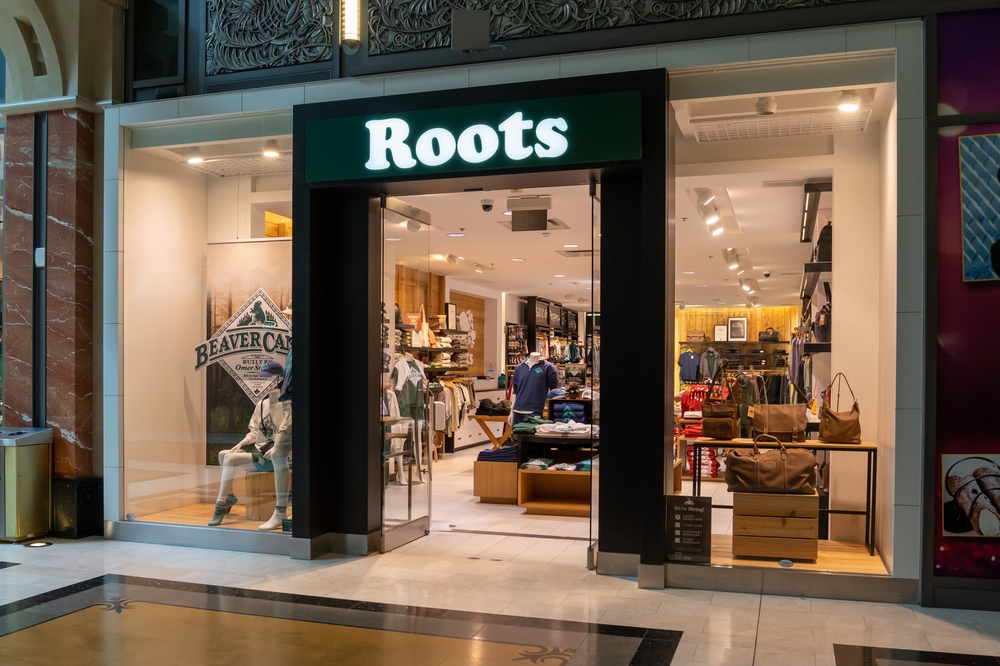
Roots trades on brand identity, but premium casual wear faces headwinds. Shoppers cut back on higher-priced basics first. Mall-based stores see uneven traffic. Online discounts train customers to wait. International expansion has slowed. Inventory planning remains challenging with seasonal demand. Private labels from competitors offer cheaper alternatives. Store leases signed years ago now look expensive. Closures would affect Canadian manufacturing ties. Shoppers care because Roots represents domestic branding and quality perception. Fewer stores limit sizing access, returns, and gift shopping during peak seasons.
Reitmans

Reitmans serves a loyal demographic, but retail habits are shifting. Mall traffic among older shoppers has declined. Office wear demand has not fully returned. Competition from online apparel continues to grow. Inventory turnover pressures margins. Promotions feel constant, reducing urgency. Store footprints remain large for sales volume. Past restructurings signal vulnerability. Shoppers care because Reitmans offers accessible sizing and pricing. Closures reduce inclusive options for workwear. Smaller communities risk losing affordable clothing without reliable online alternatives.
La Senza
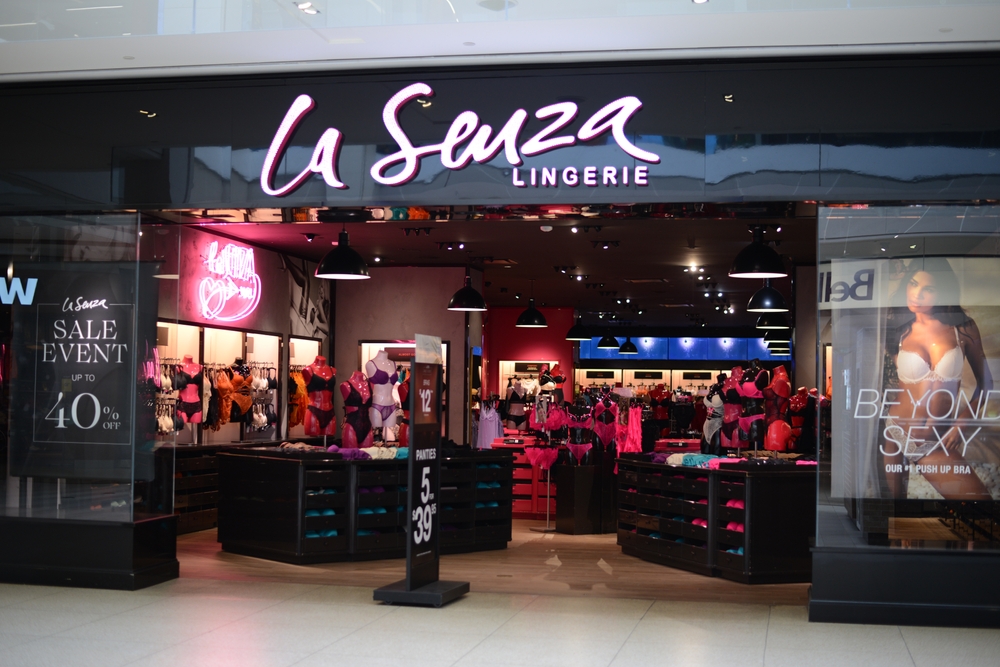
Lingerie retail has changed fast. La Senza competes with digital-first brands offering flexible sizing. Mall-based stores face declining traffic. Younger shoppers prefer discreet online shopping. Inventory forecasting remains difficult. Frequent promotions reduce perceived value. Brand relevance has weakened over time. Lease costs remain fixed while sales fluctuate. Shoppers care because fewer lingerie stores limit in-person fitting options. Returns become harder online. Store closures also affect mall ecosystems dependent on specialized retailers.
Best Buy Canada

Electronics retail operates on thin margins. Best Buy faces pressure from direct brand sales. Online marketplaces often offer lower prices. Large stores require high staffing and security costs. Product cycles move quickly, increasing markdown risk. Shoppers research online, then buy elsewhere. Service offerings must justify store visits. Consolidation remains a possibility. Shoppers care because physical electronics stores provide advice and quick pickups. Fewer locations mean longer waits for repairs and returns. Smaller cities may lose local access to tech support entirely.
Sport Chek

Sport Chek relies on seasonal demand and brand partnerships. Athletic wear faces intense competition online. Shoppers compare prices instantly. Inventory risks rise with fashion-driven styles. Store sizes remain large for fluctuating traffic. Private labels compete with global brands. Economic pressure delays discretionary spending. Store rationalization could follow slower quarters. Shoppers care because Sport Chek supports youth sports and team gear access. Closures reduce convenience for families needing fittings and immediate replacements.
Mark’s

Workwear demand remains uneven across industries. Remote work reduced office clothing needs. Competition from online retailers increased. Store layouts require significant square footage. Inventory planning remains complex. Promotions drive volume but compress margins. Younger shoppers favor casual alternatives. Store closures affect smaller cities first. Shoppers care because Mark’s provides durable basics and safety wear. Losing locations forces reliance on shipping delays. Returns become less convenient for work-dependent purchases.
Sleep Country Canada
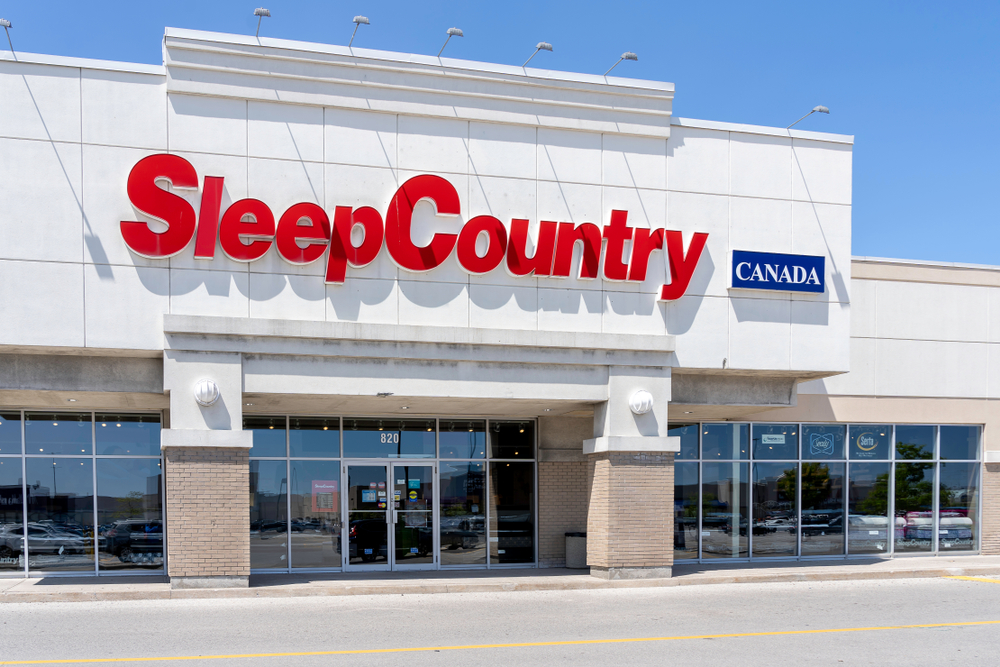
Mattress purchases slow during financial uncertainty. Sleep Country depends on showroom experiences. Rising delivery and logistics costs add pressure. Online mattress brands simplify buying decisions. Promotions feel constant, reducing urgency. Store density remains high in urban areas. Consolidation risk grows when demand softens. Shoppers care because mattress purchases benefit from testing. Fewer stores reduce comparison options. Rural customers face longer delivery times and fewer in-person services.
Dollarama
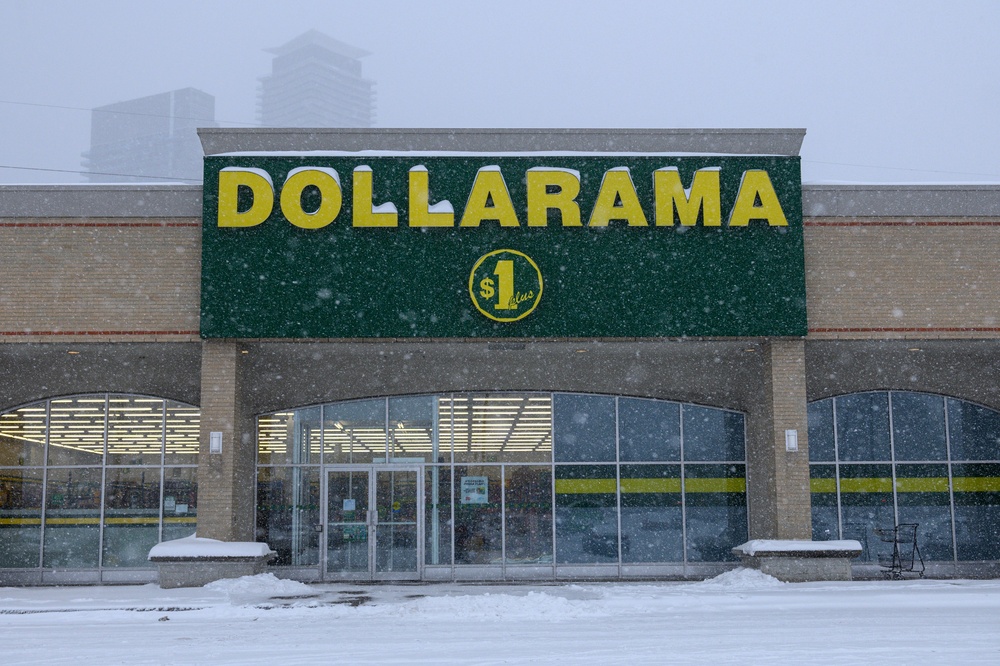
Dollarama performs well, but risks still exist. Rising supplier costs challenge fixed pricing models. Shoppers notice shrinkflation quickly. Competition from discount grocery stores expands. Store staffing costs rise steadily. Urban saturation limits growth. Inventory quality concerns can affect trust. Shoppers care because Dollarama fills affordability gaps. Closures would hit low-income communities hardest. Access to low-cost essentials matters during inflation. Any disruption affects daily budgets directly.
Toys“R” Us Canada
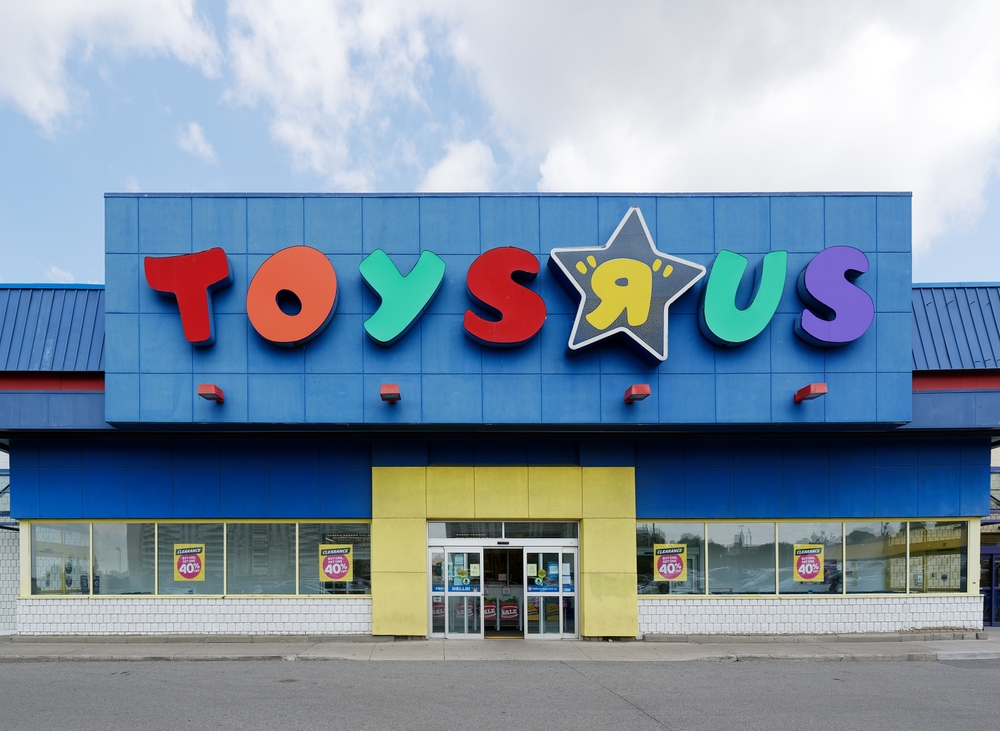
Toy retail faces seasonal revenue spikes. Off-season traffic remains low. Online toy sellers offer convenience and price comparison. Licensing costs reduce margins. Large store footprints remain expensive. Digital entertainment competes for attention. Gift-buying habits continue shifting online. Shoppers care because toy stores offer discovery experiences. Fewer locations result in person browsing. Parents lose immediate access for birthdays and holidays. Community events tied to toy stores also disappear.
The Source
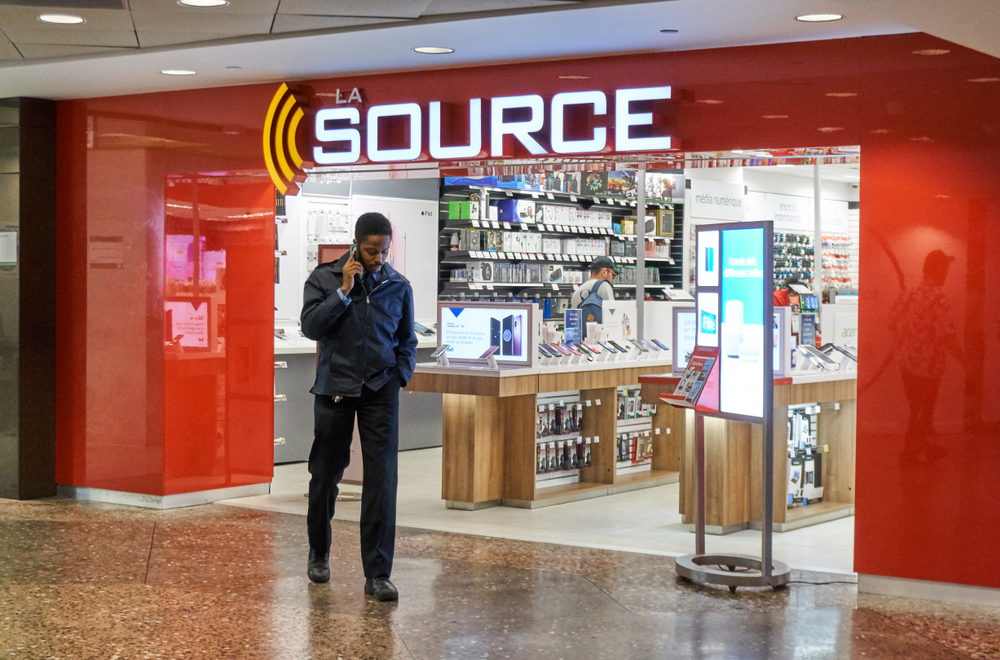
Electronics accessories face rapid commoditization. Online alternatives undercut pricing. Store footprints remain fixed while demand shifts. Mobile phone sales depend on carrier partnerships. Inventory cycles move quickly. Younger shoppers skip malls. Brand visibility has declined. Store closures reduce mall diversity. Shoppers care because The Source offers quick tech fixes. Losing locations means fewer options for chargers, cables, and repairs without waiting for delivery.
HBC Discount Banners

Discount banners under Hudson’s Bay face mixed results. Value shoppers remain cautious. Competition from online discount platforms grows. Margins remain thin. Store experiences feel inconsistent. Location overlap creates inefficiencies. Shoppers care because discount stores support budget-conscious households. Closures reduce access to clearance essentials. Communities lose lower-priced alternatives during inflationary periods.
Independent Mall Retailers
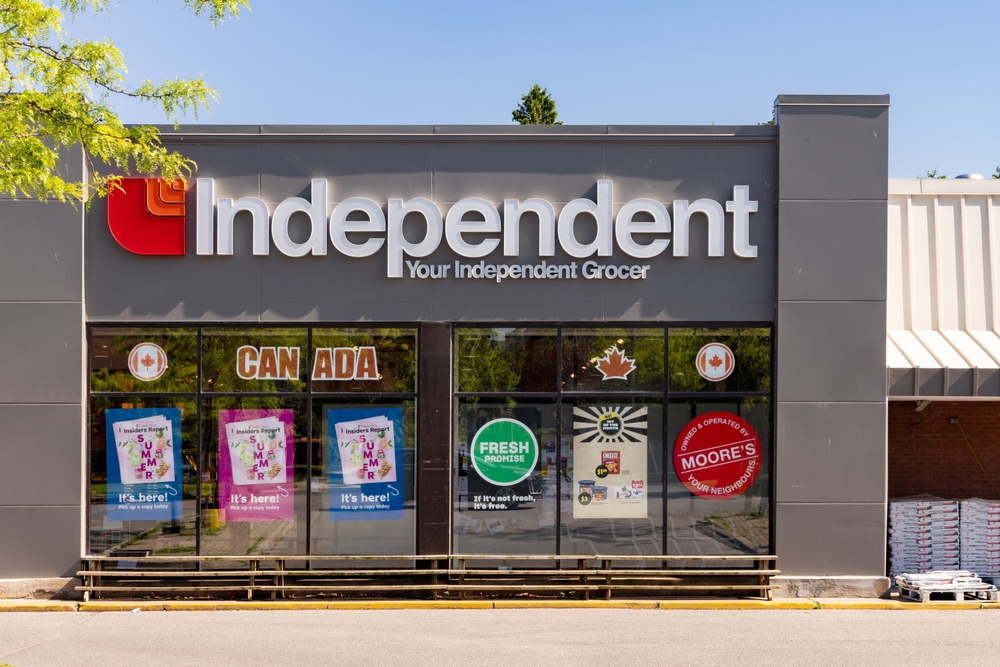
Smaller retailers feel pressure before large chains. Rising rent affects margins immediately. Mall traffic remains unpredictable. Online competition draws impulse purchases away. Staffing costs rise faster than sales. Financing options remain limited. Many operate without digital storefronts. Shoppers care because independent stores add variety. Closures lead to repetitive mall experiences. Communities lose local entrepreneurship and personalized service.
22 Groceries to Grab Now—Before another Price Shock Hits Canada

Food prices in Canada have been steadily climbing, and another spike could make your grocery bill feel like a mortgage payment. According to Statistics Canada, food inflation remains about 3.7% higher than last year, with essentials like bread, dairy, and fresh produce leading the surge. Some items are expected to rise even further due to transportation costs, droughts, and import tariffs. Here are 22 groceries to grab now before another price shock hits Canada.
22 Groceries to Grab Now—Before another Price Shock Hits Canada
This Options Discord Chat is The Real Deal
While the internet is scoured with trading chat rooms, many of which even charge upwards of thousands of dollars to join, this smaller options trading discord chatroom is the real deal and actually providing valuable trade setups, education, and community without the noise and spam of the larger more expensive rooms. With a incredibly low-cost monthly fee, Options Trading Club (click here to see their reviews) requires an application to join ensuring that every member is dedicated and serious about taking their trading to the next level. If you are looking for a change in your trading strategies, then click here to apply for a membership.