35,000+ smart investors are already getting financial news, market signals, and macro shifts in the economy that could impact their money next with our FREE weekly newsletter. Get ahead of what the crowd finds out too late. Click Here to Subscribe for FREE.
Inflation is no longer dominating every conversation in the way it did at its peak, but that does not mean the pressure has disappeared. In Canada, the latest price data still show a familiar pattern: the biggest stress points are the costs people run into most often, from groceries and rent to fuel, travel, and the everyday services that make modern life function. Even when one category cools for a month, another seems to heat up.
These 12 price bumps help explain why many households still feel as though money is slipping away faster than it should. Some are dramatic and obvious, like gasoline. Others are quieter, showing up in produce aisles, insurance renewals, restaurant tabs, and the cost of simply keeping a routine intact.
Grocery Carts Feel Heavier Again
12 price bumps Canadians are noticing almost everywhere right now
- Grocery Carts Feel Heavier Again
- The Produce Aisle Is Becoming a Quiet Shock Zone
- Casual Restaurant Meals Aren’t Feeling Casual
- Rent Still Takes the Biggest Bite
- Mortgage Renewals Are Delivering a Second Housing Shock
- Gasoline Has Turned Into a Shock Line Again
- Home Heating Costs Depend on Fuel Type More Than Ever
- Car Insurance Keeps Outrunning Expectations
- Replacing a Vehicle Still Hurts
- Airfare Is Getting Jumpier Again
- Travel Packages and Domestic Getaways Are Costing More
- Personal Care and Leisure Are Quietly Creeping Up
- 19 Things Canadians Don’t Realize the CRA Can See About Their Online Income
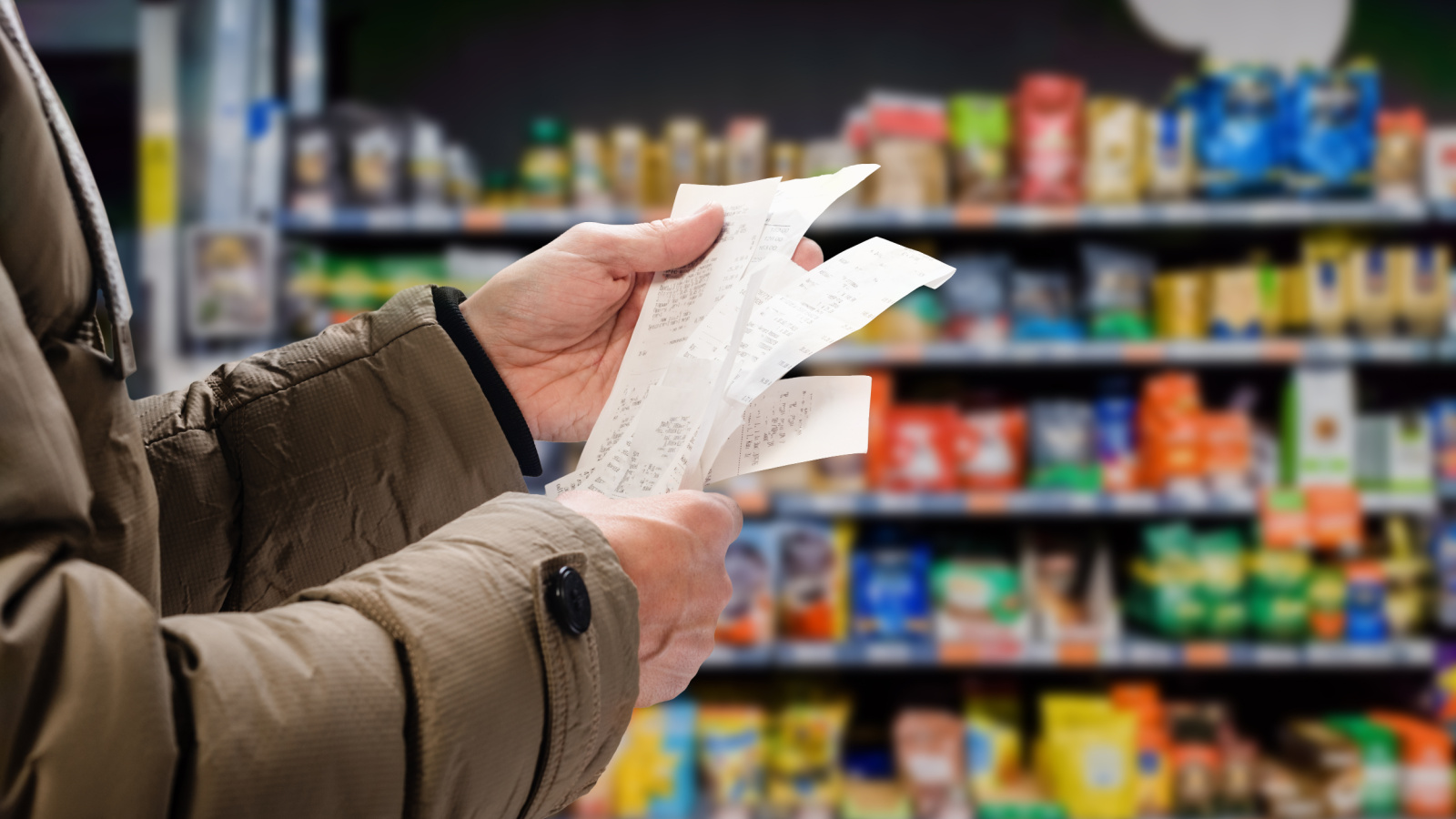
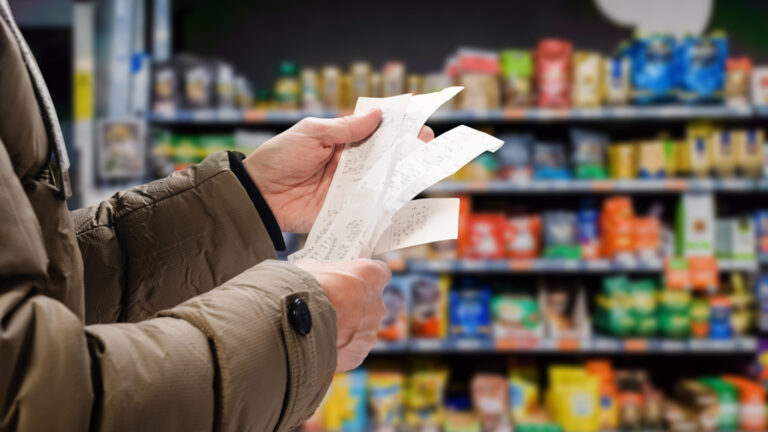
The grocery store remains one of the clearest places where Canadians notice that inflation has not fully let go. Store-bought food prices were still running higher in March, which helps explain why even a fairly ordinary cart can feel more expensive than it should. The frustration is not always tied to one outrageous item. More often, it is the combined effect of staples, snacks, dairy, meat, and packaged basics all adding just enough extra weight to the bill to make shoppers pause at checkout.
That is part of what makes grocery inflation so persistent in everyday life. Groceries are not an occasional purchase or a once-a-year renewal notice. They are a recurring reality, often faced multiple times a week. When households keep noticing that a “quick stop” turns into a surprisingly large total, confidence erodes. Even when annual inflation looks less alarming on paper, groceries remain one of the most visible reminders that many prices are still moving in the wrong direction.
The Produce Aisle Is Becoming a Quiet Shock Zone

Fresh vegetables have become one of the most revealing signs of how vulnerable food pricing still is to global conditions. Produce can look like a relatively small part of the total food bill, but it often drives the emotional reaction to shopping because it is so visible, so perishable, and so frequently purchased. When everyday items tied to lunches, salads, stir-fries, and side dishes jump in price, the increase feels immediate rather than abstract.
That was especially true in March, when fresh vegetable prices posted a notably sharp increase. Statistics Canada pointed to stronger price growth for items such as cucumbers, peppers, and celery, linking some of the movement to tighter supplies and poor growing conditions in producing countries. In practical terms, that means a category often associated with healthy, routine, middle-of-the-road shopping is becoming less predictable. For households trying to cook at home and stay disciplined, even the “good habit” section of the grocery store is starting to feel expensive.
Casual Restaurant Meals Aren’t Feeling Casual

Restaurant inflation has cooled from the sharper pace seen earlier, but it is still noticeable enough to keep eating out from feeling easy. That matters because restaurant spending is not only about celebration or luxury. It includes work lunches, coffee-shop meetings, convenience dinners after a long day, and the occasional family takeout order meant to buy back time. When those meals cost more, the feeling is not just financial. It also changes routines and small social habits that used to feel harmless.
The psychological effect is powerful because restaurant bills tend to be remembered more vividly than many other purchases. A grocery bill can blur into a weekly necessity, but a sandwich, burger, or takeout order that feels overpriced sticks in the mind. That is why even slower price growth in restaurants still lands with force. Canadians may not be seeing the same type of surge that grabbed headlines before, but many are still reacting to the same basic conclusion: the quick meal outside the home no longer feels nearly as quick or nearly as small on the wallet.
Rent Still Takes the Biggest Bite

Rent remains one of the most painful increases because it is both large and hard to avoid. Unlike discretionary categories, rent is the bill that shapes everything else in a budget. When it rises, households do not simply spend a bit less somewhere else and move on. They rethink neighbourhood choices, commuting trade-offs, apartment size, roommates, and how much room is left for savings. Even in markets where vacancy has improved, the level of rents remains high enough that affordability still feels strained.
That is the tension showing up across Canada’s rental market right now. Conditions have softened in some major centres compared with the extreme tightness of recent years, but that has not translated into broad relief that renters can easily feel. In many cities, the price of turning over into a new unit is still elevated, and long-time renters know that moving can mean stepping into a much higher monthly obligation. Rent is not just another line item. It is the cost increase that quietly reorganizes an entire household balance sheet.
Mortgage Renewals Are Delivering a Second Housing Shock

For homeowners, the most meaningful “price bump” is often not the sticker price of a house anymore but the monthly cost of keeping one financed. Mortgage renewals have become their own affordability event, especially for households rolling off the exceptionally low rates locked in several years ago. Even though interest rates are well below their peak, the gap between old mortgage terms and today’s renewal environment is still large enough to produce real payment stress.
That is why mortgage costs continue to feel like an unfinished story rather than an old headline. A household that has kept up with every payment may still run into a materially higher monthly obligation simply because its renewal date arrived. The effect is especially harsh because it does not usually come with anything new in return. There is no better home, no extra service, no upgrade. Just the same roof at a higher monthly cost. For many families, that makes mortgage renewal one of the most jarring forms of inflation still working its way through the system.
Gasoline Has Turned Into a Shock Line Again
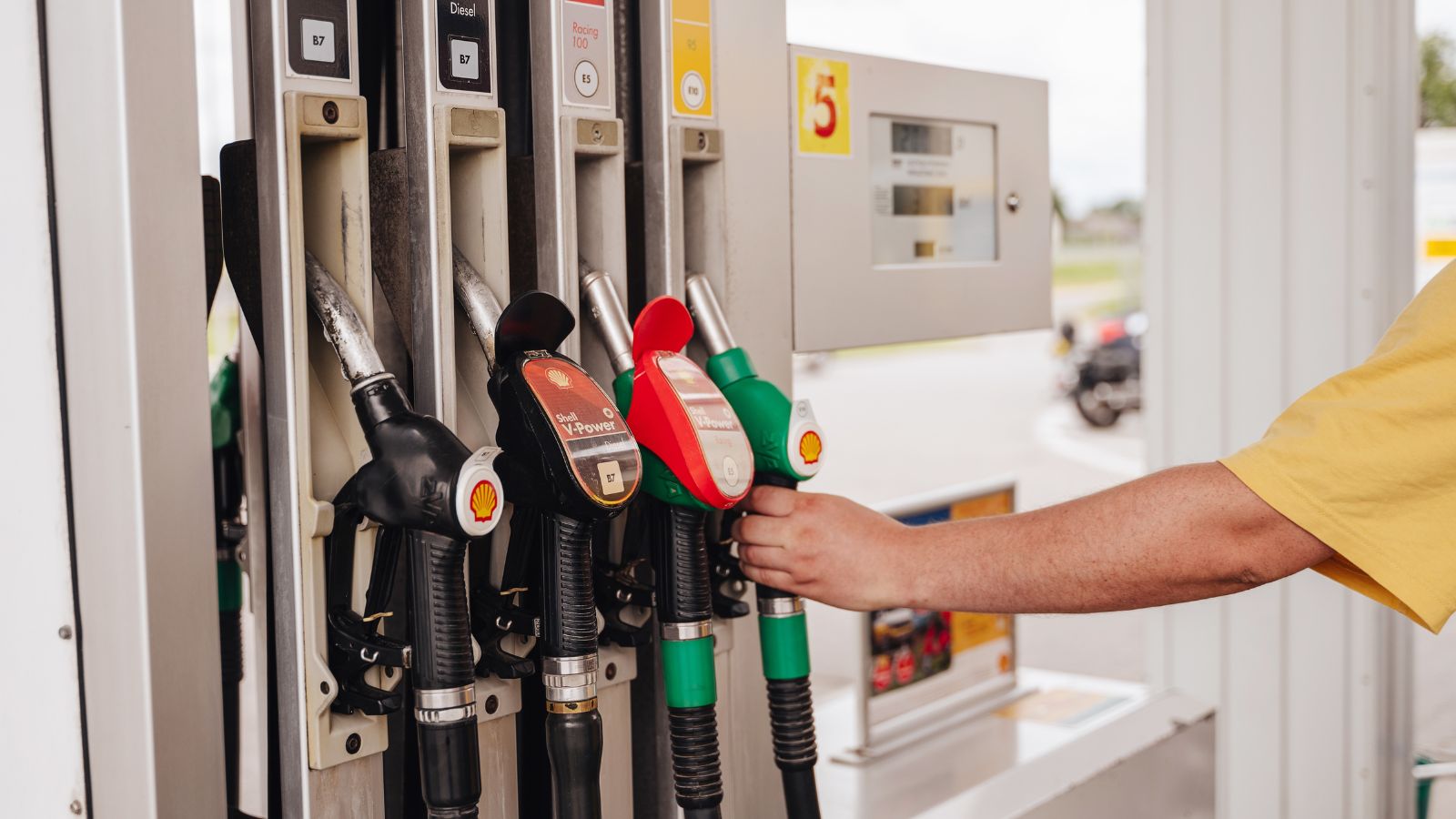
Gasoline is one of the fastest ways inflation becomes emotional. When grocery prices creep up, people may notice gradually. At the pump, the increase is immediate, public, and impossible to miss. March was a sharp reminder of that. Fuel moved from being a category that had been easing pressure to one that suddenly became a major contributor again. For commuters, tradespeople, delivery drivers, and parents ferrying children through packed weekly schedules, that kind of jump spreads quickly into the rest of the household budget.
What makes gasoline especially disruptive is that it rarely stays in its own lane. Higher fuel costs can shape everything from transportation budgets to business delivery costs and leisure decisions. Weekend drives get reconsidered. Errands are bundled more carefully. The idea of a spontaneous road trip becomes less appealing. Even Canadians who are relatively comfortable financially tend to react strongly to fuel spikes because gasoline is one of the few prices that acts like a giant public scoreboard for inflation. When it jumps, it resets the mood almost instantly.
Home Heating Costs Depend on Fuel Type More Than Ever
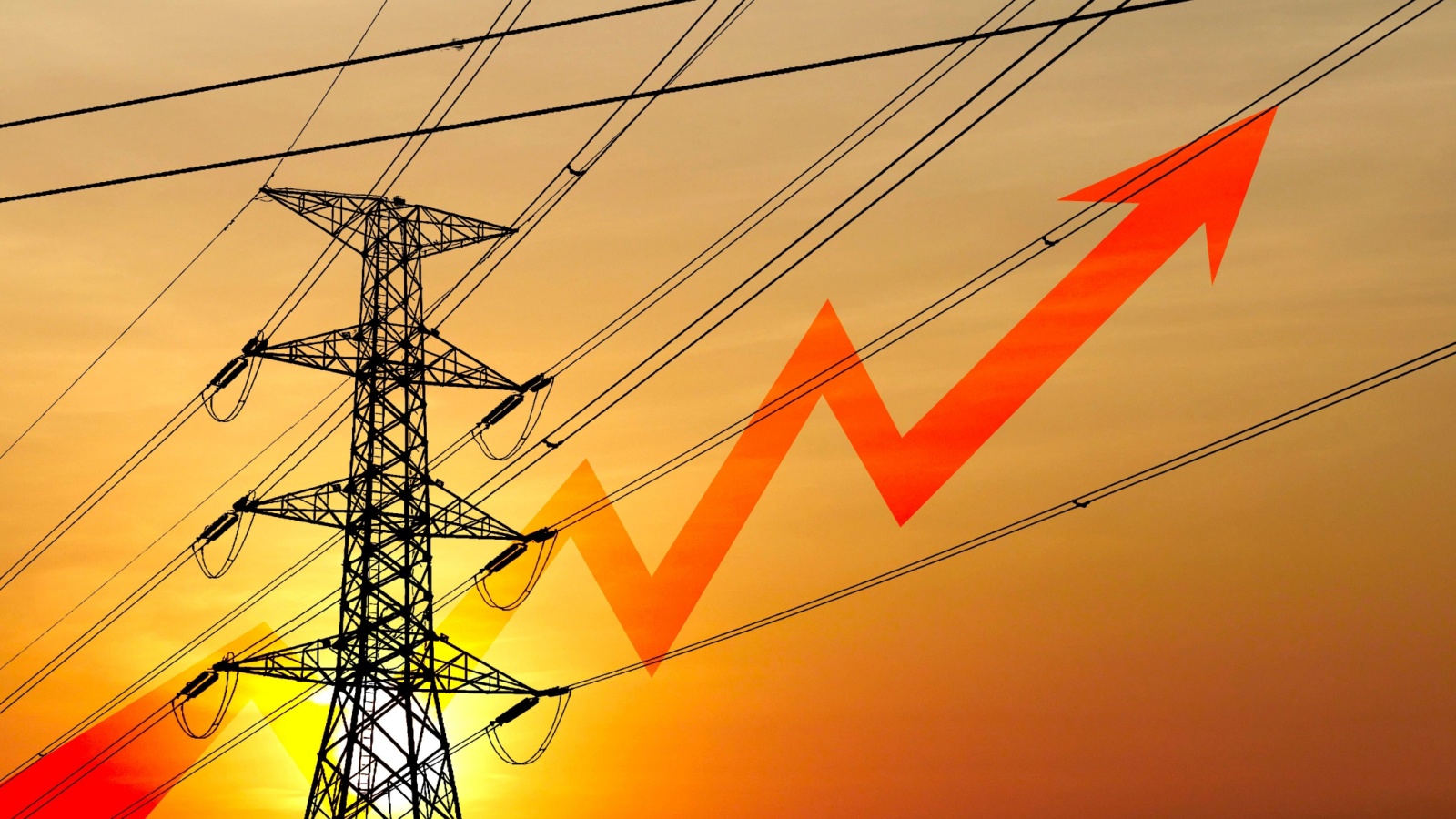
Not every home energy bill is moving in the same direction, which is precisely why heating costs feel so uneven right now. For households using fuel oil and similar products, March brought a particularly sharp increase. That kind of movement can land hard because heating is not something people can simply eliminate. When prices rise quickly in this area, households are left managing temperature, usage, and timing rather than true demand. The bill arrives either way.
This matters most in places and home types where fuel options are limited. Canadians often talk about utility costs as though they rise and fall together, but the latest numbers show a more complicated reality. Some households may catch a bit of relief in one energy category while others face a sudden spike in another. That unevenness can make affordability feel arbitrary. Two families with similar incomes can experience very different levels of pressure based purely on how their homes are heated and what part of the country they live in.
Car Insurance Keeps Outrunning Expectations

Auto insurance has become one of those bills that can still surprise people even when they know renewal is coming. It is not as visible as gasoline and not as constant as groceries, but when the premium rises, it lands in a lump sum or a higher monthly withdrawal that is hard to ignore. That makes it one of the clearest examples of how ownership costs can keep climbing even when drivers are not changing cars or driving more.
The frustration is that the increase often feels detached from a driver’s day-to-day experience. Many people hear “insurance is up” and wonder what exactly they are paying more for. Industry pressures help explain the pattern: more expensive vehicles, higher repair bills, theft, severe weather, and larger claims. Those forces do not show up neatly on a dashboard, but they show up on renewal notices. For a country where driving is essential in large parts of daily life, higher insurance costs are not a niche issue. They are another quiet tax on routine mobility.
Replacing a Vehicle Still Hurts

Buying a vehicle is not an everyday purchase, but when Canadians do enter the market, many are still discovering that prices have not settled back into what feels normal. Even modest increases matter because they apply to large-ticket purchases that are often financed over years. A small percentage change on a vehicle is not a small number in real dollars. That is why shoppers keep talking about sticker shock, even when price growth looks more restrained than it did earlier in the inflation cycle.
The broader cost structure around cars also helps explain why the market remains expensive. Vehicles have become more complex, repairs cost more, parts are pricier, and even the technologies meant to improve safety can raise the cost of fixing everyday damage. All of that supports a higher-cost ownership environment. So even if buyers are not seeing the sort of explosive jumps that once defined the market, they are still walking into dealerships with the sense that the old idea of a reasonably priced replacement vehicle has largely disappeared.
Airfare Is Getting Jumpier Again

Airfare is one of the most unpredictable costs in the consumer basket, and that unpredictability is exactly what makes it so noticeable. A trip that looked manageable a few days earlier can suddenly feel less appealing once fares move. March data showed another fresh upward jump in air transportation prices, reinforcing the sense that flying remains vulnerable to fuel costs, route economics, and demand shifts. Canadians may still travel, but the window for a “good deal” can close quickly.
There is also a broader demand story behind the discomfort. Passenger volumes through Canada’s major airports remain substantial, especially for domestic and non-U.S. international travel. When travel appetite stays healthy, airlines have more room to hold pricing power on many routes. For households planning weddings, family visits, vacations, or even work travel, the result is a familiar pattern: airfare does not have to be permanently high to feel expensive. It just has to be volatile enough to make planning feel risky and bargain hunting feel less reliable.
Travel Packages and Domestic Getaways Are Costing More

Package travel and short getaways tend to get framed as “escapes” from financial stress, but they have increasingly become part of the inflation story themselves. March showed another month-to-month jump in travel tour prices, and broader tourism data suggest Canadians have continued spending heavily on trips within the country. That means the total cost of a getaway is not just about airfare or a hotel room. It is the combination of transportation, food, admissions, and miscellaneous spending that adds up faster than many people expect.
This is why even domestic trips can now feel surprisingly expensive. A weekend away used to seem like the budget-friendly alternative to a larger vacation. In many cases it still is, but not by as much as households might assume. Once meals, parking, fuel, attractions, and accommodation stack together, the final cost can look much closer to a major purchase than a simple break. The getaway still happens, but it increasingly has to be justified, planned around, or shortened to make the math feel reasonable.
Personal Care and Leisure Are Quietly Creeping Up

Some of the most underestimated price increases are the ones attached to ordinary life maintenance. Health and personal care, along with recreation-related spending, may not trigger the same reaction as rent or gasoline, but they often shape whether a budget still feels livable. These are the categories behind the things people use to preserve routine and morale: grooming, basic health items, lessons, activities, entertainment, and small forms of relief that make a month feel balanced rather than mechanical.
That is why these increases can be so effective at wearing people down. Households can often absorb a single higher bill, but the ongoing rise in “normal life” categories creates a sense that comfort now costs more too. The haircut is a bit pricier. The family outing takes more thought. The activity that once felt like a manageable expense starts inviting hesitation. This is inflation in its quieter form: not a headline-grabbing emergency, but a steady erosion of breathing room. And for many Canadians, that slow erosion is exactly what feels so familiar right now.
19 Things Canadians Don’t Realize the CRA Can See About Their Online Income

Earning money online feels simple and informal for many Canadians. Freelancing, selling products, and digital services often start as side projects. The problem appears at tax time. Many people underestimate how much information the CRA can access. Online platforms, banks, and payment processors create detailed records automatically. These records do not disappear once money hits an account. Small gaps in reporting add up quickly.
Here are 19 things Canadians don’t realize the CRA can see about their online income.
This Options Discord Chat is The Real Deal
While the internet is scoured with trading chat rooms, many of which even charge upwards of thousands of dollars to join, this smaller options trading discord chatroom is the real deal and actually providing valuable trade setups, education, and community without the noise and spam of the larger more expensive rooms. With a incredibly low-cost monthly fee, Options Trading Club (click here to see their reviews) requires an application to join ensuring that every member is dedicated and serious about taking their trading to the next level. If you are looking for a change in your trading strategies, then click here to apply for a membership.