
35,000+ smart investors are already getting financial news, market signals, and macro shifts in the economy that could impact their money next with our FREE weekly newsletter. Get ahead of what the crowd finds out too late. Click Here to Subscribe for FREE.
Loyalty programs used to feel simple. You earned points, redeemed rewards, and felt appreciated. In 2026, many Canadians feel that the promise is fading. Rules change quietly. Redemption rates shrink. Fees creep in. What once felt like a bonus now feels like homework. Surveys, online forums, and customer complaints show growing frustration across travel, grocery, retail, and financial programs. Members say rewards take longer to earn and cost more to use. Here are 17 loyalty programs Canadians say are getting worse in 2026.
Air Canada Aeroplan
17 Loyalty Programs Canadians Say Are Getting Worse in 2026
- Air Canada Aeroplan
- PC Optimum
- Scene Plus
- Hudson’s Bay Rewards
- Canadian Tire Triangle Rewards
- Petro Points
- Starbucks Rewards Canada
- Tim Hortons Rewards
- Walmart Rewards Canada
- Amazon Prime Rewards Mastercard
- Marriott Bonvoy Canada
- RBC Avion Rewards
- Shoppers Drug Mart Optimum Insiders
- Expedia Rewards Canada
- Best Buy Rewards Canada
- Sephora Beauty Insider Canada
- CAA Rewards
- 22 Groceries to Grab Now—Before another Price Shock Hits Canada
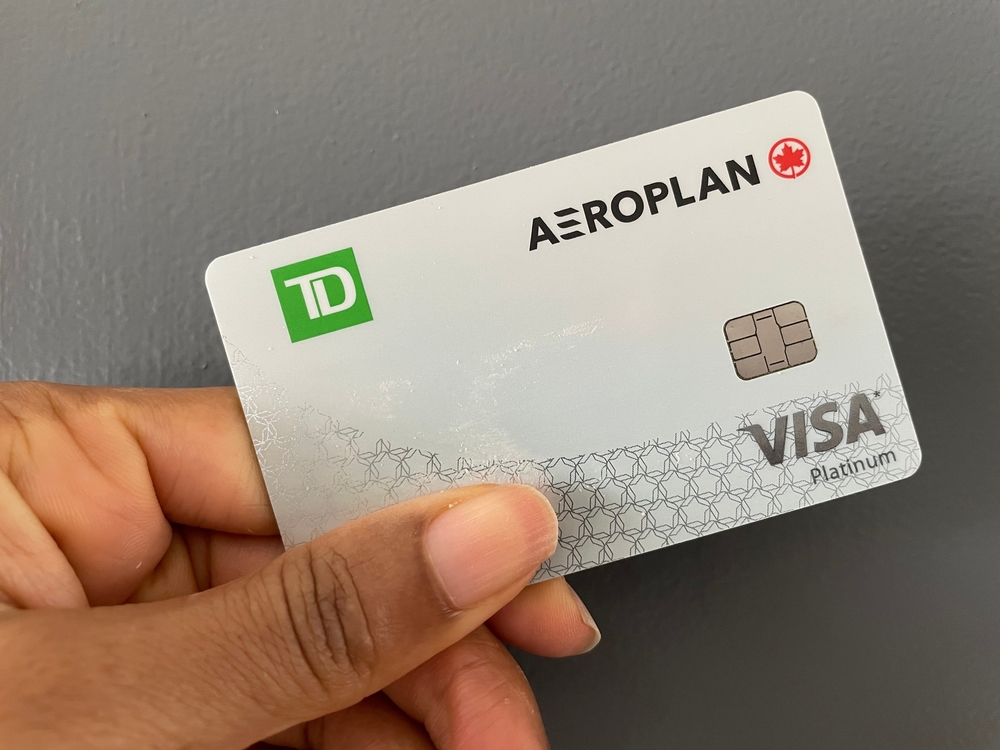
Aeroplan remains popular, but many members feel value erosion. Flight rewards increasingly require more points, especially during peak travel periods. Dynamic pricing makes it harder to predict redemption costs. Some routes now cost double compared to pre-pandemic levels. Stopovers and partner awards also face tighter availability. Credit card spending earns points, yet redemption feels less rewarding. Fuel surcharges quietly return on certain bookings. Customer service wait times frustrate members during booking issues. Status benefits exist, but thresholds feel harder to reach. For frequent travelers, Aeroplan still works. Casual users increasingly question whether saving points remains worthwhile today.
PC Optimum

PC Optimum once felt generous for everyday shopping. In 2026, many members report slower point accumulation. Offers feel more personalized but also more restrictive. Points often apply only to specific brands or quantities. Redemption thresholds feel higher than before. Some shoppers notice fewer general promotions. Others feel pushed toward premium or private label products. Grocery inflation reduces the perceived value of points earned. Digital offers require more effort to activate weekly. Miss one step and rewards disappear. PC Optimum still delivers savings for careful planners. For average shoppers, the program feels less automatic and more demanding.
Scene Plus

Scene Plus expanded beyond movies, but many Canadians feel dilution followed. Points earning varies widely by partner. Grocery rewards fluctuate based on weekly offers. Travel redemptions require higher balances than expected. Some members report fewer blockbuster movie incentives. Cineplex ticket redemptions now cost more points. Partner overlap causes confusion about where points apply. App glitches occasionally delay point postings. Rewards feel spread thin across categories. Scene Plus still works for frequent spenders within the network. Casual users say earning meaningful rewards takes longer. The excitement once tied to free movies now feels noticeably reduced.
Hudson’s Bay Rewards
Hudson’s Bay Rewards struggles with relevance in 2026. Store closures and reduced locations affect program usefulness. Points earning rates remain low for everyday purchases. Promotional bonuses feel infrequent compared to competitors. Redemption options focus heavily on in-store shopping. Online redemption sometimes excludes popular brands. Members report limited surprise rewards. Sales often exclude points redemption entirely. The program feels outdated in structure and digital experience. Younger shoppers show little interest. Longtime members still redeem occasionally during major sales. Overall, the program feels tied to a shrinking retail footprint, reducing perceived long-term value.
Canadian Tire Triangle Rewards
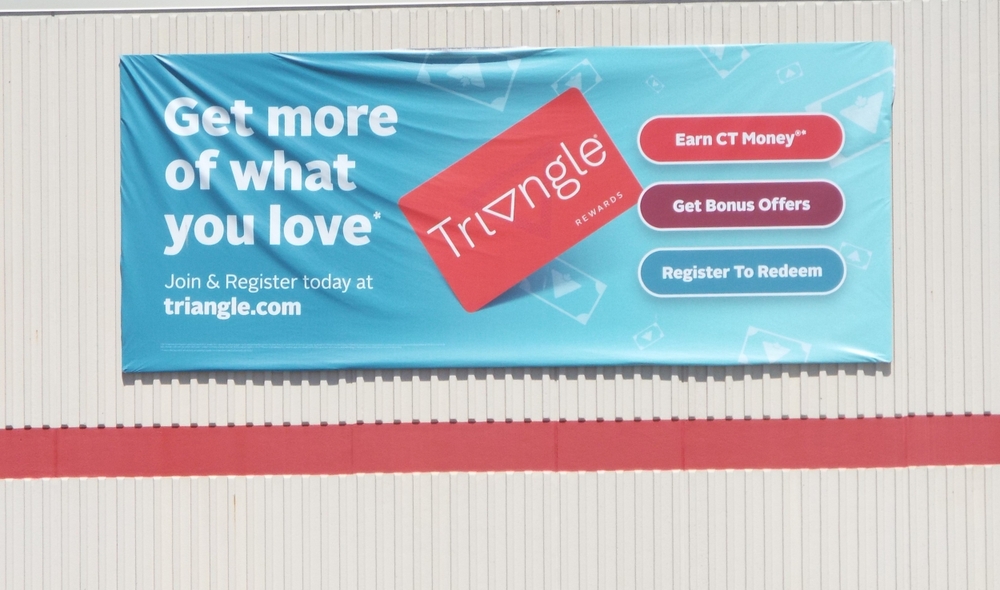
Triangle Rewards still covers many essentials, but complaints are growing. Offers require constant app monitoring. Bonus multipliers feel conditional and inconsistent. Gas rewards fluctuate weekly, creating uncertainty. Redemption exclusions appear more frequently during sales. Some members report delays in digital cash posting. Partner brands add complexity rather than clarity. Paper coupons faded without an equal digital replacement. Inflation reduces the impact of earned rewards. Triangle remains useful for loyal Canadian Tire shoppers. For everyone else, the effort to track offers outweighs perceived savings. The program feels busy rather than generous in 2026.
Petro Points
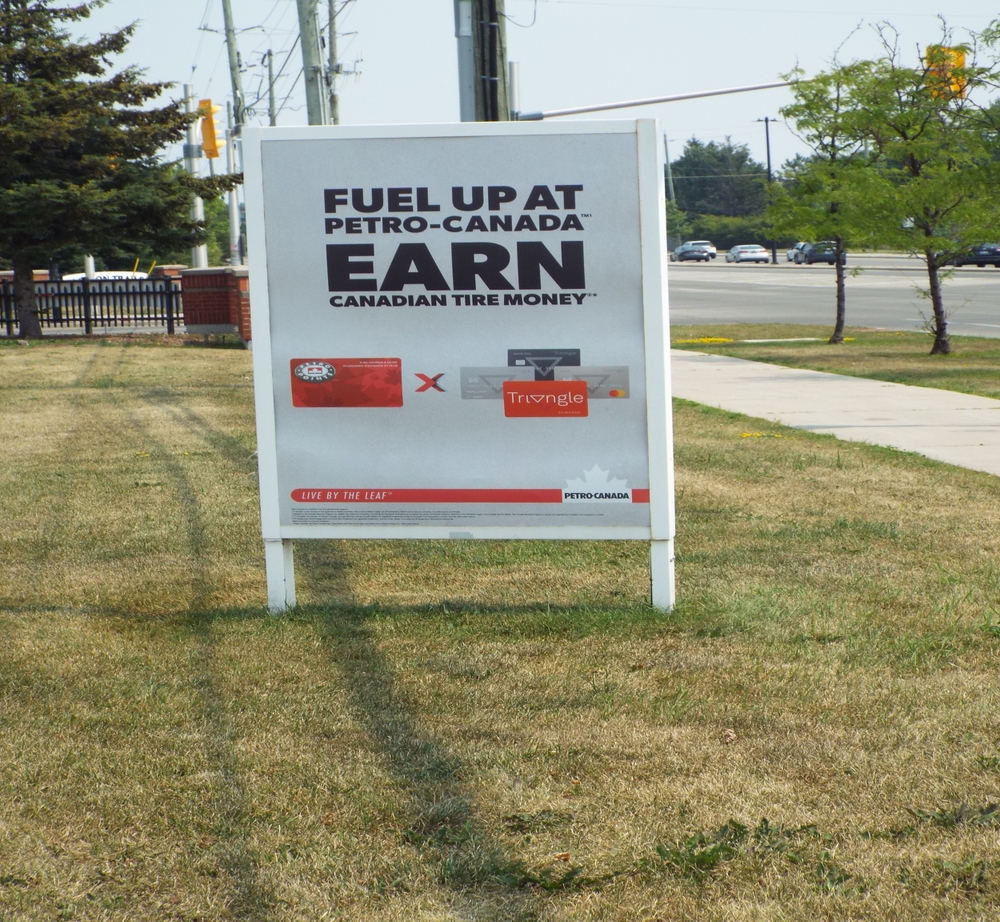
Petro Points once offered simple fuel savings. Today, many Canadians feel returns have shrunk. Points per liter feel insignificant compared to rising gas prices. Redemption thresholds require long accumulation periods. In-store rewards rarely excite members. Fuel discounts often require linked cards or extra steps. Partner redemptions provide limited appeal. App performance issues frustrate users during checkout. Promotions feel less frequent and less visible. Petro Points still suits high-mileage drivers. Occasional drivers say rewards feel symbolic rather than meaningful. The program struggles to keep pace with fuel costs in 2026.
Starbucks Rewards Canada
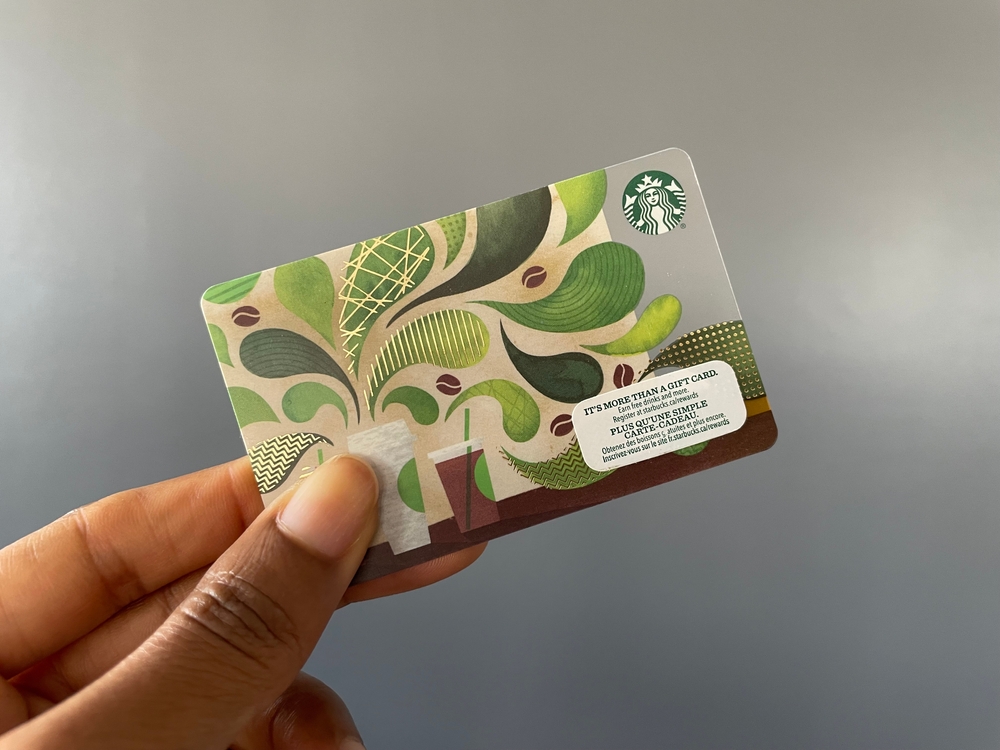
Starbucks Rewards moved fully to a stars-based system. Many customers say drinks now cost more stars. Bonus challenges require frequent visits within short windows. Customizations push drinks into higher star tiers. Price increases reduce perceived reward value. Free drink redemptions exclude some premium items. App notifications feel aggressive but inconsistent. Stars expire faster without frequent purchases. Loyal daily customers still benefit. Casual visitors feel pressured to spend more for rewards. Starbucks Rewards remains polished but increasingly favors heavy users, leaving others questioning long-term participation in the program.
Tim Hortons Rewards
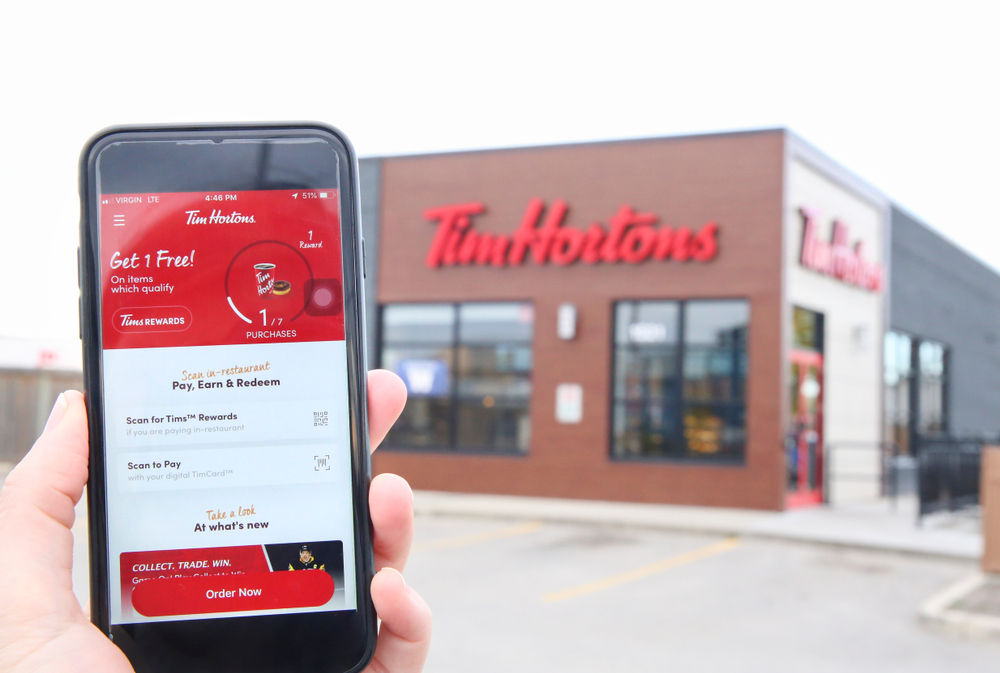
Tim Hortons Rewards simplified its structure, but frustration persists. Required points for free items increased. Menu inflation reduces reward appeal. Promotions feel repetitive and limited. App ordering issues occasionally block point collection. Smaller items dominate redemption options. Specialty drinks require high point totals. Offers vary widely by location. Some members report inconsistent point tracking. Tim Hortons remains convenient, but loyalty feels less rewarding. Frequent buyers earn rewards eventually. Infrequent customers say effort outweighs benefits. The program now feels functional rather than generous, reflecting broader cost pressures across fast food chains.
Walmart Rewards Canada
Walmart Rewards introduced a promise, but its execution has disappointed some members. Earning rates remain low for everyday spending. Rewards often apply only to online orders. Grocery purchases earn fewer incentives. Redemption options lack excitement beyond small discounts. App integration feels basic. Offers rotate quickly, reducing predictability. Price-matching savings overshadow loyalty benefits. Many shoppers forget the program entirely. Walmart still competes on pricing. Loyalty rewards feel secondary. Canadians appreciate affordability but do not rely on Walmart Rewards for meaningful savings. The program feels underdeveloped compared to its global counterparts.
Amazon Prime Rewards Mastercard
Amazon Prime Rewards appeal narrows in 2026. Cashback rates remain tied to Prime membership. Non-Prime users earn less. Redemption works smoothly but lacks flexibility. Rewards mostly funnel back into Amazon spending. Card benefits outside Amazon feel average. Interest rates reduce the appeal of carried balances. Competitor cards offer stronger grocery and travel rewards. Amazon’s shopping convenience keeps users engaged. Loyalty feels transactional rather than rewarding. Canadians enjoy speed and selection. The rewards card no longer feels special. It functions as a rebate tool, not a standout loyalty driver.
Marriott Bonvoy Canada

Marriott Bonvoy faces growing criticism from Canadian travelers. Award nights require more points. Dynamic pricing reduces transparency. Popular destinations show limited availability. Elite status thresholds increased. Benefits vary widely by property. Free breakfast and upgrades feel inconsistent. Points expire without account activity. Promotions feel less frequent. Bonvoy still covers many hotels. Value depends heavily on timing and location. Casual travelers struggle to redeem effectively. The program increasingly favors frequent business travelers. For many Canadians, loyalty feels harder to justify compared to flexible travel credit cards.
RBC Avion Rewards

RBC Avion remains flexible, but the value feels diluted. Flight redemptions cost more points. Fixed chart benefits erode over time. Transfer partners adjust ratios unpredictably. Travel booking portal pricing sometimes exceeds public fares. Points accumulation depends heavily on premium cards. Annual fees offset rewards for some users. Cashback alternatives feel simpler. Avion still offers versatility. Complexity frustrates average users. Canadians who optimize redemptions find value. Others feel overwhelmed. The program rewards planners, not casual spenders, making it feel less accessible in 2026.
Shoppers Drug Mart Optimum Insiders
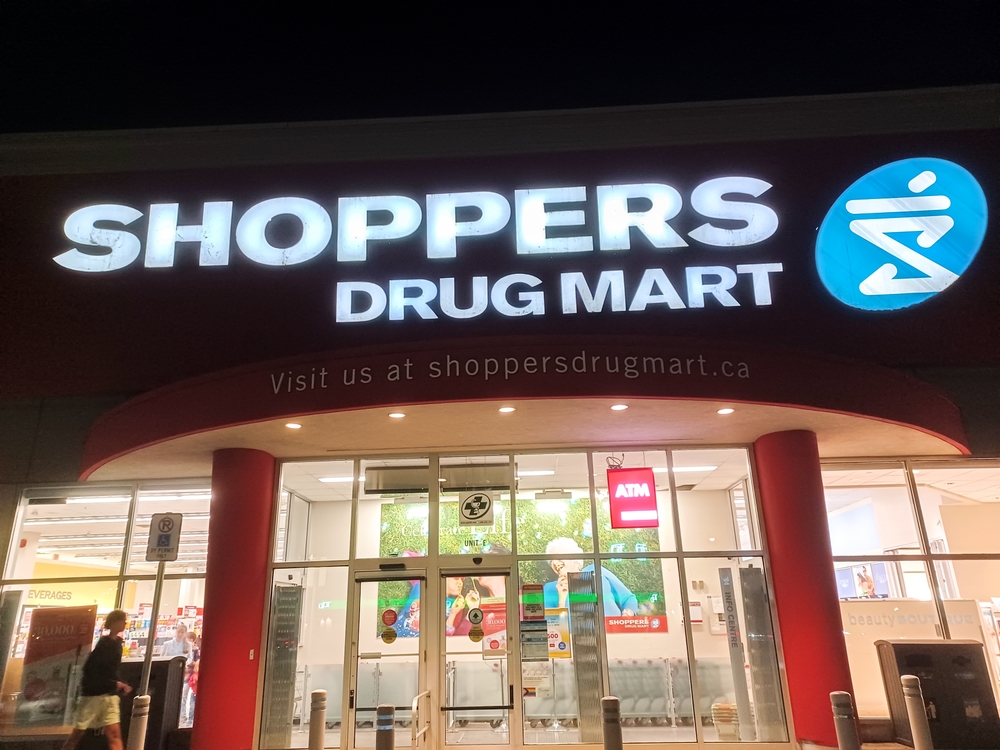
Optimum Insiders promises exclusivity, but members express fatigue. Paid membership expectations rise. Bonus points feel less impactful against higher prices. Redemption events feel crowded and limited. Brand exclusions increase. Personalized offers sometimes miss relevance. Beauty inflation reduces reward satisfaction. Members expect premium treatment for fees paid. Instead, benefits feel marginal. Insiders still enjoy early access perks. Some appreciate exclusive samples. Others question renewal value. The program increasingly feels like a paid coupon system rather than a true loyalty upgrade in a competitive beauty retail landscape.
Expedia Rewards Canada

Expedia Rewards lost appeal after restructuring. Tier benefits feel modest. Point earning rates dropped. Hotel price guarantees feel weaker. Customer service issues impact trust. Redemption values fluctuate unpredictably. Travel credits expire quickly. Booking directly often offers better perks. Expedia remains convenient for comparison. Loyalty incentives no longer stand out. Canadians booking occasional trips see little benefit. Frequent travelers prefer airline or hotel programs. Expedia Rewards feels functional but uninspiring, offering convenience without a meaningful loyalty advantage in an increasingly competitive travel booking market.
Best Buy Rewards Canada

Best Buy Rewards changed its structure, confusing members. Elite tiers require high spending. The benefits feel minimal for the effort required. Points earning rates remain low. Promotions focus on financing instead of rewards. Redemption options feel limited. Membership value varies by purchase category. Tech prices fluctuate, reducing predictability. Price matching diminishes loyalty impact. Best Buy remains trusted for electronics. Rewards feel secondary. Canadians shop for necessities, not points. The program exists, but rarely influences purchase decisions. Loyalty feels optional rather than compelling in today’s electronics market.
Sephora Beauty Insider Canada

Beauty Insider faced backlash after tier changes. Spending thresholds increased. Rewards feel smaller. Popular samples disappear quickly. Redemption events feel competitive and limited. Canadian pricing is lower than that of US members. Free shipping perks changed. Birthday gifts feel less exciting. Insider status feels harder to maintain. Sephora remains dominant in beauty retail. Loyal shoppers still participate. Casual buyers disengage. The program now rewards heavy spenders almost exclusively. For many Canadians, loyalty feels less reciprocal and more transactional than before.
CAA Rewards

CAA Rewards offers discounts, but relevance varies. Partner list feels static. Savings often feel small. Redemption requires active searching. Younger drivers see limited appeal. Travel discounts overlap with other platforms. Roadside assistance remains a core value. Rewards feel like an afterthought. Digital experience feels dated. Members appreciate reliability. Loyalty beyond emergencies feels weak. CAA Rewards exists quietly. Few join for rewards alone. In 2026, the program supports membership retention rather than excitement, limiting its perceived impact among value-focused Canadians.
22 Groceries to Grab Now—Before another Price Shock Hits Canada

Food prices in Canada have been steadily climbing, and another spike could make your grocery bill feel like a mortgage payment. According to Statistics Canada, food inflation remains about 3.7% higher than last year, with essentials like bread, dairy, and fresh produce leading the surge. Some items are expected to rise even further due to transportation costs, droughts, and import tariffs. Here are 22 groceries to grab now before another price shock hits Canada.
22 Groceries to Grab Now—Before another Price Shock Hits Canada
This Options Discord Chat is The Real Deal
While the internet is scoured with trading chat rooms, many of which even charge upwards of thousands of dollars to join, this smaller options trading discord chatroom is the real deal and actually providing valuable trade setups, education, and community without the noise and spam of the larger more expensive rooms. With a incredibly low-cost monthly fee, Options Trading Club (click here to see their reviews) requires an application to join ensuring that every member is dedicated and serious about taking their trading to the next level. If you are looking for a change in your trading strategies, then click here to apply for a membership.