
35,000+ smart investors are already getting financial news, market signals, and macro shifts in the economy that could impact their money next with our FREE weekly newsletter. Get ahead of what the crowd finds out too late. Click Here to Subscribe for FREE.
Ice storms are common in many Canadian provinces. Freezing rain can coat roads, trees, and power lines within hours. What appears to be light rain can turn into a serious hazard. Slippery driveways, falling branches, and power outages often follow. Many injuries happen because people underestimate the risks. Small mistakes can lead to falls, carbon monoxide poisoning, or costly damage. Preparation matters, but so does knowing what not to do. Here are 23 things Canadians should never do during an ice storm (common mistakes).
Never Drive Unless It Is Absolutely Necessary
23 Things Canadians Should Never Do During an Ice Storm (Common Mistakes)
- Never Drive Unless It Is Absolutely Necessary
- Never Use a Barbecue or Camp Stove Indoors
- Never Run a Generator in an Attached Garage
- Never Walk on Icy Surfaces Without Proper Footwear
- Never Stand Under Ice-Covered Trees or Power Lines
- Never Climb a Ladder to Remove Ice Alone
- Never Ignore Weather Alerts and Warnings
- Never Let Your Phone or Devices Run Out of Charge
- Never Overload Extension Cords and Outlets
- Never Leave Space Heaters Unattended
- Never Pour Hot Water on Icy Windshields
- Never Forget to Check on Vulnerable Neighbors
- Never Let Pets Roam Outside Unsupervised
- Never Assume Your Vehicle Is Fully Prepared
- Never Block Vents or Exhaust Pipes with Snow and Ice
- Never Forget to Keep Flashlights Handy
- Never Rush to Clear Driveways with Unsafe Equipment
- Never Ignore Signs of Hypothermia or Frostbite
- Never Store Fuel Improperly Indoors
- Never Assume Ice Is Strong Enough to Support Weight
- Never Leave Refrigerators and Freezers Open During Outages
- Never Forget to Document Storm Damage
- Never Underestimate the Mental Strain of Severe Weather
- 22 Groceries to Grab Now—Before another Price Shock Hits Canada
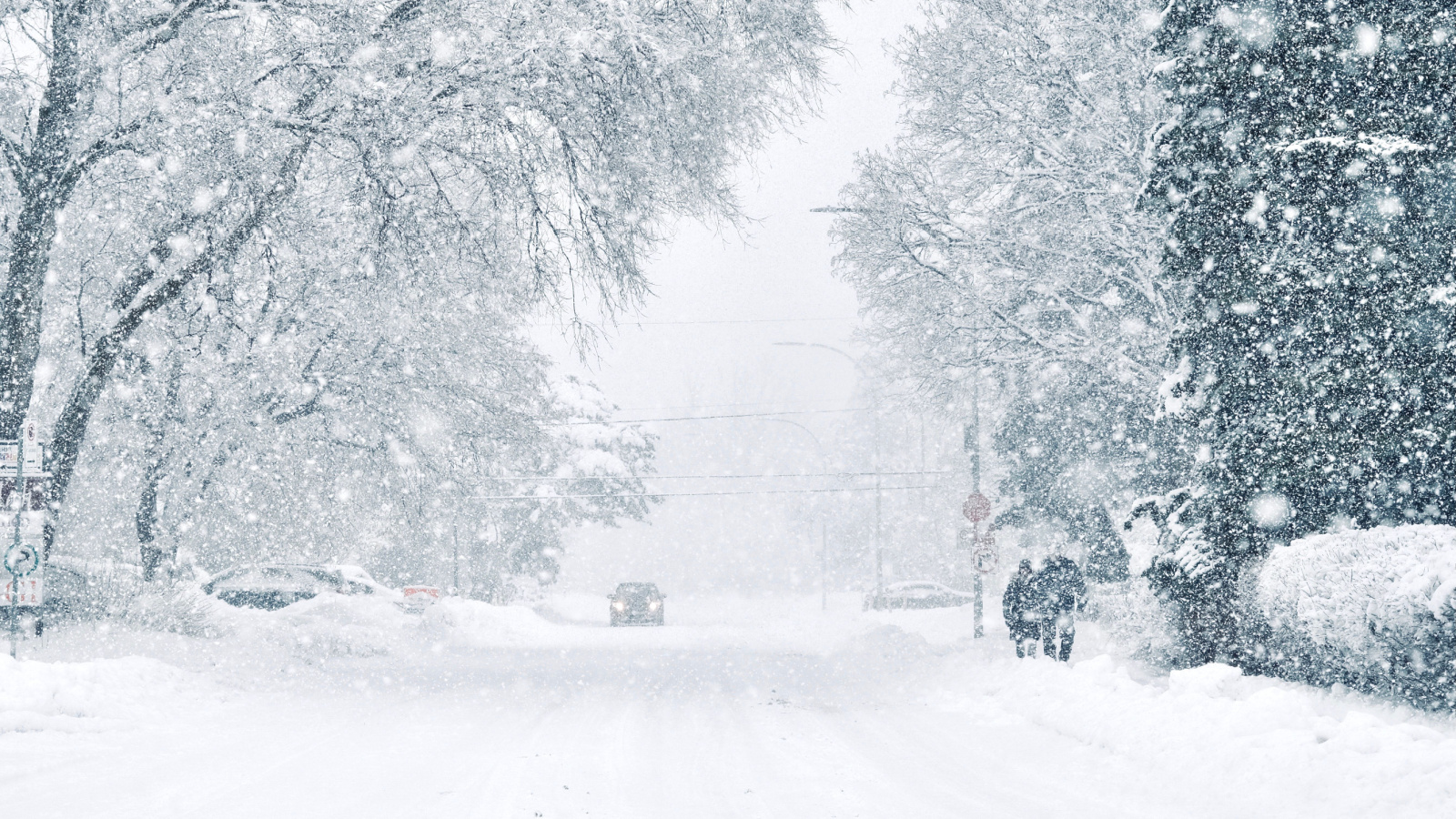
Ice-covered roads reduce tire traction to almost nothing. Even winter tires struggle on pure ice. Black ice is nearly invisible, especially at night. Braking distances can double or triple quickly. Bridges and overpasses freeze first. Other drivers may panic and lose control. Emergency services often respond slowly during severe storms. Tow trucks get overwhelmed. If you do not need to travel, stay home. Waiting a few hours can make a difference. Plows and salt trucks need time to work. Staying off the roads also helps first responders reach people in real emergencies faster.
Never Use a Barbecue or Camp Stove Indoors
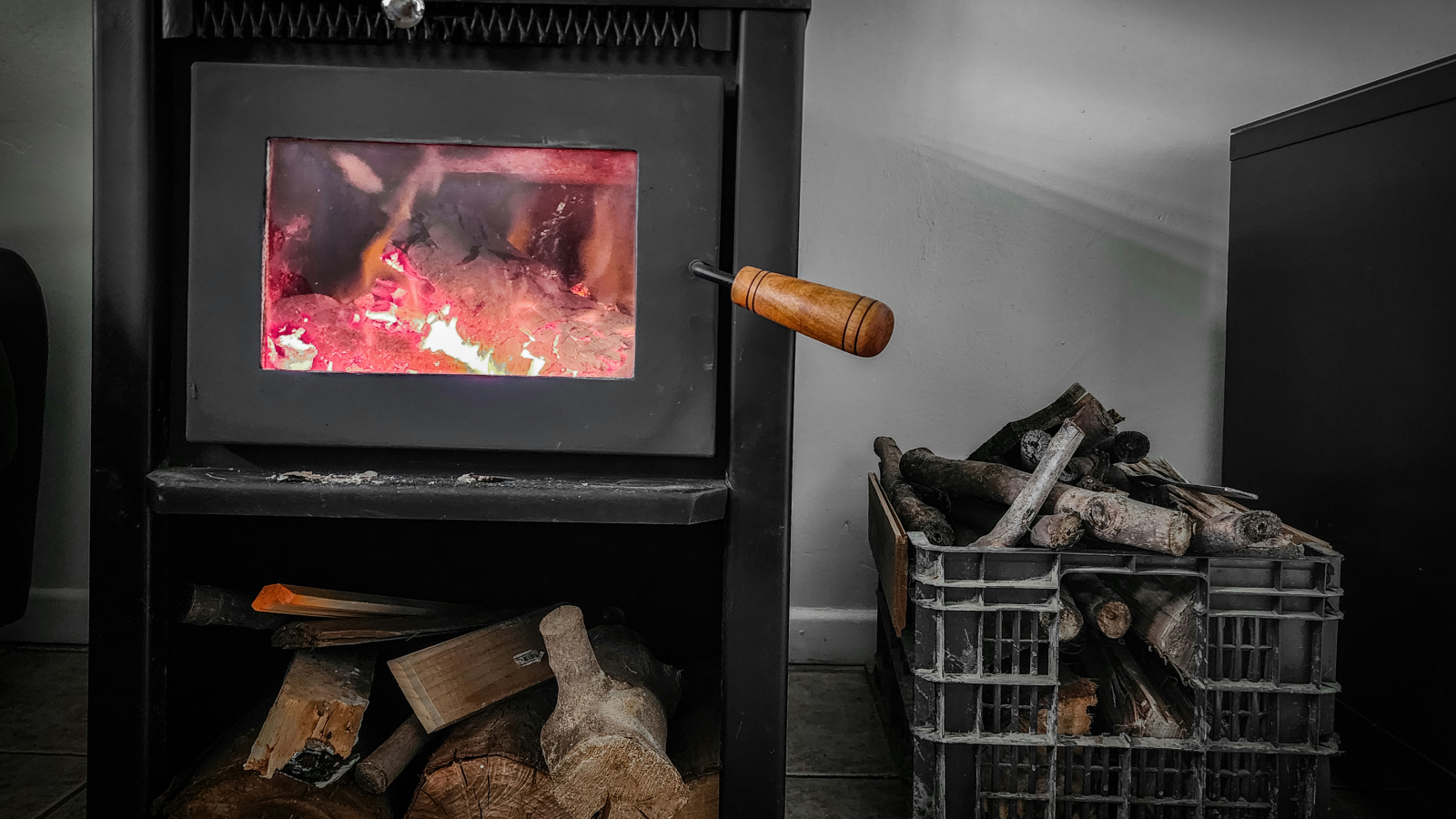
During power outages, people look for quick heating solutions. A charcoal barbecue inside a garage seems harmless. It is not. Burning charcoal produces carbon monoxide. This gas has no smell or color. It can fill a space quickly. Even opening a window does not make it safe. Carbon monoxide poisoning can cause dizziness and confusion. Victims may fall asleep and never wake up. Camp stoves and propane grills carry the same risk. They belong outside, far from doors and windows. Always use approved indoor heaters and install working carbon monoxide detectors.
Never Run a Generator in an Attached Garage
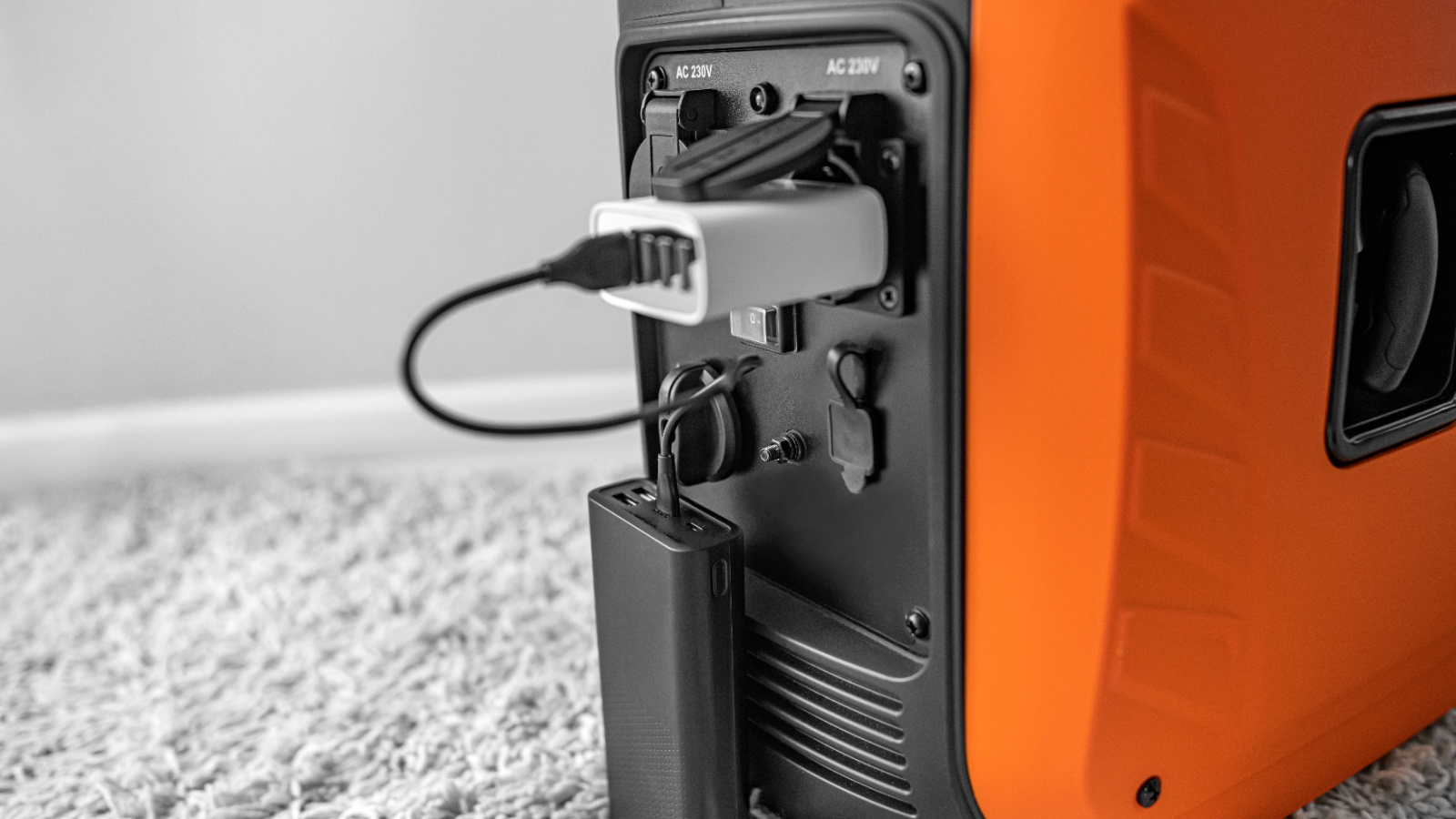
Portable generators help during outages. They also produce carbon monoxide. Running one in a garage is extremely dangerous. Fumes can seep into the house. Even a cracked garage door is not enough ventilation. People often believe short use is safe. It is not. Generators should be placed outside. Keep them at least several meters from doors and windows. Direct the exhaust away from the house. Use heavy-duty extension cords rated for outdoor use. Never plug a generator directly into a wall outlet. Backfeeding can harm utility workers repairing power lines.
Never Walk on Icy Surfaces Without Proper Footwear
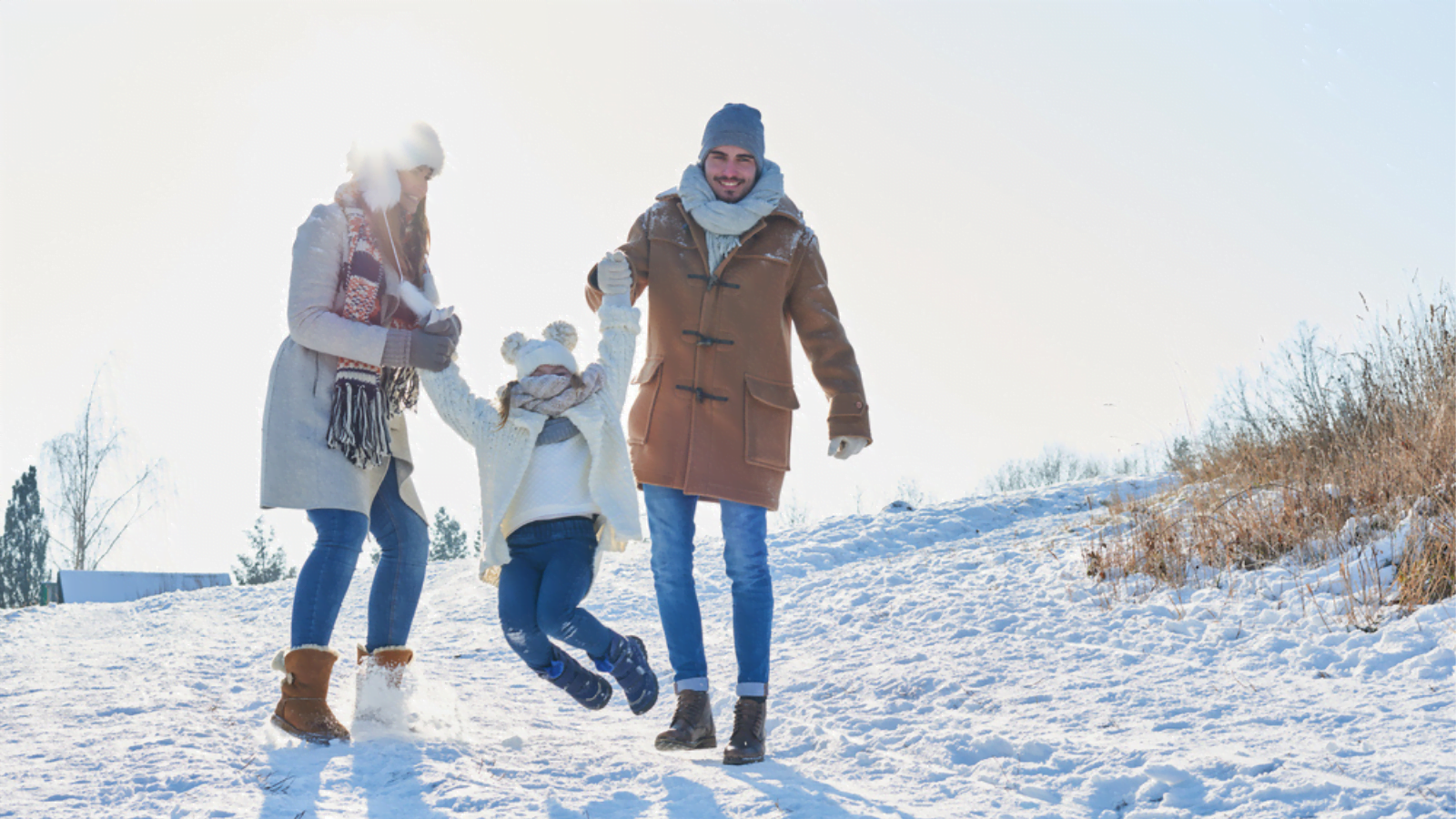
Regular sneakers offer little grip on ice. Smooth soles slide easily. Many winter injuries happen on driveways and sidewalks. A simple fall can cause fractures or concussions. Ice cleats or traction aids improve stability. Taking small, slow steps helps maintain balance. Keep your hands free to catch yourself. Avoid carrying heavy items while walking outside. Railings add support on steps. Even short trips to the mailbox can be risky. Falls increase during freezing rain events. Wearing proper boots with good tread reduces the chance of a painful and preventable accident.
Never Stand Under Ice-Covered Trees or Power Lines

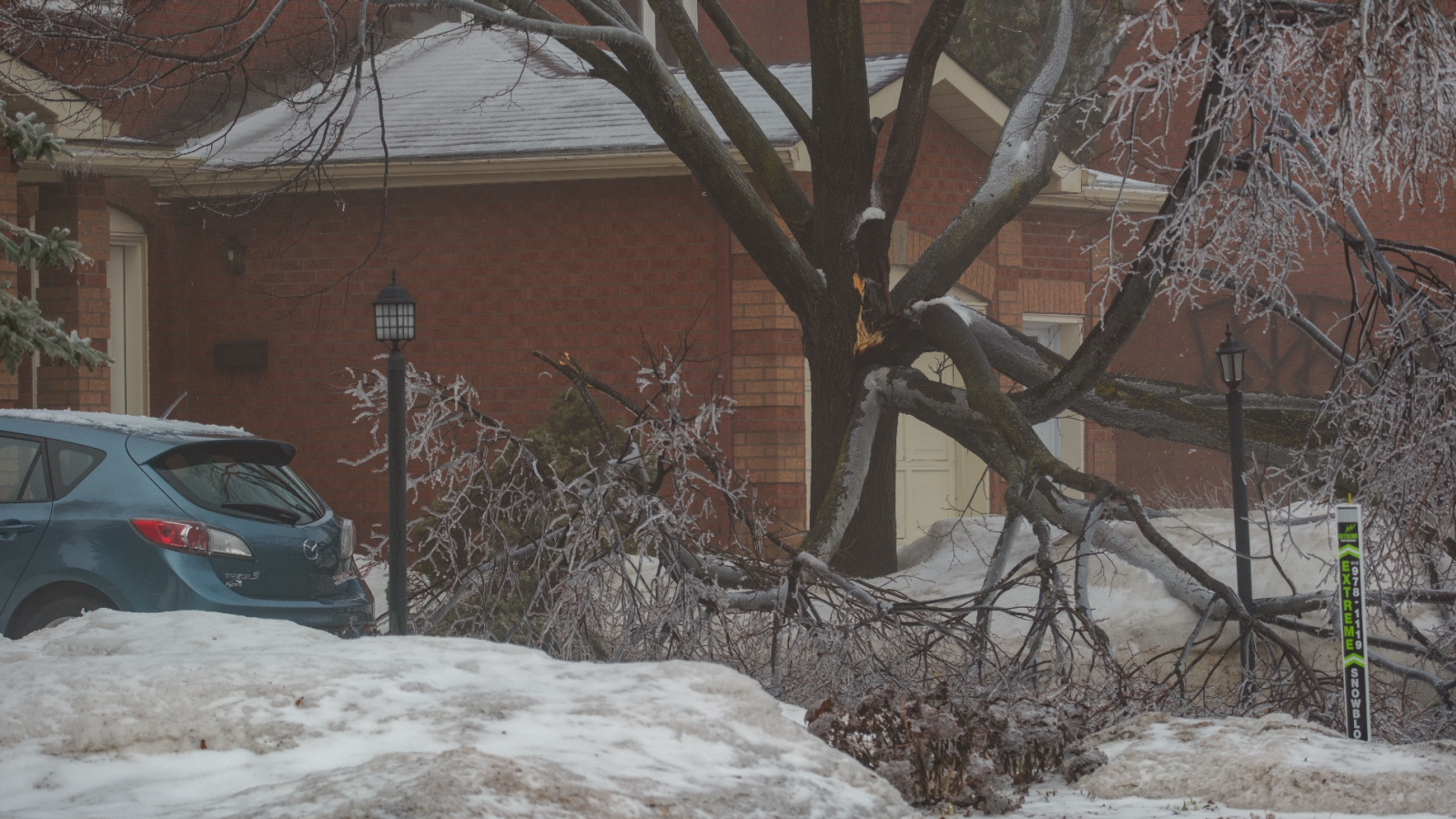
Freezing rain adds heavy weight to branches. Limbs can snap without warning. Falling ice chunks can also injure people below. Power lines sag under pressure. If a line breaks, it may still carry electricity. Downed lines are dangerous even if they look inactive. Stay well back from any fallen wires. Report them to your utility company immediately. Keep children and pets indoors during severe icing. Avoid parking under large trees. Damage to vehicles is common during ice storms. Staying clear of overhead hazards lowers the risk of sudden injury.
Never Climb a Ladder to Remove Ice Alone
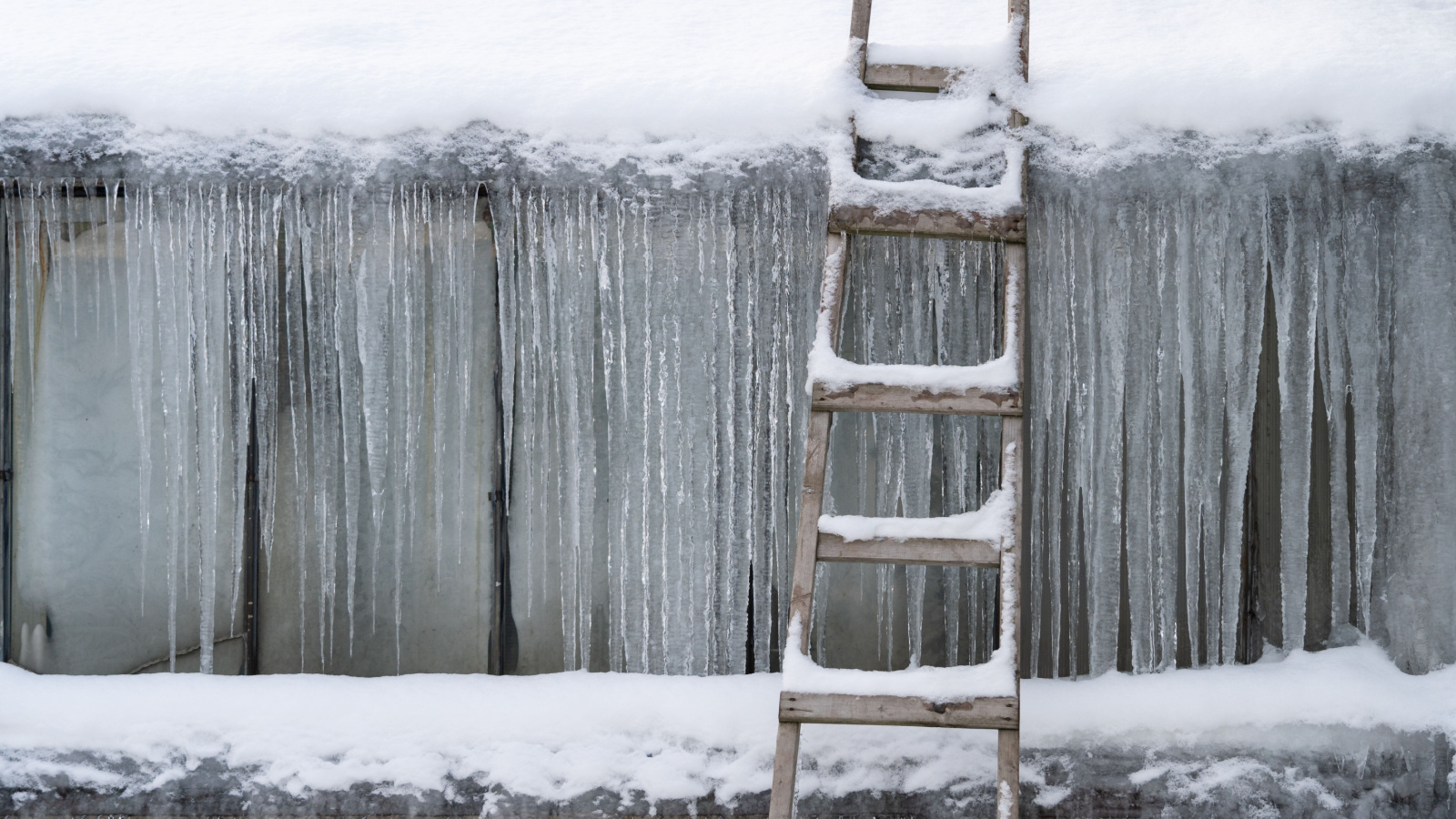
Clearing ice from roofs or gutters is tempting. Ice dams can cause leaks. Climbing a ladder in icy conditions is risky. Rungs may be slippery. The ground beneath may shift. A fall from even a short height can cause serious harm. Work with another adult present. Use proper fall protection. Consider hiring professionals for large jobs. They have safety equipment and training. Never chip ice directly off shingles with force. That can damage roofing materials. If the task feels unsafe, wait for warmer weather or call a qualified contractor.
Never Ignore Weather Alerts and Warnings

Environment Canada issues warnings for a reason. Freezing rain advisories signal possible hazards. Conditions can worsen quickly. Pay attention to updates on the radio or mobile apps. Do not rely on old forecasts. Storm tracks can change within hours. Planning ahead gives you time to prepare. Charge devices and gather supplies early. Move vehicles to safer spots if needed. Waiting until ice accumulates limits your options. Many people regret ignoring early alerts. Staying informed helps you make safer decisions for your household and avoid last-minute panic.
Never Let Your Phone or Devices Run Out of Charge

Communication is vital during storms. Power outages can last hours or days. Keeping devices charged allows access to updates. It also helps you contact family or emergency services. Use portable battery packs if available. Charge devices before the storm hits. Conserve power by lowering screen brightness. Turn off unused apps. Avoid streaming videos during outages. Save battery life for essential communication. If you have a vehicle, charge devices there carefully. Staying connected can provide reassurance and quick access to important information during uncertain conditions.
Never Overload Extension Cords and Outlets

Space heaters and generators increase electrical demand. Plugging too many devices into one outlet is dangerous. Overloaded cords can overheat. This may start a fire. Use extension cords rated for heavy-duty use. Avoid running cords under rugs or through doorways. Keep them away from water. Inspect cords for damage before use. Do not connect multiple power bars together. Space heaters should plug directly into a wall outlet. Electrical fires rise during winter storms. Safe wiring practices reduce the risk of turning a power outage into a larger emergency.
Never Leave Space Heaters Unattended
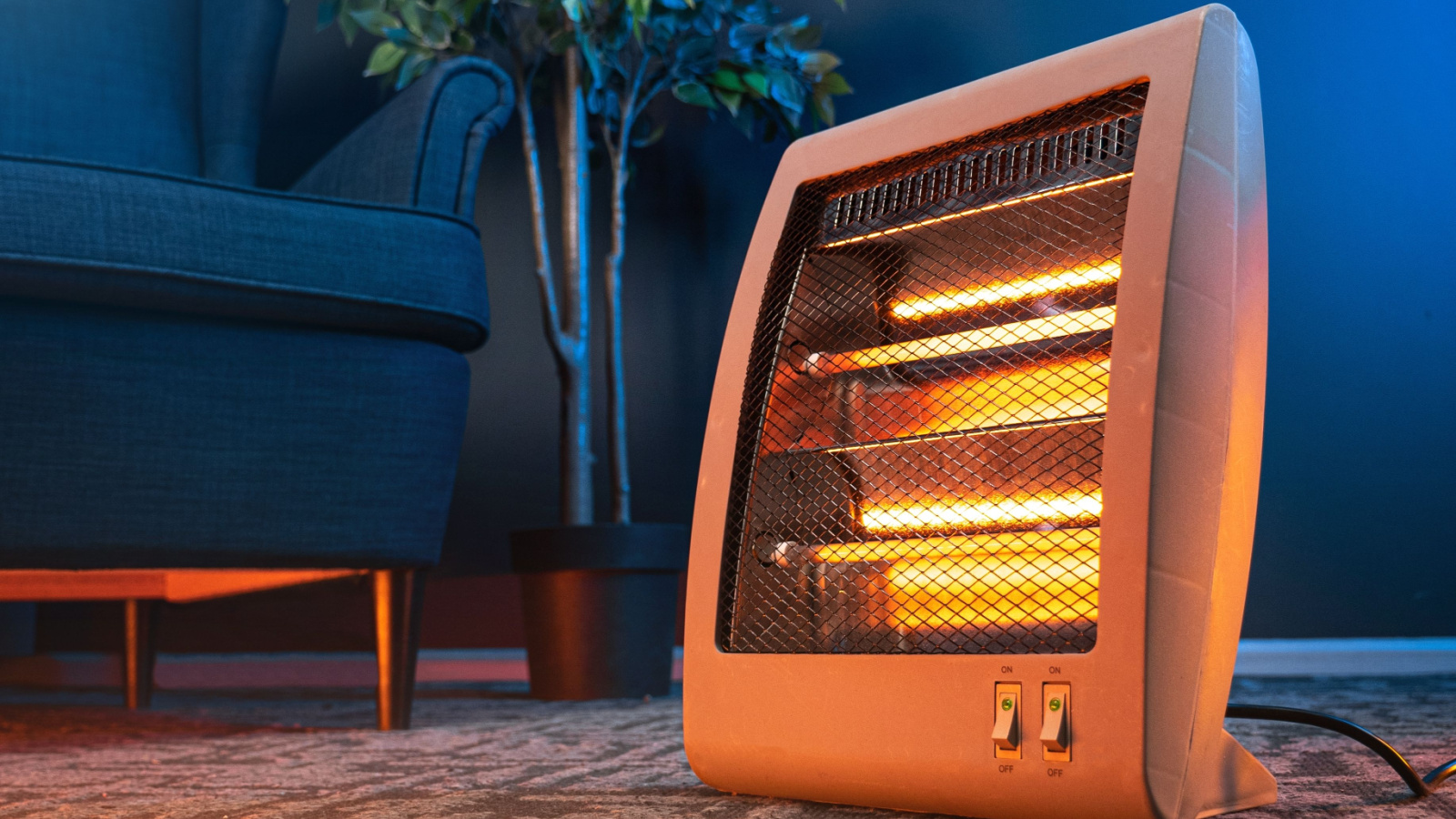
Portable heaters provide warmth during outages. They can also start fires. Keep heaters at least one meter from flammable materials. Curtains, bedding, and paper ignite easily. Place heaters on flat, stable surfaces. Avoid using them in damp areas. Turn them off before sleeping. Do not leave them running while you leave the room. Choose models with tip-over protection. Read manufacturer instructions carefully. Children and pets should stay away from heaters. A small lapse in attention can lead to serious damage or injury during already stressful conditions.
Never Pour Hot Water on Icy Windshields

It may seem like a quick fix. Hot water can crack cold glass instantly. The temperature difference stresses the windshield. Cracks weaken the structure of the glass. Replacing a windshield is costly. Use a proper ice scraper instead. Start your vehicle and use the defroster. Allow time for gradual warming. Commercial deicing sprays also help. Keep a brush and scraper in your car all winter. Clearing windows fully improves visibility. Rushing the process can create damage and make driving more dangerous than necessary.
Never Forget to Check on Vulnerable Neighbors
Ice storms affect entire communities. Seniors may struggle with heavy doors or icy steps. People with mobility challenges face higher fall risks. Power outages impact medical equipment. A quick phone call can make a difference. Offer to pick up supplies if roads improve. Clear a small path if it is safe. Do not put yourself at risk while helping. Community support reduces isolation during severe weather. Many emergencies are prevented through simple check-ins. Looking out for others strengthens neighborhood resilience during harsh winter conditions.
Never Let Pets Roam Outside Unsupervised

Icy surfaces can injure animals, too. Dogs may slip and strain joints. Ice buildup between paw pads causes discomfort. Falling branches pose risks to pets. Keep outdoor time short during freezing rain. Wipe paws after returning inside. Provide warm shelter if pets must be outside briefly. Avoid tying animals near trees or structures that may collapse. Cold temperatures combined with wet fur increase stress. Monitoring pets closely prevents injuries that require emergency veterinary care during already difficult travel conditions.
Never Assume Your Vehicle Is Fully Prepared
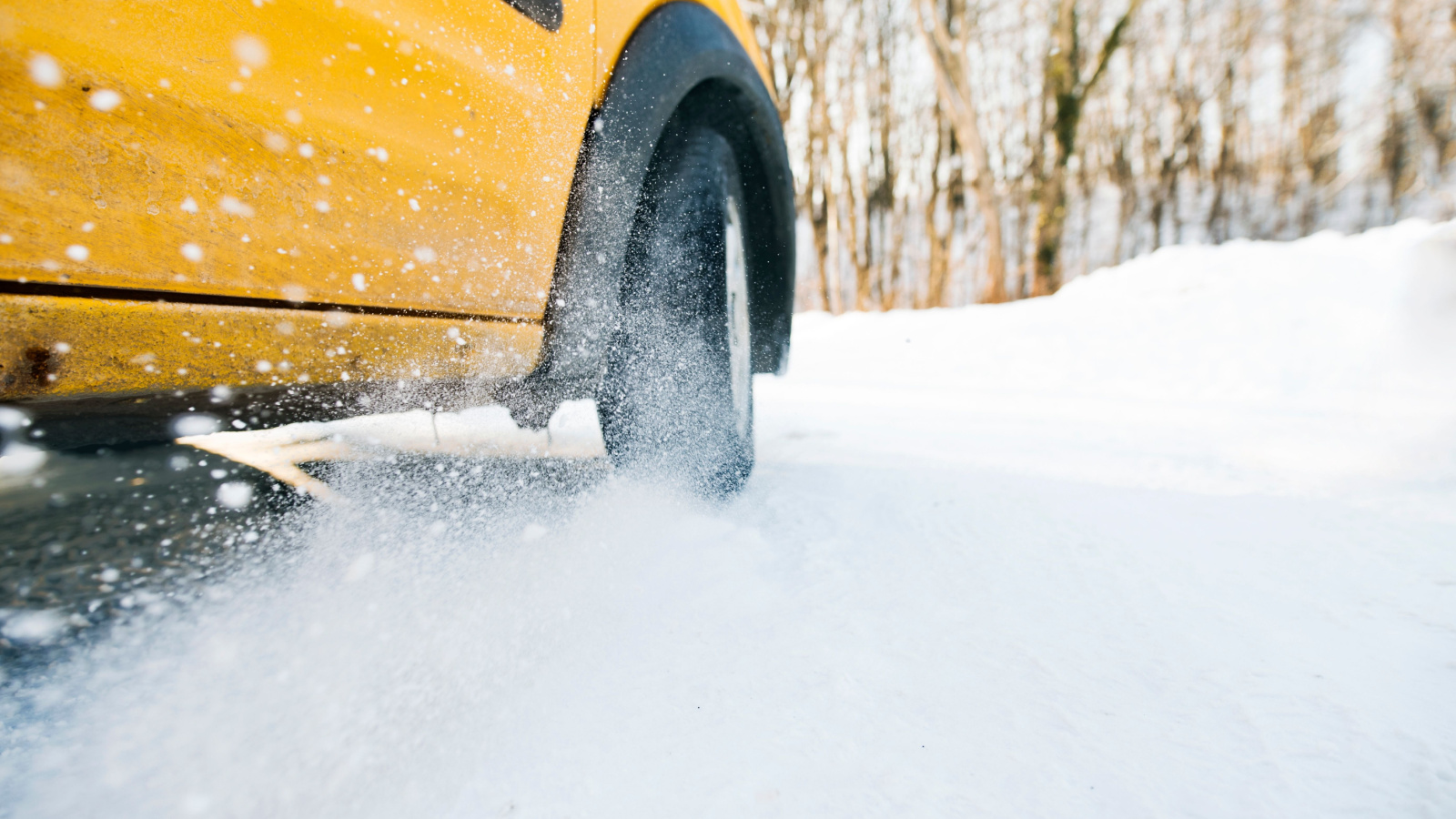
Cold weather strains car batteries. Ice storms add extra stress. Check tire tread and pressure before winter peaks. Keep windshield washer fluid rated for freezing temperatures. Store an emergency kit in your vehicle. Include blankets, water, and a flashlight. Jumper cables are useful during cold snaps. Fuel tanks should stay at least half full. Running out of gas during a storm creates danger. Do not wait until roads are icy to test equipment. Preparation before freezing rain arrives can prevent breakdowns in unsafe conditions.
Never Block Vents or Exhaust Pipes with Snow and Ice
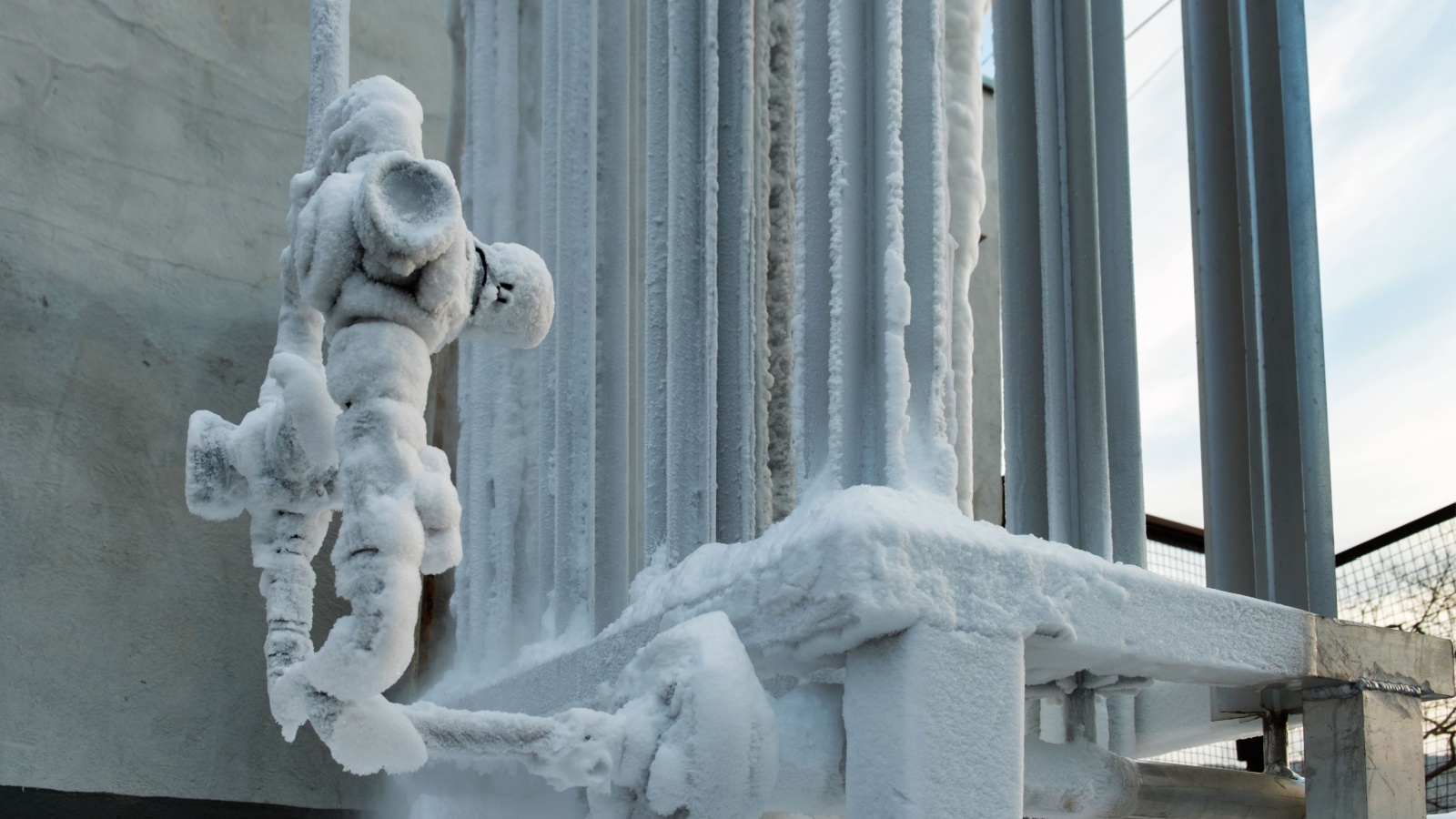
Furnaces and gas appliances vent outdoors. Ice accumulation can block exhaust openings. This causes dangerous gases to back up indoors. Check exterior vents during and after storms. Clear snow and ice gently. Do not use sharp tools that damage pipes. Keep dryer vents unobstructed as well. Vehicles parked in snowbanks face similar risks. Clear tailpipes before starting engines. Blocked exhaust systems increase carbon monoxide exposure. A quick inspection outside can prevent serious health hazards inside your home during winter emergencies.
Never Forget to Keep Flashlights Handy
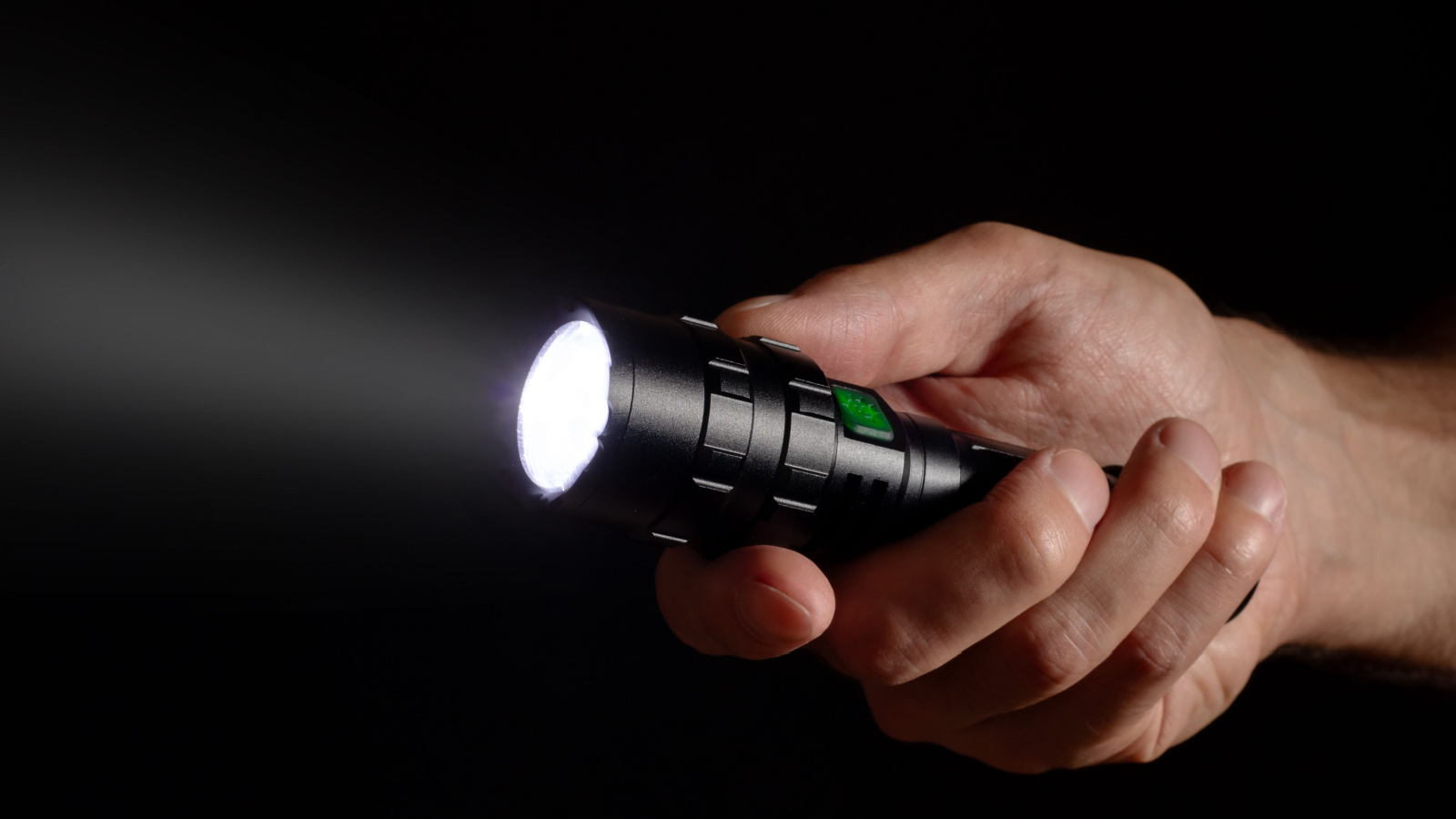
Candles seem cozy during outages. They increase fire risk. Open flames near curtains or paper are unsafe. Flashlights provide safer lighting. Store them in easy-to-find locations. Check batteries regularly. Headlamps free your hands for tasks. Keep one near your bed. Sudden darkness can cause trips and falls. Power failures often happen at night. Searching for light in the dark adds stress. Reliable lighting improves safety and reduces the chance of accidental fires during prolonged outages caused by ice storms.
Never Rush to Clear Driveways with Unsafe Equipment

Snowblowers and shovels help after storms. Ice makes surfaces unpredictable. Wearing proper footwear matters while clearing. Take frequent breaks to avoid strain. Overexertion increases heart attack risk in cold weather. Do not use sharp metal tools aggressively on concrete. That can cause surface damage. Apply salt or sand to improve traction first. Keep bystanders at a safe distance from equipment. Rushing increases the chance of slips or injuries. Clearing slowly and carefully protects both your health and your property.
Never Ignore Signs of Hypothermia or Frostbite

Cold exposure affects people differently. Shivering is an early warning sign. Confusion or slurred speech signals danger. Frostbite often appears on fingers and toes first. Skin may look pale or waxy. Seek warm shelter immediately if symptoms appear. Remove wet clothing promptly. Warm the body gradually. Do not rub frozen skin. Severe cases require medical attention. During ice storms, wind and moisture increase heat loss. Recognizing symptoms early helps prevent long-term injury and serious health complications.
Never Store Fuel Improperly Indoors
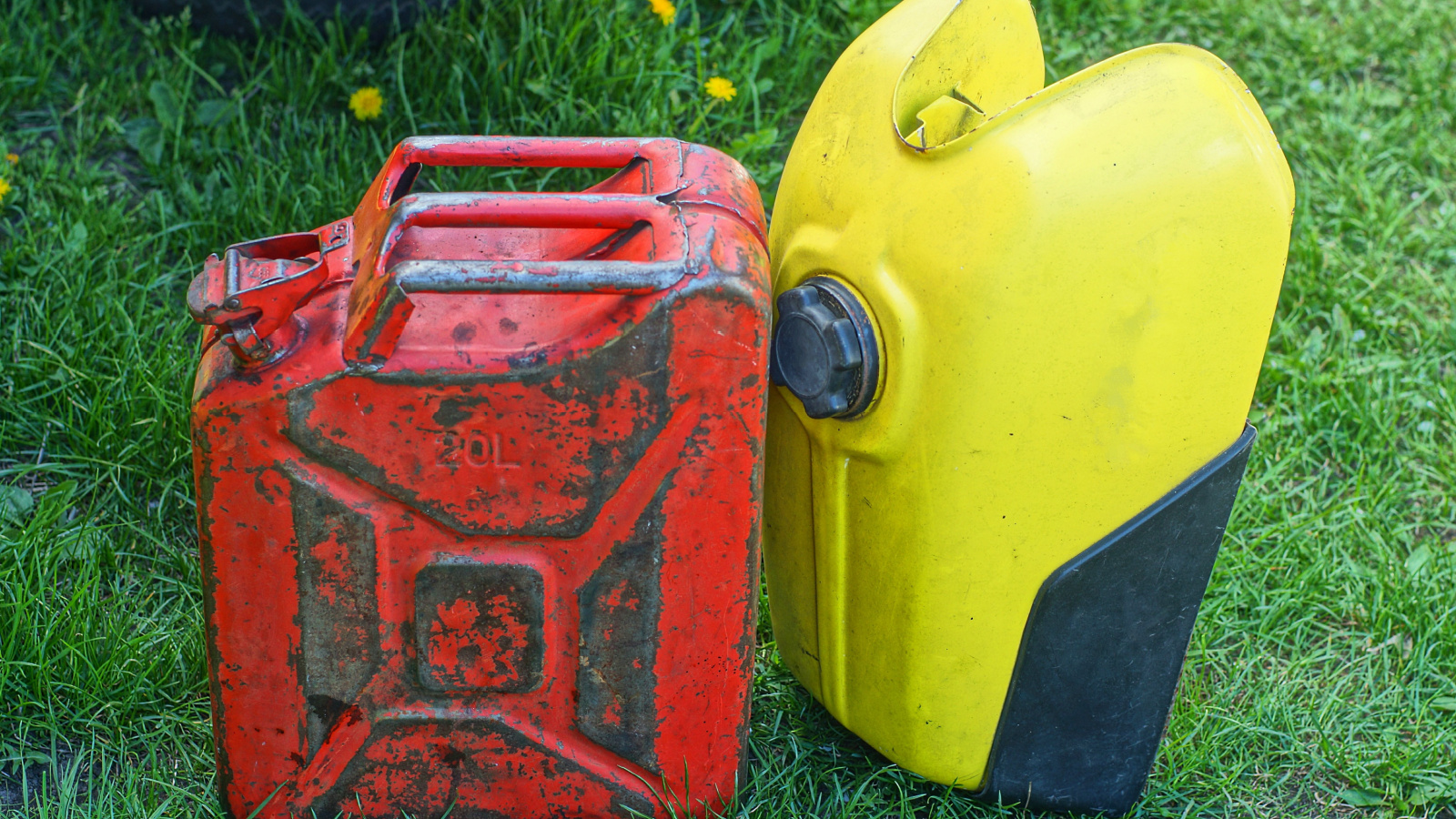
Gasoline is highly flammable. Storing fuel inside living spaces is unsafe. Fumes can accumulate and ignite. Use approved containers only. Keep fuel in a detached shed if possible. Avoid placing containers near heaters or electrical equipment. Clearly label all containers. Never refuel generators while they are running. Allow equipment to cool before adding fuel. Spills create fire hazards. Safe storage reduces the risk of accidental ignition during emergency power use in freezing conditions.
Never Assume Ice Is Strong Enough to Support Weight
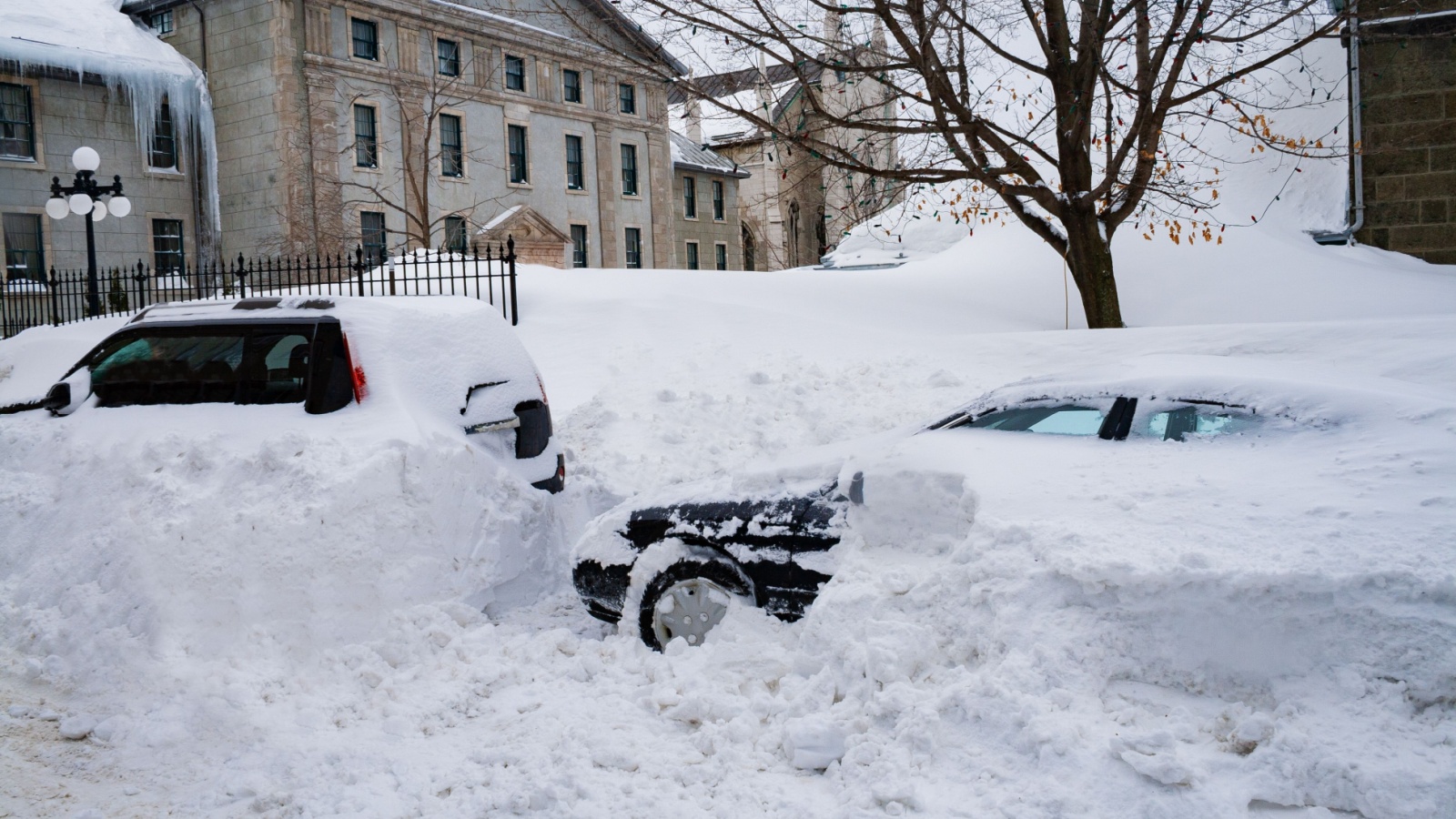
Freezing rain creates slick surfaces. It does not create solid support. Ice on decks or steps may look stable. It can break suddenly. Ponds and small lakes freeze unevenly. Early-season ice is especially dangerous. Thickness varies across the surface. Never test ice strength by stepping onto it casually. Follow local safety guidelines for outdoor ice use. During storms, surface layers are unpredictable. Staying off questionable ice prevents falls into freezing water or sudden injuries on unstable ground.
Never Leave Refrigerators and Freezers Open During Outages
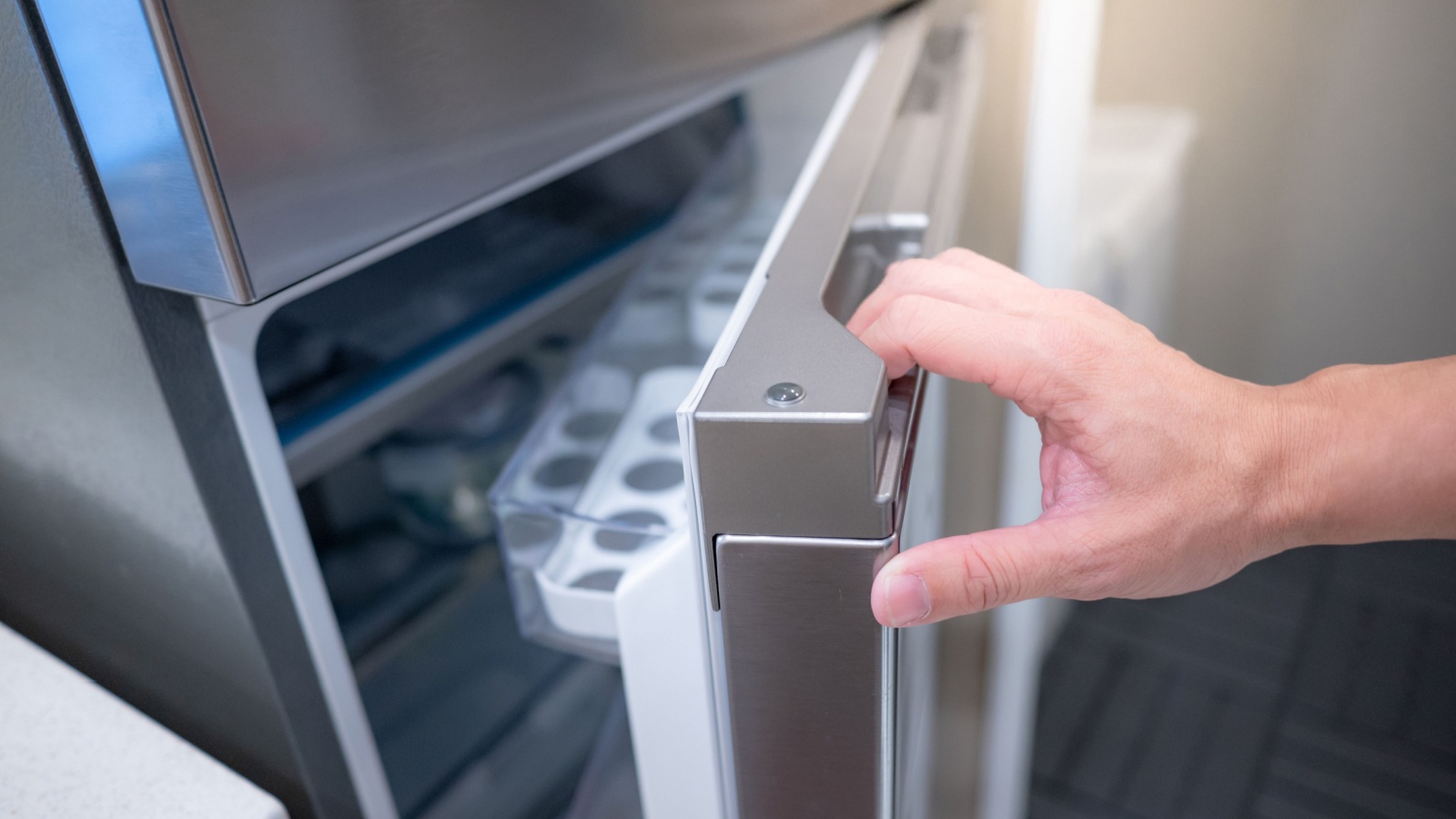
Cold air escapes quickly when doors open. Food warms faster than expected. Limit how often you check inside. Keep doors closed as much as possible. A full freezer stays cold longer. Use thermometers to monitor temperatures if available. Discard food that rises above safe levels. Avoid tasting questionable items. Food poisoning adds to problems during storms. Planning meals in advance reduces the need to open doors repeatedly. Storing food properly helps ensure safety until power returns.
Never Forget to Document Storm Damage

Ice storms can damage roofs, vehicles, and trees. Take photos once it is safe. Document broken branches and fallen lines. Contact your insurance provider promptly. Avoid making permanent repairs before assessment. Temporary fixes are fine if needed for safety. Keep receipts for emergency expenses. Clear records speed up claims. Waiting too long may complicate the process. Documentation protects you financially after severe weather events. Acting methodically after the storm passes reduces stress during recovery.
Never Underestimate the Mental Strain of Severe Weather

Extended outages and isolation cause stress. Uncertainty about power restoration adds anxiety. Children may feel unsettled. Create simple routines during disruptions. Board games or reading can provide a distraction. Stay in contact with friends and family. Share updates and reassurance. Rest when possible. Avoid constant exposure to alarming news coverage. Mental well-being matters during emergencies. Recognizing emotional strain helps you respond calmly. Taking small steps to maintain normalcy supports resilience throughout an ice storm.
22 Groceries to Grab Now—Before another Price Shock Hits Canada

Food prices in Canada have been steadily climbing, and another spike could make your grocery bill feel like a mortgage payment. According to Statistics Canada, food inflation remains about 3.7% higher than last year, with essentials like bread, dairy, and fresh produce leading the surge. Some items are expected to rise even further due to transportation costs, droughts, and import tariffs. Here are 22 groceries to grab now before another price shock hits Canada.
22 Groceries to Grab Now—Before another Price Shock Hits Canada
This Options Discord Chat is The Real Deal
While the internet is scoured with trading chat rooms, many of which even charge upwards of thousands of dollars to join, this smaller options trading discord chatroom is the real deal and actually providing valuable trade setups, education, and community without the noise and spam of the larger more expensive rooms. With a incredibly low-cost monthly fee, Options Trading Club (click here to see their reviews) requires an application to join ensuring that every member is dedicated and serious about taking their trading to the next level. If you are looking for a change in your trading strategies, then click here to apply for a membership.