35,000+ smart investors are already getting financial news, market signals, and macro shifts in the economy that could impact their money next with our FREE weekly newsletter. Get ahead of what the crowd finds out too late. Click Here to Subscribe for FREE.
Winter has a way of convincing homeowners to wait. Snow covers the yard, daylight fades early, and minor issues are easy to ignore. Then March arrives with melting ice, surprise leaks, and repair bills that sting. Canadian winters are long and harsh on buildings, especially with freeze-thaw cycles. Skipping basic maintenance can lead to structural damage from minor wear. A little effort in January often saves thousands in spring. Here are 12 winter home maintenance jobs Canadians skip (then regret in March).
Clearing Snow Around the Foundation
12 Winter Home Maintenance Jobs Canadians Skip (Then Regret in March)
- Clearing Snow Around the Foundation
- Checking for Ice Dams on the Roof
- Inspecting Attic Ventilation
- Sealing Drafty Windows and Doors
- Testing the Sump Pump
- Cleaning Out Gutters
- Inspecting Exterior Caulking
- Servicing the Furnace Filter
- Checking Outdoor Faucets and Pipes
- Inspecting the Chimney and Fireplace
- Looking for Roof Shingle Damage
- Checking Carbon Monoxide Detectors
- 22 Groceries to Grab Now—Before another Price Shock Hits Canada

Many homeowners shovel the driveway but ignore the snow piled against the house. That snow melts and seeps toward the foundation. When temperatures drop again, water freezes and expands inside small cracks. Over time, those cracks widen and let moisture enter the basement. Damp walls lead to mold growth and musty smells. Ice buildup also stresses concrete and mortar. Clearing at least a foot of space around the perimeter helps redirect meltwater. It also protects window wells from filling with slush. This simple task reduces spring flooding risks. Waiting until the thaw season often means dealing with water damage repairs.
Checking for Ice Dams on the Roof
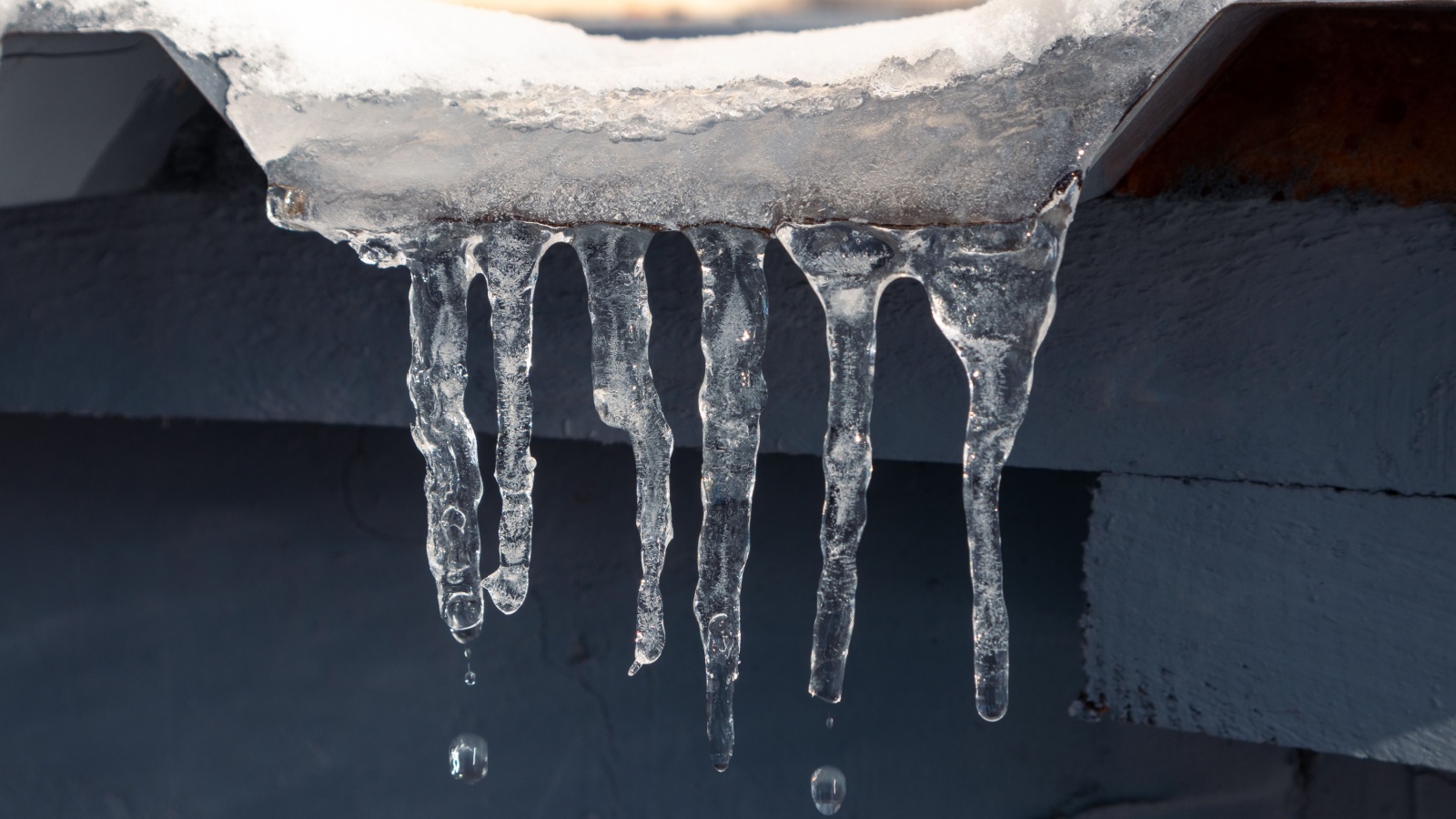
Ice dams form when warm air escapes into the attic and melts the roof snow. The water runs down and refreezes near colder eaves. That ridge traps more melting snow behind it. Trapped water can slide under shingles and soak the roof decking. By March, stains appear on ceilings or walls. Peeling paint and warped drywall often follow. Homeowners sometimes notice only after interior damage starts. Removing heavy snow buildup with a roof rake lowers the risk. Improving attic insulation also helps prevent heat loss. Ignoring ice dams can shorten roof life and raise repair costs quickly.
Inspecting Attic Ventilation
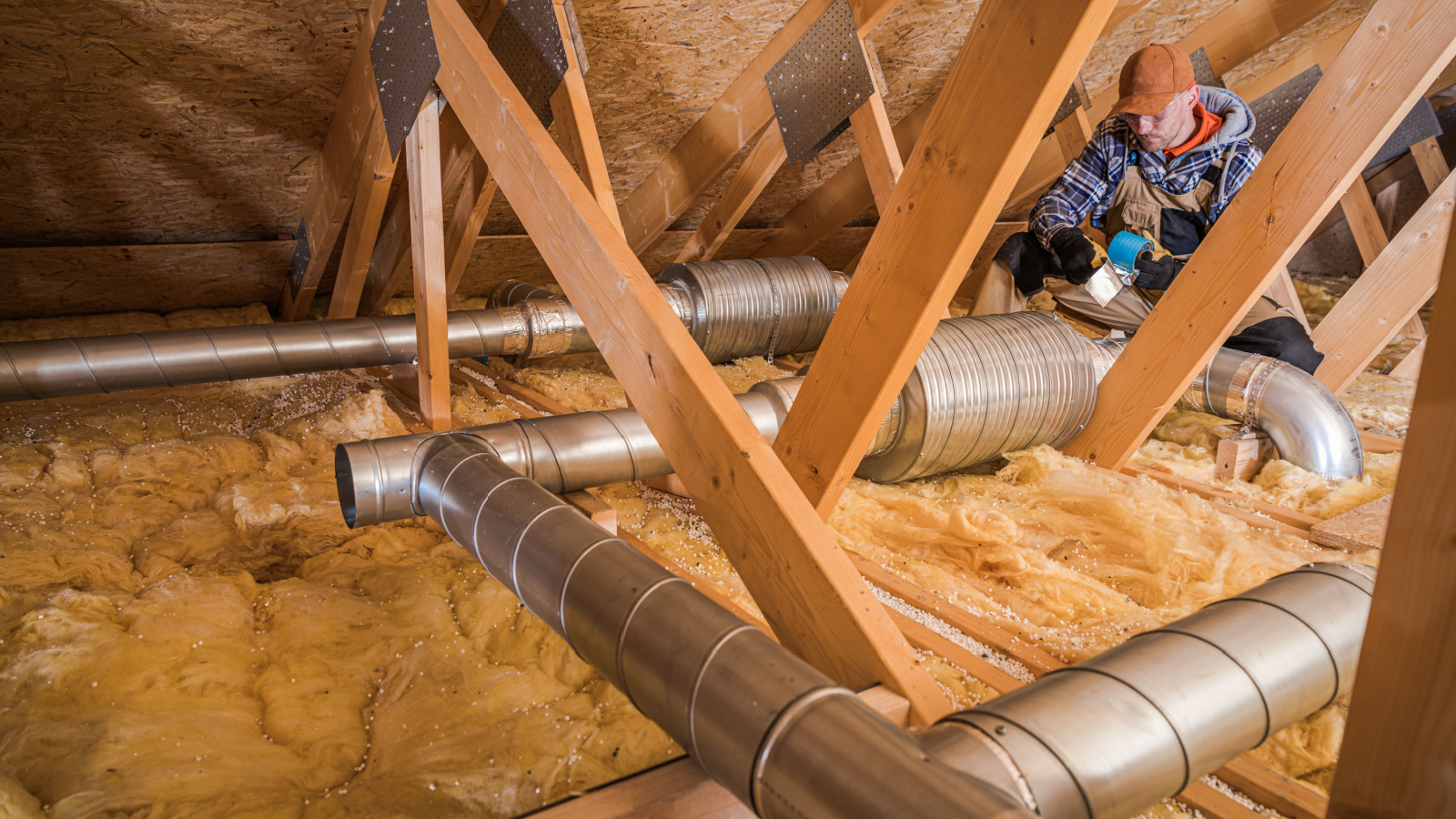
Attics need proper airflow even during winter. Poor ventilation traps warm, moist air inside. That moisture condenses on rafters and roof sheathing. Over time, wood begins to rot or grow mold. Insulation loses effectiveness when damp. Many Canadians avoid climbing into cold attics until spring. By then, problems may already exist. A quick inspection can reveal frost buildup or blocked vents. Clearing obstructions keeps air circulating properly. Balanced intake and exhaust vents reduce condensation. Healthy airflow protects roofing materials and lowers heating costs. Skipping this step often leads to hidden damage that appears months later.
Sealing Drafty Windows and Doors

Cold air sneaks through small gaps around frames. Those drafts make heating systems work harder. Energy bills climb steadily throughout winter. Many homeowners add extra layers of clothing instead of sealing leaks. Weatherstripping and caulking are inexpensive fixes. They also improve indoor comfort immediately. Unsealed gaps allow moisture to enter wall cavities. That moisture can freeze and cause expansion damage. Over time, wood frames warp or crack. Addressing drafts early protects both structure and budget. Waiting until March means paying months of higher heating costs. Small air leaks often create bigger problems than expected.
Testing the Sump Pump
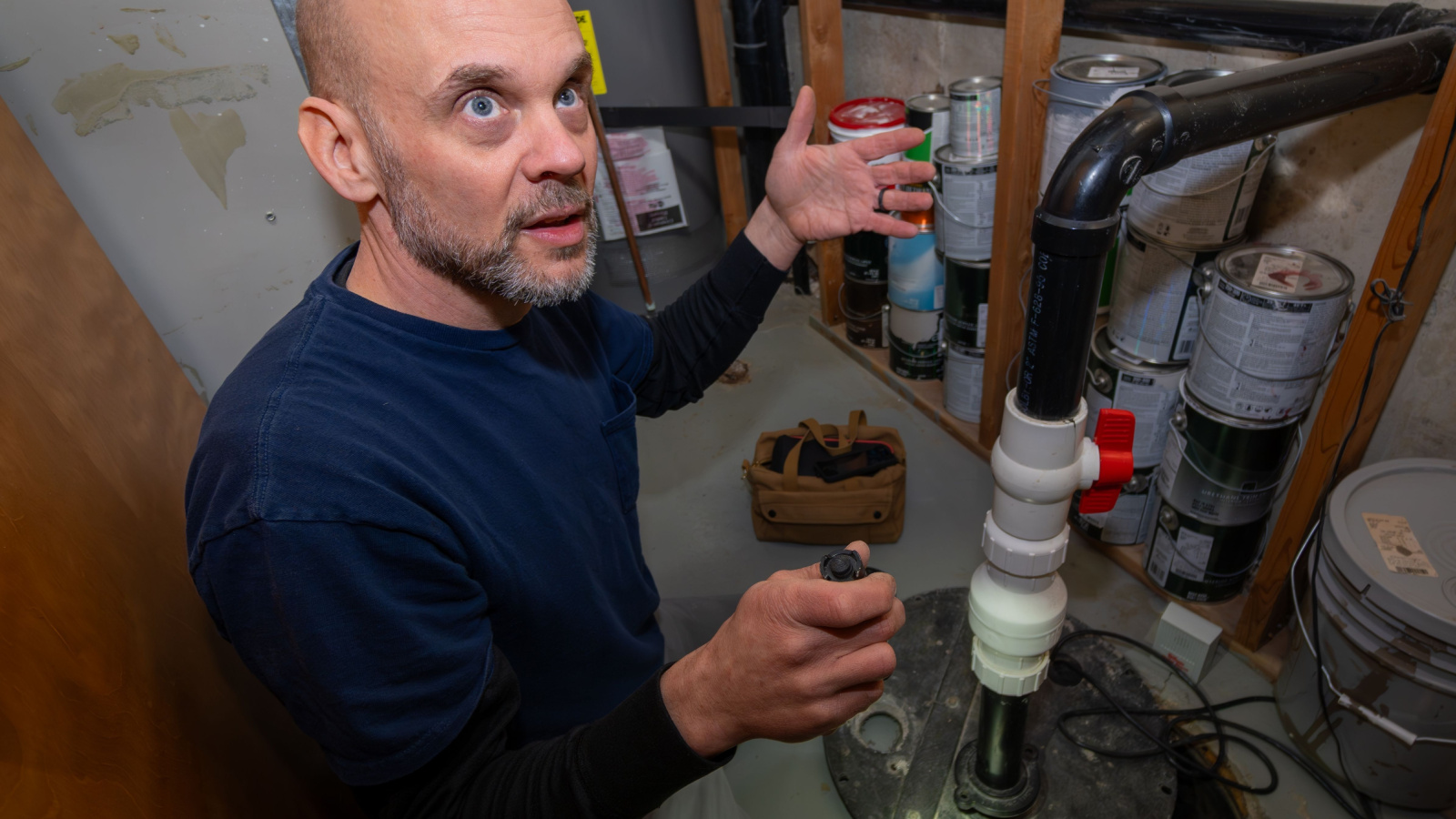
Sump pumps sit quietly in basements until heavy snow melts. If they fail, water can rise quickly. Many Canadians forget to test the pump during winter. A quick check involves pouring water into the pit. The pump should activate and drain properly. Frozen discharge lines are another common issue. Ice blocks prevent water from flowing away. By March, melting snow can overwhelm a faulty system. Basement flooding causes expensive damage to flooring and drywall. Regular testing offers peace of mind. It also allows time for repairs before spring runoff begins.
Cleaning Out Gutters
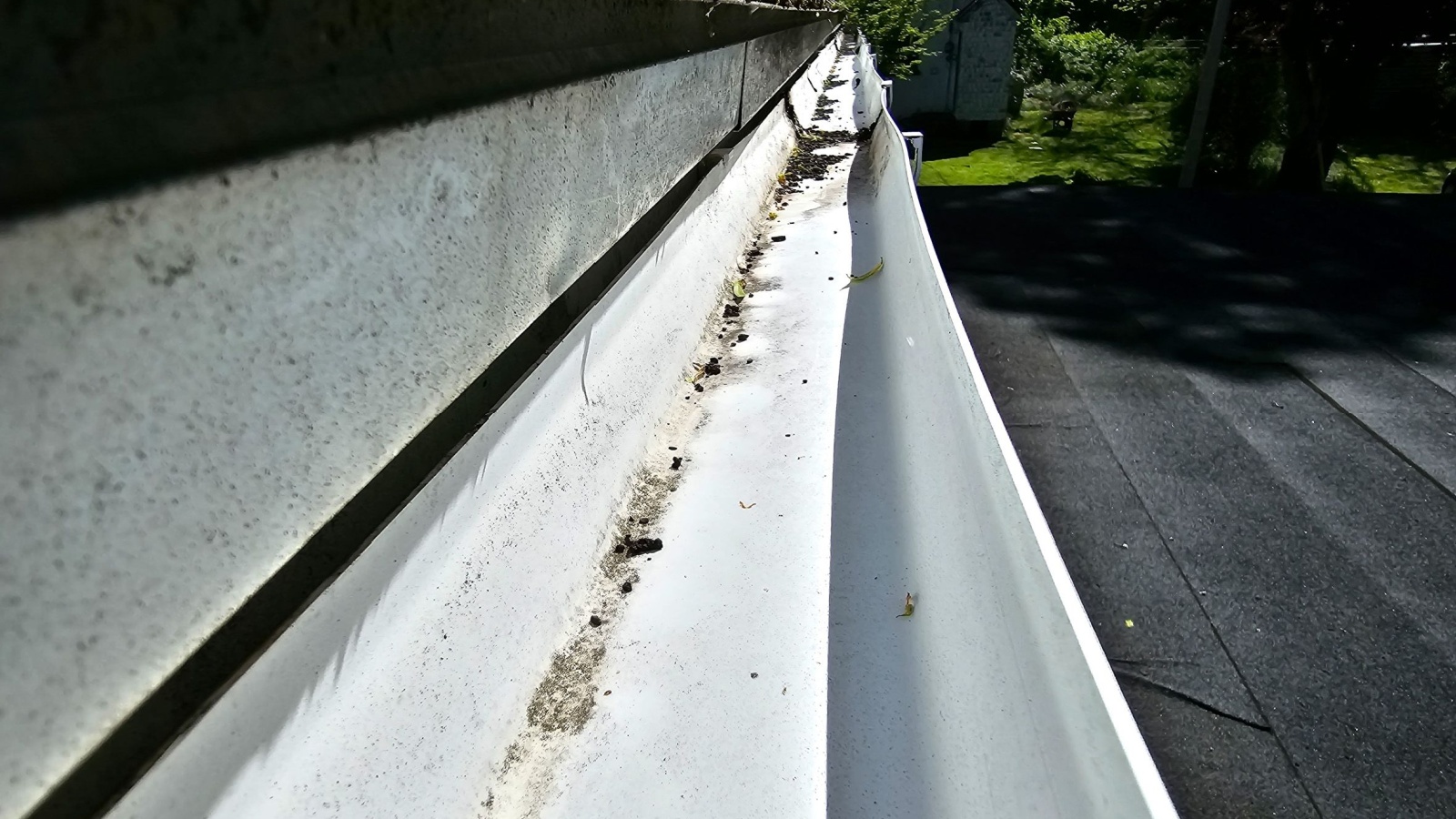
Gutters fill with leaves before winter arrives. Snow and ice trap that debris inside. When temperatures rise, water cannot flow freely. Instead, it spills over edges and down exterior walls. That runoff seeps into siding and foundations. Many people postpone gutter cleaning until warmer weather. By then, water damage may already exist. Clearing gutters during mild winter days prevents overflow. It also reduces ice buildup along roof edges. Proper drainage protects landscaping and basement walls. This chore takes little time but prevents costly structural issues later.
Inspecting Exterior Caulking
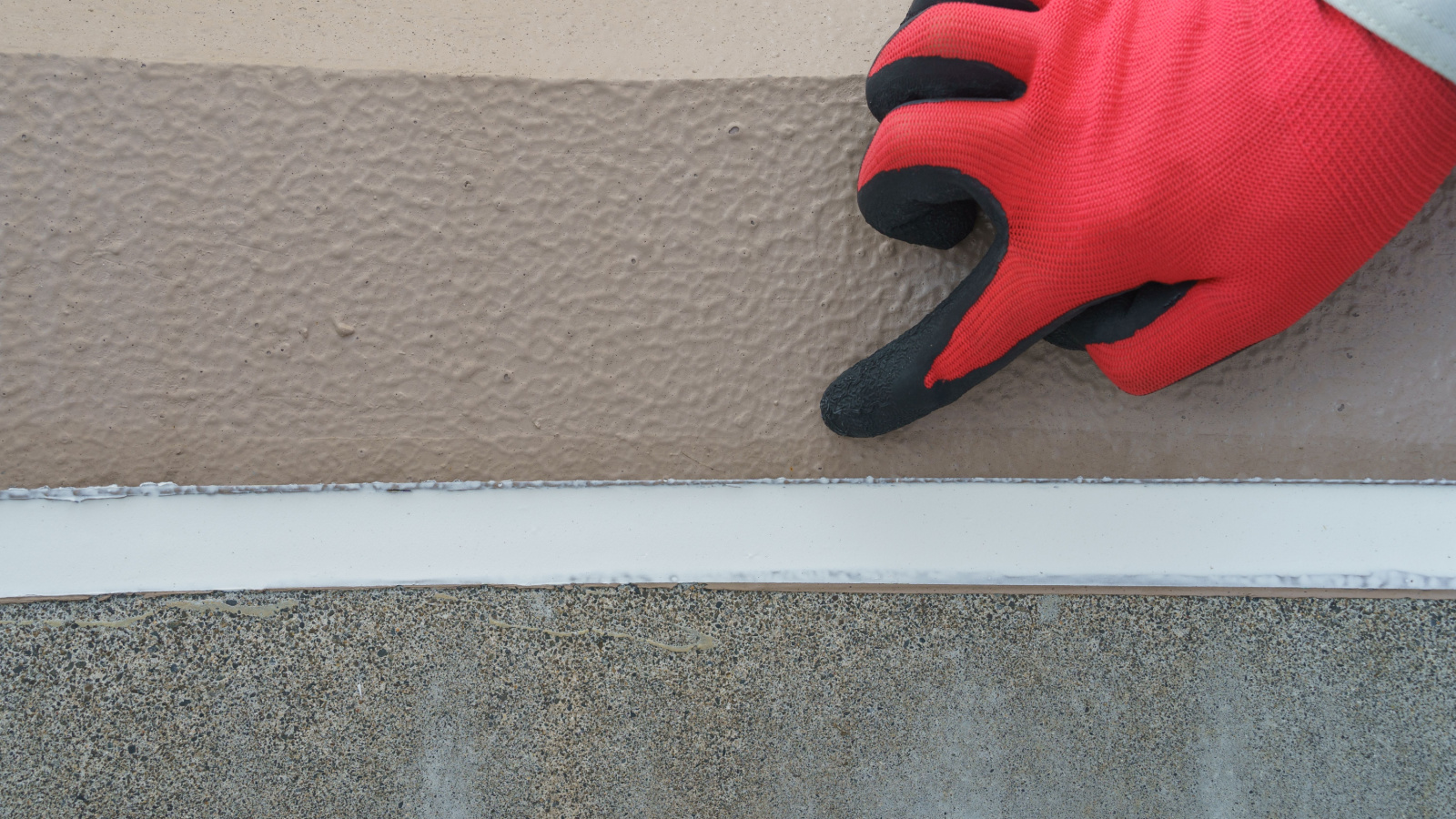
Exterior caulking around vents and siding deteriorates over time. Winter cold makes small cracks worse. Moisture enters gaps and freezes overnight. Expansion pushes materials apart further. Homeowners rarely examine caulking in freezing temperatures. Damage remains hidden until the thaw season. Reapplying sealant during a mild spell can prevent water intrusion. Even small openings allow drafts and dampness inside walls. That moisture encourages rot and mold growth. Checking seams around windows and doors is equally important. Neglecting exterior sealing often leads to repairs that cost far more than fresh caulk.
Servicing the Furnace Filter
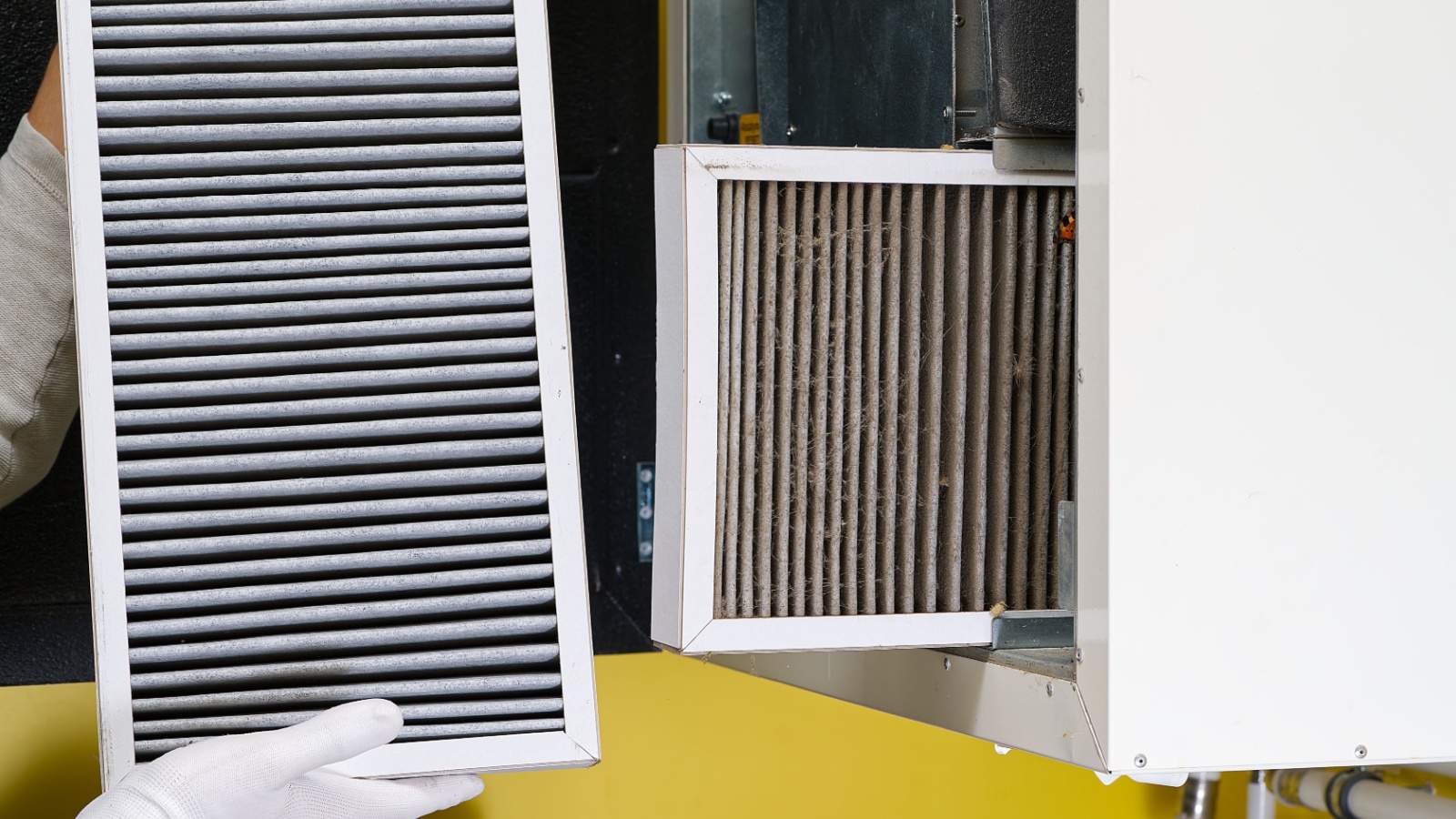
Furnaces run constantly during Canadian winters. Dirty filters restrict airflow and reduce efficiency. The system works harder to heat the home. That extra strain increases energy use and wear. Many people forget to replace filters monthly. Dust and debris build up quickly in winter. Poor airflow can overheat components and shorten furnace life. A clogged filter also affects indoor air quality. Allergens circulate more freely through vents. Changing filters takes minutes and costs little. Skipping this task leads to higher utility bills and potential breakdowns before spring arrives.
Checking Outdoor Faucets and Pipes
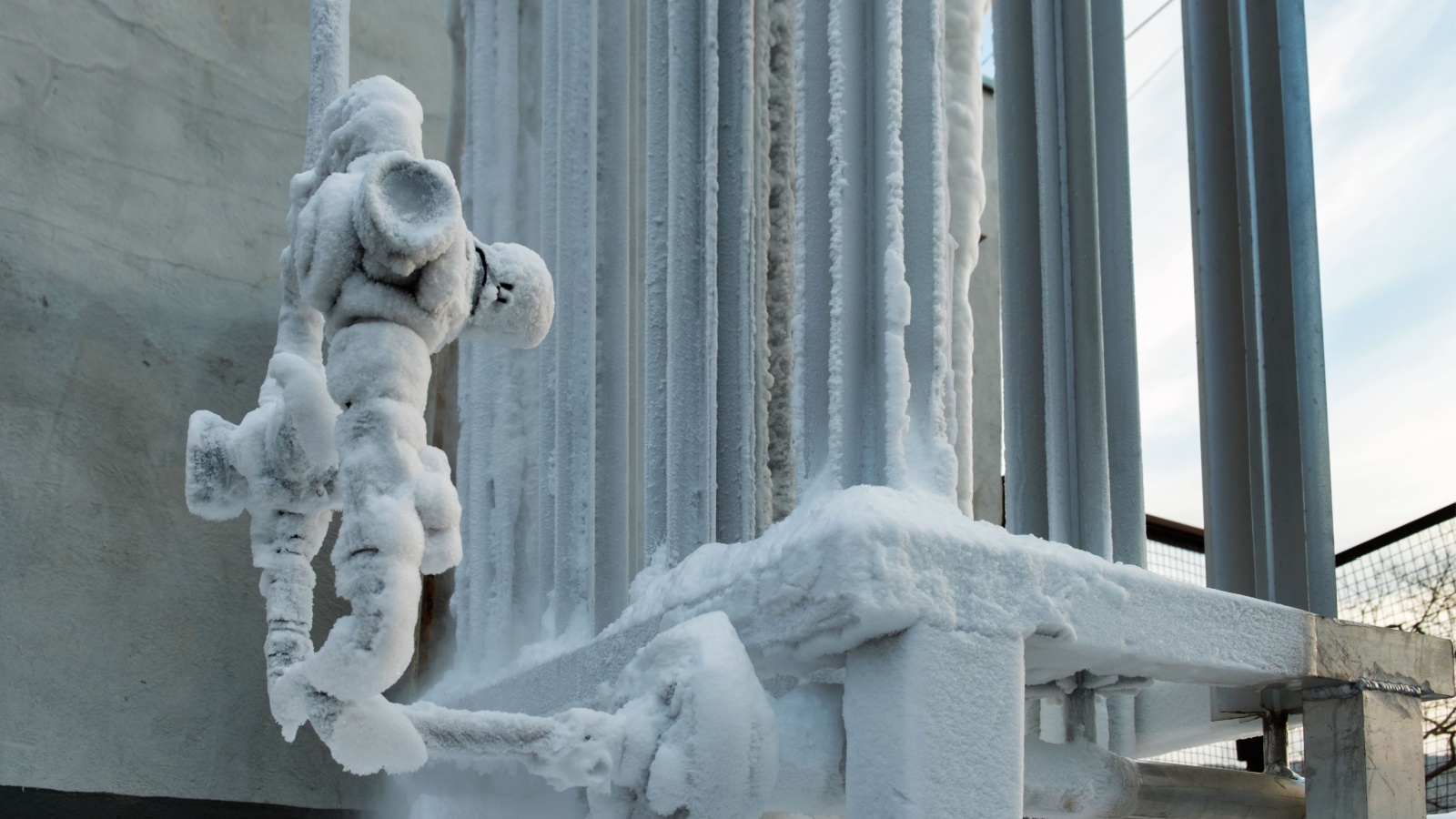
Outdoor hose bibs and exposed pipes are vulnerable to freezing. Water left inside expands when temperatures drop. Pipes can crack silently during winter nights. Damage often goes unnoticed until the thaw season. Once temperatures rise, leaks appear suddenly. Water may pool near foundations or inside walls. Shutting off and draining outdoor lines prevents freezing. Insulated covers add extra protection. Many homeowners overlook this until too late. Repairs often require cutting into drywall or exterior siding. Taking simple precautions avoids costly plumbing work in March.
Inspecting the Chimney and Fireplace

Fireplaces feel cozy during cold months. However, chimneys collect creosote and debris. Blockages restrict airflow and raise fire risk. Snow and ice can also damage chimney caps. Many Canadians postpone inspections until spring cleaning. By then, heavy winter use has already occurred. A mid-season check helps spot buildup early. Removing obstructions keeps smoke from venting safely. It also prevents carbon monoxide from building up indoors. Regular maintenance extends chimney life. Ignoring it through winter can create both safety hazards and expensive structural repairs.
Looking for Roof Shingle Damage
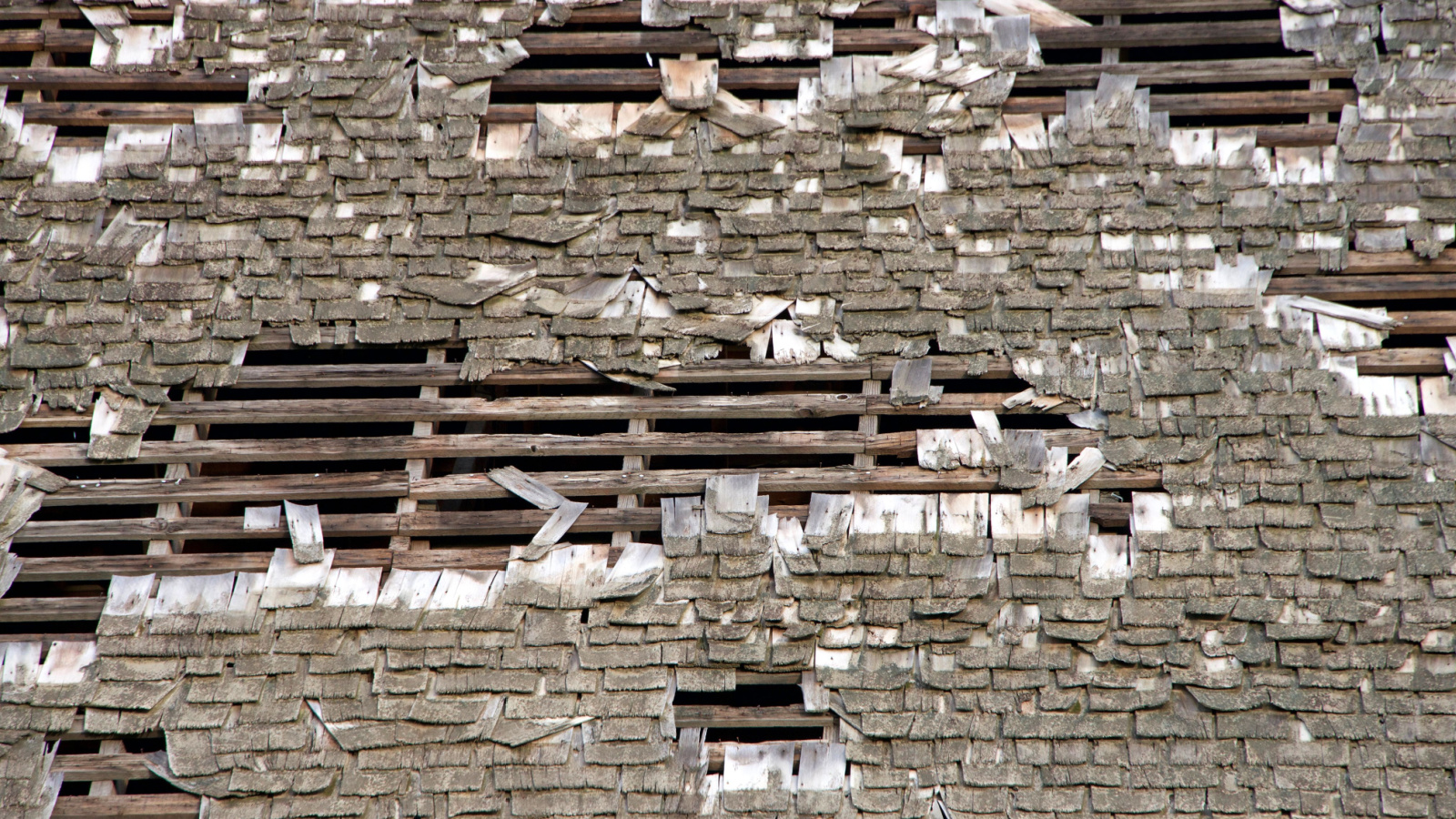
High winds and heavy snow strain roofing materials. Shingles can crack or lift without obvious signs. Small gaps allow moisture to seep underneath. Freeze and thaw cycles widen those openings. By March, leaks become visible indoors. Inspecting the roof from ground level with binoculars helps spot issues. Missing or curled shingles should be addressed quickly. Prompt repairs stop water intrusion. Waiting until spring storms hit often worsens damage. Roof repairs cost far less when handled early. Overlooking winter wear leads to preventable interior problems.
Checking Carbon Monoxide Detectors
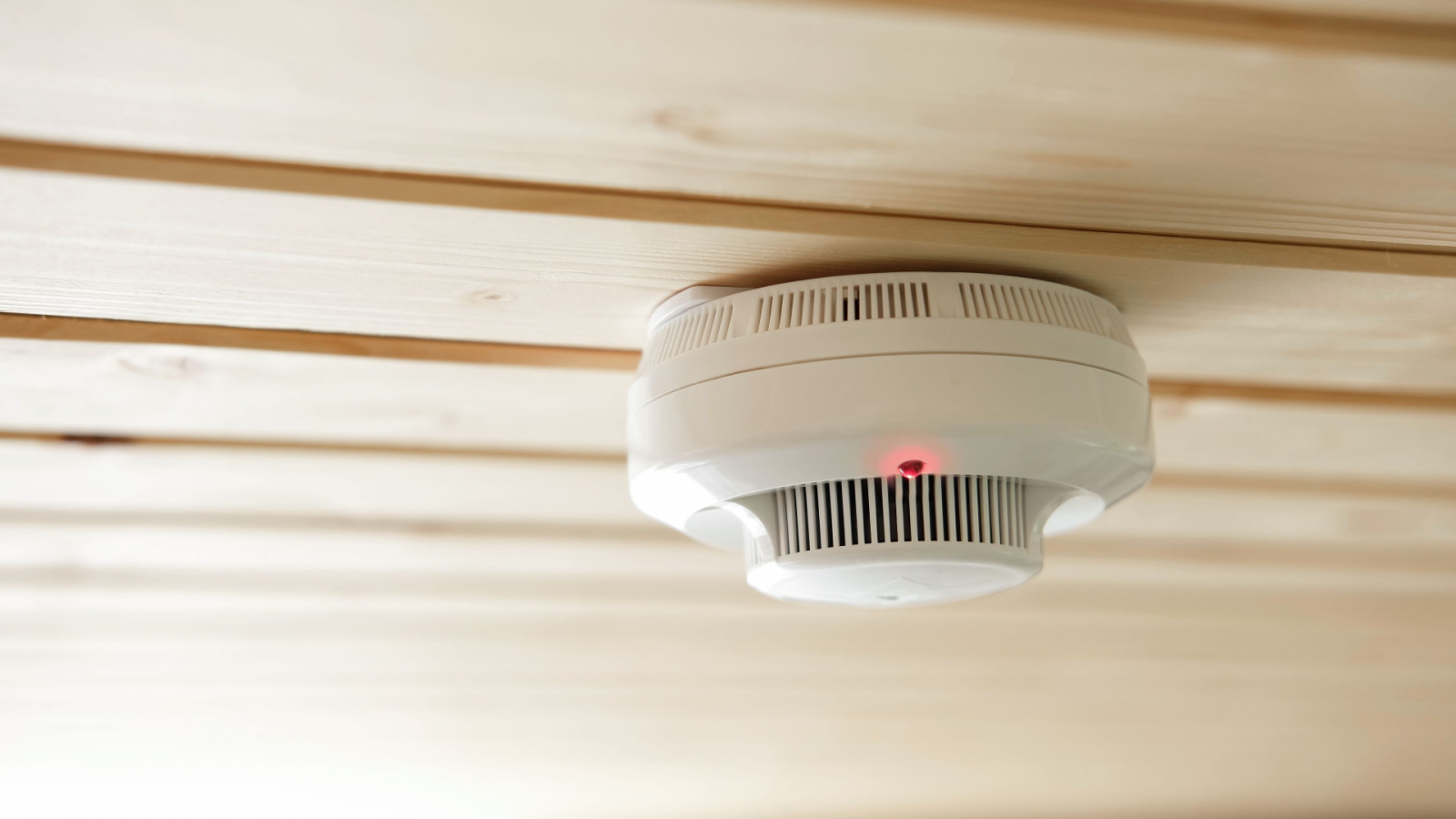
Heating systems and fireplaces increase carbon monoxide risks. Batteries in detectors weaken over time. Many homeowners assume alarms will work when needed. Winter is when these devices matter most. Testing each unit takes only seconds. Replace batteries if alarms sound weak or fail. Detectors should be installed on every level of the home. Faulty units put families at serious risk. March often brings news stories about preventable incidents. Staying proactive protects everyone indoors. This small task may be the most important winter check of all.
22 Groceries to Grab Now—Before another Price Shock Hits Canada

Food prices in Canada have been steadily climbing, and another spike could make your grocery bill feel like a mortgage payment. According to Statistics Canada, food inflation remains about 3.7% higher than last year, with essentials like bread, dairy, and fresh produce leading the surge. Some items are expected to rise even further due to transportation costs, droughts, and import tariffs. Here are 22 groceries to grab now before another price shock hits Canada.
22 Groceries to Grab Now—Before another Price Shock Hits Canada
This Options Discord Chat is The Real Deal
While the internet is scoured with trading chat rooms, many of which even charge upwards of thousands of dollars to join, this smaller options trading discord chatroom is the real deal and actually providing valuable trade setups, education, and community without the noise and spam of the larger more expensive rooms. With a incredibly low-cost monthly fee, Options Trading Club (click here to see their reviews) requires an application to join ensuring that every member is dedicated and serious about taking their trading to the next level. If you are looking for a change in your trading strategies, then click here to apply for a membership.