35,000+ smart investors are already getting financial news, market signals, and macro shifts in the economy that could impact their money next with our FREE weekly newsletter. Get ahead of what the crowd finds out too late. Click Here to Subscribe for FREE.
Winter parking looks simple until the ticket is under your wiper and your car is gone. Snow changes how cities manage streets, lots, and driveways. Plows need space. Emergency crews need access. Neighbors need visibility. Municipal rules also change during storms, often with little advance notice. A legal summer spot can become a tow zone overnight. Many drivers learn that lesson the hard way in February. Here are 17 worst places to park in winter (tickets, towing, and snowplows).
Snow Route Streets During Active Storms
17 Worst Places to Park in Winter (Tickets, Towing, and Snowplows)
- Snow Route Streets During Active Storms
- Residential Streets with Overnight Winter Bans
- Directly Behind Snowbanks
- In Front of Fire Hydrants Covered by Snow
- At the End of a Cul de Sac
- Along Narrow One-Way Streets
- In Private Lots During Snow Clearing
- Under Roof Edges with Heavy Icicles
- In Loading Zones After Hours
- Near Intersections with Snow Buildup
- On Bridges and Overpasses Overnight
- In Front of Driveways Partially Covered by Snow
- In Areas Marked for Snow Storage
- Beside Bike Lanes Hidden by Snow
- On Steep Hills During Icy Conditions
- In Front of School Zones During Snow Days
- In Underground Garages with Poor Drainage
- 22 Groceries to Grab Now—Before another Price Shock Hits Canada
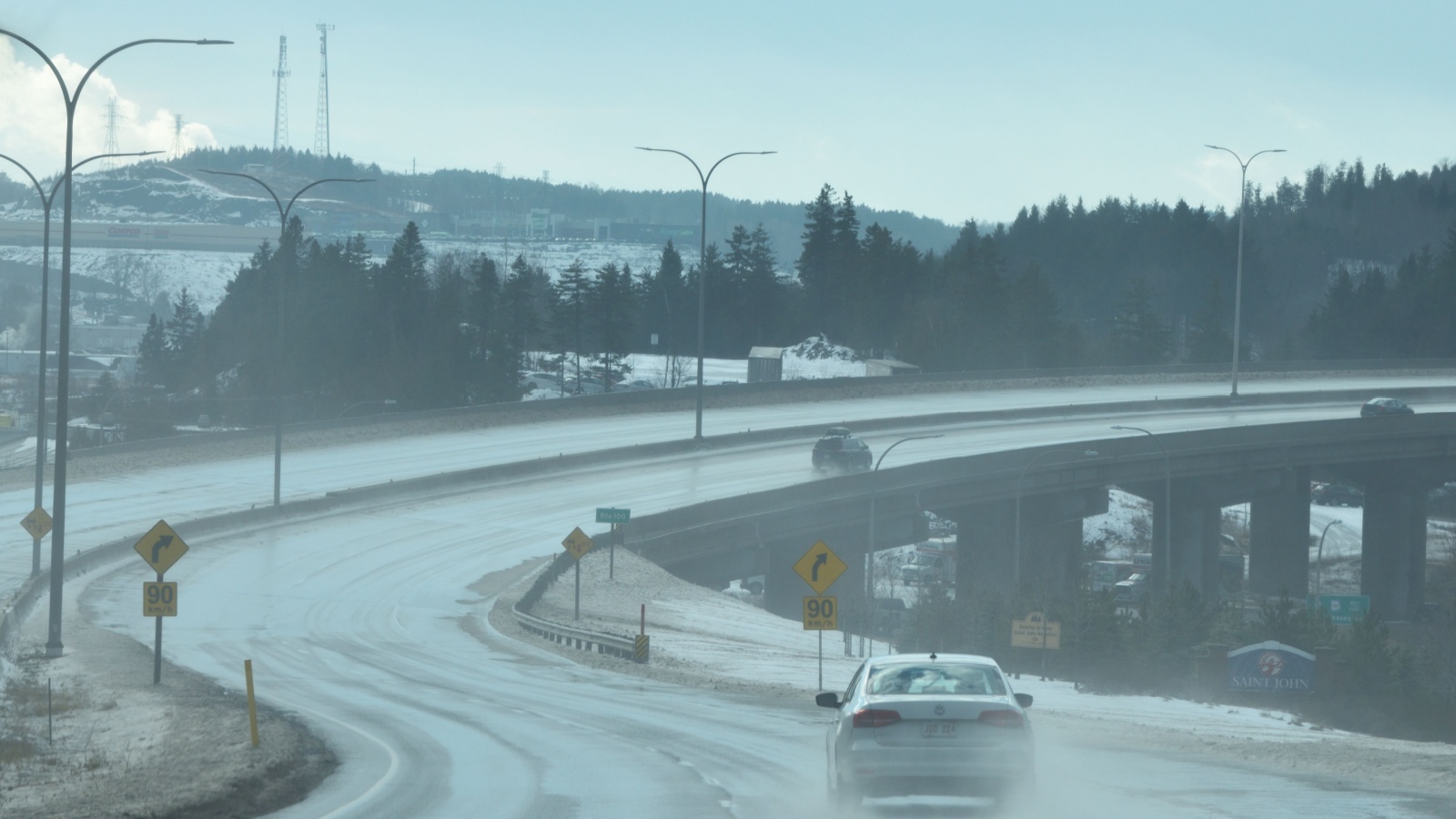
Many Canadian cities declare snow routes during heavy snowfall. These routes must stay clear for plows and salt trucks. Parking there during a declared event often results in immediate tickets. In some areas, towing begins within hours. Signs may remain up year-round, but enforcement increases in winter. Drivers sometimes assume overnight parking is still allowed. That assumption gets expensive fast. Snow route fines can exceed regular parking penalties. Your vehicle may also be buried or damaged by snowplows. Always check local alerts before leaving your car in marked snow corridors overnight.
Residential Streets with Overnight Winter Bans
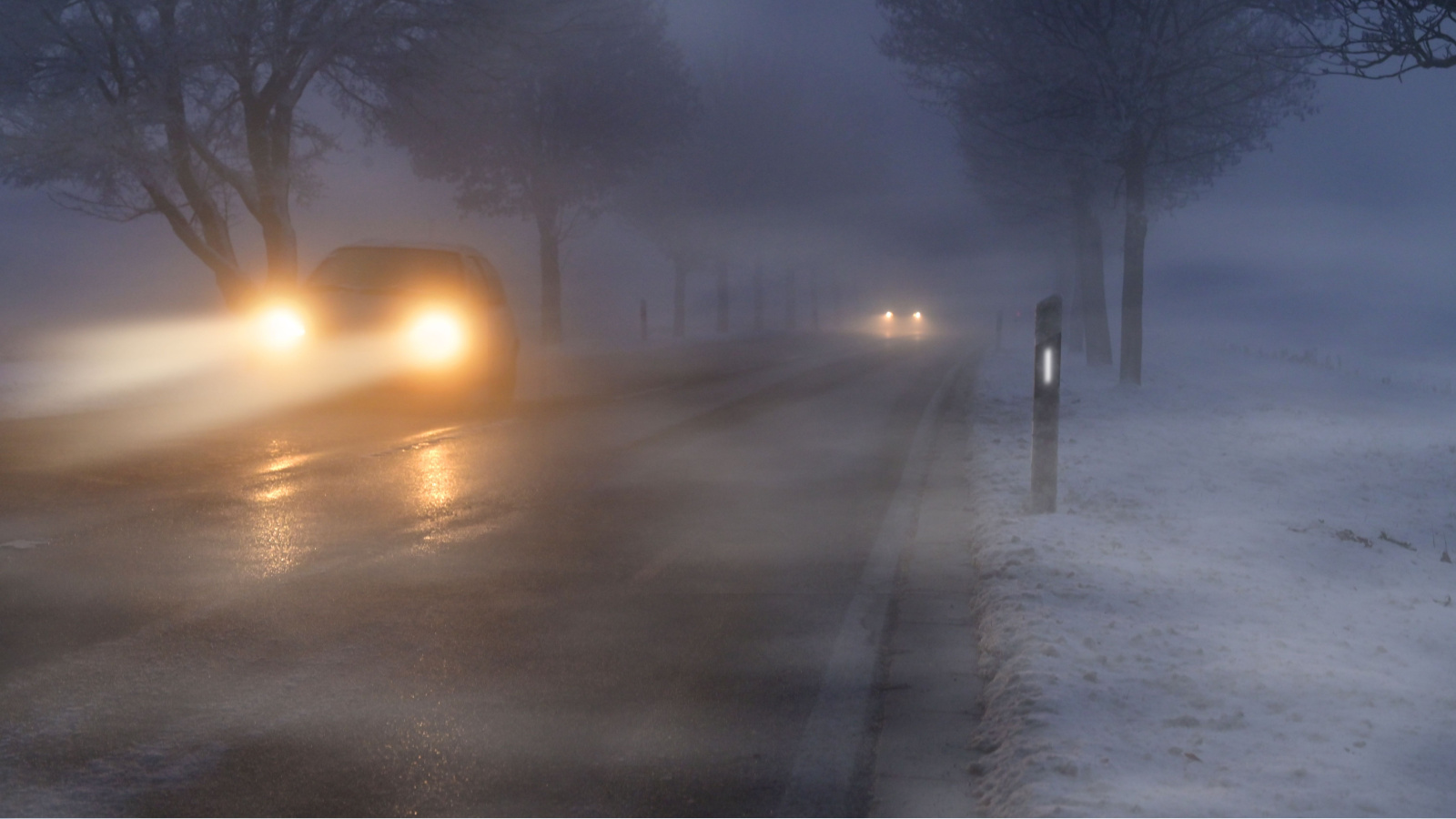
Some municipalities ban overnight street parking after certain dates. These rules apply even without fresh snow. The goal is to allow quick plowing when storms arrive. Drivers who forget seasonal changes often wake up to tickets. Enforcement officers patrol heavily during peak months. Towing is common in dense neighborhoods. Even if the snow seems light, restrictions still apply. A thin layer can trigger full clearing operations. Do not rely on what neighbors are doing. Check your city website before parking curbside overnight between December and March.
Directly Behind Snowbanks
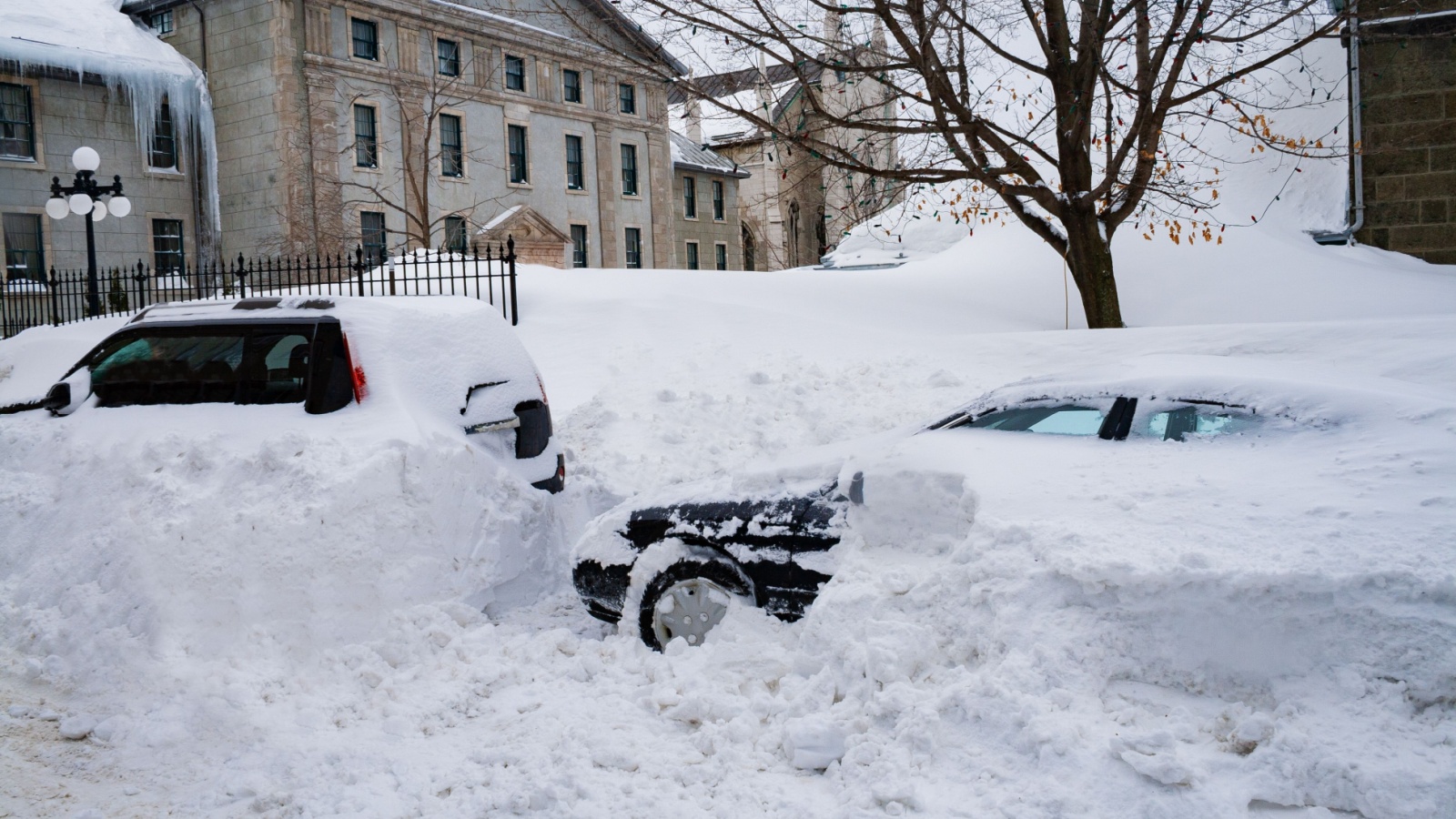
Parking tight against a large snowbank creates access problems. Plows may push more snow against your vehicle. You could wake up boxed in by ice. Digging out takes time and effort. In some cities, blocking snow storage zones is subject to fines. Snowbanks also reduce visibility for drivers and pedestrians. That raises accident risks. Emergency vehicles may struggle to pass. Your car can suffer bumper damage from shifting ice. It may also get sideswiped by passing trucks. Leave space between your vehicle and piled snow whenever possible.
In Front of Fire Hydrants Covered by Snow
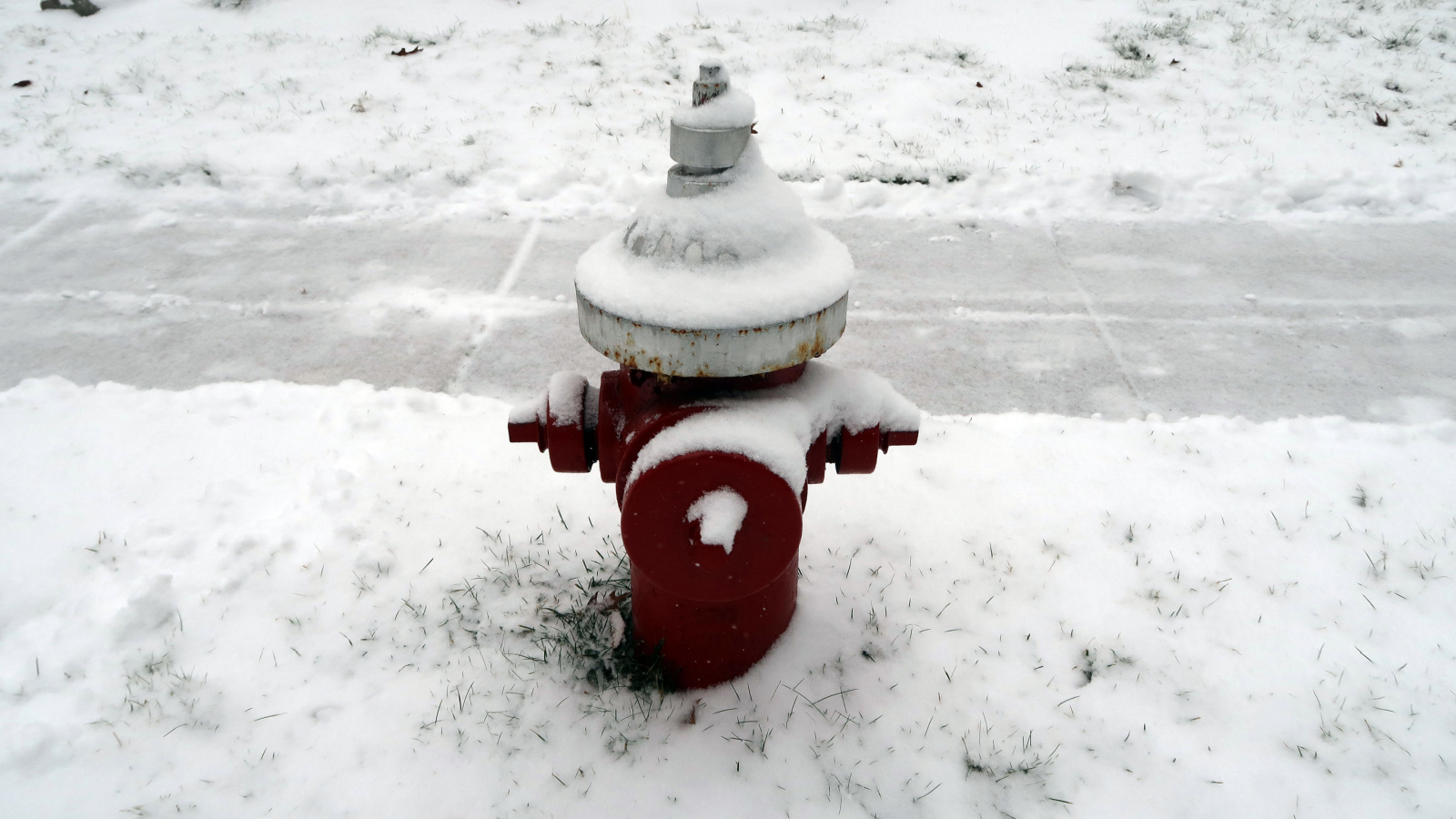
Snow often hides fire hydrants during winter storms. Drivers claim they did not see the hydrant. That argument rarely works. Parking too close to a hydrant leads to steep fines. In emergencies, firefighters may break windows to access hoses. They can run lines through your vehicle if needed. That causes serious damage. Cities require clear space around hydrants year-round. Snow does not change that rule. When visibility is poor, step out and double-check. Avoid any spot where a hydrant could be buried nearby.
At the End of a Cul de Sac
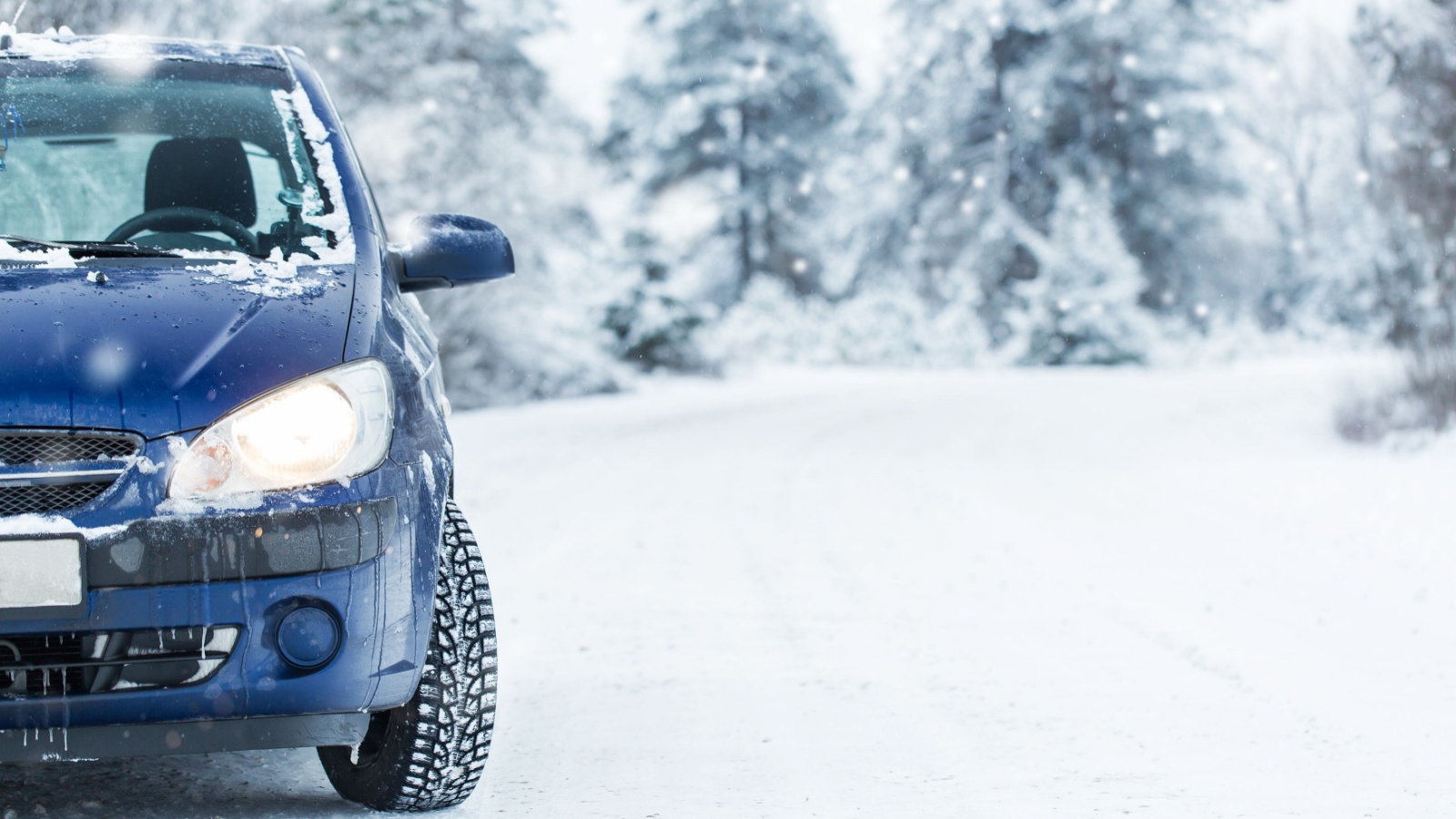
Cul-de-sacs become snow dumping grounds after storms. Plows circle and push snow toward the center. Vehicles parked there block efficient clearing. That often leads to tickets or forced removal. Even if you avoid fines, you may be trapped. Snow piles can surround your car overnight. Turning space shrinks quickly in winter. Other residents may complain if access is limited. Delivery trucks and garbage collectors need room. Parking elsewhere saves time and prevents neighbor disputes during already stressful weather.
Along Narrow One-Way Streets

Winter narrows roadways as snow builds along curbs. A street that fits two cars in summer may barely allow one lane in January. Parking on these roads can obstruct traffic flow. Buses and emergency vehicles struggle to pass. Cities sometimes post temporary no-parking signs. Even without signs, enforcement increases. Your side mirrors may get clipped by passing vehicles. Snow removal crews may skip the street if access is blocked. That leaves you stuck in deeper snow. Choose wider roads when possible during peak winter months.
In Private Lots During Snow Clearing

Private parking lots often schedule overnight plowing. Signs usually warn that vehicles will be towed. Drivers assume rules are flexible after business hours. That is risky. Property owners hire contractors who clear entire lots quickly. Cars left behind are relocated at the owner’s expense. Towing and storage fees add up fast. You may also face parking fines from the property manager. Snow clearing windows can shift based on the weather. Always read posted notices before leaving your vehicle in a commercial lot overnight.
Under Roof Edges with Heavy Icicles
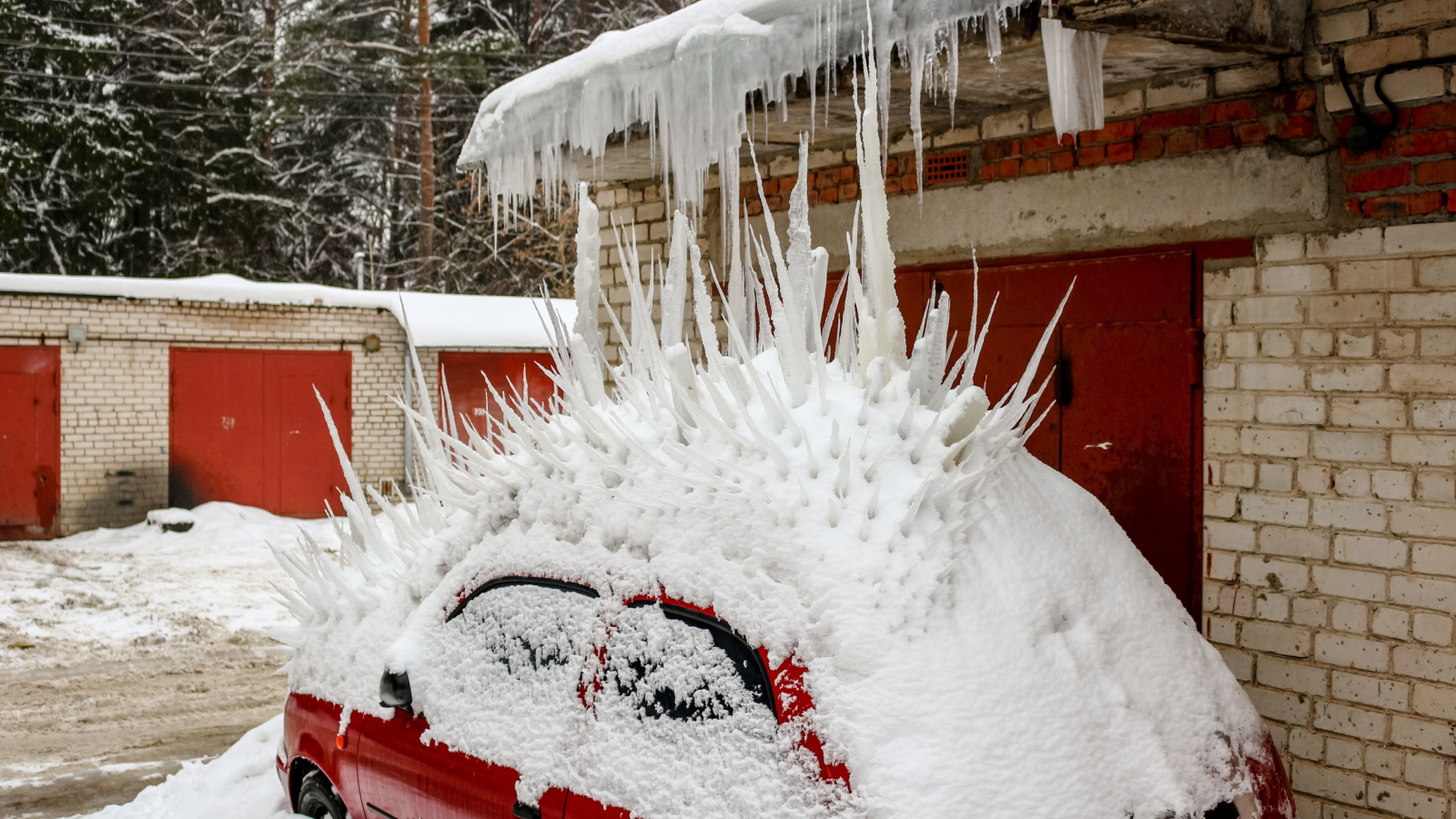
Parking under rooflines seems smart during snowfall. It can backfire when temperatures rise. Icicles and packed snow can fall without warning. That debris damages windshields and dents hoods. Building owners are not always liable. You may be stuck with repair costs. Melting cycles make this worse in late winter. Water can refreeze around your tires. That traps your vehicle in place. Choose open spaces away from overhangs. Look up before shutting off your engine.
In Loading Zones After Hours
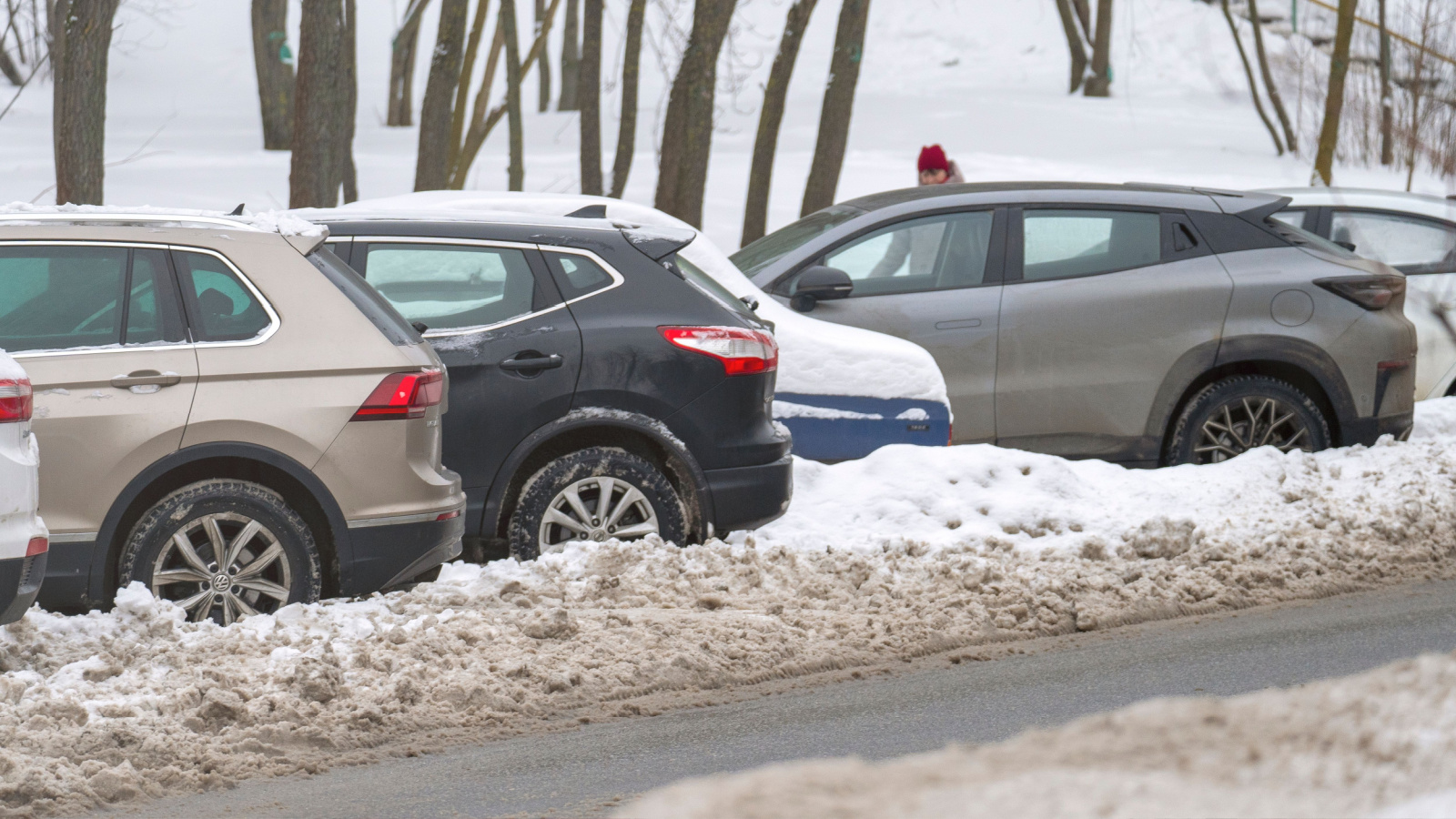
Loading zones may appear empty overnight. Winter enforcement remains active. These zones must stay clear for deliveries and services. Snow reduces available curb space, increasing monitoring. Parking there risks tickets and towing. Ice can also make signage harder to see. That does not excuse violations. Delivery trucks may push snow against your car while unloading. That leaves you digging out in freezing temperatures. Respect marked loading areas even when streets look quiet.
Near Intersections with Snow Buildup
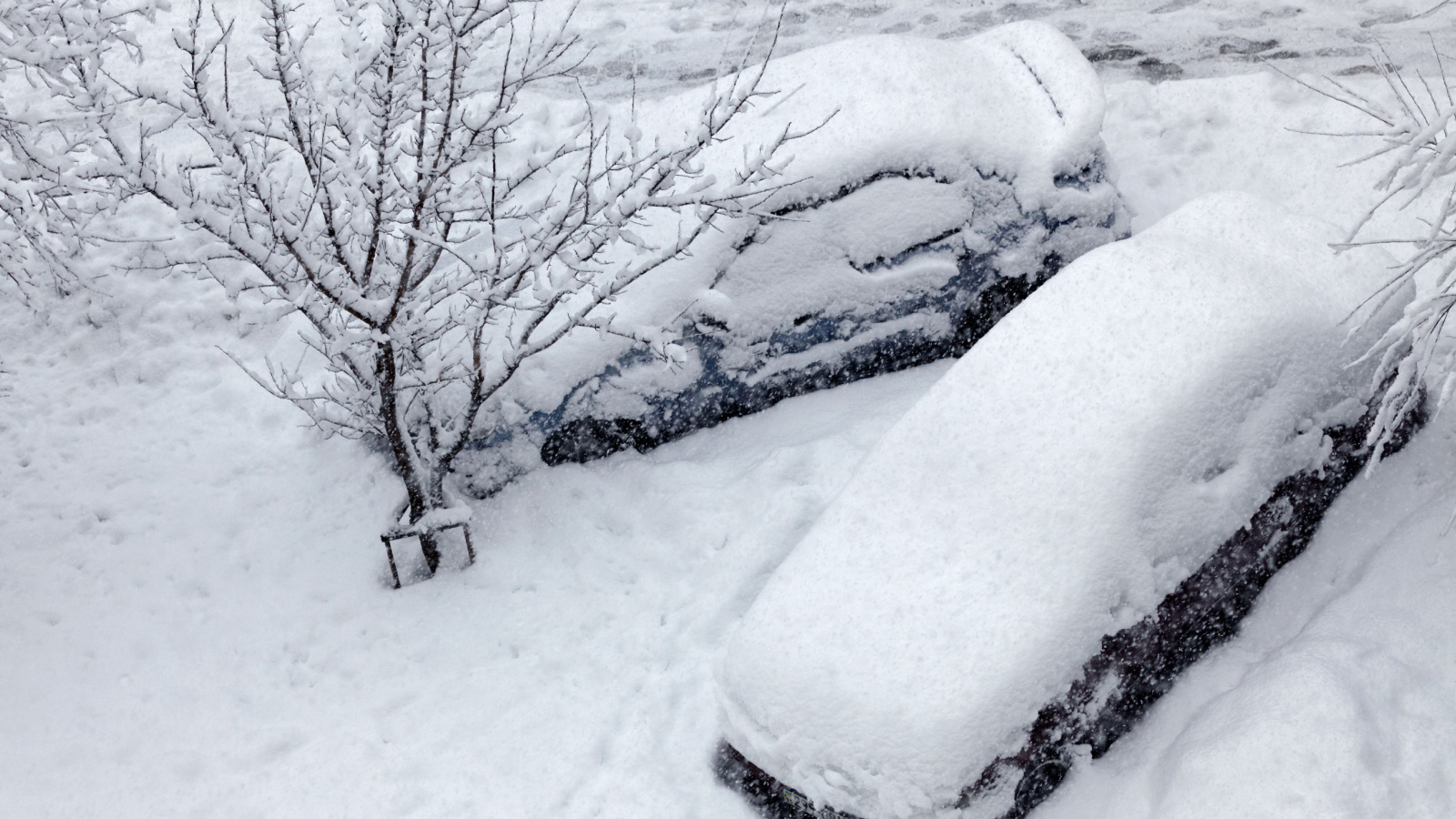
Snow piles near intersections limit sightlines. Parking close to corners makes this worse. Drivers turning may not see pedestrians or oncoming cars. Cities often extend no parking zones in winter. Tickets increase near busy crossings. Your vehicle could also get hit by sliding cars. Braking distances grow on icy roads. Even a minor skid can cause damage. Leave extra space from corners during snowy months. Visibility matters more when conditions are poor.
On Bridges and Overpasses Overnight
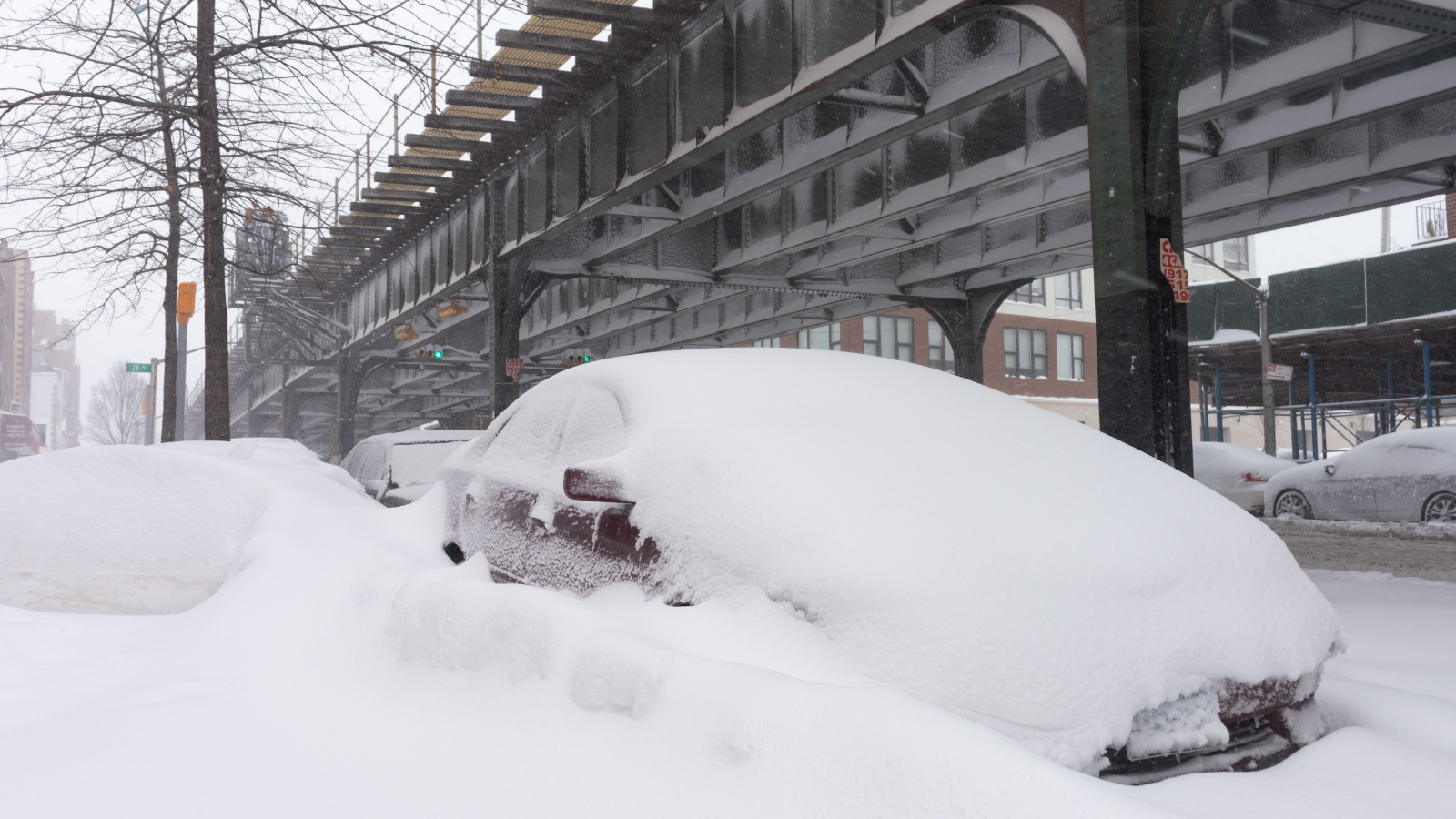
Bridges freeze faster than regular roads. Parking there exposes your vehicle to harsher conditions. Ice buildup can trap tires in place. Wind gusts are stronger at elevation. Snow removal crews prioritize keeping lanes clear. Parked cars interfere with that work. Some cities prohibit stopping on bridges entirely. Fines can be high. Mechanical issues also increase in extreme cold. Batteries and fluids suffer in exposed areas. Choose sheltered ground-level parking instead.
In Front of Driveways Partially Covered by Snow
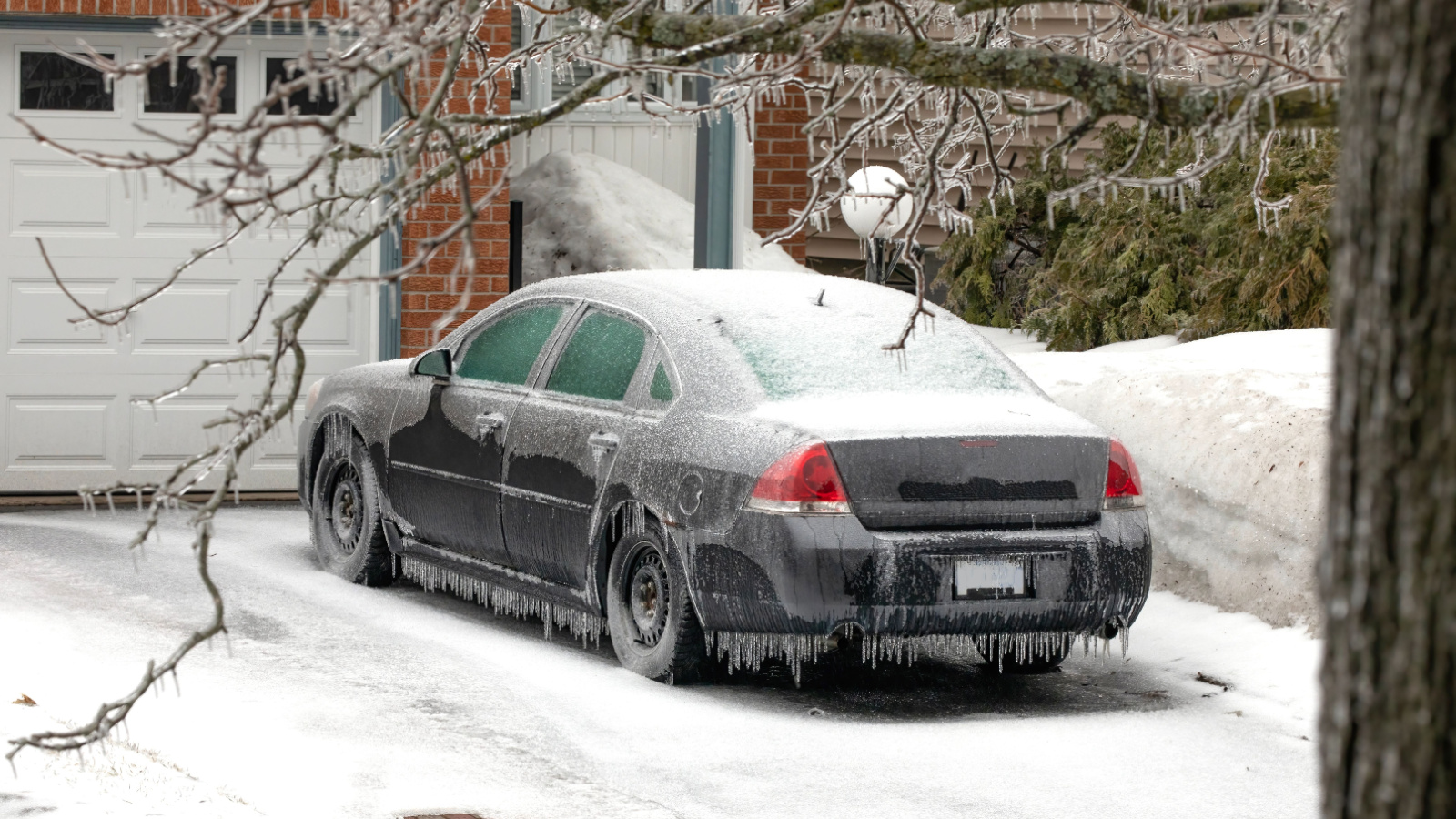
Snow can hide driveway entrances. What looks like a solid curb may block someone’s access. Homeowners often call enforcement quickly. You may receive a ticket or get towed. Even partial obstruction can trigger action. During storms, residents need quick exits. Blocking that path creates tension. Snowbanks make it harder to judge boundaries. Step out and check carefully before parking along residential streets. Respect driveways even if edges are unclear.
In Areas Marked for Snow Storage
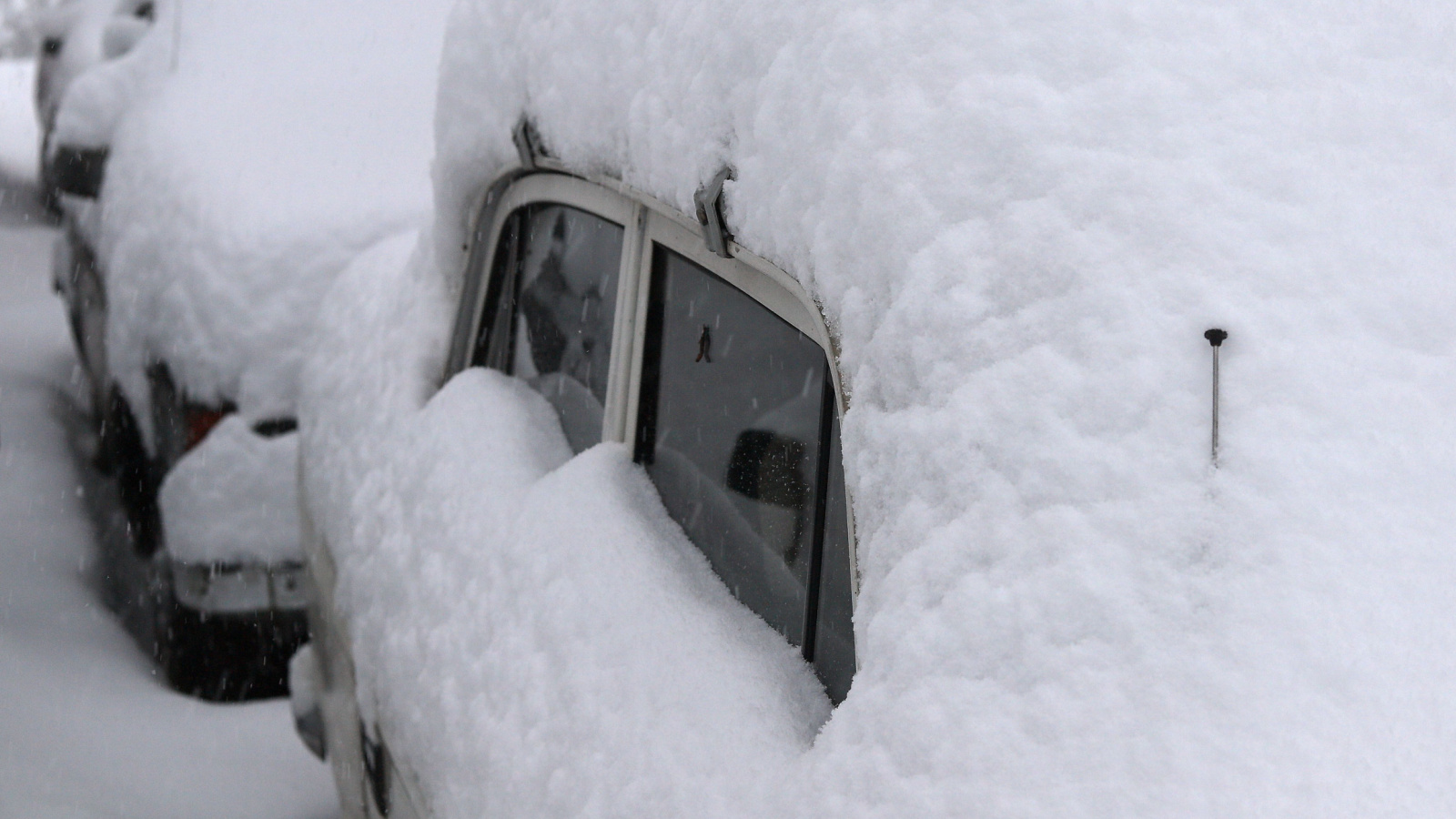
Some streets have designated snow storage zones. These areas hold plowed snow temporarily. Parking there disrupts clearing plans. Signs may be seasonal or portable. Drivers sometimes miss them in blowing snow. Enforcement officers rarely overlook these spots. Your car could be moved without notice. Snow may also be piled against it intentionally. That makes departure difficult. Watch for temporary signs during major storms. Avoid any area clearly meant for snow dumping.
Beside Bike Lanes Hidden by Snow
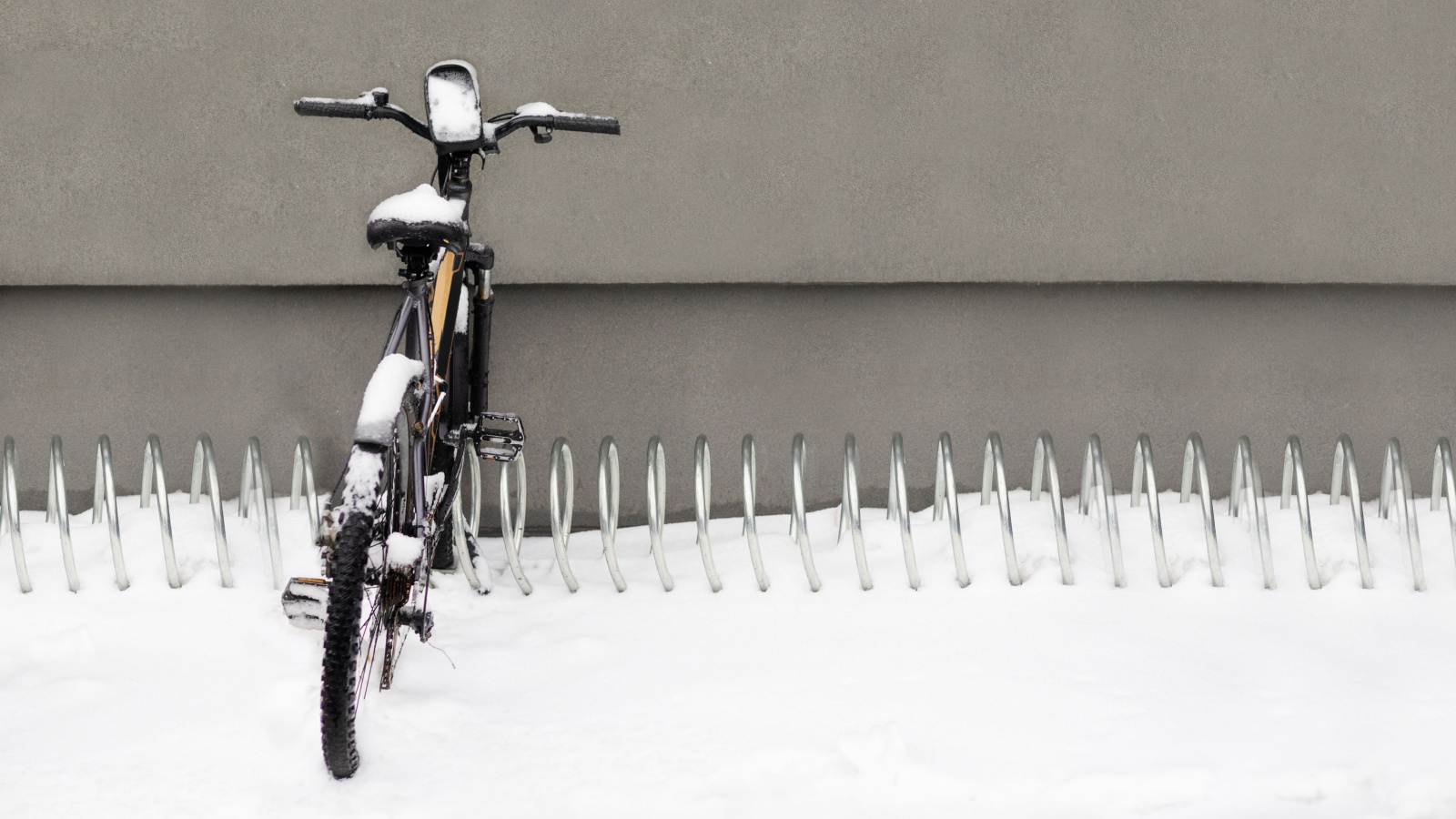
Bike lanes do not disappear in winter. Snow may cover painted lines, but rules still apply. Parking in these lanes can bring fines. It also creates hazards for winter cyclists. Plows sometimes clear bike lanes separately. Your vehicle blocks that equipment. Snow pushed aside may trap your tires. Confusion over lane boundaries does not prevent penalties. Look for signage and curb markings before parking. Assume designated lanes remain active year-round.
On Steep Hills During Icy Conditions
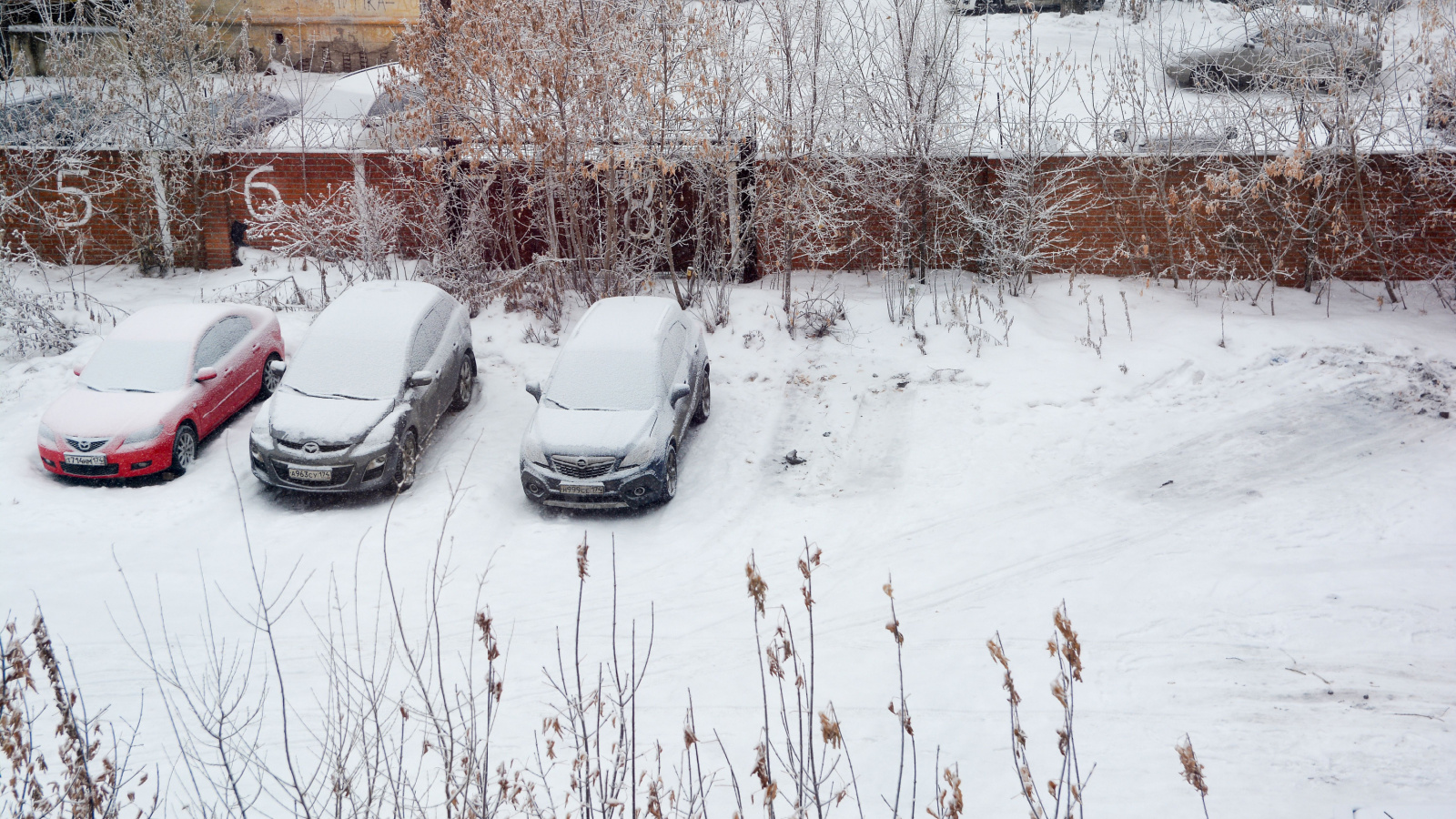
Parking on hills becomes risky during freeze-thaw cycles. Vehicles can slide even when parked. Ice under tires reduces traction. A minor shift can cause collisions. Municipalities may restrict parking on steep grades in storms. Snow-clearing equipment needs full access. Your car could obstruct sanding trucks. That delays road treatment. Damage from sliding vehicles often falls on the owners. Choose flatter areas whenever possible during icy periods.
In Front of School Zones During Snow Days
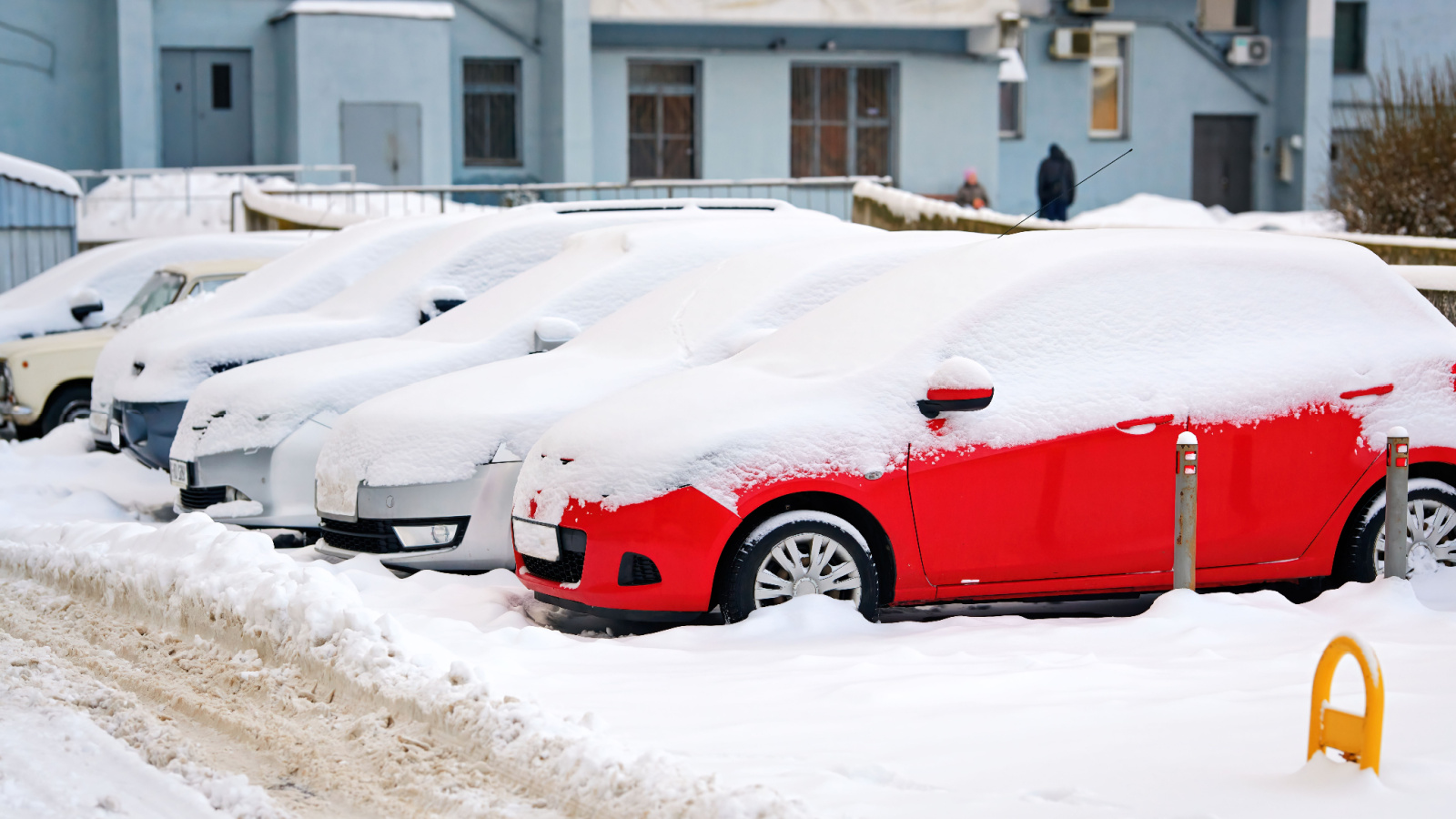
School zones may still enforce parking limits during closures. Snow days do not cancel all restrictions. Plows need access to clear sidewalks and bus lanes. Parking there risks fines. Snow piles shrink and drop off space later in the week. That creates congestion when classes resume. Your vehicle could be boxed in by clearing equipment. Read posted times carefully. Do not assume empty lots mean open parking.
In Underground Garages with Poor Drainage
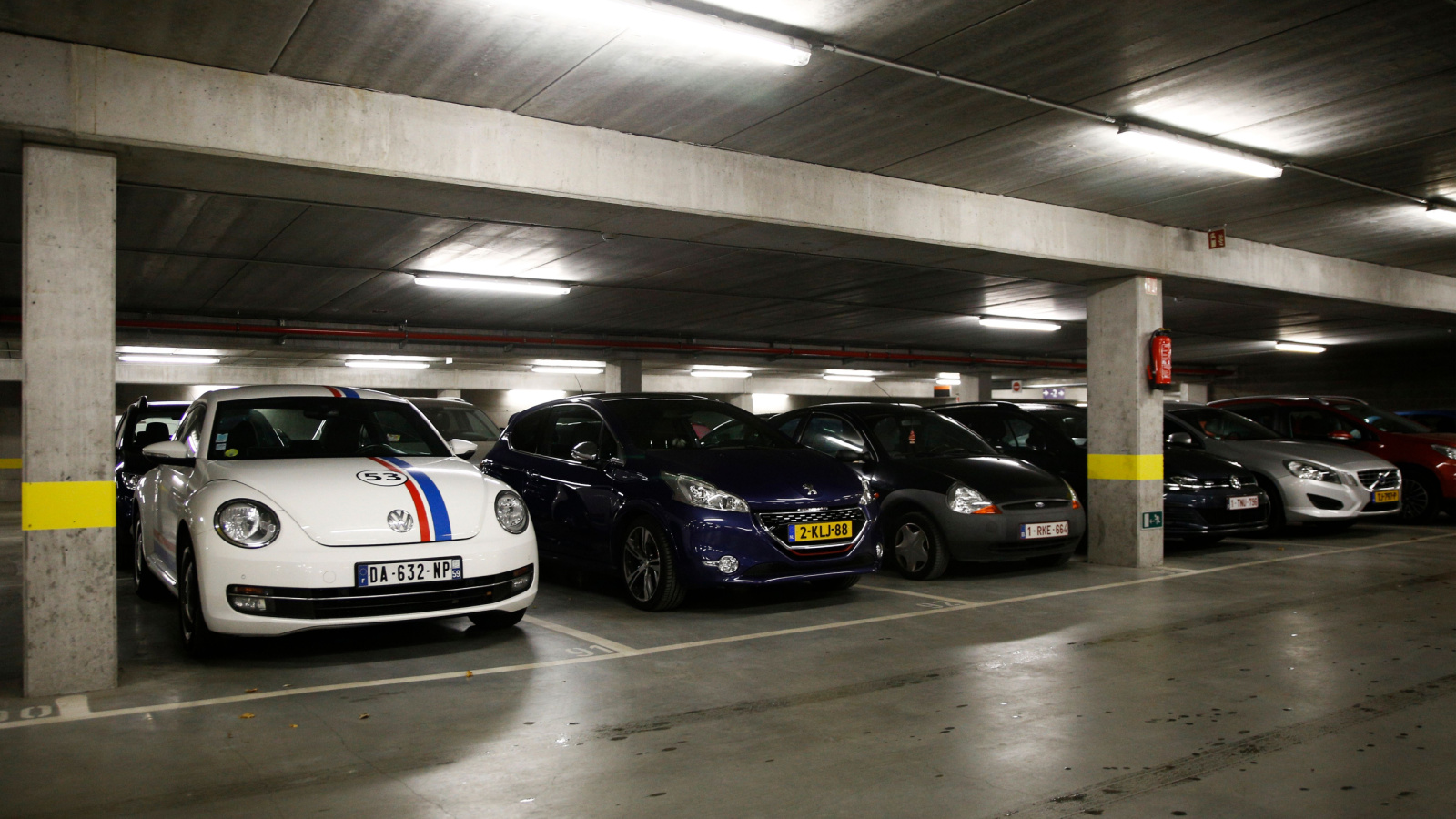
Underground parking seems safe from snow. Poor drainage can create icy floors. Melted snow drips from vehicles and refreezes. Slippery surfaces increase accident risks. Flooding can also damage parked cars. Some garages close sections during heavy storms. Vehicles left in restricted areas may be ticketed. Salt buildup accelerates rust in enclosed spaces. Check the posted winter rules before using unfamiliar garages. Not all indoor parking is problem-free.
22 Groceries to Grab Now—Before another Price Shock Hits Canada

Food prices in Canada have been steadily climbing, and another spike could make your grocery bill feel like a mortgage payment. According to Statistics Canada, food inflation remains about 3.7% higher than last year, with essentials like bread, dairy, and fresh produce leading the surge. Some items are expected to rise even further due to transportation costs, droughts, and import tariffs. Here are 22 groceries to grab now before another price shock hits Canada.
22 Groceries to Grab Now—Before another Price Shock Hits Canada
This Options Discord Chat is The Real Deal
While the internet is scoured with trading chat rooms, many of which even charge upwards of thousands of dollars to join, this smaller options trading discord chatroom is the real deal and actually providing valuable trade setups, education, and community without the noise and spam of the larger more expensive rooms. With a incredibly low-cost monthly fee, Options Trading Club (click here to see their reviews) requires an application to join ensuring that every member is dedicated and serious about taking their trading to the next level. If you are looking for a change in your trading strategies, then click here to apply for a membership.