
35,000+ smart investors are already getting financial news, market signals, and macro shifts in the economy that could impact their money next with our FREE weekly newsletter. Get ahead of what the crowd finds out too late. Click Here to Subscribe for FREE.
March in Canada feels calm on the surface. Snow starts melting. Patios reopen. Travel ads return. Behind that soft reset, prices often climb. Groceries shift with new supply costs. Insurance renewals land. Vacation bookings fill fast. Utility bills change with the seasons. Small delays now can cost more by May. A few quiet financial tweaks in March can soften the hit. None require extreme budgeting or dramatic lifestyle changes. Just timing, awareness, and a little follow-through. Here are 23 March money moves Canadians should make before spring gets expensive.
Review Your Variable Expenses Before Patio Season Starts
23 March Money Moves Canadians Should Make Before Spring Gets Expensive
- Review Your Variable Expenses Before Patio Season Starts
- Check Your Grocery Budget Before Fresh Produce Prices Shift
- Max Out Your TFSA If You Have Room
- Contribute to Your RRSP Before the Deadline
- File Your Taxes Early Instead of Waiting
- Review Your Home Insurance Policy Before Renewal
- Shop Around for Car Insurance
- Lock in Spring Travel Early
- Reassess Your Emergency Fund
- Negotiate Your Internet and Phone Plans
- Audit Your Subscriptions
- Prepare for Higher Utility Bills
- Set a Spring Maintenance Budget
- Review Your Credit Report
- Adjust Your Tax Withholding if Needed
- Plan for Upcoming School or Childcare Costs
- Revisit Your Investment Allocation
- Compare Gas and Transportation Costs
- Refinance or Review Debt Rates
- Increase Automatic Savings Transfers
- Review Your Retirement Timeline
- Evaluate Side Income Opportunities
- Create a Simple Spending Plan for April and May
- 22 Groceries to Grab Now—Before another Price Shock Hits Canada

March is the last quiet month before spending naturally rises. Look at dining, entertainment, and travel habits. Winter often keeps costs lower because people stay home. Spring invites more outings and quick trips. Review your last three bank statements carefully. Identify categories that tend to spike after April. Set a realistic cap before habits expand again. Small boundaries work better than strict bans. Adjust automatic transfers to savings if needed. Anticipate social events and plan for them now. A modest adjustment in March prevents guilt spending later when everything feels spontaneous and fun.
Check Your Grocery Budget Before Fresh Produce Prices Shift

Food costs change as winter supply chains wind down. Imported produce can rise before local crops arrive. Compare February grocery totals with January spending. Notice trends in meat, dairy, and packaged goods. Look for items quietly increasing in price. Consider stocking shelf-stable staples you use weekly. Rice, pasta, canned beans, and frozen vegetables keep well. Avoid panic buying, but plan smartly. Explore store loyalty programs and digital coupons. Small savings per trip add up quickly. March planning reduces surprise totals in April when seasonal pricing and holiday demand push bills higher.
Max Out Your TFSA If You Have Room

March is a practical month to revisit your Tax Free Savings Account. Contribution room resets every January. Many people forget to use it early. Check your available limit through your CRA account. If you received a bonus or tax refund, consider allocating part of it. Even modest deposits compound over time. Keep the funds invested, not idle in cash. Choose diversified, low-fee options suited to your goals. Avoid emotional investing decisions. Use this quiet period before spring distractions grow. Acting now gives your money more time to work this year.
Contribute to Your RRSP Before the Deadline

The RRSP deadline usually falls in early March. Confirm the exact date for the current tax year. Contributions may reduce taxable income and increase refunds. Review last year’s income and marginal tax rate. Decide if a contribution still makes sense for you. Do not rush blindly on deadline day. Ensure the deposit aligns with your long-term plan. Keep receipts and confirmation records. If you expect a higher income next year, consider carrying forward unused deductions. March action keeps your retirement savings steady before spring spending competes for attention and cash flow.
File Your Taxes Early Instead of Waiting
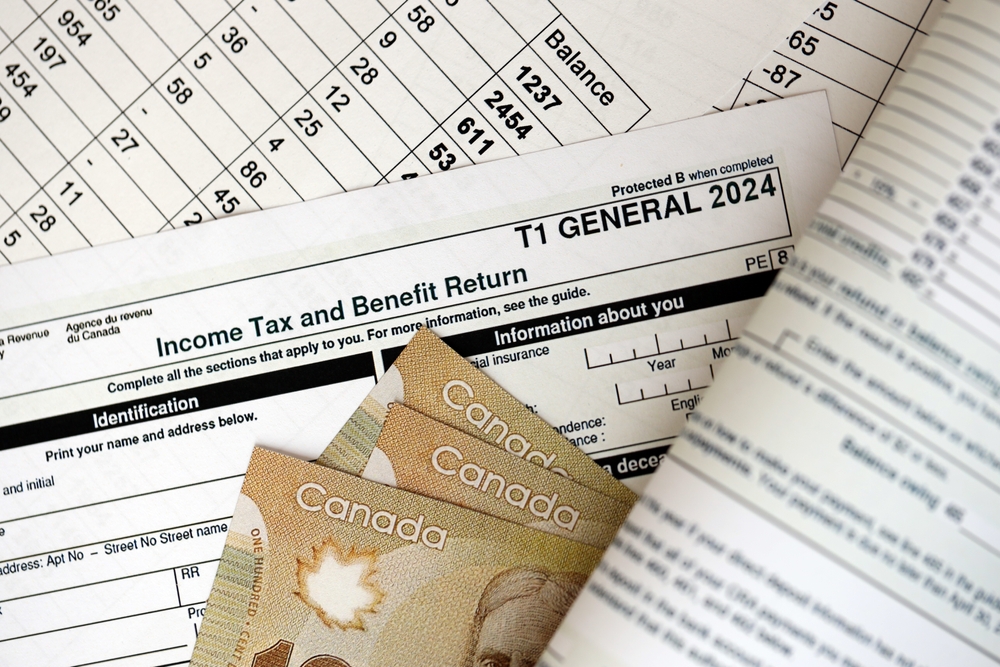
Many Canadians delay filing until April. Filing in March can bring faster refunds. That money can offset rising seasonal expenses. Gather T4 slips, receipts, and contribution statements now. Use certified software or consult a professional if needed. Double-check benefit eligibility while filing. Credits such as GST or climate incentives matter. Early filing reduces stress and last-minute errors. If you owe taxes, filing early still helps. It gives you more time to plan payment. Waiting rarely offers advantages. March organization sets a calmer tone before the busier financial months ahead.
Review Your Home Insurance Policy Before Renewal

Insurance renewals often land in the spring. Review your current policy before automatic renewal. Compare premiums with at least two other providers. Ask about loyalty discounts or bundling options. Confirm your coverage limits still reflect your home’s value. Rising construction costs affect replacement estimates. Remove unnecessary add-ons if your needs changed. Document any renovations completed last year. Small adjustments may lower premiums. March is quieter for policy reviews. Acting early prevents rushed decisions when renewal notices arrive and rates climb without warning.
Shop Around for Car Insurance

Auto insurance rates shift annually. March is a practical time to request quotes. Compare coverage, deductibles, and optional benefits. Do not focus only on price. Confirm accident forgiveness or roadside assistance details. Ask about telematics discounts if you drive carefully. Provide accurate mileage estimates. Lower winter driving can affect rates. Check if bundling with home insurance reduces costs. Even small monthly savings matter over a year. Switching takes time, so start before the busy spring driving season. A few phone calls in March can reduce expenses before fuel and travel spending increase.
Lock in Spring Travel Early

Flight and hotel prices rise as demand increases. March still offers reasonable booking windows. Compare fares across multiple platforms. Set price alerts for destinations you are considering. Avoid peak holiday weekends if possible. Review cancellation policies carefully. Flexible bookings reduce stress later. Use reward points strategically. Do not drain emergency savings for a trip. Plan with clarity rather than urgency. Travel costs often jump closer to May and June. Booking in March keeps options open while prices remain manageable.
Reassess Your Emergency Fund

Winter expenses may have dipped into savings. Check your current emergency fund balance. Aim for three to six months of core expenses. Calculate housing, utilities, groceries, and insurance only. Exclude optional spending. If your fund fell below target, rebuild gradually. Redirect part of any tax refund toward it. Keep funds accessible in a high-interest savings account. Avoid investing emergency cash in volatile assets. March offers breathing room before summer spending ramps up. Strengthening this buffer now protects you from unexpected costs later.
Negotiate Your Internet and Phone Plans

Telecom promotions often appear before new fiscal quarters. Call your provider and ask about current offers. Mention competitor pricing if relevant. Review your data usage honestly. Many people overpay for unused limits. Consider smaller plans if your habits changed. Ask about loyalty discounts or bundled services. Do not accept the first offer automatically. Small monthly reductions compound yearly. March is a good time to review recurring subscriptions. Reducing fixed expenses creates flexibility before spring travel and social spending expand.
Audit Your Subscriptions
Streaming, fitness apps, news sites, and digital tools accumulate quietly. List every recurring subscription on your bank statement. Identify services you rarely use. Cancel at least one unnecessary charge. Review annual plans before renewal dates. Some companies offer retention discounts when you attempt cancellation. Keep only services that add clear value. Avoid overlapping streaming platforms. Small savings create space for seasonal spending later. March reflection prevents financial clutter. Removing unused subscriptions feels minor, but it improves monthly cash flow steadily.
Prepare for Higher Utility Bills

Spring weather in Canada is unpredictable. One week feels mild, and the next drops below freezing again. That fluctuation can increase heating and electricity use. Review your last three utility bills carefully. Identify patterns in gas, water, and hydro charges. Contact your provider about equal billing plans if your winter totals were high. Clean furnace filters and check vents for efficiency. Schedule air conditioning servicing before peak demand hits. Preventive action costs less than emergency repairs. Small efficiency changes in March stabilize spending before seasonal temperature swings start affecting monthly bills.
Set a Spring Maintenance Budget

Winter leaves behind quiet damage. Salt, ice, and freezing temperatures stress homes and vehicles. Inspect your roof, driveway, windows, and foundation for cracks. Schedule tire changes and brake inspections early. Prices rise when everyone books in April. Research average service costs in your area now. Create a simple maintenance fund and set aside a fixed amount. Avoid using credit for predictable upkeep. Preventive care reduces the chance of larger repairs later. March is ideal for planning because demand remains manageable and contractors have more availability before their calendars fill quickly.
Review Your Credit Report
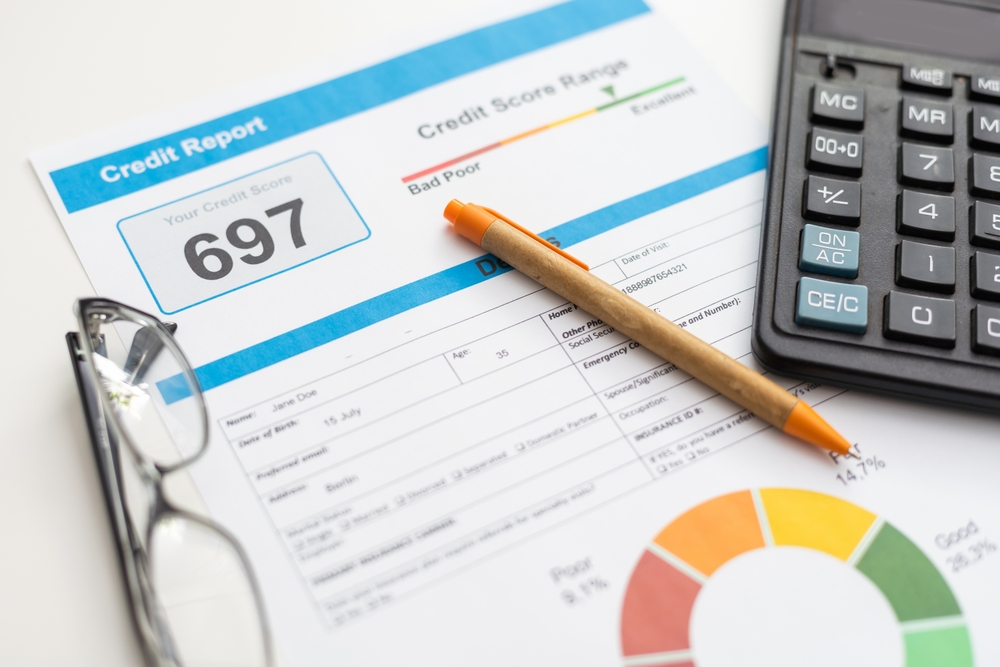
A credit check rarely feels urgent, but timing matters. Spring is a common season for mortgages and car loans. Reviewing your credit in March gives time to correct errors. Access your free report through official Canadian bureaus. Confirm your address, open accounts, and payment history are accurate. Look for unfamiliar inquiries or balances. Dispute mistakes promptly using documented evidence. A higher credit score lowers borrowing costs significantly. Small improvements can affect approval terms. Monitoring early protects you from surprises when lenders start processing increased applications during the busy spring buying season.
Adjust Your Tax Withholding if Needed

If you owed money during tax season, review your payroll deductions. Withholding creates stress every spring. Over-withholding reduces usable income all year. Use government calculators to estimate accurate deductions. Submit updated forms through your employer if necessary. Even minor adjustments smooth out cash flow. March timing spreads corrections across many months. That prevents another large payment next year. If your income changed recently, adjustments become even more important. Waiting until December limits impact. Acting now creates a steady balance instead of repeating the same tax cycle frustration every spring.
Plan for Upcoming School or Childcare Costs

Families often face seasonal deposits and registration fees. Summer camps, extracurricular programs, and childcare renewals appear quickly. Research deadlines and payment schedules in March. Compare program costs across different providers. Early registration sometimes offers discounts. Break total costs into smaller monthly savings targets. Avoid putting large deposits on credit cards unnecessarily. Review available tax credits for childcare expenses. Planning early spreads financial pressure over time. Waiting until May compresses payments into shorter windows. March budgeting creates room for family activities without disrupting regular household expenses or dipping into emergency savings.
Revisit Your Investment Allocation

Market movement may have shifted your portfolio balance. Stocks, bonds, and cash allocations drift over time. Review your target percentages calmly in March. Compare current weights to your original plan. Rebalance if deviations are significant. Avoid reacting to short-term news headlines. Maintain a disciplined approach tied to long-term goals. Consider transaction fees before making changes. If unsure, consult a licensed advisor. Spring volatility can increase as economic data updates roll out. Reviewing in March gives you space to adjust thoughtfully before larger seasonal fluctuations influence emotional investment decisions.
Compare Gas and Transportation Costs

Fuel prices often rise before long weekends and warmer travel months. Track average gas prices in your region during March. Consider adjusting driving habits before daily trips increases. Combine errands into single outings. Explore transit passes if commuting patterns change. Check tire pressure to improve fuel efficiency. Evaluate whether carpooling fits your schedule. Small weekly savings accumulate steadily. Rising transportation costs often go unnoticed until budgets feel tight. Awareness in March prevents gradual overspending. Preparation matters more than drastic changes. Early planning reduces the effect of seasonal price increases.
Refinance or Review Debt Rates

Interest rates shift with economic conditions. Review your credit card, line of credit, and mortgage rates carefully. Compare them with current offers from reputable institutions. Even a small rate reduction lowers long-term costs. Calculate potential savings before switching lenders. Factor in penalties or administrative fees. Consolidating high-interest balances may simplify payments. Avoid extending repayment terms without understanding the total interest impact. March offers time for research before larger purchases tempt spending. Acting early gives lenders time to process applications before spring demand slows approval timelines.
Increase Automatic Savings Transfers

Spring often shifts focus toward social spending and travel. Increase automatic savings slightly in March before habits change. Even a small weekly bump strengthens discipline. Automation removes emotional decision-making. Review cash flow first to avoid strain. Adjust transfers if income fluctuates seasonally. Direct increases toward emergency funds or investment accounts. Small incremental changes are easier to maintain long-term. Waiting until summer reduces flexibility. March adjustments create momentum while expenses remain relatively stable. The habit builds quietly and supports larger goals without requiring dramatic lifestyle changes or restrictive budgeting rules.
Review Your Retirement Timeline

Life circumstances evolve quietly over time. Income, expenses, and priorities shift gradually. Review your projected retirement savings in March. Update assumptions about contributions and expected returns. Compare results with your target retirement age. If gaps appear, increase contributions slightly. Small early adjustments reduce the need for drastic changes later. Confirm beneficiary information remains current. Consider whether employer matching contributions are fully utilized. Waiting too long limits flexibility. March provides mental space before busier financial decisions arise. Regular reviews prevent long-term surprises and keep goals aligned with present realities.
Evaluate Side Income Opportunities

Seasonal demand creates temporary earning potential. Spring events, tutoring, freelance work, and consulting often increase. Assess your available time realistically before committing. Choose projects that align with existing skills. Avoid overextending yourself financially or mentally. Direct additional income toward debt repayment or savings goals. Keep records for tax reporting purposes. Starting in March positions you before the competition rises. Extra income can offset travel, fuel, or childcare costs. Planning avoids reactive decisions. Even modest supplemental earnings reduce pressure when seasonal expenses climb unexpectedly.
Create a Simple Spending Plan for April and May
Look ahead at known commitments and events. Include holidays, weddings, travel, and family gatherings. Estimate realistic costs for each category. Write them down clearly. Compare totals against current monthly income. Adjust discretionary spending where necessary. Allocate funds intentionally rather than reacting later. A simple written plan creates awareness without complexity. March is the final calm month before schedules fill quickly. Preparation reduces impulse purchases. Having numbers in front of you improves decision-making. Clear expectations prevent regret and keep financial goals intact during the more expensive spring months.
22 Groceries to Grab Now—Before another Price Shock Hits Canada

Food prices in Canada have been steadily climbing, and another spike could make your grocery bill feel like a mortgage payment. According to Statistics Canada, food inflation remains about 3.7% higher than last year, with essentials like bread, dairy, and fresh produce leading the surge. Some items are expected to rise even further due to transportation costs, droughts, and import tariffs. Here are 22 groceries to grab now before another price shock hits Canada.
22 Groceries to Grab Now—Before another Price Shock Hits Canada
This Options Discord Chat is The Real Deal
While the internet is scoured with trading chat rooms, many of which even charge upwards of thousands of dollars to join, this smaller options trading discord chatroom is the real deal and actually providing valuable trade setups, education, and community without the noise and spam of the larger more expensive rooms. With a incredibly low-cost monthly fee, Options Trading Club (click here to see their reviews) requires an application to join ensuring that every member is dedicated and serious about taking their trading to the next level. If you are looking for a change in your trading strategies, then click here to apply for a membership.