
Winter utility bills can sting, especially in Canada. Heating systems work overtime. Lights stay on longer. Dryers, ovens, and water heaters rarely get a break. Before spring temperatures settle in, there is still time to trim those hydro and gas costs. Small changes at home can lead to steady savings. You do not need a full renovation or expensive upgrades. You need practical steps that fit real life. Here are 19 simple ways Canadians can lower hydro and gas costs before spring.
Lower the Thermostat by One Degree
19 Simple Ways Canadians Can Lower Hydro and Gas Costs Before Spring
- Lower the Thermostat by One Degree
- Seal Drafts Around Windows and Doors
- Use Ceiling Fans in Reverse Mode
- Replace Furnace Filters Regularly
- Close Curtains After Sunset
- Lower Water Heater Temperature
- Wash Laundry in Cold Water
- Air Dry When Possible
- Install LED Light Bulbs
- Unplug Idle Electronics
- Cook With Lids On Pots
- Service Your Heating System
- Use Smart Power Bars
- Insulate Your Hot Water Pipes
- Adjust Time of Use Habits
- Check Attic Insulation Levels
- Limit Space Heater Use
- Bleed Radiators If Needed
- Track Your Monthly Usage
- 22 Groceries to Grab Now—Before another Price Shock Hits Canada
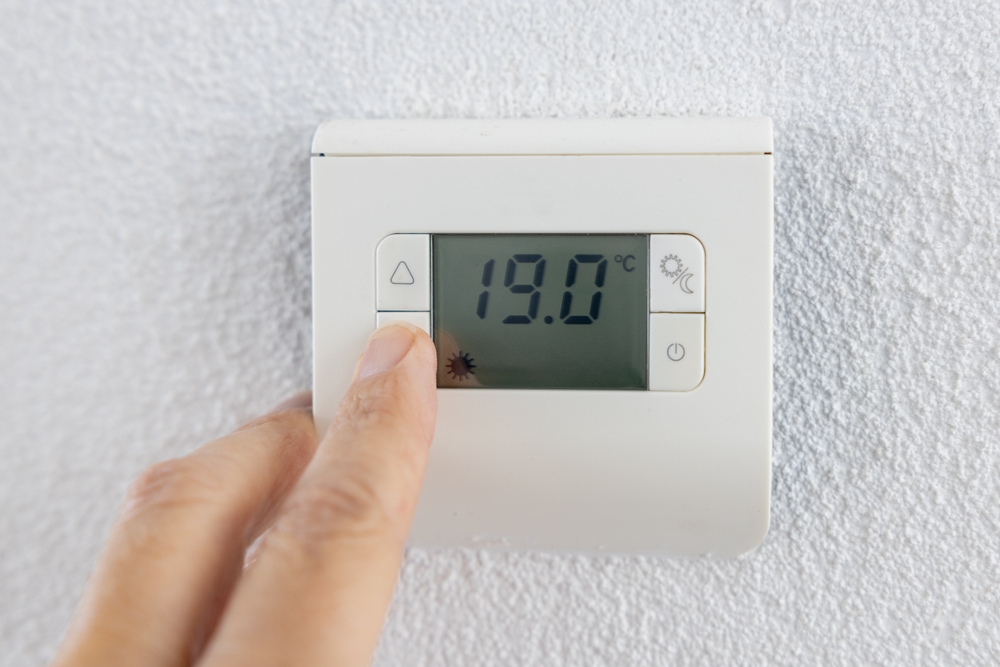
Turning your thermostat down by one degree can reduce heating costs by about 2%. That change often goes unnoticed indoors. Try lowering it during the day while you are active. At night, use extra blankets instead of raising the heat. If you leave home for several hours, adjust the temperature before heading out. A programmable thermostat can handle this automatically. Even manual adjustments make a difference over time. Heating accounts for a large portion of winter energy use. A small tweak repeated daily can reduce your gas bill before spring arrives.
Seal Drafts Around Windows and Doors
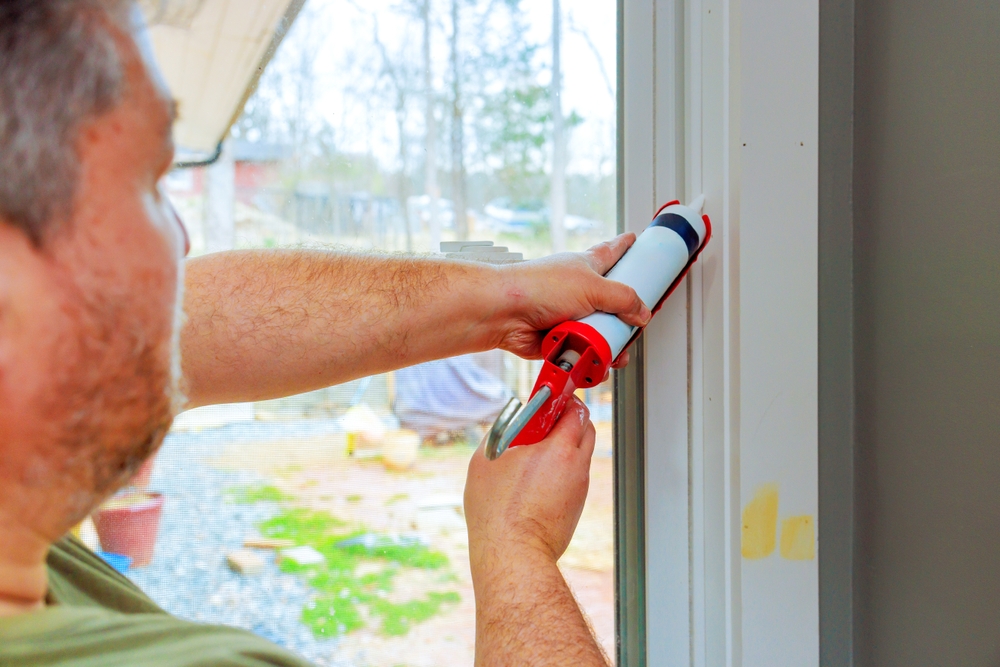
Cold air slipping through gaps forces your furnace to run longer. Check for drafts around windows, doors, and baseboards. Use weatherstripping or door sweeps where needed. Caulking small cracks can also block outside air. These materials are inexpensive and easy to install. On windy days, hold a tissue near the frames to spot leaks. Sealing those openings keeps warm air inside. It also improves comfort without raising the thermostat. Many older homes lose heat through unnoticed gaps. Fixing them now can lower both hydro and gas costs before warmer weather sets in.
Use Ceiling Fans in Reverse Mode
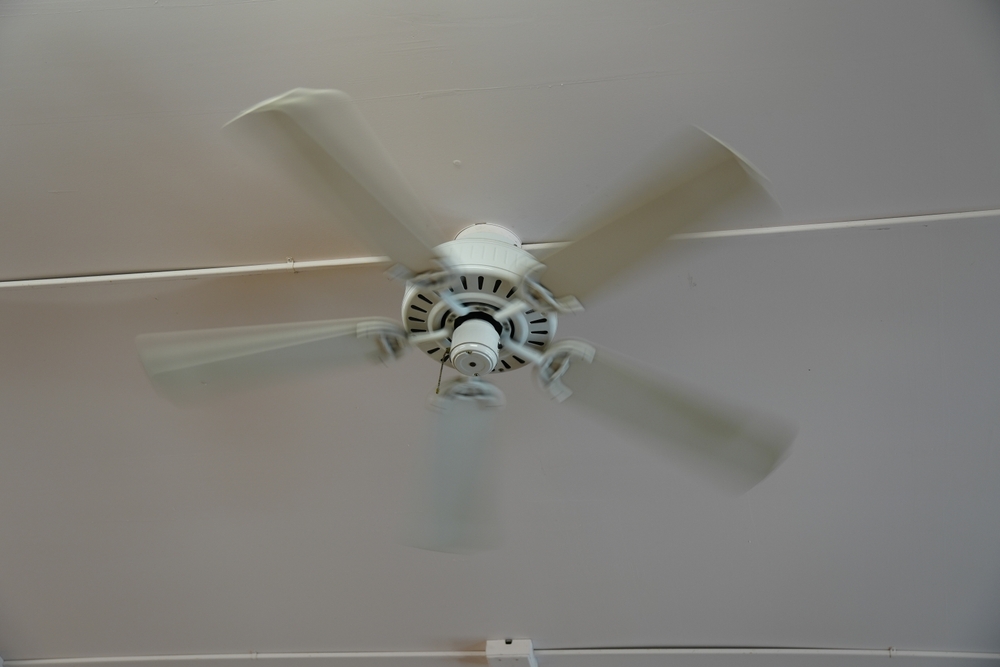
Ceiling fans are not only for summer. Most models have a reverse setting. This pushes warm air down from the ceiling. Heat naturally rises, leaving cooler air at floor level. Running the fan clockwise at low speed helps circulate that trapped warmth. You may feel comfortable lowering the thermostat afterward. Fans use less electricity than heating systems. Check the direction switch on the base of the fan. Using it correctly can balance the room temperature. It is a small adjustment that supports your heating system without adding noticeable costs.
Replace Furnace Filters Regularly
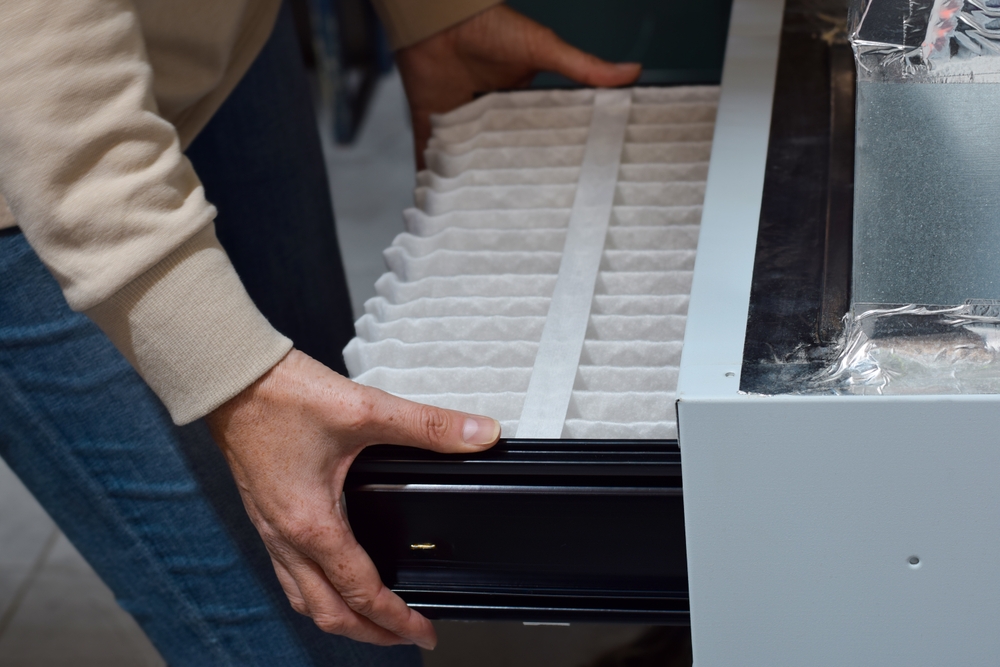
A clogged furnace filter restricts airflow. That makes the system work harder and use more gas. During winter, filters should be checked monthly. Replace them if they look dusty or blocked. Clean filters help air move freely through the system. This reduces strain and supports steady heating. It can also extend the life of your furnace. Filters are affordable and simple to change. Keeping them fresh may not feel dramatic, yet it lowers energy use. Better airflow means your furnace cycles efficiently until spring temperatures rise.
Close Curtains After Sunset

Windows lose heat quickly once the sun sets. Closing curtains at night creates another barrier against cold air. Thick or insulated drapes work best. Even standard curtains help trap warmth indoors. During sunny days, open them to let natural heat in. This passive warming reduces furnace use. Make it a daily habit as daylight hours shift. It costs nothing and requires little effort. Managing window coverings wisely can stabilize indoor temperatures. Over weeks, that simple routine can lower both hydro and gas bills.
Lower Water Heater Temperature
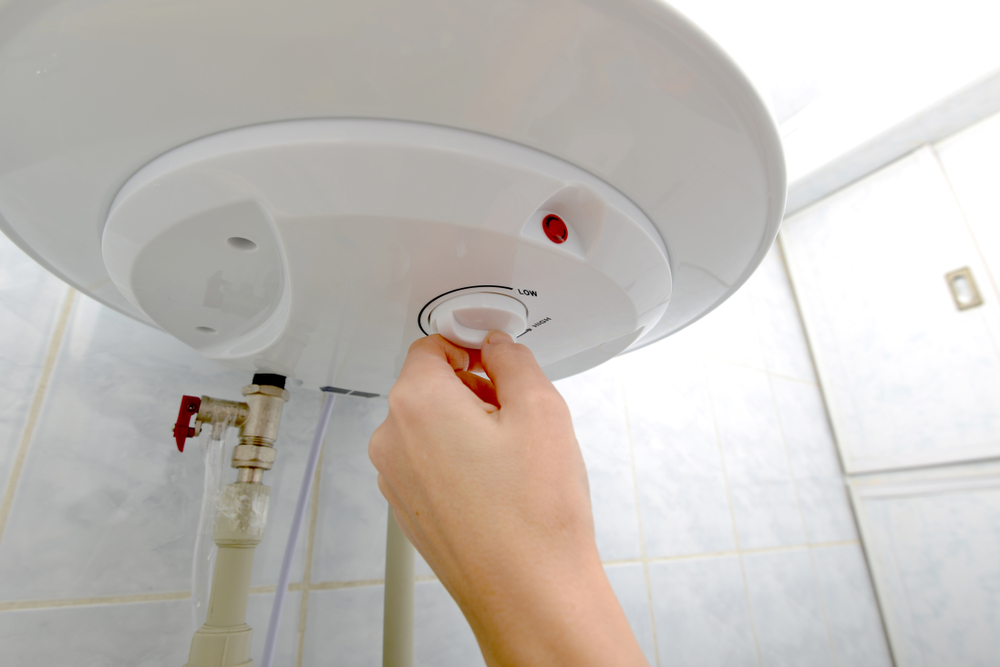
Many water heaters are set higher than necessary. A setting of 49 degrees Celsius is often enough for daily use. Higher temperatures waste gas or electricity. They also increase the risk of scalding. Check your water heater dial and adjust it carefully. You may not notice a difference in comfort. Showers and dishwashing will still feel normal. Lowering the setting reduces standby heat loss. That means the tank does not work as hard to maintain the temperature. This small change can trim energy use before spring.
Wash Laundry in Cold Water
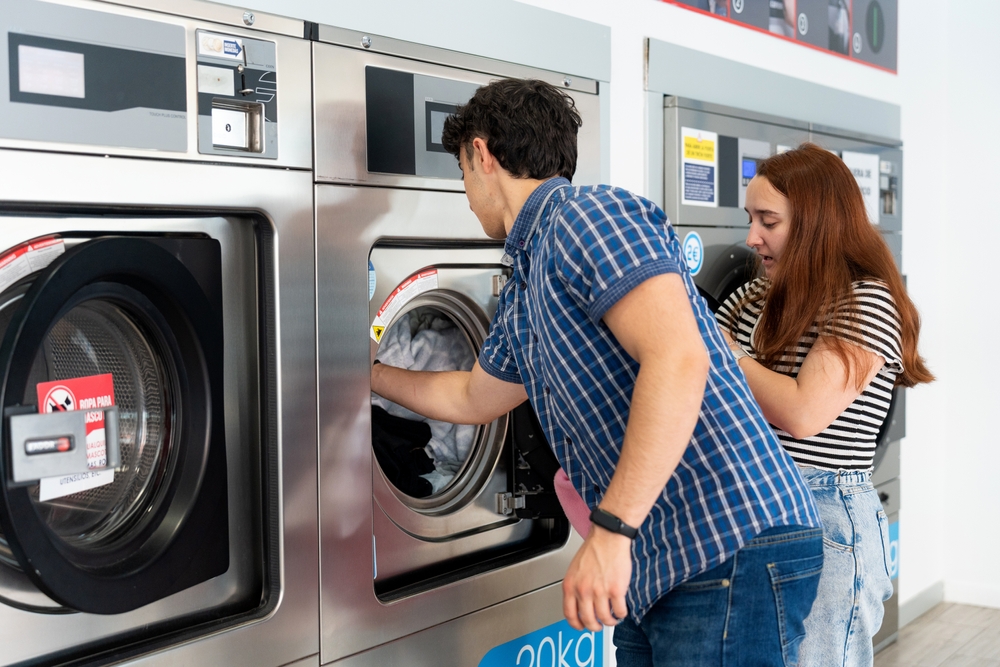
Heating water for laundry consumes a lot of energy. Modern detergents clean effectively in cold cycles. Switching from warm or hot to cold can reduce hydro use. It also protects fabrics from shrinking or fading. Most everyday loads do not require high temperatures. Save hot washes for heavily soiled items. Over a month, those cold cycles add up. The change does not affect drying time significantly. Using cooler water is a simple habit shift. It cuts electricity use without adding inconvenience.
Air Dry When Possible
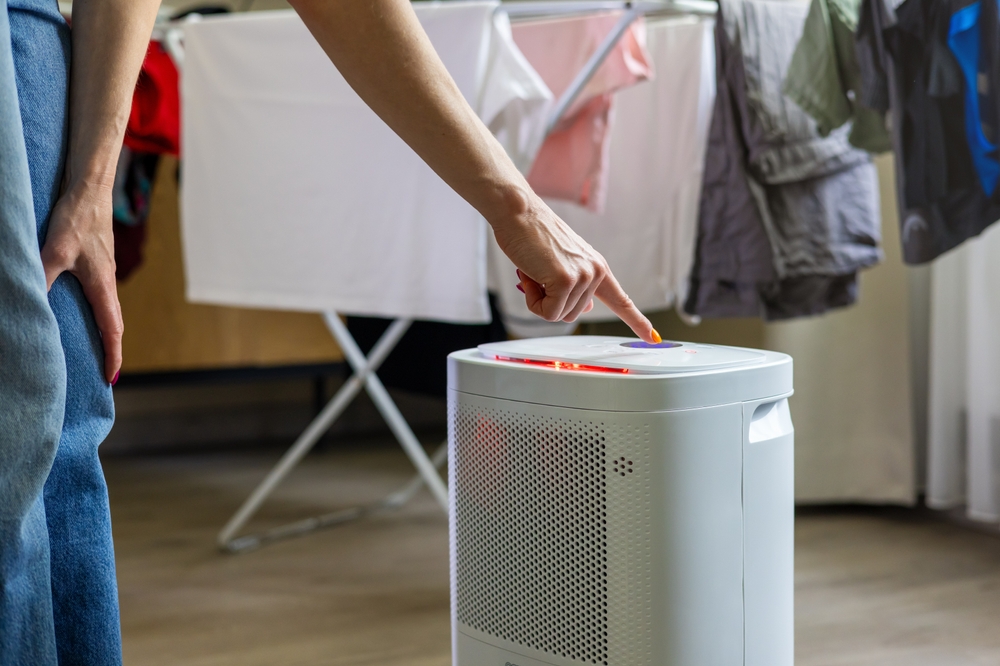
Clothes dryers are heavy electricity users. During winter, indoor air can be dry enough to support air drying. Use a drying rack in a ventilated space. If the weather allows, hang clothes outside briefly. Even partially air drying reduces time in the dryer. Shorter dryer cycles use less water. Clean the lint trap before every load for better airflow. That helps clothes dry faster. Reducing dryer use lowers monthly bills. It also extends the life of clothing and appliances.
Install LED Light Bulbs

Lighting costs more in winter because days are shorter. Replacing incandescent bulbs with LEDs reduces electricity use. LED bulbs consume up to 75 percent less energy. They also last much longer. Focus first on rooms where lights stay on for hours. Kitchens and living rooms are good starting points. The upfront cost is higher, yet savings appear over time. Lower wattage does not mean dim light. Modern LEDs provide steady brightness. Switching gradually can cut hydro expenses before spring.
Unplug Idle Electronics
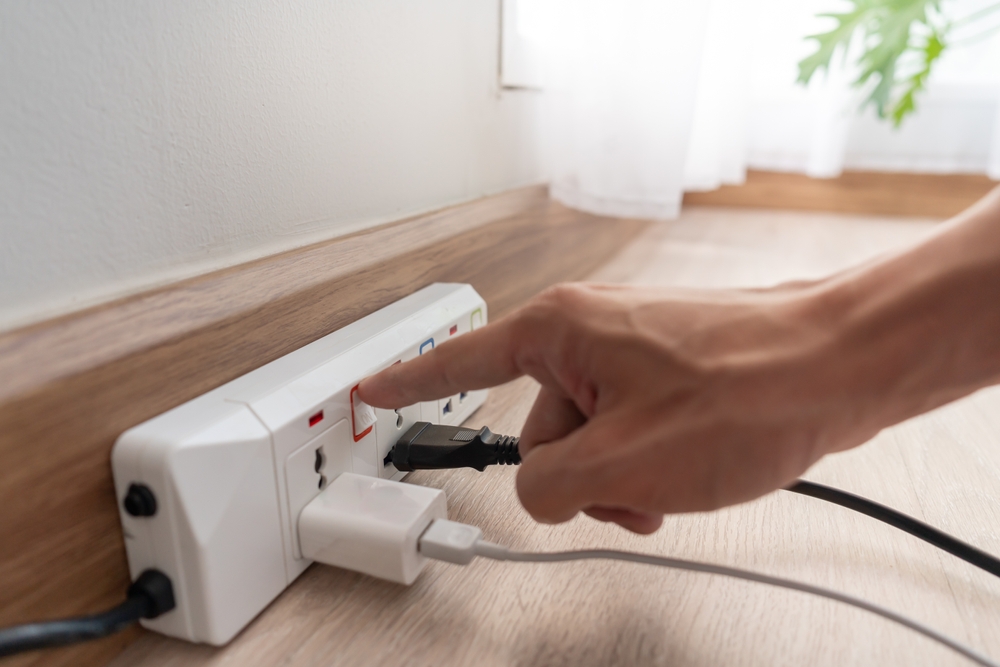
Many devices draw power even when turned off. Televisions, game consoles, and chargers can add to hydro bills. This is known as phantom load. Use power bars to control multiple devices at once. Turn them off when items are not in use. Unplug rarely used electronics completely. The savings per device seem small. Combined across a household, they become noticeable. Reducing standby consumption lowers overall electricity demand. It is an easy step that requires only awareness and routine.
Cook With Lids On Pots
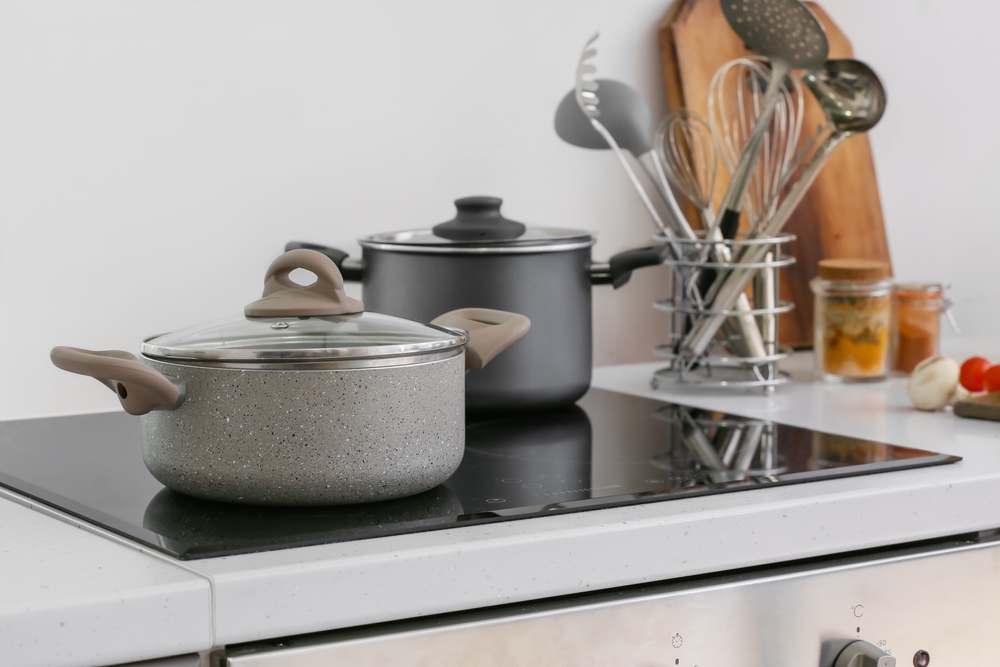
Cooking habits affect gas and hydro use. Using lids on pots traps heat and shortens cooking time. Food reaches the temperature faster. That reduces energy consumed by the stove. Match pot size to burner size for better efficiency. Avoid opening the oven door frequently. Heat escapes each time it opens. Small kitchen adjustments can lower monthly bills. They also make cooking quicker. Being mindful in the kitchen pays off steadily.
Service Your Heating System
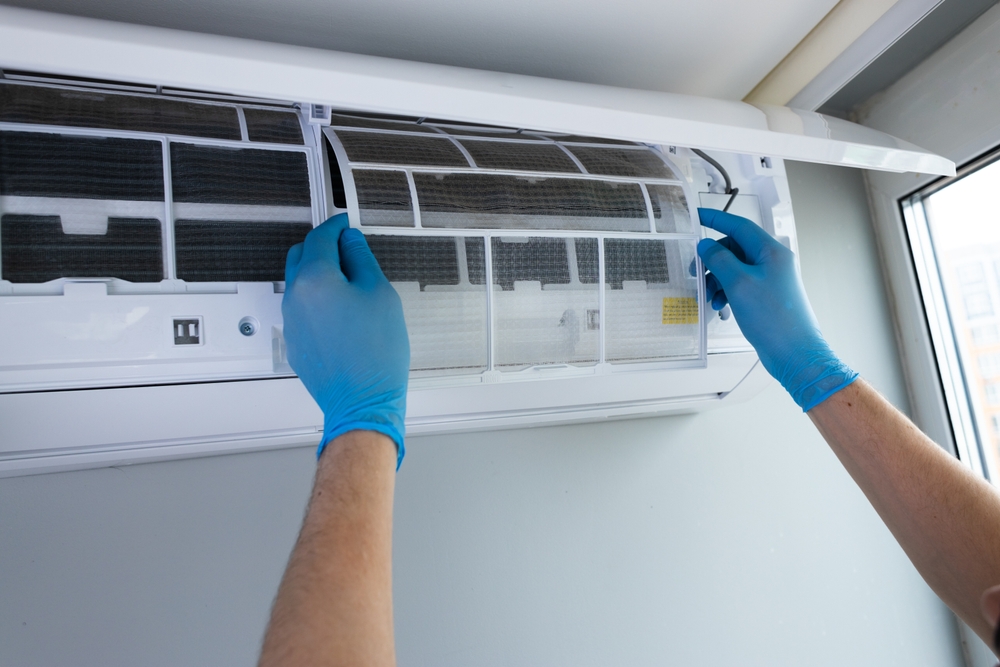
An annual furnace check improves performance. A professional can clean components and inspect parts. Well-maintained systems burn fuel more efficiently. They are less likely to break down unexpectedly. Early spring appointments may be easier to book. Servicing before the season ends can prepare your system for next winter. Regular maintenance supports steady heating. It reduces wasted gas and avoids costly repairs. Keeping equipment in good condition helps manage utility costs.
Use Smart Power Bars
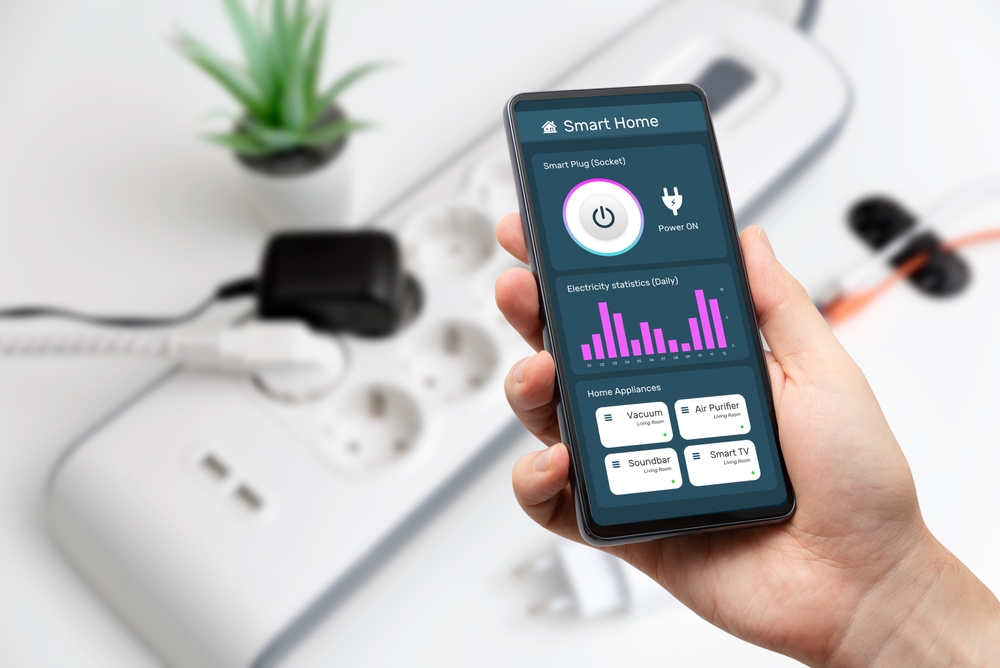
Smart power bars detect when devices enter standby mode. They cut the power automatically. This reduces phantom energy use without constant unplugging. Home offices benefit most from this setup. Computers and monitors often remain connected all day. Smart strips simplify energy control. They are easy to install and operate. Over time, they lower electricity waste. Reducing unnecessary draw helps trim hydro bills before spring.
Insulate Your Hot Water Pipes
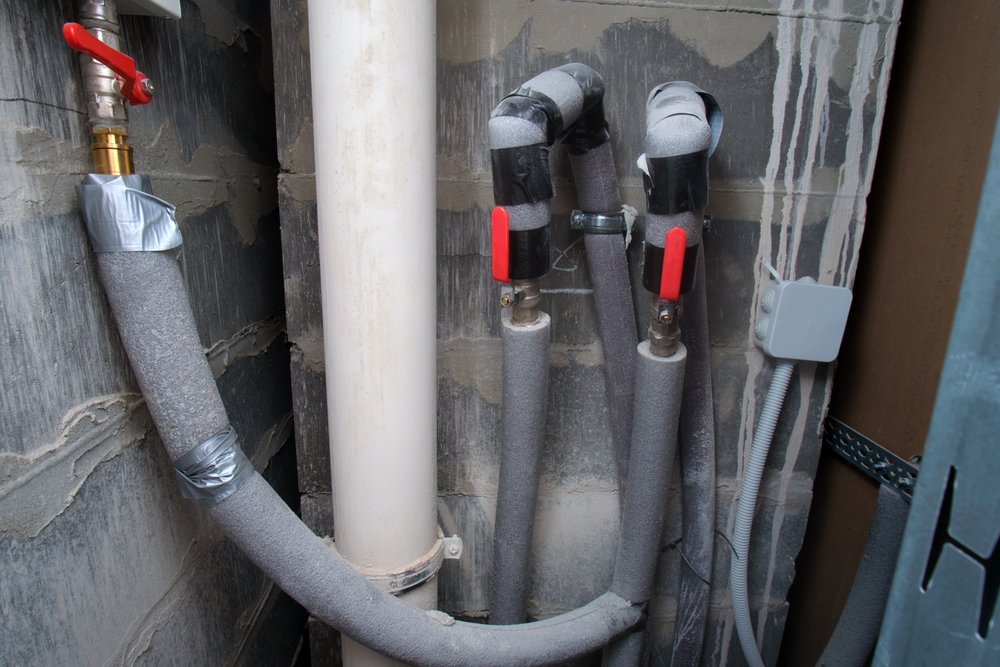
Exposed hot water pipes lose heat as water travels from the tank to your taps. That heat loss forces the heater to work longer. Foam pipe insulation helps keep water warmer along the way. It is inexpensive and easy to install in most homes. Focus on pipes in basements, garages, or crawl spaces. Warmer pipes mean shorter wait times for hot water. That reduces wasted water and energy. Over weeks, this simple upgrade can lower both hydro and gas use.
Adjust Time of Use Habits
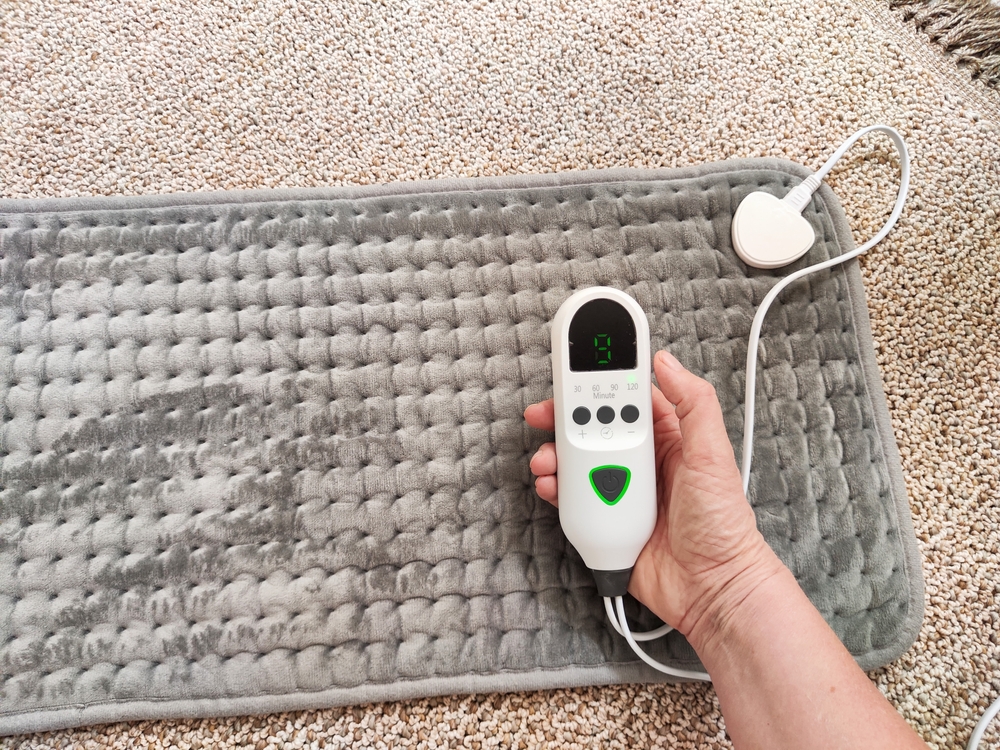
Many Canadian provinces use time-of-use electricity pricing. Rates are higher during peak hours, usually late afternoon and early evening. Running large appliances during those windows increases hydro costs. Shift laundry, dishwashing, and electric vehicle charging to off-peak times when possible. Early mornings or later evenings often cost less. Check your local utility schedule to confirm pricing periods. Changing when you use energy does not reduce comfort. It simply lowers what you pay for the same electricity.
Check Attic Insulation Levels

Heat rises, and without proper attic insulation, it escapes quickly. That forces your furnace to run longer during cold months. Inspect the insulation depth if it is safely accessible. Thin or uneven coverage can lead to noticeable heat loss. Adding insulation may reduce heating demand before spring arrives. Professional advice can help determine appropriate levels for your region. Even topping up existing insulation can make a difference. Better coverage keeps indoor temperatures stable and reduces strain on your heating system.
Limit Space Heater Use
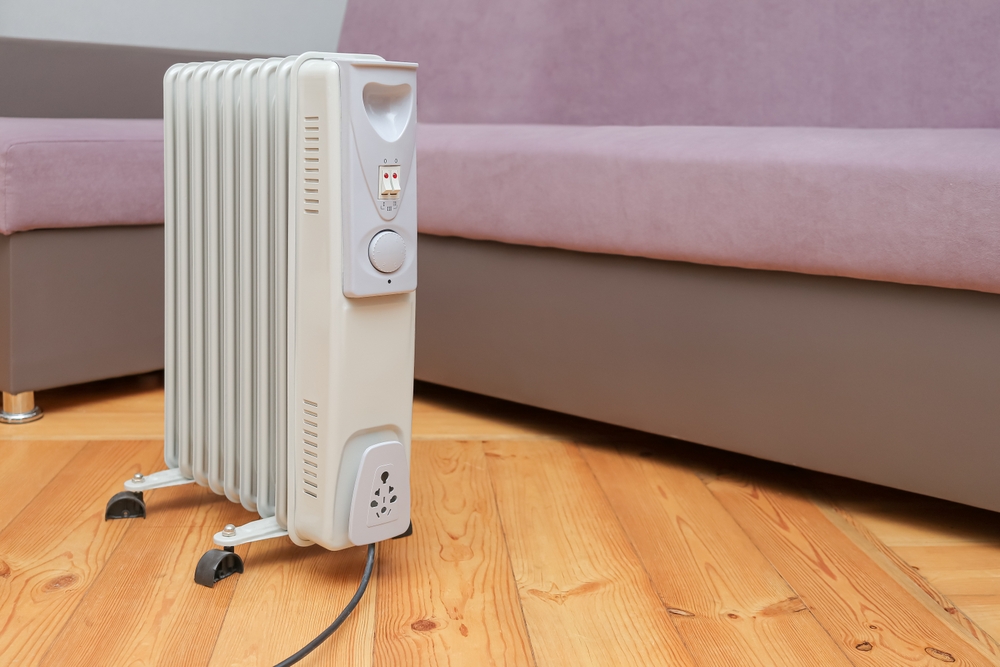
Space heaters provide quick warmth, but they draw significant electricity. Running one for several hours daily can raise hydro bills. Use them only in rooms you occupy, and turn them off when leaving. Instead of heating one area intensely, try lowering the main thermostat slightly across the home. Modern models with timers and safety features help manage use. Avoid plugging them into extension cords. Reducing reliance on portable heaters can lower electricity costs before warmer temperatures return.
Bleed Radiators If Needed
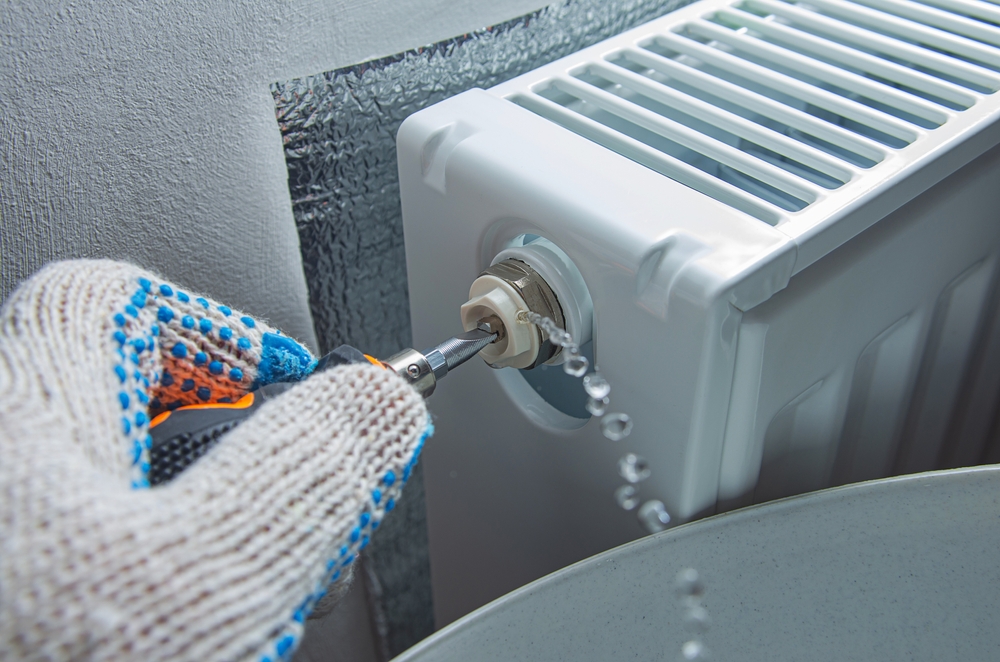
Homes with radiator systems can develop trapped air inside the lines. This prevents hot water from circulating properly. As a result, some rooms feel cooler than others. Bleeding radiators releases that trapped air. The process usually requires a small radiator key and a drip container. Restoring full circulation allows heat to spread evenly. When the temperature rises, you may not need to raise the thermostat. Better distribution helps reduce gas consumption during the final cold weeks.
Track Your Monthly Usage

Reviewing your monthly hydro and gas statements builds awareness. Many utilities provide online dashboards that show daily or hourly use. Comparing current consumption to previous months reveals patterns. If usage spikes suddenly, you can investigate the cause. Tracking also highlights savings from changes you have made. Seeing real numbers encourages consistent habits. You do not need complex tools. Simple observation works. Before spring arrives, understanding your usage can guide smarter decisions and support steady cost control.
22 Groceries to Grab Now—Before another Price Shock Hits Canada

Food prices in Canada have been steadily climbing, and another spike could make your grocery bill feel like a mortgage payment. According to Statistics Canada, food inflation remains about 3.7% higher than last year, with essentials like bread, dairy, and fresh produce leading the surge. Some items are expected to rise even further due to transportation costs, droughts, and import tariffs. Here are 22 groceries to grab now before another price shock hits Canada.
22 Groceries to Grab Now—Before another Price Shock Hits Canada
This Options Discord Chat is The Real Deal
While the internet is scoured with trading chat rooms, many of which even charge upwards of thousands of dollars to join, this smaller options trading discord chatroom is the real deal and actually providing valuable trade setups, education, and community without the noise and spam of the larger more expensive rooms. With a incredibly low-cost monthly fee, Options Trading Club (click here to see their reviews) requires an application to join ensuring that every member is dedicated and serious about taking their trading to the next level. If you are looking for a change in your trading strategies, then click here to apply for a membership.