
35,000+ smart investors are already getting financial news, market signals, and macro shifts in the economy that could impact their money next with our FREE weekly newsletter. Get ahead of what the crowd finds out too late. Click Here to Subscribe for FREE.
Canada’s Arctic feels distant to most voters, but global power plays are creeping north faster than expected. Donald Trump’s past fixation on Greenland was not a joke to military planners. It signaled a sharper U.S. appetite for Arctic dominance. If Washington pushes harder over Greenland, Canada sits directly in the spill zone. Shipping routes, airspace, Indigenous governance, and resource claims all feel the pressure. Here are 21 Arctic flashpoints Canada faces if Trump gets his way on Greenland.
Pressure on Canada’s Arctic Sovereignty Claims
21 Arctic Flashpoints Canada Faces if Trump Gets His Way on Greenland
- Pressure on Canada’s Arctic Sovereignty Claims
- Militarization of the High Arctic Accelerates
- NORAD Responsibilities Grow Unevenly
- Arctic Shipping Routes Face New Disputes
- Indigenous Governance Gets Sidelined
- Canada’s Arctic Council Influence Weakens
- Russian Arctic Posturing Intensifies
- Resource Competition Becomes Harder to Manage
- Environmental Oversight Takes a Back Seat
- Search and Rescue Obligations Increase
- U.S. Policy Volatility Becomes a Risk Factor
- Canadian Defence Spending Pressure Rises
- Northern Community Costs Increase
- Arctic Airspace Becomes Crowded
- Canada’s Arctic Diplomacy Gets Overshadowed
- Legal Disputes Multiply Quietly
- Emergency Response Coordination Suffers
- Canadian Research Presence Declines
- Arctic Tourism Becomes Politicized
- Canada Gets Pulled Into U.S. Strategic Conflicts
- 22 Groceries to Grab Now—Before another Price Shock Hits Canada

Canada’s Arctic sovereignty rests on fragile legal and political ground. A stronger U.S. footprint in Greenland would complicate those claims. Washington has never fully accepted Canada’s control over certain Arctic waters. Increased American patrols normalize that disagreement. Diplomatic silence turns into a routine challenge. Canada may face more freedom of navigation assertions near its northern routes. Each transit weakens Canada’s position over time. Allies rarely fight openly, but habits form quickly. Arctic sovereignty depends on consistent enforcement, not statements. If the U.S. dominates Greenland, Canada’s Arctic authority faces steady erosion without a single formal dispute.
Militarization of the High Arctic Accelerates

Greenland gives the U.S. unmatched reach across the Arctic. Expanding bases there shifts the regional military balance. Canada cannot ignore that shift. Radar upgrades, air patrols, and naval spending follow quickly. The Arctic becomes louder and more crowded. Exercises increase. Surveillance never pauses. Military presence invites a response from Russia and China. Canada risks being caught between larger forces. Neutral space disappears first. Northern communities feel the impact early through restrictions and infrastructure pressure. Militarization rarely stays defensive forever. Once equipment moves north, missions expand. Canada faces an Arctic that feels less cooperative and more tense year by year.
NORAD Responsibilities Grow Unevenly
Greenland already anchors U.S. missile warning systems. Expanded control deepens that advantage. Canada remains responsible under NORAD but with fewer assets. Expectations rise faster than funding. Washington may push Canada to match American upgrades. That means costly radar systems and aircraft purchases. Failure to keep pace weakens Canada’s voice in joint decisions. Shared defense only works when power feels balanced. Otherwise, strategy tilts south. Canada risks becoming a junior participant in Arctic defense. Decisions affecting Canadian airspace could happen without Canadian leverage. NORAD cooperation becomes more obligation than a partnership.
Arctic Shipping Routes Face New Disputes

Melting ice makes Arctic shipping unavoidable. Greenland strengthens U.S. influence over those routes. Canada insists the Northwest Passage counts as internal waters. The U.S. disagrees. Greenland-backed operations reinforce that stance. More commercial and military vessels pass through contested channels. Each transit sets a precedent. Canada must either challenge or accept them. Both options carry a cost. Enforcement strains resources. Silence weakens claims. Shipping companies follow power, not maps. If the U.S. controls access points through Greenland, Canada’s shipping authority loses practical relevance. Arctic trade becomes shaped by influence, not Canadian law.
Indigenous Governance Gets Sidelined

Arctic geopolitics often ignores northern voices. Greenland’s Indigenous autonomy contrasts with Canadian frameworks. U.S. involvement shifts attention away from Canadian Indigenous governance models. International talks focus on security and trade. Community consent becomes secondary. Northern leaders struggle to access decision tables. Military and shipping projects override local planning. Canada faces pressure to move faster than consultation allows. That tension erodes trust built over decades. Indigenous governance is not symbolic. It anchors Arctic legitimacy. When major powers dominate the region, Indigenous priorities risk becoming footnotes instead of foundations.
Canada’s Arctic Council Influence Weakens
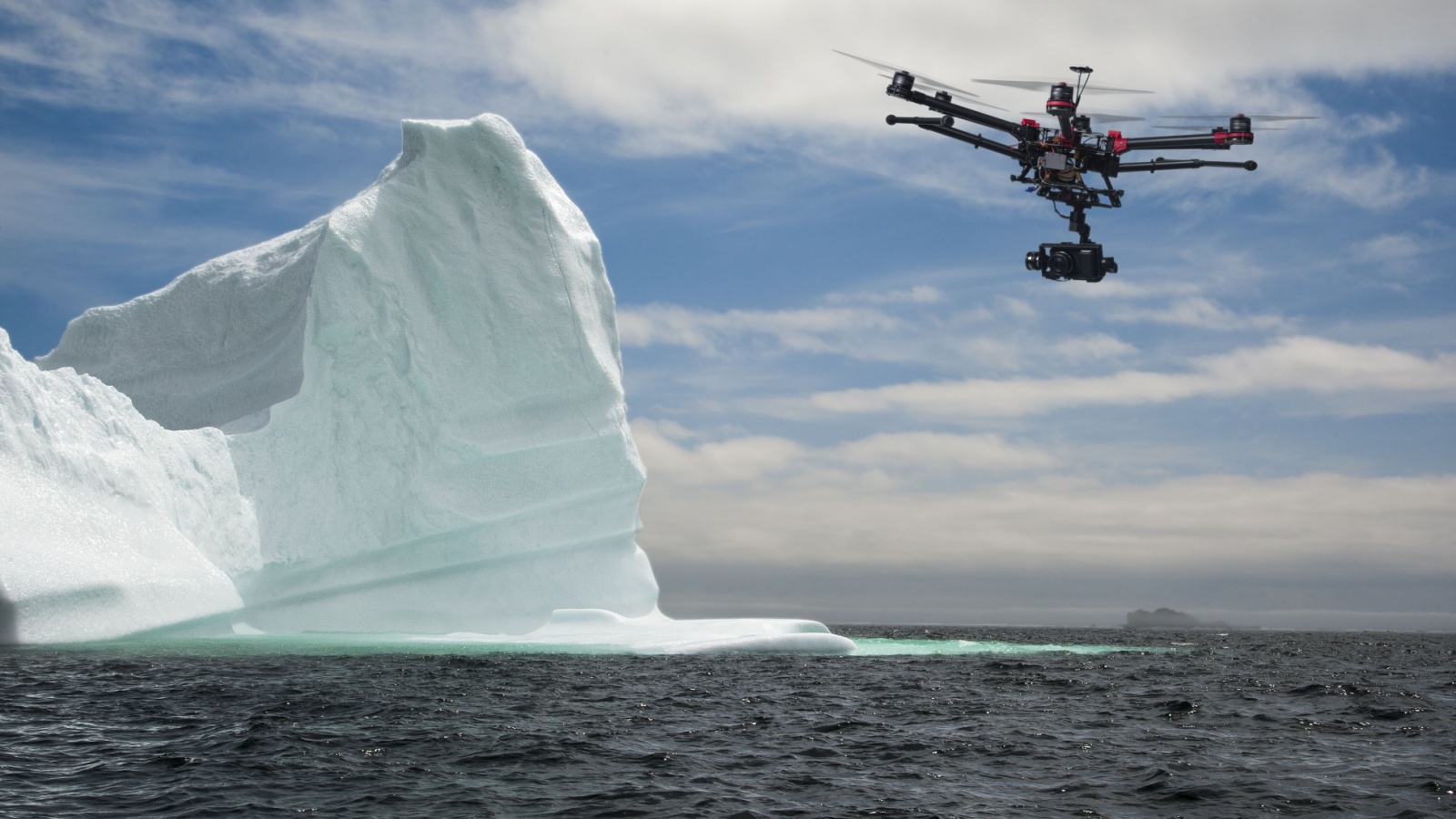
The Arctic Council relies on cooperation and balance. A dominant U.S. position in Greenland upsets that balance. Canada’s ability to shape agendas declines. Environmental priorities lose ground to security interests. Smaller Arctic states align with American funding and protection. Consensus becomes harder. Canada’s middle power role shrinks. Council decisions increasingly reflect U.S. urgency. Diplomatic capital drains quietly. Canada still attends meetings, but its influence shifts elsewhere. Arctic governance depends on an equal footing. Greenland under heavy U.S. influence tilts the table. Canada risks watching rules change without meaningful input.
Russian Arctic Posturing Intensifies

Russia closely watches U.S. Arctic moves. Greenland expansion triggers a response. Moscow reinforces its Arctic bases and patrols. Canada’s northern coast becomes a corridor between rivals. Airspace violations increase. Naval encounters grow tense. Canada lacks the capacity to project a constant presence. That gap raises the risk of miscalculation. Arctic stability relies on predictability. Militarized signaling erodes that stability fast. Canada faces higher surveillance demands without direct provocation. Conflict does not require intent. It grows from pressure and proximity. Greenland-centered escalation places Canada uncomfortably close to strategic competition.
Resource Competition Becomes Harder to Manage
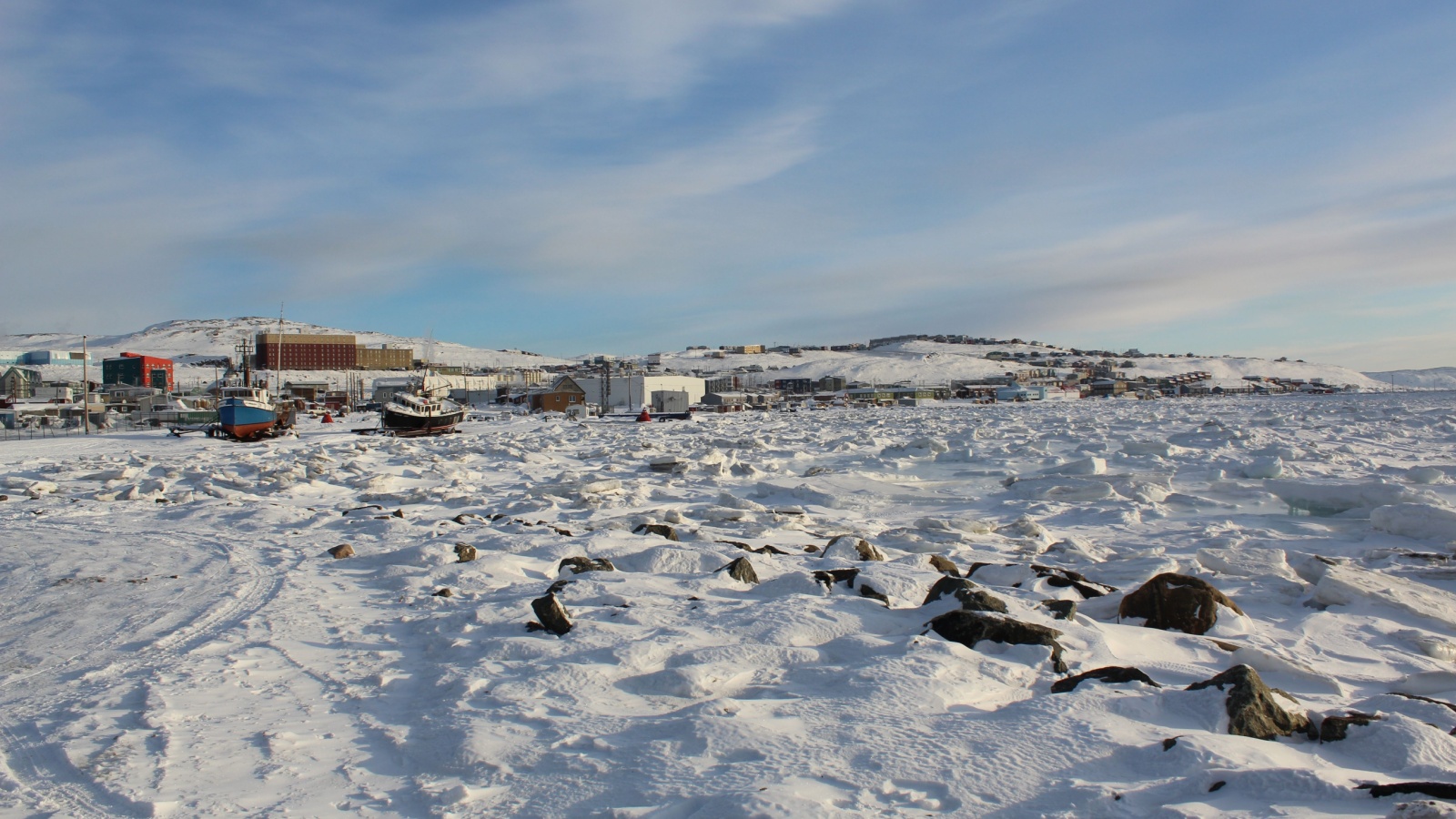
The Arctic holds energy and mineral wealth. Greenland strengthens U.S. access to those resources. Canada competes for investment attention. American-backed projects move faster. Regulatory standards diverge. Companies choose certainty over jurisdiction. Canada risks losing leverage over Arctic development norms. Resource extraction brings infrastructure and population shifts. That reshapes northern economies permanently. Without coordinated rules, competition turns messy. Environmental risks increase. Canada’s slower approval processes look like obstacles. Greenland’s proximity to the U.S. capital pulls development away. Arctic resource control becomes unequal, not collaborative.
Environmental Oversight Takes a Back Seat

Security-focused Arctic policy sidelines environmental protection. Greenland’s strategic value shifts priorities. Monitoring budgets move toward defense. Climate research loses funding. Canada depends on shared data to track Arctic change. Reduced cooperation hurts science quality. Environmental damage does not respect borders. Oil spills and shipping pollution travel freely. Canada bears consequences without control. Arctic ecosystems already face strain. Adding militarization worsens it. Environmental safeguards require trust and patience. Power-driven policy rarely prioritizes either. Canada faces long-term ecological risk shaped by decisions made far from its communities.
Search and Rescue Obligations Increase

More Arctic traffic means more emergencies. Greenland-based operations increase air and sea movement. Canada remains responsible for vast rescue zones. Capacity already stretches thin. Aircraft and crews face longer response times. International coordination grows complex. Jurisdictional confusion delays action. Lives depend on clarity. Increased activity without shared planning raises danger. Canada may shoulder responsibility without control. Search and rescue looks humanitarian, but it ties directly to sovereignty. Each successful response reinforces authority. Failure does the opposite. Greenland expansion raises expectations that Canada may struggle to meet consistently.
Canadian Arctic Infrastructure Faces Strain
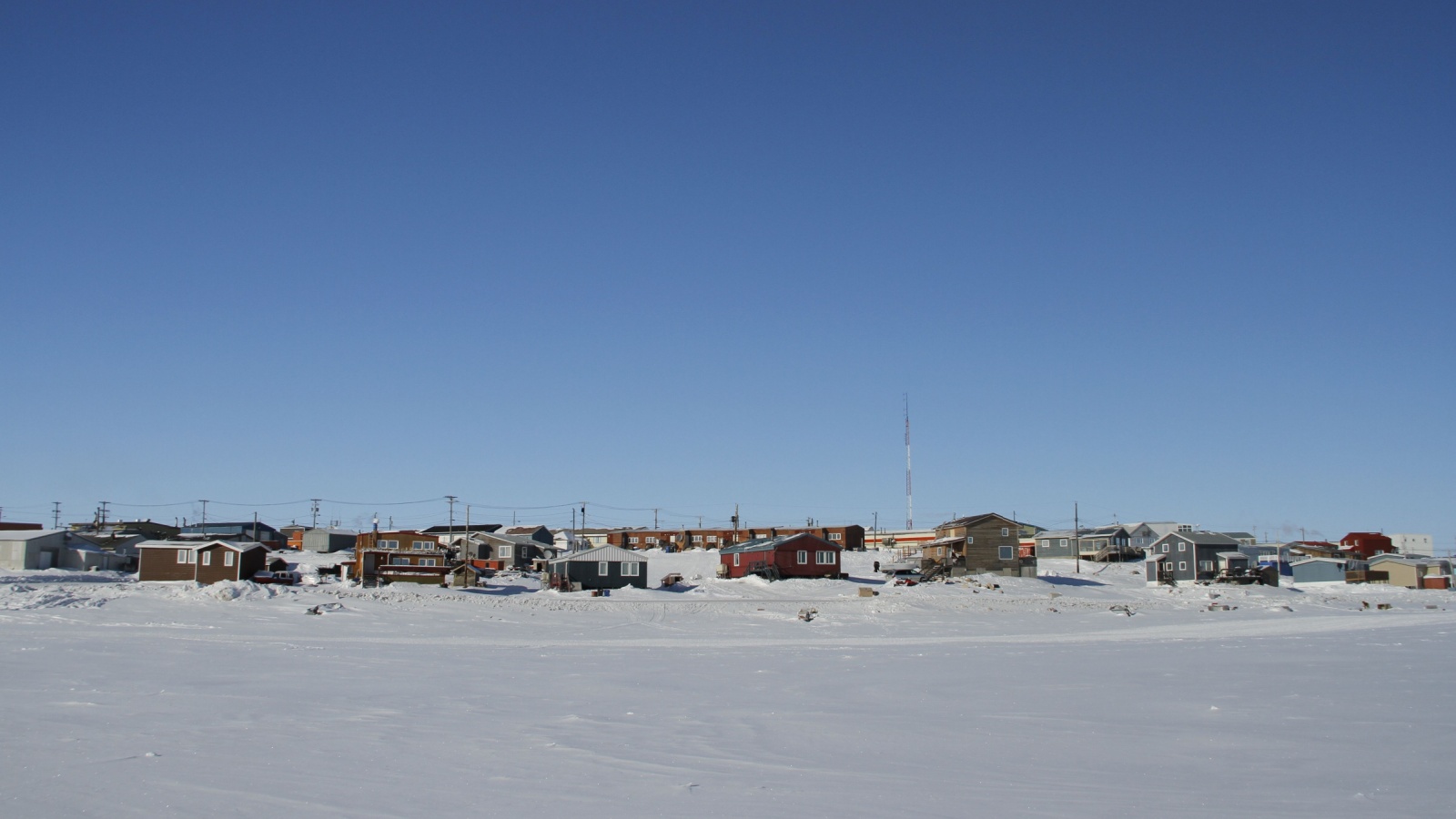
Ports, runways, and communications lag demand. Greenland’s growth redirects Arctic traffic patterns. Canada must upgrade quickly to remain relevant. Northern infrastructure costs more and lasts less. Permafrost shifts damage foundations. Budget pressure grows. Delays create bottlenecks. International partners bypass Canadian hubs. That weakens economic opportunity for northern communities. Infrastructure choices carry political weight. If Canada cannot keep pace, its Arctic role shrinks. Greenland’s development accelerates regional comparison. Canada risks appearing unprepared in a region it claims as core territory.
U.S. Policy Volatility Becomes a Risk Factor

Trump-era policy favors sudden decisions. Greenland’s interest showed that clearly. Canada struggles with unpredictability. Arctic planning needs stability. Shifting U.S. priorities disrupt joint strategies. Agreements feel temporary. Canada invests resources without confidence in continuity. Diplomatic trust erodes. Arctic cooperation relies on long timelines. Volatile leadership undermines them. Canada faces whiplash diplomacy. Adjusting repeatedly costs money and credibility. Greenland control magnifies that volatility. U.S. decisions ripple across Canada’s Arctic faster than Canada can respond strategically.
Canadian Defence Spending Pressure Rises
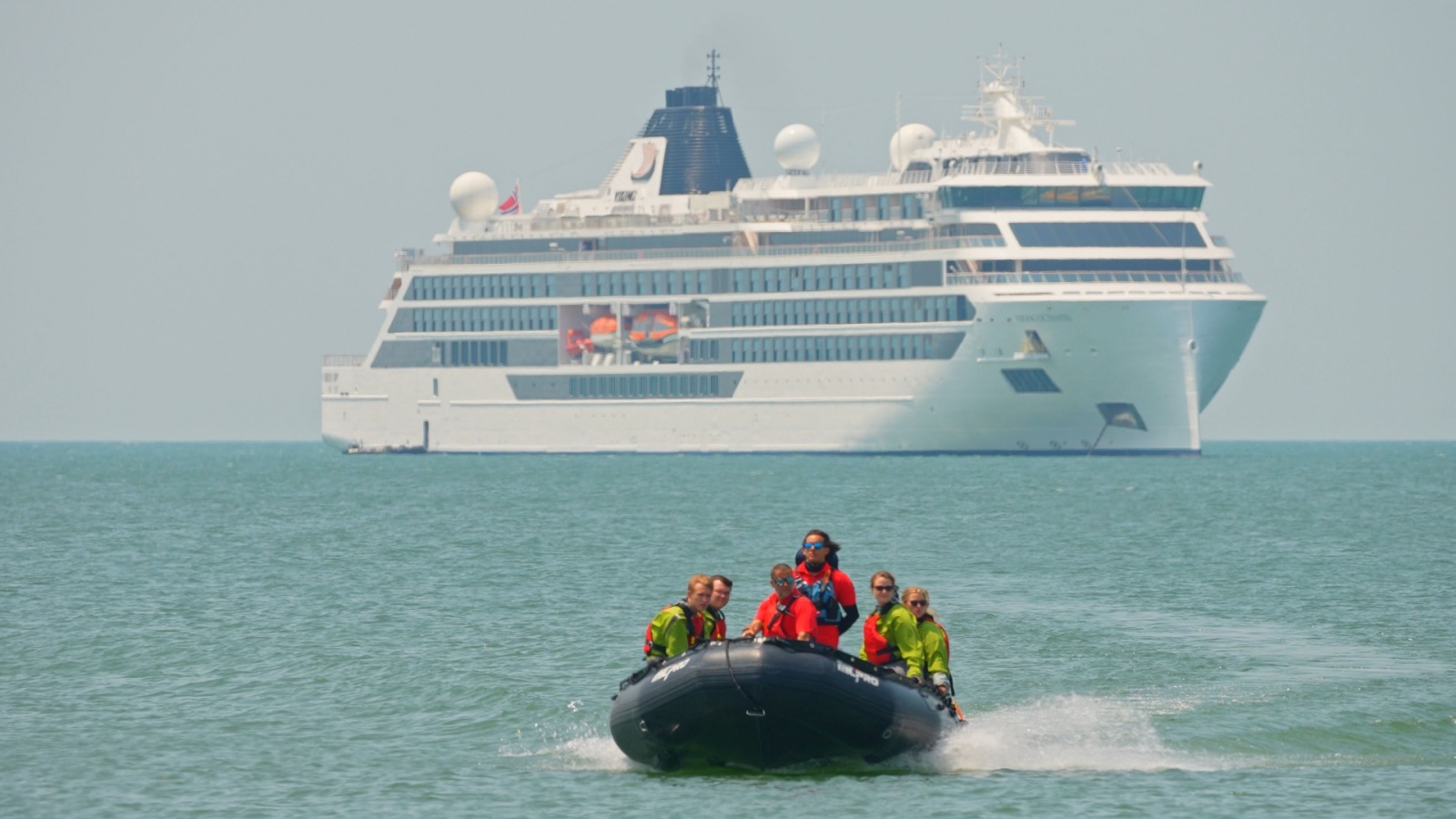
Greenland expansion reframes Arctic threats. Canada faces calls to spend more. Domestic debates intensify. Southern voters question northern priorities. Defence budgets compete with social needs. Underinvestment invites criticism from allies. Overinvestment strains public trust. Balance becomes difficult. Arctic defense costs rise faster than visible benefits. Canada risks being judged by American standards. Meeting those expectations proves challenging. Greenland shifts benchmarks upward. Canada must justify spending decisions tied to events outside its control. Political friction follows every budget cycle.
Northern Community Costs Increase
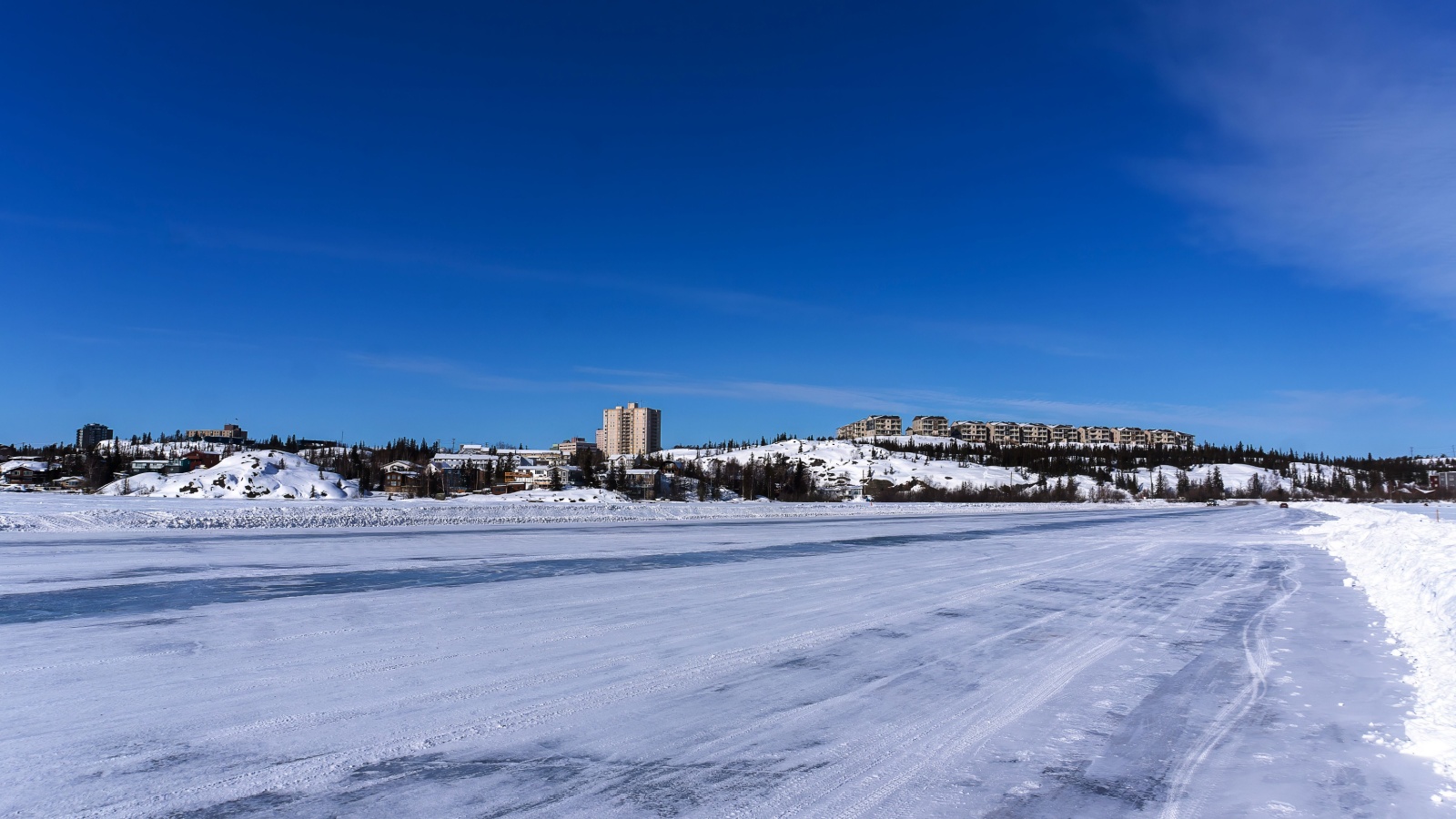
Geopolitics drives up prices. Fuel, housing, and food costs rise near strategic zones. Greenland expansion affects regional supply chains. Military demand competes with civilian needs. Inflation hits northern communities first. Canada must subsidize more services. That strains federal programs. Residents feel pressure without seeing a benefit. Promises of jobs rarely match reality. Community resentment grows. Arctic policy feels imposed, not shared. Canada risks widening trust gaps in its own North. Economic stress undermines long-term stability more than any foreign actor.
Arctic Airspace Becomes Crowded
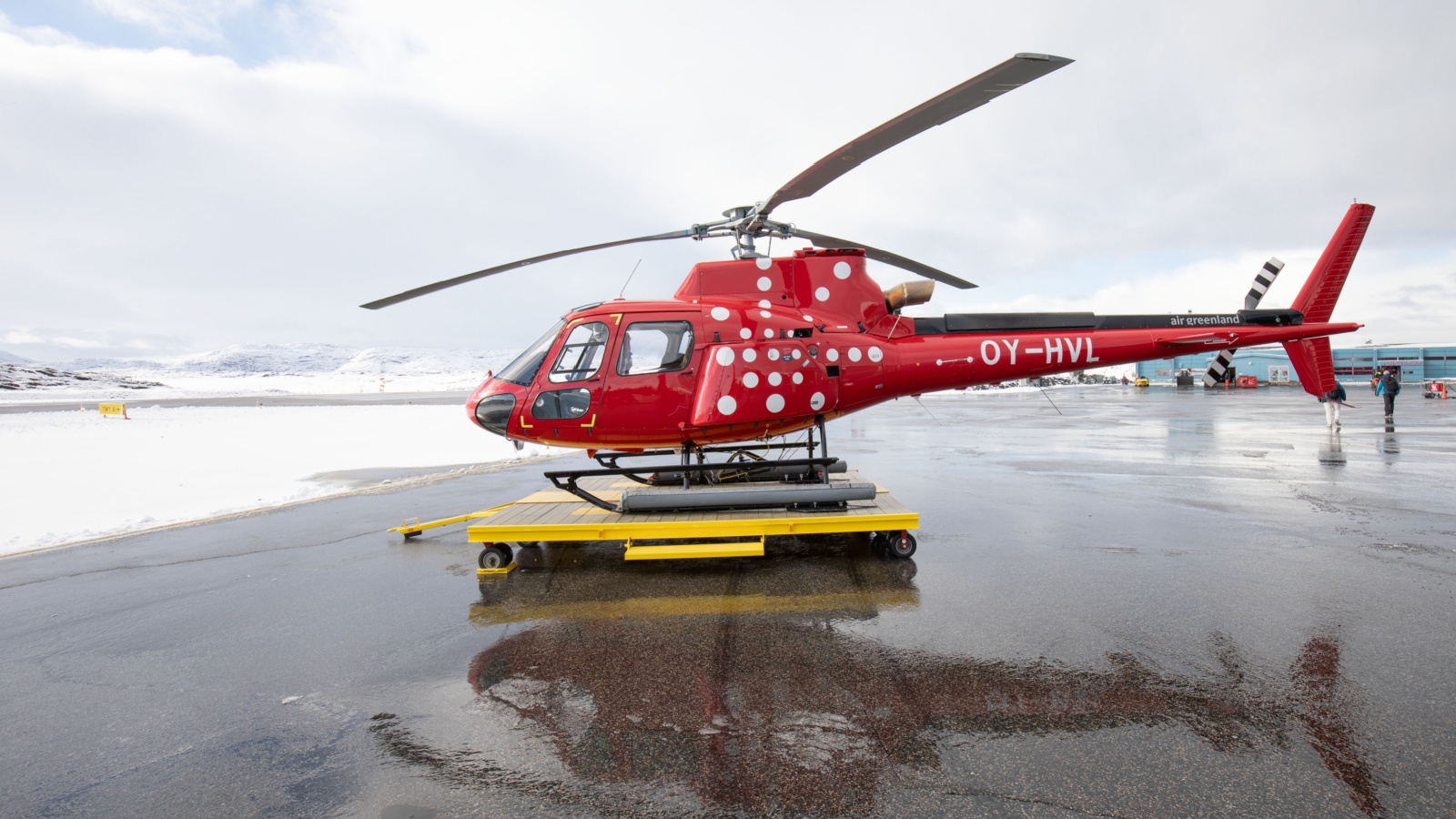
Greenland strengthens U.S. air operations. Canada shares skies across the Arctic. Increased flights raise safety concerns. Monitoring systems strain. Near misses become serious risks. Coordination requires constant communication. Political tension complicates that. Canada lacks full control over neighboring activity. Airspace incidents escalate faster than maritime ones. Response windows shrink. Civilian and military traffic mix uneasily. Canada must invest heavily to maintain safety. Greenland-based expansion multiplies air activity that Canada cannot ignore or easily manage.
Canada’s Arctic Diplomacy Gets Overshadowed
Canada positions itself as a consensus builder. Greenland-centered U.S. dominance changes dynamics. Other nations court Washington first. Canadian mediation matters less. Diplomatic bandwidth narrows. Arctic discussions shift tone. Security overshadows cooperation. Canada’s traditional role weakens. Influence depends on relevance. Greenland gives the U.S. a structural advantage. Canada reacts rather than leads. Over time, marginalization becomes normal. Diplomatic recovery proves difficult once influence fades. Arctic diplomacy rewards presence and power, not restraint.
Legal Disputes Multiply Quietly

Arctic law evolves through practice. Greenland expansion accelerates activity. Each action shapes interpretation. Canada faces more informal challenges to its claims. Legal disputes rarely appear dramatic. They grow through routine exceptions. Canada must respond consistently. Silence becomes acceptance. Litigation costs rise. International courts move slowly. Meanwhile, facts on the ground change. Greenland-based operations strengthen alternative interpretations. Canada’s legal position weakens without confrontation. Arctic law favors those who act, not those who object later.
Emergency Response Coordination Suffers

Natural disasters are increasing in the Arctic. Greenland operations add complexity. Multiple agencies respond across borders. Communication failures delay aid. Canada depends on shared protocols. U.S.-led structures may sideline Canadian authority. Coordination becomes top-down. Local knowledge gets ignored. Emergency response loses flexibility. Climate events demand speed. Bureaucratic overlap slows action. Canada risks being responsible without control. Greenland-centered command structures reshape response patterns across the region.
Canadian Research Presence Declines

Scientific stations require funding and stability. Greenland attracts investment and talent. Canada’s Arctic research struggles to compete. Data gaps widen. Policy decisions rely on weaker evidence. Research drives sovereignty credibility. Reduced presence signals disengagement. International partnerships shift toward Greenland hubs. Canada loses visibility. Arctic science informs environmental and security planning. Without a strong research footing, Canada reacts blindly. Greenland’s rise pulls focus away from Canadian institutions already under strain.
Arctic Tourism Becomes Politicized

Tourism grows as ice retreats. Greenland markets access aggressively. Security concerns shape routes. Canada faces stricter controls. Tour operators favor predictable regions. Military presence deters visitors. Insurance costs rise. Canada loses a soft power opportunity. Tourism builds awareness and economic ties. Politicized Arctic travel reduces cultural exchange. Greenland-centered narratives dominate public perception. Canada’s Arctic is seen as restricted, not welcoming. That shift affects long-term engagement with the region.
Canada Gets Pulled Into U.S. Strategic Conflicts

Greenland ties Canada closer to the U.S. Arctic strategy. Neutral positioning becomes harder. Canada inherits risks tied to American decisions. Conflicts elsewhere spill north. Retaliatory actions target shared systems. Canada cannot opt out quietly. Arctic infrastructure becomes strategic by default. Civilian assets face exposure. Policy independence shrinks. Greenland expansion tightens alignment whether Canada chooses it or not. Strategic entanglement grows without formal consent. Canada faces consequences shaped by another country’s ambitions.
22 Groceries to Grab Now—Before another Price Shock Hits Canada

Food prices in Canada have been steadily climbing, and another spike could make your grocery bill feel like a mortgage payment. According to Statistics Canada, food inflation remains about 3.7% higher than last year, with essentials like bread, dairy, and fresh produce leading the surge. Some items are expected to rise even further due to transportation costs, droughts, and import tariffs. Here are 22 groceries to grab now before another price shock hits Canada.
22 Groceries to Grab Now—Before another Price Shock Hits Canada
This Options Discord Chat is The Real Deal
While the internet is scoured with trading chat rooms, many of which even charge upwards of thousands of dollars to join, this smaller options trading discord chatroom is the real deal and actually providing valuable trade setups, education, and community without the noise and spam of the larger more expensive rooms. With a incredibly low-cost monthly fee, Options Trading Club (click here to see their reviews) requires an application to join ensuring that every member is dedicated and serious about taking their trading to the next level. If you are looking for a change in your trading strategies, then click here to apply for a membership.