
35,000+ smart investors are already getting financial news, market signals, and macro shifts in the economy that could impact their money next with our FREE weekly newsletter. Get ahead of what the crowd finds out too late. Click Here to Subscribe for FREE.
Energy politics rarely stay local. When the United States gains control over Venezuela’s oil exports, the ripple effects travel far beyond Latin America. Canada feels those ripples through fuel prices, trade pressure, diplomacy, and long-term planning. This issue touches households, businesses, and governments, even if it sounds distant at first. Oil markets react fast, and allies react even faster. What looks like a foreign policy shift can quietly reshape Canadian costs and choices. Here are 17 consequences for Canada if the U.S. controls Venezuelan oil.
Higher Fuel Price Volatility at Home
17 Consequences for Canada if the U.S. Controls Venezuelan Oil
- Higher Fuel Price Volatility at Home
- Increased Pressure on Canadian Refineries
- Stronger U.S. Influence Over North American Energy
- Reduced Bargaining Power for Canadian Importers
- Complications in Canada’s Latin America Relations
- Higher Transportation Costs Across Industries
- Increased Energy Security Concerns
- Pressure on Canada’s Climate Policy Timeline
- Shifts in Investment Toward Domestic Production
- Greater Exposure to U.S. Foreign Policy Decisions
- Increased Costs for Manufacturing and Agriculture
- Impact on Eastern Canada’s Energy Balance
- Trade Negotiation Leverage Shifts
- Slower Progress on Energy Affordability Goals
- Increased Focus on Strategic Reserves
- Market Uncertainty Affecting Long-Term Planning
- Public Debate Over Energy Independence Intensifies
- 22 Groceries to Grab Now—Before another Price Shock Hits Canada
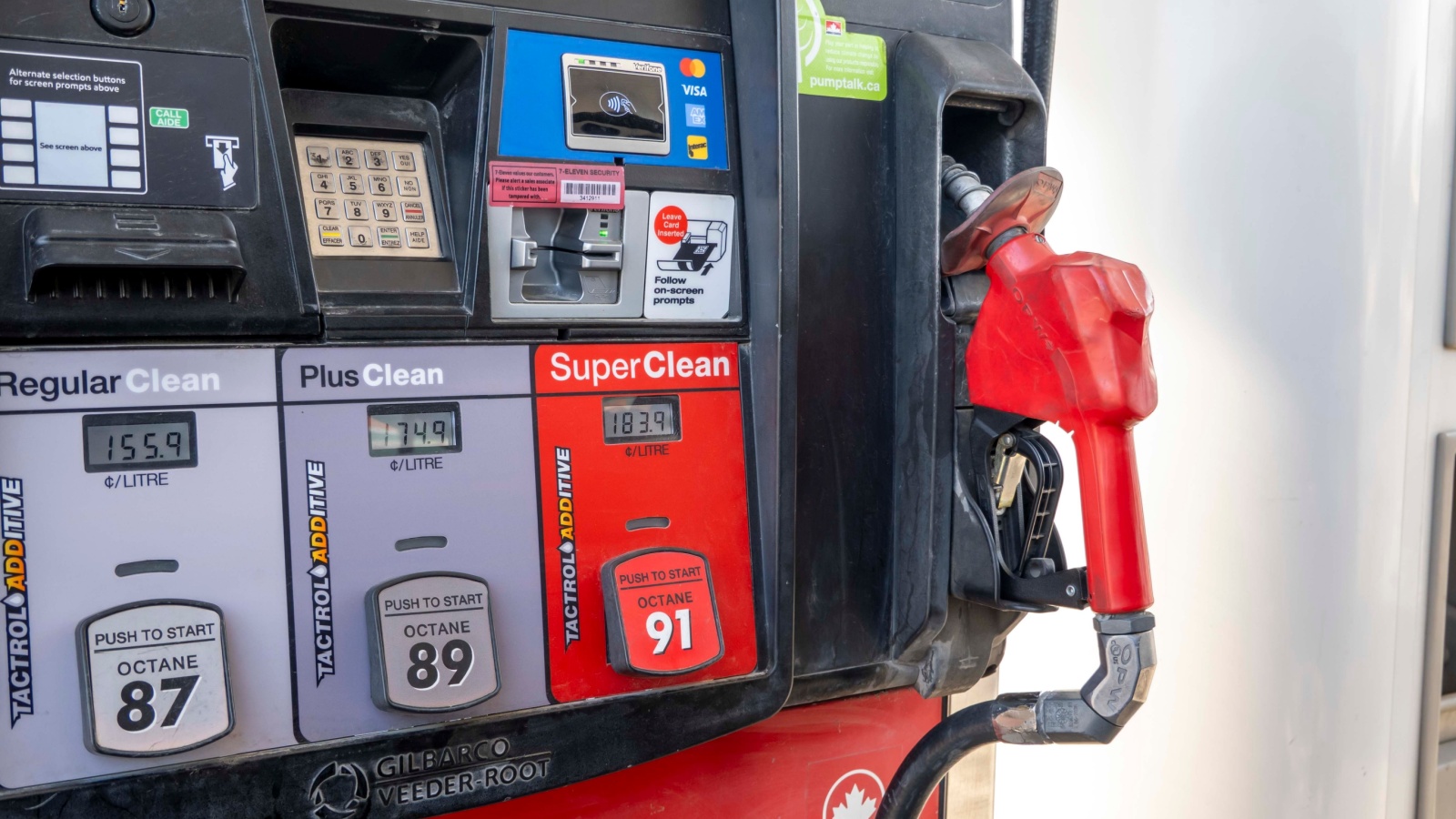
Canadian fuel prices already fluctuate in response to global news. U.S. control over Venezuelan oil would tighten supply options. Markets dislike fewer sellers. That usually means sharper price jumps. Canadian consumers would notice faster spikes at the pump. Even brief disruptions could lead to rapid price increases. Refiners would pass costs along without delay. Rural regions would feel this first. Long commutes magnify small increases. Trucking and delivery costs would also rise. Groceries move by fuel. So do online orders. Volatility matters more than averages. Budgeting becomes harder when prices change weekly. This instability would affect confidence, not just wallets, across provinces nationwide.
Increased Pressure on Canadian Refineries

Some Canadian refineries rely on heavy crude blends. Venezuelan oil fits that profile well. If the U.S. controls supply flows, access could narrow. Canadian buyers might lose bargaining power. Refineries would search for alternatives quickly. Switching sources is not simple. Equipment adjustments take time and money. Transport routes may not exist yet. Interim solutions usually cost more. That cost reaches consumers eventually. Eastern Canada would feel this pressure more sharply. Import dependence is higher. Refinery margins could shrink. That raises long-term risks for jobs and regional fuel stability.
Stronger U.S. Influence Over North American Energy
Energy control brings leverage. If the U.S. dominates Venezuelan oil flows, its regional influence grows. Canada would face a stronger negotiating partner. Energy talks could become less balanced. Policy alignment pressure may increase. This affects climate timelines and trade terms. Canada often prefers flexibility. Greater U.S. control narrows that space. Joint energy planning may favor American priorities first. Canadian interests could follow second. Even friendly leverage still counts as leverage. Over time, this shifts who sets the agenda. Smaller decisions start stacking up. That changes long-term autonomy in energy planning.
Reduced Bargaining Power for Canadian Importers

Competition among suppliers keeps prices fair. Remove one independent supplier and leverage shifts. Canadian importers would face fewer options. U.S. intermediaries could dictate terms. Contracts may include stricter conditions. Pricing formulas could change. Shipping schedules might favor American buyers. Smaller Canadian firms would struggle most. Large firms adapt faster. That creates uneven impacts. Consolidation could follow. Less competition rarely helps consumers. Importers might hedge more aggressively. Hedging adds cost. Those costs flow downstream. The result is quieter price pressure that builds over time.
Complications in Canada’s Latin America Relations
Canada maintains diplomatic ties across Latin America. Venezuelan oil control by the U.S. alters that landscape. Regional politics become more polarized. Canada may face pressure to pick sides. Neutral stances get harder to hold. Trade discussions with other countries could shift tone. Some partners may view Canada as aligned by default. That affects mining, energy, and infrastructure talks. Diplomatic trust matters for long deals. Reduced trust slows projects. Slower projects reduce growth opportunities. This consequence is subtle but lasting. Foreign policy signals often matter more than official statements.
Higher Transportation Costs Across Industries

Oil prices influence more than gasoline. Shipping relies on fuel. Rail relies on fuel. Air cargo relies on fuel. When prices fluctuate upward, logistics costs rise. Canadian industries depend on long-distance transport. Food, lumber, and manufactured goods travel far. Higher fuel costs squeeze margins. Companies respond by raising prices or cutting costs. Cuts often mean jobs or hours. Remote communities feel this first. They have fewer alternatives. Transportation inflation spreads quietly. By the time consumers notice, it is already embedded. Reversing it takes time and stable supply conditions.
Increased Energy Security Concerns

Diversity equals security in energy planning. Fewer supply sources increase risk exposure. If the U.S. controls Venezuelan oil, diversity shrinks. Canada becomes more dependent on fewer channels. Any disruption carries higher stakes. Weather, strikes, or political shifts matter more. Governments plan for worst cases, not best ones. Emergency reserves may need expansion. That costs public money. Security planning shifts focus from efficiency to resilience. That tradeoff affects budgets. Taxpayers often fund resilience upgrades. The benefit is invisible until a crisis hits. The cost arrives immediately.
Pressure on Canada’s Climate Policy Timeline

Energy supply changes affect climate pacing. Short-term shortages often delay transitions. Governments prioritize affordability during price spikes. Climate measures may slow temporarily. Public support weakens when costs rise. If U.S. control tightens, oil markets, pressure grows. Canada may face tougher choices. Maintain targets or soften timelines. Neither option is easy. Political compromise often follows economic stress. That shapes policy messaging. Long-term goals remain, but near-term actions shift. These adjustments add up quietly. Climate progress depends on stable conditions more than ambition alone.
Shifts in Investment Toward Domestic Production

Higher external risk can redirect capital. Investors prefer predictable supply chains. If imports feel uncertain, domestic projects gain appeal. Canadian oil and gas investment could rise. This includes maintenance and expansion projects. Job creation may follow in certain regions. However, investment cycles take time. Benefits appear later than costs. Regulatory debates would intensify. Public opinion would split. Some welcome jobs. Others worry about emissions. This tension affects approvals. Market signals would push one way. Politics would push another. The outcome would shape Canada’s energy mix for years.
Greater Exposure to U.S. Foreign Policy Decisions

Control over oil brings policy consequences. Sanctions, exemptions, and deals change quickly. Canada would be indirectly exposed to those choices. Decisions made in Washington could affect Canadian prices overnight. Advance notice is not guaranteed. Businesses dislike surprise shifts. Planning becomes harder. Risk premiums increase. Insurance costs rise. Hedging becomes common. All of this adds expense. Sovereign decisions elsewhere shaping domestic outcomes create frustration. Over time, this fuels debate about dependence. That debate influences elections and policy platforms. Foreign policy becomes a domestic economic issue.
Increased Costs for Manufacturing and Agriculture

Manufacturing depends on energy inputs. Agriculture depends on fuel and fertilizer. Oil price changes hit both. If supply tightens, costs climb. Canadian manufacturers compete globally. Higher costs reduce competitiveness. Export margins shrink. Some production may shift elsewhere. Farmers face similar pressure. Fuel affects planting, harvesting, and transport. Food prices respond slowly but steadily. Consumers feel it later. Producers feel it first. Subsidy calls may increase. Government support strains budgets. This cycle repeats during every energy shock. Control concentration raises the likelihood of repeated shocks.
Impact on Eastern Canada’s Energy Balance

Eastern Canada imports more oil than the West. Supply routes matter greatly there. Venezuelan crude historically played a role. U.S. control could redirect flows south first. Eastern provinces may pay premiums. Shipping distances could increase. Tanker availability might tighten. Seasonal demand spikes would worsen impacts. Heating costs could rise in winter. Households on fixed incomes would struggle most. Provincial governments might step in. Relief programs cost money. Infrastructure alternatives take years. Until then, vulnerability remains. Regional inequality within Canada could widen quietly through energy pricing.
Trade Negotiation Leverage Shifts

Energy underpins trade discussions. When one partner controls supply, leverage grows. The U.S. could link energy access to trade terms. Canada would face tougher negotiation positions. This may affect unrelated sectors. Agriculture, manufacturing, and digital trade could feel pressure. Linking issues is common in diplomacy. Even implied leverage changes tone. Negotiators plan differently. Concessions become more likely. Over time, agreements may tilt slightly. Each tilt seems minor. Together, they reshape the trade balance. Energy influence rarely stays confined to energy alone.
Slower Progress on Energy Affordability Goals
Canada aims to balance affordability with transition. Price shocks disrupt that balance. When oil markets tighten, relief becomes a priority. Long-term reforms pause. Short-term fixes dominate headlines. Consumers judge outcomes, not intentions. Higher bills reduce trust. Programs promising future savings face skepticism. Policymakers respond cautiously. Incremental steps replace bold moves. This slows momentum. The public narrative shifts toward cost control. Energy affordability goals stretch further into the future. Stability, not speed, becomes the main objective during extended uncertainty.
Increased Focus on Strategic Reserves

Supply concentration raises reserve importance. Canada may review its emergency stock policies. Expanding reserves costs money upfront. Storage infrastructure requires maintenance. Deciding reserve levels involves tradeoffs. Too few risks, shortages. Too many ties up capital. Public debate would follow. Transparency demands grow during energy stress. Reserve management becomes political. Decisions are scrutinized closely. While reserves provide insurance, they do not lower prices. They simply prevent the worst outcomes. The expense is ongoing. This is a quiet but lasting fiscal consequence of supply control shifts.
Market Uncertainty Affecting Long-Term Planning

Businesses plan years ahead. Energy uncertainty shortens planning horizons. Capital projects delay decisions. Hiring slows. Expansion waits for clarity. This affects growth forecasts. Canada’s economy relies on stable expectations. When oil supply control changes, assumptions break. Analysts revise outlooks. Investors become cautious. Caution reduces momentum. Even sectors unrelated to energy feel this drag. Confidence works like fuel. When it drops, systems slow. Restoring confidence takes consistent signals. External control over supply makes those signals harder to provide domestically.
Public Debate Over Energy Independence Intensifies

Rising costs spark conversation. Dependence becomes a talking point. Media attention increases. Political leaders respond. Energy independence gains appeal. Definitions vary widely. Some argue for more domestic production. Others argue for a faster transition. The debate grows louder. Consensus becomes harder. Policy swings become more likely. Businesses prefer predictability. Voters react to bills, not theories. This dynamic shapes elections. Energy discussions move from expert panels to dinner tables. That shift influences long-term direction. Control over foreign oil can reshape national identity debates quietly.
22 Groceries to Grab Now—Before another Price Shock Hits Canada
Food prices in Canada have been steadily climbing, and another spike could make your grocery bill feel like a mortgage payment. According to Statistics Canada, food inflation remains about 3.7% higher than last year, with essentials like bread, dairy, and fresh produce leading the surge. Some items are expected to rise even further due to transportation costs, droughts, and import tariffs. Here are 22 groceries to grab now before another price shock hits Canada.
22 Groceries to Grab Now—Before another Price Shock Hits Canada
This Options Discord Chat is The Real Deal
While the internet is scoured with trading chat rooms, many of which even charge upwards of thousands of dollars to join, this smaller options trading discord chatroom is the real deal and actually providing valuable trade setups, education, and community without the noise and spam of the larger more expensive rooms. With a incredibly low-cost monthly fee, Options Trading Club (click here to see their reviews) requires an application to join ensuring that every member is dedicated and serious about taking their trading to the next level. If you are looking for a change in your trading strategies, then click here to apply for a membership.