
35,000+ smart investors are already getting financial news, market signals, and macro shifts in the economy that could impact their money next with our FREE weekly newsletter. Get ahead of what the crowd finds out too late. Click Here to Subscribe for FREE.
Interest rate cuts sound distant, technical, and easy to ignore. Yet they quietly shape daily spending decisions across Canada. When the Bank of Canada lowers rates, money behaves differently. Loans feel lighter. Savings accounts act stingier. Prices respond unevenly. Some households gain room to breathe. Others feel squeezed in new ways. These shifts rarely arrive overnight. They unfold through mortgages, credit cards, rent, groceries, and even job choices. Here are 15 ways the Bank of Canada’s rate cuts will reshape Canadian wallets.
Variable Mortgage Payments Will Ease Gradually
15 Ways the Bank of Canada’s Rate Cuts Will Reshape Canadian Wallets
- Variable Mortgage Payments Will Ease Gradually
- Fixed Mortgage Rates Will React Unevenly
- Credit Card Interest Will Stay Painfully High
- Lines of Credit Will Become More Attractive
- Savings Accounts Will Quietly Shrink Returns
- GIC Rates Will Lose Their Shine
- Housing Demand Will Creep Back Slowly
- Rent Pressures May Linger Despite Cuts
- Car Loans and Financing Will Loosen
- Small Business Owners Will Reconsider Spending
- Inflation Relief Will Feel Uneven
- Household Debt Choices Will Shift
- Investment Risk Appetite Will Increase
- Government Benefits and Credits Feel Unchanged
- Budgeting Habits Will Quietly Evolve
- 22 Groceries to Grab Now—Before another Price Shock Hits Canada

Variable mortgage holders feel rate cuts sooner than most Canadians. Monthly payments often drop, though sometimes slowly. Some lenders reduce interest portions first instead of payments. That delay frustrates borrowers expecting instant relief. Over time, more of each payment hits principal. This shortens loan timelines if payments stay unchanged. Homeowners may redirect savings toward repairs, debt, or groceries. Still, relief depends on lender terms and past hikes. Rate cuts do not erase previous strain. They simply reduce pressure moving forward. Many households will notice modest relief, not dramatic change. Expectations often run ahead of reality here.
Fixed Mortgage Rates Will React Unevenly

Fixed mortgage rates respond less directly to central bank cuts. They track bond markets more than policy announcements. Some fixed rates may fall early. Others barely move. Homebuyers often expect uniform drops and feel confused. Lenders price in future expectations, not today’s cut alone. This creates uneven offers across banks. Savvy borrowers shop aggressively during these windows. Others accept higher rates out of urgency. The gap between advertised and negotiated rates can widen. Rate cuts still help, but indirectly. Timing matters more than headlines. Many Canadians will miss savings simply by renewing too early or too late.
Credit Card Interest Will Stay Painfully High

Credit card rates rarely fall meaningfully after rate cuts. Banks protect this revenue stream carefully. Even when policy rates drop, card interest often stays above twenty percent. For households carrying balances, relief feels absent. Minimum payments shrink slightly, which stretches repayment timelines. That extension increases total interest paid. Some borrowers mistakenly reduce payments, thinking costs have fallen. They did not. Rate cuts help lenders more than cardholders here. Canadians relying on credit for essentials will still struggle. Real relief only comes from balance transfers or aggressive repayment. Central bank cuts barely touch this corner of household finance.
Lines of Credit Will Become More Attractive

Personal lines of credit usually track policy rates closely. When rates fall, borrowing costs drop faster here than on cards. This tempts households to shift balances. Many consolidate high-interest debt into cheaper credit lines. That move lowers the monthly interest but raises the risk. Easier access encourages ongoing borrowing. Some households cycle debt instead of shrinking it. Others finally catch up. Rate cuts change behavior, not just numbers. Banks market credit lines aggressively during easing cycles. Canadians must resist treating cheaper credit as harmless. Lower interest still accumulates. Discipline matters more when borrowing feels easier and less urgent.
Savings Accounts Will Quietly Shrink Returns

Lower rates hurt savers quickly. High-interest savings accounts lose appeal. Promotional rates disappear faster than expected. Emergency funds grow more slowly. Retirees, depending on interest income, feel pressure. Some shift toward riskier investments unwillingly. Others save less, feeling discouraged. Banks benefit from cheaper deposits. Households lose invisible income they rarely track. The impact feels small monthly but large yearly. Rate cuts reward borrowers while taxing savers quietly. This tradeoff rarely gets attention. Canadians with cash reserves notice balances growing more slowly. The loss is subtle but persistent. Over time, savings habits may weaken.
GIC Rates Will Lose Their Shine

Guaranteed Investment Certificates thrive when rates rise. Cuts dull their appeal fast. New GIC offerings drop before existing ones mature. Savers face reinvestment risk when terms end. Rolling over money yields less income. Some investors lock in longer terms, hoping to protect returns. Others avoid GICs entirely. This shifts household portfolios toward risk. Conservative savers feel cornered. Rate cuts reduce certainty, not just yield. Planning income becomes harder. The safety remains, but rewards shrink. Many Canadians will rethink how much cash sits in fixed products. Comfort costs more when rates fall.
Housing Demand Will Creep Back Slowly

Rate cuts often revive housing interest, but rarely overnight. Buyers remain cautious after volatility. Lower borrowing costs improve affordability at the margins. Monthly payment calculations soften slightly. Some renters reenter the market. Others wait, expecting further cuts. Sellers adjust expectations unevenly. This creates stalled negotiations. In some cities, listings rise before sales do. Rate cuts change psychology gradually. Confidence rebuilds in stages. Canadian wallets feel relief only when deals close. Until then, uncertainty dominates. Housing responds to sentiment as much as math. The effect unfolds over months, not headlines.
Rent Pressures May Linger Despite Cuts

Lower rates do not quickly reduce rent. Landlords carry past costs and rising expenses. Mortgage relief takes time to appear. Population growth sustains demand pressure. Some landlords refinance and stabilize their finances. Fewer lower rents are voluntary. Renters expecting immediate relief feel disappointed. Rate cuts help future supply more than current prices. New projects may restart slowly. That takes years to matter. For now, renters see little change. Wallet stress remains. Rate cuts influence rent indirectly and slowly. The disconnect frustrates tenants watching homeowners gain relief while their own housing costs stay elevated.
Car Loans and Financing Will Loosen

Auto financing responds fairly quickly to rate cuts. Dealers advertise lower monthly payments aggressively. Loan terms stretch longer, reducing sticker shock. Buyers feel encouraged to upgrade sooner. This increases household debt length, not just amount. Lower rates hide higher vehicle prices. Canadians may borrow more, not save. Repair versus replace decisions shift. Used car demand changes, too. Rate cuts alter timing, not affordability fundamentals. Monthly relief masks long-term cost. Wallets feel lighter initially. Years later, extended payments linger. Rate cuts make vehicles feel reachable while quietly extending financial commitments.
Small Business Owners Will Reconsider Spending

Entrepreneurs watch rate changes closely. Lower borrowing costs encourage investment plans. Equipment upgrades seem affordable again. Expansion feels less risky. Yet caution remains after recent shocks. Many owners prioritize debt reduction first. Rate cuts free cash flow slowly. Hiring decisions lag. Business credit lines become easier to manage. This helps income stability for households relying on small firms. Consumer wallets feel indirect effects through jobs and prices. The response is uneven by sector. Rate cuts help confidence before cash. Spending follows sentiment, not policy alone. Business behavior quietly reshapes household income patterns.
Inflation Relief Will Feel Uneven

Rate cuts often signal inflation control, but prices do not fall evenly. Some goods stabilize quickly. Others stay stubborn. Services often remain expensive. Canadians expect cuts to lower grocery bills. That rarely happens fast. Instead, price increases are slow. Wallets still feel pressure. Expectations adjust slowly. People notice what stays high more than what stops rising. Rate cuts influence future pricing, not past costs. This gap creates frustration. Relief feels abstract while expenses stay concrete. Understanding this delay helps with budgeting decisions. Lower rates help long-term stability, not instant price drops.
Household Debt Choices Will Shift

When borrowing costs fall, households rethink debt priorities. Some accelerate mortgage payments. Others take on new loans. The mix changes across income groups. Higher earners invest borrowed money. Lower earners juggle essentials. Rate cuts widen behavior gaps. Financial literacy plays a larger role. Those with advice optimize. Others drift. Lower rates reduce urgency to repay. That can prolong stress. Wallet outcomes diverge quietly. The same policy creates different results. Rate cuts are tools, not guarantees. How Canadians use cheaper credit determines whether wallets heal or strain later.
Investment Risk Appetite Will Increase

Lower rates push investors toward higher-risk assets. Returns on safe options shrink. Stocks, funds, and alternatives look tempting. Some Canadians chase yield without preparation. Market swings feel sharper. Losses hurt confidence. Others benefit from growth. Rate cuts change the emotional side of money. Fear fades. Optimism rises. Timing mistakes increase. Wallets reflect both gains and regret. The shift favors those with long horizons. Short-term investors face stress. Rate cuts reward patience more than excitement. Understanding risk becomes essential when safety pays less and volatility feels acceptable again.
Government Benefits and Credits Feel Unchanged
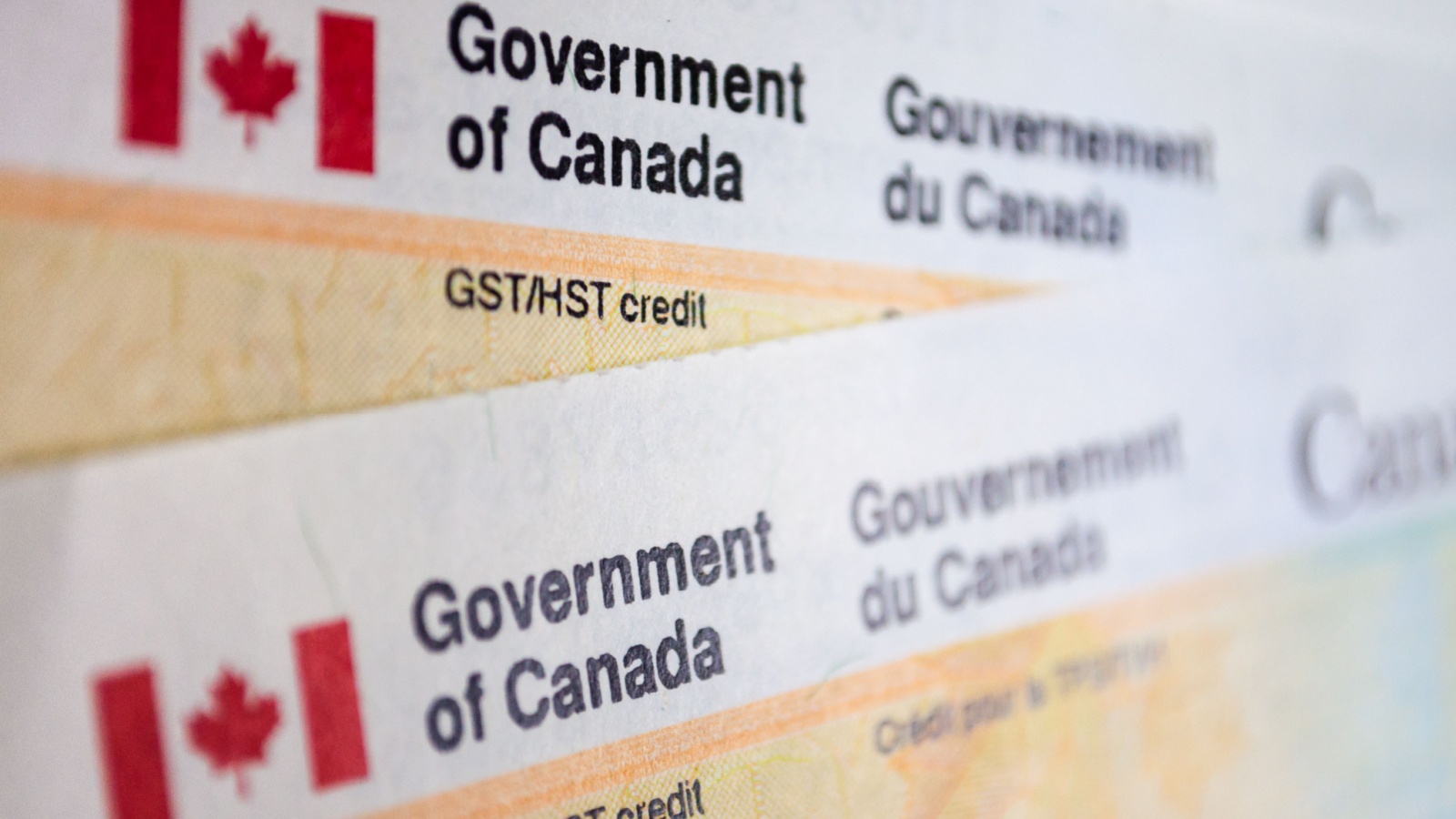
Rate cuts do not directly alter benefit programs. Payments stay fixed. Costs around them change instead. Borrowing relief does not help those without debt. Savers relying on benefits see no upside. This creates uneven relief across households. Some feel ignored. Others feel supported. The policy works through markets, not programs. Expectations clash with reality. Rate cuts help indirectly by boosting jobs and controlling inflation. That takes time. Wallets relying on fixed income remain tight. Understanding this limit prevents disappointment. Monetary policy broadly supports the economy, not individual situations equally.
Budgeting Habits Will Quietly Evolve

Lower rates change daily money behavior. Small decisions feel less urgent. People postpone budgeting reviews. Subscriptions linger longer. Emergency planning relaxes. This softness creeps in unnoticed. Some households gain breathing room wisely. Others drift toward spending. Rate cuts remove pressure but not responsibility. Long-term stability still requires structure. Wallets benefit most when relief funds are set for goals, not habits. The biggest change is psychological. Money feels less heavy. That feeling shapes choices more than numbers. Awareness matters most during easing cycles, when discipline feels optional but remains necessary.
22 Groceries to Grab Now—Before another Price Shock Hits Canada

Food prices in Canada have been steadily climbing, and another spike could make your grocery bill feel like a mortgage payment. According to Statistics Canada, food inflation remains about 3.7% higher than last year, with essentials like bread, dairy, and fresh produce leading the surge. Some items are expected to rise even further due to transportation costs, droughts, and import tariffs. Here are 22 groceries to grab now before another price shock hits Canada.
22 Groceries to Grab Now—Before another Price Shock Hits Canada
This Options Discord Chat is The Real Deal
While the internet is scoured with trading chat rooms, many of which even charge upwards of thousands of dollars to join, this smaller options trading discord chatroom is the real deal and actually providing valuable trade setups, education, and community without the noise and spam of the larger more expensive rooms. With a incredibly low-cost monthly fee, Options Trading Club (click here to see their reviews) requires an application to join ensuring that every member is dedicated and serious about taking their trading to the next level. If you are looking for a change in your trading strategies, then click here to apply for a membership.