
35,000+ smart investors are already getting financial news, market signals, and macro shifts in the economy that could impact their money next with our FREE weekly newsletter. Get ahead of what the crowd finds out too late. Click Here to Subscribe for FREE.
Alberta’s economy is tied closely to the price of oil, so a major decline can spread into many parts of daily life. Workers, businesses, and households feel the effects in different ways. Some outcomes reduce costs for consumers, while others tighten budgets and limit financial security. Housing, travel, government services, and investment returns can all change during prolonged downturns. Canadians outside Alberta may also notice impacts through gas prices, the Canadian dollar, and stock market performance. Here are 18 things that happen to your wallet if oil prices crash again in Alberta.
Higher Unemployment in Alberta’s Energy Sector
18 Things That Happen to Your Wallet If Oil Prices Crash Again in Alberta
- Higher Unemployment in Alberta’s Energy Sector
- Reduced Hiring and Wage Freezes Across the Province
- Lower Inter-Provincial Migration to Alberta
- Falling Home Prices in Key Alberta Cities
- Cheaper Rent in Calgary, Edmonton, and Fort McMurray
- Decline in Local Small Business Revenues
- Reduced Disposable Income for Alberta Households
- Lower Provincial Tax Revenues
- Cuts or Delays in Provincial Government Spending
- Lower Canadian Dollar Value Relative to USD
- Higher Inflation for Imported Consumer Goods
- Cheaper Gas Prices for Canadian Drivers
- Reduced Airline Ticket Prices for Canadian Travelers
- Lower Cost for Diesel-Dependent Shipping & Trucking
- Decreased Cost for Home Heating in Western Canada
- Weaker Investment Returns From Energy Stocks
- Increased Volatility in Canadian Pension Funds
- Reduced Business Investment in Energy Infrastructure Projects
- 22 Groceries to Grab Now—Before another Price Shock Hits Canada

When oil prices fall, energy producers reduce capital spending, drilling, and new project approvals. This often results in layoffs among contractors, field workers, and office roles tied to exploration, production, and oilfield services. Unemployment increases most in Calgary and Fort McMurray because their labour markets are more dependent on oil and gas activity. Contractors are usually impacted first since they are not salaried positions. The slowdown also decreases work for engineering firms, logistics companies, and equipment suppliers. Reduced employment in energy pushes households to cut spending, with spillover effects across hospitality, transportation, retail, and real estate in Alberta.
Reduced Hiring and Wage Freezes Across the Province

When profits decline, companies restrict operating budgets. One of the earliest measures is a pause on new hiring, especially for junior, administrative, and internship roles. Wage freezes are also common, particularly for non-union workers. Performance bonuses, stock incentives, and discretionary compensation can be reduced or cancelled. Replacement hiring for retirements and departures slows down, which reduces labour mobility. Because Alberta’s service economy is tied to energy, industries such as engineering, legal, accounting, IT, logistics, and trades also feel the impact. Lower hiring contributes to slower household income growth and weaker consumer spending in core Alberta cities.
Lower Inter-Provincial Migration to Alberta
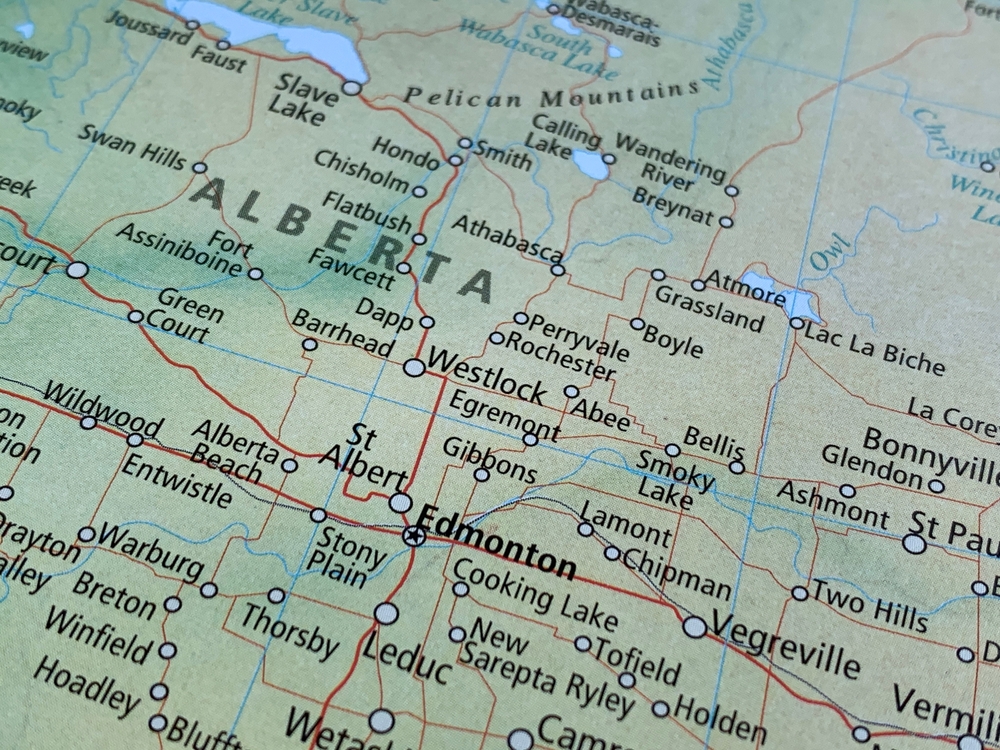
Alberta normally attracts workers from Ontario, British Columbia, Quebec, and Atlantic Canada during commodity upcycles. When oil declines, inter-provincial migration slows because job prospects and contract availability weaken. Skilled trades, temporary foreign workers, and engineering professionals are less likely to relocate during periods of reduced drilling activity. Population growth slows, lowering housing demand, rental absorption, and commercial expansion. Migration patterns have historically tracked crude price movements and major oil megaproject cycles. Reduced migration also affects government revenue planning and municipal infrastructure demand. Migration is one of the most visible signals of confidence in Alberta’s energy labour market.
Falling Home Prices in Key Alberta Cities

Real estate values in oil-linked cities tend to soften during commodity downturns. Calgary and Edmonton have previously experienced price declines when unemployment rises and population growth stalls. Buyers delay purchases, sellers increase listings, and inventory accumulates. Developers may cancel or postpone pre-construction projects due to weaker demand forecasts. Investors also pull back when rental absorption becomes less predictable. Detached homes typically see larger price adjustments than entry-level condos. Extended downturns have historically increased days-on-market, reduced bid-ask pricing gaps, and pushed developers to offer incentives. Housing activity is one of the clearest consumer-level impacts of energy price shocks.
Cheaper Rent in Calgary, Edmonton, and Fort McMurray

Soft labour markets reduce rental demand, especially for short-term and rotational workers. Calgary and Edmonton have seen lower median rents during prolonged oil price declines. Fort McMurray is particularly sensitive because its rental market is tied to camp workers, site contractors, and temporary labour. Vacancies increase as unemployed workers relocate or return to other provinces. Landlords often introduce incentives such as free parking, reduced deposits, and promotional discounts to fill units. Lower rental demand also causes developers to slow apartment construction timelines. For students, young professionals, and service workers, downturns temporarily improve housing affordability.
Decline in Local Small Business Revenues

Oil downturns reduce foot traffic and discretionary spending, which hits small businesses quickly. Restaurants, cafés, breweries, salons, gyms, retailers, and independent service providers see slower weekday sales and lower average transaction values. Corporate event spending also declines, affecting caterers, venues, and entertainment. Businesses outside Calgary and Edmonton feel delays as commercial supply chains tighten. Smaller firms often lack cash reserves, so reduced consumer demand can force shorter hours, layoffs, or closures. During prolonged downturns, landlords offer rent concessions, and municipalities may see weaker commercial tax collections. Small business revenue is an immediate barometer of household financial stress.
Reduced Disposable Income for Alberta Households

When layoffs, wage freezes, and reduced work hours take hold, household cash flow tightens across income brackets. Families cut back on travel, restaurants, entertainment, upgrades, and non-essential purchases. Big-ticket spending—such as home renovations, vehicle upgrades, and recreational equipment—typically slows first. Contract workers experience sharper swings because their income relies on project cycles. Mortgage payments, childcare, and fuel remain fixed costs, so discretionary flexibility shrinks. Households also prioritize savings over consumption during uncertainty. Reduced disposable income has broader economic consequences, including slower retail sales growth, weaker provincial GDP performance, and lower consumer confidence metrics.
Lower Provincial Tax Revenues
Alberta relies more than other provinces on royalties and corporate tax revenue linked to the energy sector. When crude prices fall, companies generate lower profits, and production royalties decline. Reduced employment and household spending shrink provincial income and sales tax receipts, even though Alberta does not have a provincial sales tax. Lower population growth further suppresses revenue from property transfer taxes, vehicle registrations, and business licenses. Weaker corporate activity also affects dividend income, pension contributions, and capital gains collections. Fiscal impacts can outlast the downturn because royalties follow production timelines and companies delay new capital expenditures.
Cuts or Delays in Provincial Government Spending
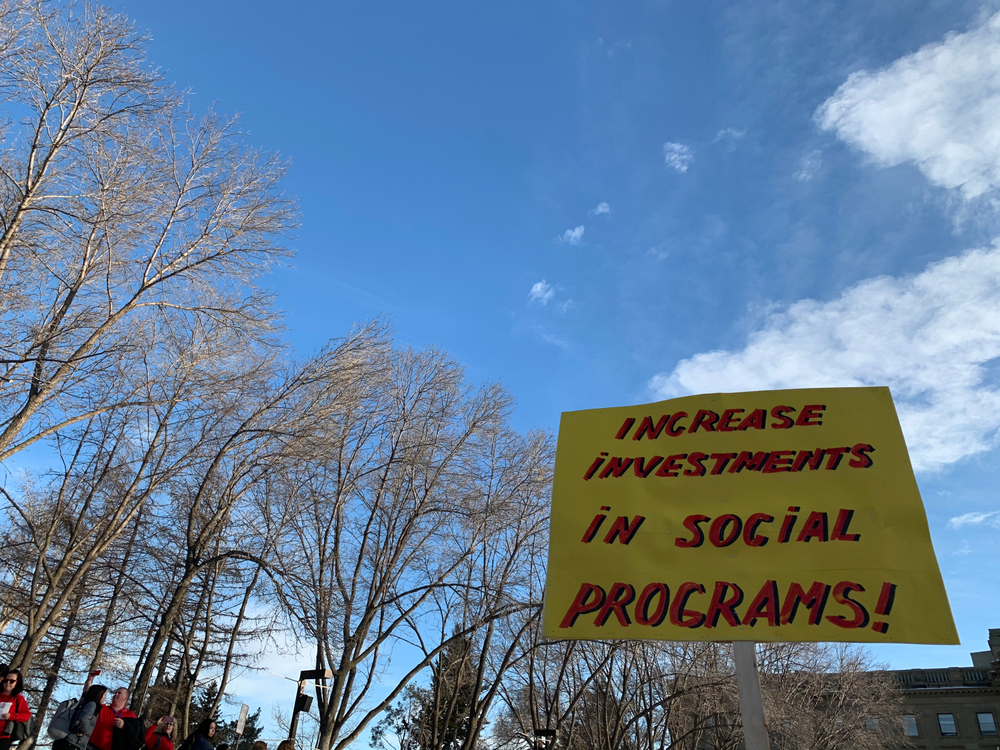
When revenues fall short, the provincial government is forced to reassess budget priorities. Capital infrastructure projects are commonly delayed, scaled back, or cancelled, including highways, hospitals, and school expansions. Staffing and operational budgets for public services may undergo hiring freezes or restructuring. Funding for municipalities, universities, healthcare, and social programs can be adjusted depending on the severity of the downturn. Deferred spending has spillover consequences for construction firms, engineering consultancies, and equipment suppliers. Budget adjustments tend to lag oil markets, meaning cuts can arrive after prices recover, prolonging the impact on Alberta’s job market and GDP.
Lower Canadian Dollar Value Relative to USD

Oil is globally traded in U.S. dollars, and Canada’s currency often tracks commodities. When crude prices crash, the Canadian dollar typically depreciates relative to the U.S. dollar. A weaker loonie raises import costs for consumers and businesses but benefits exporters. Tourism becomes more competitive as Canada becomes cheaper for U.S. visitors, which can partially offset losses in energy. However, a weaker currency makes foreign travel and online purchases more expensive for Canadian households. Currency volatility affects business planning, corporate hedging strategies, and cross-border trade flows. Alberta consumers feel the exchange rate most during winter travel periods.
Higher Inflation for Imported Consumer Goods

Most consumer products—including electronics, appliances, packaged food, clothing, and pharmaceuticals—are priced in USD-based supply chains. When the Canadian dollar weakens during an oil downturn, retailers pay more for imports. Those costs are passed to consumers in the form of higher prices, even if domestic wages are stagnant. Sectors such as grocery tend to adjust quickly because wholesale contracts renew frequently. Inflation can also affect industrial inputs like fertilizer, machinery, and medical equipment. The result is a squeeze: households earn less while everyday goods cost more. This inflation dynamic is not caused by energy prices directly, but by currency effects.
Cheaper Gas Prices for Canadian Drivers

The most visible benefit of falling oil prices is lower gasoline and diesel costs at the pump. Transportation expenses decrease for commuters, freight carriers, delivery companies, and airlines. Households with long driving distances—common in Alberta—see immediate savings. Lower fuel costs reduce inflationary pressure on food distribution and logistics. However, the benefit is uneven: cheaper gas helps consumers nationwide, while Alberta absorbs more of the job losses. Retail pump prices can lag international crude markets due to refinery capacity and tax structures. Still, cheaper fuel is one of the few positive consumer effects during oil downturns.
Reduced Airline Ticket Prices for Canadian Travelers
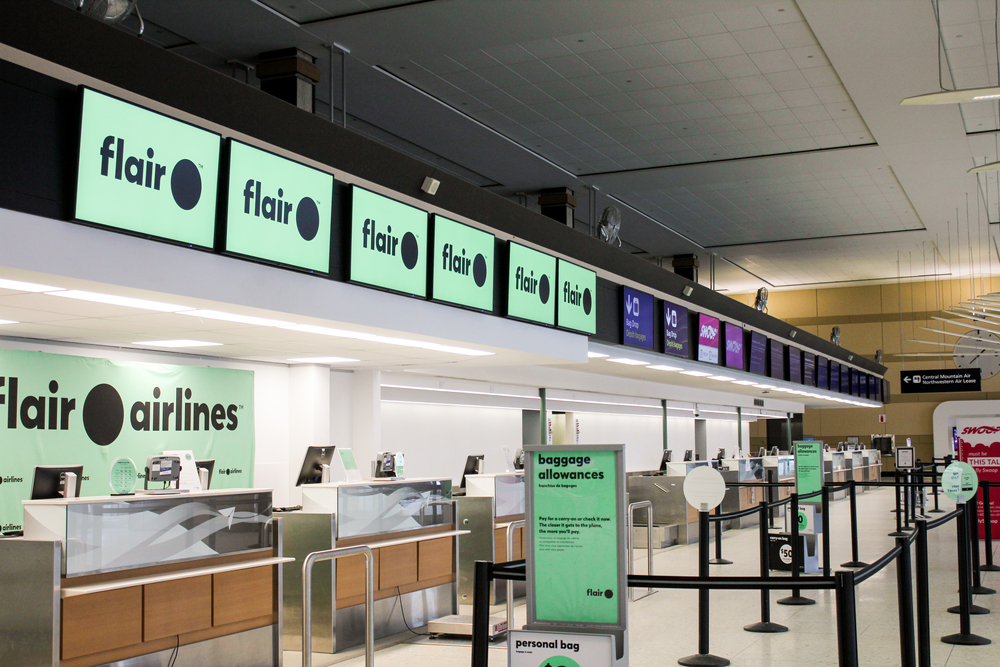
Aircraft fuel is one of the largest operating expenses for airlines, so falling oil prices can reduce aviation fuel costs. When crude stays low for several months, airlines may adjust fares, especially on competitive leisure routes to the U.S., Caribbean, and Mexico—popular with Canadian travelers in winter. Budget carriers often respond first by adding seat sales. Lower fuel costs also help airlines maintain or expand routes without raising prices. However, fare reductions are not guaranteed; airlines may also use cheaper fuel to boost margins or cover pandemic-era debt. For travelers able to book flexibly, downturns can offer real bargains.
Lower Cost for Diesel-Dependent Shipping & Trucking
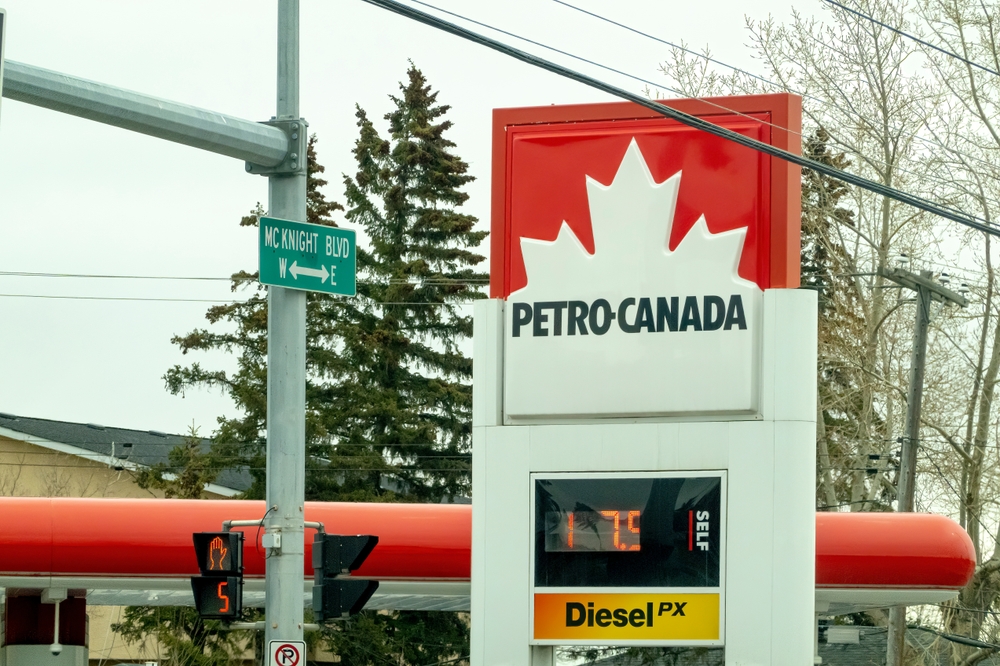
Lower oil prices decrease diesel costs, directly affecting trucking, freight distribution, and last-mile delivery networks. This reduces transportation surcharges that appear on consumer purchases, especially bulky goods like furniture, appliances, and building materials. Businesses importing goods through ports in Vancouver, Montreal, or Halifax benefit from cheaper inland freight. Agricultural producers also gain savings on machinery operations. While diesel savings can relieve inflationary pressure, the timing varies depending on supply contracts and refiners. Retailers may not immediately pass through the discount, but broader distribution cost reductions support lower price growth across Canadian supply chains over several quarters.
Decreased Cost for Home Heating in Western Canada

Many homes in Alberta and Saskatchewan rely on propane, natural gas, or heating oil, all of which tend to become cheaper during commodity downturns. Homeowners and renters can see lower winter heating bills, helping offset reduced household income during layoffs or wage freezes. For rural properties that rely on delivered fuel, cost changes can be noticeable over a single heating season. Commercial buildings—such as warehouses, farms, and industrial operations—also benefit, improving margins for small and medium-sized businesses. Though heating relief is tangible, it does not fully compensate for the broader economic strain of an energy downturn.
Weaker Investment Returns From Energy Stocks

Alberta’s economy is closely tied to publicly traded energy companies, and many Canadian retirement portfolios hold shares in oil producers, pipeline firms, and service companies. When crude prices collapse, dividends can be reduced or suspended, equity prices fall, and capital gains evaporate. This affects not just high-income investors but also teachers, municipal employees, tradespeople, and retirees with diversified holdings. The energy sector typically represents a meaningful portion of Canadian equity indexes, so a prolonged slump weighs on overall market performance. Lower shareholder profits also reduce reinvestment capacity for future growth projects within the province.
Increased Volatility in Canadian Pension Funds

Large Canadian pension plans—including those managing public sector retirement benefits—often hold substantial exposure to energy markets, infrastructure projects, and related equities. When oil prices crash, fund valuations become more volatile. Some plans adjust by shifting allocations into lower-risk fixed income, while others rebalance into international equities. Short-term volatility can influence contribution rates and benefit planning assumptions. If downturns persist, funds may adjust return forecasts downward, affecting long-term sustainability models. Pension risk is more indirect than layoffs or wage freezes, but it shapes how governments, employers, and workers plan for financial security over decades.
Reduced Business Investment in Energy Infrastructure Projects
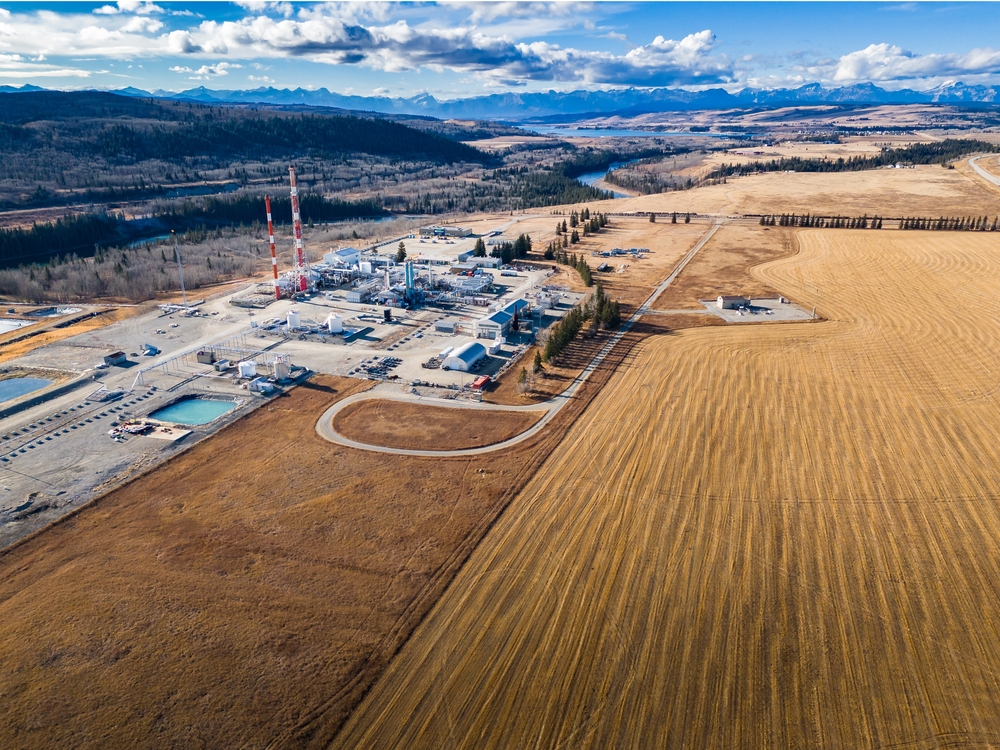
Oil downturns discourage new capital expenditures in pipelines, LNG facilities, petrochemical plants, and major extraction or refinery upgrades. Companies mothball or delay projects to preserve cash flow, which reduces demand for labor, engineering, consulting, and construction services across Alberta and Western Canada. Heavy equipment manufacturers and service firms experience slower order books, and municipalities lose spinoff revenue tied to industrial growth. Reduced capital spending also diminishes future production capacity, which affects provincial royalties and export volumes years later. These investment pauses contribute to prolonged economic recovery cycles even after crude prices rebound.
22 Groceries to Grab Now—Before another Price Shock Hits Canada

Food prices in Canada have been steadily climbing, and another spike could make your grocery bill feel like a mortgage payment. According to Statistics Canada, food inflation remains about 3.7% higher than last year, with essentials like bread, dairy, and fresh produce leading the surge. Some items are expected to rise even further due to transportation costs, droughts, and import tariffs. Here are 22 groceries to grab now before another price shock hits Canada.
22 Groceries to Grab Now—Before another Price Shock Hits Canada
This Options Discord Chat is The Real Deal
While the internet is scoured with trading chat rooms, many of which even charge upwards of thousands of dollars to join, this smaller options trading discord chatroom is the real deal and actually providing valuable trade setups, education, and community without the noise and spam of the larger more expensive rooms. With a incredibly low-cost monthly fee, Options Trading Club (click here to see their reviews) requires an application to join ensuring that every member is dedicated and serious about taking their trading to the next level. If you are looking for a change in your trading strategies, then click here to apply for a membership.