
35,000+ smart investors are already getting financial news, market signals, and macro shifts in the economy that could impact their money next with our FREE weekly newsletter. Get ahead of what the crowd finds out too late. Click Here to Subscribe for FREE.
Canadian cities feel changes in U.S. travel faster than many people expect. American visitors fill hotels, restaurants, taxis, and shops year-round. They support seasonal jobs and keep downtowns busy during quieter months. A sharp decline would not stay limited to airports or border towns. It would spread through local budgets, small businesses, and service workers. Cities with strong U.S. travel ties would feel the impact first. Others would notice it later through prices, taxes, and employment pressure. Here are 20 ways a sharp drop in U.S. tourism would ripple through Canadian cities.
Hotel Occupancy Rates Would Slide
20 Ways a Sharp Drop in U.S. Tourism Would Ripple Through Canadian Cities
- Hotel Occupancy Rates Would Slide
- Restaurant Foot Traffic Would Thin
- Retail Sales Near Attractions Would Fall
- Airport Revenues Would Decline
- Public Transit Use Would Drop Downtown
- Event Attendance Would Shrink
- Seasonal Jobs Would Disappear Faster
- Municipal Tax Revenue Would Weaken
- Border City Economies Would Feel It First
- Ride Share and Taxi Demand Would Drop
- Cultural Institutions Would Lose Visitors
- Downtown Real Estate Pressure Would Increase
- Marketing Budgets Would Be Reworked
- Small Tour Operators Would Struggle
- Convention Business Would Slow
- Local Supply Chains Would Feel Strain
- Housing for Short-Term Rentals Would Shift
- Advertising and Media Revenue Would Dip
- Education and Training Programs Would Shrink
- City Identity and Energy Would Shift
- 22 Groceries to Grab Now—Before another Price Shock Hits Canada
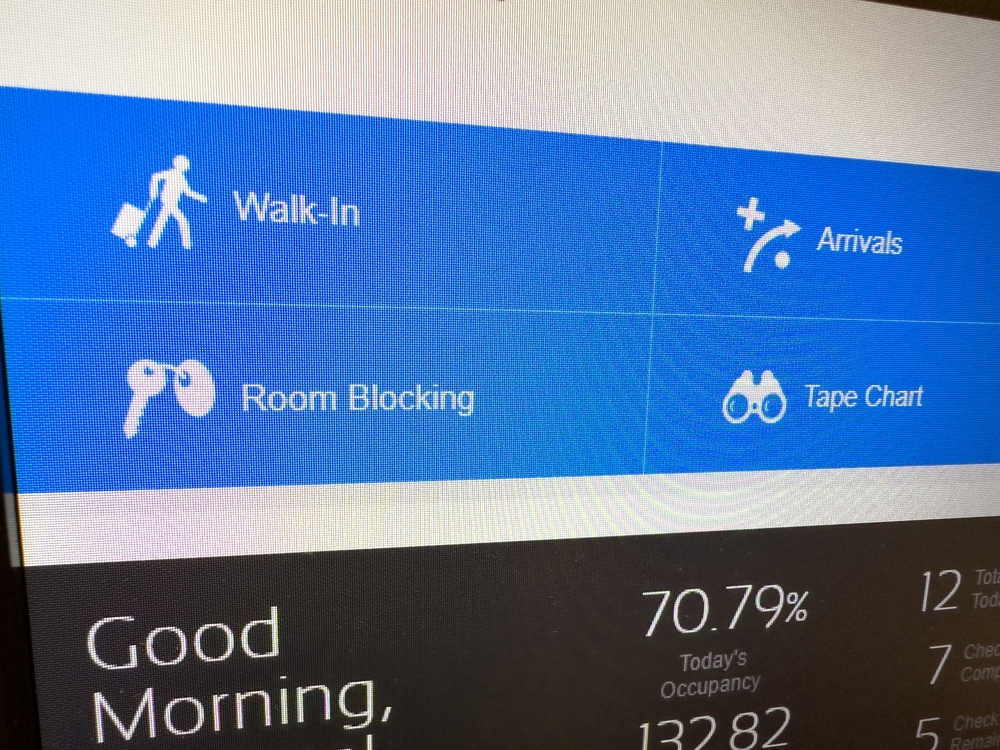
Hotels rely heavily on American visitors, especially in border cities and major downtown cores. A sharp drop would leave more rooms empty during weekdays and shoulder seasons. Lower occupancy reduces nightly revenue even when room prices stay high. Many hotels respond by cutting staff hours or delaying renovations. Independent hotels feel this pressure faster than large chains. Conference bookings may also slow if fewer Americans travel north. Empty rooms affect nearby businesses that depend on guest traffic. Over time, reduced occupancy can lead to closures or property sales. Cities then lose steady tax revenue tied to hotel stays.
Restaurant Foot Traffic Would Thin
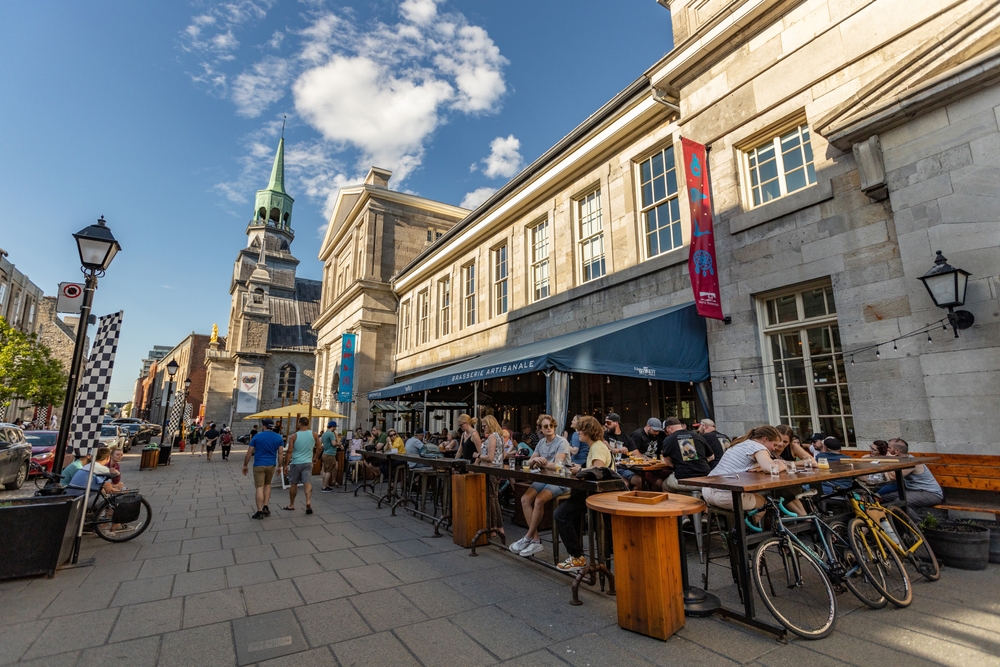
Restaurants near attractions often depend on American tourists for steady turnover. Fewer visitors mean quieter dining rooms, especially during lunch hours. Fixed costs like rent and utilities stay the same despite fewer customers. Owners may shorten hours or reduce menu options to manage losses. Seasonal patios suffer when tourist numbers drop suddenly. Staff shifts become less predictable, affecting income stability. Suppliers also feel the slowdown as orders shrink. Neighborhood restaurants can feel the impact even without tourist branding. Reduced foot traffic changes the energy of busy streets.
Retail Sales Near Attractions Would Fall

Tourist-focused retail thrives on impulse buying. Souvenirs, clothing, and specialty goods sell best to visitors. A drop in U.S. tourism removes that spending layer quickly. Local shoppers rarely replace that volume. Stores may respond with discounts that shrink profit margins. Inventory turnover slows, tying up cash. Seasonal staff contracts often end early. Empty storefronts can follow if sales remain weak. Retail corridors lose variety and appeal over time. This shift affects nearby commercial rents and city planning goals.
Airport Revenues Would Decline
Airports earn money beyond flight tickets. Parking, food, retail, and lounge access matter greatly. Fewer American travelers reduce international and cross-border flight demand. Airlines may cut routes or reduce frequency. That limits passenger choice and convenience. Airport workers face reduced hours or layoffs. Expansion projects may be delayed or canceled. Smaller airports feel this impact more sharply. Less traffic can affect cargo connections as well. Regional economies tied to air travel feel the slowdown quickly.
Public Transit Use Would Drop Downtown
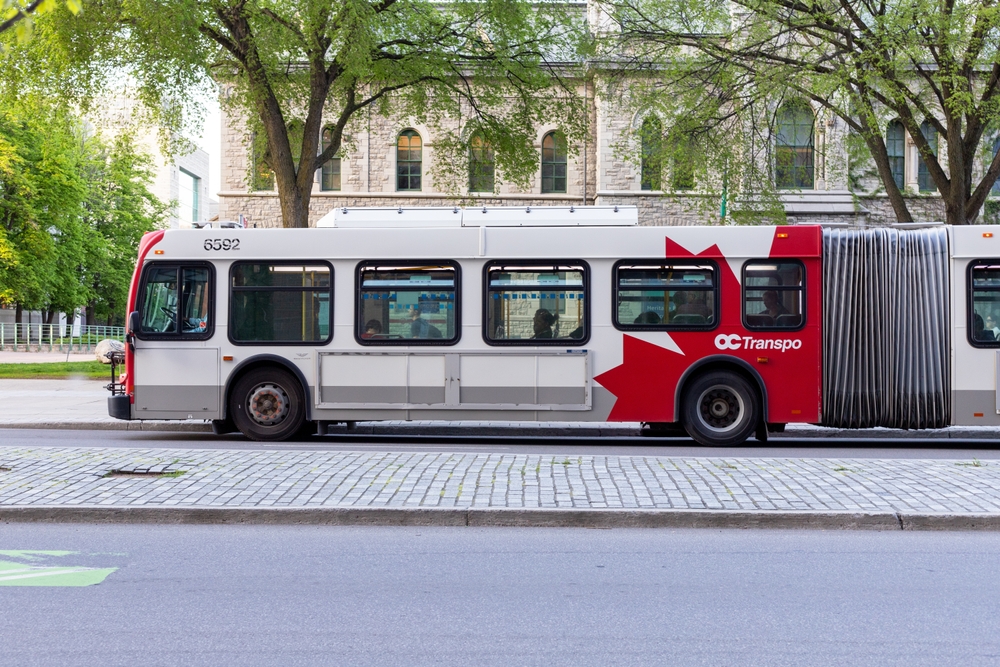
Tourists contribute heavily to downtown transit use. They ride buses, subways, and streetcars while exploring cities. A decline reduces fare revenue, especially during off-peak hours. Transit agencies may adjust schedules to match lower demand. Service reductions affect residents who rely on those routes. Budget gaps can grow if tourism-driven ridership disappears. Advertising revenue on transit vehicles may also drop. Over time, transit planning assumptions need revision. That creates funding challenges for cities already under strain.
Event Attendance Would Shrink

Festivals and major events draw large numbers of American visitors. Music, sports, and food events depend on cross-border crowds. A sharp decline lowers ticket sales and sponsorship interest. Organizers may scale back programming or cancel future editions. Local vendors lose valuable exposure and income. Cities lose promotional value tied to large events. Hotel and transit partnerships weaken. Smaller events feel the loss most because margins are thin. Cultural calendars can shrink if attendance stays low.
Seasonal Jobs Would Disappear Faster
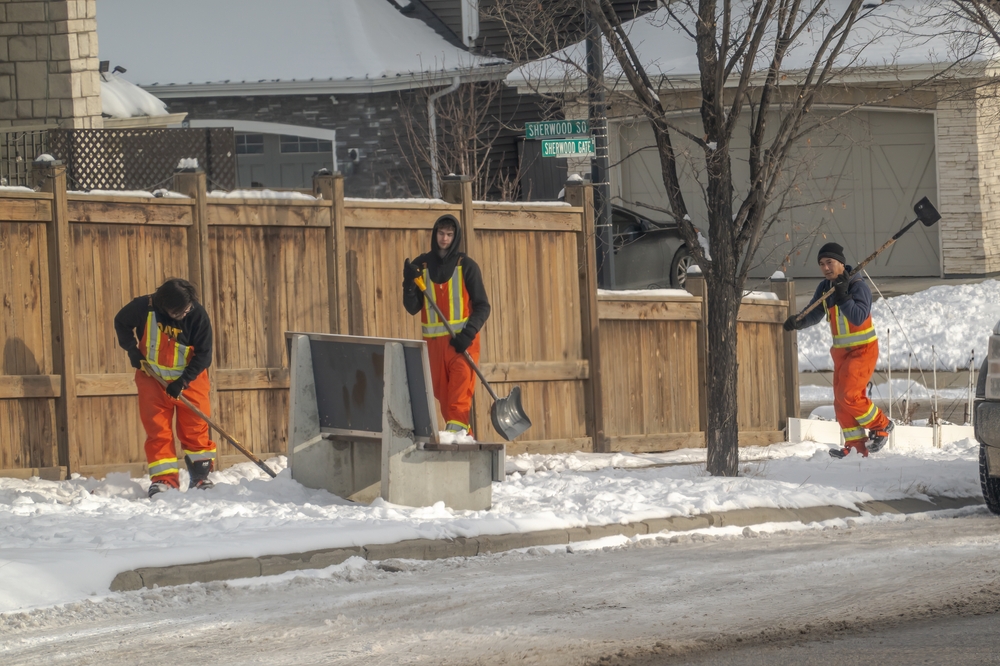
Tourism supports thousands of short-term roles across Canadian cities. Hotels, festivals, attractions, and restaurants hire extra staff during busy months. When American visitor numbers drop, these roles disappear quickly. Employers shorten seasons or cancel hiring plans altogether. Students, newcomers, and part-time workers feel this first. Fewer paycheques reduce local spending in other sectors. Employment gaps can push workers toward unemployment benefits. Career paths in hospitality become less appealing. Over time, fewer workers train for these roles. Cities lose the flexible labor that tourism once supported.
Municipal Tax Revenue Would Weaken
Tourism generates important revenue for city governments. Hotel taxes, parking fees, and sales taxes fund local services. Fewer American visitors reduce these inflows almost immediately. Budget forecasts become harder to meet. Cities may delay road repairs or facility upgrades. Cultural grants often face early cuts. Property tax pressure can rise to offset missing funds. Residents notice changes slowly through service reductions. Financial planning becomes more cautious across departments. Tourism revenue gaps affect long-term city priorities.
Border City Economies Would Feel It First
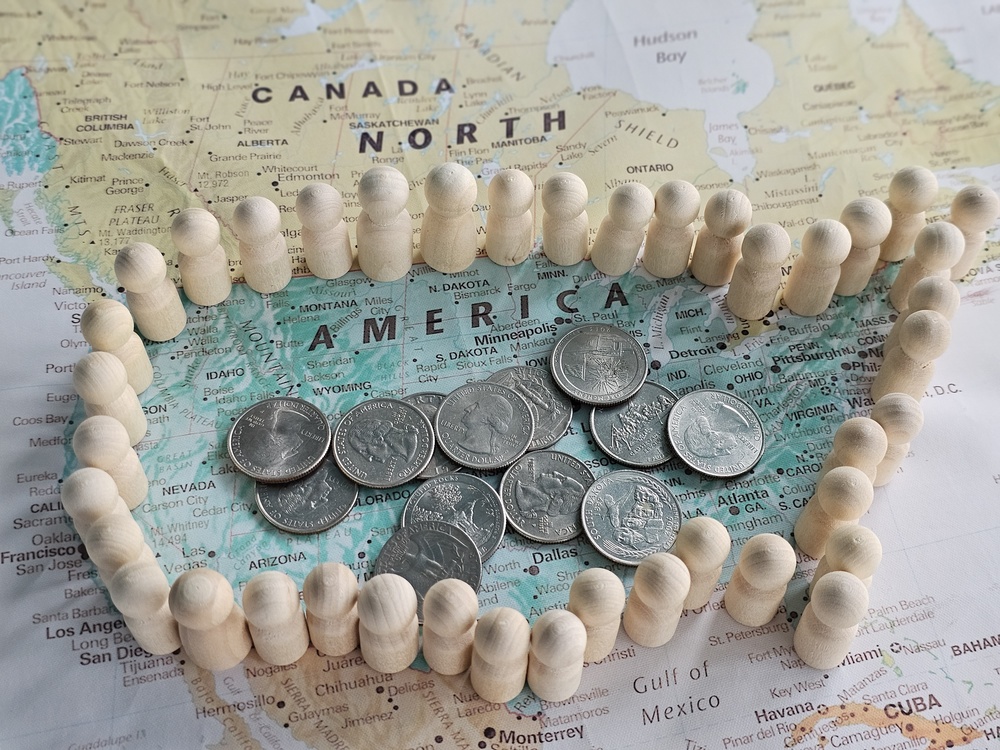
Border cities depend heavily on U.S. visitor traffic. Shopping, dining, and entertainment often target cross-border guests. A sharp tourism drop shows up quickly in sales figures. Retail corridors feel quieter within weeks. Employers reduce hours as demand fades. Local promotions struggle to replace American spending. Property values near tourist zones may soften. Smaller border towns face deeper challenges than large cities. Economic recovery depends on changing travel habits. These cities experience the ripple effects earliest.
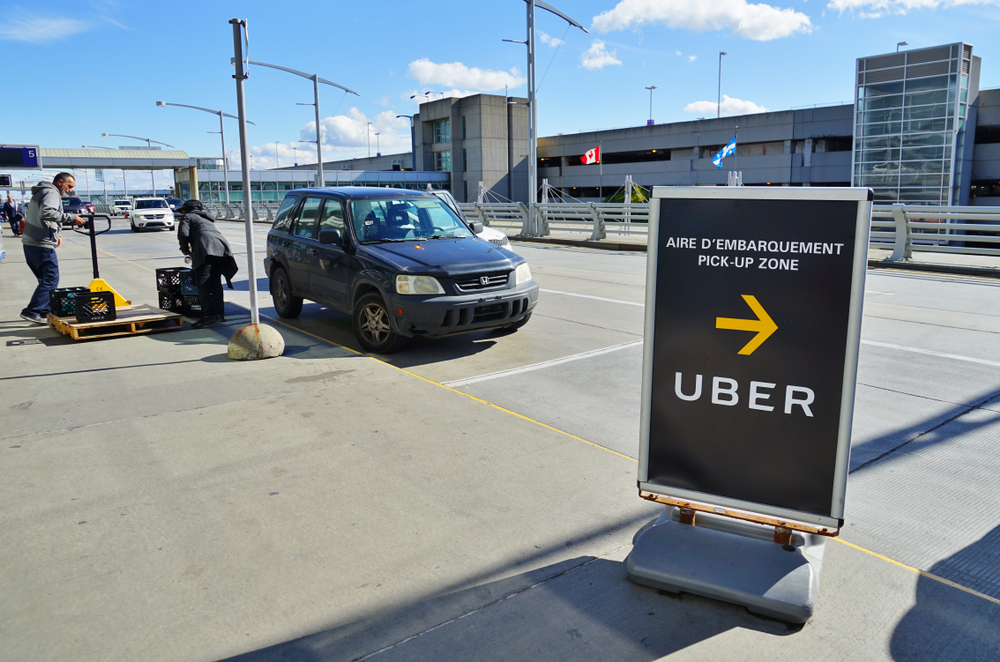
American tourists rely heavily on taxis and ride-sharing services. They use them for airports, hotels, and attractions. Fewer visitors mean fewer daily trips. Drivers earn less while fuel and maintenance costs remain. Platforms may reduce active driver incentives. Airport pickup zones see less activity. Wait times may increase during local rush hours. Cities collect less from licensing fees. Transportation income becomes less predictable. Driver turnover rises as earnings fall.
Cultural Institutions Would Lose Visitors
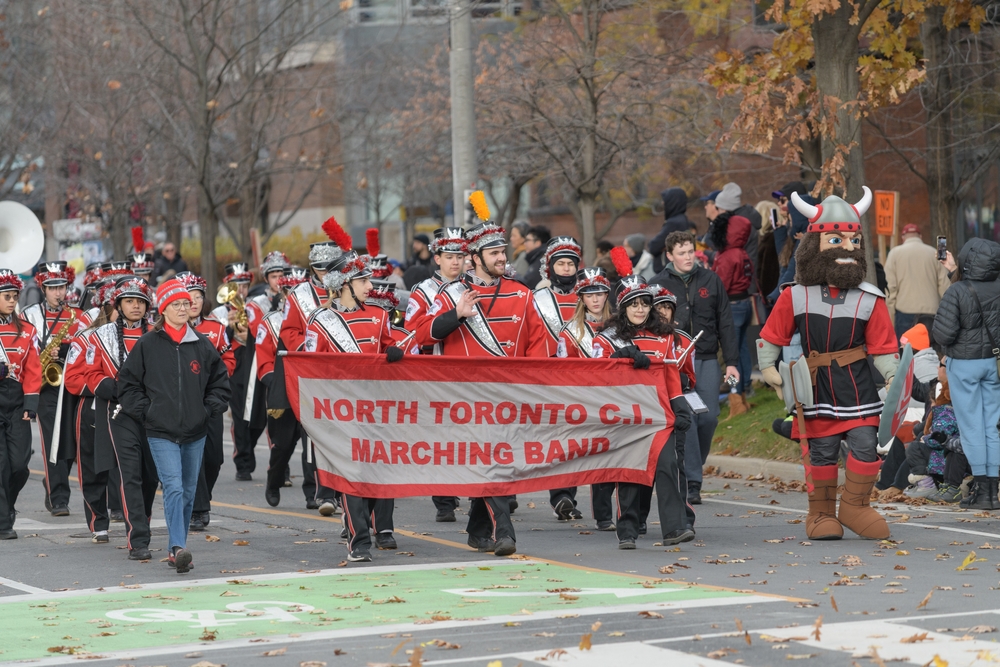
Museums, galleries, and theatres attract many American visitors. Ticket sales support programming and staff wages. A tourism decline reduces attendance quickly. Gift shop and café revenue also drops. Institutions may cancel exhibits or touring shows. Marketing budgets shrink when returns fall. Contract staff face reduced hours. Outreach efforts shift toward local audiences. Long-term planning becomes conservative. Cultural visibility declines without international guests.
Downtown Real Estate Pressure Would Increase
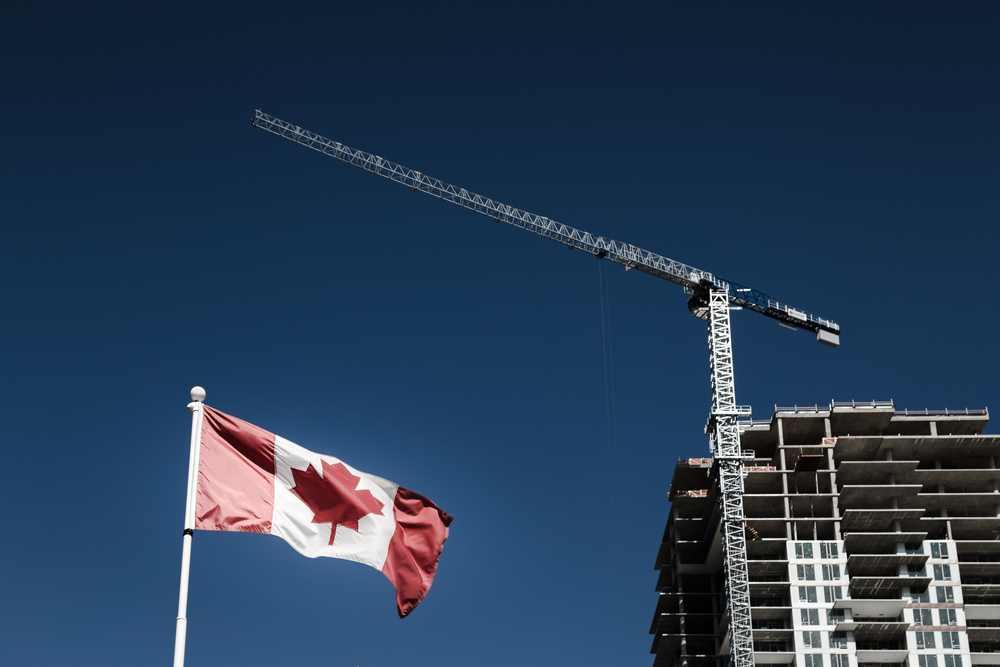
Downtown commercial real estate depends heavily on steady visitor activity. Tourism supports restaurants, hotels, retail, and entertainment leases. Fewer American visitors weaken demand for central locations. Vacancy rates begin to rise over time. Landlords offer rent concessions or shorter lease terms. Property values soften as investor confidence shifts. Planned developments may pause or change scope. Street-level activity declines, affecting safety perception. Municipal revitalization goals face setbacks. Downtown recovery becomes slower without strong tourism support.
Marketing Budgets Would Be Reworked

Tourism agencies adjust quickly when visitor numbers fall. Campaigns aimed at American travelers may be reduced or paused. Budgets shift toward domestic markets or longer-stay visitors. Smaller cities struggle to stretch limited funds effectively. Measuring campaign impact becomes harder during downturns. Agency partnerships may change as priorities shift. Messaging focuses on affordability and convenience. Results take time to materialize. Marketing uncertainty affects planning cycles. Long-term brand positioning becomes cautious.
Small Tour Operators Would Struggle
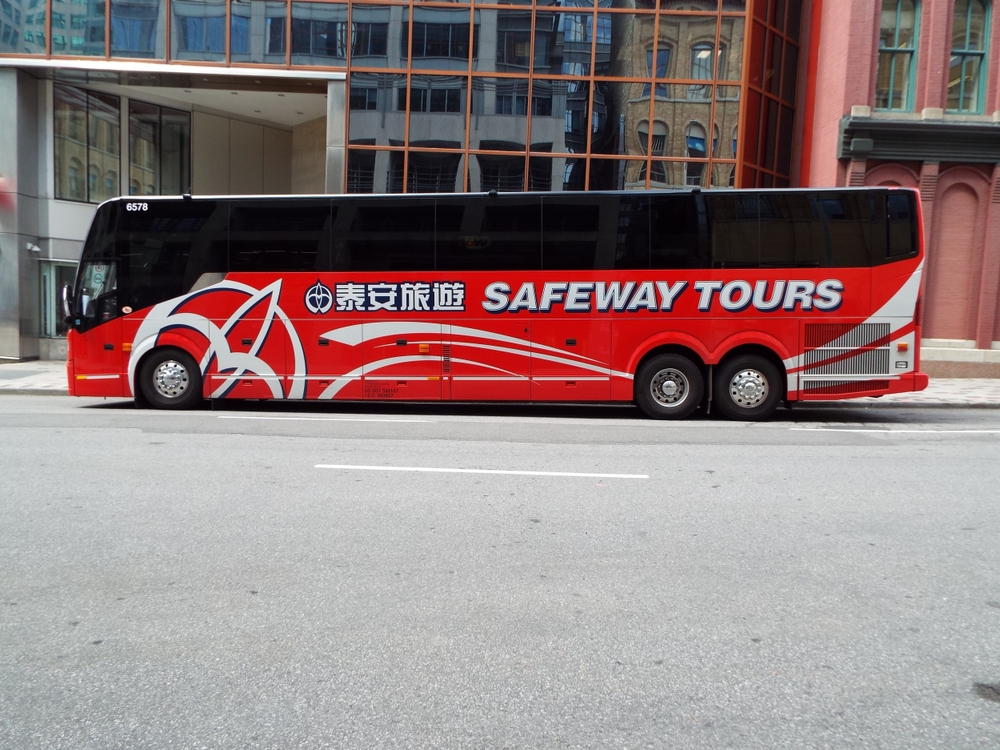
Tour operators rely heavily on visiting travelers. American tourists book city tours, excursions, and experiences regularly. Fewer bookings reduce daily revenue immediately. Fixed costs remain despite lower demand. Operators cancel departures more often. Staff hours are reduced quickly. Online visibility weakens as reviews slow. Local customers rarely replace visitor volume. Some operators exit permanently. Tourism diversity declines as choices disappear.
Convention Business Would Slow
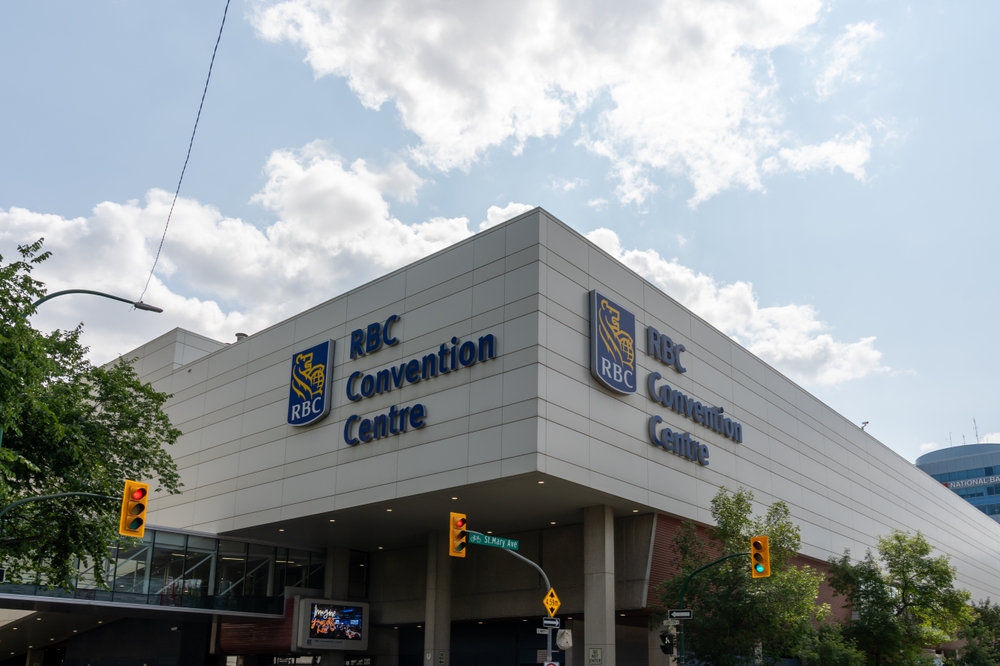
Conventions bring large groups and predictable spending. Many include American attendees or organizers. Reduced travel lowers registration numbers. Cities compete for fewer available events. Hotels lose block bookings tied to conventions. Restaurants and transport services feel the decline. Convention centres face revenue gaps. Staffing adjusts to lower volume. Future bookings become uncertain. Downtown economic spillovers weaken noticeably.
Local Supply Chains Would Feel Strain
Tourism supports many indirect suppliers across cities. Food distributors, cleaners, and linen services rely on hospitality demand. Lower visitor numbers reduce order volumes. Businesses cut shifts or delay purchases. Cash flow pressure increases for small suppliers. Payment timelines stretch during slow periods. Some suppliers consolidate or close. Job losses spread quietly beyond tourism businesses. Industrial areas feel delayed effects. Recovery takes time once demand returns.
Housing for Short-Term Rentals Would Shift
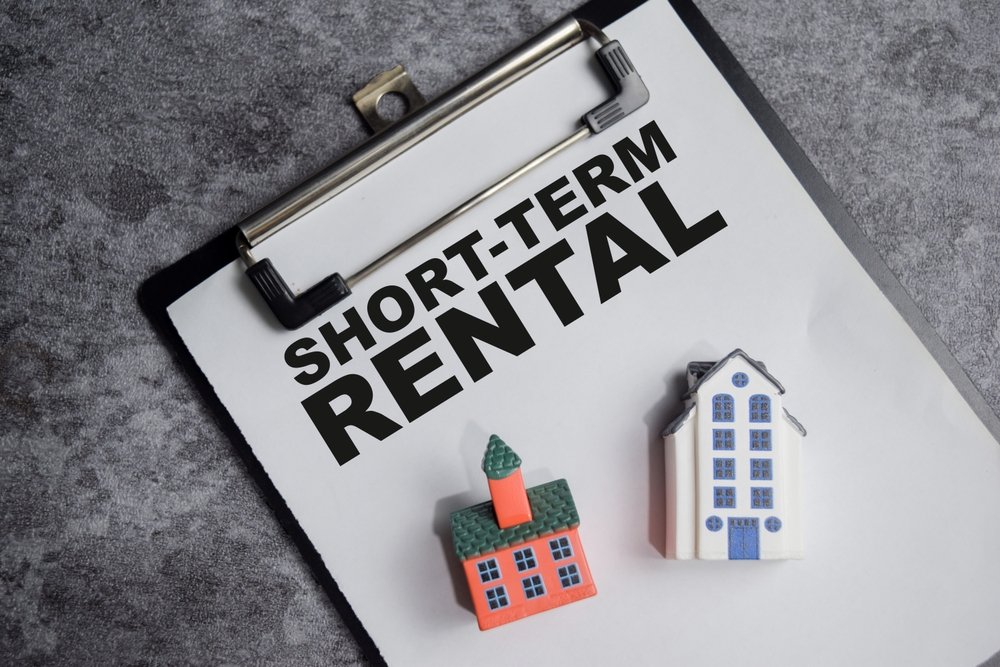
Short-term rentals often depend on American guests. Booking declines reduce host income. Some owners return units to long-term rentals. Others sell properties altogether. neighborhoods’ rental dynamics change unevenly. Platform activity drops in tourist districts. Municipal fee revenue declines. Enforcement priorities may shift. Housing availability adjusts gradually. Market outcomes vary by city.
Advertising and Media Revenue Would Dip

Tourism businesses spend heavily on local advertising. Hotels, events, and attractions buy consistent placements. Visitor declines reduce these budgets. Media outlets lose stable revenue sources. Advertising rates drop to attract new clients. Sponsored content opportunities shrink. Event coverage declines with fewer sponsors. Smaller publications face pressure first. Media diversity weakens gradually. Tourism loss affects local storytelling.
Education and Training Programs Would Shrink

Hospitality training depends on strong job demand. Tourism slowdowns reduce student interest. Enrollment drops across related programs. Schools cut course offerings. Employer partnerships weaken over time. Internship placements become limited. Workforce pipelines slow noticeably. Skills gaps appear when demand returns. Student confidence declines. Training systems struggle to adapt quickly.
City Identity and Energy Would Shift

Tourism shapes how cities feel and present themselves. Busy streets signal activity and confidence. Fewer American visitors change that rhythm. Downtowns appear quieter during peak seasons. Cultural exchange slows subtly. Businesses adjust hours and staffing. Local pride tied to visitor interest fades slightly. Cities rethink promotion strategies. Identity shifts occur gradually. Tourism decline affects daily urban life.
22 Groceries to Grab Now—Before another Price Shock Hits Canada

Food prices in Canada have been steadily climbing, and another spike could make your grocery bill feel like a mortgage payment. According to Statistics Canada, food inflation remains about 3.7% higher than last year, with essentials like bread, dairy, and fresh produce leading the surge. Some items are expected to rise even further due to transportation costs, droughts, and import tariffs. Here are 22 groceries to grab now before another price shock hits Canada.
22 Groceries to Grab Now—Before another Price Shock Hits Canada
This Options Discord Chat is The Real Deal
While the internet is scoured with trading chat rooms, many of which even charge upwards of thousands of dollars to join, this smaller options trading discord chatroom is the real deal and actually providing valuable trade setups, education, and community without the noise and spam of the larger more expensive rooms. With a incredibly low-cost monthly fee, Options Trading Club (click here to see their reviews) requires an application to join ensuring that every member is dedicated and serious about taking their trading to the next level. If you are looking for a change in your trading strategies, then click here to apply for a membership.