
35,000+ smart investors are already getting financial news, market signals, and macro shifts in the economy that could impact their money next with our FREE weekly newsletter. Get ahead of what the crowd finds out too late. Click Here to Subscribe for FREE.
More Canadians are running side hustles to manage higher living costs and unstable job markets. Many are earning real income through freelance work, consulting, content creation, trades, and online platforms. The extra money helps cover expenses or build savings. The challenge is that more income also means more tax reporting obligations. The Canada Revenue Agency has increased its use of data matching and third-party reporting to verify unreported earnings. Here are 21 signs your side hustle is about to trigger a CRA audit.
Not Reporting Side Hustle Income at All
21 Signs Your Side Hustle Is About to Trigger a CRA Audit
- Not Reporting Side Hustle Income at All
- Large Spikes in Income From One Tax Year to the Next
- Frequent or High-Risk Cash Payments
- Using e-Transfer as the Main Payment Method Without Records
- Claiming Business Losses Multiple Years in a Row
- Deductions That Do Not Match Industry Norms
- Home Office Expense Claims That Are Too High
- Mileage and Vehicle Expense Claims Without Logs
- Writing Off Personal Items as Business Expenses
- Large Equipment Purchases Without Supporting Revenue
- Mixing Personal and Business Banking
- Not Charging or Remitting GST/HST When Required
- Claiming Employees as Independent Contractors
- Hiring Family Members With Questionable Roles
- Not Keeping Receipts or Digital Backups
- Inconsistent Bookkeeping or No Bookkeeping System
- Side Hustle Income Not Matching Lifestyle Indicators
- Frequent Amended Returns or Late Filings
- Receiving Large PayPal, Stripe, or Marketplace Deposits
- CRA Data Matching Red Flags From Third Parties
- Whistleblower Tips or Client Complaints to CRA
- 22 Groceries to Grab Now—Before another Price Shock Hits Canada

Not reporting income is one of the clearest audit triggers for the CRA. Many side hustles pay by e-transfer, cash, or digital platforms, which can give people a false sense of privacy. The CRA receives third-party data from payment processors, ride-share platforms, delivery apps, and even marketplaces. If deposits show up in your bank account that do not match your return, that gap becomes a red flag. The CRA treats unreported income as tax evasion, not a simple mistake. Penalties can include interest charges and reassessments. Accurate reporting reduces the risk of additional scrutiny.
Large Spikes in Income From One Tax Year to the Next

High income jumps without a reasonable explanation often attract CRA attention. It does not mean the activity is illegal. It simply prompts the CRA to verify the source of the increase. Seasonal work, rapid growth, or new contracts can cause these spikes. However, if there is no matching documentation, invoices, or payment records, the CRA may request clarification. Matching business expenses, GST/HST registration, and bookkeeping records can help support the change. Consistency in reporting across multiple years lowers the chance of an audit. Sudden shifts make the CRA verify that the income is taxed correctly.
Frequent or High-Risk Cash Payments

Side hustles involving cash increase audit risk because cash is harder to track. Barbers, cleaners, tutors, mechanics, fitness trainers, and home-based services often receive cash payments. If a business reports low income despite visible activity, the CRA may flag the discrepancy. Bank deposits, lifestyle spending, and social media promotion can expose inconsistencies. Cash income is fully taxable in Canada, even if informal. When records do not exist, the CRA may estimate revenue based on industry standards. Keeping receipts and simple ledgers reduces exposure. Reporting all income, including small cash amounts, helps avoid penalties.
Using e-Transfer as the Main Payment Method Without Records

Many Canadian side hustles rely heavily on e-Transfers because they are fast and convenient. However, they also create a digital paper trail that the CRA can review. Deposits that look like business payments but are not reported can trigger more questions. The issue is not the e-Transfer itself. The issue is a lack of invoicing, notes, receipts, or tracking. If e-Transfers show steady monthly volume, the CRA may assume business activity exists. Organized bookkeeping and consistent categorization reduce risk. Treating e-Transfers as revenue and logging related expenses puts you in a safer position during tax season.
Claiming Business Losses Multiple Years in a Row

Side hustles that report losses year after year can raise questions about whether the operation is truly a business or just a hobby. The CRA expects a business to have a reasonable expectation of profit. If losses offset employment income for several tax years, the CRA may reclassify the activity and deny deductions. Industries with high startup costs can justify temporary losses, but consistent patterns need support. Profit margins, business plans, contracts, or equipment purchases can help explain timing. If the CRA views the activity as non-commercial, deductions may be disallowed and reassessments issued.
Deductions That Do Not Match Industry Norms
The CRA compares reported deductions to typical levels within the same industry. If your deductions are much larger than what similar businesses claim, the CRA may examine them more closely. Side hustles with low overhead but high claimed expenses often raise questions. The agency wants to confirm the deductions are genuine and not personal spending disguised as business costs. Some variance is normal, especially in startup years. Documentation, receipts, and invoices help support claims. When deductions line up logically with business revenue and activities, they are less likely to trigger audit interest.
Home Office Expense Claims That Are Too High

The home office deduction is common, but it is also misunderstood. The CRA expects the workspace to be used regularly and exclusively for business. Claims that represent an unrealistic portion of the home can stand out. For example, claiming half of a home for a small side business can attract scrutiny. Percentages are expected to reflect actual square footage and business usage. Utilities, internet, rent, and mortgage interest must be allocated accurately. The CRA often requests records or photos if something seems unusual. Reasonable calculations reduce audit exposure and keep the deduction on safer ground.
Mileage and Vehicle Expense Claims Without Logs

Vehicle expenses are a frequent audit trigger because many taxpayers fail to keep proper records. The CRA expects mileage logs showing dates, trip purposes, and distances. Claims for high vehicle expenses without supporting logs can be disallowed. Personal use of the vehicle must be separated from business use. Ride-share drivers often have stronger documentation due to platform tracking, but freelancers and contractors may lack similar data. Fuel, repairs, insurance, and depreciation can be claimed if tied to business travel. Without mileage logs, the CRA may estimate or deny deductions, which leads to reassessed amounts owing.
Writing Off Personal Items as Business Expenses

Personal expenses written off as business expenses can trigger CRA audits. Items like clothing, groceries, household supplies, and travel often fall into this category when people try to justify them loosely. The CRA requires expenses to be reasonable and connected to revenue generation. If the purchase does not directly support the business, it may be challenged. For example, a laptop for client work makes sense, but a family vacation described as business research does not. Clear documentation and invoices with business use noted help reduce risk. Blurred lines between personal and business spending attract more scrutiny.
Large Equipment Purchases Without Supporting Revenue

Expensive equipment deductions are common in trades, photography, videography, and fitness-related side hustles. The CRA may question large purchases when revenue does not match the investment. If someone claims high depreciation on new equipment but reports little or no income, the agency may view the expense as personal or premature. Equipment must be used to earn business income to qualify. Receipts, contracts, and project records help justify timing. The issue is not the deduction itself but whether it is reasonable relative to earnings. The CRA wants to confirm the purchase relates to a real commercial activity.
Mixing Personal and Business Banking

Mixing business and personal finances creates a record-keeping problem that often attracts CRA interest. When deposits and expenses flow through the same account, it becomes difficult to prove what is taxable income and what is not. Inconsistent transfers, cash movements, and unlabelled deposits can prompt questions. Separate accounts are not legally required, but they make reconciliation easier. Clean financial separation helps establish credibility and lowers the chance of deductions being challenged. Side hustles that show organized statements tend to avoid avoidable audits. Poor bookkeeping signals higher audit risk because errors are more likely.
Not Charging or Remitting GST/HST When Required
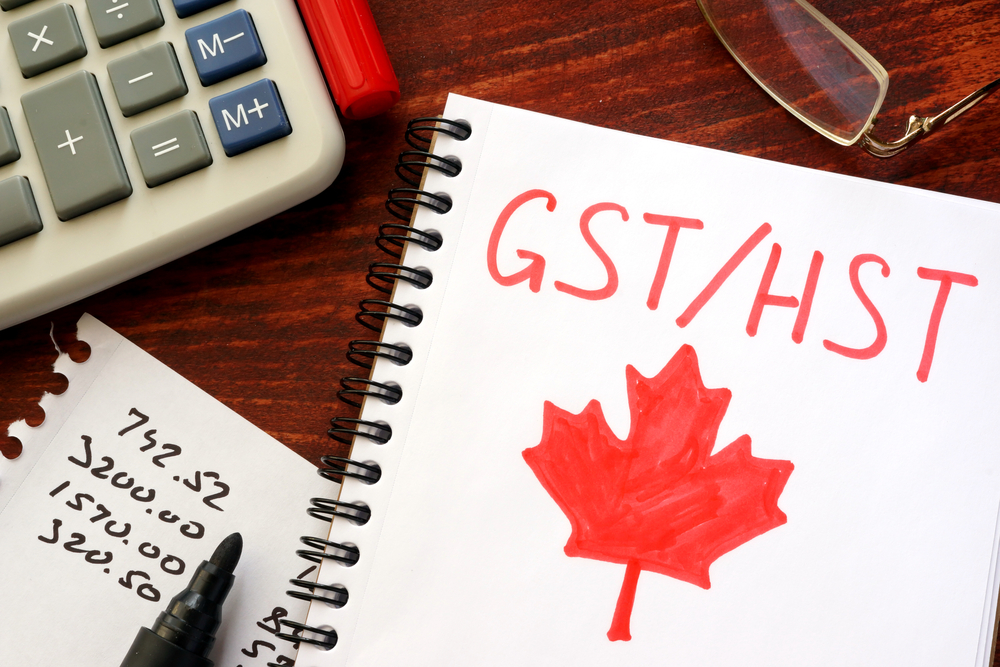
The CRA scrutinizes side hustlers who surpass GST/HST registration thresholds but fail to collect or remit sales taxes. Once a business exceeds CA$30,000 in taxable revenue in twelve months, registration becomes mandatory for most industries. Failing to register is a major audit trigger, especially for digital service providers, online sellers, consultants, and independent contractors. CRA cross-references payment data from platforms and payment processors to confirm revenue levels. If the agency suspects avoidance, it can assess back taxes, penalties, and interest. Compliance requires understanding eligibility rules and keeping accurate annual revenue tracking to avoid unexpected tax obligations.
Claiming Employees as Independent Contractors

Side hustlers may try to reduce payroll obligations by classifying workers as independent contractors, but the CRA actively monitors this category. The agency examines the level of control, equipment ownership, financial risk, and exclusivity of work relationships. If workers function like traditional employees, the CRA may reclassify them and enforce payroll deductions retroactively. Industries such as deliveries, cleaning, trades, and creative services face added scrutiny due to the prevalence of contractor models. Misclassification can lead to back CPP contributions, EI premiums, penalties, and interest. Side hustlers should document working arrangements and ensure contractor relationships meet clearly defined criteria.
Hiring Family Members With Questionable Roles

The CRA allows legitimate business expenses tied to family employment, but it closely reviews arrangements that appear artificial or inflated. Payments to spouses, children, or relatives must be reasonable for the work performed and consistent with market rates. Claims without documented hours, bank transfers, or invoices draw attention. Side hustlers who route income to lower-tax family members to reduce the household tax burden increase audit risk. The CRA has the authority to deny deductions associated with non-substantive roles or excessive wages. Proper documentation and fair compensation structures help establish legitimacy and reduce the appearance of income splitting.
Not Keeping Receipts or Digital Backups

Missing receipts remain one of the most common audit problems for Canadian side hustlers. The CRA requires proof for claimed expenses, including paper or digital records that verify amounts, dates, suppliers, and business purpose. The agency accepts digital copies, but they must be legible and securely stored. Lost records, fading thermal paper receipts, and incomplete transaction histories undermine deduction claims. Without supporting documentation, expenses are often denied even if they were legitimate. Side hustlers who use accounting software, cloud backups, and consistent record-keeping procedures show stronger compliance. Poor documentation is viewed as a red flag for broader tax irregularities.
Inconsistent Bookkeeping or No Bookkeeping System
Side hustlers who treat finances casually may draw CRA attention through inconsistent reporting. Disorganized spreadsheets, manual logs, or no tracking method at all often lead to mismatched revenue or expenses. Inconsistent bookkeeping contributes to filing errors, incorrect deductions, and missing tax obligations. The CRA detects anomalies through cross-reporting sources such as payment processors, online sales platforms, and financial institutions. If numbers do not align, audit probability increases. Using structured bookkeeping software and maintaining monthly reconciliations demonstrates operational intent and accuracy. The CRA places more scrutiny on cash-heavy, service-based, and gig-economy ventures due to higher underreporting risk.
Side Hustle Income Not Matching Lifestyle Indicators

One of the newer CRA audit triggers involves comparing reported income to spending patterns. If a taxpayer claims minimal business earnings but displays higher-end lifestyle purchases, travel, luxury goods, or significant assets, the agency may investigate. Social platforms, vehicle registrations, and property data can be used to assess discrepancies. Dramatic lifestyle inflation without matching declared revenue is treated as a signal of unreported income. This scrutiny applies especially to influencers, sellers, and gig-economy earners whose work overlaps with lifestyle marketing. Consistent, reasonable income declarations and proper documentation reduce the risk of perceived inconsistencies.
Frequent Amended Returns or Late Filings

Side hustlers who frequently amend past tax returns or consistently file late create patterns that attract CRA attention. Repeated corrections signal either misreporting or disorganized bookkeeping, both of which increase audit probability. Late filings can also indicate financial stress, cash flow issues, or attempts to delay tax obligations. The CRA tracks taxpayer filing history and prioritizes reviews for those who deviate from normal compliance behaviour. Accuracy matters more than speed, but chronic lateness raises red flags. Filing correct returns on time each year reduces scrutiny and demonstrates that the business operates in a compliant and organized manner.
Receiving Large PayPal, Stripe, or Marketplace Deposits

Canadian side hustles conducted online often rely on platforms such as PayPal, Stripe, Etsy, Shopify, Amazon, and Facebook Marketplace for payment processing. The CRA receives third-party data from these platforms and cross-checks deposits against reported income. Large or frequent deposits that do not appear in declared revenue can trigger reviews for underreporting. Many gig sellers assume these deposits are not visible to authorities, but data-sharing agreements make them highly traceable. This trigger applies heavily to digital creators, resellers, tutors, consultants, and freelance service providers. Proper reconciliation between platform payouts and tax filings reduces the risk of audit escalation.
CRA Data Matching Red Flags From Third Parties
The CRA uses extensive data matching to detect discrepancies across financial institutions, employers, platforms, and payment networks. If a taxpayer’s reported income does not align with third-party information, the file may be flagged for review. This includes T-slips from clients, GST/HST filings, bank records, or platform payout data. Side hustlers who rely on multiple income streams or invoice-based work face more matching checkpoints than ordinary salaried workers. Discrepancies do not guarantee wrongdoing but signal risk. The CRA increasingly relies on automated compliance systems, making accurate reporting and reconciliation essential for avoiding audit intervention.
Whistleblower Tips or Client Complaints to CRA

One of the lesser expected ways side hustles get flagged is through tips, complaints, or disputes reported directly to the CRA. This can occur when clients request receipts for work, but the business refuses, when payment disputes arise, or when a disgruntled partner, competitor, or ex-employee reports suspected tax non-compliance. The CRA operates formal whistleblower programs that can provide monetary rewards for reporting certain forms of tax evasion. While not the most common trigger, social and business conflicts expose many smaller unregistered businesses each year. Transparent invoicing and consistent tax reporting reduce exposure to tip-based audits.
22 Groceries to Grab Now—Before another Price Shock Hits Canada

Food prices in Canada have been steadily climbing, and another spike could make your grocery bill feel like a mortgage payment. According to Statistics Canada, food inflation remains about 3.7% higher than last year, with essentials like bread, dairy, and fresh produce leading the surge. Some items are expected to rise even further due to transportation costs, droughts, and import tariffs. Here are 22 groceries to grab now before another price shock hits Canada.
22 Groceries to Grab Now—Before another Price Shock Hits Canada
This Options Discord Chat is The Real Deal
While the internet is scoured with trading chat rooms, many of which even charge upwards of thousands of dollars to join, this smaller options trading discord chatroom is the real deal and actually providing valuable trade setups, education, and community without the noise and spam of the larger more expensive rooms. With a incredibly low-cost monthly fee, Options Trading Club (click here to see their reviews) requires an application to join ensuring that every member is dedicated and serious about taking their trading to the next level. If you are looking for a change in your trading strategies, then click here to apply for a membership.