
35,000+ smart investors are already getting financial news, market signals, and macro shifts in the economy that could impact their money next with our FREE weekly newsletter. Get ahead of what the crowd finds out too late. Click Here to Subscribe for FREE.
Car insurance premiums in Canada often surprise drivers, especially when rates rise without major changes in personal driving history. Pricing reflects a complex mix of risk factors rather than a single cause. Insurers evaluate accident frequency, repair costs, theft trends, and regional regulations when setting premiums. Weather conditions and traffic patterns also influence claims data. In many provinces, urban drivers face significantly higher costs than rural residents. Economic factors such as inflation further affect insurance payouts. Understanding these drivers helps explain why premiums remain elevated across the country. Here are the main 15 reasons why car insurance in Canada is high.
High Repair Costs for Modern Vehicles
15 Reasons Why Car Insurance in Canada is High
- High Repair Costs for Modern Vehicles
- Expensive Auto Parts and Supply Chain Issues
- Severe Weather and Winter Accident Rates
- High Rate of Vehicle Theft in Major Cities
- Medical and Liability Claim Costs
- Fraudulent Insurance Claims
- Litigation and Legal Expenses
- Provincial Insurance Regulations
- Population Density in Urban Areas
- Rising Replacement Value of Vehicles
- Distracted Driving Incidents
- Increased Traffic Congestion
- Natural Disaster Risks (Floods, Hail, Ice Storms)
- Administrative and Operating Costs of Insurers
- Limited Competition in Some Provincial Markets
- 22 Groceries to Grab Now—Before another Price Shock Hits Canada

Modern vehicles incorporate advanced technology that increases repair expenses. Sensors, cameras, and driver assistance systems are costly to replace. Even minor collisions can damage electronic components. Specialized labor is required to recalibrate safety systems. Luxury materials and complex body designs add further costs. Insurance companies must account for these higher payouts. Electric vehicles may also require specialized repair facilities. Parts for newer models are not always widely available. Repair time increases when diagnostic procedures are involved. These factors raise the average claim value significantly. Higher claim costs translate directly into higher premiums for policyholders.
Expensive Auto Parts and Supply Chain Issues
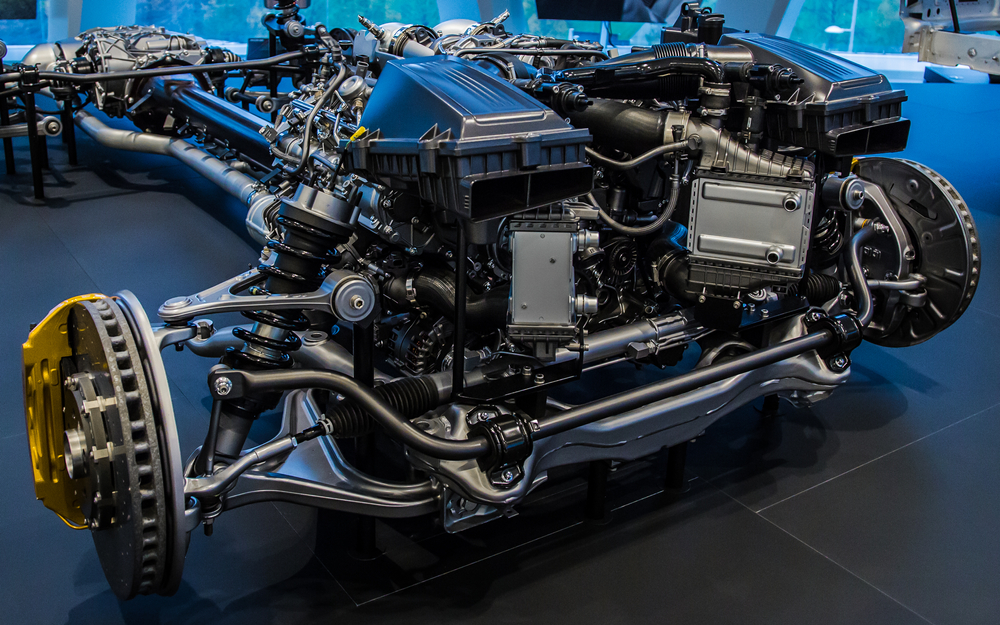
Auto parts prices have risen due to global supply disruptions. Import costs and currency fluctuations affect replacement expenses. Shortages can delay repairs and increase labor charges. Some parts must be ordered directly from manufacturers. Shipping delays extend the time vehicles remain in repair shops. Insurers may need to cover rental vehicles during this period. Limited availability also reduces competitive pricing among suppliers. Advanced components such as sensors are particularly expensive. Natural disasters affecting manufacturing regions worsen shortages. These factors collectively increase claim costs. Insurers distribute these expenses across policyholders through higher premiums.
Severe Weather and Winter Accident Rates
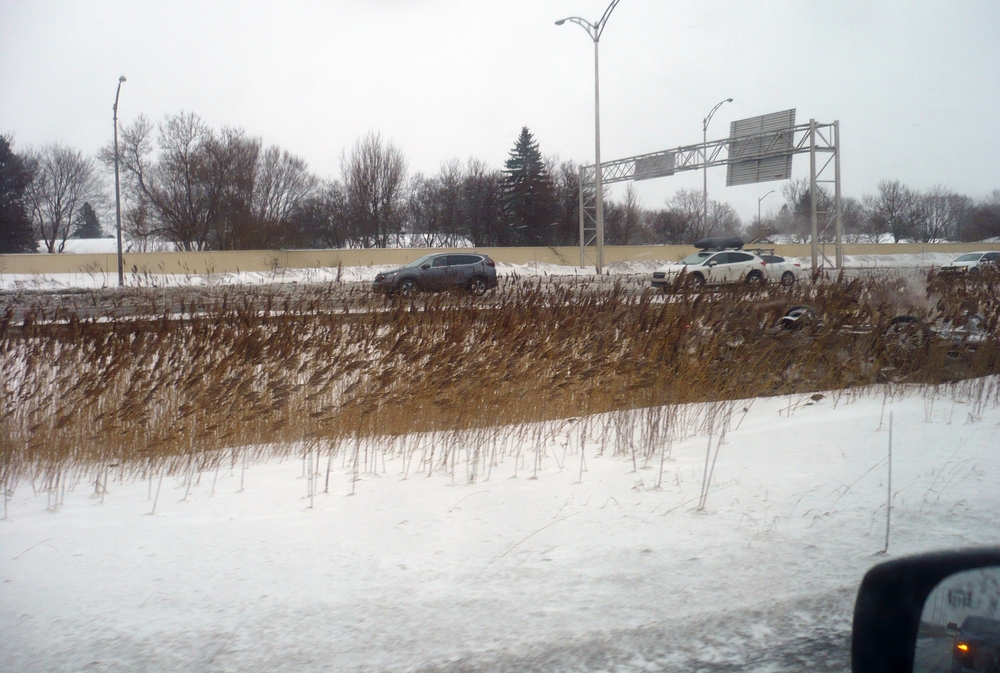
Canada’s climate contributes significantly to accident frequency. Snow, ice, and reduced visibility increase collision risks. Winter conditions also lead to vehicle damage without crashes. Sliding into barriers or curbs can cause costly repairs. Road salt accelerates corrosion of vehicle components. Seasonal tire changes affect handling if delayed. Rural areas may experience slower road clearing. Insurance claims spike during severe storms. Weather-related incidents are difficult to prevent entirely. Insurers must price policies to reflect these risks. Regions with harsher winters often face higher premiums. Climate remains a major factor in national insurance costs.
High Rate of Vehicle Theft in Major Cities

Vehicle theft has increased in several Canadian urban areas. Organized crime networks target specific models for export. Stolen vehicles often cannot be recovered. Insurers must compensate owners for full replacement value. Advanced security systems reduce but do not eliminate risk. Parking conditions influence theft likelihood. Dense urban areas present more opportunities for criminals. Insurance companies track theft statistics by region. High theft rates lead to higher premiums locally. Public awareness campaigns aim to reduce incidents. Law enforcement efforts also play a role. Theft remains a significant driver of insurance costs in cities.
Medical and Liability Claim Costs

Accidents involving injuries can generate substantial expenses. Medical treatment, rehabilitation, and long-term care are costly. Liability claims may include compensation for lost income. Legal settlements can reach significant amounts. Canada’s healthcare system covers many services, but not all. Insurance policies often include additional benefits. Serious accidents require extensive investigation. Multiple parties may file claims from a single incident. Insurers must reserve funds for potential payouts. Rising healthcare costs contribute to higher claim values. These expenses are reflected in premium calculations. Injury-related claims remain among the most expensive.
Fraudulent Insurance Claims

Insurance fraud increases overall system costs for everyone. Some claims involve staged accidents or exaggerated damage. False injury reports are particularly difficult to verify. Investigation requires specialized resources and time. Fraudulent payouts raise loss ratios for insurers. Companies spread these costs across legitimate customers. Public awareness campaigns encourage reporting suspicious activity. Organized fraud rings operate in some regions. Technology helps detect irregular claim patterns. Legal penalties exist, but enforcement varies. Preventing fraud requires ongoing investment. The financial impact contributes to higher premiums nationwide.
Litigation and Legal Expenses

Accident disputes often lead to legal proceedings. Lawyers, court fees, and expert testimony add high costs. Complex cases can last years before resolution. Liability determination may require extensive investigation. Settlement negotiations also involve administrative expenses. Even when insurers win cases, defense costs remain high. Legal environments differ between provinces. High settlement awards influence future pricing models. Insurers must allocate funds for potential lawsuits. Policyholders indirectly pay these costs through premiums. Legal complexity increases uncertainty in claim outcomes. Litigation remains a major contributor to insurance expenses.
Provincial Insurance Regulations

Insurance systems vary widely across Canadian provinces. Some regions operate government-run insurance programs. Others rely on private insurers under strict regulation. Coverage requirements differ depending on jurisdiction. Mandatory benefits influence premium levels. Rate approval processes can limit pricing flexibility. Regulatory changes affect market stability. Provincial policies also determine compensation structures. Drivers moving between provinces may experience price differences. Public policy goals sometimes prioritize affordability or coverage scope. Administrative compliance adds operational costs. Regulations play a central role in shaping insurance pricing nationwide.
Population Density in Urban Areas

Urban areas experience higher traffic volumes than rural regions. Increased congestion raises the likelihood of collisions. Parking challenges also contribute to minor damage claims. Multi-vehicle accidents are more common in dense settings. Insurance companies analyze claims data by postal code. Urban drivers typically pay higher premiums as a result. Infrastructure limitations can worsen traffic conditions. Pedestrian and cyclist interactions add complexity. Public transit availability does not eliminate car usage. High population density correlates strongly with claim frequency. Cities, therefore, represent higher risk environments for insurers.
Rising Replacement Value of Vehicles

Vehicle prices have increased significantly in recent years. Supply shortages and inflation contributed to higher costs. Replacement value determines payout after total loss incidents. Advanced technology and safety features raise base prices. Used vehicle values also rose during supply disruptions. Insurance policies must reflect current market value. Higher payouts increase insurer financial exposure. Luxury models amplify this effect further. Leasing arrangements may complicate claim settlements. Policy adjustments occur periodically to reflect new values. Rising vehicle prices directly influence premium calculations. Replacement cost remains a key pricing factor.
Distracted Driving Incidents

Use of mobile devices while driving increases accident risk. Even a brief distraction can cause serious collisions. Enforcement campaigns aim to reduce unsafe behavior. Despite penalties, incidents remain common. Technology features inside vehicles can also distract drivers. Insurance data shows higher claim rates linked to distraction. Younger drivers are often considered higher risk. Public education programs emphasize awareness. Accident severity may increase at higher speeds. Insurers factor behavioral trends into pricing models. Distracted driving contributes to rising claims frequency. Premiums reflect the elevated risk associated with these incidents.
Increased Traffic Congestion
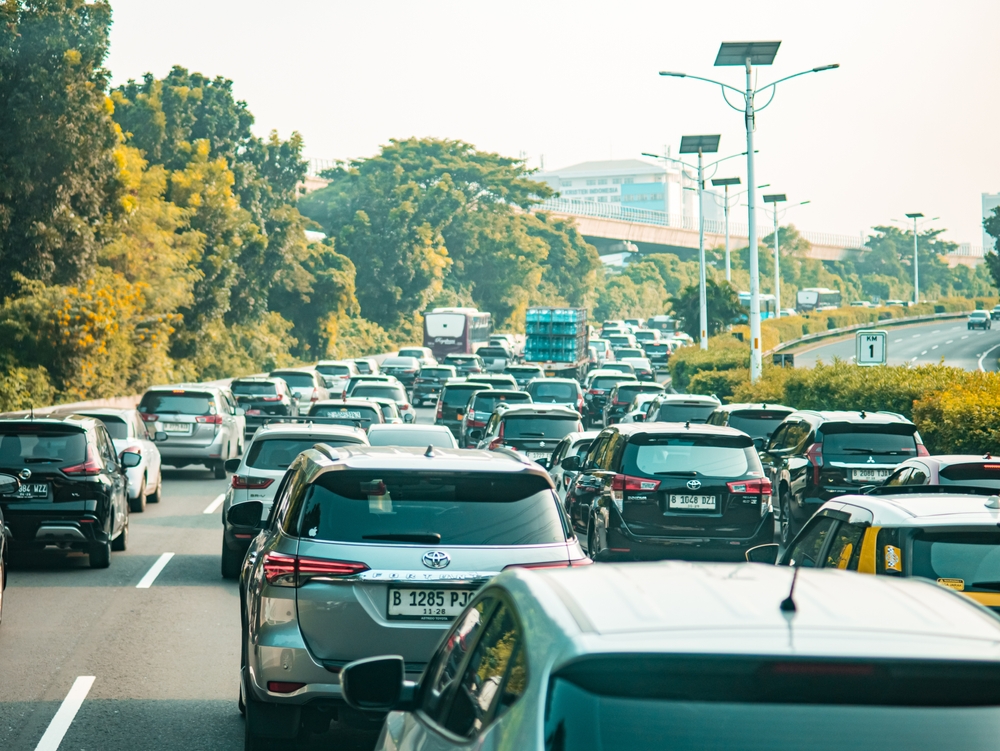
Traffic congestion lengthens travel times and stress levels. Stop-and-go conditions increase collision probability. Minor rear-end accidents are especially common. Urban growth intensifies roadway demand. Construction projects can further restrict capacity. Congestion affects emergency response times as well. Commuters spend more time exposed to risk daily. Insurance companies analyze regional traffic data. High congestion areas typically have higher premiums. Public transit expansion may mitigate but not eliminate problems. Infrastructure investment takes years to produce results. Congestion remains a persistent contributor to accident rates.
Natural Disaster Risks (Floods, Hail, Ice Storms)
Extreme weather events can damage vehicles without collisions. Flooding can destroy engines and electrical systems. Hailstorms cause widespread damage to bodies simultaneously. Ice storms may topple trees onto parked cars. Climate variability increases the frequency of severe events. Insurers must cover large numbers of claims at once. Regional risk assessments influence premium levels. Protective measures reduce but cannot eliminate exposure. Garage parking may lower the risk slightly. Disaster-related losses can be substantial. Insurance pricing reflects the probability of such events. Natural hazards, therefore, contribute significantly to overall costs.
Administrative and Operating Costs of Insurers

Insurance companies incur expenses beyond claim payments. Staff salaries, technology systems, and facilities require funding. Regulatory compliance adds additional administrative work. Marketing and customer service operations also cost money. Investment in fraud detection systems is necessary. Digital platforms require ongoing maintenance. These overhead costs are built into premium pricing. Efficiency improvements can reduce but not eliminate expenses. Economic conditions influence operating budgets. Competition encourages cost management strategies. Administrative factors are less visible to customers. Nonetheless, they form part of total insurance pricing structures.
Limited Competition in Some Provincial Markets

Market structure varies across Canadian provinces. Some regions have fewer insurers competing for customers. Limited competition reduces downward pressure on prices. Entry barriers can discourage new companies. Government-operated systems may restrict private participation. Consumers, therefore, have fewer alternatives. Comparison shopping becomes less effective in such markets. Policy options may also be standardized. Regional monopolies influence pricing dynamics. Regulatory oversight aims to balance fairness and sustainability. Lack of competition can keep premiums elevated. Market diversity typically benefits consumers through lower prices.
22 Groceries to Grab Now—Before another Price Shock Hits Canada

Food prices in Canada have been steadily climbing, and another spike could make your grocery bill feel like a mortgage payment. According to Statistics Canada, food inflation remains about 3.7% higher than last year, with essentials like bread, dairy, and fresh produce leading the surge. Some items are expected to rise even further due to transportation costs, droughts, and import tariffs. Here are 22 groceries to grab now before another price shock hits Canada.
22 Groceries to Grab Now—Before another Price Shock Hits Canada
This Options Discord Chat is The Real Deal
While the internet is scoured with trading chat rooms, many of which even charge upwards of thousands of dollars to join, this smaller options trading discord chatroom is the real deal and actually providing valuable trade setups, education, and community without the noise and spam of the larger more expensive rooms. With a incredibly low-cost monthly fee, Options Trading Club (click here to see their reviews) requires an application to join ensuring that every member is dedicated and serious about taking their trading to the next level. If you are looking for a change in your trading strategies, then click here to apply for a membership.