
35,000+ smart investors are already getting financial news, market signals, and macro shifts in the economy that could impact their money next with our FREE weekly newsletter. Get ahead of what the crowd finds out too late. Click Here to Subscribe for FREE.
Most Canadians know about monthly account fees and ATM charges. That part is obvious. What slips through are the smaller charges buried inside routine transactions. These fees appear quietly. They show up after purchases, transfers, or account changes that seem harmless. Many people notice them only after scrolling through statements line by line. By then, the money is already gone. Banks rarely flag these charges clearly. They rely on fine print and vague labels. Over time, these small fees add up faster than expected. Here are 15 bank fees Canadians didn’t know they were paying (Until They Checked Statements).
Paper Statement Fees
15 Bank Fees Canadians Didn’t Know They Were Paying (Until They Checked Statements)
- Paper Statement Fees
- Excess Transaction Fees
- Out-of-Network ATM Fees
- Inactive Account Fees
- Overdraft Protection Fees
- Interac E-Transfer Fees
- Foreign Transaction Fees
- Account Maintenance Fees After Promotions
- Stop Payment Fees
- Cheque Processing Fees
- Balance Protection Insurance Fees
- NSF Fees for Declined Payments
- Account Closure Fees
- Card Replacement Fees
- Low-Balance Fees
- 22 Groceries to Grab Now—Before another Price Shock Hits Canada

Many banks now charge for mailed paper statements. This fee often appears after switching account types or updating preferences. Customers assume statements remain free by default. That assumption is outdated. Some banks charge a monthly. Others charge per mailed statement. The amount seems small. It adds up over a year. The charge often starts without a clear alert. Online banking encourages paperless options quietly. Those who rarely log in miss the notice. Seniors are often affected more. The fee continues until paper delivery is manually turned off. It rarely stops on its own. Statements meant to inform end up costing money.
Excess Transaction Fees

Many chequing accounts limit monthly transactions. Debit purchases count toward that number. Interac transfers count too. Even bill payments sometimes count. Once the limit is crossed, each extra transaction triggers a fee. The charge applies instantly. It does not wait until the month’s end. Many people assume unlimited everyday use. That assumption applies only to higher-tier accounts. Transaction counts reset monthly. Busy months trigger surprise charges. Groceries, coffee, and transit add up fast. The fee per transaction feels minor. The total rarely does. Statements reveal the pattern too late.
Out-of-Network ATM Fees

Using another bank’s ATM triggers multiple charges. Your bank charges one fee. The ATM owner charges another. Sometimes a third processing fee appears. The machine often warns about one charge only. The second fee shows later on the statements. International ATMs add more layers. Currency conversion fees often stack on top. Travellers feel this quickly. Domestic users still get caught. Convenience becomes costly without warning. Many assume a flat ATM fee. The reality is more complicated. Checking statements shows how often this happens.
Inactive Account Fees

Dormant accounts quietly generate charges. Savings accounts with no activity trigger inactivity fees. The definition of activity is strict. Logging in does not count. Interest posting does not count. Only deposits or withdrawals qualify. Many forget about old accounts. Small balances slowly shrink. The fee repeats monthly or quarterly. Some banks close accounts eventually. Others keep charging until zero. Customers often discover this years later. The statements were available online the entire time. Few people checked them. The money disappears without drama or alerts.
Overdraft Protection Fees

Overdraft protection sounds helpful. It is rarely free. Each use triggers a charge. Some banks charge per transaction. Others charge a monthly access fee. Interest may apply as well. Many users assume overdraft acts like a buffer. It acts more like a short loan. Small purchases can trigger it accidentally. Timing issues cause problems. Bills post before deposits clear. The fee applies even for one-dollar overdrafts. Statements show repeated charges. Customers often focus on the negative balance. They miss the separate overdraft fees entirely.
Interac E-Transfer Fees

Interac transfers feel modern and free. Many are not. Some accounts include limited free transfers. Others charge per send. Receiving can also trigger fees. Business accounts are hit harder. Frequent users notice charges later. Auto deposit does not change pricing. The convenience masks the cost. People assume digital equals free. Banks treat it like any other service. Each transfer adds a small line item. Statements reveal frequent usage patterns. The total monthly cost surprises many first-time reviewers.
Foreign Transaction Fees

Foreign transaction fees apply beyond travel. Online shopping triggers them too. Streaming subscriptions billed in foreign currency count. App stores often bill internationally. The fee is usually a percentage. It applies after currency conversion. Some cards charge two layers. The exchange rate looks fine. The fee hides separately. Customers blame the merchant. The bank collects the charge. Statements show the extra amount clearly. Many never connect it to currency. Frequent online shoppers feel this slowly over time.
Account Maintenance Fees After Promotions

Promotional banking offers often expire quietly. Free accounts turn paid after months. The change appears in fine print. Banks rarely send reminders. The first fee appears without explanation. Customers assume a mistake. It is usually policy. Minimum balance requirements may apply. Falling below triggers fees. Many miss the balance condition. Monthly charges resume automatically. Statements show the change clearly. People often notice only after several months of fees. The promotion ended long before they checked.
Stop Payment Fees

Stopping a payment is never free. Banks charge for blocking cheques. They also charge for pre-authorized debits. The fee applies even if the payment fails later. Some banks charge per request. Others charge monthly. Many users expect consumer protection. The process feels administrative. It is treated as a service. The fee appears days later. Customers focus on the blocked payment. They miss the charge itself. Statements reveal it clearly. The cost often exceeds the original payment amount.
Cheque Processing Fees
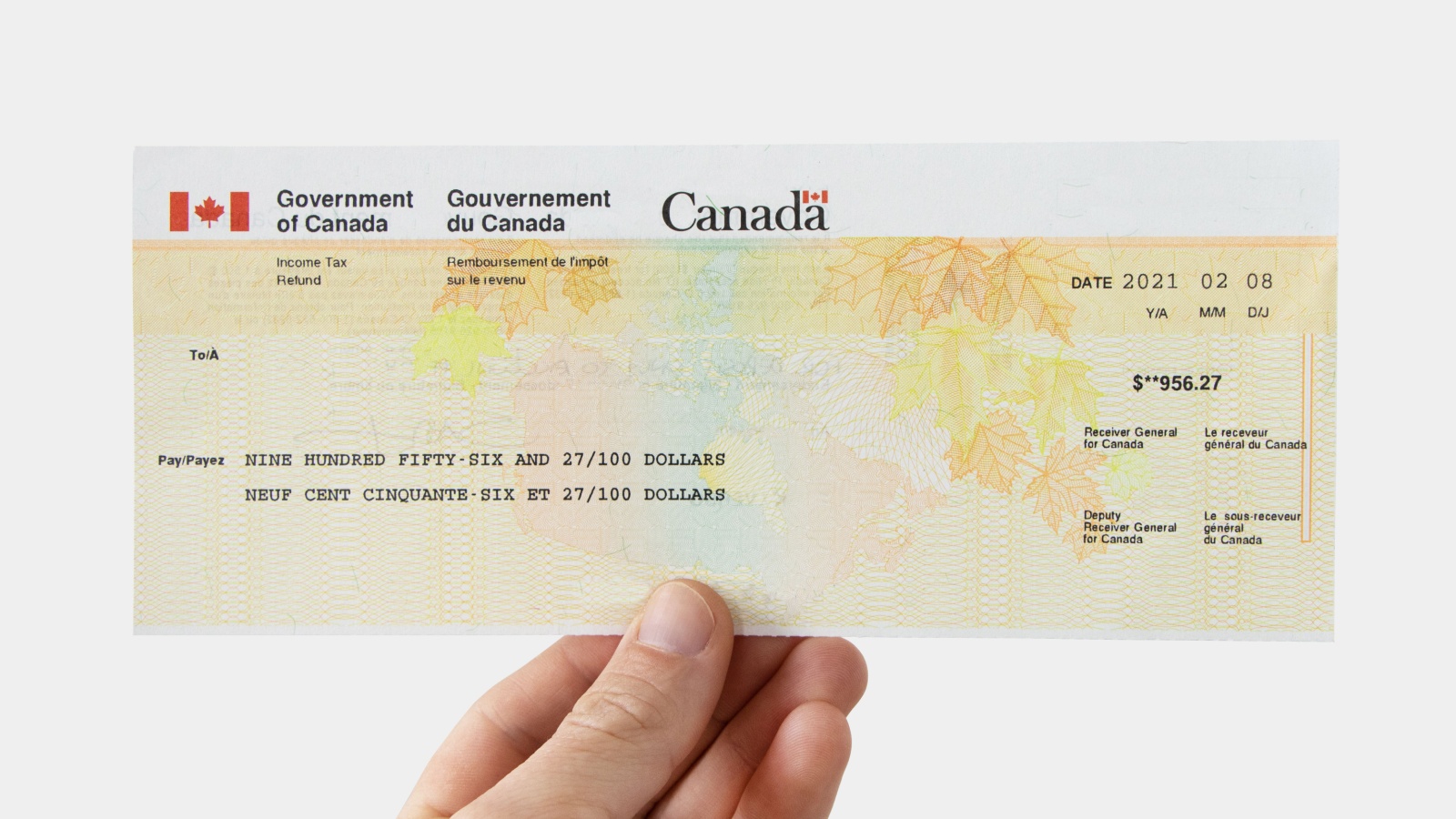
Cheques still exist. Banks charge for them. Writing cheques may exceed transaction limits. Ordering new cheques costs extra. Depositing cheques sometimes triggers holds. Holds can cause overdraft fees indirectly. Businesses feel this more often. Personal users still get hit. The fees appear scattered. They do not group together. Statements show them across different dates. Many forget that cheques are not free anymore. Digital banking changed expectations. Paper still costs money.
Balance Protection Insurance Fees

Some accounts include optional insurance. It protects loan or credit balances. Enrollment often happens during account setup. Many do not recall agreeing. The premium is charged monthly. It appears as a small recurring fee. Coverage details are vague. Claims are hard to qualify for. Customers rarely use the benefit. They still pay consistently. Statements show the charge clearly. The name sounds official. People assume it is required. It usually is not.
NSF Fees for Declined Payments

Non-sufficient funds fees apply even when payments fail. The payment does not go through. The fee still applies. Sometimes, both sides charge. The merchant charges one. The bank charges another. This happens quickly. One missed payment triggers multiple fees. Automatic payments are common triggers. Timing issues cause problems. Customers expect a declined payment to stop everything. It does not. Statements reveal layered charges. The frustration comes after the fact.
Account Closure Fees

Closing accounts can cost money. Some banks charge if closed too soon. Others charge when balances fall below thresholds. Registered accounts have separate rules. Transferring out triggers fees. Customers assume closing is simple. It often is not. Fees apply automatically. The charge appears after closure. Many do not expect it. Statements or final account summaries show the cost. People rarely check afterward. The relationship ends. The fee still lands.
Card Replacement Fees

Replacing lost or damaged cards costs money. Some banks allow one free replacement. Others charge immediately. Expedited shipping costs extra. International replacements cost more. Fraud replacements are usually free. Other reasons are not. Customers discover this mid-panic. The fee appears later. It is rarely mentioned upfront. Statements show it clearly. People focus on security. The cost becomes an afterthought. Frequent travelers notice this more often.
Low-Balance Fees

Low-balance fees apply quietly. Dropping below a set amount triggers charges. The balance requirement varies by account. Many assume occasional dips are fine. They are not. Fees apply daily or monthly. The charge does not wait for recovery. Even short dips count. Statements show repeated penalties. Customers often blame spending habits. The fee is structural. Maintaining buffers becomes mandatory. Many only learn this after reviewing statements carefully.
22 Groceries to Grab Now—Before another Price Shock Hits Canada

Food prices in Canada have been steadily climbing, and another spike could make your grocery bill feel like a mortgage payment. According to Statistics Canada, food inflation remains about 3.7% higher than last year, with essentials like bread, dairy, and fresh produce leading the surge. Some items are expected to rise even further due to transportation costs, droughts, and import tariffs. Here are 22 groceries to grab now before another price shock hits Canada.
22 Groceries to Grab Now—Before another Price Shock Hits Canada
This Options Discord Chat is The Real Deal
While the internet is scoured with trading chat rooms, many of which even charge upwards of thousands of dollars to join, this smaller options trading discord chatroom is the real deal and actually providing valuable trade setups, education, and community without the noise and spam of the larger more expensive rooms. With a incredibly low-cost monthly fee, Options Trading Club (click here to see their reviews) requires an application to join ensuring that every member is dedicated and serious about taking their trading to the next level. If you are looking for a change in your trading strategies, then click here to apply for a membership.