
35,000+ smart investors are already getting financial news, market signals, and macro shifts in the economy that could impact their money next with our FREE weekly newsletter. Get ahead of what the crowd finds out too late. Click Here to Subscribe for FREE.
Most Canadians assume CRA reviews only happen when someone bends the rules. That is not always true. Many reviews start because something looks unusual, not because it is wrong. Automated systems flag patterns that fall outside common ranges. These patterns can come from income changes, deductions, or simple reporting habits. The process can feel intimidating, even when your return is accurate. Understanding what draws attention helps you file with more confidence. Here are 13 CRA Red Flags That Can Trigger a Review (Even If You Didn’t Cheat).
Reporting Income That Drops Sharply From Last Year
13 CRA Red Flags That Can Trigger a Review (Even If You Didn’t Cheat)
- Reporting Income That Drops Sharply From Last Year
- Claiming Home Office Expenses for the First Time
- Reporting Self-Employment Losses Multiple Years in a Row
- Claiming Medical Expenses That Seem High for Your Income
- Large Charitable Donations Compared to Past Years
- Claiming Moving Expenses Without Clear Employment Ties
- Repeatedly Claiming Vehicle Expenses as Self-Employed
- Reporting Income That Does Not Match T-Slips
- Claiming Tuition Credits Without Matching Enrollment Records
- Filing Late Repeatedly Without a Clear Reason
- Large RRSP Deductions After Years of Small Contributions
- Claiming Employment Expenses Without Employer Support
- Filing Returns That Differ Greatly from Similar Households
- 22 Groceries to Grab Now—Before another Price Shock Hits Canada

A sudden income drop often triggers questions. CRA systems compare your return to past filings automatically. A sharp decline can suggest missing slips or underreported income. This happens often after job changes, layoffs, or reduced hours. Freelancers experience this, too, during slow years. The income change may be valid, but CRA still wants confirmation. They may ask for T-slips or contracts. Even retirement can raise flags. Always report all income accurately. Keep documents explaining the change. Consistency matters more than totals. Unexpected drops usually invite follow-up.
Claiming Home Office Expenses for the First Time

First-time home office claims often get extra attention. Many Canadians started claiming them recently. CRA checks whether the space qualifies. They look at square footage and usage details. Claiming a large portion of your home raises questions. Renters and homeowners both face scrutiny. Expenses must match your work situation. If your employer issued a form, keep it. Self-employed workers should keep receipts. Small mistakes add up quickly. First-time claims are common review targets.
Reporting Self-Employment Losses Multiple Years in a Row

Consistent losses can trigger reviews. CRA may question whether the activity is a business or a hobby. Businesses are expected to show profit potential. Repeated losses raise doubts. This affects freelancers, online sellers, and gig workers. You must show effort to earn income. Records matter more here. Marketing costs and startup phases help explain losses. Keep invoices and bank statements. Losses are allowed, but patterns invite review. CRA looks for intent, not perfection.
Claiming Medical Expenses That Seem High for Your Income

Large medical claims stand out. CRA compares claims to income levels. High totals can trigger document requests. This includes dental work, therapy, and prescriptions. Many people forget that only eligible expenses count. Cosmetic procedures are excluded. Travel costs need justification. Receipts must show dates and providers. Family pooling increases totals further. Reviews often ask for proof, not explanations. Medical claims are common review items. Accuracy and documentation reduce stress later.
Large Charitable Donations Compared to Past Years

Sudden jumps in donation amounts attract attention. CRA compares current claims to past patterns. A large one-time donation can trigger verification. Donation receipts must meet specific requirements. Third-party platforms sometimes cause issues. Gifts in kind need valuation proof. Carry-forward claims also get checked. CRA often verifies donation authenticity. Reviews do not imply wrongdoing. They focus on confirmation. Always keep official receipts. Donation spikes are a frequent trigger.
Claiming Moving Expenses Without Clear Employment Ties
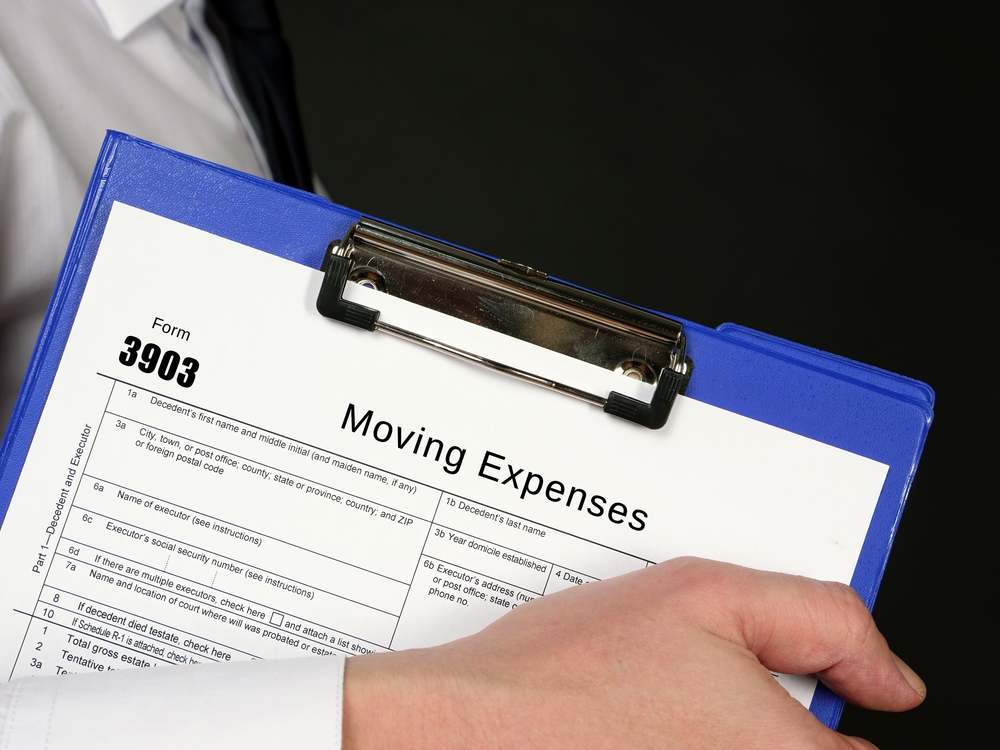
Moving expenses have strict rules. CRA checks distance and job connection. Moves must reduce the commute by at least forty kilometers. Employment or school must be involved. Claiming expenses without an income linkage raises flags. Family moves without work changes are risky. Receipts must support each cost. Storage and travel claims get reviewed often. CRA may request proof of relocation reasons. Moving claims are technical and commonly reviewed.
Repeatedly Claiming Vehicle Expenses as Self-Employed

Vehicle expenses attract attention because personal use is common. CRA looks closely at how much of the vehicle is claimed for work. High business percentages raise questions. Logbooks are the first thing requested during reviews. Estimates without tracking rarely hold up. Fuel, insurance, repairs, and lease costs must align logically. Claims that grow each year can trigger a review. Mileage patterns also matter. Many people overclaim without realizing it. Accurate logs reduce risk. Vehicle expenses are allowed, but documentation decides whether they survive a review.
Reporting Income That Does Not Match T-Slips

CRA automatically matches returns with T-slips submitted by employers and banks. Even small differences can trigger a review. Missing slips are a common cause. Investment income often creates issues. Foreign income mismatches are frequent as well. Employers sometimes submit corrected slips after filing deadlines. CRA may reassess without warning. Reviews usually ask for clarification or proof. The system flags mismatches quickly. Checking slips before filing matters. Matching numbers exactly avoids follow-ups. Most mismatch reviews are resolved easily with proper documentation.
Claiming Tuition Credits Without Matching Enrollment Records

Tuition credits depend on official enrollment records. CRA verifies claims against school submissions. Claims without matching forms raise flags. Part-time studies often confuse. Foreign institutions create additional scrutiny. Carry-forward credits are another common issue. Students sometimes claim credits twice by mistake. CRA may request enrollment letters or transcripts. Program changes also matter. Even small errors can delay refunds. Tuition reviews focus on confirmation. Accurate forms and records usually resolve these quickly. Keeping copies helps avoid stress during review periods.
Filing Late Repeatedly Without a Clear Reason

Late filing patterns increase review risk. CRA tracks filing behavior across years. Occasional delays happen, but repeated ones stand out. Late returns with deductions draw more attention. Even zero-balance returns matter. Reviews may follow inconsistent compliance. CRA may ask why filings were delayed. Penalties are not the only concern. Patterns influence risk scoring. Filing on time reduces visibility. Consistency matters more than people think. Repeated lateness does not imply wrongdoing. It does increase the chances of review.
Large RRSP Deductions After Years of Small Contributions

Sudden RRSP increases often trigger checks. CRA compares deductions across years. Catch-up contributions are allowed, but are still reviewed. Overcontributions are common mistakes. Slips must support deduction amounts exactly. Timing between contribution and deduction matters. CRA may verify unused contribution room. Reviews usually request confirmation documents. Large jumps stand out in automated systems. Proper slips resolve most issues quickly. RRSP reviews are procedural, not accusatory. Clear records reduce delays. Unexpected spikes tend to attract attention even when legitimate.
Claiming Employment Expenses Without Employer Support

Employment expenses require employer approval. CRA checks for signed authorization forms. Claims without them raise flags. Remote work increased these reviews. Not all jobs qualify for deductions. Supplies, tools, and travel must be job-related. Personal items are often disallowed. CRA may request employment contracts. Unsupported claims face adjustment risks. Many reviews focus on eligibility details. Even honest mistakes trigger follow-ups. Clear employer documentation helps. Employment expense reviews are common and documentation-driven. Approval forms matter more than explanations.
Filing Returns That Differ Greatly from Similar Households

CRA compares taxpayers within similar groups. Income level, region, and family size matter. Large differences trigger automated flags. High deductions relative to peers draw attention. Being different is allowed, but reviewed. CRA systems rely on comparisons to spot anomalies. Reviews often request confirmation only. Outliers are not assumed to be dishonest. They are verified. Understanding this helps reduce worry. Documentation explains most differences. Peer comparison reviews are common. They focus on consistency rather than intent or behavior.
22 Groceries to Grab Now—Before another Price Shock Hits Canada

Food prices in Canada have been steadily climbing, and another spike could make your grocery bill feel like a mortgage payment. According to Statistics Canada, food inflation remains about 3.7% higher than last year, with essentials like bread, dairy, and fresh produce leading the surge. Some items are expected to rise even further due to transportation costs, droughts, and import tariffs. Here are 22 groceries to grab now before another price shock hits Canada.
22 Groceries to Grab Now—Before another Price Shock Hits Canada
This Options Discord Chat is The Real Deal
While the internet is scoured with trading chat rooms, many of which even charge upwards of thousands of dollars to join, this smaller options trading discord chatroom is the real deal and actually providing valuable trade setups, education, and community without the noise and spam of the larger more expensive rooms. With a incredibly low-cost monthly fee, Options Trading Club (click here to see their reviews) requires an application to join ensuring that every member is dedicated and serious about taking their trading to the next level. If you are looking for a change in your trading strategies, then click here to apply for a membership.