35,000+ smart investors are already getting financial news, market signals, and macro shifts in the economy that could impact their money next with our FREE weekly newsletter. Get ahead of what the crowd finds out too late. Click Here to Subscribe for FREE.
Airfare has become only one part of the final cost of flying. For many Canadians, the frustration starts after the base fare appears affordable, then grows as bags, seats, airport charges, schedule changes, pets, children’s services, and small corrections turn into separate line items. Some fees are optional, some are government or airport charges, and others are tied to fare rules that can be easy to miss during booking.
These 18 air travel fees stand out because they can reshape the real price of a trip, especially for families, infrequent flyers, and travellers choosing basic fares to keep costs down.
Checked Bag Fees That No Longer Feel Optional
18 Air Travel Fees Canadians Say Have Gone Too Far
- Checked Bag Fees That No Longer Feel Optional
- Carry-On Fees on Basic Fares
- Personal Item Size Penalties
- Airport Bag Payment Premiums
- Second Checked Bag Charges
- Overweight Bag Fees
- Oversized Baggage Fees
- Sports Equipment Handling Fees
- Advance Seat Selection Fees
- Extra Legroom and Preferred Seat Fees
- Fees That Pressure Families to Pay for Seats Together
- Same-Day Flight Change Fees
- Regular Change and Cancellation Fees
- Name Change and Correction Fees
- Airport Improvement Fees
- Air Travellers Security Charge
- Pet Travel Fees
- Unaccompanied Minor Service Fees
- Inflight Food, Beverage, and Small Comfort Fees
- Lounge Access and Last-Minute Upgrade Fees
- 19 Things Canadians Don’t Realize the CRA Can See About Their Online Income
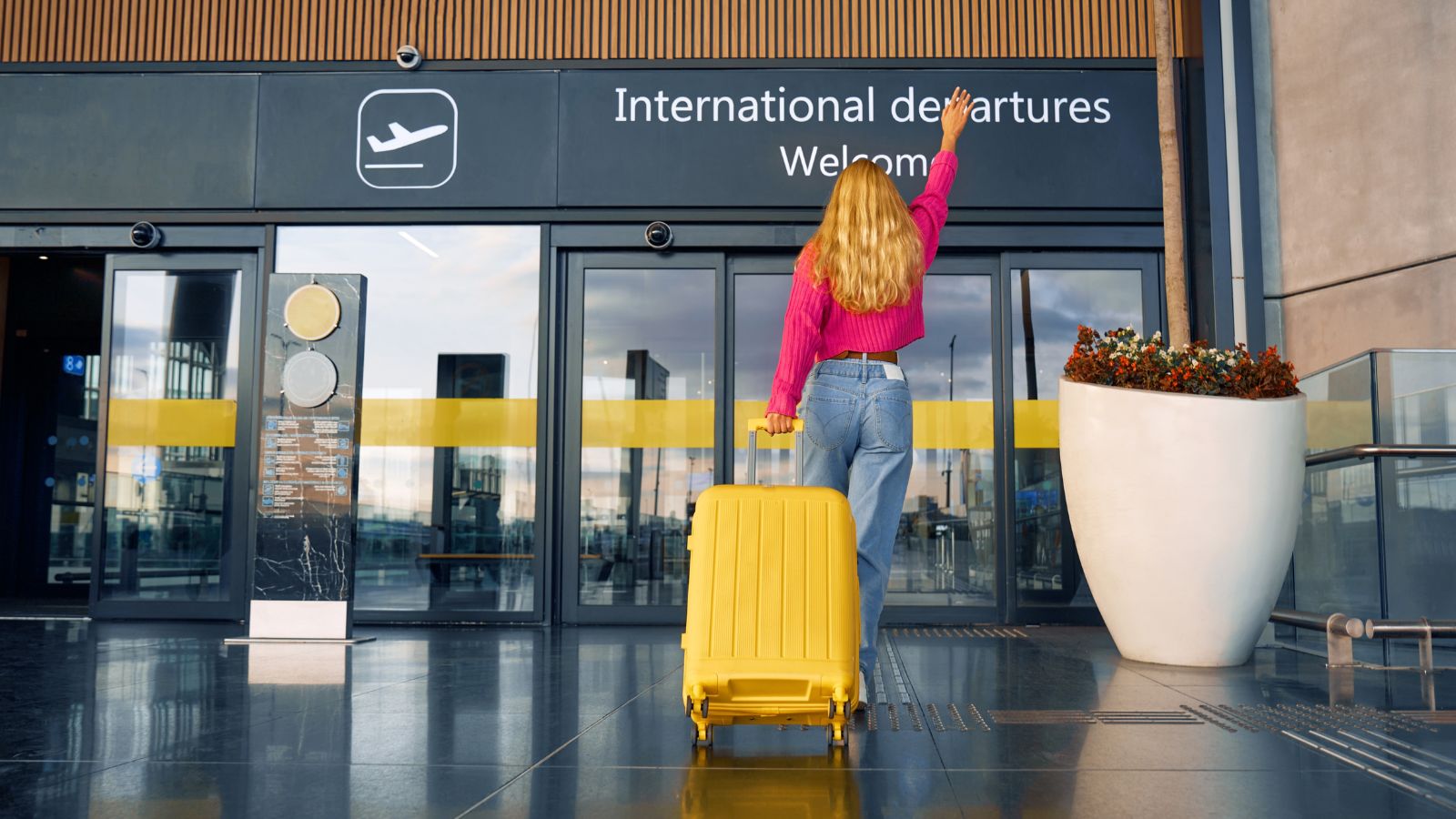
A checked bag used to feel like a normal part of flying, especially on domestic trips where travellers might pack winter clothing, gifts, sports gear, or work equipment. Now it is often treated as an add-on, and the price can climb quickly depending on the fare, route, and payment channel. WestJet, for example, lists first-bag fees for many Canada and U.S. economy fares in the $45 to $53 range when prepaid, with higher prices at self-serve check-in and the airport.
That shift is what irritates many Canadians most: the bag is not a luxury, but the fee structure can make it feel like one. A family of four checking one bag each can add well over $180 before even considering return flights. For travellers heading to weddings, ski trips, university move-ins, or northern communities where packing light is not realistic, the “cheap” fare can become expensive almost immediately.
Carry-On Fees on Basic Fares
Carry-on luggage has become one of the most emotionally charged airline fees because it affects even travellers trying to avoid checked-bag charges. Air Canada’s Economy Basic rules for tickets purchased on or after January 3, 2025, limit eligible travellers on many Canada, U.S., Mexico, Central America, and Caribbean itineraries to one personal item, meaning a standard carry-on must be checked for a fee at the airport. WestJet’s UltraBasic rules also restrict carry-on access except in certain cases.
The problem is not simply the dollar amount. It is the expectation that a small suitcase should be part of ordinary travel. A traveller taking a two-night trip from Toronto to Halifax may book a low fare believing a carry-on keeps costs predictable, then discover the fare class changes the entire packing strategy. For many passengers, paying extra to bring a normal overhead-bin bag feels like the line where unbundling has gone too far.
Personal Item Size Penalties

The personal item is often marketed as the one free piece of baggage left, but the measurements can be surprisingly restrictive. Flair, for example, says each ticket includes one free personal item with maximum dimensions of 15 cm by 33 cm by 43 cm and a weight limit of 7 kg. Bags larger than that may be treated as carry-on luggage and charged accordingly, especially if measured at the airport.
This fee catches people because the phrase “personal item” sounds simple until a backpack, laptop bag, camera pouch, or tote is placed in a sizing device. A student flying home with a laptop and textbooks may think they have packed lightly, only to find the bag exceeds the carrier’s rules. The irritation comes from the uncertainty: a bag that fits under one seat may still trigger a fee if it fails a rigid measurement test.
Airport Bag Payment Premiums

Many baggage fees are cheaper when paid early and more expensive when handled later. WestJet’s fee table shows clear differences between prepaid, self-serve check-in, and airport check-in baggage prices. For some Canada-departing fares, the first checked bag costs less when prepaid than when paid at the airport, while second-bag and additional-bag fees can also rise depending on timing and channel.
This feels punitive to travellers who are already stressed at the airport. A parent juggling car seats, snacks, passports, and boarding passes may not realize that delaying payment can cost more. The fee also penalizes people who are uncertain about luggage until the day of travel, including business travellers waiting on equipment or families sharing bags. The message is clear: decide early, use digital tools, and avoid the counter, or the same bag may cost more.
Second Checked Bag Charges
The second checked bag is where air travel can start feeling especially expensive. Airlines commonly treat it as a bigger add-on than the first, with WestJet listing higher second-bag fees on many fare types and routes. This matters because plenty of trips require more than one bag: long stays, international visits, moving students, family vacations, and travel with children all make a second bag more likely.
For Canadians visiting relatives abroad, the second bag is often filled with gifts, food items, winter gear, or supplies that cannot fit into one suitcase. On paper, the fee is optional. In real life, it can be hard to avoid. A traveller comparing fares might see only a modest difference between airlines, but once a second checked bag is added in both directions, the final price can shift dramatically. That makes fare comparison far less straightforward than it appears.
Overweight Bag Fees
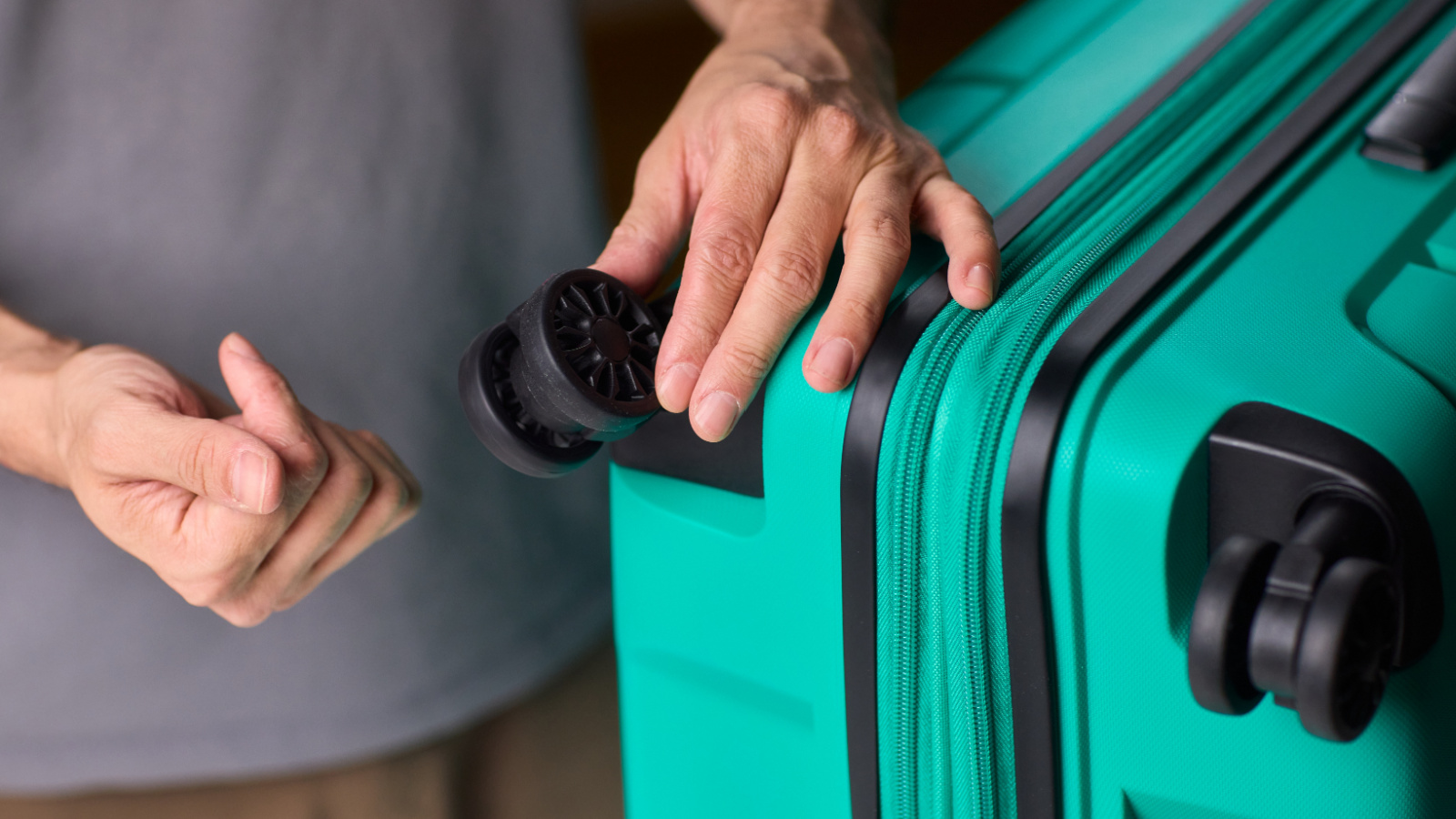
Overweight baggage fees are among the most dreaded because they often appear at the counter, when repacking is awkward and time is short. Many airlines use 23 kg, or 50 lb, as the standard checked-bag weight threshold. Flair states that checked bags over 23 kg are subject to additional per-kilogram fees, while WestJet lists overweight and oversized charges that can reach significant amounts depending on fare and route.
This fee feels harsh because the difference between 22.8 kg and 23.5 kg can be tiny in practical terms but expensive at check-in. Travellers end up shifting shoes into carry-ons, wearing extra layers, or redistributing items across family bags while other passengers wait behind them. The fee may make operational sense for airlines, but for passengers it can feel like a costly penalty for a few extra sweaters, books, or souvenirs.
Oversized Baggage Fees
Oversized baggage fees frustrate travellers because they often apply to items that are not extravagant: strollers, musical instruments, hockey bags, camping equipment, and other bulky necessities. Flair says oversized fees apply to checked bags larger than 158 cm in total linear dimensions, while Air Canada lists separate fees for certain sports equipment such as surfboards, paddleboards, kiteboards, wakeboards, and wave skis.
In Canada, this issue is especially visible because many trips involve seasonal gear. A family heading to a tournament, a musician travelling for a performance, or a newcomer moving with irregular luggage may not think of their item as “special.” Yet the airline’s size rules can turn it into a premium charge. The fee feels like it punishes the realities of Canadian travel, where winter clothing, outdoor activities, and long distances often make compact packing unrealistic.
Sports Equipment Handling Fees

Sports equipment fees can feel particularly excessive in a country where travel and recreation are closely linked. Air Canada lists fees for items such as bicycles and certain board sports equipment, while WestJet lists a handling fee for select sporting equipment. These charges can be separate from standard baggage rules, which means travellers may pay both attention and money to make sure equipment is accepted.
The frustration is easy to understand. A hockey parent flying to a tournament, a cyclist visiting British Columbia, or a surfer heading to a coastal destination may already be paying for hotels, ground transport, and event costs. A handling fee adds one more layer to an already expensive trip. Some passengers accept that unusual equipment needs special handling, but many object when the fee feels disconnected from the actual service provided, especially if the item is simply loaded like other baggage.
Advance Seat Selection Fees
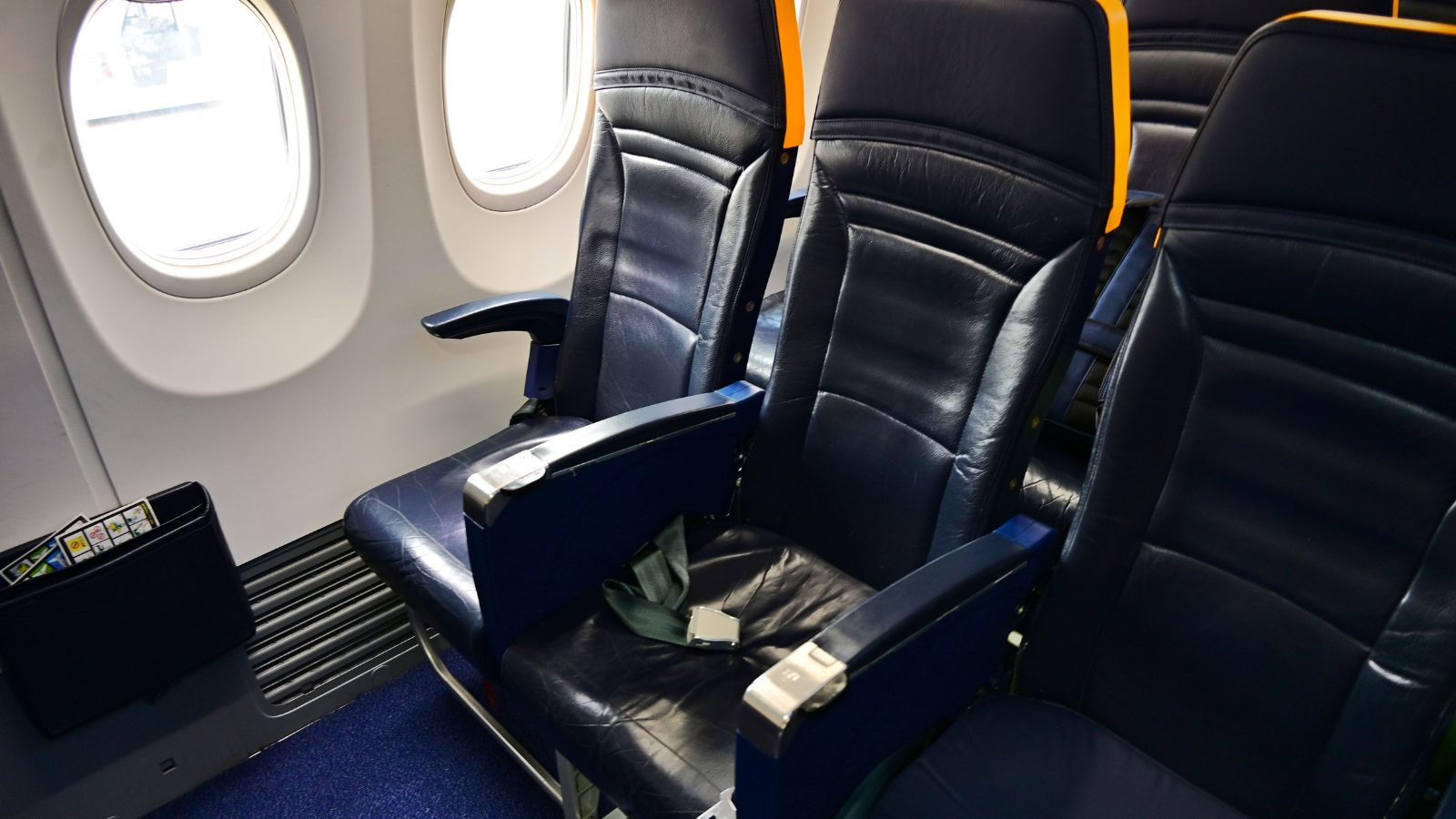
Seat selection fees are now one of the clearest examples of airline unbundling. Air Canada lists advance standard seat selection charges for Basic and Standard fares on several itineraries, while WestJet lists standard seat selection fees that can vary widely by fare and seat type. The airline may assign a seat for free, but choosing one in advance can trigger a charge.
This fee bothers travellers because the seat is not optional in the literal sense; every passenger needs one. What is optional is the ability to control where that seat is. A nervous flyer may want a window, a tall passenger may want an aisle, and a couple may simply want to sit together. The fee turns a basic comfort preference into a revenue item. For many Canadians, that feels like paying extra to avoid avoidable stress.
Extra Legroom and Preferred Seat Fees

Preferred seats and extra-legroom seats are often marketed as comfort upgrades, but the price can be steep. Air Canada lists Preferred Seat prices ranging from $20 to $249 per one-way flight segment, depending on itinerary. WestJet lists Extended Comfort and Exit Row seat fees that can also vary substantially by fare type. These options can be appealing, especially on longer flights, but the cost can surprise passengers.
The controversy is not that premium space costs more; most travellers understand that roomier seats have value. The frustration is that regular economy seating has become tight enough that extra space can feel less like a luxury and more like a physical need. A tall traveller on a five-hour transcontinental flight may view the fee as self-preservation. When basic comfort feels locked behind a paid upgrade, passengers see it as another sign that the standard ticket has been stripped down.
Fees That Pressure Families to Pay for Seats Together

Family seating is a sensitive issue because it affects children, not just adult preferences. Canada’s Air Passenger Protection Regulations include obligations related to seating children under 14 near a parent, guardian, or tutor, depending on the child’s age. Even so, many families still feel pressure to pay for seat selection in advance because they do not want to risk uncertainty at check-in or boarding.
This is where rules and traveller anxiety collide. A family flying from Calgary to Orlando may technically have protections, but parents often prefer certainty over arguing at the gate. Paying seat-selection fees can feel like the safest way to avoid separation, especially with young children or children who need extra support. The result is a fee that may be optional on paper but emotionally difficult to refuse. For families already buying multiple tickets, that extra cost can feel especially unfair.
Same-Day Flight Change Fees

Same-day flight changes can be useful when meetings end early, weather shifts, or family plans change. The issue is the price. Air Canada lists same-day airport change fees for some fare categories, while WestJet lists same-day change fees that can apply per guest depending on fare and route. Basic fares may also be more restrictive or ineligible for changes.
The frustration comes from the fact that the plane may still have empty seats. A traveller who arrives early at Vancouver International Airport might see an earlier departure on the board, only to learn that switching flights costs enough to erase the convenience. Airlines argue that fare rules protect inventory and pricing systems. Passengers often see an empty seat leaving soon and wonder why moving into it requires another charge. That gap between airline logic and traveller common sense fuels the irritation.
Regular Change and Cancellation Fees
Change and cancellation fees remain one of the most painful parts of flying because they often appear when something has already gone wrong. WestJet states that change fees can apply per affected flight, per direction, per person, with fare differences also possible. Some lower fares may offer limited flexibility, while more flexible fares typically cost more upfront.
This fee creates a difficult trade-off. A traveller can buy the cheapest fare and risk paying heavily if plans change, or pay more upfront for flexibility that may never be used. For families, the calculation multiplies by every passenger. A sudden illness, work conflict, or school schedule change can turn a low fare into a costly lesson in fare rules. Canadians often object less to reasonable fare differences than to the feeling that a simple date change can become a second purchase.
Name Change and Correction Fees

Name fees feel especially frustrating because they often involve small mistakes rather than changed travel plans. WestJet lists name change fees that can vary by destination, including higher ranges for some Europe and Asia travel. Flair states that small fixes may be free, but name changes over three characters can cost $125 to $164 CAD, with tickets not transferable.
The fee can feel disproportionate when the issue is a typo, missing middle name, or autocorrect error. Travellers understand that identity rules matter and that airline tickets cannot simply be transferred like concert tickets. Still, a passenger who notices one wrong letter after booking may feel trapped by a technicality. The emotional sting is strongest when the correction takes minutes but costs more than a hotel night or a checked bag.
Airport Improvement Fees

Airport Improvement Fees are not optional airline add-ons, but they still contribute to the feeling that the final price has gone too far. Toronto Pearson lists its Airport Improvement Fee at $40 plus applicable taxes for departing passengers and $10 plus applicable taxes for connecting passengers. Calgary International Airport lists an AIF of $35 per departing guest. These charges are typically built into the ticket rather than collected separately at the airport.
Passengers may support better terminals, runways, security areas, and baggage systems, but the fee can be hard to separate from the total cost of flying. A traveller comparing a short domestic flight with a train, bus, or car trip may see airport charges as one reason the ticket price feels inflated. The fee is especially noticeable on short routes, where fixed charges can represent a meaningful share of the total fare.
Air Travellers Security Charge

The Air Travellers Security Charge is another mandatory cost that passengers may not focus on until they examine the fare breakdown. The Canada Revenue Agency says the ATSC applies to air transportation services within and outside the continental zone. Current rates effective May 1, 2024, include domestic, transborder, and international amounts, with different treatment depending on whether GST or HST applies.
This fee exists to fund air travel security, a public function most passengers value. The frustration is that it adds to the stack of charges that make the advertised fare feel incomplete. A low domestic fare can look appealing until security charges, airport fees, taxes, bags, and seats are all included. Travellers may not object to security screening itself, but they often object to discovering how many mandatory and optional items sit between the base fare and the amount paid.
Pet Travel Fees

Pet fees can feel unavoidable for travellers relocating, visiting family for long periods, or avoiding pet boarding costs. Air Canada lists cabin pet fees for travel within Canada or between Canada and the U.S., as well as higher fees for other itineraries; it also lists fees for pets travelling in the baggage compartment. WestJet lists pet kennel fees for in-cabin travel within or between Canada and the U.S.
The issue is that pet travel involves both money and uncertainty. Space may be limited, rules vary by aircraft and destination, and the pet carrier can count against practical cabin space. A traveller moving from Winnipeg to Ottawa with a small dog may already be paying for a carrier, vet paperwork, and ground transport. The airline fee can feel like yet another charge for keeping the animal safe and close, rather than a discretionary upgrade.
Unaccompanied Minor Service Fees

Unaccompanied minor fees are designed to cover supervision and support for children travelling without an adult, but they can feel expensive for families already dealing with complicated logistics. Air Canada lists an unaccompanied minor service fee of $100 to $120 per one way, per child, per flight. The service can provide reassurance, yet the cost adds up quickly on round trips.
This fee often affects separated families, students travelling between parents, children visiting grandparents, or families in remote communities where flying is the only practical option. In those cases, the charge does not feel like a luxury service. It feels like the price of making a necessary family arrangement possible. Parents may appreciate the staff support while still feeling that the total cost is steep, especially when multiple children are travelling together.
Inflight Food, Beverage, and Small Comfort Fees
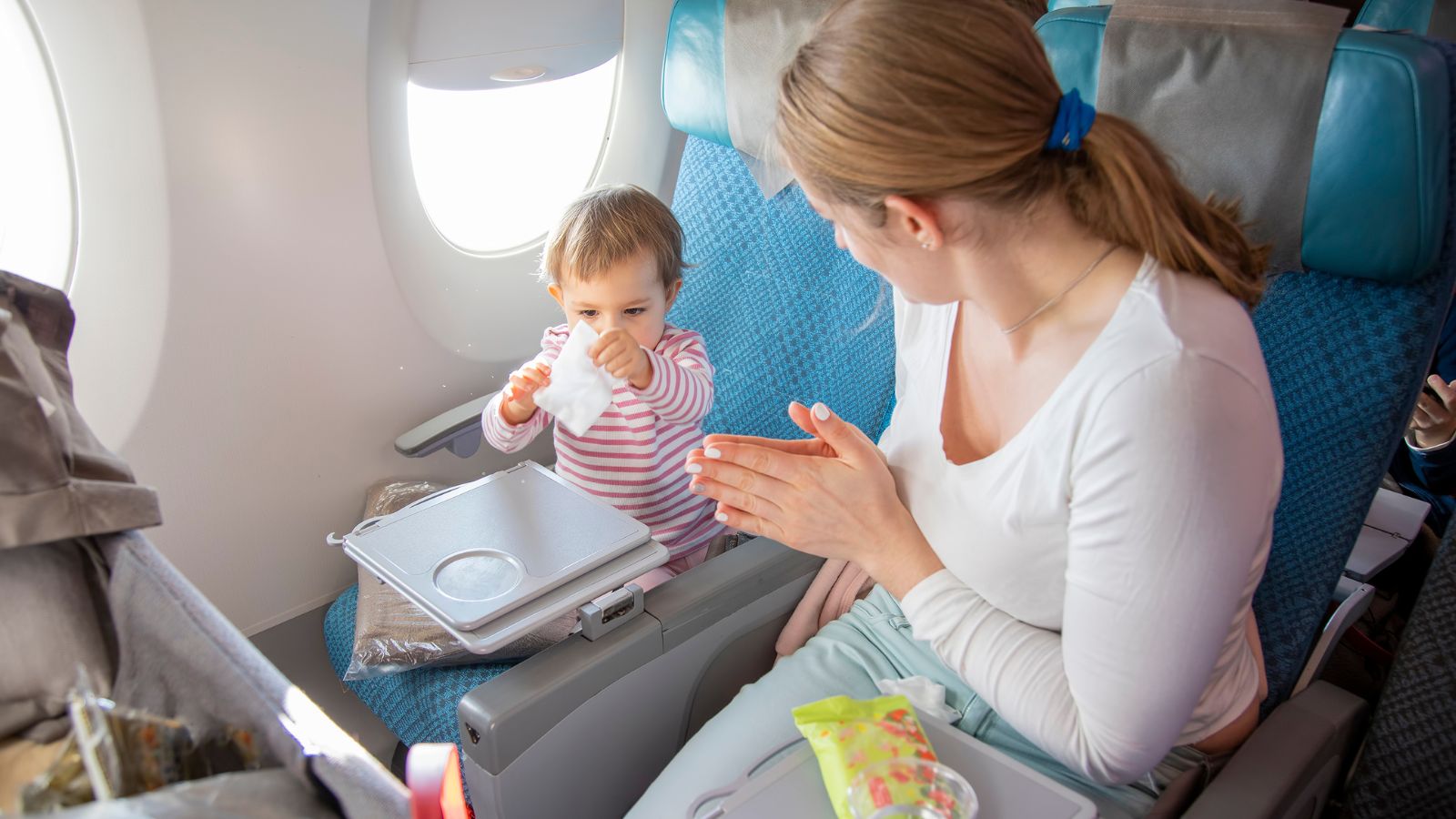
Inflight purchases are not new, but they still contribute to fee fatigue. Air Canada lists Bistro prices for meals, snacks, alcoholic beverages, and earphones, while WestJet lists onboard food options with prices depending on availability, flight time, and duration. Some airlines offer complimentary snacks or drinks on certain services, but passengers cannot assume a full meal or comfort item is included.
These charges feel especially irritating on long or delayed travel days. A passenger who left home early, cleared security, and boarded a multi-hour flight may find that the cheapest practical meal is now onboard and priced accordingly. Families face an even bigger challenge because snacks and drinks multiply across children. The fee may be avoidable with planning, but airport security rules, tight connections, and delays can make that planning difficult. By the time a traveller pays for food, bags, seats, and airport charges, the small purchases no longer feel small.
Lounge Access and Last-Minute Upgrade Fees

Lounge access and last-minute upgrades are clearly optional, but they still shape the perception that air travel has become increasingly tiered. Air Canada lists Maple Leaf Lounge access fees for certain fare categories and notes that last-minute Business Class upgrade prices depend on the segment selected. These fees appeal to travellers seeking quiet space, food, power outlets, or a better seat before departure.
The irritation comes from the contrast between the standard airport experience and the paid escape from it. When terminals are crowded, seating is limited, food is expensive, and delays stretch for hours, a lounge can feel less like indulgence and more like relief. Similarly, a last-minute upgrade can seem tempting when economy feels cramped. Travellers may not blame airlines for selling premium services, but the widening gap between basic travel and paid comfort leaves many feeling that dignity now has a surcharge.
19 Things Canadians Don’t Realize the CRA Can See About Their Online Income

Earning money online feels simple and informal for many Canadians. Freelancing, selling products, and digital services often start as side projects. The problem appears at tax time. Many people underestimate how much information the CRA can access. Online platforms, banks, and payment processors create detailed records automatically. These records do not disappear once money hits an account. Small gaps in reporting add up quickly.
Here are 19 things Canadians don’t realize the CRA can see about their online income.
This Options Discord Chat is The Real Deal
While the internet is scoured with trading chat rooms, many of which even charge upwards of thousands of dollars to join, this smaller options trading discord chatroom is the real deal and actually providing valuable trade setups, education, and community without the noise and spam of the larger more expensive rooms. With a incredibly low-cost monthly fee, Options Trading Club (click here to see their reviews) requires an application to join ensuring that every member is dedicated and serious about taking their trading to the next level. If you are looking for a change in your trading strategies, then click here to apply for a membership.