35,000+ smart investors are already getting financial news, market signals, and macro shifts in the economy that could impact their money next with our FREE weekly newsletter. Get ahead of what the crowd finds out too late. Click Here to Subscribe for FREE.
Late summer can be an ideal time for a getaway. School-holiday crowds begin to thin in some places, daylight remains generous, and warm weather continues across many popular destinations. Yet August and early September also bring complications that are easy to miss during the excitement of booking: wildfire smoke, tropical storms, changing entry rules, restricted fare conditions, seasonal closures, and unexpected fees.
A low advertised price can become expensive once baggage, transportation, insurance, taxes, and mobile service are included. Conditions can also change considerably between the day a reservation is made and the day a traveller leaves. These 23 checks can help Canadians compare the real cost, understand the risks, and choose arrangements that remain workable when late-summer plans encounter an unwelcome surprise.
Passport Validity Beyond the Return Date
23 Things Canadians Should Check Before Booking a Late-Summer Getaway
- Passport Validity Beyond the Return Date
- Visas, Travel Authorizations, and Transit Rules
- Current Travel Advisories and Local Laws
- Wildfire Activity and Possible Closures
- Smoke and Air-Quality Forecasts
- Heat Warnings and Accommodation Cooling
- Hurricane and Tropical-Storm Exposure
- The Real All-In Airfare
- Baggage Allowances for Every Flight
- Fare Changes and Cancellation Conditions
- Air-Passenger Rights During Disruptions
- Airport Security and Screening Time
- Emergency Medical Insurance
- Pre-Existing Conditions and Policy Exclusions
- Vaccinations, Medications, and Health Notices
- Accommodation Taxes and Mandatory Fees
- Short-Term Rental Legality and Registration
- International Roaming and Phone Compatibility
- Card Fees, Exchange Rates, and Cash Access
- Rental-Car Licences and Insurance
- Roads, Ferries, and Border Crossings
- Park Reservations, Permits, and Closures
- Return-to-Canada Customs Requirements
- 19 Things Canadians Don’t Realize the CRA Can See About Their Online Income

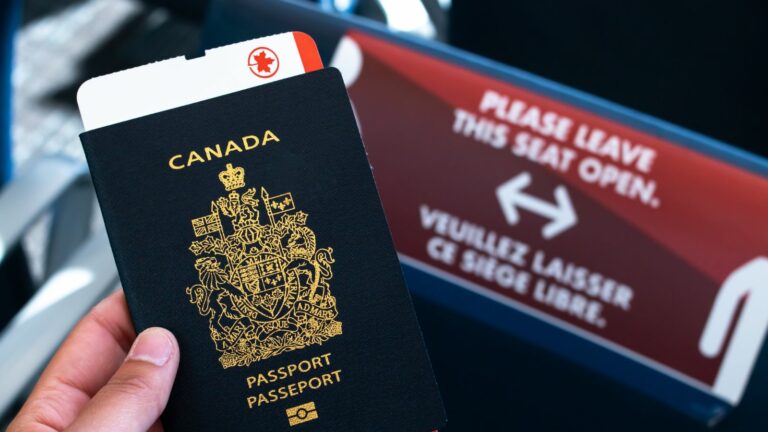
The expiry date printed inside a passport is not always the date that determines whether a traveller will be admitted. Many countries require a Canadian passport to remain valid for several months after the planned departure from that country. Portugal, for example, generally requires regular Canadian passports to remain valid for at least three months beyond the expected departure from the Schengen area. Other destinations may require six months.
Airlines can also enforce document requirements before boarding, sometimes using standards that are stricter than travellers expect. A family may therefore have fully paid flights and accommodation but still be unable to leave Canada because one passport is too close to expiry. The safest approach is to check the destination’s official entry requirements, every country involved in a connection, and the airline’s conditions. Passport renewal should be addressed before making expensive non-refundable commitments, particularly when several travellers’ documents must be processed at once.
Visas, Travel Authorizations, and Transit Rules

Visa-free travel does not necessarily mean paperwork-free travel. Some destinations require Canadians to obtain an electronic authorization before departure, while others issue visas on arrival or require applications well in advance. Transit rules matter too. A connection through a country can create a separate authorization requirement even when the traveller never intends to leave the airport.
Europe offers a useful example of why assumptions are risky. The European Union has been preparing to introduce the ETIAS authorization system, but the exact implementation schedule has changed during the planning process. Canadians should verify its status rather than relying on an old travel post or a friend’s previous trip. Applications should be completed only through official government channels, since imitation websites may charge inflated service fees. The name, passport number, birth date, and expiry date on every authorization should exactly match the travel document used for the booking.
Current Travel Advisories and Local Laws

A destination that looked straightforward when it first appeared in a search may have regional advisories, demonstrations, border restrictions, or laws that materially affect the trip. Canada’s travel advisory system uses four broad risk levels, ranging from taking normal security precautions to avoiding all travel. Some countries also have separate warnings for particular provinces, border regions, or cities.
Travellers should read more than the advisory headline. The destination page may include information about crime patterns, transportation risks, local identification requirements, medication restrictions, dress expectations, photography laws, and limits on Canadian consular assistance. Insurance policies may also contain exclusions connected to official advisories. A resort town can remain calm while a different region of the same country faces serious disruption, so the actual itinerary matters. Checking the advisory before booking, again before the cancellation deadline, and once more shortly before departure provides a more reliable picture than a single early search.
Wildfire Activity and Possible Closures
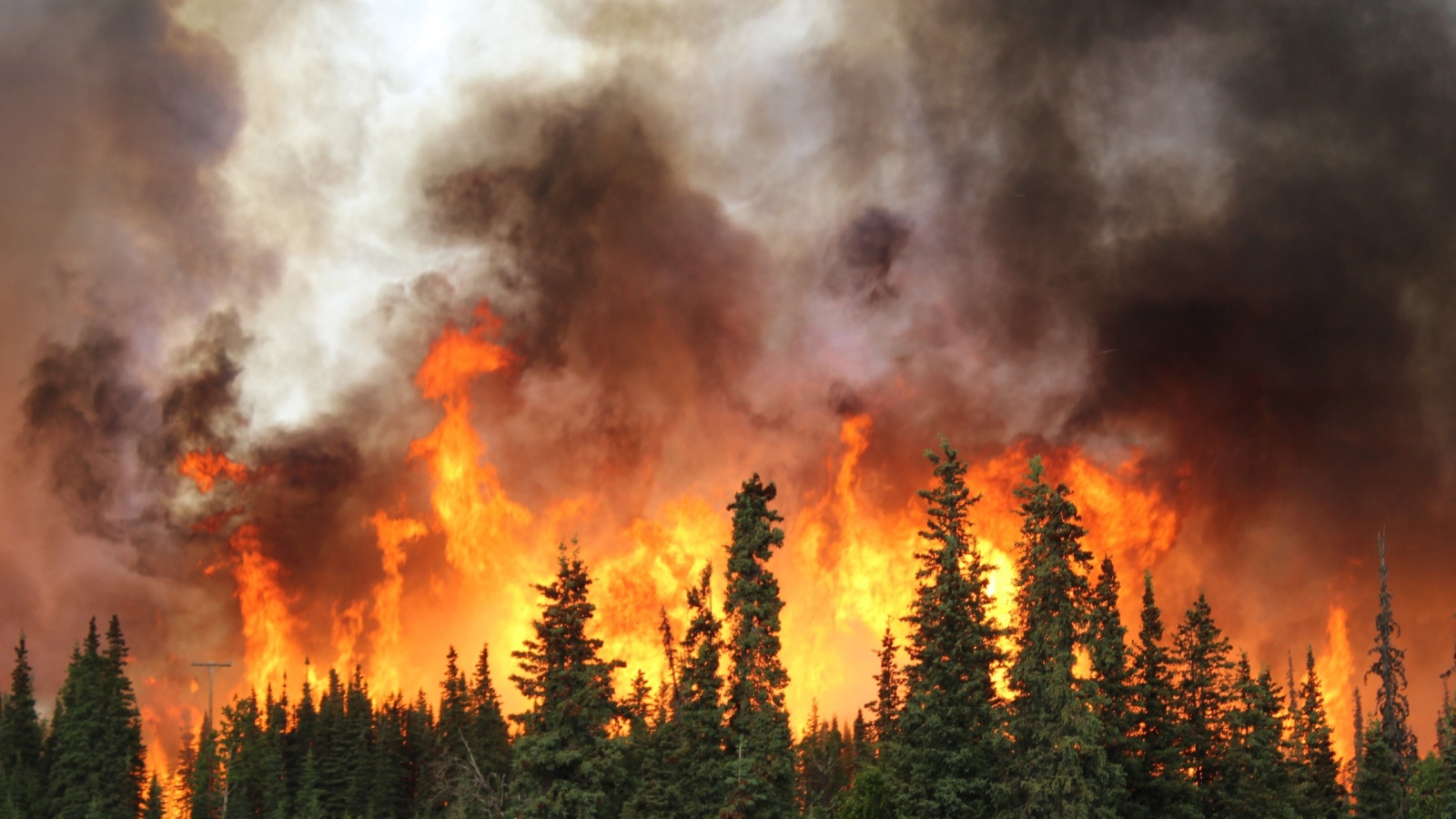
Late summer remains part of wildfire season across much of Canada and in numerous international destinations. A town does not need to be directly threatened by flames for a trip to be affected. Highways, campgrounds, hiking routes, provincial parks, and air services may close because of fire behaviour, evacuation orders, or the need to keep access routes clear for emergency crews.
Travellers planning a cabin stay or mountain road trip should examine official fire maps and local emergency notices rather than relying only on a general weather forecast. Conditions can shift quickly when wind direction, lightning, or drought changes. A reservation located outside an evacuation zone may still become impractical if the only access highway closes. It is worth checking whether the accommodation offers refunds during evacuation orders, whether alternate routes exist, and whether travel insurance covers wildfire-related interruption. A beautiful remote property is less appealing when its cancellation terms transfer every emergency-related cost to the guest.
Smoke and Air-Quality Forecasts
Wildfire smoke can travel hundreds or even thousands of kilometres, meaning poor air quality may occur far from the visible fire zone. Canada’s Air Quality Health Index uses a scale from 1 to 10+, with higher readings representing greater health risk. Forecasts and alerts can change from one part of a region to another and from hour to hour as smoke moves.
This check matters especially for travellers with asthma, heart or lung conditions, older adults, pregnant travellers, young children, and anyone planning strenuous outdoor activities. A hiking holiday may still be physically possible during smoky conditions, but it may no longer be enjoyable or appropriate. Accommodation with effective air conditioning and filtration can become more valuable than a scenic patio. Travellers should determine whether outdoor tours can be rescheduled, whether indoor alternatives exist, and what happens financially if air-quality warnings make the planned experience unsuitable without producing a formal closure.
Heat Warnings and Accommodation Cooling

A destination described as pleasantly warm in an annual climate summary can experience dangerous heat during a specific late-summer week. Environment and Climate Change Canada issues heat warnings to explain when extreme conditions are expected, their possible health effects, and appropriate precautions. Heat can also occur alongside wildfire smoke, making outdoor activity more difficult and reducing the relief normally provided by opening windows.
Accommodation descriptions deserve careful reading. “Climate controlled” may refer to heating rather than air conditioning, while older hotels, cottages, hostels, and European apartments may provide only fans. Travellers should check whether cooling is available in the actual bedroom, not merely in a lobby or shared space. A room on an upper floor can become uncomfortable even after outdoor temperatures fall. It is also sensible to review shaded transportation options, pool operating hours, and cancellation terms. A low-cost room loses much of its value when guests must spend the afternoon elsewhere to remain cool.
Hurricane and Tropical-Storm Exposure
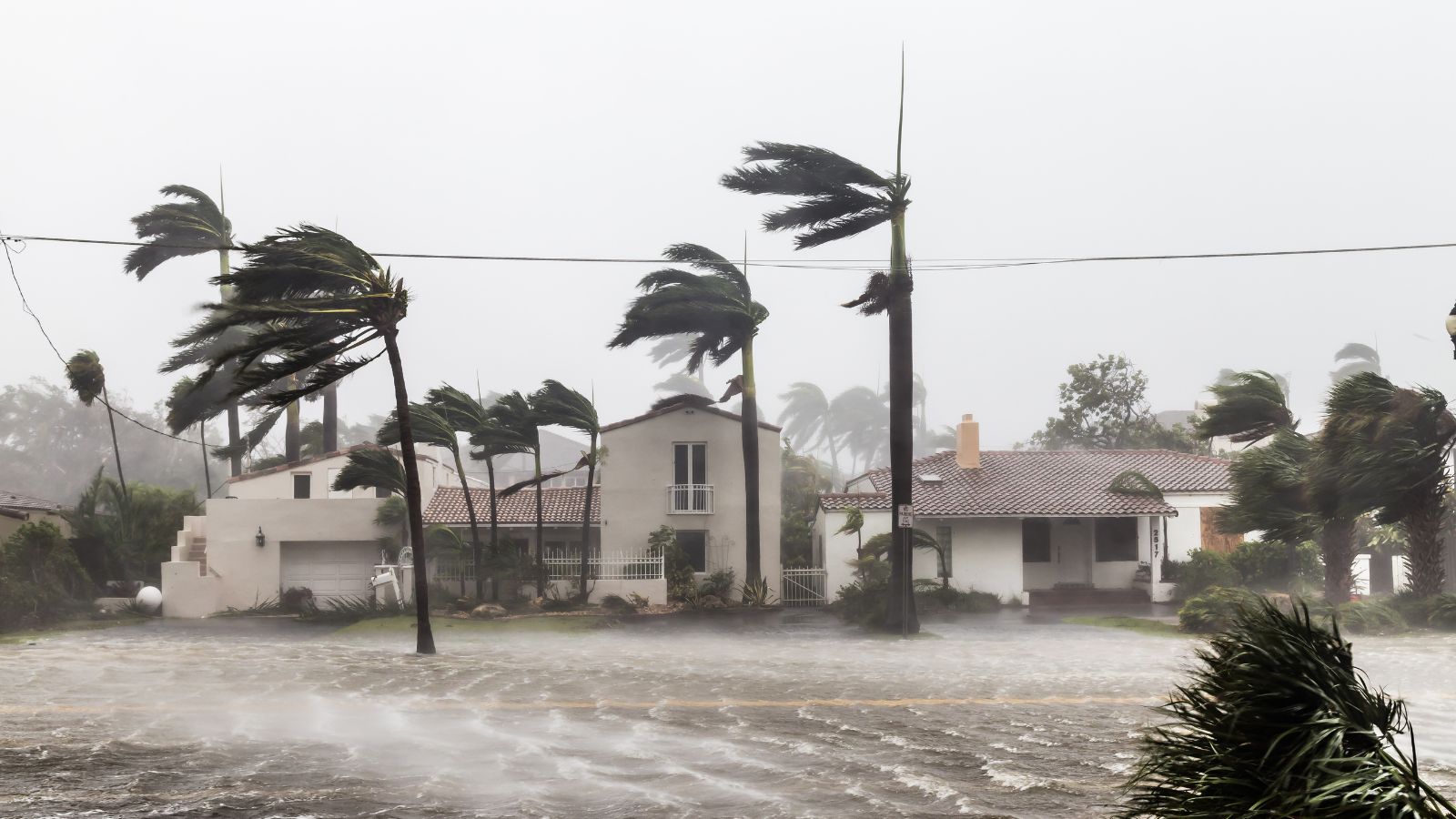
Atlantic hurricane season officially runs from June 1 through November 30, placing many late-summer trips within the period of greatest concern. The risk applies not only to the Caribbean and southern United States but also to cruises and parts of Atlantic Canada. Tropical systems can disrupt flights, ferries, ports, roads, utilities, and hotel operations well beyond the storm’s centre.
Forecasts available months ahead cannot identify the exact track of a future storm, so the booking itself must provide resilience. Travellers should check cancellation and rebooking provisions, the availability of travel-interruption insurance, and whether a cruise itinerary can be altered without compensation. Those renting coastal homes should ask about evacuation procedures and backup power. A “hurricane guarantee” should be read carefully because it may apply only when authorities issue a specific warning or when the property becomes uninhabitable. Flexible arrangements often matter more than a small discount during peak storm season.
The Real All-In Airfare

Airfare comparisons should be based on the amount required to complete the trip, not the first number displayed in search results. Canadian rules generally require advertised air prices for travel within or originating in Canada to appear in an all-inclusive format, including unavoidable carrier costs, taxes, and government charges. Optional services, however, can still add substantially to the final bill.
Seat selection, checked baggage, larger carry-on items, meals, airport transfers, and payment-related services may vary by fare category and airline. A cheaper itinerary with a distant airport may also require an expensive train, taxi, hotel, or overnight connection. Travellers should complete the booking process far enough to see the final price but stop before payment, then create a door-to-door comparison. A fare that costs $80 less can easily become the more expensive choice when a couple adds two bags, reserved seats, and transportation from a secondary airport located an hour outside the destination.
Baggage Allowances for Every Flight
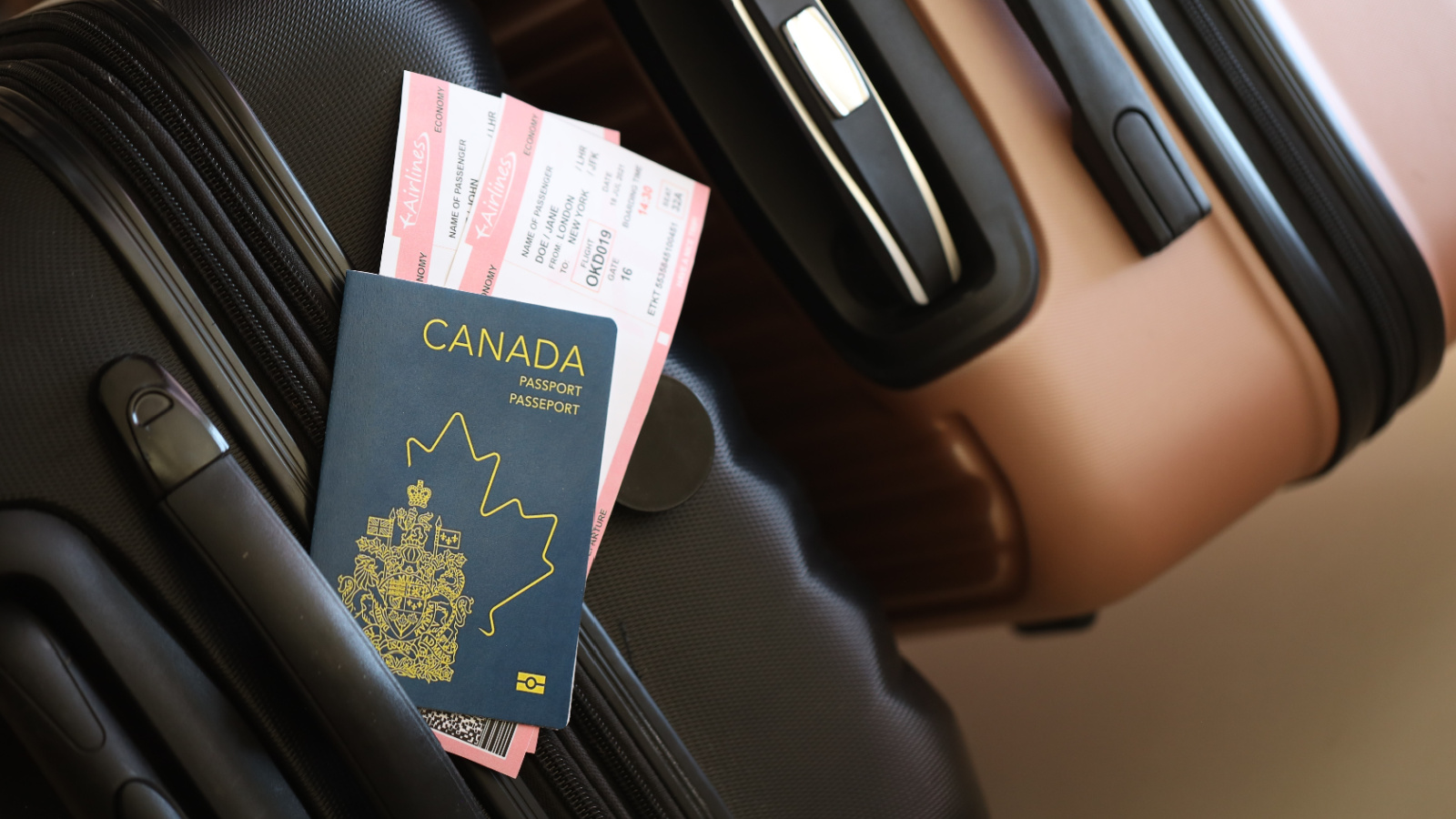
Baggage rules are increasingly tied to the exact fare purchased rather than simply the airline’s brand. Two passengers on the same aircraft may have different carry-on and checked-bag entitlements. Size limits, weight limits, sports-equipment charges, and personal-item dimensions may also change between carriers or routes. Codeshare trips are particularly important because more than one airline name can appear on the itinerary.
Canadian transportation rules require airlines to publish tariffs explaining conditions such as baggage allowances and fees. Travellers should save the baggage terms shown at purchase instead of assuming the policy will remain easy to find. Every segment should be checked, including short connecting flights operated by a regional partner. A suitcase accepted on the first aircraft may be oversized for the next one. Families can test packed bags at home with a scale and measuring tape. Paying online in advance is often less stressful than discovering a restriction while a boarding line forms behind the traveller.
Fare Changes and Cancellation Conditions

The words “economy,” “standard,” and “flexible” do not have identical meanings across airlines, hotels, or booking platforms. A fare may permit changes but still require payment of the difference between the old and new price. Another may provide only a credit with a short expiry date. Some bookings become entirely non-refundable immediately after purchase, while others allow cancellation until a clearly stated local deadline.
Travellers should record what happens if they cancel, if the supplier cancels, and if only one person in the group can no longer travel. Third-party booking sites can introduce another layer because changes may need to be processed through the agency rather than the airline or hotel. A familiar situation involves a traveller finding a better flight but discovering that the original ticket credit cannot be transferred or used for another passenger. Screenshots or downloaded terms provide evidence of the conditions accepted at checkout and make later conversations with customer service far easier.
Air-Passenger Rights During Disruptions

Canada’s Air Passenger Protection Regulations establish minimum airline obligations involving delays, cancellations, denied boarding, tarmac delays, and baggage problems on covered flights. The remedy depends on details such as the cause of the disruption, the length of the delay, the airline’s size, and whether the passenger chooses rebooking or a refund. Not every inconvenience automatically produces compensation.
Before departure, travellers should understand how to preserve a claim. Airline messages, boarding passes, baggage receipts, photographs of airport information screens, and receipts for reasonable meals or accommodation can become important evidence. Passengers should also ask the airline to state the reason for a disruption in writing. Weather, safety issues, crew shortages, and operational decisions may lead to different obligations. Knowing the basic framework does not prevent a cancelled flight, but it helps travellers make informed choices at the airport instead of accepting a voucher or alternate itinerary without understanding the consequences.
Airport Security and Screening Time

A well-planned flight can still be missed because of a preventable security delay. At Canadian airports, liquids, aerosols, gels, and non-solid foods in carry-on baggage generally must be in containers of 100 millilitres or less and fit inside one clear, resealable one-litre bag per traveller. Larger sunscreen bottles, drinks, spreads, and toiletries are common late-summer troublemakers.
CATSA publishes screening information, current checkpoint estimates for participating airports, and a searchable tool explaining where specific items may be packed. Those estimates do not necessarily include airline check-in, bag drop, U.S. preclearance, the walk to the gate, or unexpected secondary screening. Families carrying medication, baby supplies, camping equipment, or mobility aids should review the relevant exemptions and procedures before leaving home. Packing the liquids bag where it can be reached quickly and checking terminal information in advance can save more time than rushing through traffic after a late departure from home.
Emergency Medical Insurance

Provincial and territorial health plans may cover little or none of the actual cost of treatment outside Canada. Even when reimbursement is available, it may be limited to the amount that the same service would cost at home. The traveller can remain responsible for the difference, along with ambulance, hospitalization, prescription, and medical-evacuation expenses.
Insurance should therefore be checked before paying for an international getaway, including a short trip to the United States. The policy’s coverage amount, deductible, emergency-assistance process, and payment arrangements deserve attention. Some hospitals may require payment or a guarantee before providing non-emergency treatment. Travellers should carry the insurer’s contact information and policy number, while a companion should know where to find them. Coverage through an employer, association, or credit card should be confirmed rather than assumed. A logo on a benefits booklet does not establish that every traveller, destination, trip length, or medical expense is covered.
Pre-Existing Conditions and Policy Exclusions

Travel insurance is only as useful as the wording that governs a claim. Pre-existing medical conditions may be covered, excluded, or covered only when they have remained stable for a defined period. The Government of Canada advises travellers to obtain written confirmation when a policy is expected to cover a pre-existing condition. A recent medication change, new symptom, test, referral, or treatment adjustment can affect eligibility.
Trip-cancellation and interruption coverage also has specific triggers. Changing one’s mind, disliking smoke, or worrying about a forecast may not qualify unless the policy includes a relevant covered event. Credit-card insurance can impose requirements such as charging all or part of the trip to that card. Travellers should compare the policy certificate with their health history and itinerary, then ask the insurer precise questions in writing. The important question is not simply “Am I insured?” but “Which events, travellers, expenses, destinations, and dates are insured under this contract?”
Vaccinations, Medications, and Health Notices

Health requirements can vary according to the destination, trip length, planned activities, season, and countries visited during transit. The Public Health Agency of Canada publishes travel health notices and guidance on recommended or required vaccines and medications. Some vaccinations require more than one dose or time for immunity to develop, making a last-minute appointment less useful.
Travellers should also check whether prescription and over-the-counter medicines are legal at the destination. A medication routinely carried in Canada may be restricted elsewhere or require a physician’s letter, original packaging, or prior authorization. Adventure travel, animal contact, rural accommodation, and freshwater activities can create risks that do not apply to a conventional city break. A travel-health consultation is especially valuable for pregnant travellers, people with chronic conditions, young children, and those visiting several countries. Carrying an adequate supply in hand luggage protects against both lost bags and unexpected delays on the return journey.
Accommodation Taxes and Mandatory Fees

The nightly rate displayed in a search result rarely represents the complete accommodation cost. Taxes, destination levies, cleaning charges, parking, resort fees, booking fees, and mandatory service charges may appear later. In Canada, promoting a price that cannot actually be obtained because of fixed obligatory charges may constitute unlawful drip pricing unless those charges are imposed by government.
International bookings may operate under different consumer rules, so travellers should inspect the final checkout page and calculate the full stay. A $220 room with a $40 nightly resort charge is not meaningfully cheaper than a transparent $250 alternative, particularly when the “resort” benefits are services the guest will never use. The refund policy should also clarify whether mandatory fees and taxes are returned after cancellation. Saving the final price breakdown helps resolve disputes and prevents an attractive headline rate from distorting the vacation budget.
Short-Term Rental Legality and Registration

Short-term rental rules have tightened in many destinations as governments respond to housing shortages, building concerns, and neighbourhood complaints. Toronto generally restricts short-term rentals to a host’s principal residence and requires registration. British Columbia also applies provincial registration and principal-residence requirements in many communities, subject to specific exemptions and local rules.
A listing appearing on a major platform is not proof that it complies with every current law. Travellers should look for a registration or licence number where one is required and compare the address with the local government’s guidance. An illegal unit may be cancelled shortly before arrival, removed from the platform, or affected by enforcement during the stay. Condominium and homeowners’ association rules can impose additional restrictions. Reviews remain useful, but recent reviews carry more weight because regulations and ownership can change. A slightly more expensive registered property may offer far greater security than an unusually cheap listing with vague host details.
International Roaming and Phone Compatibility

Canadian mobile customers can encounter substantial charges when a phone connects to a foreign network. The CRTC’s Wireless Code includes protections intended to reduce bill shock, including a general $100 cap on data-roaming charges per billing cycle unless the customer expressly agrees to pay more. That protection does not make international mobile service inexpensive or guarantee that every call and message is included.
Before travelling, Canadians should compare their provider’s daily roaming option with a destination eSIM, local SIM, Wi-Fi-based plan, or temporary international package. A daily fee charged to several family phones can exceed the cost of a portable hotspot or local plan. Device compatibility, eSIM support, locked-phone status, two-factor authentication, and access to the Canadian number should all be checked. Background photo uploads and app updates can activate data use without deliberate browsing. Emergency numbers, maps, reservations, and insurance details should also be stored offline in case connectivity fails.
Card Fees, Exchange Rates, and Cash Access

A vacation budget created entirely in Canadian dollars can become unreliable when exchange rates, card markups, ATM charges, and merchant fees are added. Travellers should read their cardholder agreements to determine how foreign-currency purchases are converted and whether the issuer adds a separate transaction fee. Debit-card withdrawals may involve charges from both the Canadian institution and the foreign ATM operator.
Merchants sometimes offer to charge a Canadian card directly in Canadian dollars. Although this displays a familiar amount, the merchant or payment processor may use an unfavourable conversion rate. Paying in the destination’s local currency generally allows the card network and issuer to perform the conversion under the card agreement. Travellers should carry more than one payment method and keep them separately. A bank’s fraud system, a damaged card, or a cash-only rural business can otherwise create an immediate problem. Emergency cash should be modest, secure, and appropriate for the destination.
Rental-Car Licences and Insurance

A valid Canadian driver’s licence may not be sufficient in every country. Some destinations or rental agencies require an International Driving Permit, which serves as a standardized translation of the provincial or territorial licence. The permit accompanies the original licence rather than replacing it. Government guidance recommends checking the destination’s laws and the rental company’s own conditions before departure.
Insurance deserves equal attention. Personal auto policies and credit-card benefits may cover some rental vehicles but can exclude certain countries, vehicle values, rental lengths, trucks, luxury models, or off-road use. Liability protection and collision or loss-damage coverage are different products. Travellers should also check rules for additional drivers, cross-border travel, ferries, unpaved roads, and one-way drop-offs. A desk agent’s verbal assurance is less dependable than the written policy. Photographing the vehicle at pickup and return, including the fuel gauge and existing damage, can prevent a routine rental from becoming a costly post-trip dispute.
Roads, Ferries, and Border Crossings

Late-summer road trips depend on more than mileage. Construction, wildfire closures, ferry capacity, holiday traffic, and border queues can turn a comfortable schedule into a missed reservation. Provincial and territorial 511 services provide official road information, while the Canada Border Services Agency publishes estimated waits at 29 of the busiest land crossings from the United States into Canada.
Ferry routes require their own planning. A reservation may guarantee space only when the vehicle is checked in during a specified window. Arriving after check-in closes can cause the booking to be forfeited even when the ferry has not sailed. Travellers should confirm terminal locations, vehicle-height categories, dangerous-goods rules, sailing schedules, and alternate routes. For a cross-border itinerary, operating hours at smaller ports of entry also matter. Building a buffer into the day is often cheaper than losing a hotel night, attraction ticket, or non-refundable connection because the route was planned as though every link would operate perfectly.
Park Reservations, Permits, and Closures

National and provincial parks may require separate reservations for camping, parking, shuttles, backcountry routes, or popular attractions. Paying an entrance fee does not necessarily provide access to every road, trail, or overnight site. Parks Canada operates a reservation service, but availability and requirements differ among locations, and some backcountry camping can be reserved only through designated systems.
Travellers should review the specific park’s alerts shortly before departure. Wildfires, wildlife activity, flooding, trail damage, construction, and conservation measures can close part of a park without closing the entire destination. A 2026 change at Cape Breton Highlands National Park, for example, added reservable parking for access to the popular Skyline Trail area. Similar local systems can surprise visitors who assume parking is first-come, first-served. Checking permits, food-storage rules, fire bans, pet restrictions, and cancellation policies helps protect both the itinerary and the landscape being visited.
Return-to-Canada Customs Requirements

The return journey deserves planning before the first purchase abroad. Canadian residents may generally claim a duty- and tax-free personal exemption of up to C$200 after an absence of at least 24 hours and up to C$800 after an absence of at least 48 hours. Conditions apply, and some products—including alcohol and tobacco—have separate limits. There is no general personal exemption for a same-day trip.
Receipts should be retained, and purchases, gifts, food, plants, animal products, weapons, and currency or monetary instruments worth C$10,000 or more must be declared when applicable. Honest declaration does not automatically mean duty will be charged, but failing to declare can lead to penalties or seizure. Air travellers arriving at participating airports may optionally submit an Advance CBSA Declaration through ArriveCAN up to 72 hours before arrival. Reviewing the rules before shopping makes the final border conversation faster, calmer, and far less vulnerable to an expensive misunderstanding.
19 Things Canadians Don’t Realize the CRA Can See About Their Online Income

Earning money online feels simple and informal for many Canadians. Freelancing, selling products, and digital services often start as side projects. The problem appears at tax time. Many people underestimate how much information the CRA can access. Online platforms, banks, and payment processors create detailed records automatically. These records do not disappear once money hits an account. Small gaps in reporting add up quickly.
Here are 19 things Canadians don’t realize the CRA can see about their online income.
This Options Discord Chat is The Real Deal
While the internet is scoured with trading chat rooms, many of which even charge upwards of thousands of dollars to join, this smaller options trading discord chatroom is the real deal and actually providing valuable trade setups, education, and community without the noise and spam of the larger more expensive rooms. With a incredibly low-cost monthly fee, Options Trading Club (click here to see their reviews) requires an application to join ensuring that every member is dedicated and serious about taking their trading to the next level. If you are looking for a change in your trading strategies, then click here to apply for a membership.