
35,000+ smart investors are already getting financial news, market signals, and macro shifts in the economy that could impact their money next with our FREE weekly newsletter. Get ahead of what the crowd finds out too late. Click Here to Subscribe for FREE.
Tax season in Canada often rewards the organized, but it can quietly penalize people who assume every useful claim is already obvious. Many missed tax savings are not loopholes at all; they are ordinary deductions, credits, and expense claims tied to work, family care, education, health, housing, and community service.
These 20 Canadian tax deductions and credits people commonly miss cover everyday situations that can slip through the cracks: a move for work, professional dues, student loan interest, medical travel, home accessibility upgrades, unused tuition, and more. The details matter because eligibility often depends on timing, documentation, income, and whether another person in the household has already claimed the same amount.
RRSP Contributions Left Unclaimed
20 Canadian Tax Deductions People Commonly Miss
- RRSP Contributions Left Unclaimed
- FHSA Contributions for First-Time Home Buyers
- Child Care Expenses
- Moving Expenses for Work or School
- Union, Professional, or Similar Dues
- Home Office Expenses for Employees
- Other Employment Expenses
- Carrying Charges and Investment Interest.
- Medical Expenses Beyond Prescriptions
- Medical Travel and Parking
- Disability Supports Deduction
- Disability Tax Credit and Transferred Disability Amounts
- Canada Caregiver Amount
- Student Loan Interest
- Tuition Amounts and Unused Tuition Carryforwards
- Canada Training Credit
- Eligible Educator School Supply Tax Credit
- Home Buyers’ Amount
- Home Accessibility Expenses
- Multigenerational Home Renovation Tax Credit
- Northern Residents Deductions
- Volunteer Firefighters and Search-and-Rescue Volunteers
- Donations and Charitable Gifts
- 19 Things Canadians Don’t Realize the CRA Can See About Their Online Income

RRSP contributions are one of the best-known tax deductions in Canada, yet they are still easy to mishandle. Some people contribute before the annual deadline and forget to claim the deduction, while others claim too little because they overlook receipts from the first 60 days of the year. A worker who contributes through payroll may also assume the deduction has already been handled, even when the tax return still needs the proper RRSP deduction entry.
The missed opportunity can be meaningful because RRSP deductions reduce taxable income rather than simply reducing tax payable after the calculation. That makes them especially valuable in higher tax brackets. Canadians can also carry forward unused contributions and choose when to deduct them, which can help if income is expected to rise. The key is to compare contribution receipts with the RRSP deduction limit shown on the CRA notice of assessment before filing.
FHSA Contributions for First-Time Home Buyers

The First Home Savings Account is still new enough that some eligible Canadians miss its tax value. Contributions to an FHSA are generally deductible, and qualifying withdrawals for a first home can be tax-free. That combination makes the account unusually powerful for renters, younger workers, and couples planning a purchase. The catch is that the deduction does not appear automatically just because an account was opened.
A common example is a first-time buyer who contributes late in the year, receives an FHSA slip, and then focuses only on RRSPs or TFSAs during filing. The FHSA deduction belongs on its own line, and contribution room has its own rules. Missing it can mean paying more tax than necessary in a year when cash flow may already be tight from saving for a down payment, inspections, legal fees, and closing costs.
Child Care Expenses

Child care expenses are often missed because families think only traditional daycare counts. In reality, eligible expenses may include several kinds of care that allow a parent or supporting person to work, run a business, attend school, or conduct research. Parents paying for before-school programs, day camps, babysitting, or certain care arrangements can easily overlook receipts that were scattered across the year.
This deduction can matter most for families juggling irregular schedules. A nurse working rotating shifts, a tradesperson starting early, or a student parent attending classes may rely on several providers instead of one monthly daycare invoice. The CRA rules are detailed, including which person usually claims the deduction and what information should appear on receipts. Families should keep names, addresses, social insurance numbers where required, and payment records, because informal arrangements are where claims are most often forgotten.
Moving Expenses for Work or School

Moving expenses are easy to miss because many Canadians assume relocation claims are only for corporate transfers. The deduction can also apply when someone moves to work at a new location, run a business, or attend full-time post-secondary studies, provided the new home is at least 40 kilometres closer to the new work location or school by the shortest usual public route.
The costs can be more than a rental truck. Eligible moving expenses may include transportation, storage, temporary lodging, meals, and certain costs connected to selling or maintaining a former residence, depending on the situation. A graduate moving from Halifax to Ottawa for a first job, or a student relocating to Calgary for a full-time program, may focus on rent deposits and forget the tax side entirely. The 40-kilometre rule is strict, so documentation matters as much as the receipts.
Union, Professional, or Similar Dues

Union and professional dues are often buried on pay stubs, T4 slips, membership portals, or invoices from regulatory bodies. Teachers, nurses, engineers, accountants, tradespeople, and many other workers may pay annual dues required to maintain employment or professional standing. If those amounts are not properly captured on the return, a legitimate deduction can be missed.
The confusion usually comes from how the dues are paid. Some are deducted directly by an employer and reported on a slip, while others are paid personally by credit card or bank transfer. A newly licensed professional may also pay application, registration, and membership-related amounts in the same year and assume none are deductible. The CRA distinguishes between eligible annual dues and other fees, so workers should separate required professional dues from optional networking memberships, insurance, courses, or conference costs.
Home Office Expenses for Employees

Many employees became familiar with work-from-home claims during the pandemic, but the rules changed after the temporary flat-rate method ended. That shift caused confusion. Some workers now assume home office expenses are gone altogether, while others try to claim them without the required conditions. Employees may still be able to deduct certain home office expenses when their employer requires them to pay expenses to earn employment income.
The claim can include a reasonable portion of work-space-in-the-home costs, office supplies, and certain phone expenses, depending on the situation. A hybrid employee who works from a spare bedroom two days a week cannot simply estimate generously; the workspace use must be calculated. Documentation is central, including employer certification where required. The deduction is valuable, but it is also one of the areas where assumptions can lead to either missed savings or an adjustment later.
Other Employment Expenses

Employment expenses extend beyond the home office, but many workers never look past the obvious. Certain salaried or commissioned employees may be able to deduct costs paid to earn employment income, including motor vehicle expenses, supplies, travel, or other required costs, provided the CRA conditions are met. The important distinction is that personal commuting, everyday clothing, and ordinary meals are generally not deductible.
This deduction often matters for employees who are treated almost like independent operators but still receive a T4. A salesperson using a personal car to visit clients, or an employee required to buy supplies not reimbursed by the employer, may have real deductible costs. The employer typically must confirm the employment conditions, and the employee needs records such as logs, receipts, and expense calculations. Without those details, people either skip the claim or make a weak one.
Carrying Charges and Investment Interest.

Investment-related deductions are often missed by people who have taxable investment accounts but rely mostly on digital statements. Certain fees paid to earn investment income may be deductible, including some investment counsel fees, accounting charges for investment income, and interest paid on money borrowed to earn income from investments. However, fees tied to registered accounts such as RRSPs, TFSAs, RRIFs, and FHSAs are generally not deductible.
The difference matters. A retiree paying an advisory fee for a non-registered portfolio may have a valid carrying charge, while someone paying a fee inside a TFSA likely does not. A taxpayer borrowing to invest also needs to track the purpose of the loan and the income-earning connection. These claims can become technical quickly, but they are worth checking because they can reduce net income when properly documented.
Medical Expenses Beyond Prescriptions

Medical expenses are one of the most commonly underclaimed areas because people think only prescriptions and dental bills count. Eligible expenses can include a wide range of costs, such as certain medical devices, therapies, travel for medical care, premiums paid to private health services plans, and expenses for dependants. The claim is calculated against a threshold, so grouping eligible expenses properly can make a real difference.
A family dealing with braces, physiotherapy, prescription glasses, fertility-related expenses, or travel to a specialist may have a larger claim than expected. The timing also matters because medical expenses can often be claimed for any 12-month period ending in the tax year, not necessarily the calendar year, as long as they were not claimed before. That flexibility can help households choose the period that produces the best result.
Medical Travel and Parking

Canadians living outside major centres often miss medical travel costs because the receipts feel small at the time. When specialist visits, diagnostic appointments, hospital treatments, or therapy sessions are repeated over months, mileage, transit, parking, meals, and accommodation can add up. The CRA has specific conditions for claiming travel expenses, including distance thresholds and the availability of equivalent medical services closer to home.
The human side is easy to picture: a parent driving a child several hours for appointments, or a patient in a rural area returning to a city hospital for follow-up care. These trips are stressful enough that tax records become an afterthought. Keeping a simple calendar of appointment dates, destinations, kilometres, parking receipts, and referral details can preserve a claim that might otherwise disappear among glove-box receipts and phone screenshots.
Disability Supports Deduction

The disability supports deduction is frequently overlooked because it is narrower and less familiar than the disability tax credit. It applies to certain expenses that allow a person with an impairment in physical or mental functions to work, go to school, conduct research, or carry on a business. Examples can include specific assistive services, devices, or supports, depending on CRA rules and documentation.
This deduction can be especially important because it may reduce income directly rather than only producing a non-refundable credit. A student paying for note-taking services, or a worker paying for disability-related supports to remain employed, may not realize those costs belong in a separate category. Some expenses may alternatively be claimed as medical expenses, but the same expense cannot be double-counted. Choosing the better treatment may require comparing both outcomes.
Disability Tax Credit and Transferred Disability Amounts
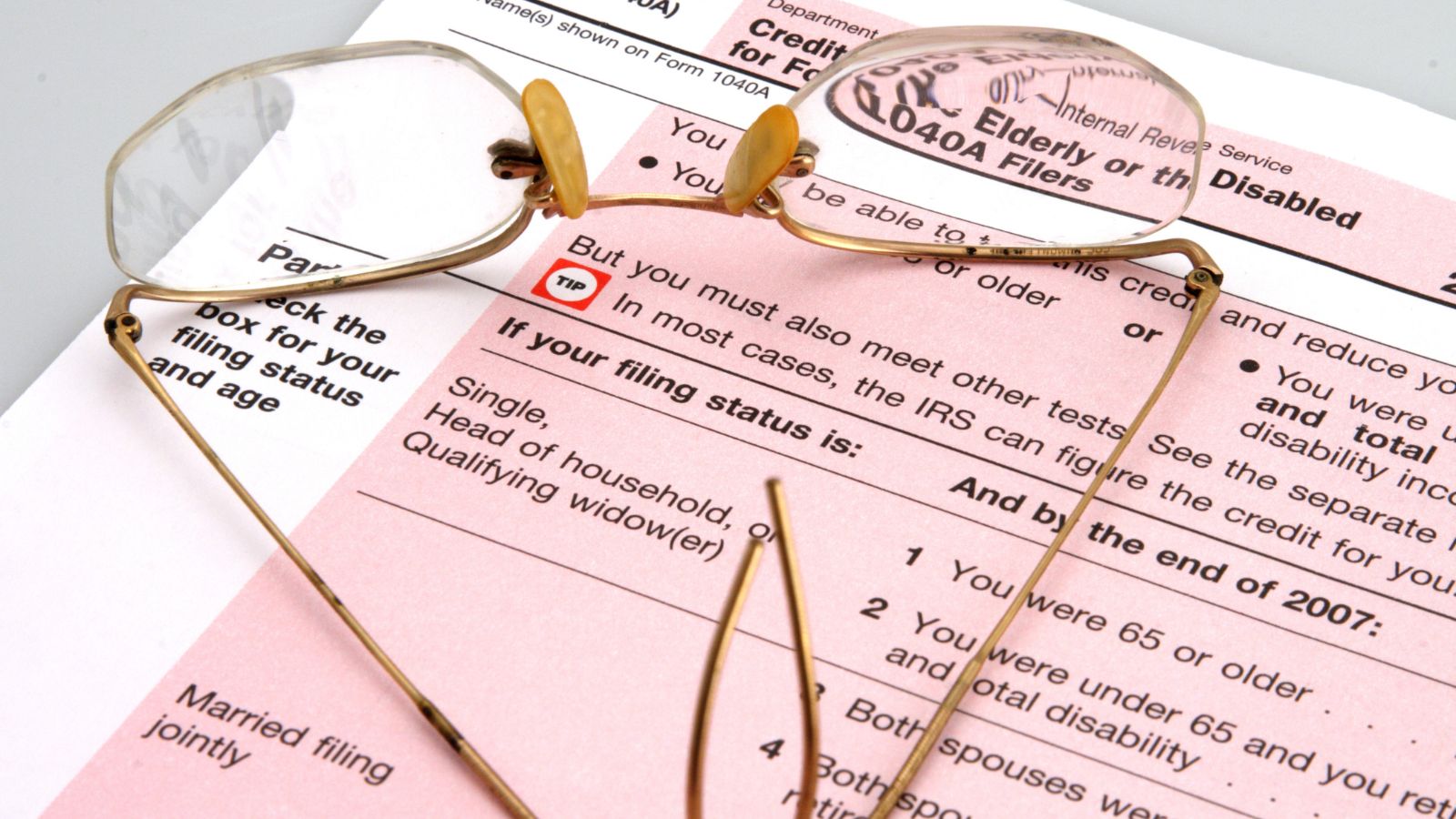
The disability tax credit is not a deduction, but it is one of the most significant credits Canadians miss. Some people assume it applies only to visible disabilities or permanent inability to work, when the eligibility rules can involve marked restrictions in daily living activities or life-sustaining therapy. Approval requires a completed medical certification and CRA review, which is why many eligible households delay applying.
The missed value can extend beyond the person with the impairment. If that person cannot use the full disability amount, an unused portion may be transferred to a supporting spouse, common-law partner, or eligible supporting family member. A parent caring for an adult child, or an adult supporting a parent with a severe impairment, may miss the transfer even when the disability tax credit has already been approved.
Canada Caregiver Amount

The Canada caregiver amount is commonly missed because caregiving does not always look formal. Many Canadians help an infirm spouse, parent, grandparent, adult child, sibling, aunt, uncle, niece, or nephew with daily life while never thinking of themselves as “caregivers.” The credit depends on relationship, dependency, infirmity, income, and which caregiver line applies, so it can be easy to skip without careful review.
A practical example is an adult daughter who helps cover living costs for an infirm parent, or a spouse supporting a partner whose condition limits independence. The claim is not based simply on kindness or occasional help; the person must meet the CRA’s conditions. It also cannot always be split freely between family members. Households with shared caregiving should coordinate before filing so one eligible claim does not accidentally block another or get missed entirely.
Student Loan Interest

Student loan interest is often forgotten because many borrowers focus on the balance, not the tax receipt. Interest paid on eligible government student loans can produce a non-refundable tax credit, and unused interest may be carried forward for up to five years. Private lines of credit, family loans, and ordinary bank loans do not qualify just because the money was used for school.
The timing can confuse graduates. Someone who paid interest during a lower-income year may not have needed the credit at the time, but could still carry it forward and use it later when tax is payable. A borrower who refinances a government student loan into a private loan may also change the tax treatment. Checking annual loan statements and the type of loan is important before assuming interest payments have no tax value.
Tuition Amounts and Unused Tuition Carryforwards

Tuition credits are commonly missed by students who had little income while studying and assumed there was no reason to file. Filing matters because unused tuition amounts can be carried forward to future years or transferred in limited amounts to a spouse, common-law partner, parent, or grandparent. The credit can become useful years later when a graduate begins earning taxable income.
The confusion increased after the federal education and textbook amounts were eliminated, because some people mistakenly think tuition itself disappeared too. Eligible tuition fees can still be claimed, and provincial or territorial rules may add another layer. A student attending a Canadian post-secondary institution, or in some cases an eligible institution abroad, should keep official tuition slips and review Schedule 11. Small administrative fees may not count, but major eligible tuition can be valuable.
Canada Training Credit

The Canada training credit is easy to overlook because it sounds similar to tuition, yet it has its own rules. It is a refundable credit meant to help eligible working-age Canadians with the cost of eligible training fees. A taxpayer may qualify if they meet age, residency, income, and training-credit-limit conditions, and paid eligible tuition or examination fees during the year.
This claim can be missed by mid-career workers taking courses to adapt to changing industries. A bookkeeper studying data analytics, a tradesperson taking a certified upgrade, or an employee retraining after a layoff might look only at the tuition credit and ignore the training credit calculation. Since refundable credits can generate a refund even when tax payable is low, this one deserves attention from workers who invest in upgrading skills.
Eligible Educator School Supply Tax Credit

Teachers and early childhood educators often spend personal money on classroom supplies, but not all of them claim the eligible educator school supply tax credit. The credit can apply to eligible supplies bought for teaching or facilitating learning, subject to the annual limit and CRA requirements. It is refundable, which makes it more valuable than many people expect.
The missed claims are often modest individually but meaningful across a school year. A teacher buying art materials, science supplies, books, or classroom consumables may have receipts spread across several stores and months. The claim depends on being an eligible educator and having employer certification where required. Since many educators buy supplies during busy periods, a dedicated folder or digital receipt album can prevent a year’s worth of small purchases from vanishing.
Home Buyers’ Amount

The home buyers’ amount is frequently missed by first-time buyers who are overwhelmed by closing costs, mortgage paperwork, inspections, land transfer tax, and moving logistics. Eligible buyers may claim an amount for the purchase of a qualifying home, and the claim can be split among eligible people as long as the total does not exceed the allowed maximum.
This credit is not just for the youngest buyers. A person may qualify as a first-time home buyer under the CRA’s definition even after years of renting, and some disability-related situations have special rules. A couple buying together should decide how to split the claim before filing. Because the purchase year is full of paperwork, tax documents can get overlooked after closing day, especially when the home is bought late in the year.
Home Accessibility Expenses

Home accessibility expenses are often missed when renovations are framed as safety or comfort upgrades rather than tax-related improvements. The home accessibility tax credit can apply to eligible renovation expenses that help a qualifying individual gain access to a dwelling, be more mobile or functional within it, or reduce the risk of harm. Qualifying individuals generally include seniors and people eligible for the disability tax credit.
Examples may include installing grab bars, widening doorways, modifying bathrooms, building ramps, or other qualifying changes. The credit can be particularly relevant for families helping an aging parent remain at home, or for homeowners adapting after a medical diagnosis. Documentation matters because ordinary renovations, cosmetic upgrades, and repairs that do not meet the accessibility purpose may not qualify. Keeping contractor invoices detailed can make the claim easier to support.
Multigenerational Home Renovation Tax Credit

The multigenerational home renovation tax credit is newer and therefore easy to miss. It can help with qualifying renovation costs to create a self-contained secondary unit for a senior or an adult eligible for the disability tax credit to live with a qualifying relative. The credit is refundable, which means it can still matter even when tax otherwise payable is limited.
This is the kind of claim that can be overlooked during a large family project. A basement suite for a parent, an addition for an adult child with a disability, or a converted space with its own entrance, kitchen, bathroom, and sleeping area may involve tax-relevant costs. However, the rules are specific, and not every in-law suite or renovation qualifies. Families should track invoices, completion dates, occupancy details, and who is eligible to claim.
Northern Residents Deductions

Northern residents deductions are often missed by people who move to remote communities for work, seasonal assignments, health care jobs, teaching positions, mining, public service, or family reasons. The deductions recognize higher living costs and limited access to services in prescribed northern or intermediate zones. Eligibility generally depends on living in a prescribed zone for a qualifying continuous period.
This claim can include a residency deduction and, in some situations, a travel deduction. The details vary depending on the zone, length of residence, and whether travel benefits were received from an employer. A worker in a remote community may assume higher prices are simply part of life and never check whether the address is in a prescribed zone. Because the deduction can be substantial, newcomers to northern or isolated areas should verify eligibility early.
Volunteer Firefighters and Search-and-Rescue Volunteers

Volunteer firefighters and search-and-rescue volunteers may miss a valuable credit because their service is community-based rather than employment-focused. Eligible volunteers who complete at least 200 hours of qualifying services during the year may be able to claim either the volunteer firefighters’ amount or the search-and-rescue volunteers’ amount, but not both. The hours can include eligible emergency response and related duties.
The claim matters in small towns and rural areas where emergency response depends heavily on volunteers. A person who trains evenings, responds to calls on weekends, and attends required meetings may reach the threshold without realizing it. Volunteers should keep records from the fire department, search-and-rescue organization, municipality, or public authority. If honorariums or emergency service payments appear on a T4, the interaction between exemptions and the credit should be reviewed carefully.
Donations and Charitable Gifts

Charitable donations are widely known, but still commonly missed because receipts arrive by email, donor portals, church offices, fundraising platforms, and year-end letters. Canadians may also forget that spouses or common-law partners can generally combine eligible donations on one return, which may improve the value of the claim depending on the amount and tax situation. Donations from small monthly giving programs are especially easy to underestimate.
A family that gives $25 a month to a food bank, donates to a hospital foundation, and contributes after a disaster may have several receipts by December. If those receipts are not gathered, the claim may be incomplete. Donation credits can also be carried forward for up to five years, which helps when a larger gift would be more useful in a later tax year. Proper receipts from registered charities remain essential.
19 Things Canadians Don’t Realize the CRA Can See About Their Online Income

Earning money online feels simple and informal for many Canadians. Freelancing, selling products, and digital services often start as side projects. The problem appears at tax time. Many people underestimate how much information the CRA can access. Online platforms, banks, and payment processors create detailed records automatically. These records do not disappear once money hits an account. Small gaps in reporting add up quickly.
Here are 19 things Canadians don’t realize the CRA can see about their online income.
This Options Discord Chat is The Real Deal
While the internet is scoured with trading chat rooms, many of which even charge upwards of thousands of dollars to join, this smaller options trading discord chatroom is the real deal and actually providing valuable trade setups, education, and community without the noise and spam of the larger more expensive rooms. With a incredibly low-cost monthly fee, Options Trading Club (click here to see their reviews) requires an application to join ensuring that every member is dedicated and serious about taking their trading to the next level. If you are looking for a change in your trading strategies, then click here to apply for a membership.