
35,000+ smart investors are already getting financial news, market signals, and macro shifts in the economy that could impact their money next with our FREE weekly newsletter. Get ahead of what the crowd finds out too late. Click Here to Subscribe for FREE.
A parked vehicle can become a compact greenhouse long before a Canadian heat warning reaches its peak. Sunlight passes through the windows, interior surfaces absorb that energy, and trapped heat pushes cabin temperatures far beyond the outdoor reading—sometimes within minutes. That sudden rise can ruin medication, spoil food, damage batteries, pressurize containers, and turn an ordinary errand into an expensive or dangerous mistake.
These 20 items deserve a trip indoors whenever a vehicle is parked during a heat wave. Some are obvious, such as frozen groceries, while others—including epinephrine auto-injectors, power banks, prescription glasses, and musical instruments—are surprisingly easy to overlook. The safest rule is simple: a car is transportation, not temperature-controlled storage.
Prescription Medications
20 Things Canadians Should Never Leave in Their Car During a Heat Wave
- Prescription Medications
- Insulin
- Epinephrine Auto-Injectors
- Pressurized Asthma Inhalers
- Milk, Eggs, and Other Perishable Groceries
- Raw Meat, Poultry, and Seafood
- Frozen Food
- Leftovers and Takeout Meals
- Prepared Infant Formula and Expressed Milk
- Smartphones and Tablets
- Laptops and E-Readers
- Power Banks and Spare Lithium-Ion Batteries
- Cameras and Photography Equipment
- Aerosol Cans
- Propane Cylinders
- Gasoline Containers
- Sunscreen
- Lipstick and Other Cosmetics
- Prescription Glasses and Sunglasses
- Guitars and Other Musical Instruments
- 19 Things Canadians Don’t Realize the CRA Can See About Their Online Income

Most medications are tested and packaged for storage within a defined temperature range. Many products intended for ordinary room-temperature storage should generally remain below about 25°C or 26°C, depending on the label. During a heat wave, a parked vehicle can exceed that range rapidly. Tablets may appear unchanged even when excessive heat has affected their quality, stability, or expected performance.
The risk is easy to underestimate because there may be no obvious warning. A bottle left in the centre console during a long appointment could look exactly the same afterward. Liquids, creams, capsules, suppositories, and medicines containing sensitive active ingredients may be especially vulnerable to temperature excursions. Canadians should check the storage directions on every label and ask a pharmacist about any product that has spent significant time in a hot vehicle. Rather than assuming the medicine remains safe, the pharmacist can determine whether replacement is appropriate based on the product, temperature, and length of exposure.
Insulin

Insulin is particularly sensitive because it is a biological product whose effectiveness depends on proper handling. Unopened supplies are normally refrigerated, while many insulin products may be kept at controlled room temperature for a limited period after opening. U.S. federal guidance commonly describes a range of approximately 15°C to 30°C for temporary unrefrigerated storage, although the exact instructions and usable period vary by brand.
A parked car during a Canadian heat wave can easily move beyond that upper limit. Excessive heat may reduce insulin’s potency, meaning a person could administer the usual dose without receiving the expected glucose-lowering effect. The liquid may not always look damaged, so appearance alone is not a dependable test. Insulin should travel in an insulated medication case when necessary, without being placed directly against ice packs that could freeze it. Anyone who discovers insulin in an overheated vehicle should consult a pharmacist or diabetes-care professional and monitor blood glucose carefully rather than continuing to rely on a potentially compromised supply.
Epinephrine Auto-Injectors
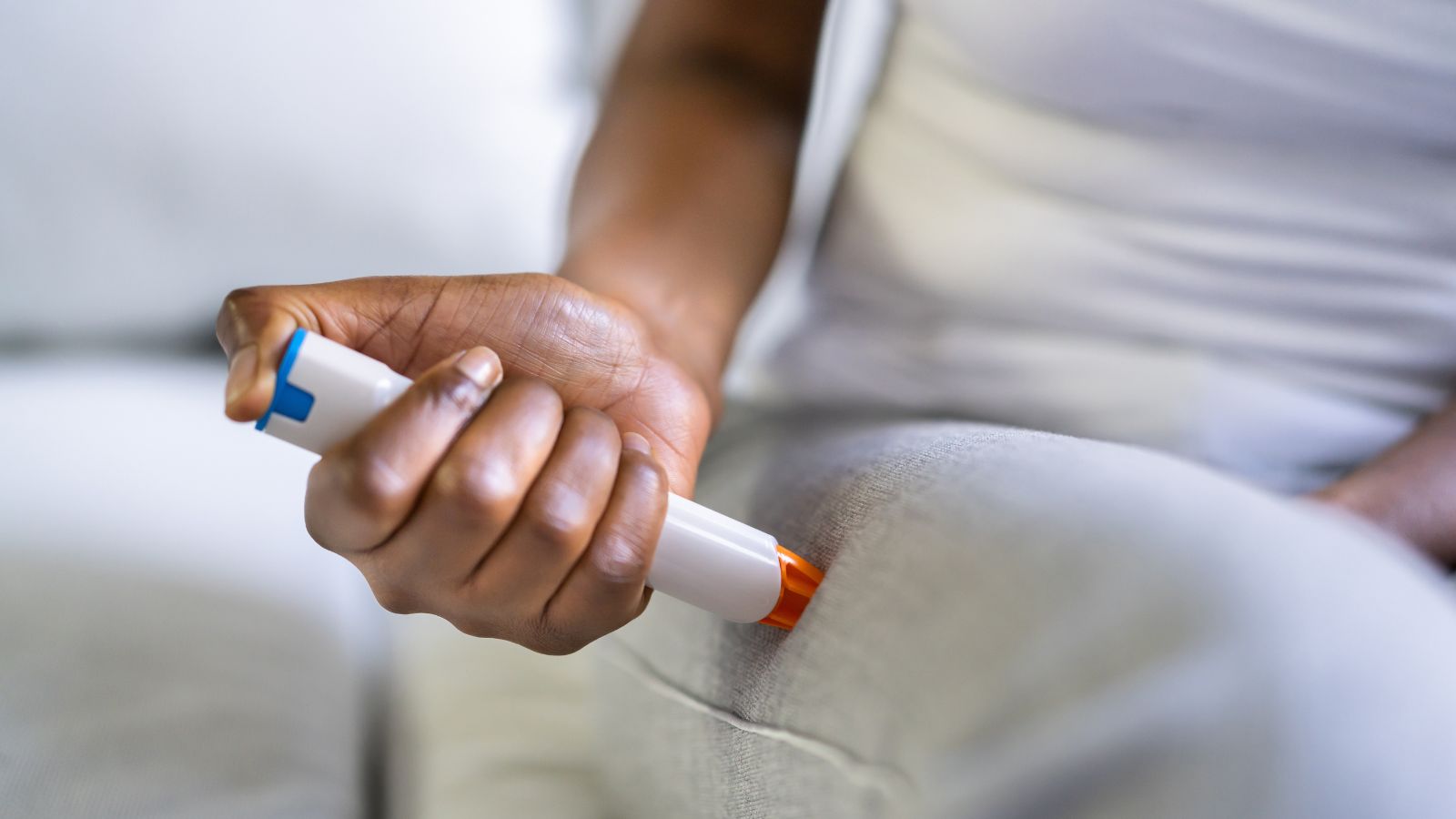
An epinephrine auto-injector is intended to work during a life-threatening allergic emergency, leaving little room for uncertainty about its condition. EpiPen storage guidance calls for controlled room temperatures near 20°C to 25°C, with only limited excursions between approximately 15°C and 30°C. Manufacturers specifically warn against exposure to extreme heat, direct sunlight, refrigeration, or freezing.
Keeping an auto-injector close at hand is important, but a glove compartment is not a safe long-term solution. A device left in a vehicle during a beach trip, sporting event, or work shift may spend hours beyond its approved range. The viewing window should be checked regularly; discolouration or particles are reasons to replace the injector, but clear solution does not guarantee that severe heat exposure caused no damage. Canadians who need emergency epinephrine should carry it in a small insulated pouch and take it indoors. After a known temperature excursion, a pharmacist or the manufacturer can advise whether the device should be replaced.
Pressurized Asthma Inhalers

Many metered-dose asthma inhalers use a pressurized metal canister to deliver a measured amount of medication. Product instructions commonly recommend controlled room-temperature storage and protection from excessive heat. Some albuterol inhaler labels warn that temperatures above 49°C, or 120°F, may cause the canister to burst. A sun-baked dashboard can approach dangerous conditions even when the weather outside feels less extreme.
Heat can also interfere with consistent medication delivery. A canister that has become very hot may not perform as expected, particularly if it has been repeatedly heated and cooled over several days. That creates an avoidable concern for someone who reaches for the inhaler during wheezing or shortness of breath. Inhalers should remain with the person who may need them, preferably in a bag protected from direct sunlight. They should never be punctured, burned, or placed near flames, even when apparently empty. A pharmacist should assess any inhaler that has bulged, leaked, discharged unexpectedly, or remained inside an overheated vehicle.
Milk, Eggs, and Other Perishable Groceries

A quick grocery stop followed by “one more errand” can be enough to put refrigerated food at risk. Health Canada identifies temperatures between 4°C and 60°C as the food-safety danger zone because bacteria can multiply rapidly within it. On hot summer days, perishable food should generally not remain unrefrigerated for more than one hour, a much shorter window than many shoppers expect.
Milk, cream, eggs, soft cheeses, deli products, cut fruit, and refrigerated dips should go directly into a cooler or an air-conditioned home. The passenger compartment is not a substitute for refrigeration, even when shopping bags are kept out of direct sunlight. Spoiled food does not always smell sour or look unusual, and tasting it is not a safe test. A practical summer routine is to shop for cold products last, carry insulated bags with frozen packs, and drive straight home. When the time or temperature history is uncertain, throwing the product away is safer than gambling on a meal that may cause foodborne illness.
Raw Meat, Poultry, and Seafood

Raw animal products require careful temperature control because they can carry bacteria that cause serious illness. Canadian food-safety guidance recommends keeping meat, poultry, fish, and shellfish at 4°C or colder until they are cooked. A vehicle warming in the sun can move these foods into the danger zone before the driver has finished a second stop or returned from lunch.
Heat is not the only problem. Packages can leak as their contents warm, spreading raw juices onto reusable bags, upholstery, or other groceries. A package of chicken sitting above lettuce, for example, can create a cross-contamination risk even when both items are later refrigerated. Raw products should be sealed in separate bags and transported in a clean cooler with enough ice or frozen packs to maintain refrigeration temperatures. Seafood deserves particular care because quality can deteriorate quickly. When meat or fish has been left in a hot car and its temperature history is unknown, cooking it thoroughly does not necessarily undo every hazard created by improper storage.
Frozen Food

Frozen groceries begin losing their safety margin as soon as they leave the store freezer. Canadian guidance recommends keeping a home freezer at approximately −18°C. Ice cream, frozen seafood, prepared meals, and vegetables placed in a hot trunk may soften or thaw rapidly, especially when surrounded by warm grocery bags rather than ice packs.
A few ice crystals do not automatically mean a food is unsafe, but fully thawed products require more careful judgment. Food that still contains ice crystals or has remained at refrigerator temperature may sometimes be safely refrozen, although texture can decline. Products that have warmed for an extended period should not simply be returned to the freezer, since freezing does not destroy all microorganisms or reverse bacterial growth that occurred while the food was warm. During a heat wave, frozen items should be selected last and packed together in an insulated cooler. Melted ice cream is an especially useful warning sign: once it has warmed substantially, refreezing it may conceal rather than correct the problem.
Leftovers and Takeout Meals

Takeout containers often end up on a passenger seat while other plans continue, but cooked food remains perishable. Health Canada advises keeping hot food at 60°C or warmer and cold food at 4°C or colder. On a hot summer day, food sitting between those temperatures for more than about one hour may no longer be a safe candidate for later refrigeration.
The container itself can create false confidence. A closed pizza box, foil tray, or plastic tub may retain warmth, but it does not keep food safely hot. Rice, meat, gravy, cooked vegetables, dairy-based sauces, and seafood all need timely temperature control. A family returning from a picnic might place leftovers in the trunk and forget them until evening; reheating the food later may not neutralize every toxin produced by certain bacteria. Leftovers should be transferred promptly to a cooler or refrigerator in shallow containers. When a meal has spent an unknown length of time inside a hot vehicle, the safest decision is to discard it.
Prepared Infant Formula and Expressed Milk

Prepared infant formula requires much stricter handling than an unopened can of powder. Health Canada notes that powdered formula is not sterile and may occasionally contain harmful bacteria, including Cronobacter. Once formula is mixed, it should be used promptly or refrigerated at 4°C or colder according to preparation and storage guidance. Warm conditions allow bacteria to multiply much faster.
Expressed human milk also has specific storage windows that depend on temperature, how it was collected, and whether it was previously refrigerated or frozen. A diaper bag left in the car does not provide reliable cooling, even when the bottle still feels slightly cool to the touch. Parents and caregivers should use a well-insulated cooler with frozen packs when transporting feeds and record when bottles were prepared or removed from refrigeration. Formula remaining after a feeding should not be saved because bacteria from the baby’s mouth can enter the bottle. When there is doubt about how warm a feed became or how long it sat in the vehicle, it should be discarded rather than offered to an infant.
Smartphones and Tablets

Phones are designed to cope with everyday warmth, but manufacturers still set environmental limits. Apple, for example, advises using many mobile devices between 0°C and 35°C and storing them between roughly −20°C and 45°C. Its guidance specifically warns that a parked vehicle may exceed the recommended storage range. Similar cautions appear in instructions from other electronics manufacturers.
A hot phone may dim its screen, stop charging, slow its processor, disable the camera flash, or display a temperature warning until it cools. Repeated exposure can age the lithium-ion battery faster, reducing how long it holds a charge. The danger increases when the device is left charging on a dashboard, where heat from the battery, charger, and sunlight combine. A phone found overheated should be moved to a cooler, shaded location and allowed to return to normal temperature naturally. It should not be placed in a freezer, refrigerator, or against ice, since rapid cooling may create condensation and additional damage.
Laptops and E-Readers

Laptops, e-readers, and portable gaming devices combine heat-sensitive batteries with screens, adhesives, processors, and tightly packed electronic components. Manufacturer limits vary, but they are often far below the temperatures reached inside a parked car. Current MacBook Air specifications, for example, list an operating range of approximately 10°C to 35°C and a storage ceiling near 45°C.
Excessive heat can accelerate battery degradation, cause protective shutdowns, distort display layers, and weaken adhesives used around screens or internal components. The risk is not limited to a laptop sitting in direct sunlight; a dark backpack in the trunk can absorb and retain substantial heat. A device may work normally after cooling yet still have lost some battery longevity from repeated exposure. Electronics should be taken indoors whenever possible and allowed to cool before being powered on or charged. Owners should also watch for swelling, a lifted trackpad, unusual odours, or a casing that no longer closes properly, all of which warrant immediate professional inspection.
Power Banks and Spare Lithium-Ion Batteries
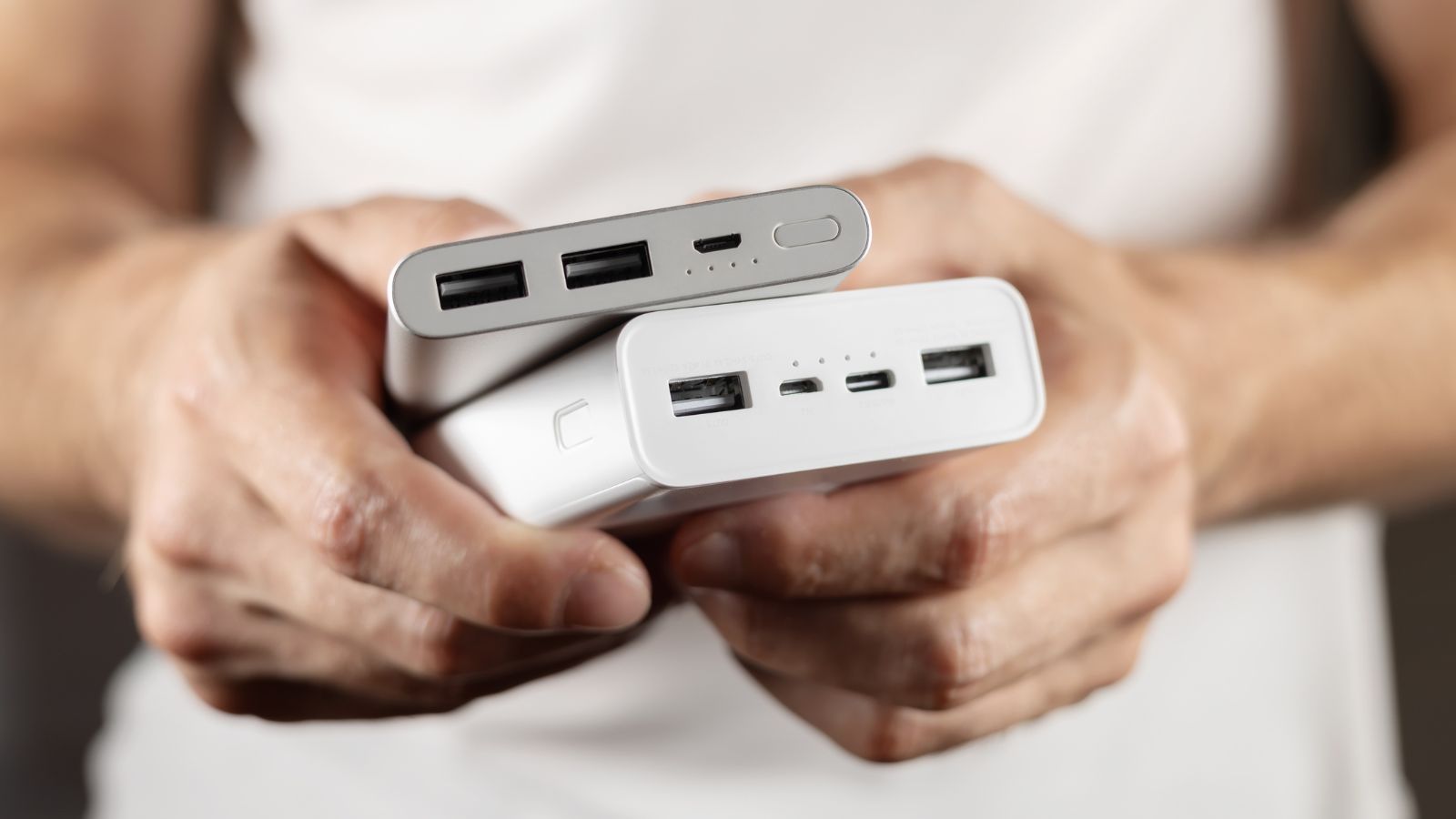
Power banks are convenient precisely because they store a large amount of energy in a small package. That same energy can become hazardous when a battery is damaged, defective, improperly charged, or exposed to severe heat. Health Canada advises keeping lithium-ion batteries away from excessive heat and direct sunlight because overheating may contribute to fire, venting, or explosion.
The issue is not theoretical. Health Canada recorded 924 reported consumer-product incidents involving lithium-ion batteries between 2013 and 2023, including 266 injuries and three deaths. Those figures cover many circumstances rather than hot cars alone, but they demonstrate why swollen or overheated batteries deserve respect. Loose spare cells are particularly concerning when their terminals can contact keys, coins, or other metal objects and short-circuit. Power banks and batteries should be transported in protective cases and removed from the vehicle at the destination. Any unit that swells, leaks, hisses, smells unusual, or becomes unexpectedly hot should be isolated from combustible materials and handled according to local battery-disposal guidance.
Cameras and Photography Equipment

Modern cameras are precision electronics, not rugged storage boxes. Operating specifications for many interchangeable-lens cameras top out around 40°C. Canon and Nikon manuals, for example, commonly identify an operating range near 0°C to 40°C for particular models. A parked vehicle can surpass that level, especially when a black camera bag rests near a window.
Heat can stress the camera’s battery, image sensor, display, lubricants, seals, and internal adhesives. Lenses may also be affected when high temperatures are followed by a rapid move into air conditioning, where condensation can form on or inside optical components. A wedding photographer or traveller may be tempted to hide expensive equipment in the trunk for security, but doing so exchanges theft risk for heat risk. Cameras should be brought indoors and stored in a dry, shaded place. After unavoidable heat exposure, the equipment should cool gradually inside its closed bag before lenses are changed or the camera is switched on, reducing the chance of condensation-related problems.
Aerosol Cans

Aerosol products contain material under pressure, whether the can holds deodorant, hairspray, paint, lubricant, insect repellent, or cleaning foam. Their labels commonly include warnings such as “container may explode if heated.” Transport Canada treats aerosols as pressurized means of containment, reflecting the fact that pressure can rise as the contents become hotter.
Leaving an aerosol can on a dashboard or under a seat during a heat wave adds unnecessary stress to the container. A damaged, corroded, or overfilled can may be especially vulnerable. Even without a rupture, heat can alter the way certain products spray or perform. Aerosols should be transported only when needed, kept upright where practical, protected from sunlight, and removed from the vehicle promptly. They must never be punctured, crushed, or burned. A can that is bulging, leaking, heavily rusted, or unusually warm should not be handled casually; the product label and local hazardous-waste instructions should guide safe disposal.
Propane Cylinders
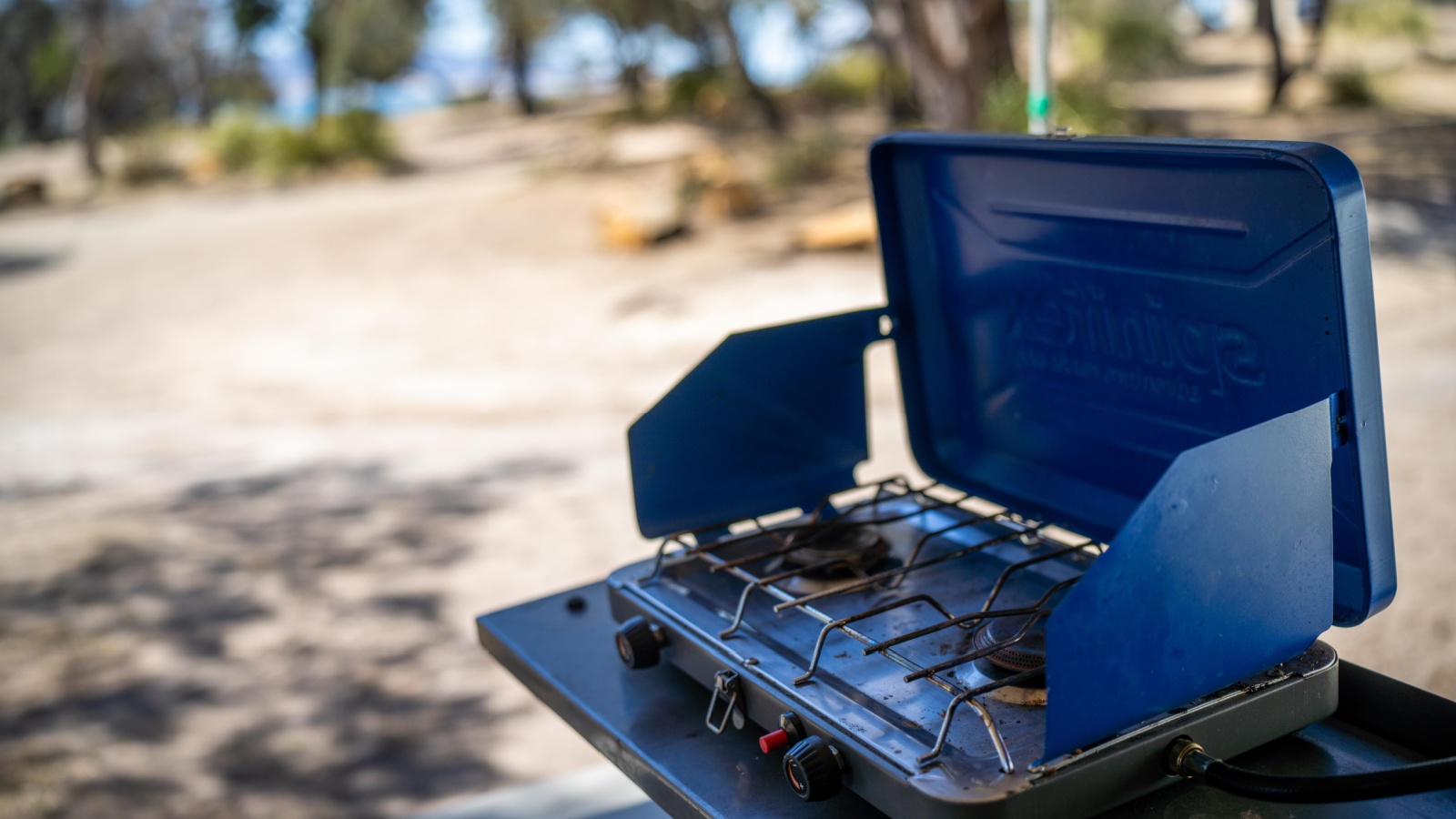
Small propane cylinders used for camping stoves, lanterns, barbecues, and portable heaters are still containers of flammable compressed gas. In Canada, propane cylinders fall under dangerous-goods transportation requirements. They should be approved for the intended use, kept upright, secured against movement, and transported with adequate ventilation rather than treated as ordinary cargo.
A cylinder left inside a sealed vehicle during a heat wave can be exposed to both elevated temperature and poor ventilation. Even a minor leak may allow gas to accumulate in an enclosed space, creating a serious fire or explosion hazard if it encounters a spark or flame. The safest practice is to travel directly to the destination, avoid unnecessary stops, and unload the cylinder immediately. It should never be stored permanently in a passenger compartment or trunk. Drivers should also inspect cylinders for corrosion, dents, valve damage, or an expired qualification date and have questionable equipment assessed by a qualified propane supplier.
Gasoline Containers
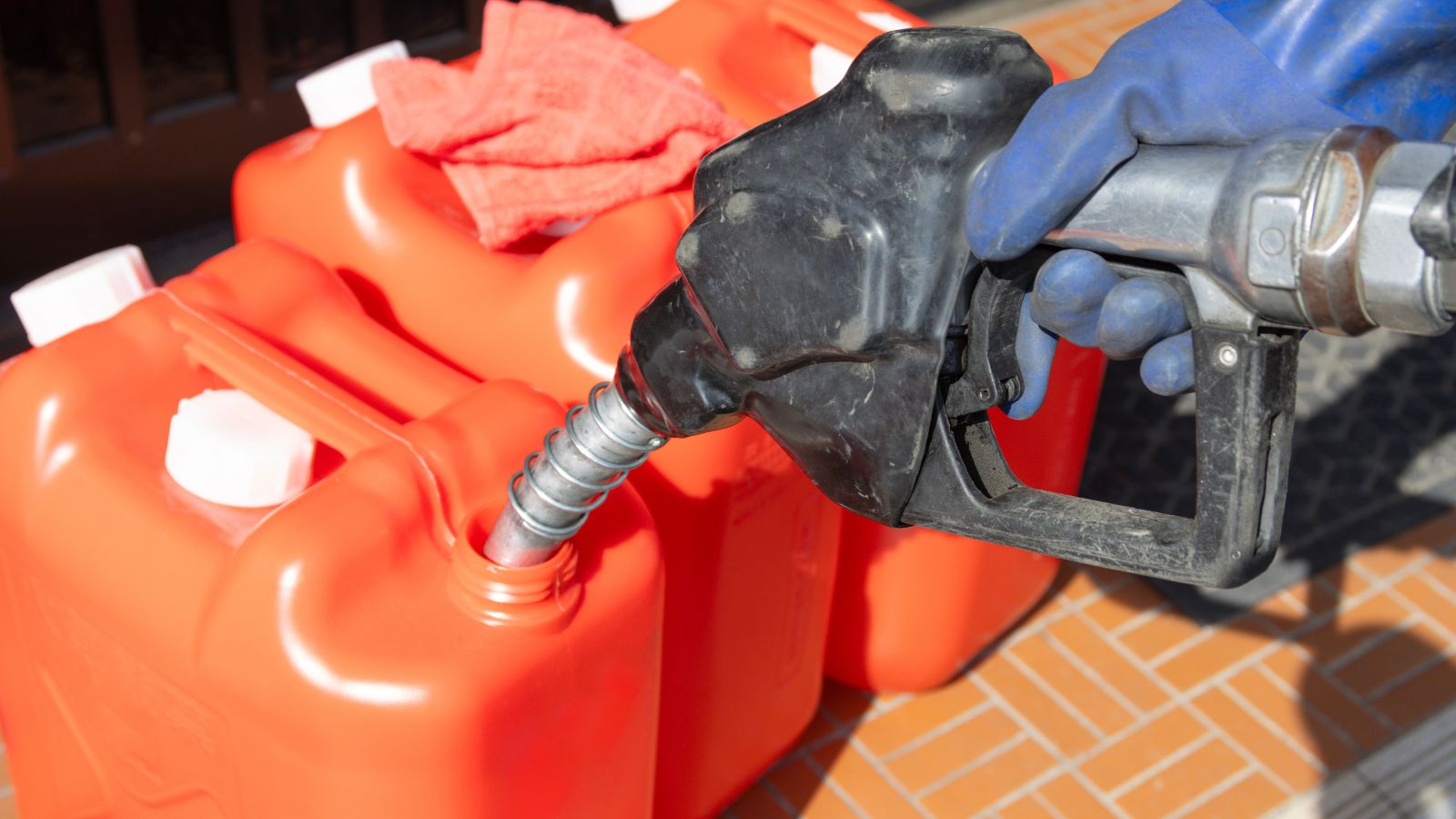
Gasoline is a Class 3 flammable liquid under Canadian dangerous-goods rules. It should only be transported in a suitable, tightly closed container designed and approved for fuel. Improvised jugs, beverage bottles, and damaged cans may leak or release vapour, especially when heat causes the fuel and air inside the container to expand.
The smell of gasoline inside a vehicle is not merely unpleasant; it is a warning that vapour may be escaping. Vapours can ignite when they reach a spark, flame, or sufficiently hot source. Containers should be kept upright, secured so they cannot tip, and carried only for the time needed to complete the trip. They should be removed immediately on arrival and stored in an appropriate, ventilated location away from living spaces and ignition sources. A driver transporting fuel for a lawn mower or generator should also leave room for expansion rather than filling a container to the brim. Any spill requires immediate ventilation and proper cleanup.
Sunscreen
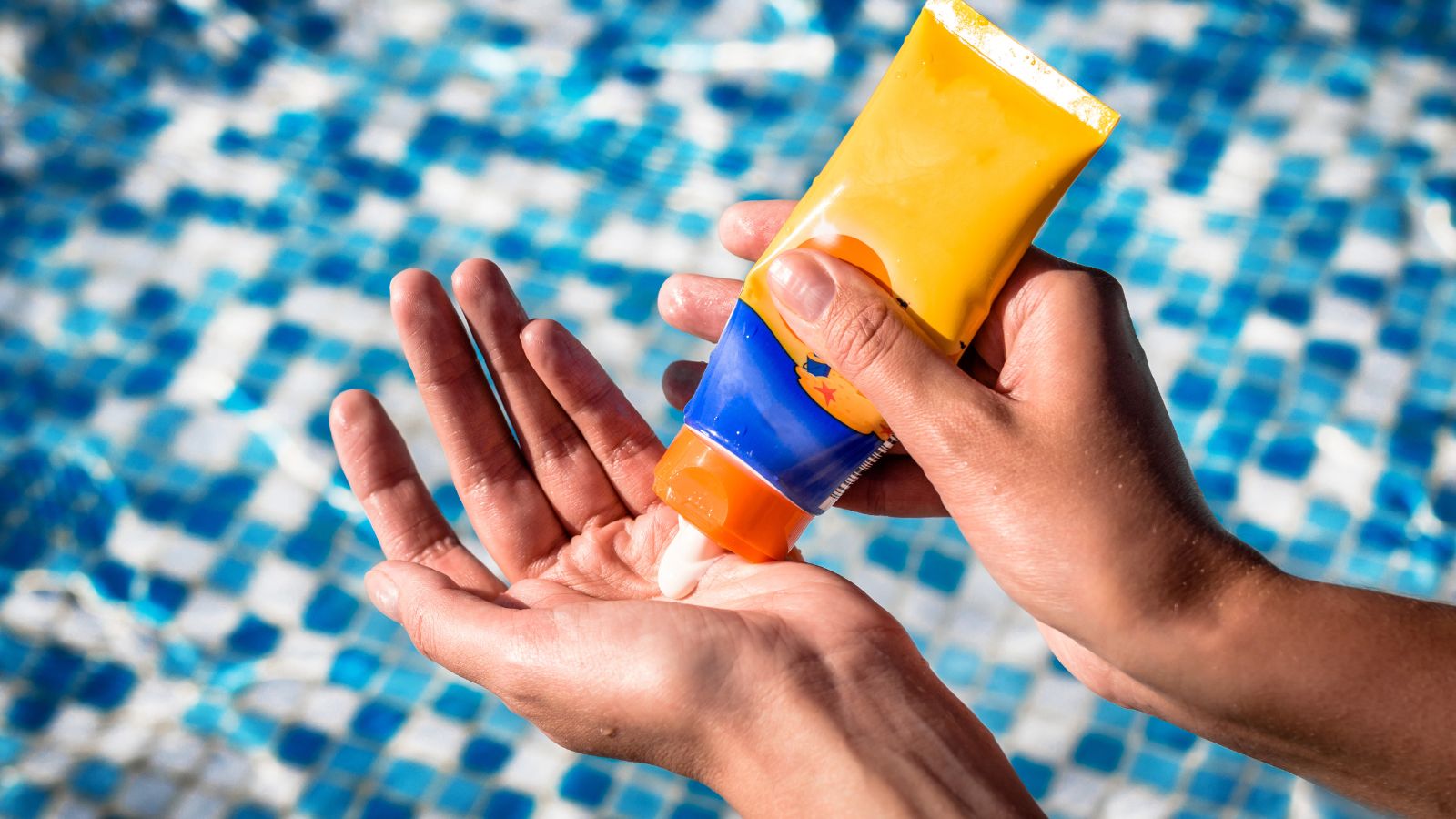
Sunscreen is meant to protect skin from the sun, but the product itself should not spend hours baking in direct heat. Manufacturers formulate and test sunscreens for storage under specified conditions. Prolonged high temperatures may cause some lotions or sprays to separate, change texture, leak from their packaging, or become less reliable before the printed expiry date.
A tube kept in the glove compartment all summer can experience dozens of heating and cooling cycles. Changes may be noticeable as watery liquid, clumps, an unusual smell, altered colour, or a spray that no longer disperses evenly. Because ultraviolet protection depends on an even, adequate film across the skin, a separated product is not worth trusting during intense sun exposure. Sunscreen should travel in a bag kept out of direct sunlight and be taken indoors after the outing. At a beach or sports field, an insulated bag can reduce heat exposure, although the product should not be allowed to freeze. A visibly altered or expired sunscreen should be replaced.
Lipstick and Other Cosmetics

Cosmetics can be surprisingly fragile in a hot vehicle. Lipstick and balm may soften or melt, pressed powders can become oily or crumble, and liquid foundations may separate. Heat can also change fragrance, consistency, and the stability of preservatives intended to keep a product usable. Once a cosmetic repeatedly melts and resolidifies, its original texture may not return.
The consequences range from inconvenience to contamination. A melted lipstick can leak through its tube and stain a handbag or car upholstery, while a separated cream product may no longer apply evenly. Products used near the eyes deserve particular caution because irritation or contamination can have more serious effects than a ruined colour. Cosmetics should be kept in a cool, dry place and carried indoors rather than stored in a centre console. Any item that develops an unusual smell, colour, texture, swelling package, or visible mould should be discarded. Adding water or other ingredients to “fix” a heat-damaged product can introduce more microorganisms.
Prescription Glasses and Sunglasses

Eyeglasses may look heat-resistant, but frames and coatings can be affected by the temperatures inside a parked vehicle. Plastic frames may warp enough to alter how the lenses sit in front of the eyes. High heat can also stress lens coatings, potentially contributing to crazing, peeling, cloudiness, or distortion depending on the materials involved.
The dashboard is an especially poor storage location because direct sunlight adds radiant heat. Even glasses left inside a closed case can become extremely warm, while frames placed face-down may deform against a hard surface. A warped prescription frame can cause discomfort, headaches, or visual strain until it is professionally adjusted. Sunglasses are not exempt; polarized films, mirrored finishes, and protective coatings can also deteriorate. Glasses should be taken indoors or carried in a rigid case kept with the owner. They should be cleaned only after cooling, since applying cold water to very hot lenses may create additional thermal stress.
Guitars and Other Musical Instruments

Musical instruments react to heat because many are assembled from wood, hide, plastics, finishes, adhesives, and precisely fitted parts. Taylor Guitars warns that temperatures above roughly 40.5°C, or 105°F, can become problematic and advises owners never to leave a guitar in a warm car or trunk. Similar advice appears in care guidance for orchestral and band instruments.
Extreme cabin heat can soften glue, loosen a guitar bridge, damage varnish, warp components, and dry wooden parts unevenly. String tension may make emerging damage worse. Brass and woodwind instruments can also suffer from degraded pads, corks, lubricants, adhesives, or finishes, while electronic keyboards and amplifiers contain vulnerable batteries and circuitry. An instrument hidden in a trunk before an evening performance may therefore arrive out of tune or require costly repair. Instruments should travel in protective cases and be removed as soon as the vehicle is parked. After temperature exposure, they should acclimatize gradually before being tuned, opened, or played.
19 Things Canadians Don’t Realize the CRA Can See About Their Online Income

Earning money online feels simple and informal for many Canadians. Freelancing, selling products, and digital services often start as side projects. The problem appears at tax time. Many people underestimate how much information the CRA can access. Online platforms, banks, and payment processors create detailed records automatically. These records do not disappear once money hits an account. Small gaps in reporting add up quickly.
Here are 19 things Canadians don’t realize the CRA can see about their online income.
This Options Discord Chat is The Real Deal
While the internet is scoured with trading chat rooms, many of which even charge upwards of thousands of dollars to join, this smaller options trading discord chatroom is the real deal and actually providing valuable trade setups, education, and community without the noise and spam of the larger more expensive rooms. With a incredibly low-cost monthly fee, Options Trading Club (click here to see their reviews) requires an application to join ensuring that every member is dedicated and serious about taking their trading to the next level. If you are looking for a change in your trading strategies, then click here to apply for a membership.