35,000+ smart investors are already getting financial news, market signals, and macro shifts in the economy that could impact their money next with our FREE weekly newsletter. Get ahead of what the crowd finds out too late. Click Here to Subscribe for FREE.
Car ownership in Canada often begins with a monthly payment, an insurance quote, and a rough idea of fuel costs. The real expense, however, tends to unfold slowly: a winter tire changeover here, a rising insurance renewal there, a pothole repair that arrives at the worst possible time. Across Canadian provinces, climate, distance, regulation, theft risk, and repair inflation can all turn a manageable vehicle budget into something far more unpredictable. These 15 hidden costs show why owning a car can feel more expensive than expected, even for drivers who planned carefully.
Fuel Price Swings That Break the Monthly Budget
15 Hidden Costs of Owning a Car in Canada That Catch Drivers Off Guard
- Fuel Price Swings That Break the Monthly Budget
- Insurance Renewals That Rise Without a Claim
- Winter Tires, Storage, and Seasonal Changeovers
- Maintenance That Gets Pricier as Vehicles Become More Complex
- Depreciation That Feels Invisible Until Trade-In Time
- Financing Charges That Outlast the Excitement of Buying
- Registration, Licensing, and Provincial Fees
- Parking Costs That Quietly Become a Second Payment
- Tolls and Road Charges That Add Up Trip by Trip
- Pothole and Poor-Road Damage
- Higher Repair Bills After Minor Collisions
- Theft Prevention and Security Add-Ons
- Tires Wearing Faster Than Expected
- Car Washes, Rust Protection, and Climate Wear
- EV Charging, Home Electrical Work, and Battery-Related Costs
- Opportunity Costs When a Car Replaces Other Choices
- 19 Things Canadians Don’t Realize the CRA Can See About Their Online Income
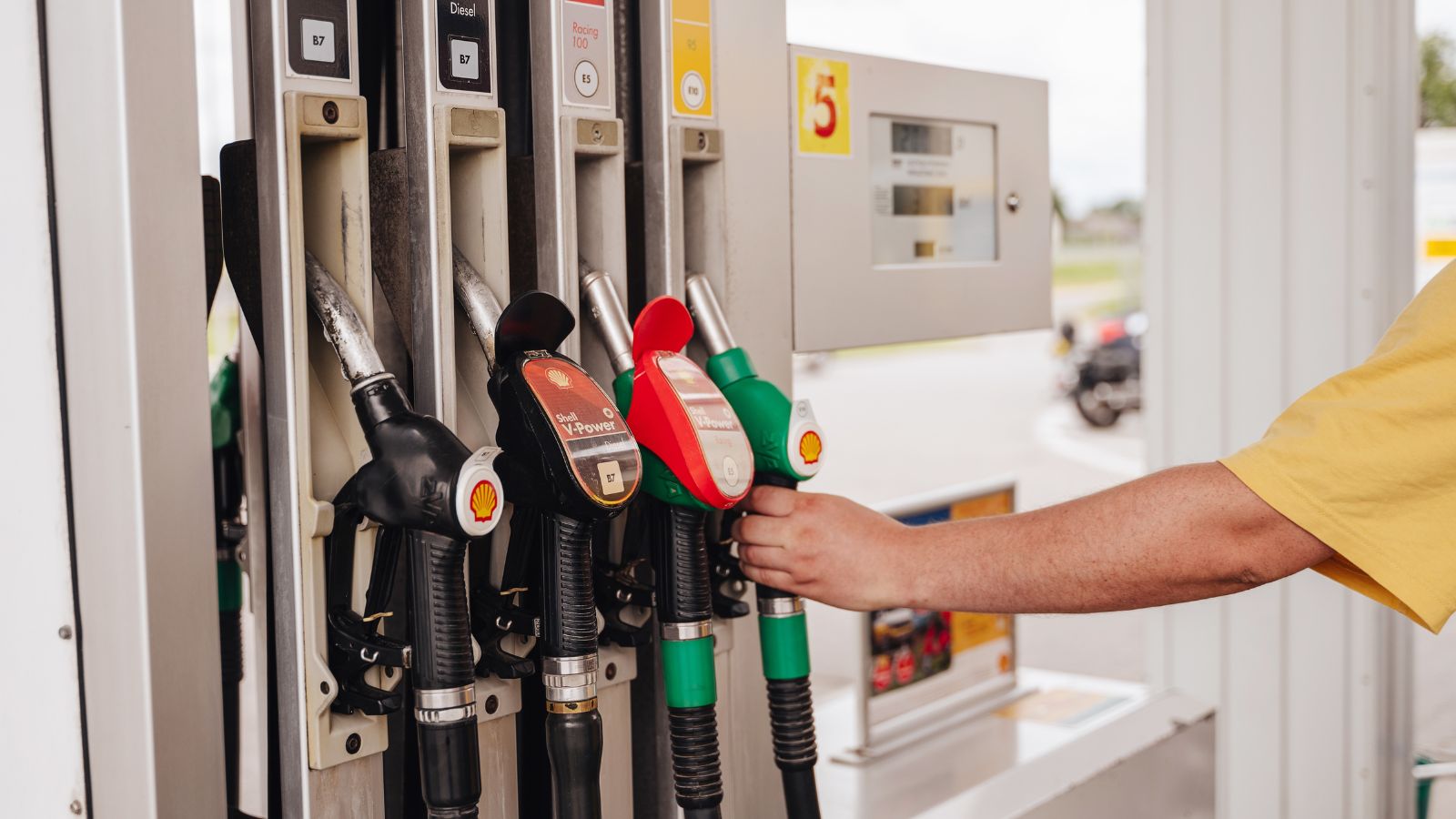
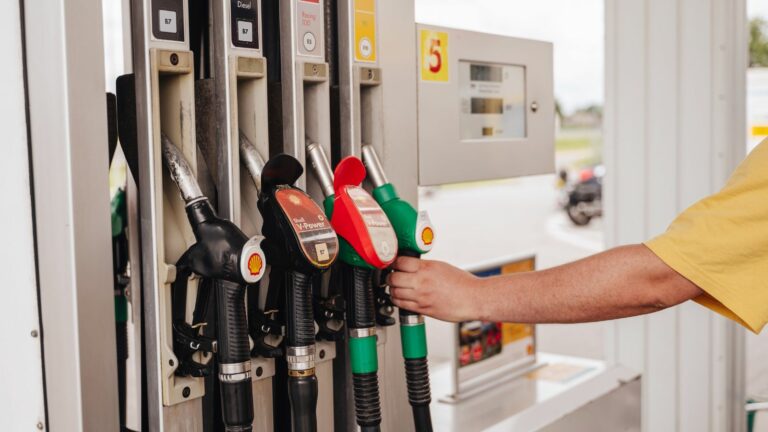
Fuel is one of the easiest costs to underestimate because it feels routine until prices jump. A driver may budget based on a calm month, only to face higher pump prices during summer travel, refinery disruptions, geopolitical shocks, or regional supply issues. Even a modest increase per litre can become meaningful for commuters who drive long distances, parents managing school and sports schedules, or households with larger SUVs and pickups.
Canada’s wide geography makes this cost uneven. Drivers in rural areas may have fewer fuel stations nearby, while city drivers can burn fuel sitting in traffic. Natural Resources Canada’s fuel consumption ratings help compare vehicles, but real-world driving often differs from lab estimates. Cold starts, roof racks, winter tires, idling, and stop-and-go traffic can all push fuel use higher than advertised.
Insurance Renewals That Rise Without a Claim

Many drivers assume premiums stay stable if they avoid tickets and accidents, but renewal notices can still climb. Insurers price policies using broader claims trends, repair costs, theft risk, vehicle type, postal code, and provincial regulations. That means a careful driver can face a higher bill because similar vehicles are being stolen more often or because replacement parts have become more expensive.
This often feels unfair because the increase arrives quietly, once a year, after the car is already part of the household budget. A family that stretched to buy a newer crossover may discover that advanced sensors, cameras, and bodywork make even minor collisions expensive to repair. In high-premium provinces such as Ontario and Alberta, the gap between expected and actual insurance costs can be especially painful.
Winter Tires, Storage, and Seasonal Changeovers

Winter tires are often treated as a one-time purchase, but the real cost repeats. Drivers may need the tires themselves, separate rims, mounting and balancing, seasonal changeovers, storage, and eventual replacement. In snowy regions, the expense is hard to avoid because winter tires are not just about traction in deep snow; they also perform better in cold temperatures than all-season tires.
Quebec requires winter tires during the winter season, while British Columbia requires winter tires or chains on many designated routes. Even where not legally required, insurers and safety groups often encourage them. A driver moving from a mild urban area to a colder suburb can suddenly face hundreds of dollars in tire-related costs that were never part of the original purchase calculation.
Maintenance That Gets Pricier as Vehicles Become More Complex
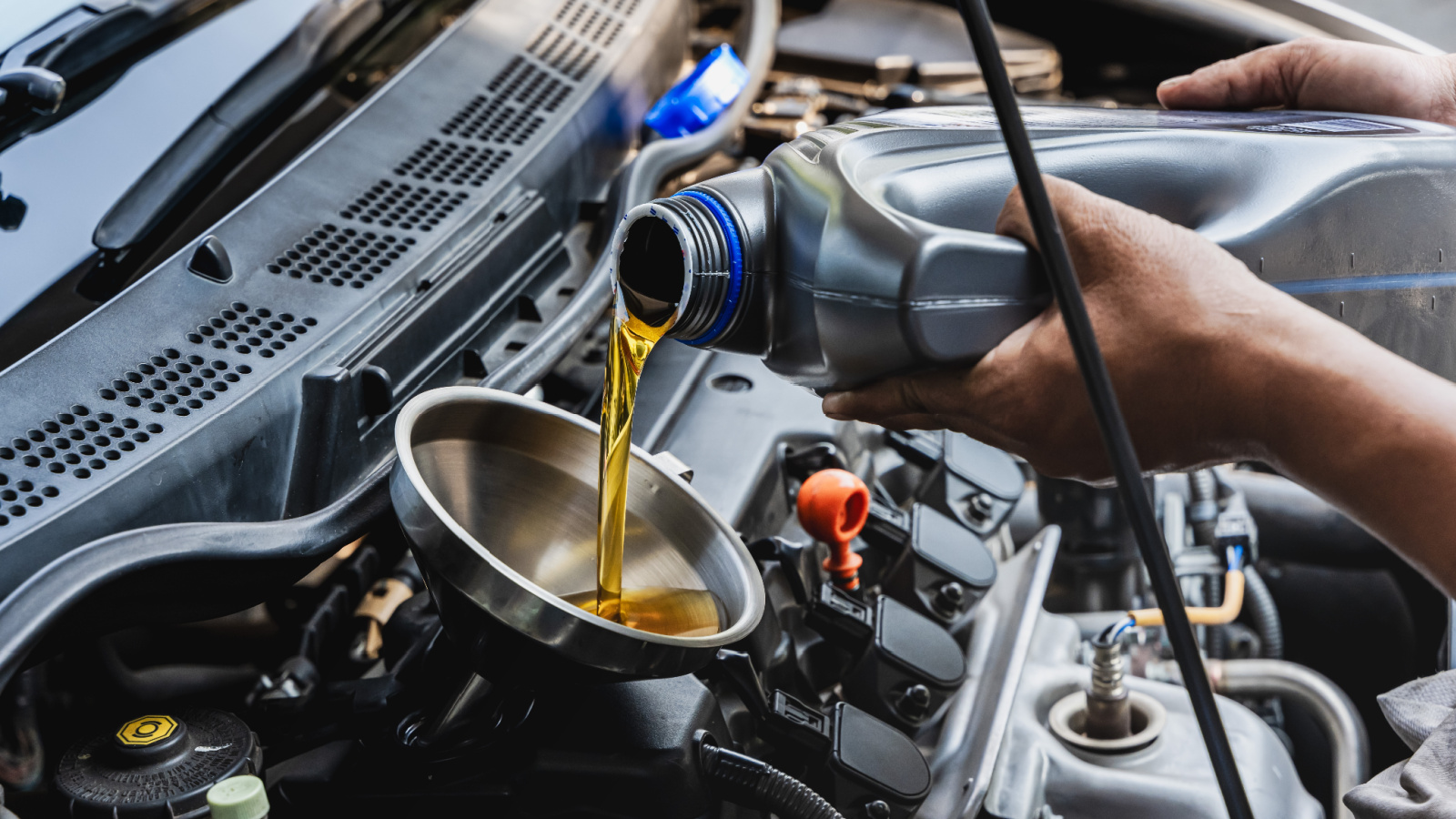
Oil changes and brake jobs used to define routine maintenance for many households. Modern vehicles add more complexity: turbocharged engines, direct injection systems, advanced driver-assistance sensors, electronic parking brakes, panoramic roofs, and software-linked components. Repairs that once seemed simple can require calibration, specialized tools, or dealer-level diagnostics.
The surprise is not just the size of one repair bill, but the frequency of smaller ones. A check-engine light, a weak battery, a failed sensor, or a worn suspension part can each create a bill that competes with groceries or rent. For used-car buyers, deferred maintenance is especially risky because the previous owner’s skipped service can become the next owner’s first expensive lesson.
Depreciation That Feels Invisible Until Trade-In Time

Depreciation rarely sends a monthly invoice, which is why many owners ignore it. Yet it can be one of the largest costs of owning a vehicle. The moment a car is bought, its resale value begins reacting to mileage, age, market demand, fuel prices, incentives, model reputation, accident history, and the arrival of newer technology.
The pain becomes obvious at trade-in time. A vehicle that seemed affordable because the payment fit the budget may have lost value faster than the loan balance declined. This creates negative equity, where the owner owes more than the car is worth. In a market where used and new vehicle prices have shifted sharply since the pandemic, guessing resale value has become harder than many drivers expect.
Financing Charges That Outlast the Excitement of Buying

The monthly payment can hide the total cost of borrowing. A longer loan term may make a vehicle feel affordable, but it can add thousands in interest over time. When buyers focus only on the payment, they may overlook the annual percentage rate, loan length, fees, and the risk of still owing money after the vehicle’s warranty expires.
This cost becomes more visible when life changes. A driver who needs to sell early, move provinces, downsize, or replace a vehicle after an accident may discover the loan balance is stubbornly high. Longer financing can also encourage buyers to choose more expensive trims, larger vehicles, or extra protection products because each add-on appears to raise the monthly payment only slightly.
Registration, Licensing, and Provincial Fees
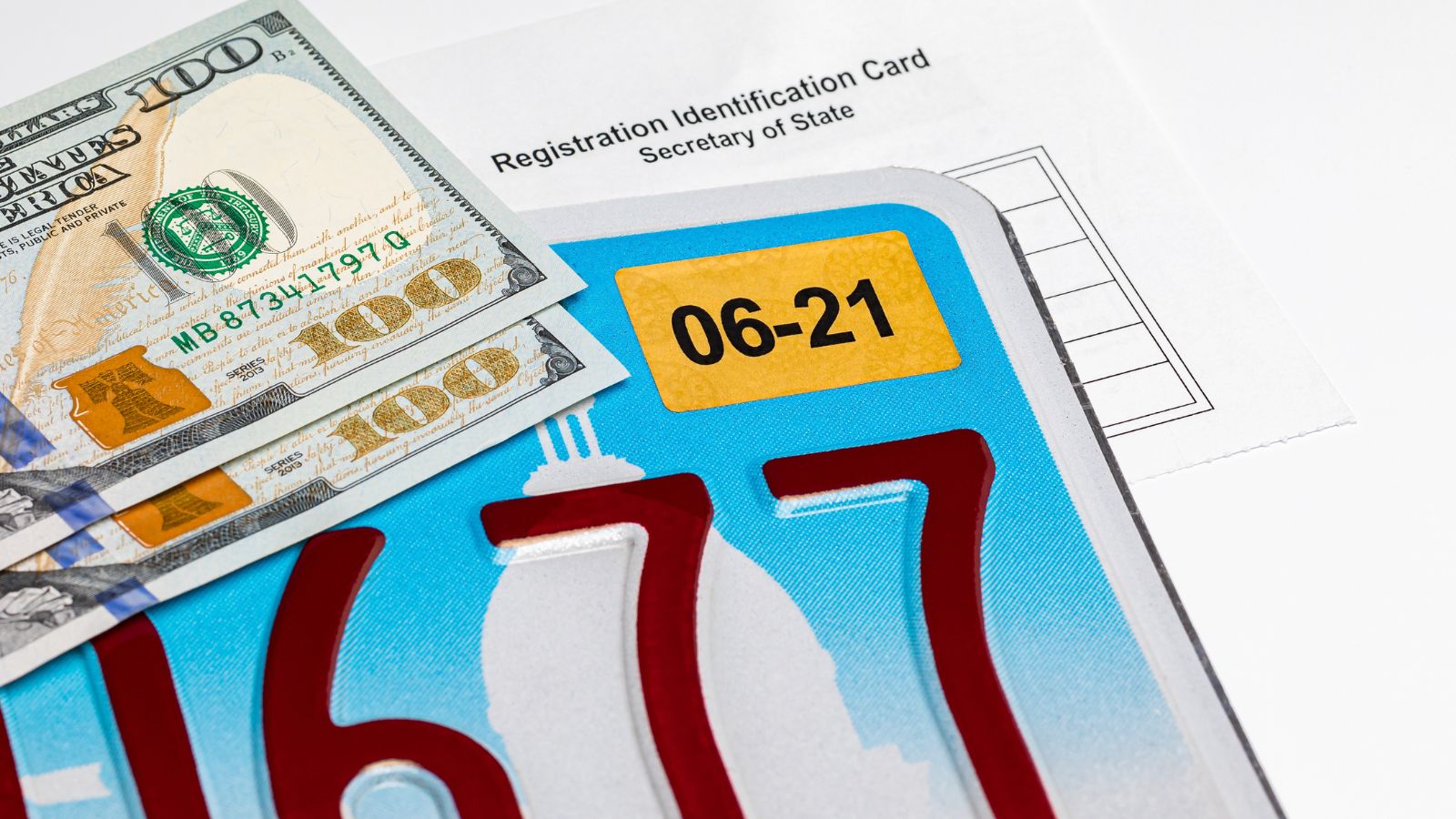
Car ownership comes with paperwork costs that vary by province and vehicle type. Registration, permits, licence renewals, plate-related fees, inspections, and administrative charges can feel small individually, but they add up over years of ownership. Moving between provinces can also trigger fresh registration steps, safety checks, or tax-related surprises.
Electric vehicle owners may face additional road-use charges in some jurisdictions as governments look for ways to replace fuel-tax revenue. Saskatchewan, for example, applies a specific annual road-use charge to battery-electric vehicles. These costs are easy to miss during the excitement of choosing a vehicle, especially because dealership quotes often emphasize the sale price rather than the long chain of ownership fees that follows.
Parking Costs That Quietly Become a Second Payment

Parking can become one of the biggest hidden costs for urban drivers. Downtown workers may pay daily or monthly rates, condo residents may rent an additional stall, and visitors can rack up hourly charges while running errands. Even residential street parking can involve permits, waitlists, rules, and enforcement.
The emotional trap is that parking does not feel like a car cost at the dealership. It appears later, attached to work, home, shopping, appointments, or entertainment. A driver in a dense neighbourhood may spend less on fuel than a suburban commuter but more on parking. Over a year, regular paid parking can rival the cost of insurance, winter tires, or several major maintenance visits.
Tolls and Road Charges That Add Up Trip by Trip
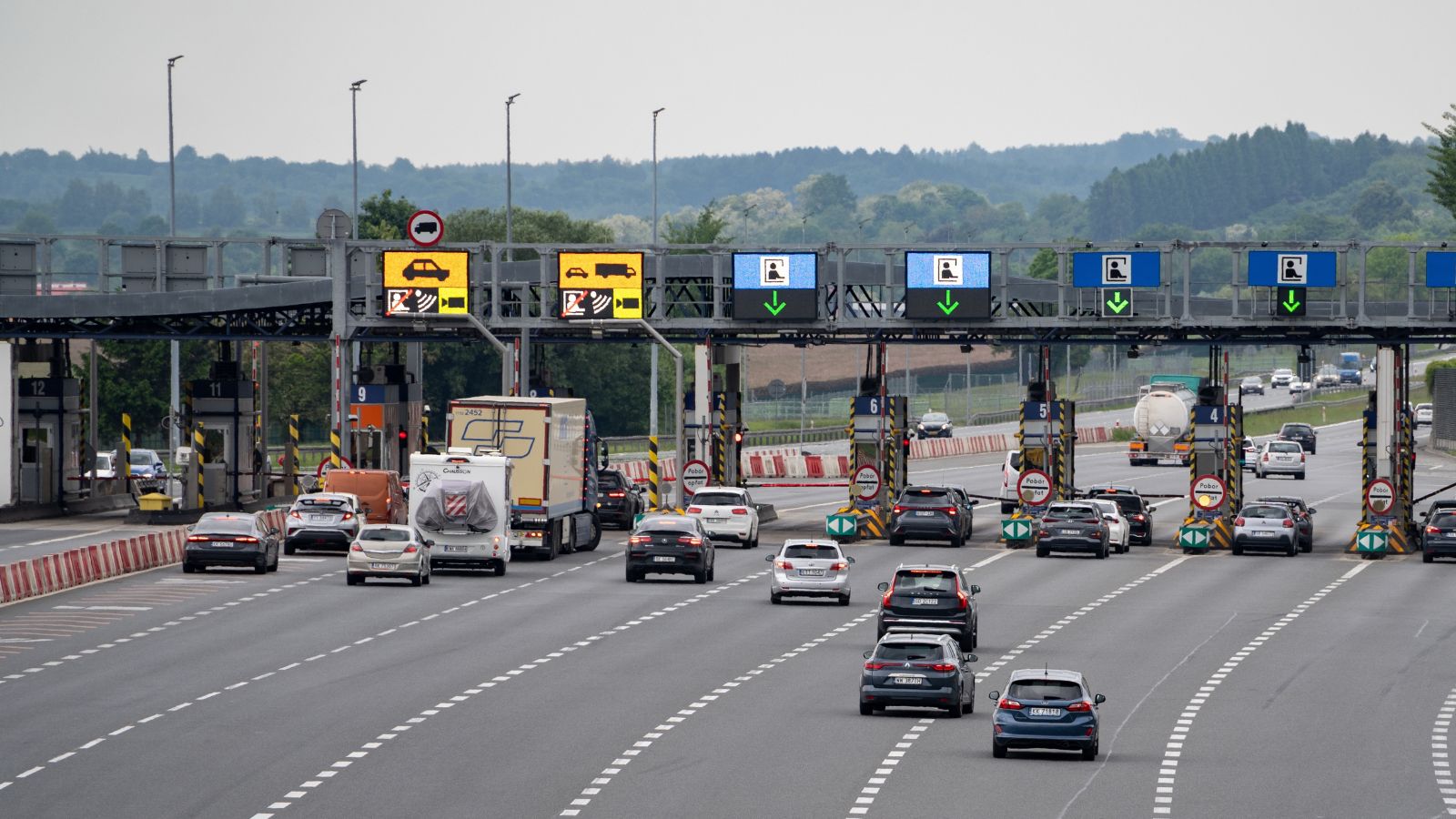
Toll roads can be useful when they save time, but the cost can quietly build into a habit. A driver who takes a tolled route to avoid congestion may not notice the full monthly impact until the bill arrives. In the Greater Toronto Area, Highway 407 ETR costs vary by section, direction, time of day, vehicle class, and fees.
The hidden cost is convenience becoming routine. One emergency shortcut turns into a twice-weekly commute choice, then a predictable expense. Some drivers also forget about transponder fees, camera charges, or account fees. For households already managing fuel, insurance, and loan payments, tolls can turn occasional driving convenience into a recurring budget line.
Pothole and Poor-Road Damage
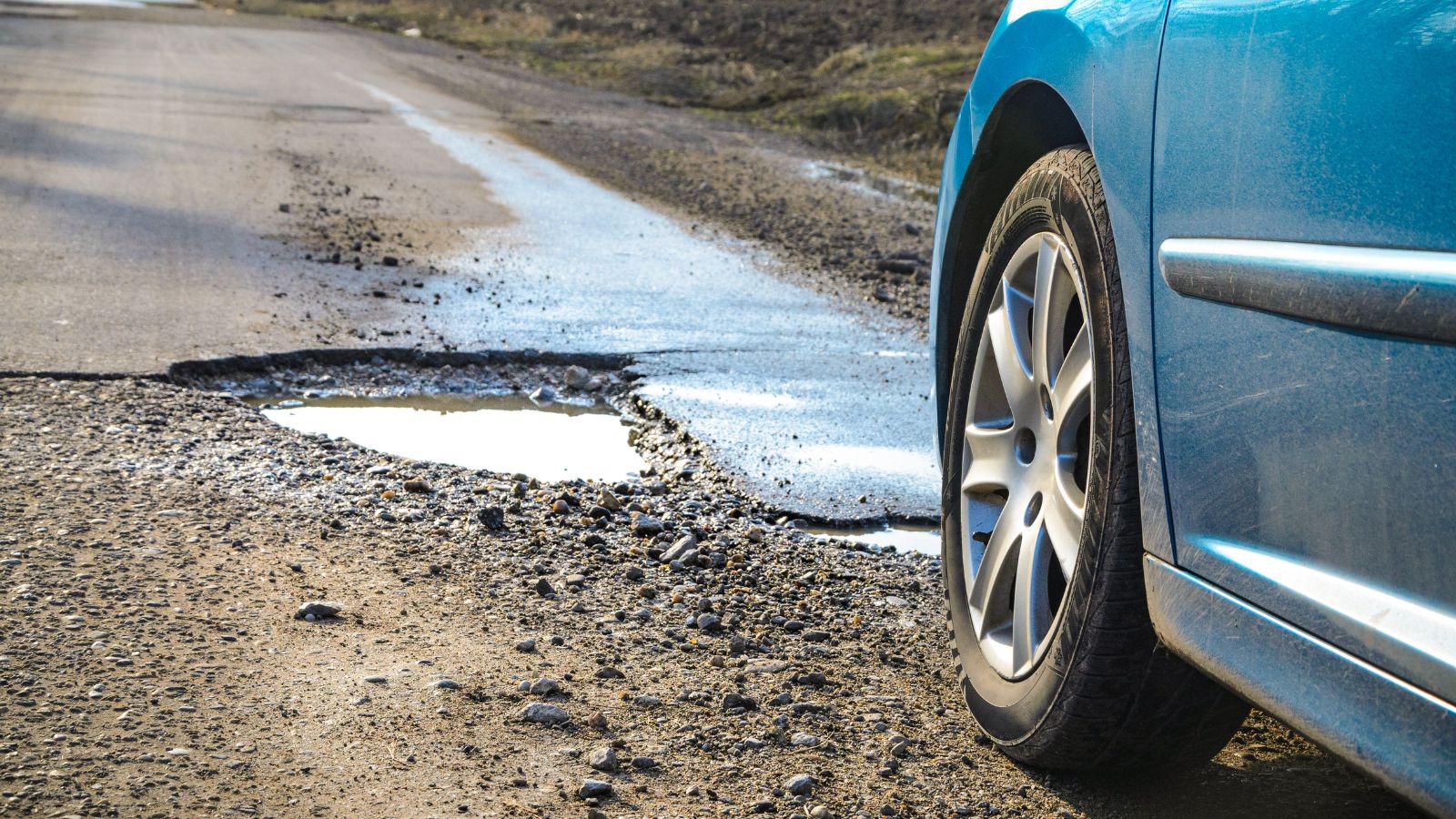
Canadian winters are hard on pavement, and that becomes hard on cars. Freeze-thaw cycles create potholes that can damage tires, rims, suspension, steering components, and alignments. A single hard hit may seem harmless at first, then show up later as uneven tire wear, vibration, or a repair estimate that is much higher than expected.
Poor roads also create costs beyond dramatic pothole incidents. Rough pavement can accelerate wear on shocks, struts, bushings, wheel bearings, and tires. Drivers who commute through construction zones or older city streets may spend more on alignments and suspension work than someone driving smoother highways. These costs often feel random because they arrive after ordinary daily driving, not reckless behaviour.
Higher Repair Bills After Minor Collisions

A bumper scuff is no longer always a simple cosmetic fix. Many newer vehicles place sensors, cameras, radar units, and wiring inside bumpers, mirrors, windshields, and grilles. After even a minor collision, repair shops may need to replace parts, repaint panels, and recalibrate safety systems so lane-keeping, adaptive cruise control, or emergency braking works properly.
This is where insurance deductibles and premium concerns collide. A driver may avoid a claim for a smaller repair to protect future premiums, but the out-of-pocket cost can still be significant. For vehicles with luxury trim packages or advanced technology, minor parking-lot damage can feel surprisingly expensive compared with older cars that had simpler parts and fewer electronics.
Theft Prevention and Security Add-Ons
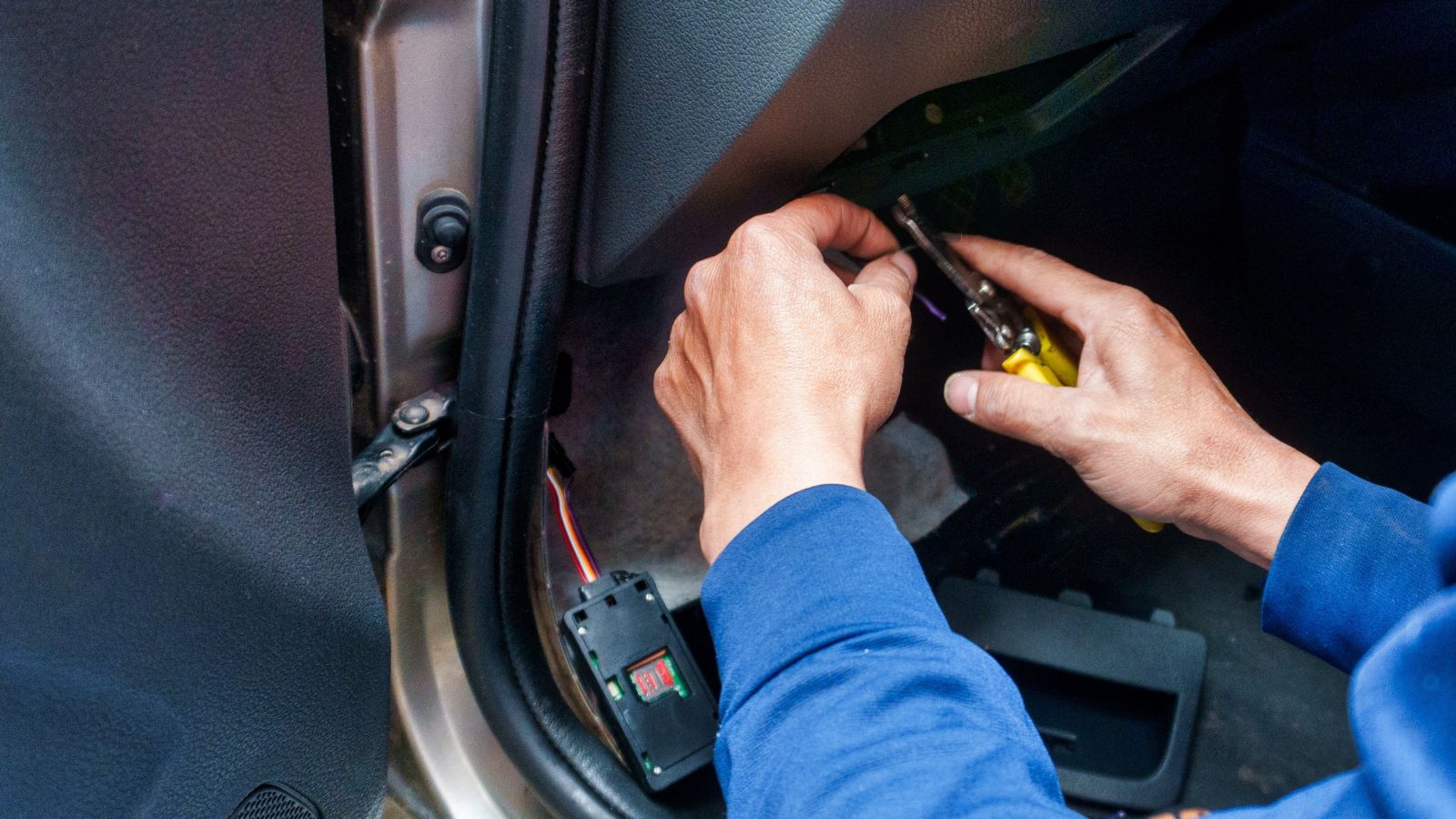
Auto theft has pushed many Canadian drivers toward security costs that were once optional. Steering-wheel locks, tracking devices, immobilizers, driveway bollards, key pouches, garage upgrades, and insurance-approved anti-theft systems can all add expense. Owners of frequently targeted SUVs and trucks may feel pressure to spend more just to keep insurance affordable or avoid the disruption of a theft.
The financial impact goes beyond replacing a stolen vehicle. There can be deductibles, rental-car gaps, time spent dealing with police and insurers, and higher premiums in theft-heavy regions. Even when national theft claims improve, the risk remains uneven by province, city, neighbourhood, and model. For some owners, security becomes a recurring cost of simply keeping the vehicle.
Tires Wearing Faster Than Expected
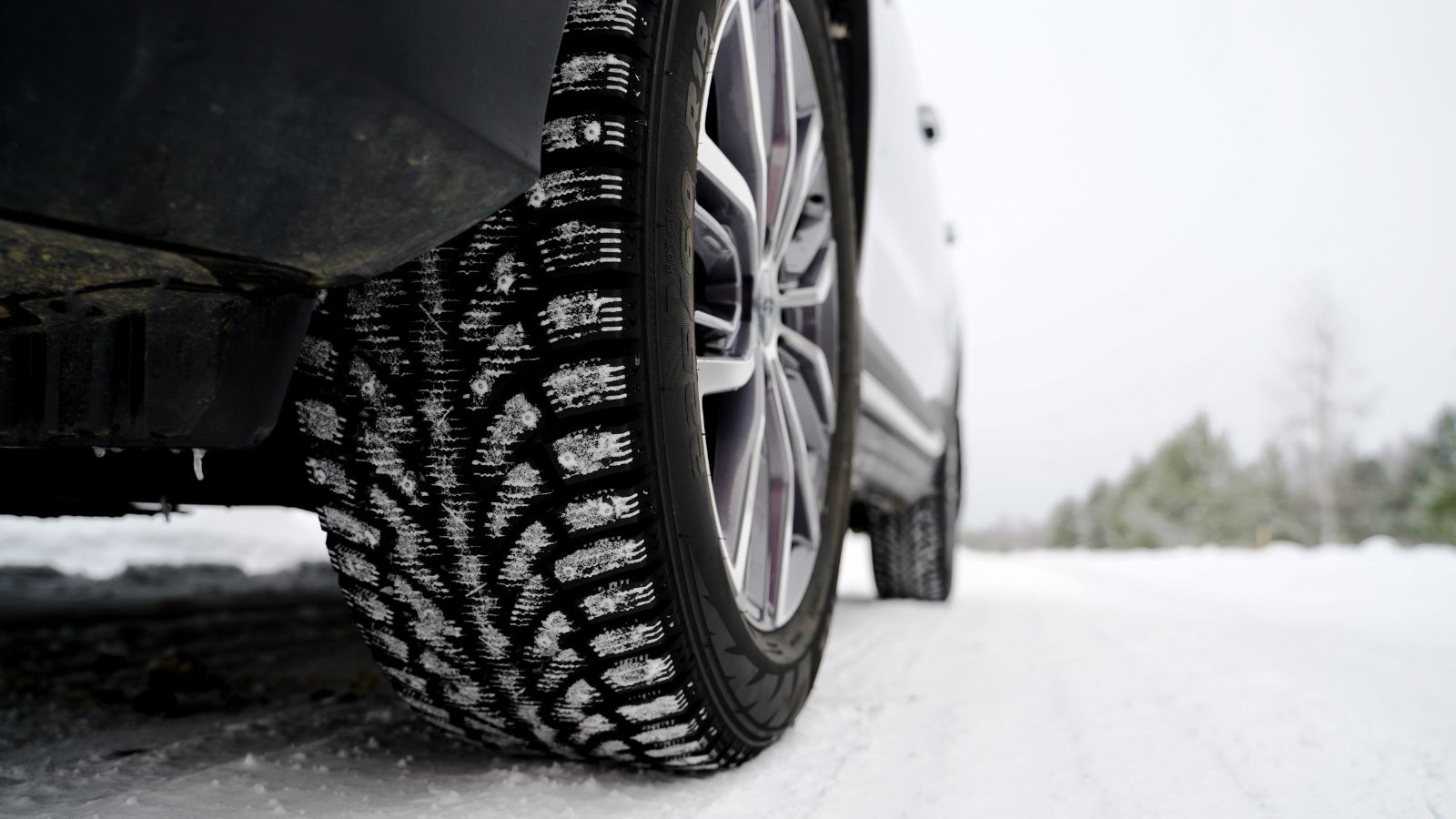
Tires are easy to overlook until the tread disappears. Heavier vehicles, aggressive driving, poor alignment, underinflation, rough roads, and high-torque electric powertrains can all accelerate wear. Many drivers focus on the purchase price of the vehicle and forget that replacement tires for larger wheels, SUVs, performance trims, and EVs can be significantly more expensive than basic economy-car tires.
Seasonal tire use can also complicate budgeting. Winter and summer sets may last longer individually because they split mileage, but both eventually need replacement. Add installation, balancing, tire-pressure monitoring issues, and storage, and tires become a recurring ownership cost rather than an occasional inconvenience. A bargain used vehicle with worn premium-size tires can become expensive almost immediately.
Car Washes, Rust Protection, and Climate Wear
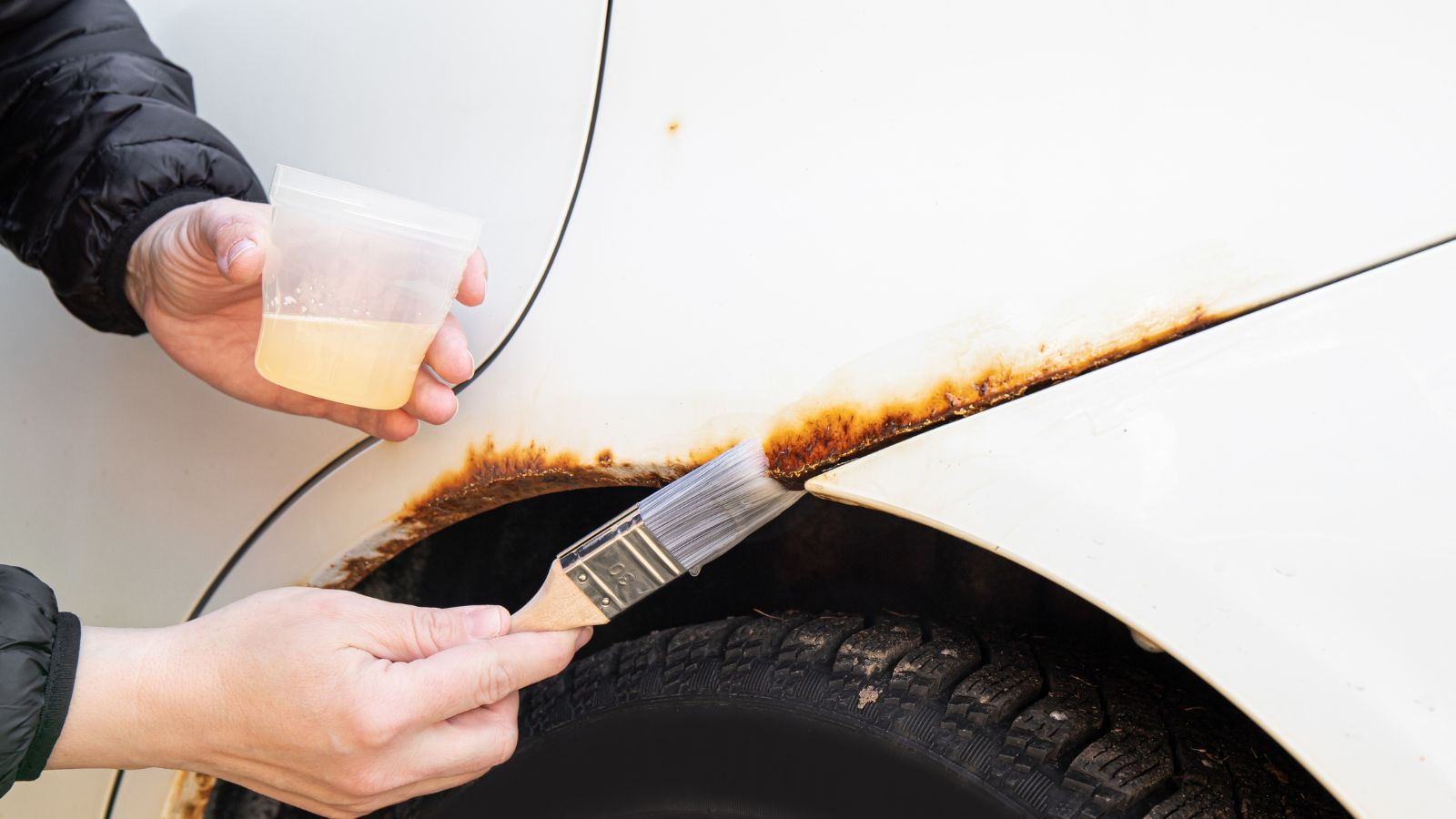
Canada’s climate creates a maintenance category that does not always appear in ownership calculators: protecting the vehicle from salt, slush, gravel, mud, and moisture. In many provinces, winter road salt can accelerate corrosion, especially on brake lines, underbody components, wheel wells, door edges, and suspension parts. Regular washing and underbody rinsing are not just about appearance.
Some drivers also pay for rustproofing, paint protection, ceramic coatings, windshield-chip repairs, or detailing to preserve resale value. These costs can be debated, but ignoring climate wear has consequences. A vehicle that looks clean from the outside may develop corrosion underneath, especially if it spends years on salted roads. For long-term owners, prevention can become cheaper than structural or brake-related rust repairs later.
EV Charging, Home Electrical Work, and Battery-Related Costs
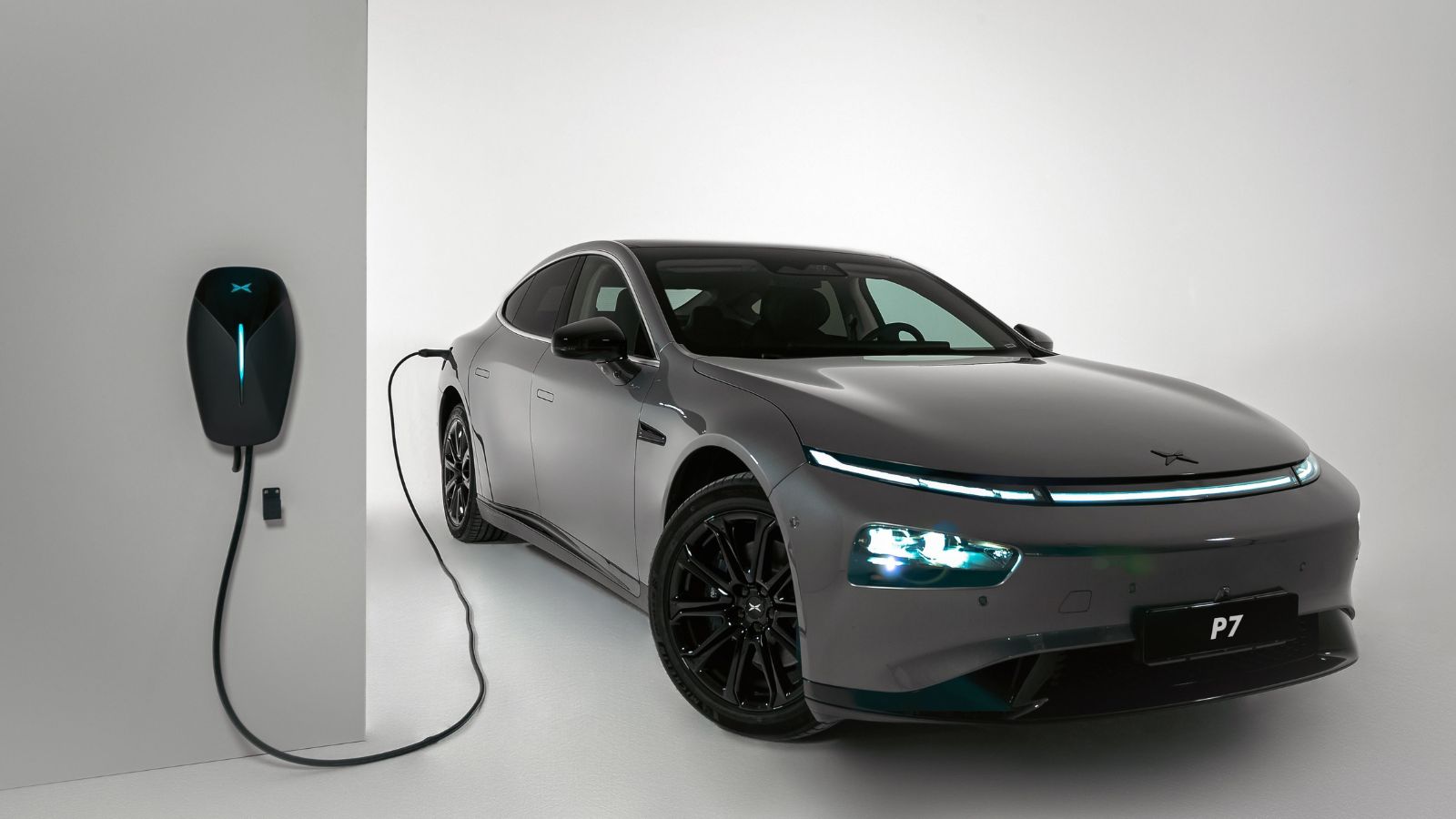
Electric vehicles can reduce fuel and some maintenance expenses, but the hidden costs deserve attention. Many owners want Level 2 home charging, which may require an electrician, permits, panel upgrades, or charger installation. Condo and apartment residents can face even more complexity if charging access is limited or priced separately.
Public charging can also be unpredictable. Rates, idle fees, parking rules, charging speed, winter range loss, and charger availability can all affect the real cost of ownership. EV batteries are generally designed for long service life, but battery health still matters for resale value. For buyers comparing gasoline and electric models, the fair comparison is not just fuel versus electricity; it includes charging access, installation, climate, driving pattern, and depreciation.
Opportunity Costs When a Car Replaces Other Choices

The most hidden cost of car ownership is what the money cannot do elsewhere. A vehicle payment, insurance premium, parking charge, and repair fund may crowd out savings, debt repayment, travel, education, or housing goals. This is especially important for households that buy more vehicle than they need because the monthly payment appears manageable.
The trade-off becomes clearer over time. A second family car may sit unused most weekdays, yet still require insurance, registration, maintenance, tires, and depreciation. A commuter may keep driving because the car is already owned, even when transit, car-sharing, cycling, or occasional rentals could cover some trips for less. The cost is not only financial; it is flexibility lost month after month.
19 Things Canadians Don’t Realize the CRA Can See About Their Online Income

Earning money online feels simple and informal for many Canadians. Freelancing, selling products, and digital services often start as side projects. The problem appears at tax time. Many people underestimate how much information the CRA can access. Online platforms, banks, and payment processors create detailed records automatically. These records do not disappear once money hits an account. Small gaps in reporting add up quickly.
Here are 19 things Canadians don’t realize the CRA can see about their online income.
This Options Discord Chat is The Real Deal
While the internet is scoured with trading chat rooms, many of which even charge upwards of thousands of dollars to join, this smaller options trading discord chatroom is the real deal and actually providing valuable trade setups, education, and community without the noise and spam of the larger more expensive rooms. With a incredibly low-cost monthly fee, Options Trading Club (click here to see their reviews) requires an application to join ensuring that every member is dedicated and serious about taking their trading to the next level. If you are looking for a change in your trading strategies, then click here to apply for a membership.