
35,000+ smart investors are already getting financial news, market signals, and macro shifts in the economy that could impact their money next with our FREE weekly newsletter. Get ahead of what the crowd finds out too late. Click Here to Subscribe for FREE.
Across Canada, the grocery cart and household cupboard are starting to look more local. After years of higher food prices, tighter household budgets, exchange-rate pressure, and renewed interest in Canadian-made goods, many shoppers are trading imported or premium-name products for more affordable homegrown substitutes.
The shift covers 20 products Canadians are increasingly reconsidering, from pantry staples and frozen foods to cleaning supplies, personal care, and paper goods. In many cases, the replacement is not about sacrificing quality. It is about choosing Canadian-grown ingredients, domestic manufacturing, store brands, regional producers, or simpler versions of products that cost less and still do the job.
Premium Coffee Pods
20 Products Canadians Are Replacing With Cheaper Homegrown Alternatives
- Premium Coffee Pods
- Imported Ketchup and Barbecue Sauce
- Bottled Water and Imported Sparkling Water
- Boxed Breakfast Cereal
- Imported Pasta and Premium Pasta Sauce
- Imported Rice Mixes and Ready-Made Grain Bowls
- Imported Cooking Oils
- Imported Frozen Fries and Potato Sides
- Imported Fresh Produce in the Off-Season
- Imported Cheese Snacks and Premium Yogurt Cups
- Imported Chocolate Bars and Candy
- Imported Jam and Fruit Spreads
- Imported Soup, Broth, and Canned Meals
- Imported Frozen Pizza and Prepared Entrees
- Imported Laundry Detergent Pods
- Imported All-Purpose Cleaners
- Imported Shampoo and Body Wash
- Imported Paper Towels and Tissue
- Imported Pet Treats
- Imported Candles and Air Fresheners
- Imported Apparel Basics
- 19 Things Canadians Don’t Realize the CRA Can See About Their Online Income

Coffee has become one of the most noticeable pressure points in the Canadian grocery cart. Many households that once bought imported capsules or café-branded pods are switching to larger bags of Canadian-roasted ground coffee, store-brand beans, or refillable pod systems filled at home. The appeal is simple: the per-cup cost of single-use pods can climb quickly, especially in households where several cups are brewed daily.
Canadian roasters and grocery private labels have benefited from that shift because they offer familiar formats without the same premium packaging costs. Statistics Canada reported that coffee prices were up sharply in 2025, which made this swap feel less like a lifestyle change and more like basic budget math. A family that keeps one machine but replaces branded pods with a Canadian roasted blend can keep the morning routine intact while reducing the quiet drip of small daily spending.
Imported Ketchup and Barbecue Sauce

Condiments are easy to overlook because they usually land in the cart one bottle at a time. Still, shoppers comparing labels are finding Canadian tomato ketchup, barbecue sauces, and store-brand condiments that can undercut imported or heavily marketed brands. The move is especially visible when barbecue season returns and families restock several sauces at once.
This category also carries a strong homegrown story. Canada has greenhouse and field vegetable production, and Ontario’s tomato sector remains part of the broader food-processing landscape. The switch is not always about buying the cheapest bottle on the shelf; it is often about choosing a Canadian-made option that tastes familiar and avoids the premium attached to big U.S. labels. For many households, a $1 or $2 difference on ketchup, mustard, relish, and barbecue sauce adds up across summer meals.
Bottled Water and Imported Sparkling Water

Imported bottled water and fashionable sparkling-water brands can be surprisingly expensive for something many Canadians already have at home. More shoppers are replacing cases of premium water with tap water filtered in pitchers, soda-maker systems, or Canadian-made sparkling-water brands when they still want cans for lunches and gatherings. The savings become clearer when a household buys several cases a month.
There is also a practical Canadian angle. Many municipalities provide treated drinking water, and refillable bottles have become normal at schools, offices, gyms, and cars. For people who still prefer carbonation, domestic sparkling waters and store-brand seltzers often sit beside imported options at a lower price. The replacement is less glamorous, but it is one of the easiest budget wins because it cuts a recurring purchase without changing meals, recipes, or family habits very much.
Boxed Breakfast Cereal

Imported and heavily advertised breakfast cereals are losing some ground to Canadian oats, granola, and private-label cereals. Oats are a natural fit for this shift because Canada is a major grain producer, and oat-based breakfasts can stretch further than small boxes of branded cereal. Large bags of oats, muesli, or store-brand granola also make it easier to control sweetness and portion size.
The change is especially common in households with children, where cereal disappears quickly. A single branded box can be gone in a few breakfasts, while oats can become porridge, overnight oats, muffins, pancakes, or granola bars. Canada’s 2025 field-crop data showed strong grain production, including oats, which supports the idea that shoppers do not need to rely only on imported breakfast staples. It is a quieter replacement, but it fits the current mood: practical, flexible, and local enough to feel sensible.
Imported Pasta and Premium Pasta Sauce

Pasta night used to be one of the cheapest meals in the house, but premium imported pasta and jarred sauces can turn it into a pricier routine. Canadians are responding by buying domestic or store-brand pasta, sauces made in Canada, and even Canadian wheat-based dry pasta when available. The goal is not to turn dinner into a project; it is to keep an easy meal easy.
Canada’s wheat production gives this swap a strong foundation. In 2025, total wheat production reached a record level, according to Statistics Canada, reinforcing Canada’s role as a major grain country. A shopper who chooses Canadian-made pasta and a domestic tomato sauce can still get a fast dinner on the table without paying for imported branding. Add frozen vegetables or lentils, and the meal becomes cheaper, heartier, and more aligned with what Canadian farms already produce well.
Imported Rice Mixes and Ready-Made Grain Bowls

Packaged rice mixes, microwave grain bowls, and imported side dishes are convenient, but they often cost far more than their ingredients suggest. Many Canadians are replacing them with dry lentils, split peas, barley, oats, or wheat berries from Canadian producers. The switch requires a little more cooking, but it can dramatically lower the cost per serving.
The homegrown advantage is strongest with pulses. Canada is one of the world’s major producers and exporters of lentils, peas, chickpeas, dry beans, and other pulse crops. Lentils can replace expensive ready-made sides in soups, curries, salads, shepherd’s pie filling, and lunch bowls. They also bring protein and fibre, which makes a meatless or meat-light meal feel complete. The result is a practical pantry swap: fewer imported seasoning packets, more Canadian-grown staples that can be used across multiple meals.
Imported Cooking Oils

Olive oil still has a place in many kitchens, but its price has pushed some households to use it more selectively. For everyday frying, baking, roasting, and salad dressings, Canadian canola oil has become a cheaper homegrown workhorse. It is widely available, neutral in flavour, and produced from one of Canada’s most important crops.
This replacement works because canola is not a niche ingredient in Canada. Statistics Canada data shows large volumes of canola being crushed domestically into oil and meal, while Canada’s broader oilseed sector remains deeply tied to Prairie agriculture. Many shoppers now reserve imported olive oil for finishing dishes and use canola oil for the bulk of cooking. That small change can stretch a grocery budget without creating a noticeable difference in pancakes, muffins, roasted potatoes, stir-fries, or weeknight marinades.
Imported Frozen Fries and Potato Sides

Frozen fries, hash browns, wedges, and potato patties are another area where Canadian alternatives are easy to find. Instead of buying imported potato products or restaurant-style frozen sides with premium pricing, shoppers are choosing Canadian-grown potatoes, domestic frozen fries, or store-brand potato products. This is especially common in families that use frozen sides for quick dinners.
Canada has a large potato industry, with production spread across Atlantic Canada, Central Canada, the Prairies, and British Columbia. Agriculture and Agri-Food Canada reported that Canada exported billions of dollars in potato products in 2024/2025, including a major share in French fries. That scale matters because it means domestic supply is not an afterthought. Canadian potato products can be affordable, familiar, and easy to cook, making them a natural replacement for imported frozen sides when grocery bills feel tight.
Imported Fresh Produce in the Off-Season

Out-of-season imported produce can become expensive quickly, especially berries, peppers, cucumbers, and tomatoes. Canadians looking for cheaper homegrown options are increasingly leaning on greenhouse vegetables, frozen Canadian fruit, and seasonal produce when it is available. Instead of paying high prices for imported fresh berries in winter, many households buy frozen blueberries or mixed fruit for smoothies, baking, and oatmeal.
Canada’s greenhouse sector helps extend domestic produce availability beyond the short outdoor growing season. Tomatoes, cucumbers, and peppers are major greenhouse crops, and production has continued to grow in recent reporting. For fruit, Canadian blueberries, apples, cranberries, and other crops support frozen and processed options that can be more predictable in price than imported fresh produce. The replacement is partly about timing: buying fresh when local is abundant and frozen when the fresh import premium becomes hard to justify.
Imported Cheese Snacks and Premium Yogurt Cups

Dairy is one area where Canadians do not have to look far for domestic alternatives. Imported cheese snacks, premium yogurt cups, and specialty dairy products often sit beside Canadian-made cheese, yogurt, milk, and store-brand options. Shoppers trying to lower costs are replacing single-serve packs with larger tubs, blocks, or Canadian private-label dairy products that can be portioned at home.
Canada’s dairy sector is extensive, and federal sector profiles show milk production has grown over the past decade. That gives shoppers a strong domestic base for everyday dairy needs. A large tub of Canadian yogurt can replace several imported or premium cups, while a block of Canadian cheese can be sliced, grated, or cubed for school lunches and dinners. The savings are not dramatic on one trip, but they build across repeated purchases in households where dairy is a weekly staple.
Imported Chocolate Bars and Candy

Candy is often an impulse purchase, which makes price increases feel more annoying than planned grocery spending. With coffee, cocoa, and confectionery costs rising, some Canadians are replacing imported chocolate bars and premium candies with Canadian-made sweets, store-brand treats, or bulk options packed in Canada. It is a small category, but one that shows how shoppers are questioning little luxuries.
Statistics Canada reported notable price pressure in confectionery in 2025, tied partly to global cocoa conditions. That has made shoppers more willing to try alternatives they might previously have ignored. Canadian candy makers, regional chocolatiers, and grocery private labels offer products that can satisfy the same craving without the imported-brand premium. The shift is not about removing treats entirely. It is about buying fewer highly marketed bars and choosing domestic or value-priced options when a snack cupboard needs refilling.
Imported Jam and Fruit Spreads

Imported jams and boutique fruit spreads can be expensive, especially when they are sold in small jars with premium packaging. Canadians are increasingly replacing them with store-brand jams, regional preserves, or spreads made with Canadian berries and orchard fruit. The switch is especially practical for households that use jam daily on toast, sandwiches, yogurt, or baking.
Canada’s fruit sector provides plenty of support for this change. Apples, cranberries, highbush blueberries, lowbush blueberries, strawberries, and other fruit crops are grown commercially across several provinces. Agriculture and Agri-Food Canada has also noted that much of Canada’s lowbush blueberry crop goes into processing or quick-freezing, which supports products such as frozen berries and fruit spreads. For shoppers, that means a domestic fruit option may be more than a patriotic choice. It can be a budget-friendly way to keep familiar breakfast and lunch routines in place.
Imported Soup, Broth, and Canned Meals

Canned soups, broths, and ready-made meals are convenient, but imported versions and premium “healthy” labels can cost much more than basic Canadian alternatives. More shoppers are moving toward Canadian-made soups, store-brand broths, dried split peas, lentils, beans, and simple pantry meals. A pot of lentil soup or pea soup can cost less per serving than several cans.
The replacement also fits how many Canadians cook in colder months. A bag of Canadian pulses can become soup, stew, curry, chili, or a thickener for sauces. Pulse Canada highlights the scale of Canada’s pulse industry and its role in producing lentils, peas, chickpeas, and dry beans. This gives households a domestic substitute that is not only cheaper but also shelf-stable. It reduces dependence on imported prepared foods and gives families more control over sodium, seasoning, and portion size.
Imported Frozen Pizza and Prepared Entrees
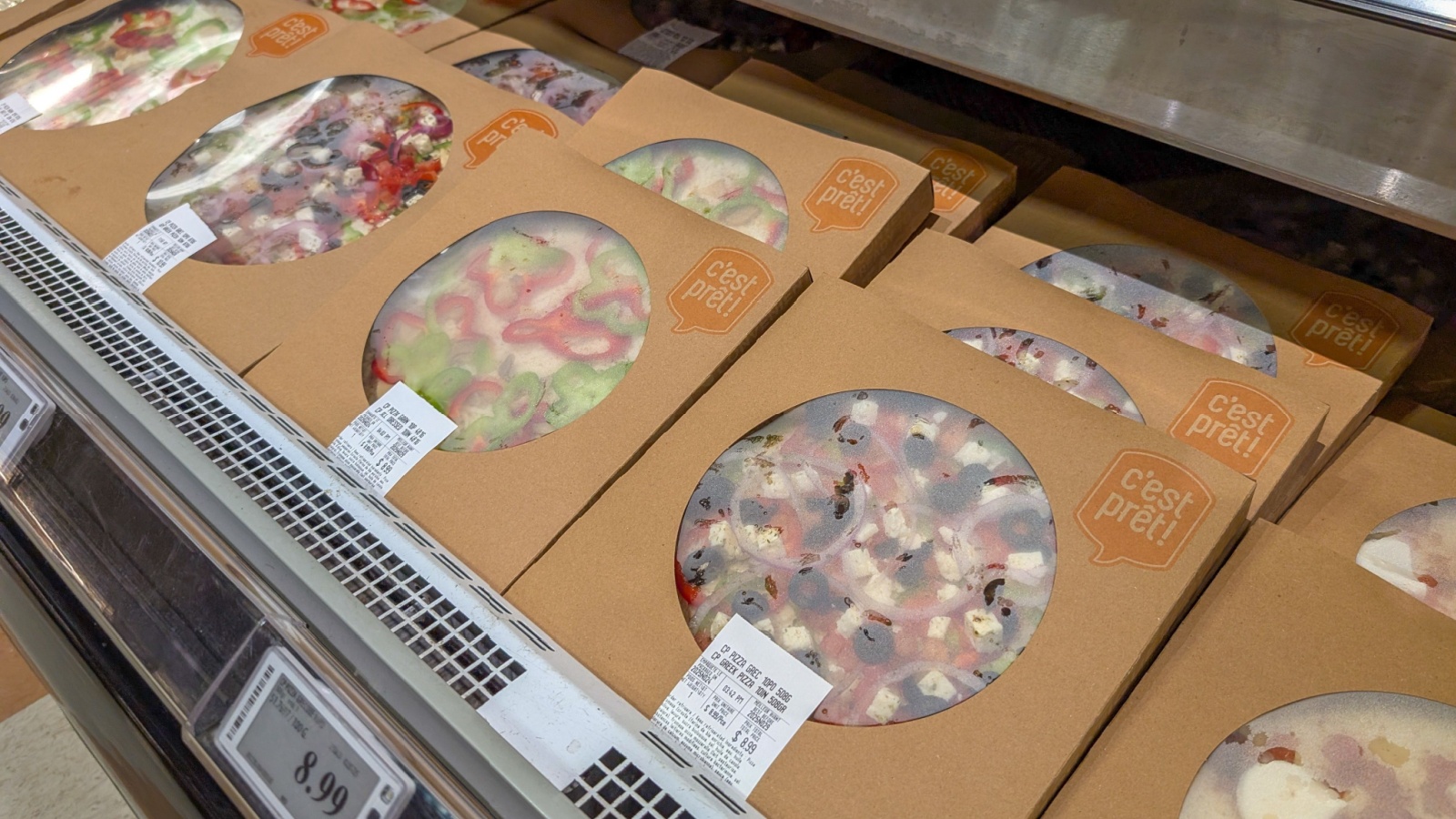
Frozen pizza and prepared entrées have long been fallback meals, but premium imported versions can rival takeout prices. Canadians are replacing them with Canadian-made frozen pizzas, grocery private-label entrées, flatbreads assembled at home, or simple freezer meals built from domestic cheese, wheat products, vegetables, and potatoes. The goal is still convenience, just with fewer premium markups.
Private-label growth has helped make this swap easier. Major Canadian grocers have expanded house brands across frozen foods, and industry coverage has noted that private labels often compete directly with national brands on price. A household that buys store-brand frozen pizza or makes a quick version with Canadian cheese and vegetables can preserve the “emergency dinner” role without paying for imported branding. This is one of the more practical replacements because it happens at the exact moment families are tired, busy, and least interested in complicated cooking.
Imported Laundry Detergent Pods

Laundry pods are convenient, but they usually cost more per load than liquid, powder, or concentrated detergents. Many Canadians are replacing imported pod packs with Canadian-made detergents, refill formats, larger jugs, or value brands stocked by domestic retailers. This is especially noticeable in households with children, sports gear, uniforms, or shared laundry routines.
The homegrown side of this category is broader than many shoppers realize. Canadian publications and shopping guides have highlighted domestic cleaning brands that make laundry, dish, and household products. The savings can come from several directions: buying a local brand, using powder instead of pods, choosing a concentrated formula, or switching to a refill system. Laundry is a repetitive expense, so shaving down the cost per load matters. Unlike a one-time purchase, detergent savings repeat every week.
Imported All-Purpose Cleaners

Imported all-purpose cleaners, disinfecting sprays, and specialty surface products can crowd a cupboard and inflate household spending. Canadians are replacing them with domestic multipurpose cleaners, refillable concentrates, vinegar-based cleaners, and simpler Canadian-made products that cover several rooms at once. The biggest savings often come from buying one versatile cleaner instead of five specialized bottles.
Canadian cleaning brands have gained visibility as shoppers look for local alternatives in household categories, not just food. Some homegrown brands emphasize refill formats, lower-waste packaging, plant-derived ingredients, or concentrates that reduce the cost per use. The practical appeal is clear: kitchens, bathrooms, mudrooms, and entryways still need regular cleaning, but households do not necessarily need a premium imported spray for every surface. A domestic cleaner that handles counters, sinks, and general messes can replace several more expensive bottles without changing the weekly routine.
Imported Shampoo and Body Wash

Premium imported shampoo, conditioner, and body wash can be hard to justify when the family bathroom goes through bottles quickly. Canadians are increasingly replacing them with Canadian-made personal care products, larger value formats, refill pouches, or store-brand options. The shift is strongest where a product is used by multiple people every day and brand loyalty is not especially strong.
Canada has a growing beauty and personal-care market, and domestic brands have become more visible in drugstores, supermarkets, and online. Some shoppers are also moving away from heavily perfumed premium products toward simpler formulas that cost less and last longer. A Canadian-made body wash or shampoo does not have to be boutique to win space in the shower. It only needs to clean well, suit sensitive skin, and avoid the imported-brand premium that can make routine personal care feel unnecessarily expensive.
Imported Paper Towels and Tissue

Paper towels, facial tissue, and toilet paper are classic repeat purchases, so price differences matter. Canadians are replacing imported paper products and premium bundles with domestic paper brands, store-brand tissue, recycled paper options, and reusable cloths for some cleaning tasks. Even small savings per pack can become meaningful over a year.
The Canadian connection is strong because the forest sector includes pulp and paper manufacturing, and Natural Resources Canada continues to track the sector as an important employer and economic contributor. Shoppers may not think about forestry when grabbing paper towels, but domestic manufacturing capacity gives them alternatives to imported household paper goods. Some families are also changing behaviour, using cloth towels for spills and reserving paper towels for messier jobs. That combination of Canadian supply and reduced use can cut costs without removing a basic household convenience.
Imported Pet Treats
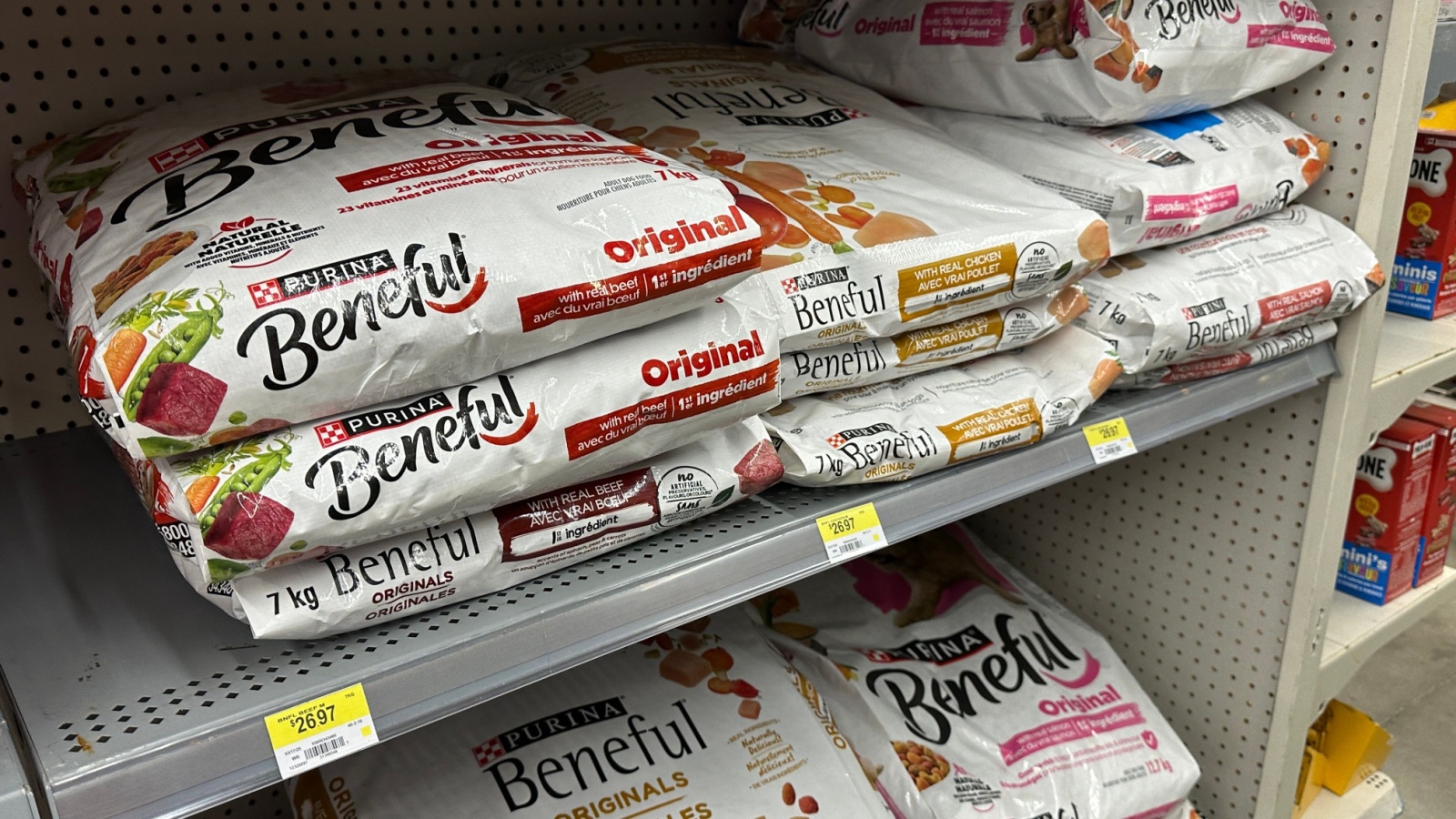
Pet food is a sensitive category because owners do not want to compromise care, but imported treats and specialty snacks can become expensive. Canadians are replacing some premium treats with Canadian-made biscuits, dehydrated snacks, store-brand options, or simple home-prepared treats using safe ingredients. The main food bowl may stay the same, while the treat cupboard becomes more budget-conscious.
This replacement works because treats are flexible. A dog may not care whether a biscuit comes from a luxury import brand or a Canadian bakery-style manufacturer, and cats often respond more to texture and smell than packaging claims. Shoppers are checking country-of-origin claims more carefully, especially as interest in Canadian-made goods has risen. The key is not to make sudden diet changes without care; it is to identify where premium imported extras can be swapped for domestic products that still meet safety and nutrition expectations.
Imported Candles and Air Fresheners

Scented candles, plug-ins, and imported air fresheners can feel affordable until they become regular purchases. Canadians are replacing them with locally made candles, Canadian soy or beeswax products, unscented cleaning routines, refillable diffusers, or fewer fragrance products overall. This is a category where “cheaper” often comes from buying less as much as buying local.
Homegrown makers have an advantage because candles and home-fragrance products are common among small Canadian businesses, farmers’ markets, and regional retailers. A locally made candle may not always be cheaper than the lowest-cost imported jar, but it can be cheaper than premium imported lifestyle brands. Shoppers also stretch value by using one better candle for longer rather than cycling through multiple plug-in refills. As with many household swaps, the replacement is partly financial and partly psychological: fewer automatic refills, fewer impulse scents, and more deliberate local purchases.
Imported Apparel Basics

T-shirts, socks, underwear, mitts, and simple fleece basics are often replaced out of habit, but imported fast-fashion packs can wear out quickly. Some Canadians are shifting toward Canadian-made basics, domestic blanks, locally printed shirts, or sturdier store-brand apparel sold by Canadian retailers. The upfront price is not always lower, but the cost per wear can be better when items last longer.
This swap is also shaped by frustration with disposable clothing. Shoppers may still buy imported fashion items, but basics are a practical place to experiment with homegrown alternatives. Canadian apparel manufacturing is smaller than it once was, yet it still exists in niches such as socks, workwear, knits, outerwear, and locally finished garments. For families, the most realistic replacement is not a fully Canadian wardrobe. It is swapping the most frequently worn basics for durable domestic options when the price and quality make sense.
19 Things Canadians Don’t Realize the CRA Can See About Their Online Income

Earning money online feels simple and informal for many Canadians. Freelancing, selling products, and digital services often start as side projects. The problem appears at tax time. Many people underestimate how much information the CRA can access. Online platforms, banks, and payment processors create detailed records automatically. These records do not disappear once money hits an account. Small gaps in reporting add up quickly.
Here are 19 things Canadians don’t realize the CRA can see about their online income.
This Options Discord Chat is The Real Deal
While the internet is scoured with trading chat rooms, many of which even charge upwards of thousands of dollars to join, this smaller options trading discord chatroom is the real deal and actually providing valuable trade setups, education, and community without the noise and spam of the larger more expensive rooms. With a incredibly low-cost monthly fee, Options Trading Club (click here to see their reviews) requires an application to join ensuring that every member is dedicated and serious about taking their trading to the next level. If you are looking for a change in your trading strategies, then click here to apply for a membership.