35,000+ smart investors are already getting financial news, market signals, and macro shifts in the economy that could impact their money next with our FREE weekly newsletter. Get ahead of what the crowd finds out too late. Click Here to Subscribe for FREE.
Summer travel has a way of turning small booking choices into surprisingly expensive mistakes. A cheap fare can become costly once baggage, seat selection, exchange rates, roaming, parking, insurance gaps, and cancellation rules enter the picture. For Canadians planning holidays in 2026, the pressure is sharper because travel demand remains strong while household budgets are already stretched.
These 13 summer booking mistakes show how extra costs often appear after the “good deal” has already been locked in. The biggest problems are rarely dramatic. They usually come from rushed reservations, unclear terms, missing documents, and fees that looked minor until the whole trip was added up.
Booking the Cheapest Basic Fare Without Reading the Restrictions
13 Summer Booking Mistakes Canadians Make That Lead to Brutal Extra Costs
- Booking the Cheapest Basic Fare Without Reading the Restrictions
- Waiting Too Long to Book High-Demand Summer Dates
- Ignoring Baggage Rules Until Check-In
- Assuming Seat Selection Is Included
- Forgetting That Hotel “Deals” May Not Include the Full Stay Cost
- Choosing Non-Refundable Rooms Too Early
- Skipping Travel Insurance Until It Is Too Late
- Not Checking Passport Timing and Document Rules
- Booking a Rental Car Without Understanding Insurance
- Overlooking Exchange Rates and Foreign Transaction Fees
- Forgetting About Roaming Before Leaving Canada
- Booking Activities Without Checking Cancellation Windows
- Assuming Short-Term Rentals Are Always Cheaper Than Hotels
- Not Comparing Bundles, Date Flexibility, and Nearby Destinations
- 19 Things Canadians Don’t Realize the CRA Can See About Their Online Income

Basic airfares can look like the obvious win when summer prices jump, especially for families comparing several tickets at once. The problem is that the lowest fare often strips out flexibility, seat choice, and sometimes larger carry-on allowance. A Toronto family flying to Halifax may think the savings are secured at checkout, only to pay again for overhead-bin bags, assigned seats, or changes when vacation dates shift.
The Canadian Transportation Agency advises travellers to read airline tariffs carefully, including rules on baggage fees, advance seat selection, check-in requirements, and penalties. That matters because the booking page does not always make the real travel experience obvious. A $70 cheaper fare can lose its advantage quickly if two passengers need paid seat selection, one bag is added each way, and a schedule change becomes unavoidable.
Waiting Too Long to Book High-Demand Summer Dates

Summer creates a concentrated travel rush in Canada. Long weekends, school breaks, festivals, national parks, and lake-country cottage weeks all compete for the same limited flights, rooms, ferries, and rentals. Waiting for a last-minute bargain can work during quiet periods, but July and August are often different. By the time many travellers decide, cheaper fare classes and better room categories may already be gone.
Demand is expected to remain strong in 2026, with BDC reporting that nine in 10 Canadians plan to travel and nearly half have already booked at least one leisure trip with an overnight stay. When demand stays strong, procrastination can push families into awkward compromises: indirect flights, non-refundable rooms, inconvenient pickup times, or pricier properties farther from the main attraction. The cost is not only the higher rate, but the extra transportation and time needed to make the trip work.
Ignoring Baggage Rules Until Check-In
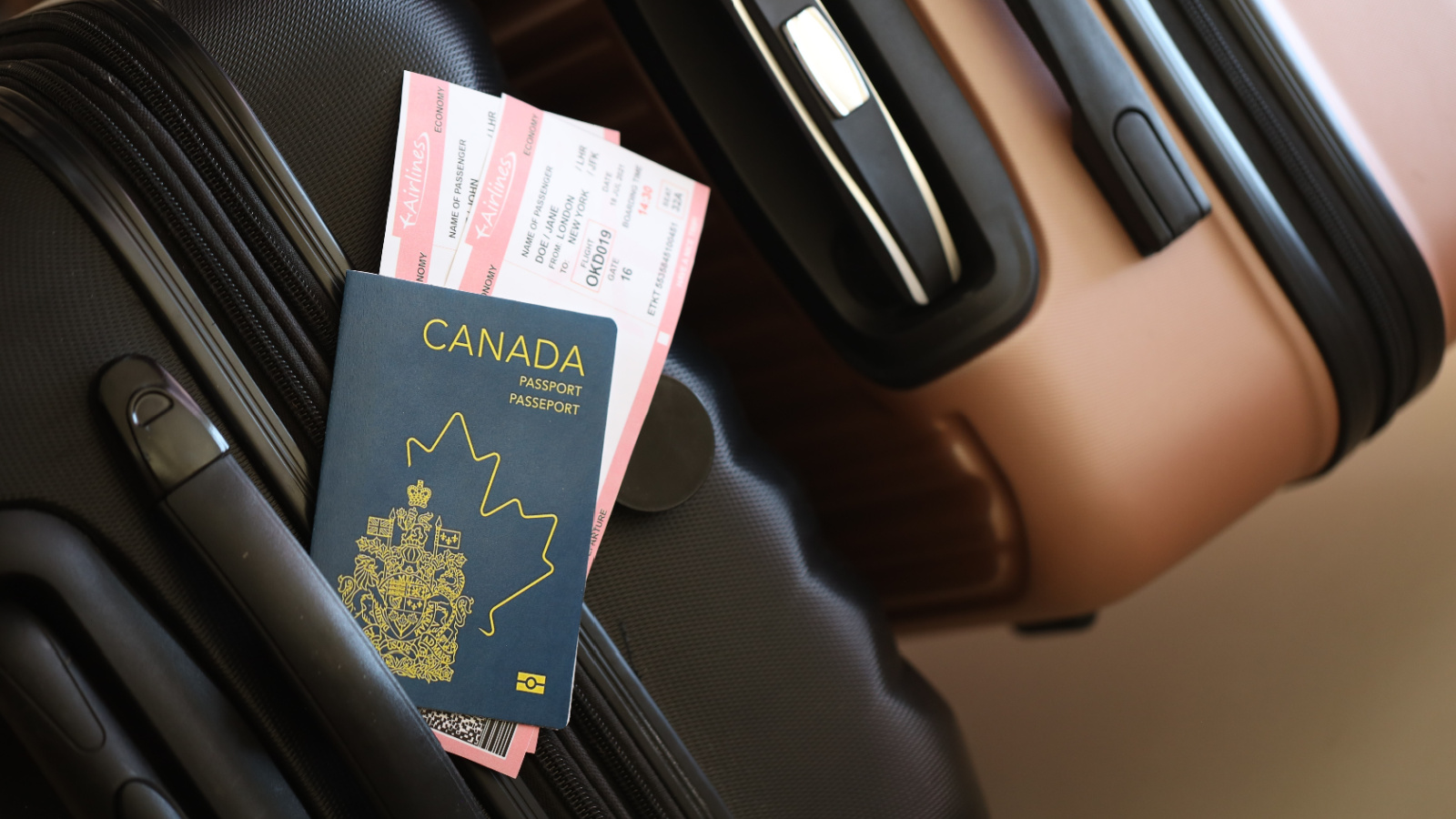
Baggage is one of the easiest places for a summer booking to become more expensive. Families travelling with sunscreen, hiking shoes, camping gear, formal outfits, beach towels, and children’s items often underestimate how quickly bags fill up. The problem becomes worse when the fare was chosen before anyone checked size, weight, and carry-on restrictions.
Some airlines charge more when bags are added close to departure rather than at booking. Air Transat, for example, announced baggage price increases effective June 1, 2026, specifically for checked baggage purchased within 24 hours of departure, including at the airport. That kind of timing penalty can punish disorganized packing. A family that waits until the night before to decide whether one more suitcase is needed may pay more than if the same bag had been booked earlier.
Assuming Seat Selection Is Included

Many Canadians still think of seat selection as a normal part of buying a plane ticket, but modern fare structures often separate the seat from the transportation. That can become expensive for families, couples, seniors travelling with companions, or parents hoping to sit near children. The cheapest ticket may technically get everyone to the destination, but not necessarily together.
The risk is greatest when travellers book quickly through comparison sites and focus only on the fare column. Once the booking is complete, the seat map may reveal that most standard seats are already taken or paid. Choosing seats for four people on two flight segments can add a meaningful amount to the trip. Skipping selection may save money, but it can create stress at check-in, especially during crowded summer travel periods when flights are full and gate agents have fewer open seats to rearrange.
Forgetting That Hotel “Deals” May Not Include the Full Stay Cost

Hotel and resort prices can be misleading when travellers compare nightly rates without checking mandatory fees, parking, local taxes, breakfast, Wi-Fi, destination fees, or resort charges. A room that looks cheaper than another property can become more expensive once the final checkout page appears. The issue is not limited to luxury resorts; urban hotels, airport properties, and vacation destinations can all add costs beyond the room rate.
Canada’s Competition Bureau describes drip pricing as promoting a price that is unattainable because mandatory charges are added later, except certain government-imposed charges. That makes the final booking screen essential. A family choosing a hotel near Niagara Falls, Banff, Vancouver, or Montréal may find that parking alone changes the math. The smarter comparison is not nightly rate versus nightly rate, but total stay cost after mandatory fees and realistic extras.
Choosing Non-Refundable Rooms Too Early

Non-refundable hotel rates are tempting because they often appear just below flexible rates. The savings feel clean and immediate. But summer plans are vulnerable to weather, wildfire smoke, illness, work changes, family obligations, ferry delays, and flight schedule changes. Once a non-refundable booking is locked in, even a small disruption can turn the entire room cost into a sunk expense.
The extra cost is often emotional as well as financial. A couple may book three prepaid nights on the coast to save $90, then discover later that flights changed or a better route became available. A family may reserve a cottage-style stay months ahead, then lose flexibility when a child’s camp schedule shifts. Flexible rates are not always worth paying for, but they deserve a real comparison against the amount at risk.
Skipping Travel Insurance Until It Is Too Late

Travel insurance is easy to postpone because it feels separate from the exciting part of booking. Flights, hotels, and activities come first; insurance gets pushed to a later checklist. That can backfire when a medical issue, family emergency, missed connection, or trip interruption happens before coverage is purchased or outside the policy rules.
The Government of Canada warns that provincial or territorial health plans may cover none or only a small portion of medical care abroad and will not pay foreign medical bills up front. Hospitals and clinics in other countries may require immediate payment. Even domestic travel can involve interruption costs if a trip must be cut short. Insurance still needs careful reading because exclusions, pre-existing condition clauses, and cancellation rules matter. Buying blindly is a mistake, but booking expensive travel with no protection can be worse.
Not Checking Passport Timing and Document Rules

Passport and document issues can create brutal costs because they usually appear close to departure, when fixes are expensive or impossible. A traveller may book a discounted fare first and only later notice that a passport is expired, damaged, nearly expired, or missing for a child. Even when processing is available, urgent service, replacement arrangements, changed flights, or lost deposits can erase the original savings.
Canada introduced a “30 business days or free” passport processing guarantee effective April 1, 2026, but the clock starts only when a complete application is received and ends when the document is printed and verified. Passport fees also increased as of March 31, 2026. Families travelling with children face another layer: the Government of Canada recommends a consent letter when a child travels outside Canada without one or both parents or guardians.
Booking a Rental Car Without Understanding Insurance

Rental cars can look affordable until the counter conversation begins. Collision damage waivers, liability limits, extra drivers, underage driver fees, roadside coverage, refuelling penalties, airport surcharges, toll devices, winter-to-summer tire assumptions, and mileage limits can all affect the final price. Many travellers accept whatever is offered because the lineup is long and the vacation has already started.
The better move is to check coverage before booking. Some personal auto policies, credit cards, and standalone travel products may offer rental vehicle protection, but coverage varies by province, vehicle type, trip length, destination, and driver. CAA South Central Ontario notes that a rental vehicle endorsement can average around $30 to $35 per year, which may be far less than daily counter coverage. The expensive mistake is discovering coverage gaps only after damage, theft, or a claim dispute.
Overlooking Exchange Rates and Foreign Transaction Fees
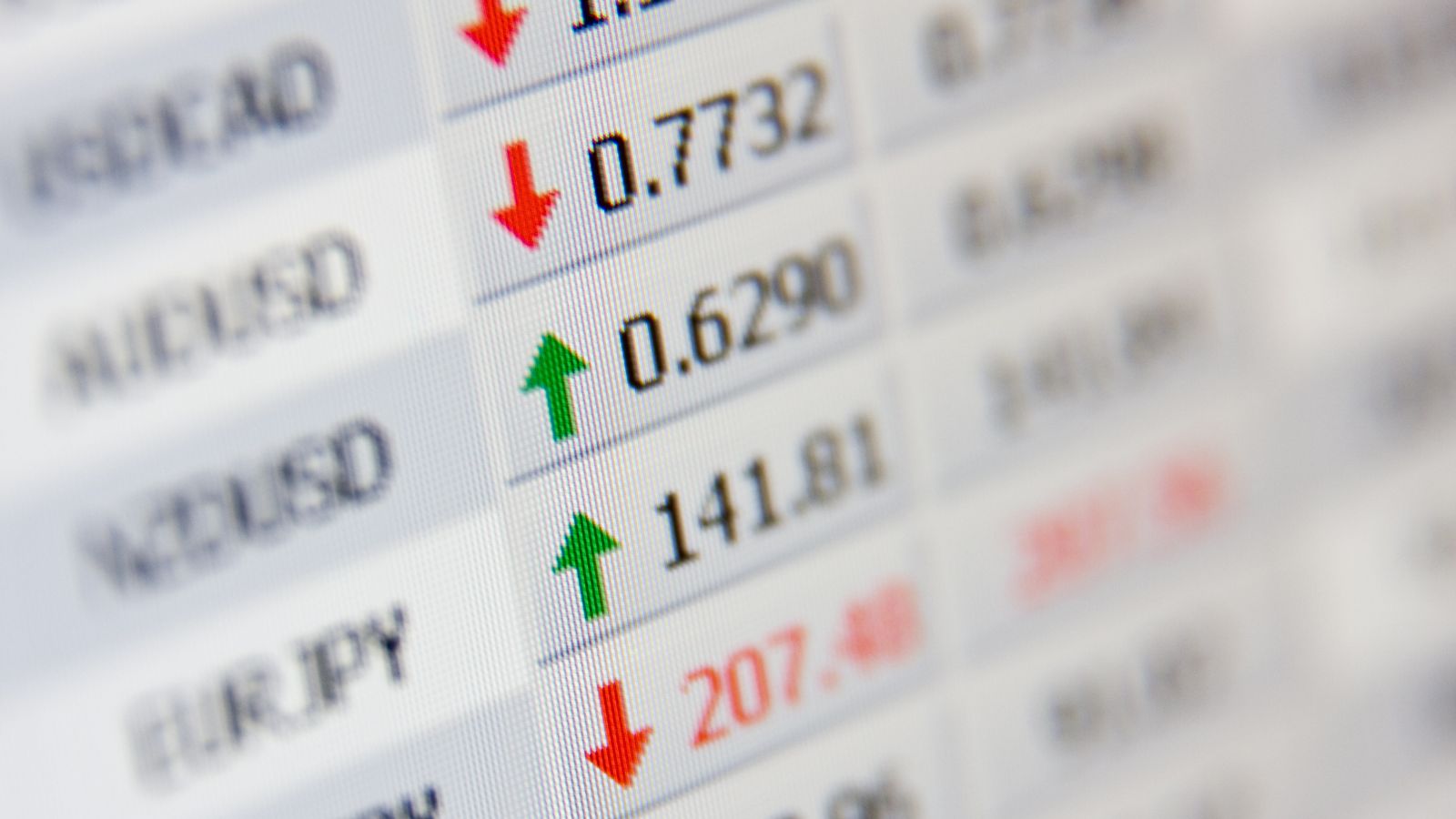
A U.S. hotel, European rail pass, Caribbean resort, or international tour can look manageable when the listed price is in another currency. The final cost in Canadian dollars may tell a different story. Exchange rates, foreign transaction fees, ATM charges, and dynamic currency conversion can all raise the real price after the booking decision has already been made.
The Financial Consumer Agency of Canada warns that foreign currency conversion charges may apply to credit card transactions and foreign cash advances, while cash advances outside Canada can also carry higher fees and immediate interest charges. The Government of Canada also cautions that prepaid travel cards may have higher fees than credit or debit cards and may not be accepted by some hotels or car rental companies. The mistake is treating a foreign price as if it were already Canadian.
Forgetting About Roaming Before Leaving Canada

Roaming charges are rarely part of the booking budget, but they can become part of the trip bill. Phones may use data in the background for maps, photo backups, messaging apps, email, app updates, or location services. A traveller who books flights, hotels, and excursions carefully can still come home to a higher mobile bill because the roaming plan was left until departure day.
The CRTC says Canada’s Wireless Code caps roaming charges at $100 per billing cycle unless the account holder explicitly agrees to pay more. That protection helps prevent unlimited bill shock, but $100 is still a painful surprise for a cost that could have been planned. The Government of Canada also warns that mobile devices abroad may use data even when they are not actively being used. Booking a roaming package, eSIM, or local data plan before leaving can prevent an avoidable add-on.
Booking Activities Without Checking Cancellation Windows
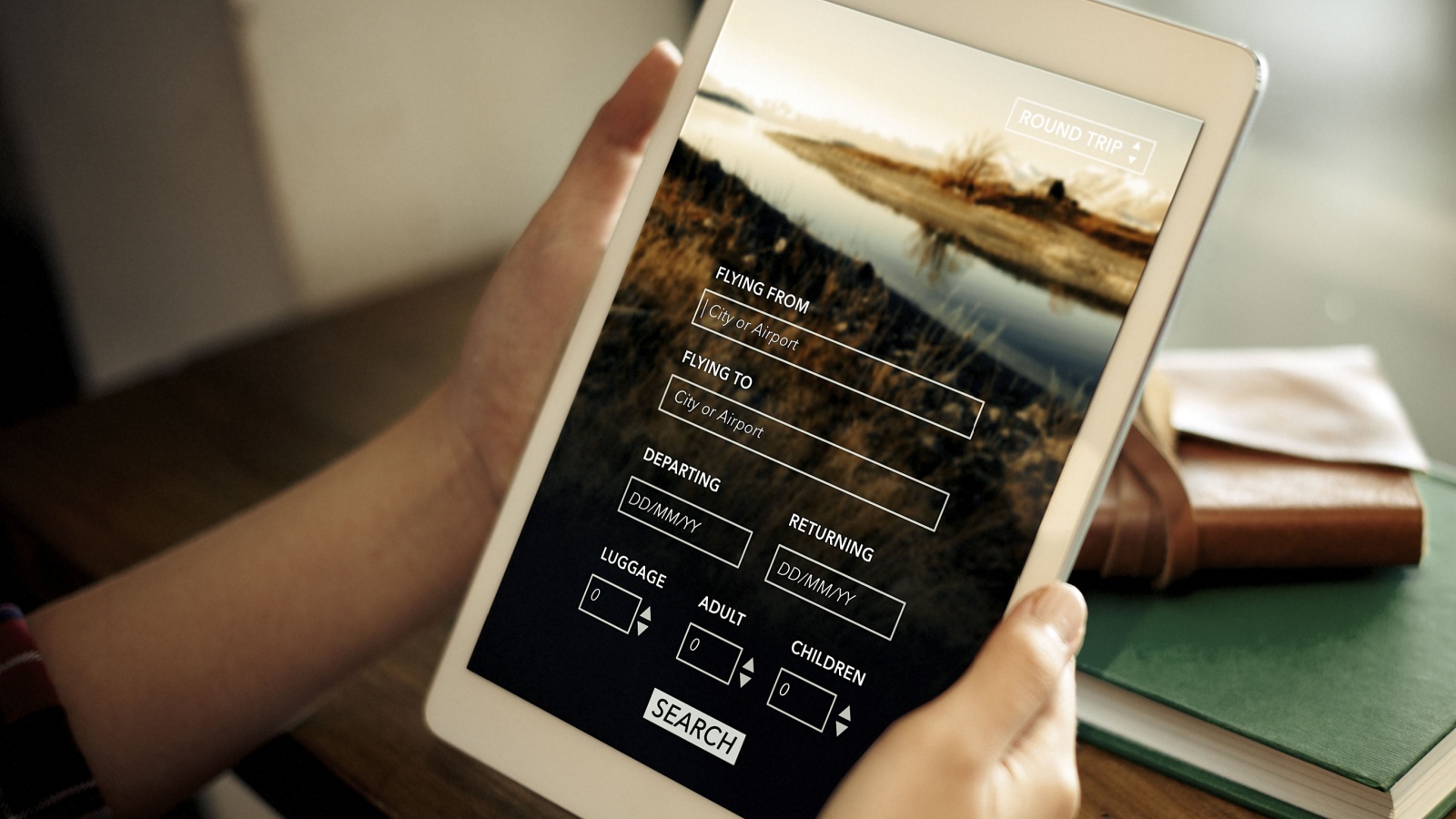
Summer activities often have stricter rules than travellers expect. Whale-watching tours, guided hikes, boat rentals, amusement parks, theatre tickets, food tours, fishing charters, and timed-entry attractions may require advance booking. That helps secure a spot, but it can also create a stack of non-refundable commitments before the trip is fully stable.
The hidden cost appears when weather changes, a flight arrives late, a child gets sick, or a road trip leg takes longer than expected. A family may lose four prepaid tickets to an afternoon activity because check-in was missed by 15 minutes. Another traveller may book two tours too close together and pay for transportation to rush between them. The safer approach is to read cancellation windows, late-arrival rules, and weather policies before paying, especially for activities tied to boats, mountains, wildlife, or outdoor conditions.
Assuming Short-Term Rentals Are Always Cheaper Than Hotels

Short-term rentals can be excellent for families and groups, especially when a kitchen, laundry, or extra bedrooms reduce other costs. But the headline nightly rate can hide cleaning fees, platform fees, taxes, parking charges, minimum stays, security deposits, and stricter cancellation terms. A two-night booking can become surprisingly expensive once a large cleaning fee is spread across only a short stay.
Regulation also matters. Canada has been moving to crack down on non-compliant short-term rentals, and local rules can affect supply in popular destinations. Destination BC noted 2026 changes in Kelowna tied to short-term rental rules and tourism-zoned areas, while the federal Short-Term Rental Enforcement Fund focuses on non-compliant rentals that keep homes off the long-term market. Travellers may not follow policy details, but they feel the impact when supply tightens or compliant listings charge more.
Not Comparing Bundles, Date Flexibility, and Nearby Destinations

A common summer mistake is booking each piece separately without testing alternatives. Flights, hotels, cars, and activities may be cheaper as a package, on different dates, or in a nearby destination. A family focused only on a famous beach town or national park gateway may miss a less crowded community 30 minutes away with lower accommodation rates and easier parking.
Expedia’s 2026 summer travel guidance emphasizes flexibility, destination alternatives, price tracking, and bundling flights with hotels as ways to improve value. That does not mean every bundle is automatically cheaper; cancellation rules and loyalty benefits still need checking. But skipping comparison entirely can be costly. Moving a trip from a peak Friday departure to a midweek flight, or staying just outside the busiest zone, may protect the budget without weakening the vacation.
19 Things Canadians Don’t Realize the CRA Can See About Their Online Income

Earning money online feels simple and informal for many Canadians. Freelancing, selling products, and digital services often start as side projects. The problem appears at tax time. Many people underestimate how much information the CRA can access. Online platforms, banks, and payment processors create detailed records automatically. These records do not disappear once money hits an account. Small gaps in reporting add up quickly.
Here are 19 things Canadians don’t realize the CRA can see about their online income.
This Options Discord Chat is The Real Deal
While the internet is scoured with trading chat rooms, many of which even charge upwards of thousands of dollars to join, this smaller options trading discord chatroom is the real deal and actually providing valuable trade setups, education, and community without the noise and spam of the larger more expensive rooms. With a incredibly low-cost monthly fee, Options Trading Club (click here to see their reviews) requires an application to join ensuring that every member is dedicated and serious about taking their trading to the next level. If you are looking for a change in your trading strategies, then click here to apply for a membership.