
35,000+ smart investors are already getting financial news, market signals, and macro shifts in the economy that could impact their money next with our FREE weekly newsletter. Get ahead of what the crowd finds out too late. Click Here to Subscribe for FREE.
June has a way of turning small leaks into real pressure: higher travel costs, summer utility use, grocery swings, tax deadlines, renewals, and debt payments all seem to arrive at once. For many Canadian households, the most useful financial moves are not dramatic ones but timely adjustments made before the month gets more expensive.
These 16 money moves focus on practical decisions that can protect cash flow, reduce avoidable fees, and help households enter summer with fewer surprises. The goal is not panic budgeting. It is a smarter reset before seasonal spending, borrowing costs, and midyear deadlines start crowding the calendar.
Check the June Tax Deadline Before It Turns Into Interest
16 Money Moves Canadians Need to Make Before June Gets More Expensive
- Check the June Tax Deadline Before It Turns Into Interest
- Rebuild the Grocery Plan Before Summer Habits Take Over
- Reprice Gas and Driving Costs Before Weekend Travel Begins
- Review Credit Card Balances Before Interest Eats the Summer Budget
- Prepare for Mortgage Renewal Conversations Early
- Use Softer Rent Conditions as a Negotiation Window
- Confirm Benefit Payment Dates and Direct Deposit Details
- Maximize TFSA Room Before Cash Gets Spent Elsewhere
- Revisit RRSP Room With 2026 Income in Mind
- Build a Summer Utility Buffer Before Heat and Guests Arrive
- Audit Subscriptions Before Vacation Mode Starts
- Renegotiate Insurance Before Renewal Notices Win
- Set a Travel Spending Ceiling Before Booking Fees Multiply
- Protect Against Fraud Before Big Seasonal Purchases
- Recheck Phone and Internet Plans Before Summer Data Use Jumps
- Create a Midyear Emergency Fund Target
- Make One Debt Decision Before Taking On Any New Payment
- 19 Things Canadians Don’t Realize the CRA Can See About Their Online Income

Self-employed Canadians and anyone with a self-employed spouse or common-law partner should circle June 15, 2026, with a thick marker. That is the filing deadline for 2025 tax returns in those cases, even though any balance owing was still due by April 30. This creates a common trap: a person may believe the June filing extension also extends the payment deadline, only to discover that interest has already started building on unpaid tax.
A practical move before June gets more expensive is to log in to a CRA account, confirm whether a return has been assessed, and check for instalment reminders, missing slips, or a balance owing. A freelance designer, rideshare driver, consultant, landlord, or small online seller can easily underestimate tax because income often arrives without withholding. Filing late can also delay benefits tied to tax information, which makes cash flow worse just when summer bills start rising.
Rebuild the Grocery Plan Before Summer Habits Take Over

Food is one of the easiest budget categories to underestimate because the increases rarely arrive as one dramatic bill. A few extra dollars on meat, produce, snacks, drinks, and convenience items can quietly reshape an entire monthly budget. Canada’s Food Price Report 2026 projected overall food prices to rise 4% to 6%, with the average family of four potentially spending up to $17,571.79 on food during the year.
Before June gets busier, households can benefit from rebuilding grocery routines around weekly meal plans, store flyers, freezer inventory, and lower-cost proteins. This does not mean stripping meals down to bland basics. It can be as simple as moving two dinners per week from takeout to planned leftovers, buying seasonal produce only when prices make sense, or checking whether warehouse-size items are actually being used. Summer adds barbecues, road trips, guests, and cold drinks; a grocery plan built in May can prevent those extras from becoming a monthly shock.
Reprice Gas and Driving Costs Before Weekend Travel Begins

Summer driving often feels spontaneous, but the cost is anything but invisible at the pump. Canadian fuel prices have already shown how quickly transportation costs can move when energy markets are volatile. Statistics Canada reported that gasoline prices surged 21.2% month over month in March 2026, the largest monthly gasoline increase on record, while transportation prices rose 3.7% year over year.
Before June weekends fill up, Canadians should price out recurring drives: cottage trips, sports tournaments, camping, airport runs, and long commutes during roadwork season. A family driving several hundred kilometres every weekend can easily turn fuel into one of the biggest summer expenses. Combining errands, checking tire pressure, removing unused roof racks, and using price-tracking tools can make a measurable difference. For bigger trips, comparing the cost of driving against bus, train, or carpool options may reveal that “cheap road trip” math has changed.
Review Credit Card Balances Before Interest Eats the Summer Budget
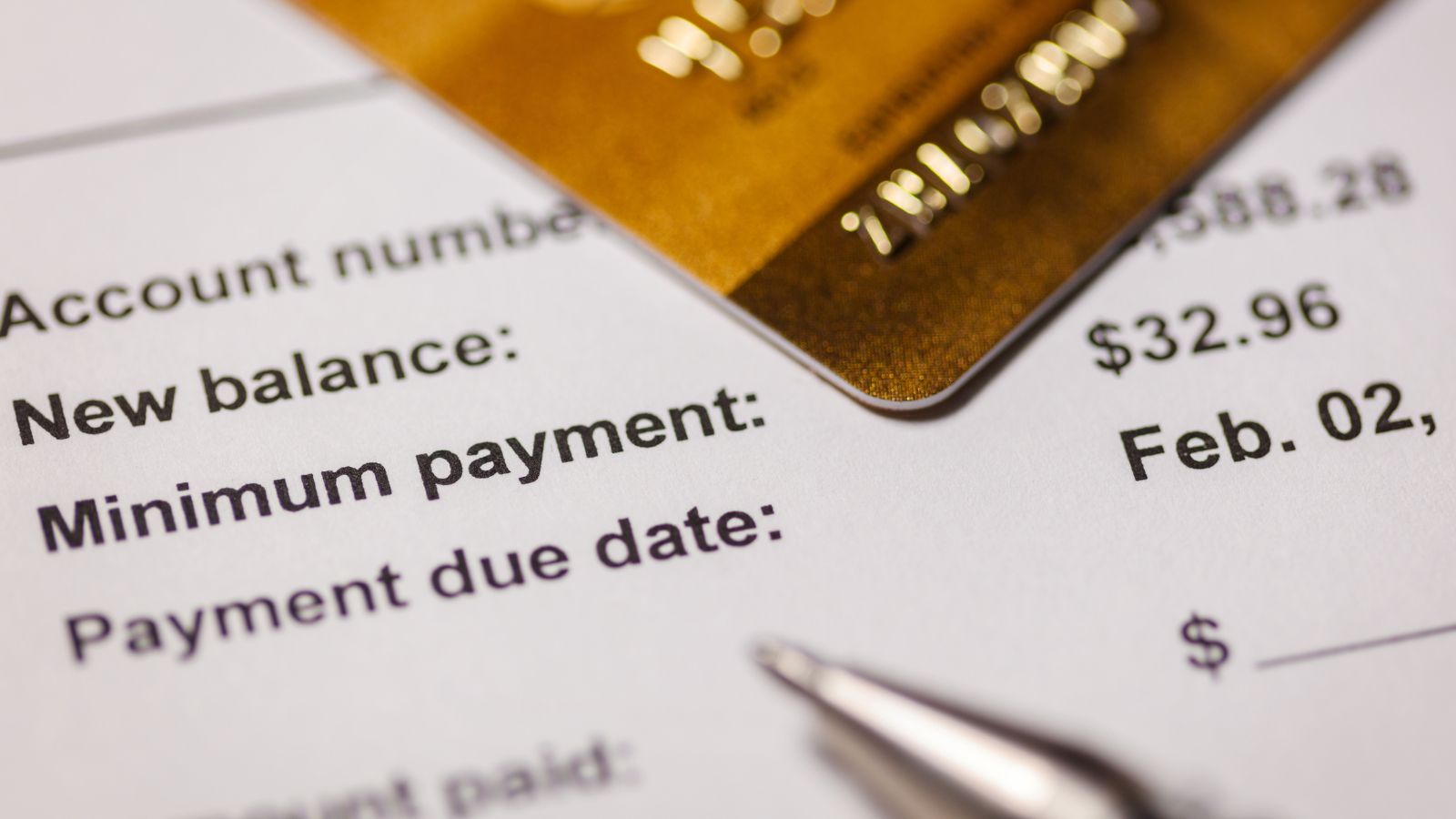
Credit cards become more dangerous when summer spending starts before spring balances are gone. The Financial Consumer Agency of Canada emphasizes that paying a credit card balance in full by the due date is best; when that is not possible, even small extra payments above the minimum can reduce interest and shorten payoff time. This matters because minimum payments can create the illusion of control while interest keeps the balance alive.
A smart pre-June move is to list every card balance, interest rate, statement due date, and upcoming annual fee. Then direct extra cash toward the highest-rate balance, not the card with the smallest emotional annoyance. A household carrying a vacation deposit, car repair, and grocery overspending on different cards may feel scattered, but a simple ranking turns the problem into a plan. Pausing rewards-chasing also helps; points are not a win when interest charges overwhelm their value.
Prepare for Mortgage Renewal Conversations Early

Many Canadian mortgage holders still face payment changes as pandemic-era borrowing terms roll into today’s rate environment. Bank of Canada analysis estimated that about 60% of mortgage holders renewing in 2025 and 2026 would see payment increases, with the average monthly payment expected to be 6% higher for those renewing in 2026 compared with December 2024 payments. That is not a minor line-item change for households already juggling groceries, insurance, and utilities.
The money move is to start renewal planning before the lender’s official notice creates deadline pressure. Homeowners can request early renewal options, compare broker quotes, test payments at different amortizations, and decide whether lump-sum prepayments make sense. Even renters should pay attention, because landlords with renewing mortgages may feel pressure to raise rents where provincial rules allow. A family that models a higher housing payment in May is less likely to be cornered in July.
Use Softer Rent Conditions as a Negotiation Window

Canada’s rental market is still expensive, but recent asking-rent data has shown some softening in several markets. Rentals.ca reported that average asking rent in Canada declined 4.7% year over year in April 2026, falling by $100 to $2,027 and marking the 19th consecutive month of annual declines. That does not mean every tenant has leverage, but it does mean renters should not assume renewal terms are untouchable.
Before June, tenants can compare similar units nearby, check whether vacancies have increased, and prepare a calm renewal conversation. A renter with a strong payment history may be able to ask for a smaller increase, a parking discount, a longer lease at a stable rate, or repairs that improve value. Moving is expensive, so negotiation should include the real cost of trucks, deposits, utility hookups, and time off work. In some markets, staying put with better terms can be the cheapest summer move.
Confirm Benefit Payment Dates and Direct Deposit Details

Government benefits can be a crucial part of summer cash flow, especially for households managing children, lower incomes, or provincial credits. The CRA lists 2026 GST/HST credit payments on January 5, April 2, July 3, and October 5, with July and October payments renamed under the Canada Groceries and Essentials Benefit. Missing a payment because of outdated banking information or an unfiled return can create unnecessary strain.
Before June, Canadians who rely on benefits should confirm direct deposit details, mailing addresses, marital status, custody arrangements, and whether their 2025 return has been filed. A parent budgeting for summer camp or back-to-school deposits may be counting on July support without realizing a tax filing issue could delay it. The move is administrative, not glamorous, but it matters. Benefit timing can help decide whether to buy supplies now, wait for a payment date, or spread costs over two months.
Maximize TFSA Room Before Cash Gets Spent Elsewhere
The 2026 TFSA dollar limit is $7,000, and unused contribution room carries forward for eligible Canadians. That makes June a useful checkpoint. Money that sits in a chequing account “just for now” often disappears into patio meals, weekend trips, clothing, or unplanned repairs. Moving even part of it into a TFSA can create a boundary between spending cash and future savings.
The key is to match the TFSA investment to the timeline. Money needed for a car repair fund or near-term home purchase should not be exposed to the same risk as long-term retirement savings. A high-interest savings TFSA or short-term investment may suit one person, while a diversified portfolio may suit another. The important move is checking actual CRA room before contributing, because overcontributions can trigger tax. A TFSA works best when it is used deliberately, not as a random overflow account.
Revisit RRSP Room With 2026 Income in Mind

RRSP planning often gets ignored until the first 60 days of the next year, but midyear planning is usually cleaner. The CRA confirmed the 2026 RRSP dollar limit at $33,810, though individual room depends on earned income, pension adjustments, unused room, and prior contributions. Waiting until the deadline can turn a tax strategy into a rushed guess, especially for workers with changing income.
Before June, Canadians can compare expected 2026 income with 2025 income, review marginal tax brackets, and decide whether RRSP contributions should happen monthly rather than in one large scramble. A worker expecting overtime, a bonus, self-employment income, or a parental-leave change may need a different strategy than last year. RRSPs are not automatically better than TFSAs for everyone, but they can be powerful when contributions reduce tax at a higher rate and withdrawals happen later at a lower one.
Build a Summer Utility Buffer Before Heat and Guests Arrive

Utility costs do not always spike evenly across Canada, but summer can still stretch household bills through air conditioning, extra laundry, visiting family, pool pumps, dehumidifiers, and more time at home for children. Statistics Canada has tracked household spending on electricity, gas, and other fuels as a significant recurring consumption category, and energy-market volatility remains a wider inflation concern.
The practical move is to build a utility buffer before June rather than waiting for a high bill. Households can check equal billing plans, compare last summer’s usage, clean filters, close blinds during peak heat, and run major appliances outside peak times where time-of-use pricing applies. Renters can ask landlords about window seals or inefficient appliances before extreme heat arrives. One family may save only modestly by adjusting thermostat habits, but the bigger benefit is predictability: fewer surprise withdrawals when other summer expenses are already stacked.
Audit Subscriptions Before Vacation Mode Starts

Subscriptions are easy to justify individually and expensive collectively. Streaming platforms, cloud storage, fitness apps, delivery memberships, kids’ games, news products, meal kits, and software tools often renew quietly. By June, households may also add travel apps, sports packages, cottage internet upgrades, or short-term entertainment services for children on break.
A pre-June subscription audit should go beyond cancelling one unused app. Canadians should check bank and credit card statements for the last three months, sort recurring charges by household member, and decide what still earns its place. One common example is paying for multiple video services while mostly watching one. Another is keeping a delivery membership while also trying to reduce takeout. A cancellation round can free up $30, $60, or more per month. That may not sound dramatic, but it can cover a higher phone bill, extra fuel, or part of a grocery increase.
Renegotiate Insurance Before Renewal Notices Win
Home, tenant, auto, travel, and life insurance can all become more expensive when policies renew without review. Canadians often focus on the premium and ignore deductibles, exclusions, usage changes, or bundled discounts. Summer adds more risk exposure too: longer drives, borrowed vehicles, backyard equipment, cottages, boats, bikes, and travel outside the province.
Before June, households should confirm whether coverage still matches real life. A driver working from home more often may have a different commuting profile. A tenant who bought expensive electronics may need updated contents coverage. A homeowner with a finished basement should understand water protection limits before storm season. Shopping quotes is useful, but so is asking the current insurer about discounts for winter tires, telematics, security systems, alumni groups, professional associations, or bundling. The goal is not simply cheaper insurance; it is avoiding the worst combination of higher premiums and inadequate coverage.
Set a Travel Spending Ceiling Before Booking Fees Multiply

Summer travel costs can creep through baggage fees, seat selection, resort charges, parking, roaming, travel insurance, airport food, pet boarding, exchange rates, and cancellation rules. A trip that looks affordable at the headline price can become stressful once every add-on is included. June is often when families lock in plans, which makes a hard spending ceiling more useful than a vague intention to “keep it reasonable.”
The move is to price the whole trip before paying the first non-refundable deposit. Canadians should include transportation, meals, tips, insurance, attraction tickets, fuel, tolls, and emergency cash. For cross-border travel, currency conversion and card foreign-exchange fees deserve attention. For domestic trips, airport parking or rental-car insurance can still surprise people. A household that sets a total trip cap in advance can choose fewer nights, a different destination, or a kitchen-equipped rental before sunk costs take over.
Protect Against Fraud Before Big Seasonal Purchases

Fraud risk rises when people are rushing, searching for deals, or making unfamiliar purchases. The Canadian Anti-Fraud Centre reported that Canadians lost more than $704 million to fraud in 2025, with reported losses since 2022 exceeding $2.4 billion. It also notes that only a small fraction of fraud is reported, meaning the real harm is likely much larger.
Before June, Canadians should tighten the basics: enable multi-factor authentication, use strong unique passwords, verify sellers outside marketplace chat, avoid e-transfer deposits to unknown parties, and treat “too good to be true” travel or investment deals as suspicious. Summer brings cottage rentals, concert tickets, used vehicles, moving deposits, and vacation packages, all popular areas for scams. A realistic example is a fake rental listing asking for a deposit before a viewing. The cheapest fraud protection is often a pause: search the name, verify ownership, and refuse pressure.
Recheck Phone and Internet Plans Before Summer Data Use Jumps

Phone and internet plans become more noticeable in summer because household routines change. Children stream more, travel increases mobile data use, cottages and campsites create hotspot habits, and roaming mistakes can add painful fees. Many Canadians keep legacy plans because switching feels tedious, even when newer offers may include more data or lower prices.
The move is to review actual usage, not advertised needs. A household using 40 gigabytes across several lines may be paying for far more, while another may be repeatedly hit with overage charges. Before June, Canadians can compare bring-your-own-device plans, family-share options, prepaid alternatives, and cancellation terms. It is also wise to turn off data roaming before crossing the border and download maps, playlists, and boarding passes on Wi-Fi. Phone savings can be boring, but recurring savings are powerful because they repeat every month without requiring another decision.
Create a Midyear Emergency Fund Target

An emergency fund can feel impossible when prices keep rising, but the target does not have to be perfect to be useful. Even a few hundred dollars can prevent a small crisis from becoming credit-card debt. Midyear is a natural reset point because tax season, school-year costs, spring repairs, and winter heating bills are mostly visible, while summer expenses are just beginning.
Before June, Canadians can choose one concrete emergency-fund target: one month of rent, the insurance deductible, two weeks of groceries, or the cost of a common car repair. The amount should be tied to real household risks, not a generic rule. Automatic transfers on payday help because the money moves before summer spending competes for it. A household that saves $35 a week from late May to Labour Day would build more than $500. That cushion can change how the next surprise bill feels.
Make One Debt Decision Before Taking On Any New Payment

June often brings tempting new payments: a vehicle upgrade, patio furniture financing, vacation instalments, buy-now-pay-later purchases, or a home improvement loan. The problem is not always the purchase itself; it is layering a new fixed payment on top of existing debt. Equifax Canada reported that total consumer debt reached $2.65 trillion in the fourth quarter of 2025, with non-mortgage debt also rising year over year.
Before adding any new payment, Canadians should make one debt decision first. That may mean paying off a small balance, consolidating at a lower rate, refusing new financing until a card is cleared, or setting a maximum monthly debt-payment ratio. A simple household rule can help: no new monthly payment unless an old one disappears. This creates breathing room and prevents lifestyle upgrades from quietly becoming long-term pressure. Summer is more enjoyable when August is not already borrowing from October.
19 Things Canadians Don’t Realize the CRA Can See About Their Online Income

Earning money online feels simple and informal for many Canadians. Freelancing, selling products, and digital services often start as side projects. The problem appears at tax time. Many people underestimate how much information the CRA can access. Online platforms, banks, and payment processors create detailed records automatically. These records do not disappear once money hits an account. Small gaps in reporting add up quickly.
Here are 19 things Canadians don’t realize the CRA can see about their online income.
This Options Discord Chat is The Real Deal
While the internet is scoured with trading chat rooms, many of which even charge upwards of thousands of dollars to join, this smaller options trading discord chatroom is the real deal and actually providing valuable trade setups, education, and community without the noise and spam of the larger more expensive rooms. With a incredibly low-cost monthly fee, Options Trading Club (click here to see their reviews) requires an application to join ensuring that every member is dedicated and serious about taking their trading to the next level. If you are looking for a change in your trading strategies, then click here to apply for a membership.