
35,000+ smart investors are already getting financial news, market signals, and macro shifts in the economy that could impact their money next with our FREE weekly newsletter. Get ahead of what the crowd finds out too late. Click Here to Subscribe for FREE.
A quick Canadian getaway can look affordable at first glance: a discounted room, a short flight, a cabin split with friends, or a weekend drive that seems cheaper than going abroad. The real bill often grows quietly in the margins, where taxes, add-ons, parking, food, fuel, and booking rules turn a “cheap” escape into a much larger household expense.
With domestic travel demand staying strong and Canadian tourism spending continuing to rise, small costs are becoming harder to ignore. These 16 hidden expenses show why budget trips across Canada can feel surprisingly expensive by checkout, check-in, or the drive home.
Accommodation Taxes That Appear Late in the Booking Process
16 Hidden Costs That Make “Cheap” Canadian Getaways So Expensive
- Accommodation Taxes That Appear Late in the Booking Process
- Cleaning Fees on Short-Term Rentals
- Peak-Season Pricing Around Long Weekends
- Hotel Parking That Costs Almost as Much as Dinner
- Fuel Costs on Scenic Routes
- Wear and Tear on the Vehicle
- Rental Car Add-Ons
- Baggage and Seat-Selection Fees
- Flight Disruptions That Create Extra Spending
- Restaurant Prices in Tourist Areas
- Resort and Amenity Fees
- Campground Reservation and Equipment Costs
- Ferry, Bridge, and Shuttle Costs
- Attraction Tickets and Timed Reservations
- Mobile Roaming, Data, and Connectivity Charges
- Cancellation Rules and Non-Refundable Deals
- Convenience Purchases That Fill the Gaps
- 19 Things Canadians Don’t Realize the CRA Can See About Their Online Income

The nightly rate is rarely the full price of a Canadian hotel, motel, inn, or short-term rental. Sales taxes apply, and many destinations also add local accommodation levies, tourism fees, or municipal accommodation taxes. In Ontario, municipal accommodation taxes can apply to short-term stays of 30 days or less, including hotels, motels, bed-and-breakfasts, resorts, lodges, and short-term rentals. That means a room advertised at a tidy weekend price may look much less tidy once the final booking screen appears.
The effect is especially noticeable on two- or three-night escapes, where the base rate is used as the emotional anchor. A family comparing a $159 room with a $189 room may focus on the difference between the two prices, not the taxes and levies added after selection. On a long weekend, those extras can feel like a surprise surcharge for choosing a popular destination.
Cleaning Fees on Short-Term Rentals

Short-term rentals can look like the cheaper option, especially for groups splitting a cottage, condo, or city apartment. The catch is that cleaning fees, platform service fees, and host charges can make the per-night price misleading. A $140 nightly stay for two nights can become far more expensive when a separate cleaning charge is added only once, making short stays less efficient than longer ones.
This cost can be particularly frustrating because it does not always scale with the length of the trip. A couple staying one night may pay the same cleaning fee as a family staying four nights, which raises the effective nightly cost. In high-demand Canadian destinations, travellers may still choose the rental for the kitchen or extra space, but the “cheap” label can fade quickly once the checkout total includes every fee.
Peak-Season Pricing Around Long Weekends

Canadian getaways often cluster around the same dates: Victoria Day, Canada Day, civic holidays, March break, summer weekends, and fall colour season. When demand rises, hotels, cottages, campgrounds, flights, ferries, and attractions can all become more expensive at the same time. Statistics Canada reported that Canadian residents spent $20.3 billion on visits within Canada in the second quarter of 2025, up 13.5% from the same quarter a year earlier, with food, beverage, and accommodation spending helping drive the increase.
That demand changes the meaning of “budget.” A lakeside motel that feels reasonable on a Tuesday in early June may be dramatically different on a Saturday in August. Families often notice the squeeze when the cheapest rooms are already gone, leaving refundable rates, larger units, or less convenient locations. The trip is still domestic, but the pricing behaves like a premium event.
Hotel Parking That Costs Almost as Much as Dinner

Parking can be one of the least glamorous costs of a Canadian city break. Downtown hotels in places such as Toronto, Vancouver, Montreal, Ottawa, Calgary, and Halifax may charge daily parking fees, while nearby lots can add hourly limits, event pricing, or overnight restrictions. Even when the room rate looks competitive, bringing a vehicle can turn the hotel into a more expensive choice than expected.
The pain point is that parking often feels unavoidable. A family driving in from another city may need the vehicle for luggage, kids, sports gear, or side trips. Once the reservation is made, the parking fee becomes a practical necessity rather than an optional extra. Add attraction parking, beach parking, or hospital-style payment machines at busy lots, and a weekend built around “just driving there” can lose much of its savings.
Fuel Costs on Scenic Routes
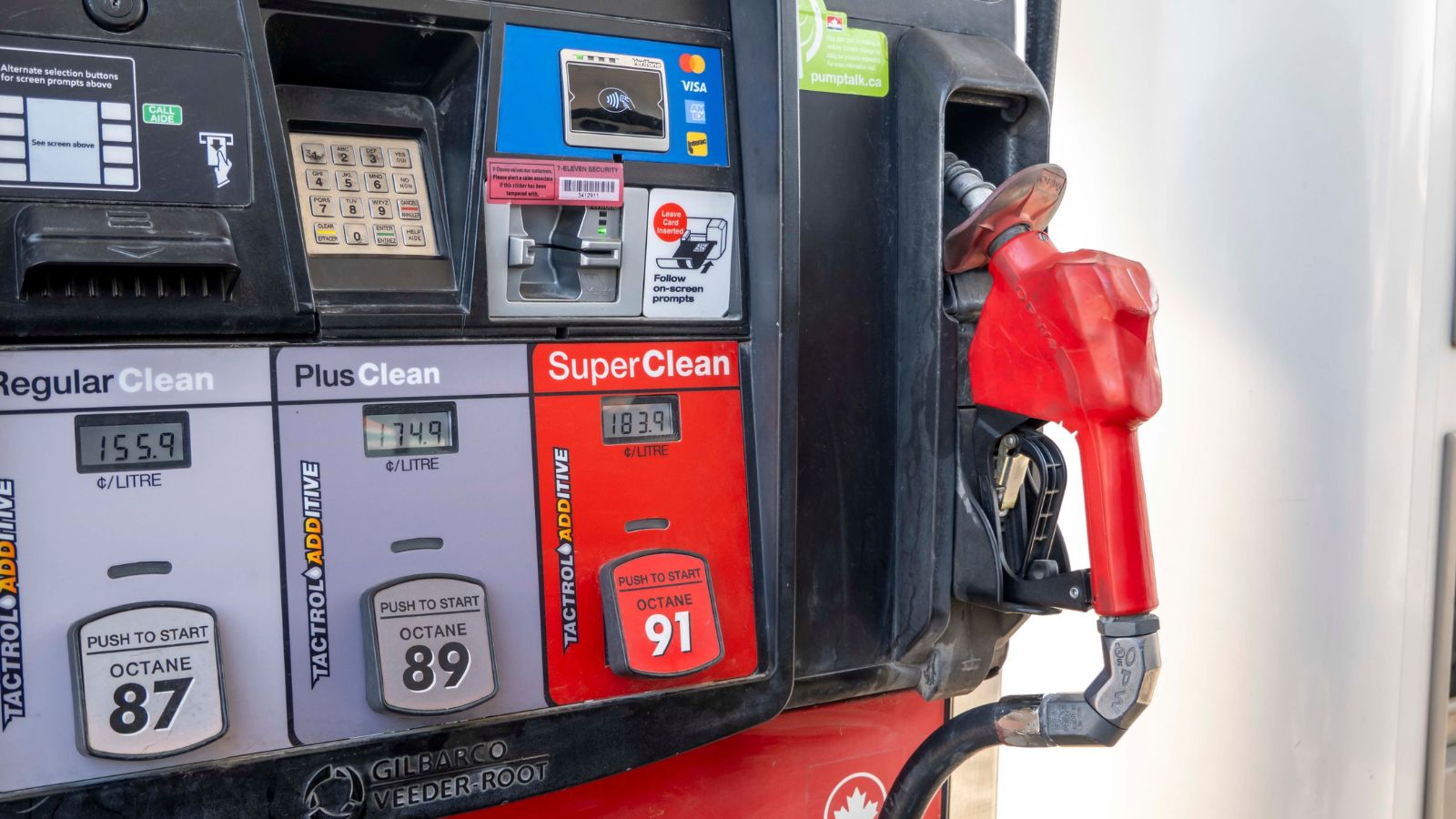
A road trip can feel cheaper than flying, but fuel costs can climb fast when the route includes mountain highways, cottage-country traffic, detours, air conditioning, rooftop boxes, or a fully loaded vehicle. CAA’s driving cost tools emphasize that vehicle expenses go beyond the sticker price and include ongoing costs such as fuel and operating expenses. For getaways, the fuel bill is often underestimated because drivers think in distance rather than total driving conditions.
A simple example is a weekend from the Greater Toronto Area to cottage country. The map may show a manageable distance, but stop-and-go traffic, idling, and side trips for groceries or beaches can add more kilometres than planned. In rural or remote areas, fuel stations may be farther apart and prices may be less forgiving. The trip still feels local, but the gas receipt tells a different story.
Wear and Tear on the Vehicle

The cost of driving is not limited to the fuel pump. Tires, brakes, oil, windshield chips, depreciation, and maintenance all form part of the real cost of a getaway by car. CAA’s calculator is built around the idea that driving costs should include more than fuel alone, which matters for Canadians who use personal vehicles for weekend escapes, camping runs, ski trips, and summer road trips.
This hidden cost is easy to ignore because it does not arrive as one bill at checkout. A rough gravel road to a cabin, a pothole on a spring highway, or a long mountain descent may show up later as a tire replacement, alignment, brake job, or insurance claim. The getaway may have been cheaper than airfare, but the vehicle absorbed part of the price quietly.
Rental Car Add-Ons

A low rental-car rate can rise quickly once insurance options, added drivers, child seats, winter tires, GPS, airport concession charges, fuel plans, and mileage rules enter the picture. Statistics Canada’s national tourism indicators reported that vehicle rental spending rose 11.3% in the third quarter of 2025, showing how meaningful this category can be in domestic travel spending. For travellers flying into a Canadian city or reaching a rural destination, the car may become the most unpredictable part of the budget.
The biggest surprise is often the gap between the advertised daily rate and the counter total. A traveller may reserve a compact car at a modest price, then learn that a second driver, after-hours pickup, winter equipment, or optional coverage changes the math. If the destination has limited transit, walking away is rarely realistic.
Baggage and Seat-Selection Fees

Airfare comparison sites can make a quick flight across Canada look cheap until baggage, seat selection, carry-on rules, and fare restrictions are added. The Canadian Transportation Agency advises travellers to read airline tariffs carefully, including sections covering advance seat selection, baggage fees, and penalties. That guidance matters because the lowest fare may not include the basics many passengers assume are automatic.
The issue is especially visible for short getaways. A traveller booking a low fare for a three-night trip may still need a carry-on, checked bag, or seat beside a child. Each add-on narrows the difference between the bargain fare and a more flexible ticket. By boarding time, the “cheap flight” may have become only slightly cheaper than the fare that looked expensive at first.
Flight Disruptions That Create Extra Spending

Delays and cancellations do not only cost time; they can trigger meals, taxis, airport parking extensions, hotel nights, missed reservations, and last-minute rebooking decisions. Canada’s Air Passenger Protection framework sets out airline obligations for delays, cancellations, denied boarding, baggage, seating of children, communication, and other passenger issues, with different remedies depending on the situation. Still, travellers may need to spend money before any claim is resolved.
For a short Canadian getaway, one disrupted flight can consume a large share of the trip. A Friday evening delay may mean arriving after the hotel kitchen closes, paying for airport food, missing a prepaid activity, or needing an expensive rideshare late at night. Even when a passenger has rights, the cash-flow problem happens immediately, not weeks later.
Restaurant Prices in Tourist Areas

Food is one of the most underestimated costs of a domestic trip. Statistics Canada noted that food and beverage spending helped drive the increase in Canadian residents’ domestic travel spending in the second quarter of 2025. That makes sense on the ground: breakfast near a hotel, coffee stops, snacks for kids, patio drinks, takeout after a long drive, and restaurant meals in tourist zones add up quickly.
The human side is familiar. A couple plans to “keep it simple” with casual meals, then pays resort-town prices for sandwiches, tips, taxes, and drinks because the grocery store is inconvenient or the rental kitchen is under-equipped. A family may pack snacks for the drive but still buy lunch near an attraction. Food rarely feels like one major decision, yet it can become one of the largest trip categories.
Resort and Amenity Fees

Some accommodations advertise an appealing room rate while adding resort, facility, destination, or amenity fees for services that may include pools, fitness rooms, Wi-Fi, beach access, ski shuttles, or local calls. These fees can feel especially irritating when travellers do not use the amenities or assumed they were part of the room price. The final bill then becomes more complicated than the headline rate suggested.
In Canadian resort towns, the fee may be framed as supporting extra services during busy seasons. That does not make it painless for budget travellers. A family choosing a basic room to save money may still pay a mandatory charge linked to amenities they barely touch. When combined with accommodation taxes, parking, and restaurant costs, the “simple hotel stay” becomes a layered bill.
Campground Reservation and Equipment Costs
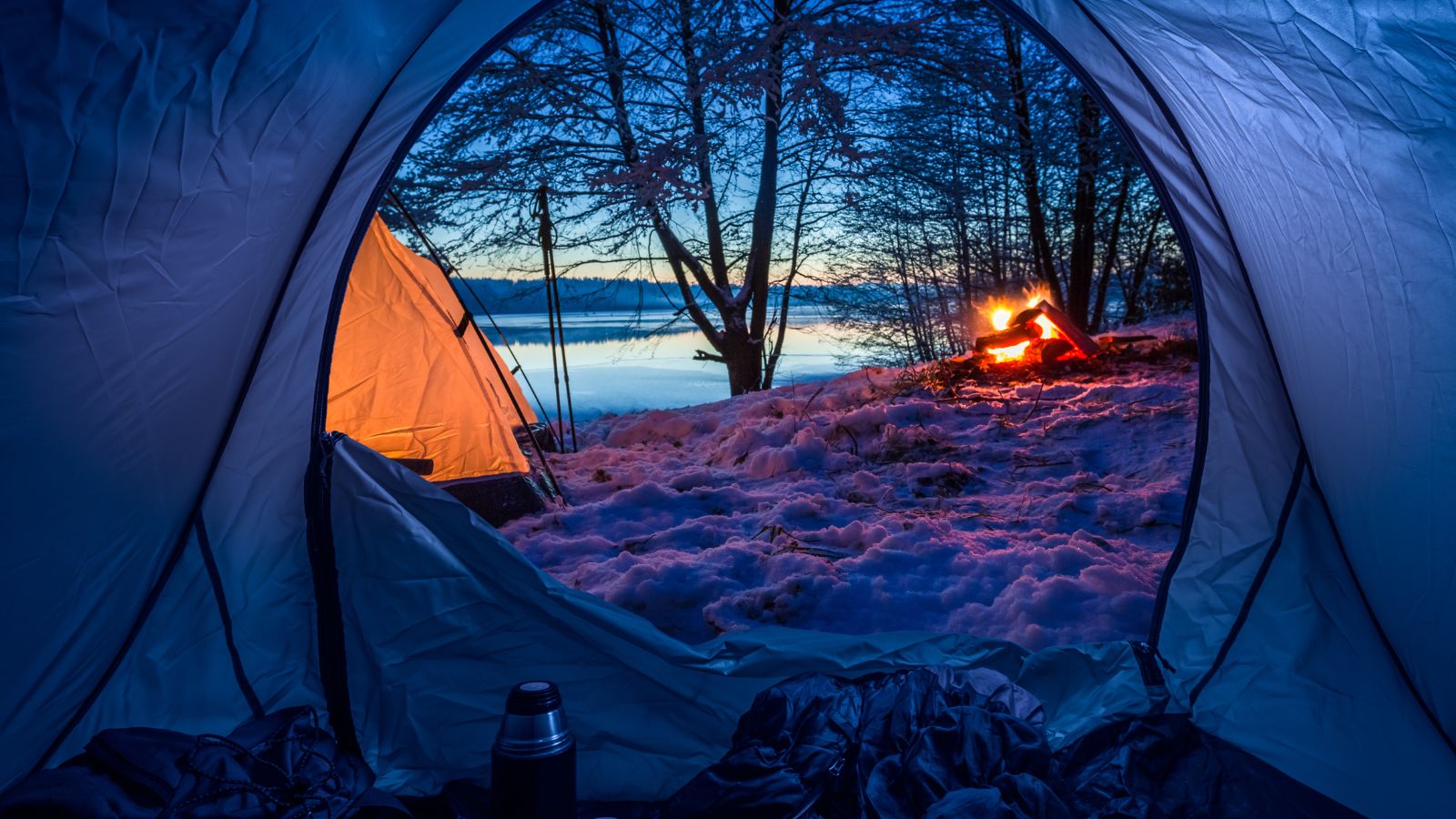
Camping is often treated as the classic low-cost Canadian getaway, but the modern version can involve reservation fees, firewood rules, park permits, gear purchases, propane, tarps, coolers, sleeping pads, and cancellation limits. Parks Canada opened 2026 visitor-season reservations in January, with launch dates varying by location, and announced free admission plus a 25% discount on camping and overnight stays for the Canada Strong Pass period from June 19 to September 7, 2026.
Even with discounts, camping is not automatically cheap for people starting from scratch. A first-time family may need a tent, sleeping bags, lanterns, stove fuel, rain gear, and storage bins before paying for the site. Firewood may need to be purchased locally to reduce invasive species risks. The campsite fee may be modest, but the full setup can resemble a small outdoor-equipment investment.
Ferry, Bridge, and Shuttle Costs
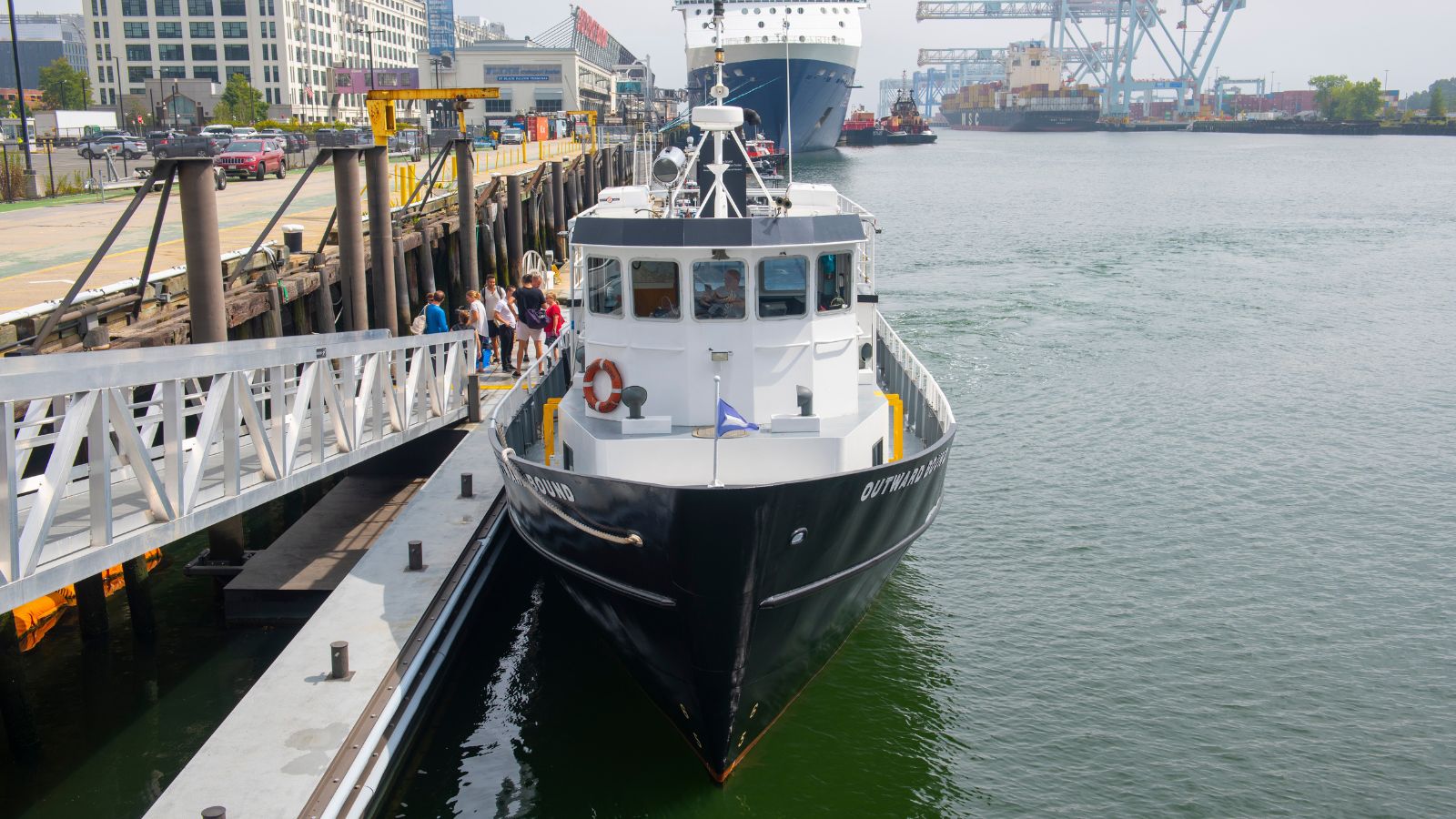
Many Canadian getaways involve water, mountains, islands, or remote areas, which can bring ferry fares, bridge tolls, parking shuttles, and reservation charges. These costs often sit outside the lodging budget, so they are easy to miss during early planning. A trip to an island, coastal town, national park, or trailhead may require more paid transfers than the original map suggests.
The cost can also multiply by vehicle size, passenger count, or timing. A couple travelling light may pay one amount, while a family with an SUV, bikes, pets, or a trailer faces another. If a ferry reservation is missed because of traffic, the replacement plan may involve delays, food purchases, or a more expensive sailing. The destination may be beautiful precisely because it is harder to reach, but access has a price.
Attraction Tickets and Timed Reservations

A getaway built around “mostly free” sightseeing can still become expensive when popular attractions require paid tickets, timed reservations, parking, lockers, guided access, or shuttle passes. Museums, gondolas, aquariums, boat tours, historic sites, wildlife experiences, and scenic lookouts may all add costs that were not part of the original room-and-gas estimate. When travelling with children, every ticket price becomes a multiplier.
The shift is often emotional rather than mathematical. Once a family has driven several hours and booked a room nearby, skipping the main attraction feels like wasting the trip. That makes add-on activities easier to justify in the moment. The attraction may be worth the price, but it still changes a cheap getaway into a more expensive memory-making exercise.
Mobile Roaming, Data, and Connectivity Charges

Domestic travel within Canada usually avoids international roaming, but connectivity costs can still appear through data overages, weak rural coverage, paid campground Wi-Fi, hotel premium internet, or extra mobile hotspot use. Remote work, streaming, maps, restaurant searches, digital tickets, and weather alerts all increase data needs. In rural or park areas, weak signals can also drain phone batteries faster, creating demand for chargers and power banks.
This cost feels modern because many travellers no longer treat connectivity as optional. A parent may need navigation, a teenager may stream during a long drive, or a remote worker may upgrade hotel Wi-Fi for a video call. The getaway is domestic, but the digital load can resemble daily life moved onto a less reliable network. What once was a free escape now depends on paid connectivity.
Cancellation Rules and Non-Refundable Deals
The cheapest rate is often the least flexible. Hotels, short-term rentals, trains, flights, tours, and campgrounds may offer lower prices in exchange for strict cancellation terms or limited changes. That can be fine when plans are certain, but Canadian travel is vulnerable to weather, illness, wildfire smoke, road closures, ferry delays, and family schedule changes. A small upfront saving can become expensive if plans shift.
This is where bargain hunting can backfire. A non-refundable room may save $25 compared with a flexible rate, but it can cost the entire booking if a child gets sick or a storm makes the drive unsafe. The same logic applies to prepaid attractions and tours. Cheap getaways depend on certainty, and certainty is not always available during Canadian travel seasons.
Convenience Purchases That Fill the Gaps

The final hidden cost is the one nobody budgets for: convenience. Forgotten sunscreen, rain ponchos, bottled water, charging cables, motion-sickness tablets, bug spray, beach toys, mittens, batteries, snacks, and last-minute toiletries can all cost more in tourist areas. Pre-trip spending also appears in national tourism data, with Statistics Canada tracking items such as luggage and camping equipment within tourism-related spending categories.
These purchases are small enough to feel harmless individually, which is why they slip through. A family may spend $12 here, $18 there, and $30 at a roadside store, then wonder why the weekend budget failed. The lesson is not that every item should be packed with military precision. It is that “cheap” getaways often become expensive through dozens of practical little purchases made when comfort, weather, or tired children win.
19 Things Canadians Don’t Realize the CRA Can See About Their Online Income

Earning money online feels simple and informal for many Canadians. Freelancing, selling products, and digital services often start as side projects. The problem appears at tax time. Many people underestimate how much information the CRA can access. Online platforms, banks, and payment processors create detailed records automatically. These records do not disappear once money hits an account. Small gaps in reporting add up quickly.
Here are 19 things Canadians don’t realize the CRA can see about their online income.
This Options Discord Chat is The Real Deal
While the internet is scoured with trading chat rooms, many of which even charge upwards of thousands of dollars to join, this smaller options trading discord chatroom is the real deal and actually providing valuable trade setups, education, and community without the noise and spam of the larger more expensive rooms. With a incredibly low-cost monthly fee, Options Trading Club (click here to see their reviews) requires an application to join ensuring that every member is dedicated and serious about taking their trading to the next level. If you are looking for a change in your trading strategies, then click here to apply for a membership.